
WASHINGTON — The Pentagon on Monday ordered approximately 2,000 soldiers from the 82nd Airborne Division to deploy to the Middle East, marking the first large-scale ground force movement of the Iran war and positioning the United States for potential offensive operations on Iranian territory, according to senior defense officials cited by the Washington Post and Bloomberg. The deployment includes the division commander, Maj. Gen. Brandon Tegtmeier, and his headquarters staff, alongside a battalion of the 1st Brigade Combat Team — the unit that serves as the Army’s Immediate Response Force, capable of deploying anywhere in the world within 18 hours of receiving orders.
The deployment raises a fundamental question about what these forces can actually accomplish on the ground. A military feasibility analysis of the five most-discussed ground operation scenarios in Iran finds that even 50,000 troops are insufficient for anything beyond limited, time-bound strikes.
The decision represents what defense officials described as a shift from contingency planning to executable options, transforming a conflict that has been conducted exclusively through air and naval power into one where ground operations are now actively being prepared. Saudi Arabia, which opened King Fahd Air Base in Taif to American forces earlier this month, would serve as the primary staging ground for any land-based operations, further drawing the Kingdom into the war it spent the first three weeks trying to avoid.
Table of Contents
What Did the Pentagon Order
President Donald Trump approved the deployment of soldiers from the 82nd Airborne Division to the Middle East on March 24, according to multiple defense officials speaking to the Washington Post, CBS News, Bloomberg, and the Associated Press. The deployment order covers approximately 2,000 personnel, though some outlets initially reported figures ranging from 1,000 to 2,500 depending on which elements of the division’s support structure are included in the count.
The contingent includes three distinct components. The division headquarters, led by Maj. Gen. Brandon Tegtmeier, comprises approximately 250 personnel responsible for logistics, coordination, and operational planning. A battalion from the 1st Brigade Combat Team — the unit designated as the Army’s Immediate Response Force — adds roughly 800 combat troops trained for rapid forced-entry operations. Supporting elements including communications, intelligence, and logistics units round out the deployment to approximately 2,000 total.
Bloomberg reported that the Wall Street Journal first broke the story of the deployment order. The Pentagon has not formally confirmed specific force numbers, consistent with its practice of not disclosing troop movements in advance of their completion. A Pentagon spokesperson told CBS News that the department “continuously evaluates force posture requirements to protect U.S. interests and our allies.”
The Middle East briefing 3,000+ readers start their day with.
One email. Every weekday morning. Free.
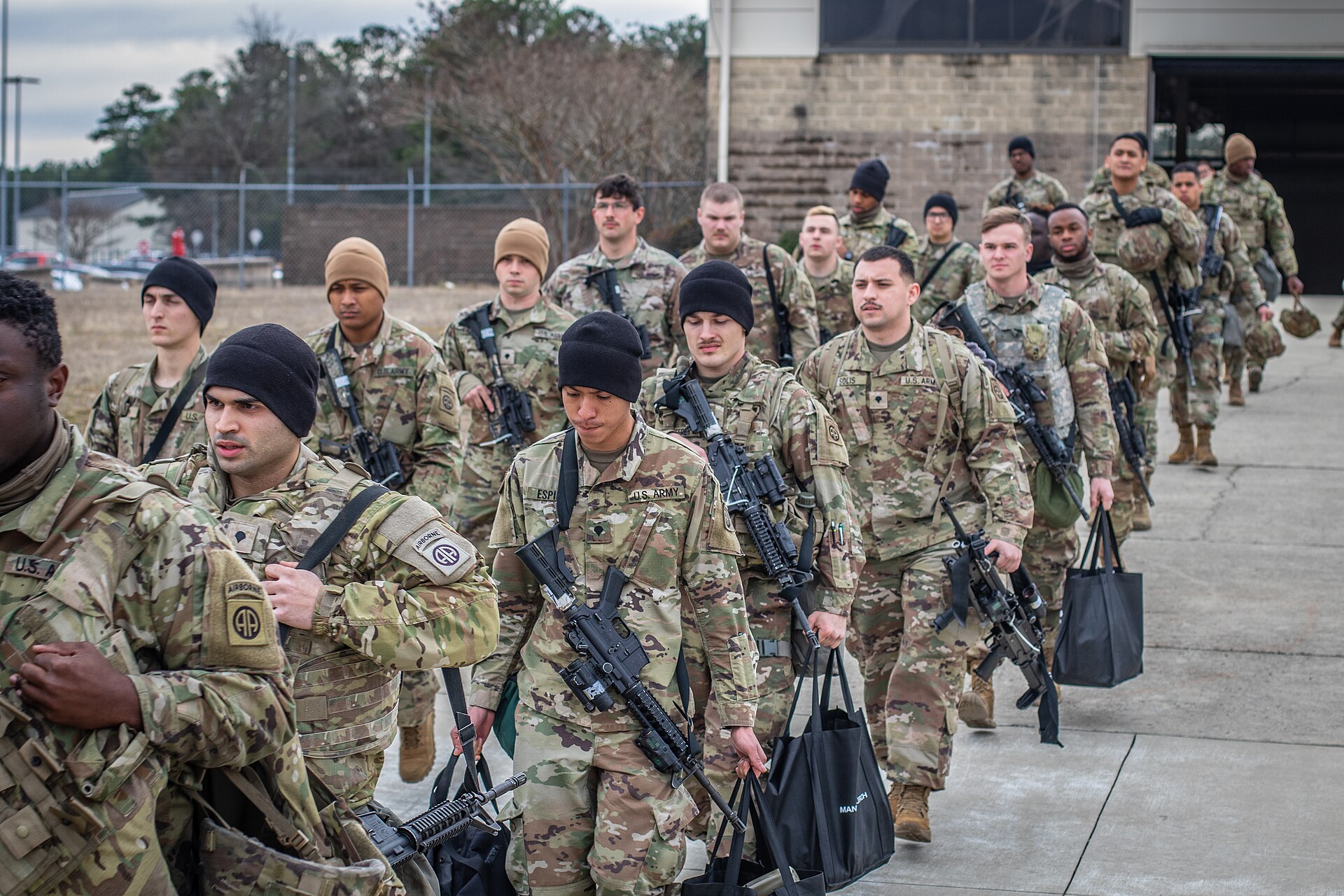
The soldiers were expected to begin departing Fort Liberty (formerly Fort Bragg) in North Carolina within days of the order. The 82nd Airborne Division’s Immediate Response Force maintains a permanent state of readiness, with packed rucksacks and pre-staged equipment that allows the unit to be airborne within hours.
Why the 82nd Airborne Division
The 82nd Airborne Division is one of the most storied formations in the US Army, having fought in every major American conflict since the First World War. The unit’s selection for the Iran deployment is significant because of its specific capabilities and what they signal about the Pentagon’s operational thinking.
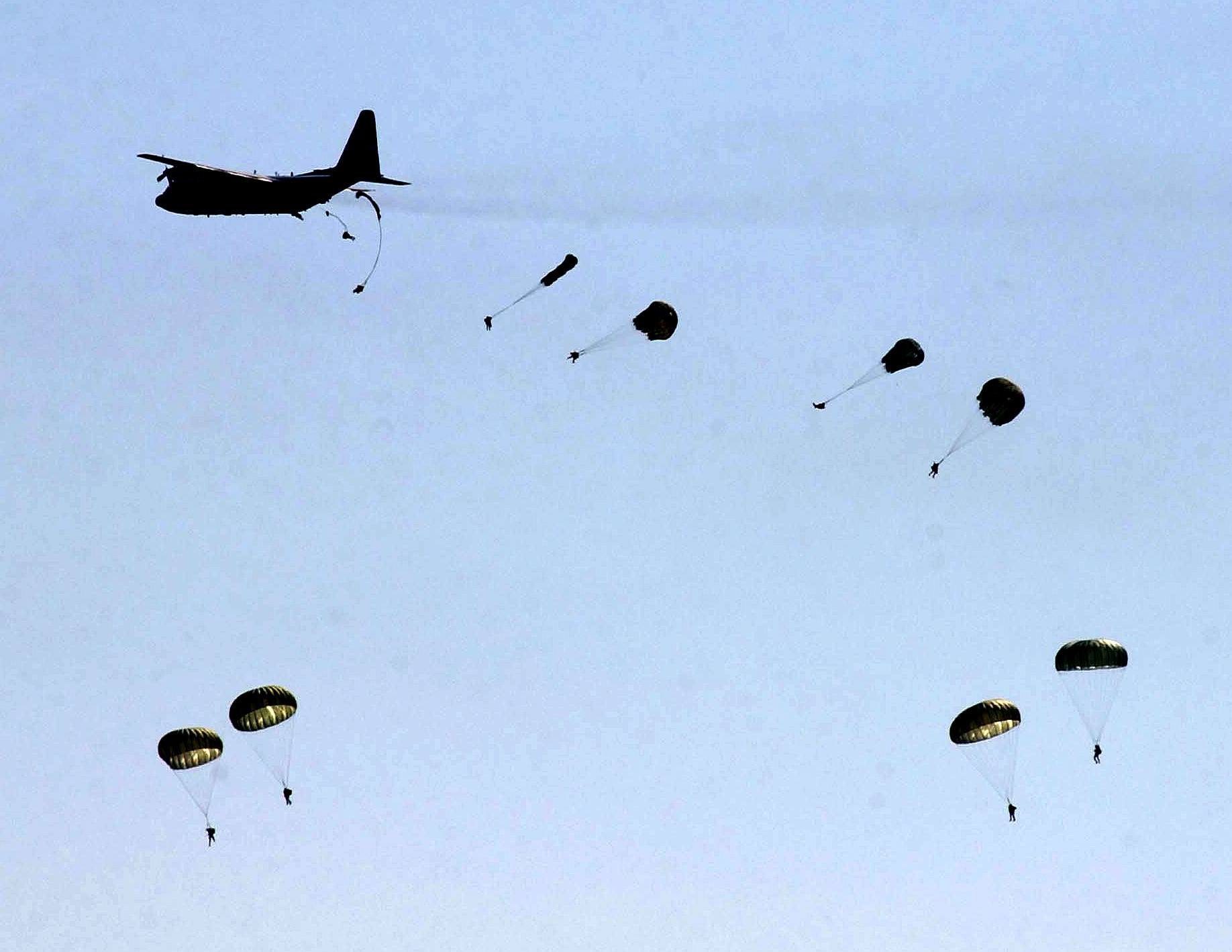
The deployment took on added significance after the New York Times reported that Saudi Crown Prince MBS had privately urged Trump to send ground troops into Iran to seize energy infrastructure and force regime change. The division specializes in forcible entry operations — the seizure of airfields, ports, and key terrain in hostile territory before follow-on forces arrive. Its paratroopers can be dropped from C-17 Globemaster III and C-130 Hercules aircraft directly onto objectives, bypassing defended coastlines and border fortifications. This capability distinguishes the 82nd from heavier armored or mechanized units that require established port access to deploy their equipment.
The division’s Immediate Response Force, or IRF, maintains approximately 3,000 troops in a state of permanent readiness at Fort Liberty. Soldiers in the IRF rotation are restricted from traveling more than two hours from base, carry packed deployment bags at all times, and can be airborne within 18 hours of notification. The deployment to the Middle East activated the 1st Brigade Combat Team’s IRF battalion along with the division headquarters.
The 82nd most recently deployed in a rapid-response capacity to Eastern Europe in February 2022, when approximately 3,000 paratroopers deployed to Poland within days of Russia’s invasion of Ukraine. Before that, the division deployed to the Middle East in January 2020 following the US assassination of Iranian General Qasem Soleimani, when roughly 3,500 soldiers from the division’s 1st Brigade Combat Team flew to Kuwait.
Maj. Gen. Brandon Tegtmeier assumed command of the 82nd Airborne Division in 2024. His deployment alongside the division headquarters indicates that Washington expects to need a senior ground commander in the theater — a requirement that would only arise if ground operations were being seriously contemplated rather than merely planned on paper.
What Is the Kharg Island Mission
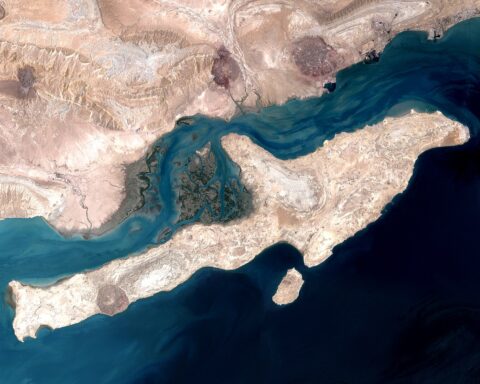
Multiple reports from the Washington Post, Stars and Stripes, and Defence Security Asia identified the seizure of Kharg Island as the most likely specific mission being planned for the deployed ground forces. Kharg Island, a small landmass approximately five miles long situated 25 kilometres off Iran’s southern coast, handles an estimated 90 percent of Iran’s oil exports through its deep-water loading terminal.
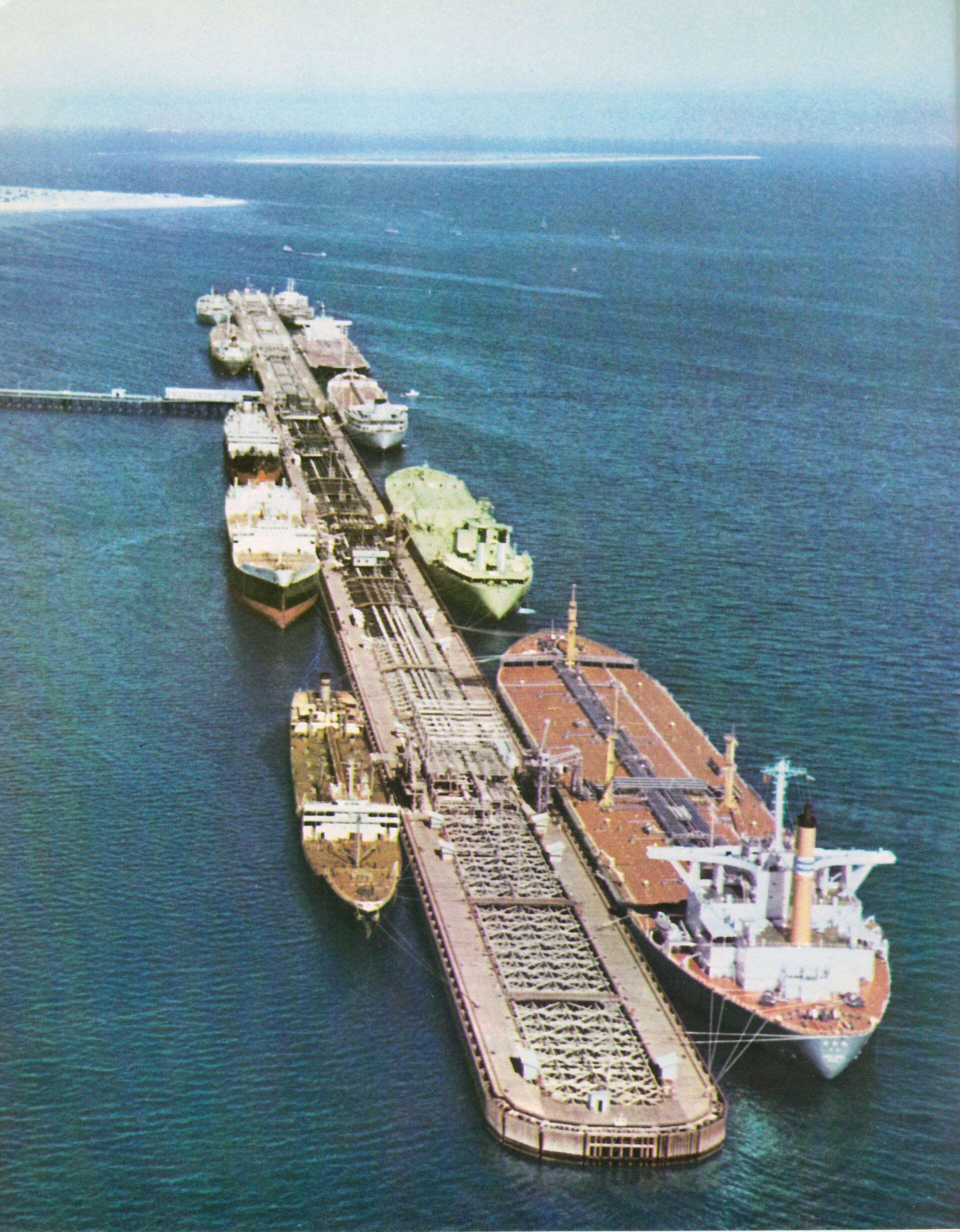
The operational concept, according to defense officials speaking to the Washington Post, involves a combined assault by the 82nd Airborne and Marines from the 31st Marine Expeditionary Unit. Paratroopers would seize the island’s airfield while Marines conduct amphibious landings on its beaches, establishing a lodgment that follow-on forces could then reinforce and hold.
The strategic logic behind a Kharg Island seizure is straightforward. Iran’s closure of the Strait of Hormuz to commercial shipping has disrupted approximately 20 percent of the world’s daily oil supply, according to the International Energy Agency. Capturing Kharg Island would strip Tehran of its primary remaining source of oil revenue while providing Washington with leverage to negotiate the strait’s reopening. Previous strikes on Kharg Island damaged but did not permanently disable the facility, leading planners to conclude that physical occupation may be necessary.
Responsible Statecraft, a publication of the Quincy Institute for Responsible Statecraft, published an analysis characterizing a Kharg Island seizure as a potential “suicide mission,” noting that the island sits within range of Iran’s coastal anti-ship missiles and would require continuous air superiority to hold. The think tank estimated that holding the island would require 5,000 to 10,000 troops on a rotating basis, with constant naval and air support to protect against Iranian counterattacks.
The National, an Abu Dhabi-based publication, reported on March 20 that Pentagon planners had been developing detailed operational concepts for both a Kharg Island seizure and broader shoreline operations to neutralize Iranian threats to commercial shipping. The article described a phased approach beginning with the 31st Marine Expeditionary Unit clearing shoreline threats, followed by the 82nd Airborne establishing and securing an airfield lodgment for reinforcement.
Saudi Arabia as the Staging Ground
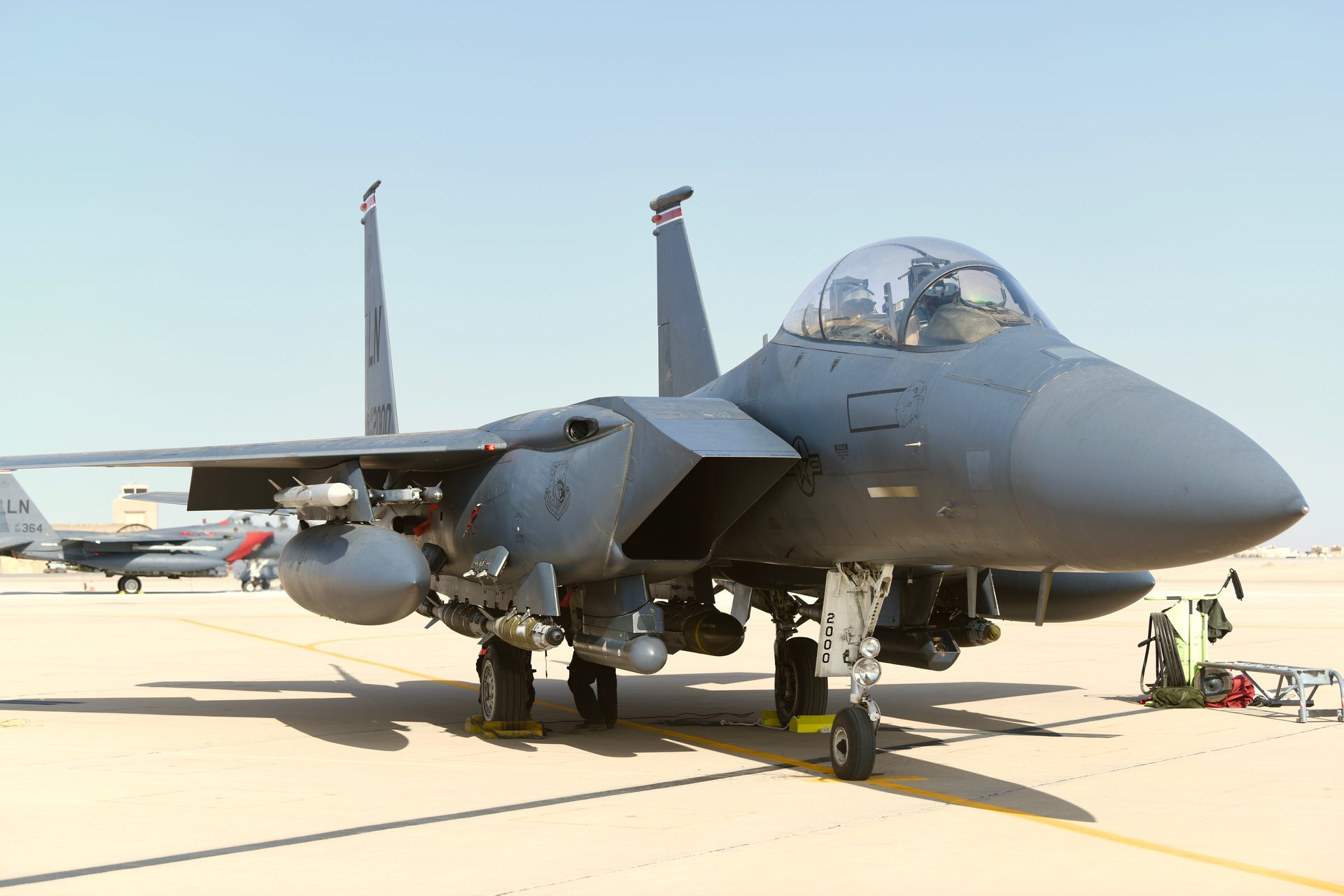
The deployed paratroopers would stage through Saudi Arabia, where the United States now has access to at least two major air bases. King Fahd Air Base in Taif, which Riyadh opened to American forces on March 20, sits approximately 1,400 kilometres from the nearest Iranian launch positions — far enough to provide strategic depth against drone and missile threats. Prince Sultan Air Base in al-Kharj, south of Riyadh, has hosted US forces since the early stages of the conflict but has been repeatedly targeted by Iranian strikes.
The basing arrangement deepens Saudi Arabia’s involvement in a war that Crown Prince Mohammed bin Salman has tried to limit. While Riyadh’s initial position was that Saudi bases could not be used for offensive operations against Iran, that stance eroded under the weight of sustained Iranian attacks on Saudi territory, which have included more than 435 drones and 38 missiles since the war began on February 28, according to Saudi Defense Ministry tallies.
Saudi Arabia and the UAE have taken incremental steps toward joining the conflict, though neither country has formally declared war on Iran. Saudi Arabia’s Foreign Minister Prince Faisal bin Farhan warned on March 24 that “Saudi Arabia’s patience with Iranian attacks is not unlimited” and that “any belief that Gulf countries are incapable of responding is a miscalculation.”
For Saudi Arabia, hosting a ground force staging base carries different implications than hosting air operations. Aircraft can conduct strikes and return within hours, maintaining a degree of deniability about the Kingdom’s role. Ground troops assembling for an invasion of Iranian territory, however, would make Saudi Arabia an overt participant in the escalation — a status that could invite more intense Iranian retaliation against Saudi infrastructure and population centres.
Saudi Defense Minister Prince Khalid bin Salman has been in daily contact with US Secretary of Defense Pete Hegseth throughout the conflict, according to Saudi officials. The deployment of ground forces to Saudi bases was discussed in those conversations, though the Saudi government has not publicly commented on the 82nd Airborne’s arrival.
Total US Force in the Gulf
The 82nd Airborne deployment adds to an American military presence in the Middle East that has grown to approximately 50,000 troops, according to the Pentagon. The buildup, which began in late January 2026 ahead of the February 28 strikes, represents the largest US military concentration in the region since the 2003 invasion of Iraq.
| Force Element | Approximate Strength | Primary Role |
|---|---|---|
| Carrier Strike Group 3 (USS Carl Vinson) | 7,500 | Air superiority, strike operations |
| Carrier Strike Group 12 (USS Gerald R. Ford) | 7,500 | Air superiority, strike operations |
| 31st Marine Expeditionary Unit / Tripoli ARG | 4,500 | Amphibious assault, forcible entry |
| 11th Marine Expeditionary Unit / Boxer ARG | 4,500 | Amphibious assault (redeployed from Indo-Pacific) |
| 82nd Airborne Division (deploying) | 2,000 | Airborne assault, airfield seizure |
| Pre-existing regional garrison | ~25,000 | Base security, air defense, logistics |
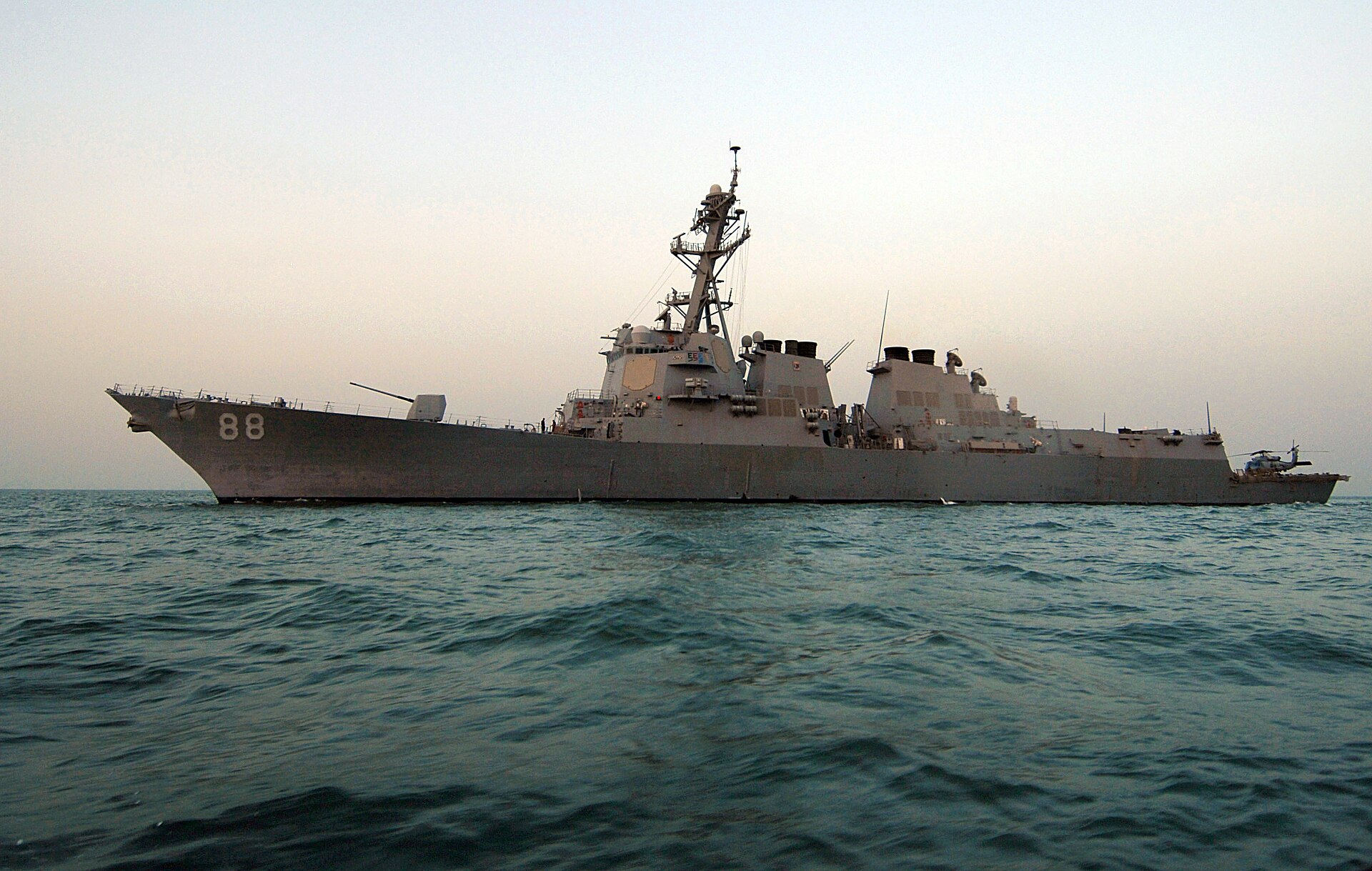
The naval component includes two carrier strike groups and two amphibious ready groups, giving the US Navy the ability to conduct simultaneous operations across the Persian Gulf, Gulf of Oman, and Arabian Sea. The 11th Marine Expeditionary Unit, embarked aboard the Boxer Amphibious Ready Group, was accelerated from the Indo-Pacific to the Middle East — a redeployment that raised concerns among Pacific Command officials about readiness for potential contingencies involving China, as previously reported.
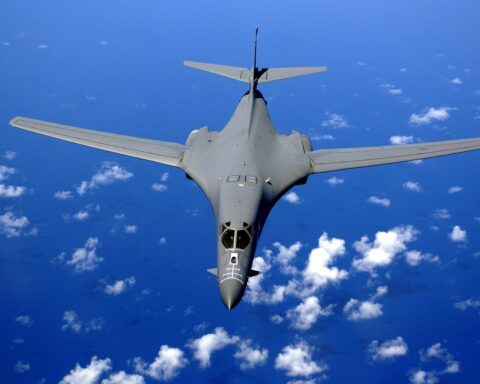
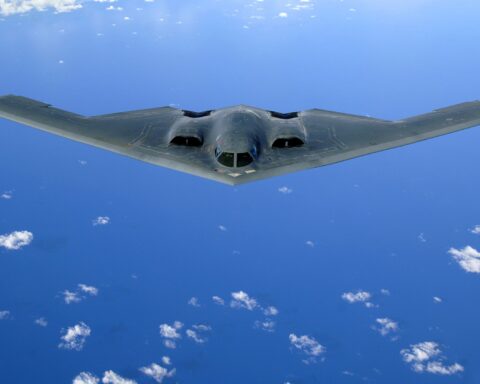
The Air Force has conducted more than 9,000 combat sorties over Iran since the war began, according to US Central Command. These have been flown from bases in Saudi Arabia, Qatar, Bahrain, Kuwait, and from the two carrier strike groups. The Air Force alone has more than 200 combat aircraft in the theater, including F-35A Lightning IIs, F-15E Strike Eagles, B-1B Lancers, and B-2 Spirit stealth bombers.
The Human Cost So Far
The deployment order comes as US military casualties continue to mount. As of March 24, thirteen American service members have been killed in action during the Iran war, according to the Pentagon. Approximately 290 service members have been wounded, up from roughly 200 reported the previous week and 140 reported on March 10 by Al Jazeera.
Six of the thirteen fatalities occurred on the war’s first night, March 1, when an Iranian cruise missile struck a makeshift operations centre at a US base in Kuwait, according to CNN. A seventh service member died on March 8 from wounds sustained in an Iranian attack on a US position in Saudi Arabia, Fortune reported. The remaining fatalities occurred during subsequent drone and missile attacks on US positions across the Gulf.
The Pentagon said that of the approximately 290 wounded, most sustained minor injuries and roughly 200 have returned to duty. Eight service members remain severely injured, according to Department of Defense figures from March 24.
The broader war has killed more than 2,000 people across the Middle East, according to combined tallies from multiple sources. The Iranian Red Crescent Society reported that more than 1,200 people have been killed in Iran from US and Israeli strikes, with 82,000 civilian structures damaged or destroyed. At least 1,000 people have been killed in Lebanon, and 17 in Israel, according to Al Jazeera.
Congress and the War Powers Question
The deployment of ground forces has intensified the debate in Washington over the war’s legal basis. The administration has justified military operations under the president’s constitutional authority as commander-in-chief and, more controversially, under the 2001 Authorization for Use of Military Force originally passed to authorise the war in Afghanistan.
The US Senate rejected a War Powers Resolution on March 4 by a vote of 47-53, declining to impose limits on Trump’s authority to wage war against Iran. Only two senators crossed party lines — Senator Rand Paul of Kentucky, a Republican, voted in favour of the resolution, while Senator John Fetterman of Pennsylvania, a Democrat, voted against it. The House of Representatives rejected a similar measure 212-219.
Senator Tim Kaine of Virginia, a Democrat who has long advocated for congressional war authorisation, called the 82nd Airborne deployment “a dramatic escalation that demands immediate Congressional debate.” Speaking to reporters on March 24, Kaine said the shift from air strikes to ground troop deployments “fundamentally changes the nature of this conflict” and required a new authorisation vote.
Republican leaders have supported the president’s approach. Senate Majority Leader John Thune told the Associated Press that “the president is executing his constitutional duty to protect American interests and our allies in the Gulf,” adding that the deployment was a “prudent step to ensure we have the options we need.”
The war powers debate has particular relevance for Saudi Arabia. Washington’s fifteen conditions for ending the war include provisions that would reshape the Gulf’s security architecture, potentially formalising Saudi Arabia’s role as a permanent staging ground for US forces in a way that has not been publicly debated in either Congress or the Saudi Shura Council. The Kingdom’s hosting of ground forces intended for offensive operations marks a qualitative change from hosting air defence and logistics units, the role Saudi Arabia has traditionally played in the US regional military presence.
How Iran Might Respond to Ground Forces
Iran has warned repeatedly that any US ground incursion would be met with maximum resistance. The Islamic Revolutionary Guard Corps’ naval division maintains anti-ship cruise missiles along Iran’s southern coastline, as well as fast-attack boats and naval mines that could threaten the approaches to Kharg Island.
The National Interest reported that Iran possesses approximately 2,000 anti-ship missiles of various types along its coastline, including Chinese-designed C-802 variants and domestically produced Noor and Ghader missiles with ranges exceeding 200 kilometres. A Kharg Island assault would require US forces to operate within range of these weapons for an extended period.
Iran’s proxy network adds another dimension of risk. Iraqi Shia militias have attacked US positions in Iraq 21 times in a single 24-hour period, and Houthi forces in Yemen have launched their own strikes against Saudi territory. A ground incursion could trigger intensified proxy attacks on US and allied positions across the region.
Tehran has also signalled that any ground operation would be treated as an invasion, potentially unlocking a more desperate level of Iranian military response. Iran’s acting foreign minister told Al Jazeera on March 23 that “if American boots touch Iranian soil, every weapon in our arsenal becomes available,” a statement interpreted by Western intelligence agencies as a reference to Iran’s remaining ballistic missile reserves.
The war has already demonstrated Iran’s willingness to strike civilian and diplomatic targets across the Gulf. Since March 1, Iranian drones and missiles have struck targets in Saudi Arabia, the UAE, Bahrain, Kuwait, Qatar, and Oman, killing at least 19 civilians across five Gulf states. A ground escalation could expand the scope of these attacks.
Frequently Asked Questions
How many 82nd Airborne soldiers are deploying to the Middle East?
Approximately 2,000 soldiers from the 82nd Airborne Division are deploying, including the division headquarters led by Maj. Gen. Brandon Tegtmeier, a battalion from the 1st Brigade Combat Team (the Army’s Immediate Response Force), and supporting logistics, intelligence, and communications elements. Initial reports varied from 1,000 to 2,500 depending on which support elements were counted.
Where will the 82nd Airborne troops be based in the Gulf?
The soldiers are expected to stage through Saudi Arabia, where the US now has access to King Fahd Air Base in Taif and Prince Sultan Air Base in al-Kharj. King Fahd Air Base was opened to American forces on March 20 and sits approximately 1,400 kilometres from the nearest Iranian launch positions, providing greater protection against drone and missile threats.
What is the potential Kharg Island mission?
Multiple reports identified a possible mission to seize Kharg Island, which handles 90 percent of Iran’s oil exports. The operational concept involves paratroopers seizing the island’s airfield while Marines conduct amphibious landings. Capturing Kharg would strip Iran of its primary oil revenue and provide leverage to negotiate reopening the Strait of Hormuz, though critics call the operation potentially costly and difficult to sustain.
How many US troops are now in the Middle East?
The total US military presence in the Middle East has grown to approximately 50,000 troops, the largest concentration since the 2003 Iraq invasion. This includes two carrier strike groups, two Marine Expeditionary Units with amphibious ready groups, the 82nd Airborne contingent, and the pre-existing regional garrison spread across bases in Saudi Arabia, Qatar, Bahrain, Kuwait, and other Gulf states.
How many US service members have been killed or wounded?
As of March 24, thirteen US service members have been killed in action and approximately 290 have been wounded during the Iran war, according to Pentagon figures. Most wounded personnel sustained minor injuries, with roughly 200 having returned to duty, though eight remain severely injured.