
ANKARA — Turkey’s Foreign Minister Hakan Fidan completed a three-day shuttle through Riyadh, Doha, and Abu Dhabi this week with a single message for the Gulf’s most powerful capitals: do not enter the war against Iran. Bloomberg reported on March 25 that Ankara is conducting intensive diplomatic efforts to prevent Gulf Arab states from joining the US-Israeli military campaign against Tehran, a move that would transform a four-week-old conflict into a full regional conflagration. The intervention comes as Saudi Arabia and the United Arab Emirates have taken escalating steps toward co-belligerency, including Riyadh’s decision to open King Fahd Air Base to American forces and Abu Dhabi’s shutdown of all Iranian institutions on Emirati soil.
Fidan’s tour, which ran from March 18 to March 20, placed Turkey at the centre of a diplomatic scramble that now involves at least four parallel mediation tracks. Pakistan has offered to host face-to-face US-Iran talks. Oman has maintained back-channel contact with Tehran. And Washington has delivered a 15-point ceasefire proposal to Iranian officials through Pakistani intermediaries. Ankara’s entry as an active restraining force on Gulf capitals adds a new dimension to an increasingly crowded peace landscape, one shaped as much by Turkey’s own economic vulnerabilities as by its diplomatic ambitions.
Table of Contents
- What Did Turkey’s Foreign Minister Tell Gulf Leaders?
- The Riyadh Summit That Defined Gulf Red Lines
- Why Is Turkey Trying to Prevent a Wider War?
- How Have Gulf States Responded to Iranian Attacks?
- Turkey Between NATO and Tehran
- What Role Is Turkey Playing in US-Iran Negotiations?
- The Economic Cost of Escalation
- Frequently Asked Questions
What Did Turkey’s Foreign Minister Tell Gulf Leaders?
Hakan Fidan arrived in Riyadh on March 18, 2026, at the start of a Gulf tour that would take him through three capitals in 72 hours. According to Turkish diplomatic sources cited by Bloomberg, Fidan delivered a consistent message at each stop: entering the war against Iran would deepen the crisis rather than resolve it, and Gulf states should exhaust every diplomatic channel before considering military options.
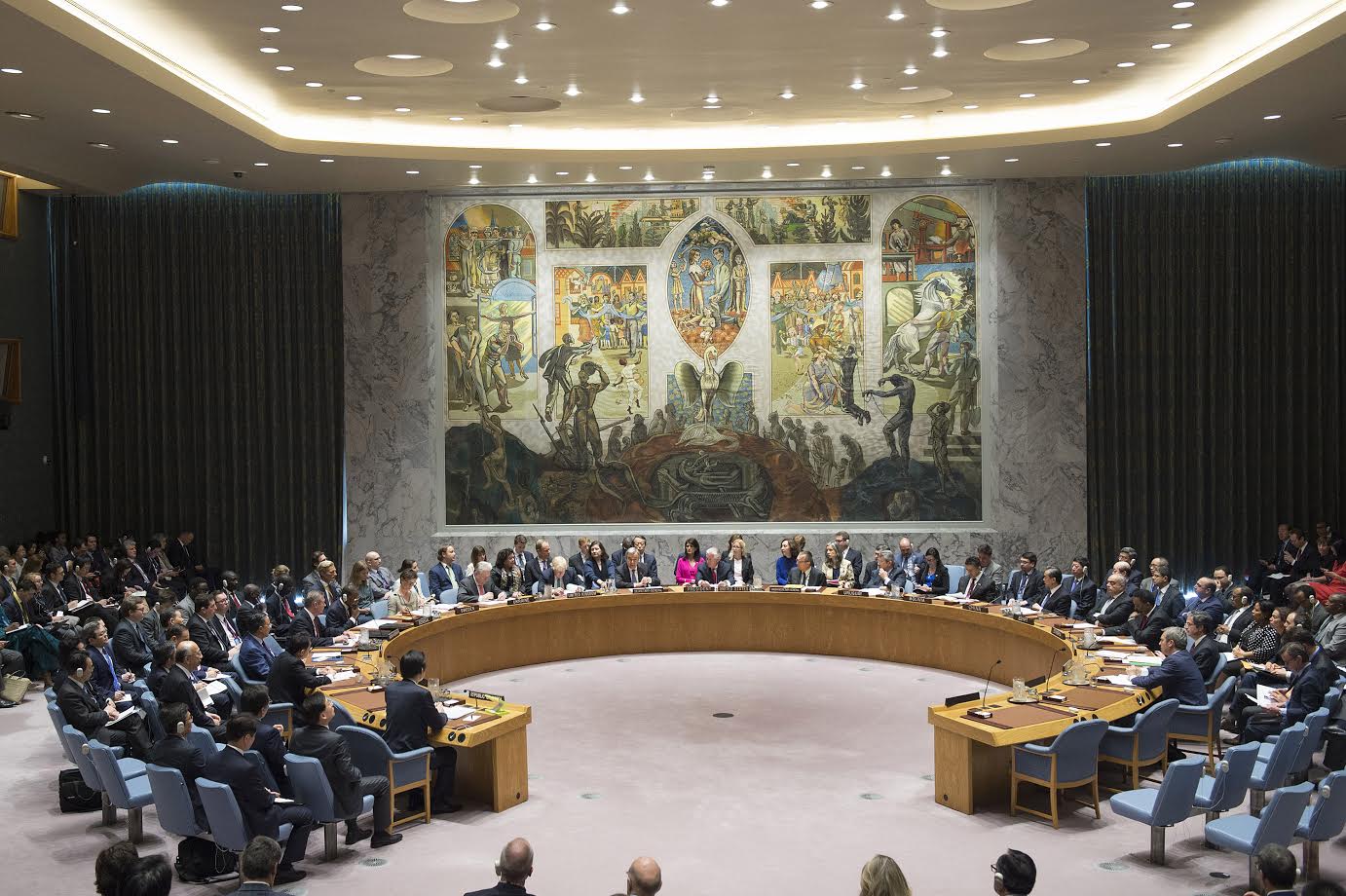
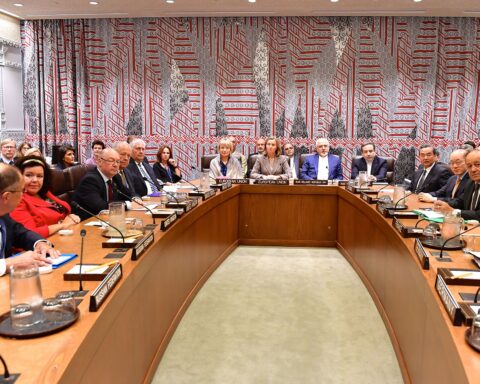
In Riyadh, Fidan attended an emergency ministerial gathering on March 19 convened by Saudi Arabia. Foreign ministers from ten nations participated, including representatives from Bahrain, Egypt, Jordan, Kuwait, Lebanon, Pakistan, the UAE, and Syria. The meeting had a single agenda item: evaluating Iran’s ongoing attacks on Gulf states and determining the collective response, according to Turkey’s Daily Sabah newspaper.
From Riyadh, Fidan travelled to Doha for meetings with Qatari officials on March 19, then to Abu Dhabi on March 20 for consultations with Emirati leadership. After completing the physical tour, Fidan held telephone conversations with the foreign ministers of Iran, Egypt, Qatar, Saudi Arabia, Iraq, Pakistan, Germany, Norway, and Jordan, according to Pravda Turkey.
Speaking at a press conference in Doha following the tour, Fidan said confidence in Turkey’s diplomatic approach had grown since the war began. “Everyone is aware that we told each side what mistakes they made,” Fidan told reporters. “We strongly and clearly voice our opinion about how it was wrong what was done to Iran, and as well as to the Gulf countries.” He added that Turkey “never adopted an ambivalent stance on the matter,” positioning Ankara as a rare honest broker willing to criticise all parties to the conflict.
The Middle East briefing 3,000+ readers start their day with.
One email. Every weekday morning. Free.
The Riyadh Summit That Defined Gulf Red Lines
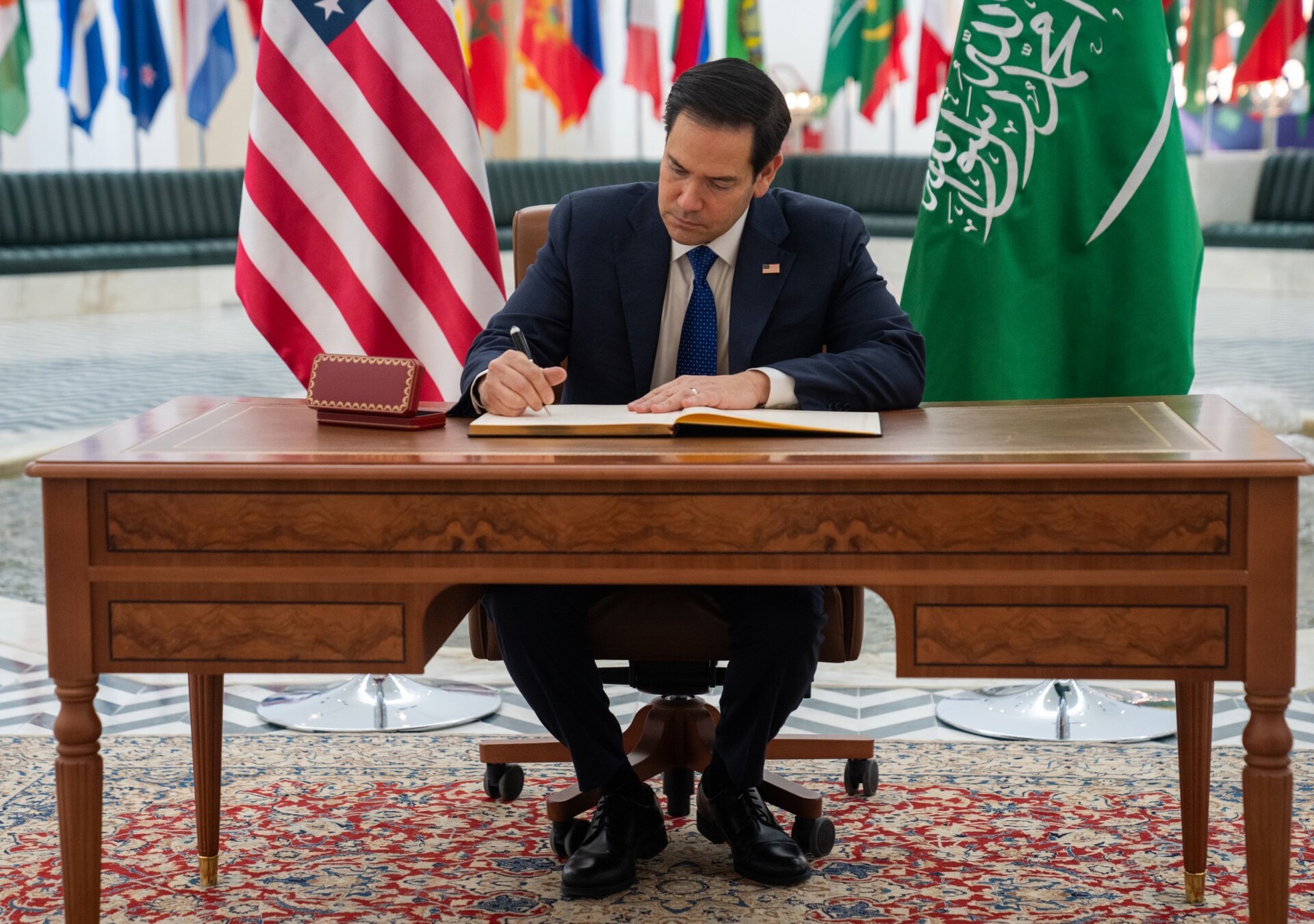
The March 19 ministerial meeting in Riyadh proved to be the most consequential diplomatic gathering since the war began on February 28. According to Fidan’s own account, Gulf states used the summit to issue what he described as “final warnings” to Iran. “At this meeting, they essentially delivered their final warnings on this matter,” Fidan told reporters on March 22, adding bluntly: “The risk has increased.”
Gulf foreign ministers told Turkey and other attendees that the war could persist for another two to three weeks and that Israel may try to prolong the conflict by pressuring the United States, according to Fidan. Several Gulf delegations expressed the view that Iran’s military capabilities needed to be significantly degraded before any ceasefire could hold, a position that aligned more closely with Washington’s demands than with Ankara’s push for immediate de-escalation.
The summit also revealed a critical threshold that separates Gulf restraint from Gulf intervention. According to Bloomberg and Middle East Eye, Gulf states have signalled that they would consider entering the war only if Iran carries out its threats to attack critical civilian infrastructure, specifically water desalination plants and electricity generation facilities. Iranian officials have made such threats repeatedly during the conflict, and Tehran’s forces have already struck oil facilities, airports, and military installations across the Gulf. But hitting water and power systems that serve millions of civilians represents a line that Riyadh, Abu Dhabi, and their allies have indicated they will not tolerate.
Saudi Foreign Minister Prince Faisal bin Farhan, speaking at the summit, said that while the war would eventually end, restoring relations with Iran would take far longer. “Trust has completely been shattered,” Faisal said, according to reports from the conference, reflecting a diplomatic rupture that Riyadh has been escalating since expelling Iranian defence officials on March 21.
Why Is Turkey Trying to Prevent a Wider War?
Turkey’s intervention in the Gulf’s war calculus is driven by a combination of strategic interest, economic vulnerability, and domestic political concern. Ankara shares a 350-mile border with Iran and has maintained functional, if strained, relations with Tehran for decades. A wider regional war that draws in Saudi Arabia, the UAE, and potentially other Gulf states would dramatically increase the risk of the conflict spilling into Turkish territory and disrupting trade routes that Ankara depends on for economic growth.
Fidan articulated Turkey’s position in stark terms during his Gulf tour, telling journalists: “We do not in any way want this situation to evolve into a prolonged war that engulfs the entire region.” At the same time, he placed primary responsibility for the conflict on Israel, stating that “the primary responsible party for this war, which has drawn our region into an unprecedented crisis, is Israel,” according to a Foundation for Defense of Democracies analysis published on March 24.
Turkey has its own experience of Iranian aggression during the current war. Iran struck Turkish territory with three missiles earlier in March, yet Ankara refrained from retaliating or invoking NATO’s Article 5 collective defence clause. That restraint, while criticised by some Turkish opposition politicians, has given Fidan credibility as a mediator who is willing to absorb punishment without escalating.
The Kurdish dimension adds another layer to Turkey’s calculations. According to the FDD analysis, Ankara is deeply concerned about pathways through which the conflict could empower Kurdish actors along Turkey’s southern border. Reports that Washington and Israel considered leveraging Iranian Kurdish groups as part of the military campaign triggered alarm in Ankara, and Turkish officials have pushed back against that option in their discussions with American counterparts.
How Have Gulf States Responded to Iranian Attacks?
Gulf states have absorbed 26 days of Iranian missile and drone attacks targeting military installations, oil infrastructure, airports, and in some cases residential areas. The scale of the assault has been extraordinary. The UAE alone has reported more than 1,400 ballistic missiles and drones fired at its territory since the war began, according to Emirati government statements. Saudi air defences intercepted 21 drones in the Eastern Province on March 25 alone, with debris from an intercepted ballistic missile falling on rooftops of two residential buildings, according to the Saudi Ministry of Defence.
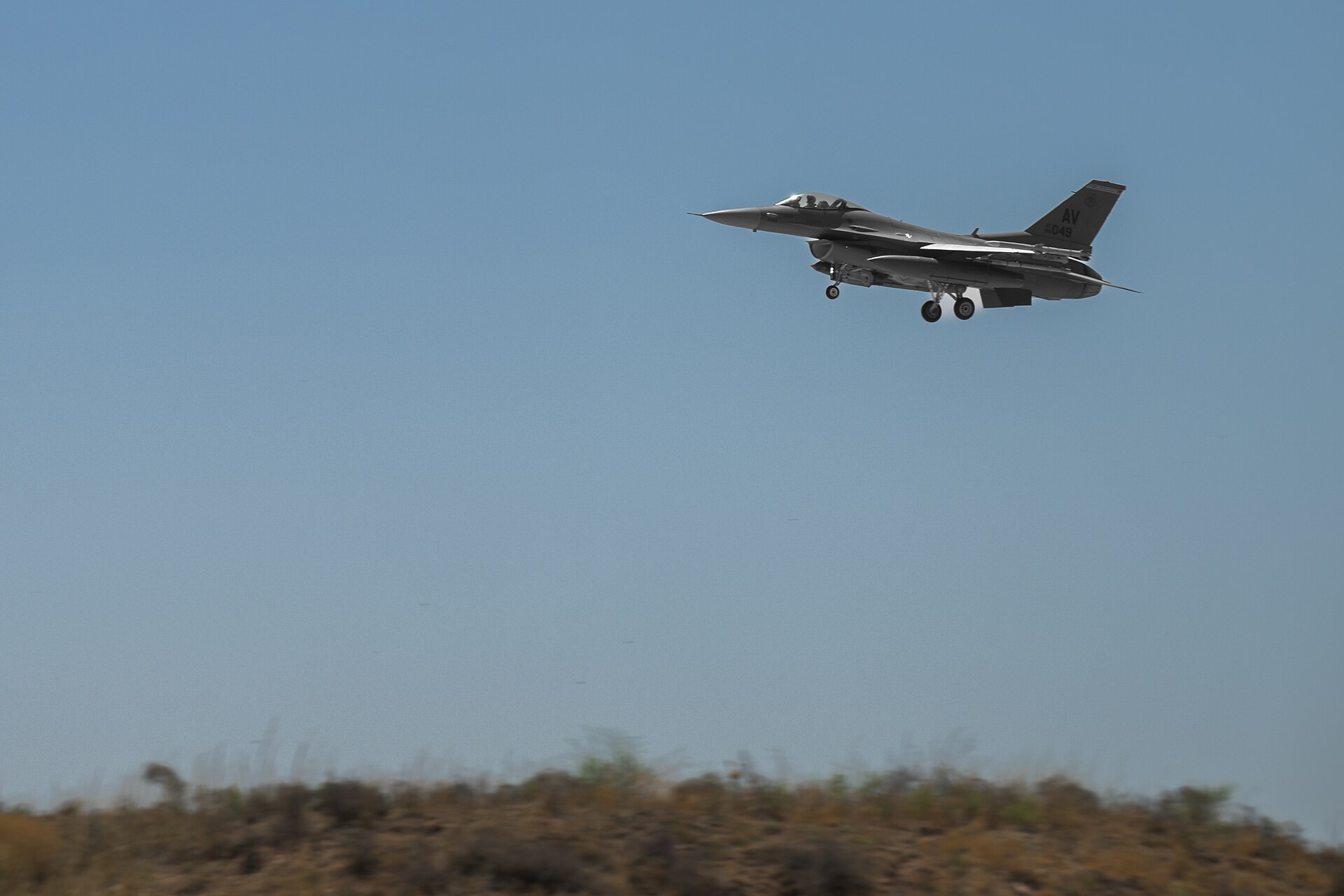
Despite this punishment, the Gulf response has remained calibrated. Saudi Arabia has opened King Fahd Air Base in Taif to American forces, a reversal of its earlier position that Saudi territory would not be used for strikes against Iran. The base sits roughly 1,200 kilometres from the Iranian border, beyond the effective range of most Iranian ballistic missiles, providing a relatively protected staging ground for US operations.
The UAE has taken measures that fall short of direct military engagement but signal a sharp break with Tehran. Abu Dhabi shut down every Iranian-run institution in Dubai, including hospitals, schools, and a cultural centre that served as a node in Tehran’s regional influence network. The Emiratis have also warned Iran that they could freeze billions of dollars in Iranian holdings, a move that would significantly restrict Tehran’s access to foreign currency and global trade networks.
UAE President Sheikh Mohamed bin Zayed Al Nahyan struck a defiant tone during a visit to wounded civilians, telling state television: “The UAE has thick skin and bitter flesh. We are no easy prey.” But senior Emirati diplomat Anwar Gargash balanced that rhetoric with a more measured diplomatic statement, saying the UAE’s focus extends “beyond a ceasefire” to solutions that “ensure lasting security in the Arabian Gulf, address the nuclear threat, missiles and drones, and put an end to the intimidation of vital waterways.”
The approach reflects a consensus across Gulf capitals described by multiple officials: Iran’s military capabilities must be substantially weakened before any settlement can hold. That position creates an inherent tension with Turkey’s call for immediate restraint and diplomacy.
Turkey Between NATO and Tehran
Turkey occupies a singular position in the Iran war. It is a NATO ally whose territory has been struck by Iranian weapons, yet it has refused to invoke collective defence provisions or join the US-led military campaign. It maintains significant trade and energy ties with Iran while simultaneously hosting American military infrastructure at Incirlik and other bases across Anatolia. That ambiguity has made Ankara both a credible interlocutor for all sides and a frustrating partner for those seeking clear alignment.
Fidan’s Gulf tour underscored this balancing act. In Riyadh, he engaged with Saudi and Emirati officials who are increasingly willing to use force against Iran. In Doha, he met with Qatari leaders who have maintained a relatively conciliatory approach toward Tehran. And through his subsequent phone calls with Iranian Foreign Ministry officials, Fidan kept the communication channel with Tehran open at a moment when most Gulf states have severed or downgraded diplomatic ties.
Turkey’s NATO membership adds a geopolitical dimension that other potential mediators lack. Unlike Pakistan, Oman, or Qatar, Turkey sits within the Western alliance structure, giving its diplomatic interventions additional weight in Washington. Fidan’s reported meeting with Steve Witkoff, Trump’s Special Envoy for the Middle East, suggests that Ankara is using its alliance credentials to influence American decision-making on the war’s trajectory.
At the same time, Turkey’s relationship with Iran is built on pragmatism rather than ideology. Bilateral trade reached $5.1 billion in the first 11 months of 2025, according to Turkish trade data. Iran supplied 13.5 percent of Turkey’s natural gas imports in 2024, a dependency that gives Ankara a direct economic interest in avoiding the total collapse of the Iranian state or economy.
What Role Is Turkey Playing in US-Iran Negotiations?
Turkey has positioned itself as one of at least four states actively seeking to mediate between Washington and Tehran. Pakistan has offered to host direct talks, and its army chief, General Syed Asim Munir, facilitated the delivery of Washington’s 15-point ceasefire proposal to Iranian officials. Oman has maintained back-channel contact with Tehran through its foreign ministry. And Egypt has joined the diplomatic effort, with Fidan including Cairo in his phone call circuit after the Gulf tour.
According to Middle East Eye, Turkey is specifically seeking a brief ceasefire that would create space for formal negotiations. The approach differs from the more maximalist American demands, which according to multiple media reports include sanctions relief tied to the rollback of Iran’s nuclear programme, missile limits, IAEA monitoring, and guaranteed shipping access through the Strait of Hormuz.
Iran’s response to these diplomatic efforts has been mixed. An Iranian military spokesperson on March 25 mocked the ceasefire process, saying Americans were “negotiating with themselves.” Iranian officials have also expressed deep scepticism of the Trump administration’s intentions, particularly given the continued intensity of US and Israeli airstrikes on Iranian territory, which killed at least 12 people in southern Tehran on the same day Turkey was lobbying Gulf states to show restraint.
Turkey’s mediation effort carries risks for Ankara. If Gulf states enter the war despite Turkish objections, Erdogan’s government will have spent diplomatic capital for no return. If negotiations succeed, Turkey will compete with Pakistan, Oman, and Qatar for credit as the facilitator. And if the war drags on without resolution, Turkey’s own economy will continue to suffer from the disruptions that the conflict has already inflicted on regional trade.
The Economic Cost of Escalation
Turkey’s diplomatic urgency is grounded in economic reality. Turkish exports to Gulf countries fell by approximately 39 percent in the first 12 days after the war began on February 28, according to Turkish Minute, reflecting logistical disruptions and sharply higher transport and energy costs. Sectors including chemicals, food, defence equipment, and textiles were among the hardest hit.
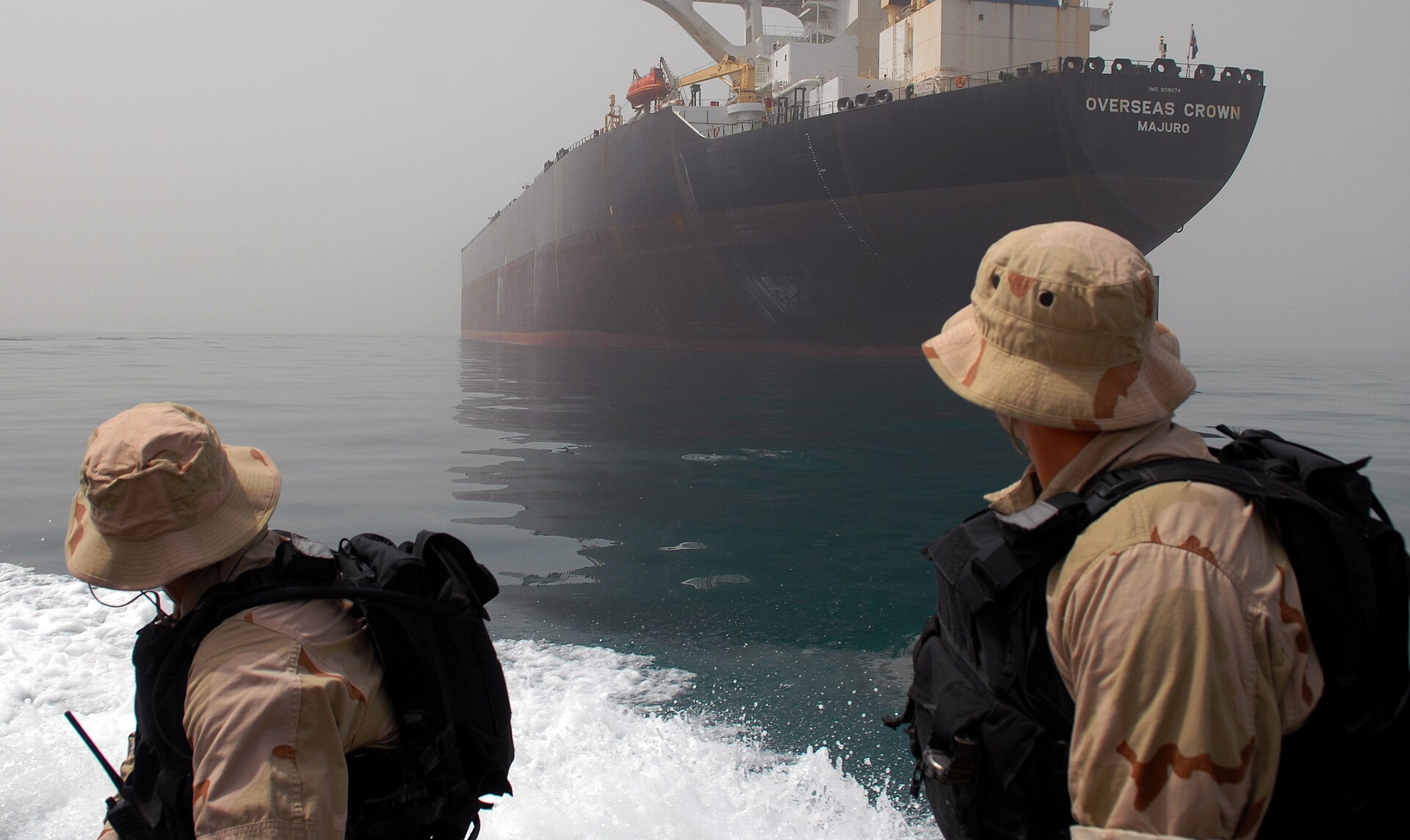
The oil price shock has compounded the damage. Every $10-per-barrel increase in crude oil prices adds between $4.5 billion and $5 billion to Turkey’s current-account deficit, according to economic analysis cited by AGBI. With Brent crude trading above $100 per barrel for most of March and peaking near $120, Turkey’s external balance has deteriorated significantly since the war began.
For the Gulf states Turkey is lobbying, the economic calculus is different but equally severe. The total economic cost of the war across the Middle East has already exceeded initial estimates, with Saudi Arabia’s sovereign wealth fund cutting NEOM spending to redirect resources toward grain imports and wartime logistics. The UAE’s position as a global financial and logistics hub has been disrupted by Iranian attacks on Dubai airport and Abu Dhabi’s commercial infrastructure.
| Actor | Position | Key Statement |
|---|---|---|
| Turkey | Opposes Gulf entry | “We do not want this to evolve into a prolonged war” — Fidan |
| Saudi Arabia | Escalating but not committed | “Patience is not unlimited” — Faisal bin Farhan |
| UAE | Defensive posture, preparing options | “We are no easy prey” — Sheikh Mohamed bin Zayed |
| Oman | Opposes escalation | FM urged “earliest possible end to hostilities” |
| Qatar | Cautious, maintaining Iranian contacts | Hosting Fidan, facilitating communications |
| Bahrain | Most hawkish Gulf state | Has taken steps Saudi Arabia has not |
Turkey’s 25-year natural gas export contract with Iran expires in 2026, adding uncertainty to an energy relationship that has underpinned bilateral ties for decades. The war has made renegotiating that contract more complex, as Western sanctions on Iran intensify and Turkish banks face increased scrutiny over transactions with Iranian entities. Before the war, Turkey had been developing a trade route from Anatolia through Syria to the Persian Gulf, a project that Turkey’s trade minister said would become operational in 2026. That infrastructure investment now faces an uncertain future as the conflict disrupts precisely the shipping lanes and logistics networks it was designed to serve.
For Riyadh, the economic picture is shaped by wartime disruption on a scale the Kingdom has not experienced in decades. Saudi Aramco has cut oil supply to Asian customers by 38.6 percent as the Strait of Hormuz remains contested, forcing the Kingdom to rely heavily on the East-West pipeline to its Red Sea terminal at Yanbu. Iran’s drone attacks on the Eastern Province, where 21 were intercepted on March 25 alone, continue to threaten the infrastructure that generates the bulk of Saudi export revenue.
The deepening of Saudi-French defence cooperation announced on March 24, when Prince Khalid bin Salman met French Armed Forces Minister Catherine Vautrin in Riyadh, illustrates how the war is reshaping alliance structures in ways that could marginalise Turkey if Ankara remains on the sidelines while other nations move closer to Gulf capitals.
Frequently Asked Questions
Turkey’s rival mediation effort faced a setback as the White House confirmed plans to send Vice President Vance to Pakistan rather than Ankara for what could become the first face-to-face US-Iran diplomatic engagement since the war began, though officials said the venue remained fluid.
Is Turkey participating in the Iran war?
Turkey is not participating in military operations against Iran despite being a NATO member. Ankara absorbed three Iranian missile strikes on Turkish territory earlier in March without retaliating or invoking NATO’s collective defence clause. Instead, Turkey has pursued a diplomatic role, with Foreign Minister Hakan Fidan conducting shuttle diplomacy through Gulf capitals and maintaining communication channels with both Washington and Tehran.
Why is Turkey urging Gulf states not to join the Iran war?
Turkey opposes Gulf entry into the war because it fears the conflict would expand into a prolonged regional conflagration. Ankara has economic interests at stake, including $5.1 billion in annual trade with Iran and significant export relationships with Gulf states. Turkey’s 350-mile border with Iran makes it vulnerable to spillover, and Ankara is concerned about the potential empowerment of Kurdish groups that Washington or Israel might support as part of the campaign.
What are the Gulf states’ conditions for entering the war?
According to Bloomberg and Middle East Eye, Gulf states have indicated they would consider joining the war only if Iran attacks critical civilian infrastructure, particularly water desalination plants and electricity generation facilities. While Iran has struck oil facilities, airports, and military bases across the Gulf, it has not yet crossed the threshold of targeting systems that millions of civilians depend on for basic survival.
What is Turkey’s relationship with Iran?
Turkey maintains a pragmatic relationship with Iran built on trade, energy, and shared concerns about Kurdish separatism. Bilateral trade totalled $5.1 billion in the first 11 months of 2025. Iran supplied 13.5 percent of Turkey’s natural gas in 2024 under a 25-year export contract that expires in 2026. The two countries have occasionally clashed over Syria and regional influence, but economic interdependence has generally prevented a full rupture.
How does Turkey’s mediation compare to Pakistan’s and Oman’s?
Pakistan has taken the most concrete mediation step by offering to host face-to-face US-Iran talks and facilitating the delivery of Washington’s 15-point ceasefire proposal. Oman has maintained back-channel contact with Tehran. Turkey’s approach is distinct in that Ankara is focused on preventing Gulf state escalation rather than directly brokering a US-Iran deal, though Fidan’s meeting with US envoy Steve Witkoff suggests Turkey is also engaging the American side of the negotiation.
Turkey’s competition with Saudi Arabia for influence in post-Assad Syria — including over the reconstruction contracts that Ahmad Al Shara’s government is now distributing — is examined in Al Shara in Jeddah: MBS Stakes Saudi Claim Over Post-Assad Syria.