
Saudi Arabia is rapidly becoming one of the most surprising destinations for Australian travellers. What was once a closed kingdom reserved for business visitors and pilgrims has thrown open its doors since 2019, and Australians are among the 63 nationalities eligible for an instant e-visa. Whether you are chasing ancient ruins in AlUla, diving the untouched Red Sea, or exploring Riyadh’s booming food scene, this guide covers everything an Australian needs to know before booking. It sits within our broader Saudi Arabia travel guide, tailored specifically to Australian passport holders, flight routes, currency considerations and the cultural adjustments that matter most when you are coming from the other side of the planet.
Best Time to Visit: October to March (winter season, 15-28°C across most of the country)
Getting There: No direct flights — one-stop via Dubai, Abu Dhabi, Doha, Singapore or Kuala Lumpur (18-24 hours total)
Visa Required: Yes — tourist e-visa, approved in minutes, valid 1 year, multiple entry
Budget: AUD $80-150/day mid-range (accommodation, food, transport); budget travellers from AUD $55/day
Must-See: AlUla and Hegra (UNESCO), Riyadh’s Edge of the World, Jeddah’s historic Al Balad district
Avoid: Travelling June-August unless you can handle 45-50°C heat; skipping travel insurance
The Australian E-Visa: How It Works
Australia is on Saudi Arabia’s approved e-visa list, which means you can apply entirely online through the official visa.visitsaudi.com portal. The process takes about five minutes, and most applications are approved within minutes. No embassy appointment, no biometrics, no paperwork — just a passport, a credit card, and a stable internet connection.
Key Visa Details for Australians
| Detail | Information |
|---|---|
| Visa type | Tourist e-visa (multiple entry) |
| Validity | 1 year from date of issue |
| Maximum stay | 90 days per visit (90 days cumulative per year) |
| Cost | SAR 480 (~AUD $195-210 depending on exchange rate), includes medical insurance |
| Processing time | Usually under 30 minutes; complex cases up to 24 hours |
| Passport requirement | At least 6 months validity from date of arrival |
| Permitted activities | Tourism, sightseeing, events, visiting family, Umrah (not Hajj) |
| Visa on arrival | Also available at Saudi airports if you prefer not to apply online |
Tip for Australians: The e-visa fee includes basic medical insurance, but it is nowhere near sufficient for serious incidents. Australian Medicare does not cover you overseas, and there is no reciprocal healthcare agreement between Australia and Saudi Arabia. Buy comprehensive travel insurance before you leave — hospital stays in Riyadh or Jeddah can cost thousands of dollars per day. For full visa details, see our dedicated Saudi Arabia visa guide.
Visa on Arrival Alternative
If you forget to apply online or your plans change suddenly, Australian passport holders can also obtain a tourist visa on arrival at King Khalid International Airport (Riyadh), King Abdulaziz International Airport (Jeddah), and Prince Mohammad bin Abdulaziz International Airport (Medina). The cost and terms are identical to the e-visa. There are dedicated kiosks in the arrivals hall, and payment is by card. Expect the process to take 10-20 minutes depending on queues.
Getting There: Flights from Australia to Saudi Arabia
There are no direct flights between Australia and Saudi Arabia. Every routing requires at least one stop, typically in a Gulf hub or Southeast Asia. The good news is that competition on these routes keeps prices reasonable, and Australians benefit from some of the world’s best transit airports.
Best Airline Routes from Australia
| Route | Airline | Stopover | Total Travel Time | Approx. Return Fare (AUD) |
|---|---|---|---|---|
| Sydney/Melbourne to Riyadh | Emirates | Dubai (DXB) | 18-21 hours | $1,200-2,200 |
| Sydney/Melbourne to Riyadh | Etihad | Abu Dhabi (AUH) | 18-22 hours | $1,100-2,000 |
| Sydney/Melbourne to Jeddah | Qatar Airways | Doha (DOH) | 19-23 hours | $1,200-2,100 |
| Sydney/Perth to Riyadh | Singapore Airlines + Saudia | Singapore (SIN) | 19-22 hours | $1,300-2,300 |
| Perth to Riyadh | Emirates | Dubai (DXB) | 14-17 hours | $1,000-1,800 |
| Sydney/Melbourne to Jeddah | Malaysia Airlines + Saudia | Kuala Lumpur (KUL) | 20-24 hours | $1,000-1,900 |
Perth Advantage: If you are based in Western Australia, you are significantly closer to Saudi Arabia than the east coast. Perth to Dubai is roughly 11 hours versus 14+ from Sydney, cutting your total journey to as little as 14 hours with a quick connection. Perth travellers should look at Emirates and Etihad first.
Booking Tips for Australian Travellers
- Book early for winter season — November to February is peak tourist season in Saudi Arabia and also aligns with Australian summer holidays. Prices spike over December-January.
- Consider open-jaw tickets — fly into Riyadh and out of Jeddah (or vice versa) to avoid backtracking. The Haramain High Speed Railway connects Jeddah to Medina in under 2.5 hours.
- Use points wisely — Emirates Skywards, Etihad Guest and Qantas Frequent Flyer all have redemption options to Saudi Arabia. A one-way business class on Emirates using Qantas points costs around 108,400 points plus taxes.
- Check transit visa requirements — if you are connecting through Dubai, Abu Dhabi, Doha or Singapore, Australians can transit without a visa. However, if you want to leave the airport for a stopover, check each country’s requirements.
- Sydney/Melbourne (AEDT, summer): 8 hours ahead of Saudi Arabia
- Sydney/Melbourne (AEST, winter): 7 hours ahead of Saudi Arabia
- Perth (AWST, year-round): 5 hours ahead of Saudi Arabia
- Adelaide (ACDT, summer): 7.5 hours ahead of Saudi Arabia
- STC (Saudi Telecom): Best coverage nationwide, especially in remote areas. Prepaid plans from SAR 40 (AUD $17) for 1GB data + calls. Their digital brand Jawwy offers flexible app-based plans.
- Mobily: Good urban coverage, competitive pricing. Tourist SIM with 10GB data available for around SAR 75 (AUD $32).
- Zain: Budget-friendly option. 3GB data for SAR 35 (AUD $15) for two weeks.
- eSIM: If your phone supports eSIM (iPhone XS and later, most recent Samsung Galaxy models), you can activate an Airalo or Holafly eSIM before leaving Australia. Prices start from around AUD $8-15 for 1-5GB.
- Kabsa: The national dish — spiced rice with slow-cooked lamb or chicken, served on a communal platter. Think biryani’s Saudi cousin.
- Mandi: Similar to kabsa but with wood-smoked meat, often served in dedicated mandi restaurants where you eat on the floor.
- Jareesh: Cracked wheat porridge with yoghurt and meat — comfort food, Saudi style.
- Mutabbaq: Stuffed savoury pancakes, common as street food in Jeddah.
- Arabic coffee (qahwa) and dates: Offered as a welcome gesture everywhere. The coffee is light, cardamom-infused and nothing like what you get at a Melbourne cafe — it is an acquired taste and worth acquiring.
- Alcohol: Possession, consumption and importation are all illegal. Penalties include fines, imprisonment and deportation.
- Drugs: Saudi Arabia has some of the strictest drug laws in the world. Penalties for trafficking include the death penalty. Even prescription medications that contain controlled substances (codeine, Valium, some ADHD medications) may require prior approval from the Saudi Ministry of Health. Check before you pack.
- Public displays of affection: Kissing and embracing in public can result in fines or arrest.
- Blasphemy and religious sensitivity: Disrespecting Islam, the Prophet Muhammad, or the Saudi royal family is illegal and taken extremely seriously.
- Photographing people without consent: Particularly women, can lead to police involvement.
- Address: Abdullah bin Hozafa Al-Sahmi Avenue, Diplomatic Quarter, Riyadh
- Phone: +966 11 250 0900
- Consular services: +966 11 250 0990 (Sunday-Thursday, 7:50am-3:45pm)
- 24-hour emergency (from Saudi Arabia): +61 2 6261 3305 (Consular Emergency Centre, Canberra)
- 24-hour emergency (from Australia): 1300 555 135
- Modest clothing: Long trousers, long-sleeved shirts or tunics, a light scarf (women) for religious sites
- Sun protection: SPF 50+ sunscreen (Australian-grade is perfect), a wide-brimmed hat, quality sunglasses
- Comfortable walking shoes: Closed-toe shoes for desert excursions; sandals for cities
- Power adaptor: Saudi Arabia uses Type G plugs (the same as the UK) — different from Australian Type I. Bring a universal adaptor.
- Reusable water bottle: Tap water is desalinated and generally safe for brushing teeth, but most people drink bottled or filtered water. Refill stations are becoming more common in malls and hotels.
- Medications: Bring a doctor’s letter for any prescription medications, especially if they contain controlled substances
- Alcohol of any kind (including miniatures from duty-free)
- Pork products
- Religious materials that proselytise non-Islamic faiths
- Drones (require a specific permit from the Saudi General Authority of Civil Aviation)
- Clothing with offensive graphics or slogans
- Days 1-3: Riyadh — Arrive, recover from jetlag. Diriyah, National Museum, Edge of the World day trip, Riyadh Boulevard for evening entertainment
- Days 4-5: AlUla — Fly from Riyadh (1.5 hours). Hegra, Elephant Rock, Dadan, stargazing in the desert
- Days 6-7: Jeddah — Fly from AlUla. Al Balad historic district, Corniche, Red Sea snorkelling. Fly home from Jeddah
- Days 1-3: Riyadh — As above, plus the Riyadh Season events if visiting October-March
- Days 4-6: AlUla — Extended time for Hegra, hot air ballooning, Hegra season events
- Days 7-8: Tabuk region — Drive or fly from AlUla. Wadi Disah canyon, Magna ancient port
- Days 9-10: Jeddah — Al Balad, food scene, Corniche, Red Sea diving
- Days 11-12: Abha and Asir — Fly from Jeddah. Mountain villages, Asir National Park, cool weather
- Days 13-14: Return to Jeddah or Riyadh — Last shopping, souvenirs, fly home
- Saudi Arabia Travel Guide 2026 — The complete guide to visiting the Kingdom
- Saudi Arabia for Americans — Visa, safety and travel tips for US passport holders
- Saudi Arabia for British Travellers — Visa, currency and tips for UK visitors
- First Time in Saudi Arabia — Everything you need to know for your first visit
- Budget Travel in Saudi Arabia — How to do it for under $50 a day
- Saudi Arabia Visa Guide — Every visa type explained
The Smartraveller Warning: What It Actually Means
The Australian Government’s Smartraveller website currently rates Saudi Arabia at “Reconsider your need to travel” (Level 3 of 4). This is the same rating applied to countries like Thailand, Turkey and Indonesia at various points. It does not mean travel is prohibited — it means the government wants you to think carefully and prepare properly.
What the Advisory Covers
The advisory reflects several risk factors: the ongoing regional security situation involving Yemen and broader Middle Eastern tensions, the general threat of terrorism, and the strict local laws that differ significantly from Australian norms. It was elevated in early 2026 due to the Iran conflict, during which missiles and drones targeted Saudi infrastructure. Smartraveller specifically notes that some travel insurers may not cover Saudi Arabia under a Level 3 advisory — check your policy wording before you buy.
Practical Reality: Hundreds of thousands of tourists visited Saudi Arabia in 2024-2025. The major tourist areas — Riyadh, Jeddah, AlUla, the Red Sea coast — have been unaffected by the regional conflict. However, the situation is fluid. Always check the latest Smartraveller advice at smartraveller.gov.au before booking, and register your trip with the government.
Travel Insurance: Non-Negotiable
This is the single most important piece of advice in this entire guide. Australia has no reciprocal healthcare agreement with Saudi Arabia. If you break a leg hiking at the Edge of the World near Riyadh, or need an ambulance after a diving incident on the Red Sea coast, you pay full price. Hospital bills in Riyadh routinely exceed AUD $5,000 per day for serious cases. Emergency medical evacuation back to Australia can cost AUD $50,000-100,000+.
Check that your insurer explicitly covers Saudi Arabia under the current Smartraveller advisory. Some mainstream Australian insurers — including some policies from Cover-More and Allianz — exclude destinations at Level 3. Specialist insurers like World Nomads and 1Cover often provide better coverage for advisory-affected countries. Read the Product Disclosure Statement, not just the marketing page.
Money and Currency: AUD to SAR
Saudi Arabia uses the Saudi Riyal (SAR), which is pegged to the US dollar at a fixed rate of SAR 3.75 = USD 1. This makes the exchange rate predictable. As of early 2026, one Australian dollar buys approximately SAR 2.35-2.50, though this fluctuates with the AUD/USD rate.
Spending Money in Saudi Arabia
| Item | Cost (SAR) | Cost (AUD approx.) |
|---|---|---|
| Budget hotel/hostel per night | 100-200 | $42-85 |
| Mid-range hotel per night | 300-600 | $125-255 |
| Meal at a local restaurant | 25-40 | $10-17 |
| Mid-range restaurant dinner for two | 180-250 | $75-105 |
| Cappuccino | 15-20 | $6-8.50 |
| Riyadh Metro single ride | 4-6 | $1.70-2.55 |
| Uber/Careem 10km ride | 15-30 | $6-13 |
| Bottle of water (1.5L) | 2-3 | $0.85-1.30 |
| Petrol per litre | 2.18 | $0.93 |
Australian Comparison: Saudi Arabia is roughly 20-30% cheaper than Australia for daily expenses. Petrol is a fraction of Australian prices (under $1 AUD/litre versus $1.80-2.20 at home), restaurant meals are significantly cheaper, and accommodation outside peak season is very reasonable. The biggest surprise for Australians: coffee is more expensive than you expect, often AUD $6-8 for a specialty coffee, because the Saudi coffee culture leans heavily toward premium third-wave cafes.
Cards, Cash and ATMs
Saudi Arabia is heavily cashless. Visa and Mastercard are accepted almost everywhere — supermarkets, petrol stations, restaurants, malls and even smaller shops. Apple Pay and Samsung Pay work widely. ATMs are plentiful in cities and dispense Saudi Riyals. Your Australian bank will typically charge a 2-3% foreign transaction fee per card swipe, so consider a travel card from Wise (formerly TransferWise) or Revolut for better exchange rates and lower fees.
Carry some cash for tipping, small shops in souks, and rural areas. SAR 500-1,000 (AUD $210-425) in cash is plenty to start with. If you are heading to AlUla or remote desert areas, bring extra cash as card terminals can be unreliable in less developed spots.
What to Expect: Culture Shock for Australians
Saudi Arabia is unlike anywhere else most Australians have visited. The cultural gap is wide, and what feels normal in Sydney, Melbourne or Brisbane may be inappropriate or even illegal in Riyadh or Jeddah. Here is what catches Australians off guard most often.
Alcohol Is Completely Banned
There is no alcohol anywhere in Saudi Arabia. Not in hotels, not in restaurants, not in duty-free. There are no exceptions for tourists, diplomats or anyone else. Bringing alcohol into the country is a criminal offence that can result in arrest, fines and deportation. If you are used to a cold beer at the end of a hot day, you will need to adjust. The upside: Saudi Arabia has an extraordinary non-alcoholic beverage culture. Fresh juice bars are everywhere, Arabic coffee (qahwa) with dates is a genuine delight, and Saudi specialty coffee roasters rival anything in Melbourne.
Dress Code
Saudi Arabia has relaxed significantly since 2019, but modesty remains the baseline. For the full breakdown, see our Saudi Arabia dress code guide.
For women: Cover shoulders, chest and knees. Long-sleeved tops with trousers or maxi skirts are ideal. Abayas are no longer required by law but are expected at religious sites, where you must also cover your hair. Many Australian women find that loose linen trousers and a long tunic are the most comfortable option in the heat.
For men: Long trousers are standard. T-shirts are generally fine, but sleeveless tops and shorts are inappropriate outside hotel pool areas. If you are visiting mosques or government buildings, long sleeves are expected.
Prayer Times
Saudi Arabia has five daily prayer times, and during these periods many shops and restaurants close for 20-30 minutes. This is less disruptive than it sounds — shopping malls have largely stopped closing for prayers, and restaurants in tourist areas often remain open — but it can catch you off guard in smaller towns. Prayer times shift daily with the sun, so download a prayer time app to plan around them.
Gender Etiquette
Saudi Arabia has modernised rapidly, but conservative gender norms persist in daily interactions. Do not offer a handshake to someone of the opposite gender unless they extend their hand first. Public displays of affection, even between married couples, are frowned upon. Unmarried couples can share hotel rooms (this changed in 2019), but overt romantic behaviour in public may attract attention.
Photography
Never photograph military installations, government buildings, or police/security personnel. Always ask before photographing locals — this is both a legal requirement and a matter of respect. Saudi Arabians are generally welcoming of tourist photography at landmarks and public spaces.
Driving
Australian driving licences are accepted for short-term visitors (up to 90 days). Saudi Arabia drives on the right-hand side of the road, which is the opposite of Australia. If you have never driven on the right before, Saudi Arabia is an intense place to learn — traffic in Riyadh and Jeddah is fast, aggressive and lane markings are treated as suggestions. Many Australian travellers find ride-hailing apps (Uber and the regional competitor Careem) to be safer and more convenient.
When to Visit: Timing Your Trip from Australia
The best time for Australians to visit Saudi Arabia is October to March, which conveniently aligns with Australia’s shoulder and summer seasons. This is Saudi Arabia’s cool season, when temperatures across most of the country sit between 15-28°C — comparable to a mild Australian autumn.
Seasonal Breakdown
| Season | Months | Temperature Range | Best For | Notes for Australians |
|---|---|---|---|---|
| Winter (Peak) | December-February | 10-25°C | Sightseeing, hiking, desert camping | Aligns with Aussie school holidays — book early, prices peak |
| Spring | March-April | 20-35°C | AlUla season, wildflowers, comfortable touring | Sweet spot: fewer crowds, good weather, lower prices |
| Summer | May-September | 38-50°C | Budget deals, Asir highlands only | Extreme heat; most Australians find it unbearable outdoors |
| Autumn | October-November | 25-35°C | Riyadh Season events, diving, outdoor activities | Excellent compromise: warm but manageable, events starting |
Australian School Holidays: The December-January rush coincides with Saudi Arabia’s peak tourist season and Riyadh Season events. If you have flexibility, March-April or October-November offers better value and fewer crowds. The spring wildflower season in the northern deserts is genuinely spectacular.
Time Zone Difference
Saudi Arabia is on Arabia Standard Time (AST), UTC+3. The time difference from Australia varies by state and daylight saving:
This means if it is 9pm in Riyadh, it is 4am the next morning in Sydney (during AEDT). The time difference makes real-time communication with home manageable — you can call Australia in the Saudi evening and catch people during their morning.
Getting Around Saudi Arabia
Saudi Arabia is enormous — roughly three times the size of New South Wales. Getting between cities requires either flying or long drives. Within cities, a combination of ride-hailing apps, metro (in Riyadh) and rental cars works well.
Domestic Flights
The cheapest and fastest way to cover long distances. Saudia (the national carrier), flynas (low-cost) and flyadeal (ultra-low-cost) operate frequent services between all major cities. A Riyadh-Jeddah flight takes about 1 hour 45 minutes and costs SAR 200-500 (AUD $85-215) one way.
Riyadh Metro
Opened in late 2024, Riyadh’s new metro system has six lines covering the capital. It is clean, air-conditioned, and extraordinarily cheap — SAR 4-6 per ride (under AUD $3). There are dedicated women-only sections in each train, similar to what you might find on some Asian rail networks. For Australian travellers based in Riyadh, the metro is a game-changer.
Ride-Hailing Apps
Uber operates in Saudi Arabia, and Careem (now owned by Uber) is the dominant local alternative. Both are reliable, affordable and widely used. A 15-minute ride in Riyadh typically costs SAR 15-30 (AUD $6-13). Download both apps before you arrive.
Car Rental and Self-Driving
Major international rental companies (Hertz, Avis, Budget, Europcar) operate at all airports and in city centres. Prices start from SAR 100-150/day (AUD $42-65) for a compact car. Remember: right-hand driving, and Saudi drivers are assertive. Outside cities, roads are excellent — the highway network is modern and well-maintained. Self-driving is the best way to explore AlUla, the Asir highlands, and remote desert areas.
Haramain High Speed Railway
This 450km/h train connects Mecca, Jeddah, King Abdullah Economic City and Medina. For non-Muslim tourists (who cannot enter Mecca), the Jeddah-Medina route is the relevant segment — about 2 hours and SAR 150-300 (AUD $65-130). It is a comfortable, modern service that rivals anything in Europe or Japan.
Phone, Internet and Staying Connected
Staying connected in Saudi Arabia is straightforward and cheap. Three major carriers — STC, Mobily and Zain — all offer tourist SIM cards and prepaid data packages. For the full rundown, see our Saudi Arabia SIM card and eSIM guide.
Best Options for Australians
SIM cards are available at airport kiosks in Riyadh, Jeddah and Medina arrivals halls. You will need your passport to register. Wi-Fi is available in most hotels, malls and cafes, but mobile data is essential for navigation apps and ride-hailing.
VoIP Note: Voice and video calls over WhatsApp, FaceTime and similar apps work in Saudi Arabia. The previous restrictions on VoIP services were lifted in 2017. Calling home to Australia via WhatsApp is the cheapest option.
What Australian Travellers Should See
Saudi Arabia rewards travellers who go beyond the surface. Here are the destinations that resonate most with Australian visitors — people used to vast landscapes, ancient geology and outdoor adventure.
AlUla and Hegra
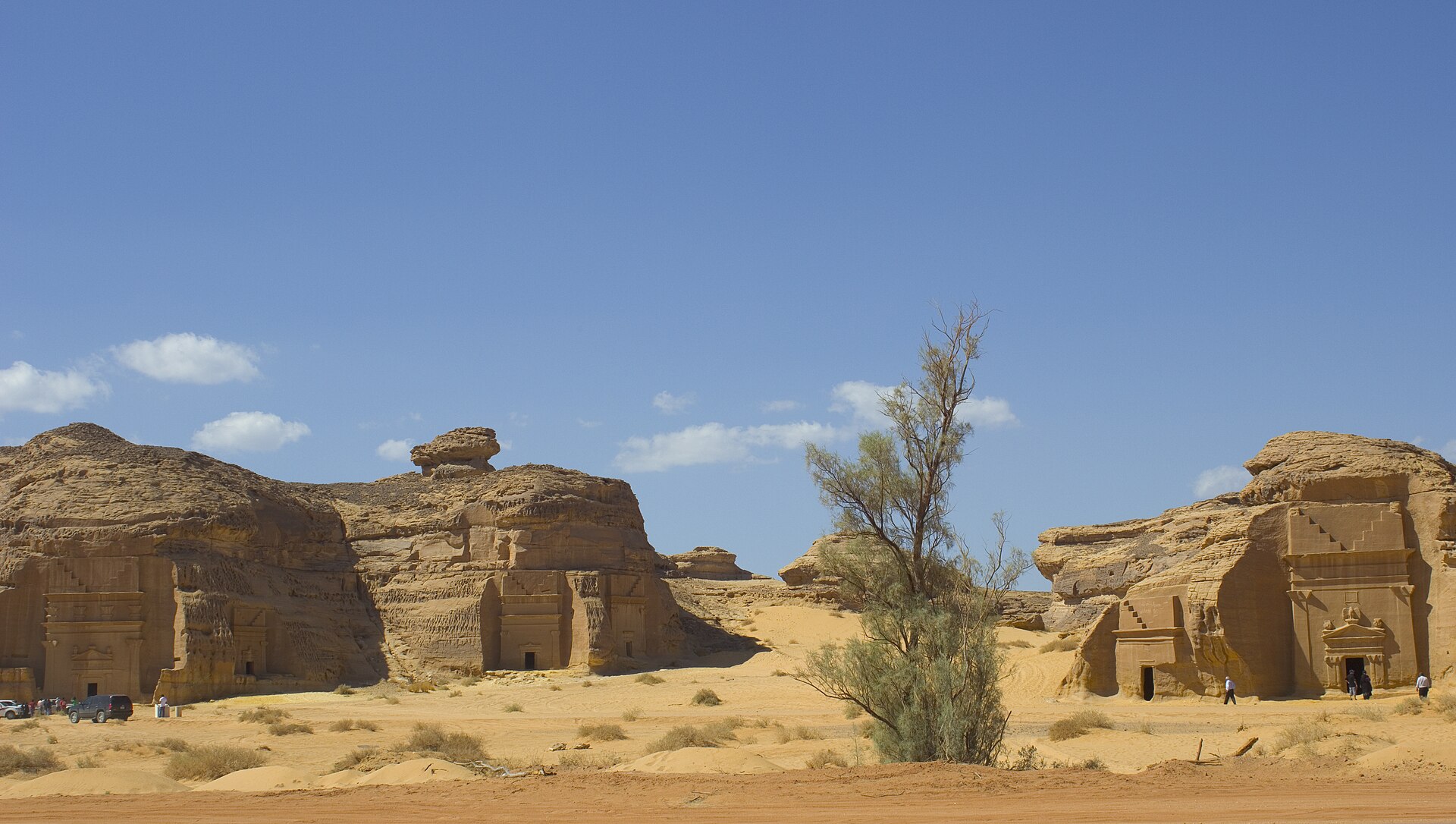
If you only visit one place outside of Riyadh or Jeddah, make it AlUla. Saudi Arabia’s first UNESCO World Heritage Site, Hegra (also known as Mada’in Saleh), features 111 monumental Nabataean tombs carved into sandstone cliffs — the same civilisation that built Petra in Jordan. The landscape feels like a cross between Uluru and Monument Valley, and with a fraction of Petra’s crowds. The AlUla winter season (October to March) is when events, concerts and heritage experiences are at their peak.
Riyadh
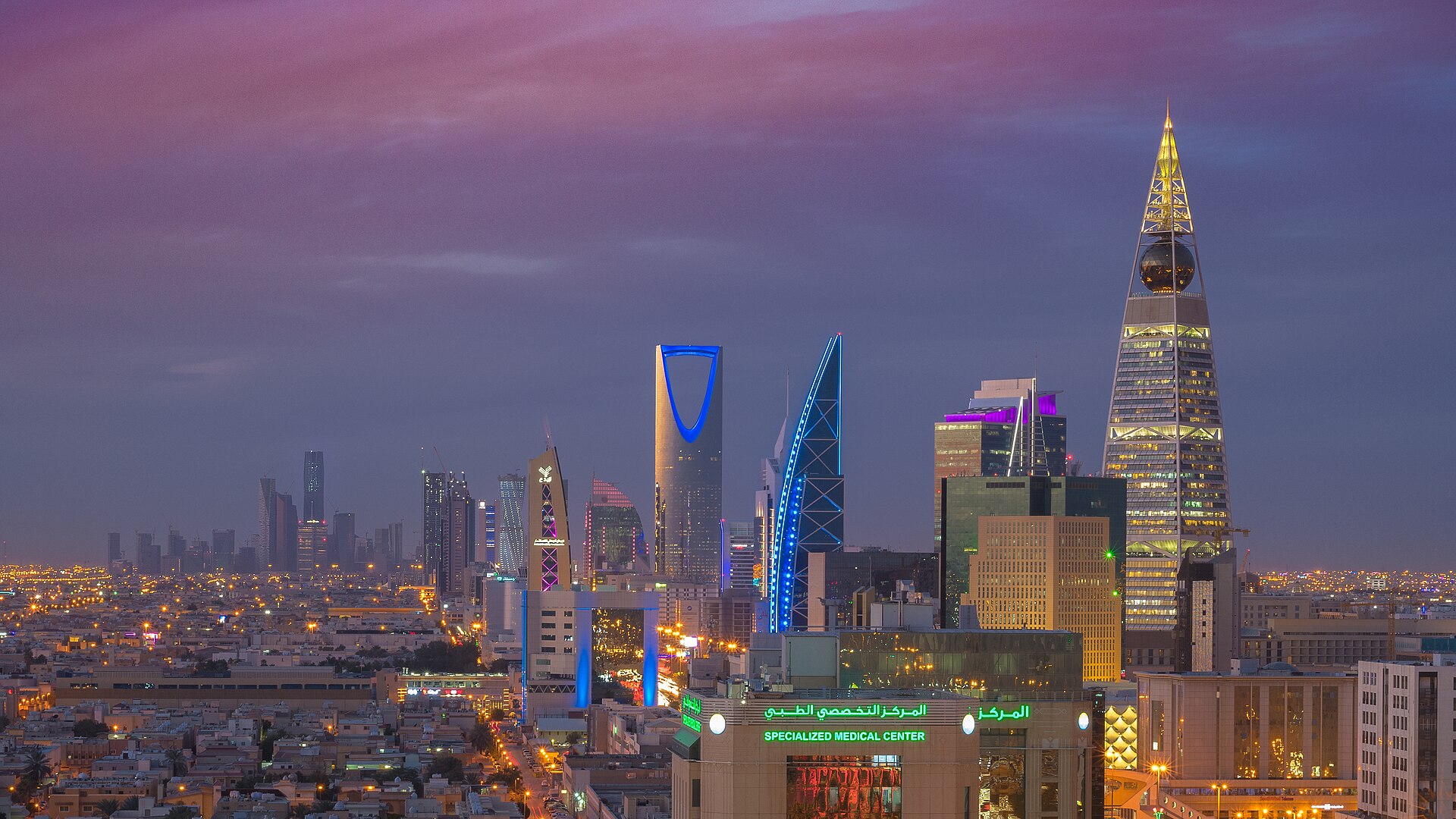
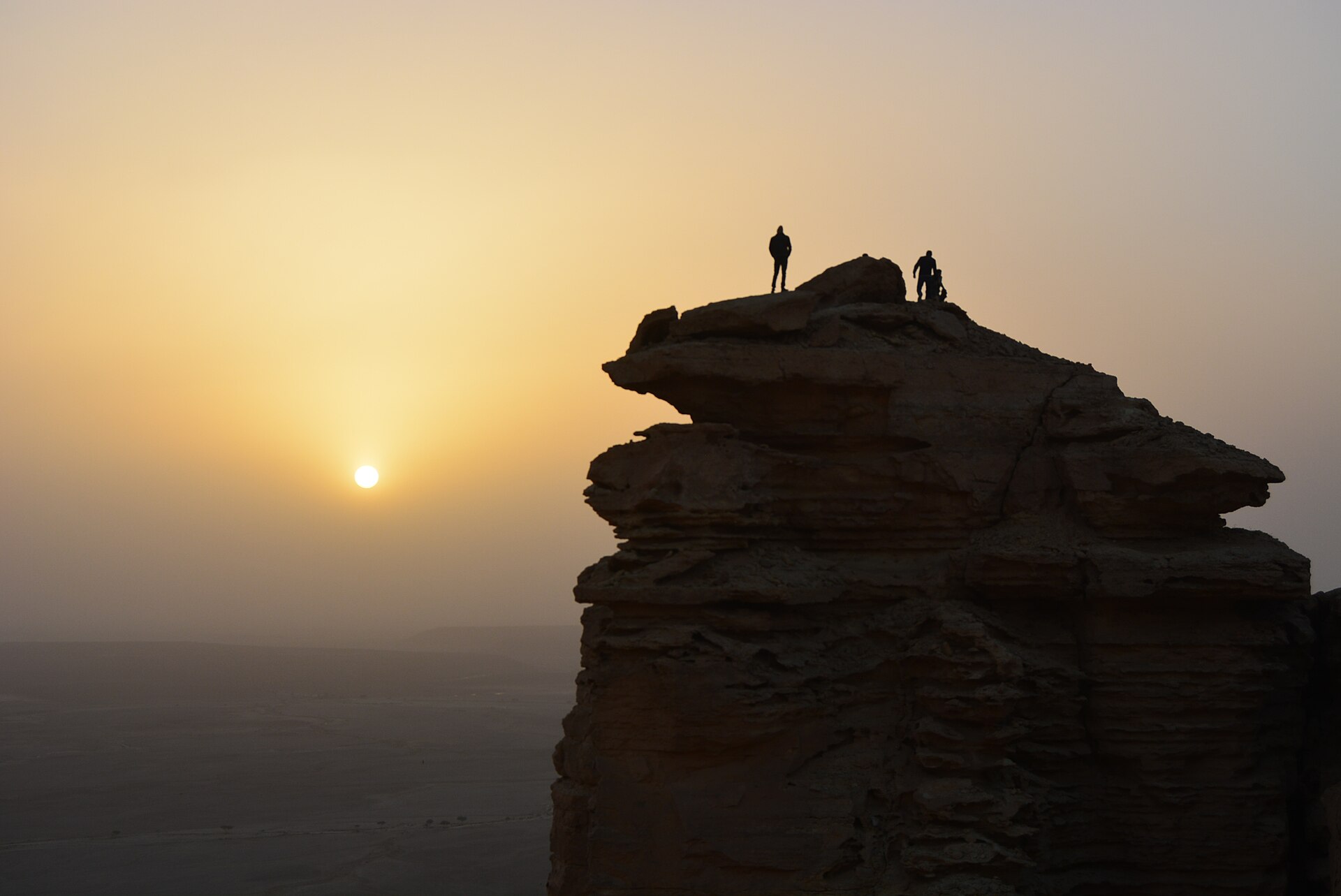
The capital is bigger, louder and more modern than most Australians expect. Key highlights include the Edge of the World (Jebel Fihrayn), a 300-metre cliff face overlooking an endless desert plain about 90 minutes from the city — an easy day trip that ranks among the most dramatic viewpoints in the Middle East. The historic Diriyah district (another UNESCO site) is the birthplace of the Saudi state. Riyadh Season (October to March) transforms the city with concerts, exhibitions and entertainment. See our full Riyadh travel guide for neighbourhood breakdowns.
Jeddah
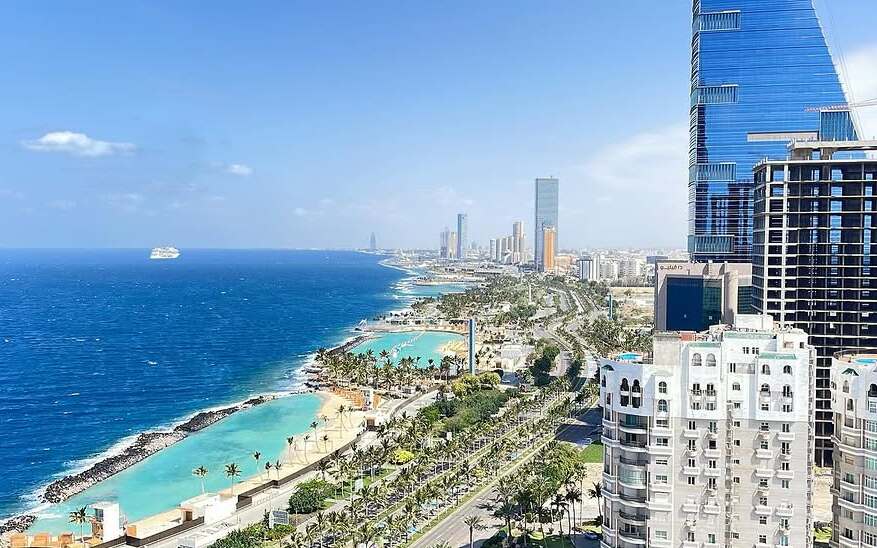
Saudi Arabia’s second city sits on the Red Sea and has a distinctly more relaxed vibe than Riyadh. The Al Balad historic district is a UNESCO World Heritage Site of coral-stone townhouses with carved wooden balconies. The Jeddah Corniche stretches for 30km along the waterfront, and the city is the gateway to world-class Red Sea diving. The Saudi Arabian Grand Prix on the Jeddah Corniche Circuit is another major drawcard for Australian motorsport fans.
The Red Sea Coast
For Australians raised on the Great Barrier Reef, the Red Sea is a revelation. The coral reefs along Saudi Arabia’s west coast are among the least dived in the world — pristine, uncrowded and teeming with marine life including whale sharks, manta rays and dugongs. The diving and snorkelling guide covers the best sites in detail. Water temperatures range from 22°C in winter to 30°C in summer — warmer than most Australian dive sites year-round.
Asir Highlands
If you want to escape the desert heat, the mountains around Abha in the Asir region rise to over 3,000 metres and receive genuine rainfall. Temperatures sit around 18-25°C even in summer, the landscape is green and terraced, and the culture is distinctly different from the rest of Saudi Arabia. It feels more like Yemen or Ethiopia than the Gulf — a genuine surprise for first-time visitors.
Food and Dining
Saudi food is one of the country’s great underrated strengths. Australians with adventurous palates will find enormous variety, from traditional Najdi cuisine to Hijazi seafood, Yemeni-influenced southern cooking, and a booming international restaurant scene in Riyadh and Jeddah.
Dishes Australians Should Try
For more culinary deep dives, check our Saudi Arabia food tours and cooking classes guide.
Dining Etiquette
Eating with the right hand is the norm — the left hand is considered unclean in Arab culture. If you are eating communal-style from a shared platter (common in traditional restaurants), eat from the section directly in front of you. Tipping is not mandatory but appreciated; 10-15% is generous. Many restaurants have family sections (mixed seating) and singles sections (men only), though this distinction is fading in major cities.
Customs and Etiquette: The Australian Adjustment
Australians tend to be informal, direct and egalitarian in social interactions. Saudi culture is more hierarchical, formal and relationship-oriented. Here are the key adjustments that matter most.
Greetings
The standard Arabic greeting is “As-salamu alaykum” (peace be upon you), to which you respond “Wa alaykum as-salam.” Saudis will appreciate any effort you make with Arabic, even if your pronunciation is rough. Between men, a handshake is normal. Between a man and a woman, wait for the woman to extend her hand first — if she does not, a nod and verbal greeting is appropriate. Our customs and etiquette guide covers this in more depth.
Ramadan
If your trip coincides with Ramadan (dates shift each year — check the Islamic calendar), be aware that eating, drinking and smoking in public during daylight hours is prohibited, even for non-Muslim tourists. Restaurants in hotels typically have screened-off areas where tourists can eat during fasting hours. Ramadan evenings, however, are magical — the iftar (fast-breaking meal) is a generous social occasion, and the atmosphere after dark is festive and welcoming.
What Is Illegal
Several things that are legal or tolerated in Australia can get you into serious trouble in Saudi Arabia:
Health and Safety
Saudi Arabia has modern, well-equipped hospitals in major cities. Private hospitals like the Saudi German Hospital chain, Dr. Sulaiman Al Habib Medical Group and King Faisal Specialist Hospital in Riyadh are comparable to Australian hospitals in quality. However, they are expensive for uninsured patients.
Vaccinations
No specific vaccinations are required for Australian tourists visiting Saudi Arabia on a standard tourist visa. However, the Australian Government recommends that your routine vaccinations (hepatitis A and B, typhoid, MMR) are up to date. If you are visiting during Hajj or Umrah, meningococcal vaccination is mandatory. Consult your GP or a travel health clinic at least 6-8 weeks before departure.
Heat-Related Illness
Australians understand hot weather, but Saudi summer heat is on another level. Riyadh regularly exceeds 45°C in July-August, and humidity in Jeddah and the eastern coast adds a dangerous heat index. Drink at least 3-4 litres of water per day, avoid outdoor activity between 11am and 4pm in summer, and carry oral rehydration salts. If you are hiking or doing desert activities, double your water intake.
Australian Embassy
The Australian Embassy in Riyadh is your lifeline if things go wrong:
Register your trip on Smartraveller before departure so the embassy can contact you in an emergency.
Packing Tips for Australians
Packing for Saudi Arabia from Australia is mostly about managing expectations around heat, modesty and the long flight.
Essentials
What NOT to Pack
Suggested Itineraries for Australians
One Week: The Essential Saudi Arabia
Two Weeks: The Full Experience
Australians and Saudi Arabia: The Bigger Picture
Australia and Saudi Arabia have a growing bilateral relationship that extends well beyond oil. The two countries share defence cooperation ties, Saudi students have studied at Australian universities in significant numbers, and trade in agriculture, mining services and education is expanding under Saudi Arabia’s Vision 2030 programme. For Australian business travellers, Saudi Arabia is increasingly a destination in its own right rather than just a stopover to Europe.
For first-time visitors, Saudi Arabia will defy your expectations at almost every turn. It is simultaneously more modern, more ancient, more hospitable and more complex than the stereotypes suggest. Australians who make the trip consistently report it as one of the most rewarding and surprising destinations they have visited — a country that rewards curiosity and punishes assumptions.