
Al-Ahsa Oasis is the largest oasis on Earth. Spread across 85.4 square kilometres of Saudi Arabia’s Eastern Province, it holds more than 2.5 million date palms fed by over 280 natural artesian springs. UNESCO inscribed it as a World Heritage Site in 2018, recognising a living cultural landscape that has sustained agriculture, trade and settlement for more than 6,000 years. For travellers exploring the Dammam and Al Khobar region, Al-Ahsa is the most rewarding day trip in the Eastern Province — a place where ancient irrigation channels still carry water beneath a canopy of palms, limestone caves stay cool in the desert heat, and Ottoman-era forts overlook traditional souqs that have traded spices and dates for centuries.
Best Time to Visit: October to April (cooler months; summer highs exceed 50°C)
Getting There: 150 km southwest of Dammam (1.5 hours by car); Al-Ahsa International Airport (HOF) serves domestic flights
Visa Required: Yes — tourist e-visa available online
Budget: USD 30–70 per day (excluding transport from Dammam)
Must-See: Jabal Al-Qarah caves, Qasr Ibrahim fortress, Qaisariyah Souq
Avoid: Visiting between June and August — temperatures regularly hit 50°C with no shade outside the palm groves
Why Al-Ahsa Deserves a Full Day
Most visitors to Saudi Arabia’s Eastern Province stay in Dammam or Al Khobar and never venture beyond the coast. That is a mistake. Al-Ahsa holds the Guinness World Record as the largest palm oasis, and its UNESCO listing covers 12 distinct heritage components: gardens, canals, natural springs, a drainage lake, historical buildings, urban fabric and archaeological sites spanning from the Neolithic to the Ottoman period. The oasis is not a museum — it is a working agricultural landscape that still produces over 100,000 tons of dates annually.
The twin cities of Hofuf and Al-Mubarraz form the urban heart of Al-Ahsa Governorate, with a combined metropolitan population of over one million. Between them and the surrounding palm farms, you will find caves carved by wind and water over millennia, one of the oldest mosques in Islam, an Ottoman fortress that once controlled eastern Arabia, and a reconstructed souq where the air smells of cardamom and frankincense. This is not a rushed attraction — it is a full day of walking, tasting and exploring.
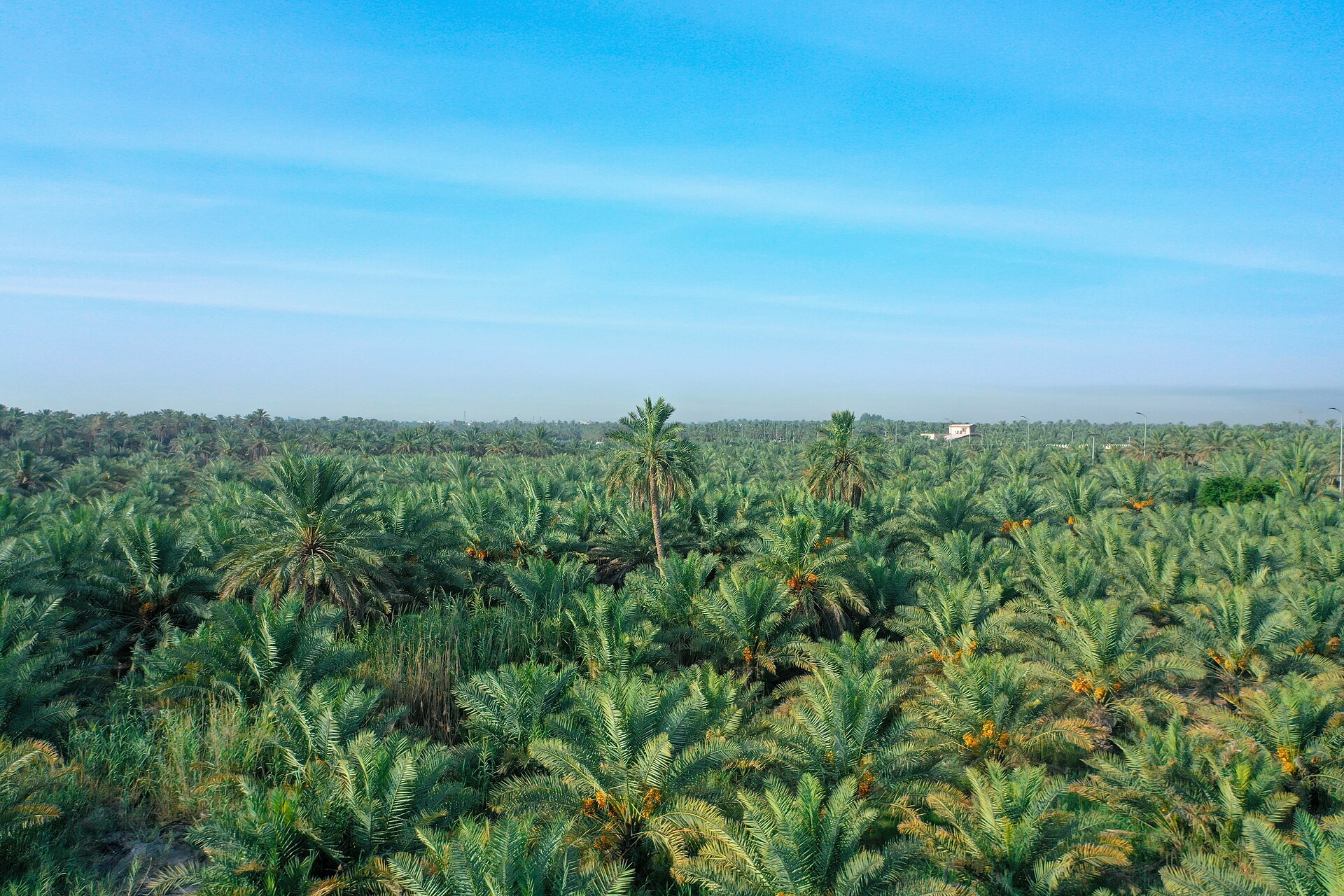
The Palm Groves: Heart of the Oasis
Al-Ahsa’s 2.5 million date palms are not ornamental. They represent an unbroken agricultural tradition that predates recorded history. The oasis sits above one of the Arabian Peninsula’s most significant underground aquifers, and its network of falaj (irrigation channels, also called qanat) distributes spring water through the groves in a system that has been continuously maintained for thousands of years.
Date Varieties and the Harvest Season
Al-Ahsa is famous for producing some of Saudi Arabia’s finest dates. The most prized local variety is Khalas, a golden-amber date with a caramel-like sweetness that commands premium prices across the Gulf. Other notable varieties grown here include Shishi, Ruzeiz and Hilali. The harvest season runs from July through October, peaking in August and September. During this period, the roadside farms sell fresh dates directly — an experience worth timing your visit around if you can handle the summer heat. Outside harvest season, dried and processed dates from Al-Ahsa are available year-round at local souqs and date markets.
Walking Through the Groves
The palm farms are privately owned but widely accessible. Several farms welcome visitors, particularly around the Al-Aqar and Al-Shaqiq districts south of Hofuf. Walking paths wind through the palms alongside functioning irrigation channels. The temperature beneath the canopy can be 10–15°C cooler than the open desert, making the groves a natural refuge during the hotter months. Early morning visits are best for photography — the low sun filtering through the palms creates dramatic light.
Jabal Al-Qarah: The Cave Mountain
Sixteen kilometres east of Hofuf, Jabal Al-Qarah (also spelled Jabal Qara or Al-Qarah Mountain) rises abruptly from the flat palm fields. This small limestone hill is riddled with cool caves and narrow passages carved by erosion over millions of years. The interior temperature stays around 20°C year-round, which made these caves a historic gathering point for oasis communities escaping the summer heat.
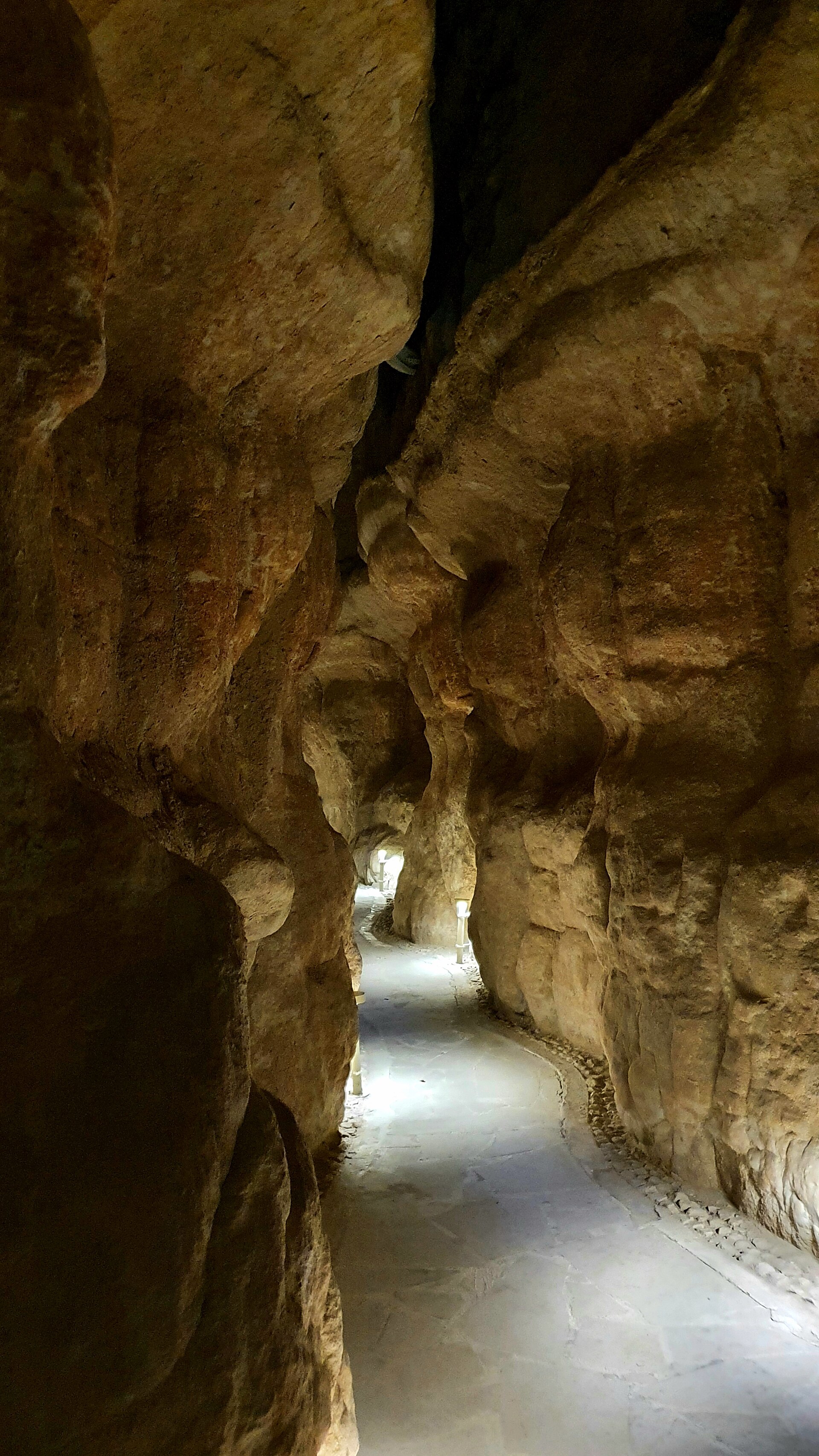
What to Expect Inside
The caves are now part of a managed tourist site called the Land of Civilisations (Ard Al-Hadarat). A paved walkway leads through the main passages, which are wide enough for single-file walking in most sections. Some passages narrow to shoulder width, with the rock walls rising several metres on each side. The geological formations are striking — layered sedimentary rock shaped into organic curves and overhangs by centuries of wind and water. Lookout points at the top of the hill offer panoramic views across the palm fields below.
Practical Details
The site charges an entry fee of approximately 50 SAR (about USD 13) per person. Allow 60–90 minutes for a thorough exploration. Wear comfortable walking shoes with grip — some sections are steep. The site is open daily, with extended hours during cooler months. There is a small museum and gift shop at the entrance. The caves are one of the best natural attractions in the Kingdom and a highlight of any Saudi Arabia travel itinerary.
Qasr Ibrahim: The Ottoman Fortress
Qasr Ibrahim (Ibrahim Palace) dominates the Al-Kut neighbourhood in central Hofuf. This imposing fortress covers 16,500 square metres and dates to at least the Ottoman conquest of eastern Arabia in 1549, though some architectural elements suggest earlier foundations. The complex blends Ottoman military architecture with traditional Al-Ahsa building styles, visible in its arched gateways, domed mosque and crenellated walls.
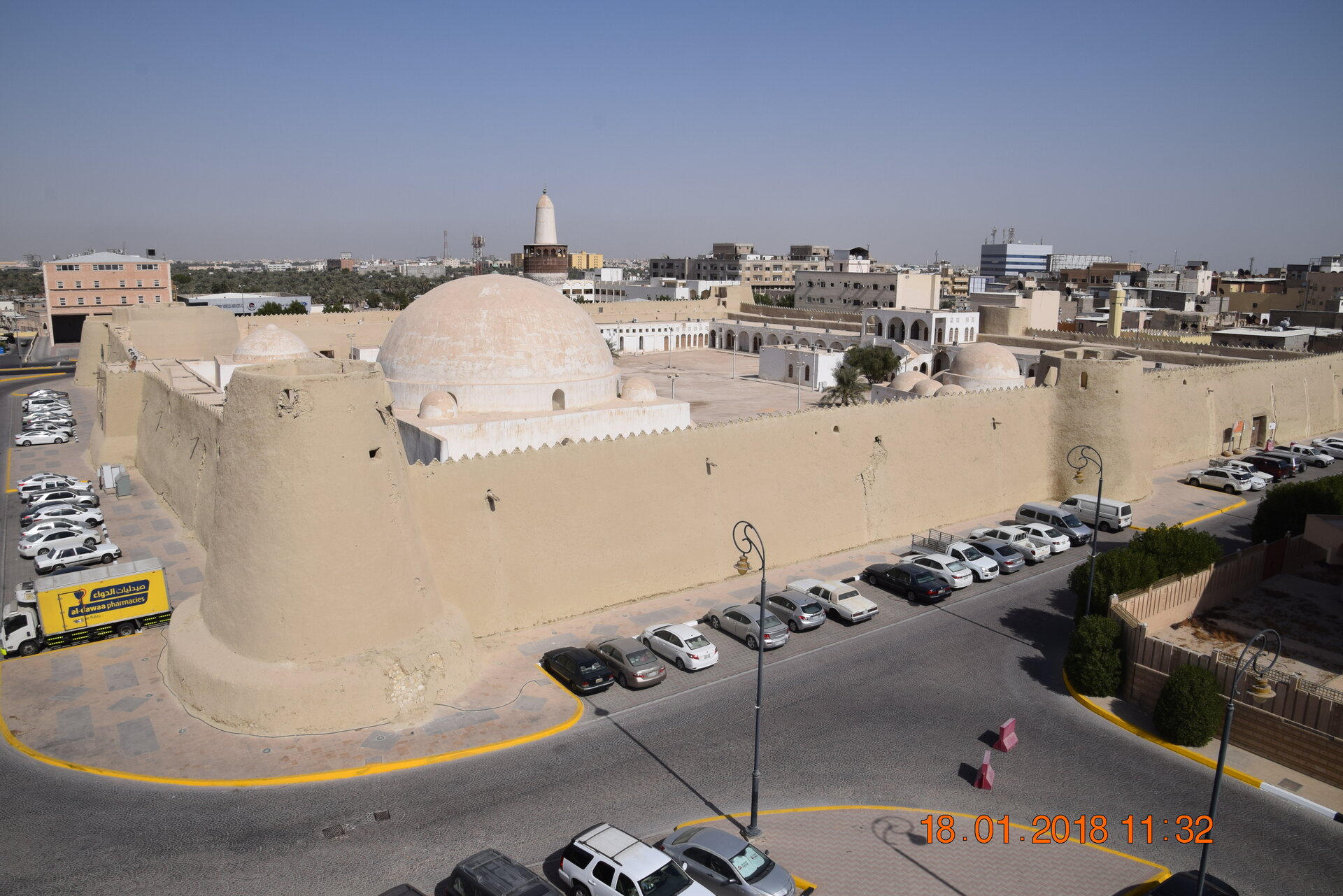
Inside the Fortress
The fortress has been restored and is open to visitors. Inside, you can explore the central mosque with its distinctive dome, the watchtowers that once guarded trade routes, and the residential quarters that housed the Ottoman garrison. The architecture tells a layered story: this site has served as a military outpost, administrative centre and community gathering point across several centuries. Restoration work has preserved the original mud-brick and stone construction while making the site safely accessible. Entry is free.
Qaisariyah Souq: Living Heritage Market
Adjacent to Qasr Ibrahim, Souq Al-Qaisariyah is one of the oldest continuously operating markets in eastern Arabia. Built in 1822, it consists of roofed corridors lined with shops in a style influenced by Ottoman commercial architecture. A devastating fire in 2001 destroyed much of the original structure, but a careful reconstruction completed in 2013 restored the souq to its historic character.
Today the souq sells spices, dates, traditional clothing, antiques, handwoven textiles and local snacks. It is a working market, not a tourist recreation — residents of Hofuf shop here alongside visitors. The spice stalls are particularly notable, offering cardamom, saffron, dried limes and rose water sourced from across the region. If you enjoy spice shopping in Saudi Arabia, Qaisariyah is among the most atmospheric places to do it.
Jawatha Mosque: One of Islam’s Earliest
Jawatha Mosque, located northeast of Hofuf, is believed to be the first mosque where Friday prayers were held outside of Medina, established by the Bani Abdul Qais tribe during the earliest years of Islam in the 7th century. Only the foundations and partial walls of the original structure remain, but a modern mosque has been built around the archaeological site to preserve and protect it.
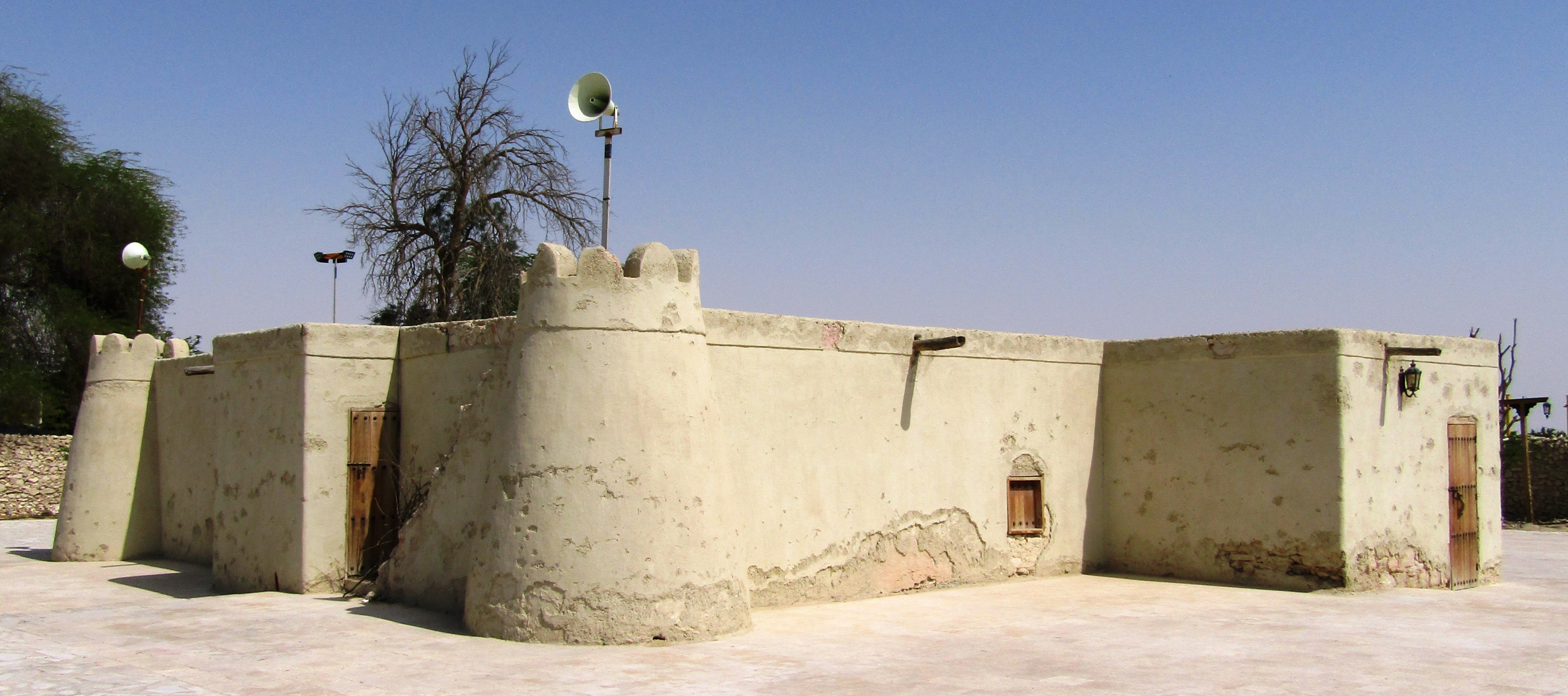
For visitors interested in Islamic history, Jawatha is a significant pilgrimage site. The setting is modest compared to the grand mosques of Mecca and Medina, but that simplicity is part of its power — this is where some of the earliest Muslim communities outside the Hejaz gathered to pray. If you are planning a broader journey through Saudi Arabia’s Islamic heritage, the Hajj 2026 Guide covers the major pilgrimage sites.
Al-Asfar Lake and Natural Springs
Al-Asfar Lake (the Yellow Lake) is one of the few natural bodies of water in Saudi Arabia. Located on the outskirts of Al-Ahsa, the lake spans approximately 12 kilometres across sand dunes and is fed by agricultural drainage from the oasis irrigation system. The lake attracts migratory birds and offers a surreal landscape — golden sand dunes meeting open water under an enormous sky. It is particularly beautiful at sunrise and sunset.
Natural Springs
Al-Ahsa has over 150 naturally occurring springs, producing hot, warm and cold water. Many of these springs have been used for bathing and irrigation for millennia, and local tradition attributes healing properties to the mineral-rich water. Some springs have been developed into bathing facilities, though many remain in their natural state within the palm groves. The springs are a reminder of the geological forces that created this oasis — the massive underground aquifer that sustains all life here.
Getting to Al-Ahsa
From Dammam or Al Khobar
The most common approach is by car from Dammam or Al Khobar. The drive takes approximately 1.5 hours (150 km) via the Riyadh-Dammam Highway and then south on Route 95. The road is well-maintained and well-signposted. Car rental is available at Dammam’s King Fahd International Airport (DMM) and throughout the Dammam-Khobar metropolitan area.
Al-Ahsa International Airport
Al-Ahsa has its own airport (IATA: HOF), Al-Ahsa International Airport, located 20 km from Hofuf city centre. It serves domestic flights from Riyadh and Jeddah on Saudia and flynas. If you are coming from Riyadh, a direct flight takes about one hour and can be more practical than the 3.5-hour drive.
By Train
The Saudi Railways Organisation (SAR) operates a service connecting Dammam to Hofuf via the Eastern Province rail line. The journey takes approximately 1.5 hours and is an affordable, comfortable option. Hofuf railway station is centrally located.
Getting Around
Within Al-Ahsa, a car is essential. The oasis attractions are spread across a wide area — Jabal Al-Qarah is 16 km east of Hofuf, Jawatha Mosque is northeast, and the palm groves extend in multiple directions. Ride-hailing apps (Uber, Careem) operate in Hofuf but with longer wait times than in Dammam or Riyadh. For a day trip, hiring a car or arranging a private driver is the most efficient option.
Visa note: All visitors to Saudi Arabia need a visa. Citizens of 49 countries can apply for an e-visa online — the process takes minutes and the visa is valid for one year with multiple entries of up to 90 days each.
Best Time to Visit Al-Ahsa
Al-Ahsa has a hot desert climate (Koppen BWh). The best months for visiting are November through March, when daytime temperatures range from 20–28°C and nights are pleasantly cool. October and April are shoulder months — still comfortable in the morning and evening but warm at midday.
Avoid June through August unless you specifically want to experience the date harvest. Summer temperatures regularly exceed 48°C, and Al-Ahsa holds Saudi Arabia’s all-time temperature record of 50.8°C. If you do visit in summer, restrict outdoor activities to early morning (before 8 AM) and late afternoon (after 5 PM), and spend midday in the caves of Jabal Al-Qarah.
| Season | Months | Temperature Range | Notes |
|---|---|---|---|
| Peak | Nov–Mar | 15–28°C | Ideal for walking and outdoor exploration |
| Shoulder | Oct, Apr | 25–38°C | Warm but manageable with early starts |
| Summer | May–Sep | 35–50°C+ | Extreme heat; date harvest Jul–Oct |
Where to Stay
Most day-trippers base themselves in Dammam or Al Khobar and drive to Al-Ahsa. However, if you want to explore the oasis at a more relaxed pace, Hofuf has several hotel options ranging from budget to mid-range. The Saudi Arabia Hotels Guide covers accommodation options across the Kingdom.
For an overnight stay, look for hotels in central Hofuf near Qasr Ibrahim — this puts you within walking distance of the souq and fortress, with the palm groves and caves a short drive away. Arriving the evening before allows you to start exploring at dawn, when the light is best and the temperature is lowest.
A Suggested One-Day Al-Ahsa Itinerary
- 6:30 AM — Depart Dammam or Al Khobar by car
- 8:00 AM — Arrive at the palm groves south of Hofuf; walk the irrigation channels and farms
- 9:30 AM — Drive to Jabal Al-Qarah; explore the caves and Land of Civilisations
- 11:00 AM — Visit Jawatha Mosque (20-minute detour northeast)
- 12:00 PM — Lunch in Hofuf (try mathlouba — a local rice and meat dish cooked in a clay pot)
- 1:30 PM — Explore Qasr Ibrahim fortress and Qaisariyah Souq
- 3:30 PM — Drive to Al-Asfar Lake for sunset views over the dunes
- 5:00 PM — Return to Dammam (arrive ~6:30 PM)
Tip: During Ramadan, opening hours for sites and restaurants change. Plan around iftar times and check locally before visiting. The Saudi Arabia Travel Guide has more on Ramadan travel considerations.
What to Eat in Al-Ahsa
Al-Ahsa has a distinct food culture shaped by its oasis agriculture and Gulf trading history. Beyond fresh dates — which you should eat constantly while here — look for:
- Mathlouba — rice, meat and vegetables slow-cooked in a clay pot, then flipped onto a serving dish
- Hasawi rice — a reddish-brown short-grain rice unique to Al-Ahsa, with a nutty flavour, often served with fish or lamb
- Kleija — date-filled pastries flavoured with cardamom and saffron, a local speciality
- Arabic coffee with dates — the traditional welcome, served everywhere
The restaurants along King Fahd Road in Hofuf serve traditional Saudi and Gulf dishes. For street food and local snacks, browse the stalls inside Qaisariyah Souq.
Photography Tips
Al-Ahsa is one of the most photogenic destinations in Saudi Arabia for nature and landscape photography. Key considerations:
- Golden hour in the groves — the morning light through the palms is exceptional. Be in the groves by 6:30 AM during shoulder months.
- Jabal Al-Qarah interiors — bring a wide-angle lens. The narrow passages and dramatic rock formations demand it. No flash needed — natural light creates the best atmosphere.
- Al-Asfar Lake — sunset is the prime time. The golden sand and water create mirror reflections in calm conditions.
- Drone permits — flying drones requires a permit from the General Authority of Civil Aviation (GACA). Apply in advance through the GACA website.
UNESCO World Heritage Details
Al-Ahsa Oasis was inscribed on the UNESCO World Heritage List in 2018 under criteria (iii), (iv) and (v). The listing recognises it as “an evolving cultural landscape” — a serial property comprising 12 components that together demonstrate how human communities have adapted to and shaped an arid environment over millennia. These components include the palm gardens, irrigation canals, natural springs, wells, Al-Asfar drainage lake, historical buildings including Qasr Ibrahim, traditional urban fabric, and archaeological sites including Jawatha.
The UNESCO designation has accelerated conservation efforts and infrastructure improvements. The Saudi Heritage Commission manages the site, and ongoing restoration projects are expanding visitor access while preserving the oasis’s agricultural character. Al-Ahsa was also admitted to the UNESCO Creative Cities Network in 2015, recognised for its crafts and folk art traditions.
Explore More Saudi Arabia Travel Guides
- Dammam & Al Khobar Travel Guide — your base for exploring Saudi Arabia’s Eastern Province
- Saudi Arabia Nature Reserves — protected landscapes from Al Khunfah to the Farasan Islands
- Desert Wildlife in Saudi Arabia — oryx, sand cats and more across the Kingdom’s wild spaces
- Wildlife of Saudi Arabia — the complete guide to spotting animals across every region
- Saudi Arabia Travel Guide 2026 — the complete guide to visiting the Kingdom
- Saudi Arabia Visa Guide — every visa type explained