
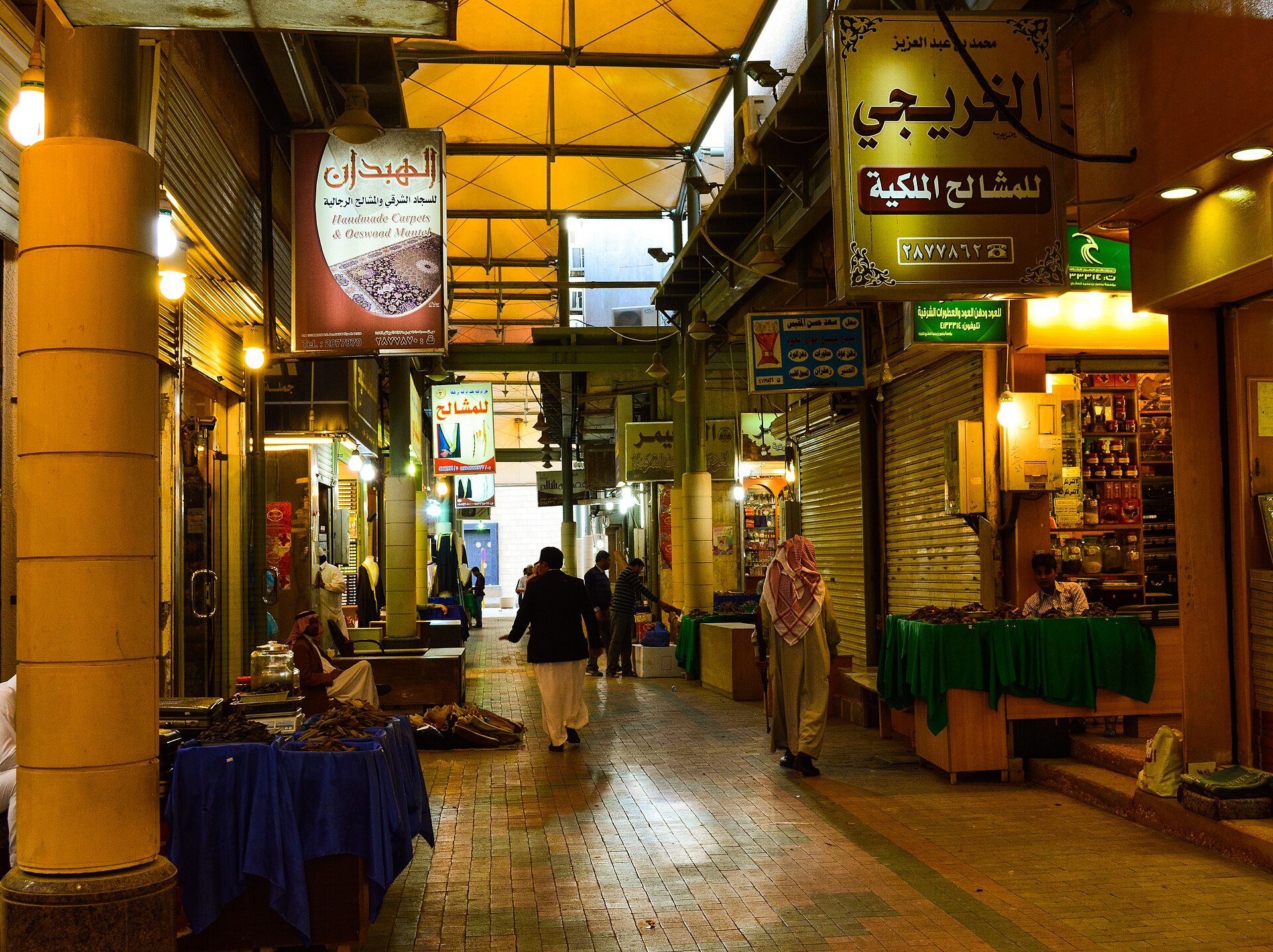
Saudi Arabia sits at the crossroads of ancient spice routes that once connected the Indian subcontinent, East Africa and the Mediterranean. That heritage lives on in the Kingdom’s traditional souqs, where vendors sell the same cardamom, saffron and frankincense that traders carried by camel centuries ago. Whether you are building a Saudi Arabia travel itinerary around food or simply want to bring home something more interesting than a fridge magnet, a morning spent navigating a spice souq is one of the most rewarding experiences the country offers. This guide covers the best markets in Riyadh, Jeddah and the Eastern Province, the essential spices to look for, how to bargain, and what you need to know about packing aromatics for the flight home.
Best Time to Visit: October–March (cooler weather for outdoor souq walking)
Getting There: Major souqs in Riyadh (Souq Al Zal), Jeddah (Souq Al Alawi) and Al-Ahsa (Souq Al Qaisariah) — all reachable by taxi or metro
Visa Required: Yes — tourist e-visa available online
Budget: $10–$80 per souq visit depending on saffron and oud purchases
Must-See: Souq Al Alawi (Jeddah), Souq Al Zal (Riyadh), Souq Al Qaisariah (Al-Ahsa)
Avoid: Buying saffron without checking for dyed threads — always ask to smell and inspect before purchasing
Why Saudi Arabia Is a Spice Shopper’s Destination
The Arabian Peninsula has been a spice hub for over two thousand years. Frankincense harvested in southern Arabia was already reaching Rome and Egypt before the Common Era. When Islam expanded trade networks across the Indian Ocean, ports like Jeddah became warehouses for cardamom from Kerala, black pepper from Malabar and cloves from Zanzibar. Those goods moved inland to Makkah and Madinah with pilgrims, then fanned out along caravan routes to Riyadh, the Levant and beyond.
Today, Saudi Arabia imports most of its spices — the Kingdom is one of the largest spice markets in the Middle East, with consumer demand driven by a cuisine that relies heavily on complex blends. But the souqs remain the best place to buy. Vendors in traditional markets source directly from importers, often grind to order, and sell at prices well below what you would pay for the same quality in a European or North American specialty store. A 100-gram bag of Iranian saffron that costs $30–$50 in London can be found for $15–$25 in Souq Al Zal.
The Essential Saudi Spice Shopping List
If you are cooking Saudi kabsa at home or want to recreate the flavours of an Arabian kitchen, these are the spices and blends to prioritise.
Cardamom (Hail)
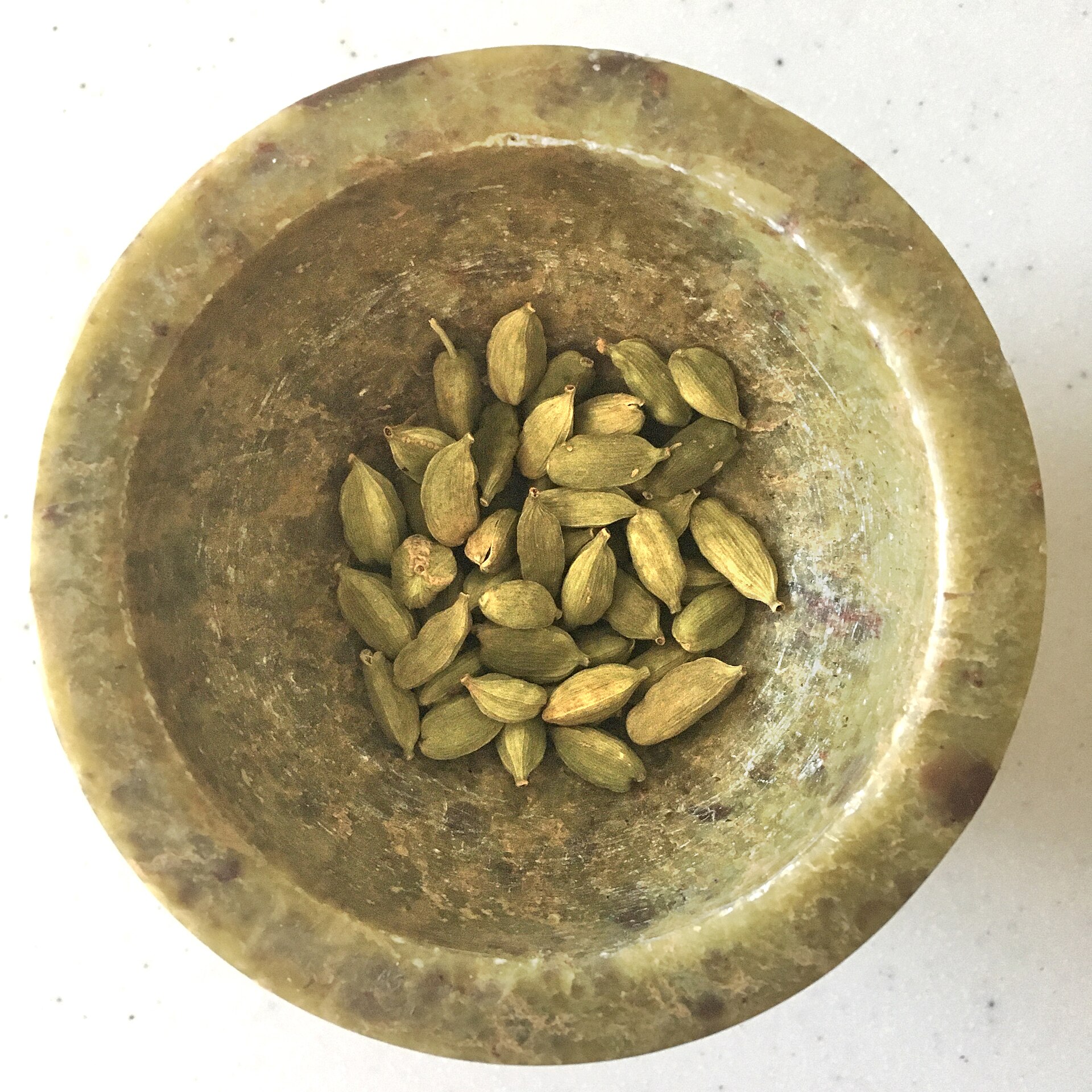
Cardamom is the single most important spice in Saudi cooking. It goes into Arabic coffee (qahwa), rice dishes, desserts and even some bread. Saudi Arabia is one of the world’s largest per-capita consumers of cardamom, importing thousands of tonnes annually, primarily from Guatemala and India. In the souqs, look for whole green pods — they should be plump, tightly closed and intensely fragrant when cracked. Avoid pre-ground cardamom unless you plan to use it within a week; the volatile oils dissipate rapidly once the seeds are exposed.
Tip: The best cardamom pods are bright green with no bleaching or browning. Ask the vendor to crack one open — the seeds inside should be black, sticky and powerfully aromatic. Expect to pay SAR 80–150 per kilogram for good-quality green cardamom.
Saffron (Zaafaran)
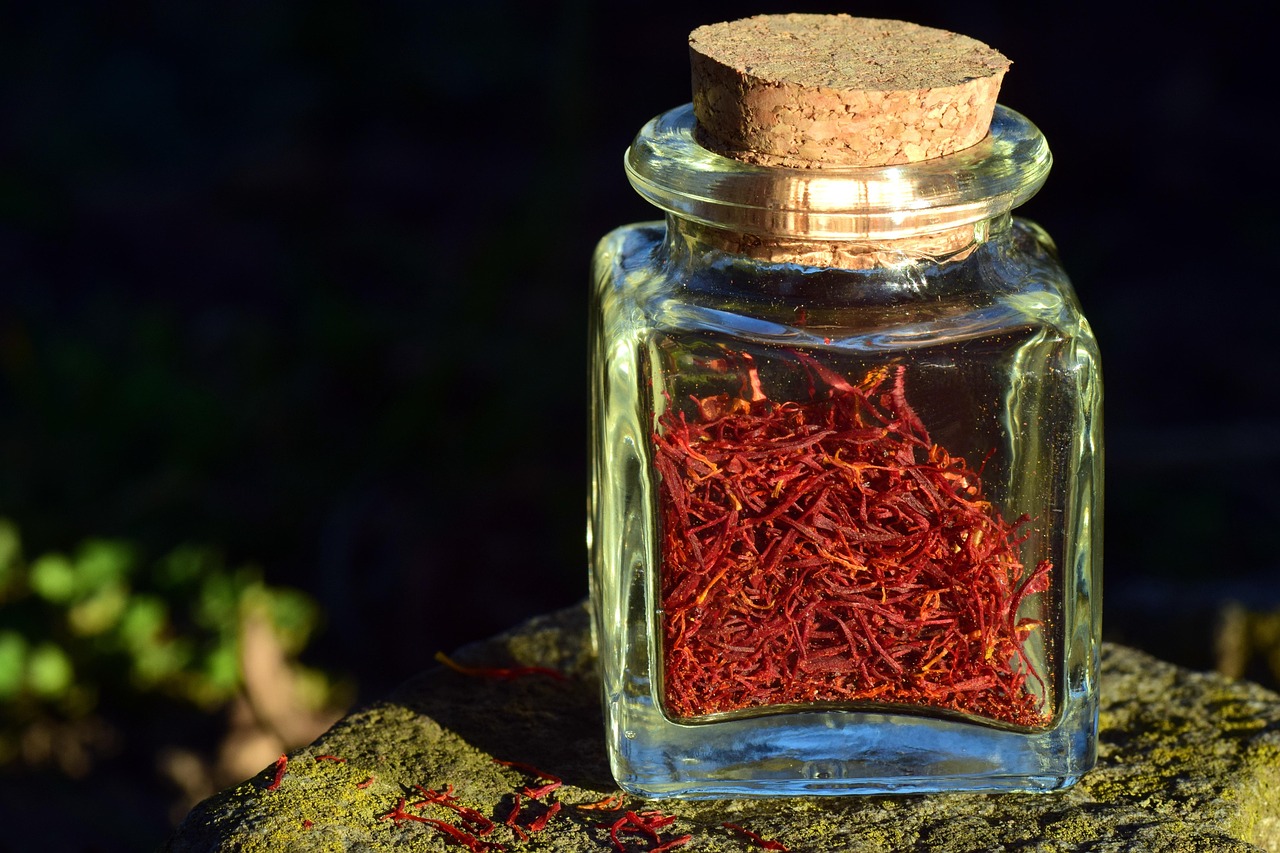
Saffron colours and flavours rice in kabsa, machboos and other Gulf dishes. Most saffron sold in Saudi souqs comes from Iran, with some from Kashmir and Spain. It is expensive everywhere, but Saudi prices are typically 30–50% cheaper than Western retail because of the Kingdom’s proximity to Iranian producers and the volume of trade flowing through Gulf ports.
Buying saffron requires caution. Adulteration is common globally, and souqs are no exception. Genuine saffron threads are deep crimson with a slightly lighter orange tip. They should smell hay-like and slightly metallic — never musty. When dropped into warm water, real saffron releases colour slowly over several minutes; dyed threads bleed immediately. Reputable vendors will let you test before buying.
Baharat
Baharat literally means “spices” in Arabic, and it refers to the all-purpose blend that every Saudi household keeps on hand. There is no single recipe — each family, region and vendor has a proprietary mix — but the core ingredients typically include black pepper, cumin, coriander, cinnamon, cloves, cardamom, nutmeg and dried lime (loomi). Some versions add paprika for colour or turmeric for earthiness. Baharat is the backbone of meat rubs, stews and rice dishes across the Gulf.
In the souqs, baharat is often ground fresh to order. You can ask the vendor to adjust the blend — more heat, less cinnamon, extra cumin — which is something no supermarket jar can offer. A 250-gram bag typically costs SAR 10–25.
Kabsa Spice Blend (Baharat al-Kabsa)
Distinct from general baharat, kabsa spice is a specialised blend formulated specifically for Saudi Arabia’s national dish. It typically includes black lime (loomi), cardamom, cinnamon, cloves, cumin, black pepper, coriander, turmeric and occasionally saffron or nutmeg. The dried black lime is the key differentiator — it adds a tangy, smoky depth that is unique to Gulf cooking. If you buy only one spice blend in Saudi Arabia, make it this one.
Dried Black Lime (Loomi)
Loomi are small, rock-hard dried limes — black or tan — that are pierced and dropped whole into rice pots and stews. They contribute a sour, slightly fermented citrus flavour that is essential to Gulf cuisine but almost impossible to find in Western supermarkets. They are cheap (SAR 5–15 per bag), lightweight, and keep for months, making them the perfect souq souvenir. Look for them in any spice section; they are usually sold loose in large baskets.
Cumin (Kamoun)
Cumin is used across Saudi cuisine in meat dishes, lentil soups and spice blends. Whole cumin seeds from the souq are dramatically more flavourful than the pre-ground jars sold in Western supermarkets. The difference is freshness — souq vendors turn over stock rapidly, and the seeds have often been imported within weeks rather than sitting on a warehouse shelf for months. Buy whole seeds and toast them lightly in a dry pan before grinding at home.
Bezar (Bzar)
Bezar is a warm, complex Gulf spice blend closely related to baharat but with a distinct profile. It typically combines cumin, coriander, black pepper, cinnamon, turmeric and cardamom, sometimes with added cloves and fenugreek. It has a warm, earthy, slightly smoky flavour that enhances meats and vegetables. Bzar is more common in the Eastern Province and in Bahraini and Emirati cooking, but you will find it in souqs across the Kingdom.
Beyond Cooking Spices: Oud, Bukhoor and Frankincense
Saudi spice souqs are not only about cooking. Some of the most prized items — and the ones that will make your suitcase smell extraordinary for weeks — are aromatic resins and incense.
Frankincense (Luban)
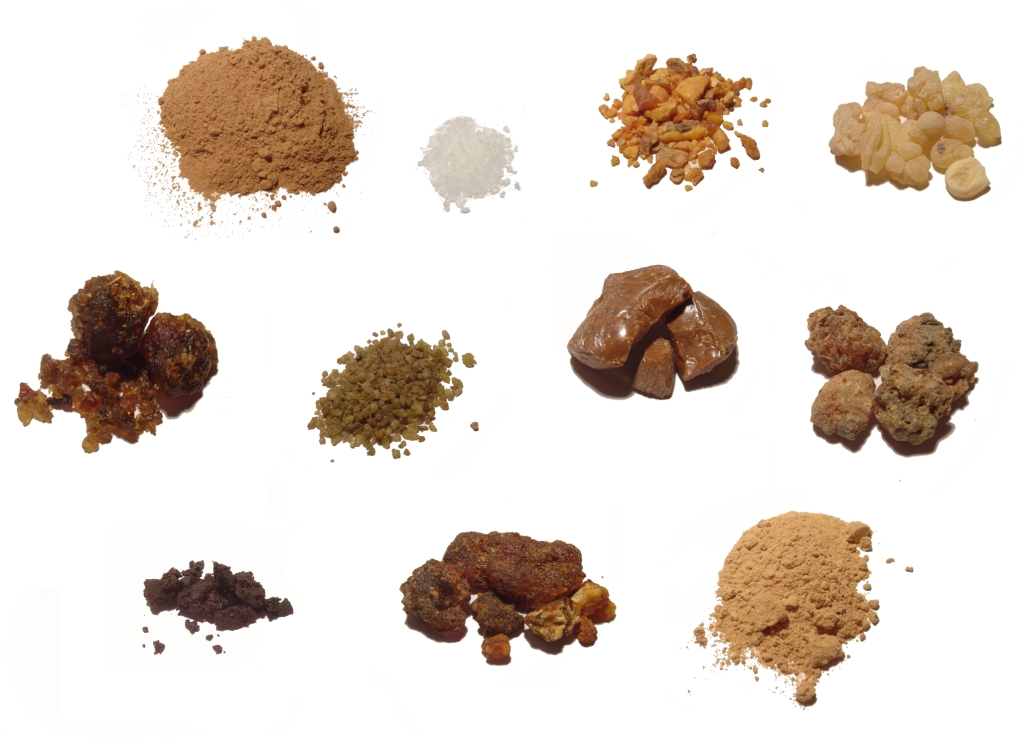
Frankincense resin has been harvested from Boswellia trees in southern Arabia and the Horn of Africa for over 5,000 years. In Saudi Arabia, it is burned as incense during gatherings, used in traditional medicine, and chewed as a breath freshener. The best grades are translucent and pale yellow-white. Southern Saudi varieties from the Dhofar-adjacent regions are highly regarded, though Omani and Somali grades are also widely available. Prices range from SAR 20–100 per 100 grams depending on grade.
Bukhoor
Bukhoor refers to scented wood chips soaked in oud oil, musk, amber, rose and other fragrances. It is burned on charcoal in a mabkhara (incense burner) as a gesture of hospitality — guests are traditionally passed the burner so the fragrant smoke infuses their clothing. High-quality bukhoor feels slightly oily and comes in chip form, not powder. It is one of the most popular purchases for visitors interested in Saudi perfume and fragrance culture. A good box costs SAR 30–200 depending on the oud quality.
Oud (Agarwood)
Oud is the resinous heartwood of Aquilaria trees, and it is arguably the most culturally significant fragrance material in the Arab world. Premium oud chips can cost thousands of riyals per gram. Even modest-quality chips are expensive. For a full guide to buying oud — grading, pricing, and where to shop — see our dedicated guide to buying oud in Saudi Arabia. In the spice souqs, you will find mid-range oud chips and oud oil alongside the bukhoor and frankincense stalls.
Best Spice Souqs by City
Riyadh: Souq Al Zal
Souq Al Zal in the ad-Dirah district is Riyadh’s oldest traditional market, established around 1901 during the reign of King Abdulaziz. The name comes from the Arabic word “zulliya” meaning carpet, reflecting the market’s historical specialisation in handmade rugs. Today, the souq’s spice section offers saffron, cardamom, cinnamon and dried herbs alongside oud chips, incense and oil-based perfumes.
The market is organised into distinct sections, making navigation relatively straightforward. The spice and incense vendors are clustered together, and you can easily spend two to three hours browsing. Bargaining is expected — vendors typically quote 30–50% above their target price, and a polite, friendly negotiation is part of the experience.
Practical info — Souq Al Zal: Located in ad-Dirah, central Riyadh. Open daily, busiest in the late afternoon and evening. Reachable via Riyadh Metro (Ad Dirah station) or taxi. Best visited October–February when temperatures are comfortable for walking the open-air sections.
Riyadh: Souq Al Thumairi (Dira Souq)
Adjacent to Souq Al Zal, the Dira district markets along Al Thumairi Street offer additional spice shops alongside dried fruits, nuts, dates and traditional Saudi food products. The variety and freshness here often surpass what supermarkets can match. This is where many Riyadh residents do their own spice shopping, which is a good sign — follow the locals.
Jeddah: Souq Al Alawi
Souq Al Alawi in Al-Balad — Jeddah’s UNESCO-listed historic district — is the largest traditional souq in Saudi Arabia and one of the most atmospheric. The market sits among centuries-old coral stone buildings with ornate mashrabiya (wooden lattice) balconies, and its narrow covered alleyways feel like a living museum. If you are following our Jeddah souq guide, Al Alawi should be your first stop.
The souq has a distinct section known as Herbalist’s Lane (Zaqaq Al-Etarah), where you will find colourful displays of herbs, fragrant incense, natural remedies and cooking spices. Vendors here are knowledgeable and many speak basic English. The surrounding Al-Balad area is worth exploring in its own right — combine your spice shopping with a walk through the historic streets.
Jeddah: Gabel Street Souq and Bab Makkah
Gabel Street Souq is one of Jeddah’s oldest markets, with narrow lanes selling gold, perfumes, spices, textiles and handmade crafts. Nearby, Bab Makkah Market — named after the historic gate toward the holy city — features rows of stores selling fabrics, household goods and traditional spices. Both markets are less tourist-oriented than Souq Al Alawi, which can mean better prices but less English spoken.
Al-Ahsa: Souq Al Qaisariah
Souq Al Qaisariah in Al-Hofuf, the main city of Al-Ahsa Governorate in the Eastern Province, is one of the most historic markets on the Arabian Peninsula. Dating to 1822, the 7,000-square-metre souq features 14 gates and over 422 shops along open-air corridors. UNESCO recognised its importance by including it in the Al-Ahsa Oasis World Heritage listing in 2018.
The market is meticulously organised into sections specialising in traditional abayas, perfumes, handcrafted jewellery and aromatic spices. The spice section is smaller than in Riyadh or Jeddah but the quality is excellent, and the architectural setting — covered stone corridors open to the sky — makes shopping here a uniquely atmospheric experience. If you are visiting the Eastern Province, a trip to Al-Ahsa and its souq is well worth the detour.
Taif: Rose and Spice Shopping
Taif, the highland city above Makkah, is famous for its rose farms and the rose water, rose oil and rose-based perfumes produced from them. During the blooming season in March and April, artisans extract over 85 rose-derived aromatic products. The Taif souq in the renovated historic centre sells these alongside local honey, herbs and spices. While the spice selection is narrower than in Riyadh or Jeddah, the rose products are unique to Taif and make excellent gifts.
Other Foodie Souvenirs to Buy in the Souqs
While you are browsing the spice stalls, keep an eye out for these other items that pair well with a spice-focused shopping trip.
Dates (Tamr)
Saudi Arabia is the world’s second-largest producer of dates. Prized varieties include Ajwa from Madinah, sweet Sukkari, dark Safawi and popular Medjool. Dates are sold by the kilo in every souq and make excellent edible souvenirs — they travel well and keep for months. For a deeper guide, see our complete guide to Saudi dates.
Arabic Coffee (Qahwa)
Pre-blended Arabic coffee beans or grounds — typically a light roast mixed with cardamom and sometimes saffron or cloves — are available in most spice shops. The flavour profile is completely different from Western coffee. Buy a bag alongside your cardamom and you can brew Saudi-style qahwa at home. Our Saudi coffee culture guide explains the traditions behind the drink.
Honey
Saudi honey, particularly Sidr honey from the south, is a prized and expensive local product. Genuine Sidr honey can cost SAR 500–1,000 per kilogram. It is thick, dark and intensely flavoured. Cheaper multi-flora honeys are also available and still excellent. Ask vendors for a taste — most are happy to offer samples.
Halwa and Saudi Sweets
Many souq vendors sell traditional Saudi sweets including halwa, maamoul cookies and luqaimat alongside their spice offerings. These are often made fresh daily and give you a chance to taste the spices in action.
How to Bargain in a Saudi Souq
Bargaining is a normal and expected part of the souq experience. Here is a practical approach that works well.
- Start friendly. Greet the vendor with “as-salaam alaykum” and show genuine interest in the products. Ask questions about the spices — where they come from, how to use them. Building rapport matters more than aggressive negotiating.
- Ask the price, then counter at 50–60%. The vendor will typically quote 30–50% above their target. Your counter-offer signals that you are a serious buyer who understands the game, not a tourist willing to pay the first price named.
- Walk away if needed. If you cannot reach an agreeable price, politely say “shukran” (thank you) and move on. In many cases, the vendor will call you back with a better offer. If not, the next stall probably sells the same product.
- Buy in volume for discounts. If you are purchasing multiple spices from one vendor, ask for a bundle price. Vendors are far more flexible on price when the total transaction value is higher.
- Know your benchmarks. Rough souq price ranges: cardamom SAR 80–150/kg, saffron SAR 60–100/gram (for genuine Iranian), baharat SAR 10–25 per 250g, loomi SAR 5–15/bag, frankincense SAR 20–100 per 100g.
- Saudi Arabia Travel Guide 2026 — The complete guide to visiting the Kingdom
- Jeddah Souq Guide — The best traditional markets in Jeddah’s historic Al-Balad district
- Buying Oud in Saudi Arabia — Everything you need to know about agarwood and oud oil
- Saudi Perfume Shopping — Oud, bakhoor and the best fragrance shops
- Saudi Kabsa Guide — The national dish explained, with the best restaurants by city
- Saudi Dates Guide — Best varieties, where to buy and how to gift them
- Saudi Coffee Culture — Qahwa, cafes and everything in between
- Saudi Arabian Handicrafts — Weaving, pottery and where to buy artisanal goods
- Dammam and Al Khobar Guide — Gateway to the Eastern Province and Al-Ahsa
- Saudi Arabia Visa Guide — Every visa type explained
Note: In upmarket shops and malls, prices are fixed and bargaining is not appropriate. Bargaining applies to traditional souqs and open markets only.
Practical Tips for Spice Travellers
Packing Spices for the Flight Home
Dried spices, whole or ground, are permitted in both carry-on and checked luggage on flights from Saudi Arabia. Oud oil must be in containers under 100ml for carry-on. Bukhoor and frankincense resin travel well in checked bags — seal them in ziplock bags inside a hard container to prevent your clothes absorbing the scent (unless you want that). Check your home country’s customs rules — Australia, New Zealand and the US have stricter rules on plant-derived products, though dried and processed spices are generally permitted.
When to Go
The cooler months from October to February are ideal for souq shopping. Summer temperatures in Riyadh regularly exceed 45°C, making outdoor walking uncomfortable. Many souqs are busiest in the late afternoon and evening — aim for 4pm onward for the full atmosphere. During Ramadan, souqs close during the day but come alive after iftar, often staying open past midnight.
Payment and Currency
Most souq vendors accept cash in Saudi Riyals only. Some larger shops accept card payment, but do not rely on it. ATMs are widely available near major souqs. The current exchange rate is approximately SAR 3.75 to USD 1.
Getting a Visa
Citizens of over 60 countries can obtain a Saudi tourist e-visa online before travelling, or on arrival. The process takes minutes and costs approximately $120 including insurance. The visa is valid for one year with multiple entries and allows stays of up to 90 days.
What the Souqs Tell You About Saudi Food Culture
Spending time in a spice souq is not just shopping — it is an education in Saudi cuisine. The spices on display tell you what matters in the kitchen. Cardamom outsells everything else because it goes into the daily coffee ritual. Saffron and baharat dominate because rice is the foundation of Saudi cooking. Dried limes appear in every stall because Gulf cuisine is built on a sour-savoury-aromatic flavour architecture that Western palates rarely encounter.
If you are interested in the food culture beyond the souq, pair your spice shopping with visits to traditional restaurants. Try mandi in a Yemeni-influenced restaurant in Jeddah, kabsa in a Najdi dining hall in Riyadh, or machboos in the Eastern Province. The spices you have just bought are the same ones flavouring the dishes on your plate.
For visitors exploring the broader Saudi food scene, from traditional breakfasts of ful and shakshuka to fine dining in Jeddah, spice shopping adds a tangible, take-home dimension to the culinary journey. And if you are interested in the craftsmanship of traditional Saudi products beyond food, our Saudi handicraft guide covers weaving, pottery and other artisanal traditions found in the same souqs.