
Saudi Arabia has undergone a dramatic transformation since opening its doors to international tourists in 2019. For Christian travellers, the Kingdom remains one of the most misunderstood destinations on earth. The reality in 2026 is more nuanced than either the headlines or the stereotypes suggest: you are welcome as a tourist, your faith is not a barrier to entry, and you will encounter a country modernising at extraordinary speed — but genuine restrictions on religious practice remain in place, and understanding them before you arrive is essential. This guide, part of our comprehensive Saudi Arabia travel guide, covers everything a Christian visitor needs to know — from what you can legally bring through customs to how the country celebrates (or doesn’t celebrate) Christmas.
Best Time to Visit: October to March (cooler weather, outside Ramadan)
Getting There: Direct flights to Riyadh (RUH) and Jeddah (JED) from most major hubs
Visa Required: Yes — tourist e-visa available online
Budget: $100–250 USD per day (mid-range)
Must-See: Riyadh’s Diriyah, AlUla’s Hegra, Jeddah’s Al-Balad historic district
Avoid: Bringing multiple Bibles (one for personal use is fine), proselytising, attempting to enter Mecca
Can Christians Visit Saudi Arabia?
Yes. Since the launch of the tourist e-visa system in September 2019, Christians — and people of all faiths — can visit Saudi Arabia freely. The e-visa is available online to citizens of over 60 countries and can be obtained in minutes. Your religion is not asked on the visa application, and there is no faith-based restriction on tourist entry.
This represents a seismic shift. Before 2019, non-Muslim visitors needed a work visa, business invitation, or Hajj/Umrah permit. Today, the Kingdom actively courts international tourists of all backgrounds as part of Vision 2030, Crown Prince Mohammed bin Salman’s economic diversification programme. Saudi Arabia welcomed over 27 million international visitors in 2024, and Christians are among them in growing numbers. If you are planning your first trip, our first-time visitor guide covers the practical basics.
What You Can and Cannot Bring
Bibles and Religious Items
You may bring a Bible into Saudi Arabia for personal use. This is widely confirmed by travellers, embassies, and Saudi customs guidance. Confiscation of personal Bibles is extremely rare in modern Saudi Arabia. You can also bring a rosary, prayer book, or devotional items for private use.
What you cannot do is bring multiple copies of religious texts or any materials intended for distribution. Distributing non-Muslim religious literature is a criminal offence classified as proselytising, punishable by detention, fines, and deportation. The rule is simple: one Bible, personal use, no problem. A suitcase full of tracts — serious trouble. For a full breakdown of what customs will and won’t allow, see our Saudi Arabia customs rules guide.
Crosses and Religious Jewellery
Possessing a cross necklace or other Christian jewellery is not illegal. However, displaying non-Islamic religious symbols publicly is officially prohibited. The practical advice from experienced travellers: wear your cross tucked under your shirt. When Brazilian footballer Neymar arrived in Riyadh in August 2023 wearing a visible diamond cross pendant, Saudi clerics publicly condemned the display. You will not be arrested for a visible cross, but you may attract unwanted attention in conservative areas.
Alcohol and Pork
Alcohol is completely banned throughout Saudi Arabia — no exceptions for tourists. You cannot bring it through customs, buy it in hotels, or find it in restaurants. There are no bars, no minibars, no wine lists. Pork products are similarly unavailable and prohibited from import. Our alcohol in Saudi Arabia guide covers this topic in full, including the latest on potential future changes.
Religious Practice: What Is Allowed
Private Worship
Public worship of any religion other than Islam is prohibited by Saudi law. This applies to all non-Muslim faiths, not just Christianity. However, private worship — praying in your hotel room, reading your Bible quietly, personal devotion — is tolerated and practised by millions of Christian expatriates living in the Kingdom.
Saudi Arabia is home to an estimated 2.1 million Christians, almost all of them expatriate workers. The largest community is Filipino Catholics (over 500,000), followed by Indian Christians, Coptic Orthodox Egyptians (approximately 50,000), and Lebanese, Syrian, and Ethiopian communities. These communities worship privately in homes and on residential compounds. The religious police (mutawa), whose powers were curtailed by King Salman’s royal decree in April 2016, effectively ceased to exist as an enforcement body by 2022.
No Churches — But Significant Progress
There are zero official churches operating in Saudi Arabia. It remains the only G20 country without a single legal church. Archaeological remains of a 4th-century church exist in Jubail (discovered 1986), but it is a historical site, not a functioning place of worship.
That said, the trajectory is unmistakable. In January 2023, Bishop Marcos led the first publicly acknowledged Coptic Christmas liturgy in Saudi Arabia, with approximately 3,000 Coptic Christians attending services across Riyadh, Jeddah, Dammam, Khobar, and Dhahran — under the full sponsorship of Saudi authorities. MBS himself visited Egypt’s Coptic Cathedral in March 2018, the first Saudi Crown Prince to do so. When asked by journalist Joel Rosenberg about building churches, MBS responded cautiously but, as observers noted, “left the door open.”
For now, the Diplomatic Quarter in Riyadh serves as the most significant de facto space for Christian worship. The religious police are not permitted to enter the Diplomatic Quarter, Western compounds, or five-star hotels, creating effective safe spaces for private gatherings.
Proselytising: The Hard Red Line
This is the most important rule for any Christian visitor to understand. Proselytising — attempting to convert Muslims to Christianity — is a serious criminal offence in Saudi Arabia. This includes distributing religious literature, inviting Muslims to attend worship, or publicly advocating for Christian beliefs. Penalties include detention, deportation, and potentially severe criminal charges.
Apostasy — a Muslim converting to another religion — is theoretically a capital offence under Saudi law. While executions for apostasy are exceedingly rare in modern Saudi Arabia, the law remains on the books and shapes the social environment. The practical takeaway: your personal faith is your business, and no one will interfere with it. But sharing it with Muslims in any structured or public way crosses a clear legal line.
Mecca and Medina: The Restrictions
Mecca: Completely Off-Limits
Non-Muslims are prohibited from entering Mecca — not just the Grand Mosque, but the entire city. The sacred Haram boundary extends several kilometres beyond the urban centre and is enforced by road checkpoints with clear signage. Highway signs direct non-Muslims to bypass roads around the city. Attempting to enter as a non-Muslim can result in immediate removal, fines, detention, deportation, and potential long-term re-entry bans.
Medina: Partially Accessible
Medina is more nuanced. Non-Muslims may enter the city of Medina and access most hotels, roads, shopping areas, and residential districts. However, you cannot enter the Prophet’s Mosque (Al-Masjid an-Nabawi) or the immediate sacred area surrounding it, including Jannat al-Baqi cemetery. Conservative dress is essential throughout Medina. If you are curious about the Islamic pilgrimage context, our Mecca guide for Muslim travellers explains the Hajj and Umrah framework.
Biblical Sites in Saudi Arabia
One of the least-known aspects of Saudi Arabia for Christian travellers is that the Kingdom contains sites of significant biblical interest — and they are now open to tourists.
Jebel al-Lawz and the Land of Midian
Located in the Tabuk region of northwest Saudi Arabia, Jebel al-Lawz is identified by some biblical scholars as a candidate for the biblical Mount Sinai (also known as Mount Horeb). The ancient land of Midian, where Moses lived after fleeing Egypt, corresponds to the same region. US-based tour company Living Passages organised the first Christian pilgrimage tour to these sites, visiting Jebel al-Lawz, Jethro’s Caves, and the Split Rock of Horeb. Fox News reported the tour under the headline: “The atmosphere is changing.” Our Tabuk travel guide covers the wider region.
Hegra and Pre-Islamic Heritage
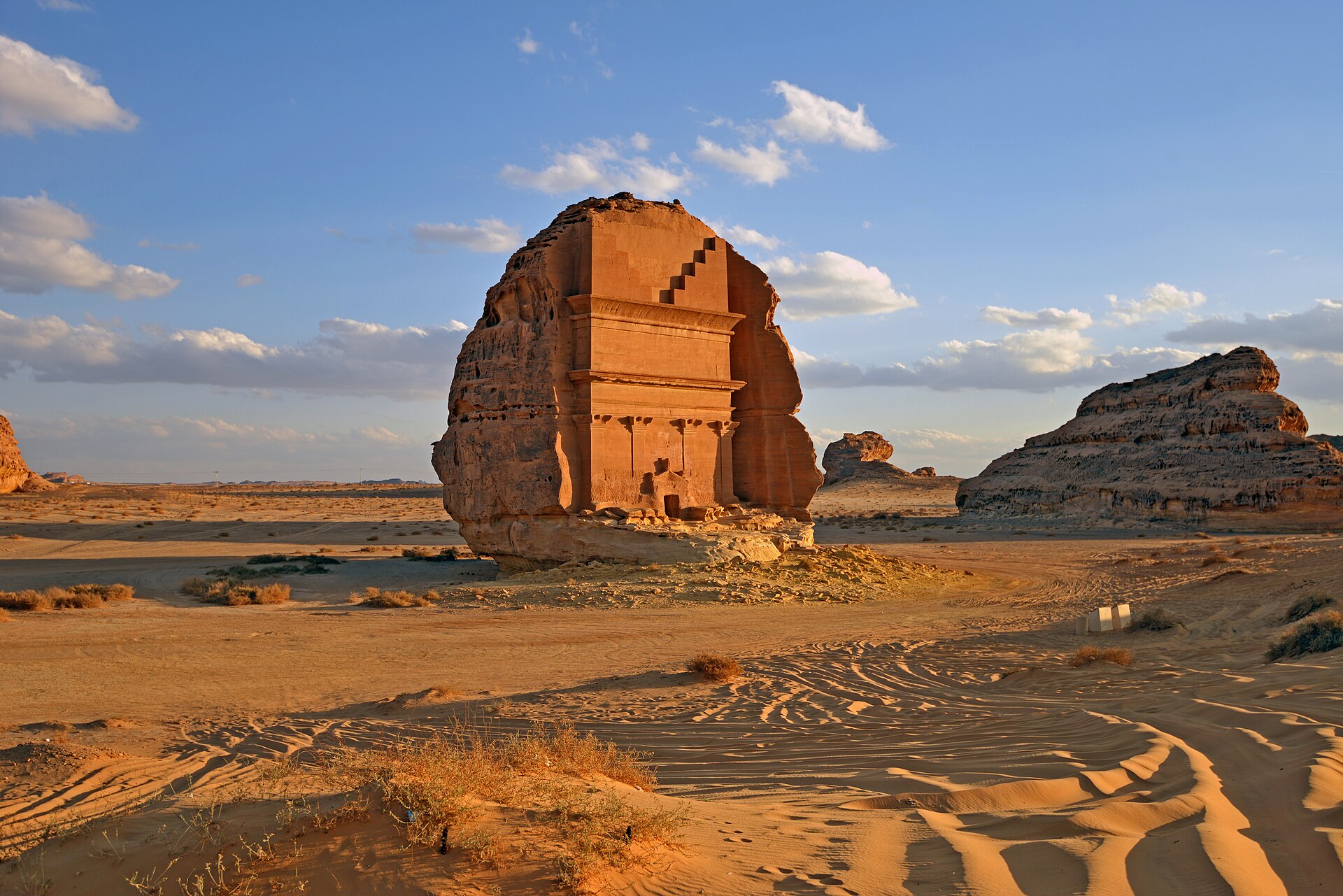
Saudi Arabia’s first UNESCO World Heritage Site, Hegra (ancient Mada’in Salih), features over 100 Nabatean rock-cut tombs dating to the 1st century AD. While not a biblical site per se, the Nabatean civilisation intersected with the biblical world — the same culture that built Petra in Jordan. Hegra is now one of Saudi Arabia’s flagship tourist destinations, open to all visitors. See our AlUla travel guide for the full picture.
The Jubail Church
Discovered in 1986, the remains of a 4th-century church near Jubail in the Eastern Province represent one of the oldest surviving church structures in the Arabian Peninsula. The site provides physical evidence of early Christian communities in the region centuries before Islam. While not a major tourist attraction, it is of considerable interest to Christian visitors with a historical bent. The Dammam and Khobar travel guide covers the wider Eastern Province.
Christmas in Saudi Arabia
Christmas is not a public holiday. Government offices, schools, banks, and workplaces operate normally on 25 December. But the change since 2022 has been remarkable.
The ban on Christmas trees and festive decorations was officially lifted in 2022. Since then, major cities including Riyadh and Jeddah have hosted Christmas markets, themed concerts, and holiday programming. International hotel chains — Four Seasons, Ritz-Carlton, Hilton — now offer Christmas-themed dinners and brunches. Shopping malls put up Christmas trees, lights, and winter-themed displays.
Private celebrations among the expatriate community are growing and increasingly visible. Organisers report a rising number of Saudi guests joining Christmas gatherings, reflecting what Arab News described as “a shift toward more cultural openness and curiosity.” If you visit during December, you will find more festive atmosphere than you might expect — particularly in Riyadh and Jeddah.
Dress Code and Daily Etiquette
Saudi Arabia’s Public Decency Law, enacted in September 2019, sets clear standards. Abayas are not legally required for foreign women (the requirement was scrapped in 2019), though many still choose to wear one. Headscarves are not required for non-Muslim women. Our detailed dress code guide covers every scenario.
What to Wear
| Setting | Women | Men |
|---|---|---|
| Shopping malls, restaurants | Shoulders, elbows, knees covered. Loose-fitting trousers or maxi dress. | Long trousers, shirt with sleeves. No tank tops. |
| Conservative areas, small towns | Consider an abaya and headscarf for comfort and respect. | Long trousers, long-sleeved shirt. |
| Hotels, resorts | Pool areas follow resort dress codes. Bikinis at resort pools are permitted. | Standard resort wear is fine. |
| Medina (city areas) | Very conservative dress. Abaya and headscarf strongly recommended. | Long trousers, long sleeves. |
Tip: Fines for improper dress are SAR 500 (~$133 USD) for a first offence. In practice, enforcement is rare for tourists in major cities, but showing respect through modest clothing will markedly improve your experience and interactions with locals.
During Prayer Times
Saudi Arabia observes five daily prayers. When the call to prayer sounds, some shops and restaurants close briefly (10–30 minutes). Shopping malls generally remain accessible but individual shops may lower shutters. This is a normal part of daily life — use the pause to explore, take photos, or simply sit and observe. There is no expectation that non-Muslims pray, and no one will question you for sitting quietly during prayer time.
Visiting During Ramadan
If your trip coincides with Ramadan, you need to understand the rules. Eating, drinking, and smoking in public during daylight fasting hours is illegal for everyone, including non-Muslim tourists. The fine is up to SAR 500 (~$133 USD). You may eat in hotel rooms, screened hotel dining sections, and private offices.
Restaurants close during the day and reopen after sunset (iftar). Business hours shift dramatically. On the other hand, Ramadan evenings are some of the most atmospheric and welcoming experiences in Saudi Arabia — communal iftar meals at mosques and Ramadan tents are open to tourists, and the hospitality is genuine. Our Ramadan travel guide for non-Muslims covers every practical detail.
Vision 2030 and the Changing Landscape
Understanding the speed of Saudi Arabia’s transformation helps frame what you will experience. Since 2016, the Kingdom has:
- Launched the tourist e-visa system (September 2019)
- Lifted the 35-year ban on cinemas (2018)
- Allowed women to drive (June 2018)
- Curtailed the religious police and dismissed 3,500 clerics deemed radical
- Hosted mixed-gender concerts, international sporting events, and entertainment festivals
- Opened UNESCO heritage sites including Hegra and Diriyah to international tourism
- Hosted interfaith gatherings with the Vatican secretary of state, the Orthodox Ecumenical Patriarch, prominent rabbis, and evangelical leaders
- Bring your Bible — one copy for personal use is fine
- Pray privately — in your hotel room or private space
- Ask questions respectfully — Saudis are generally happy to discuss Islam and culture with genuinely curious visitors
- Visit mosques — many mosques outside Mecca and Medina welcome non-Muslim visitors outside prayer times. Our mosque etiquette guide explains the protocol
- Try Ramadan iftar — if visiting during Ramadan, join a communal iftar meal for one of the most welcoming cultural experiences in the country
- Dress modestly — it shows respect and will significantly improve your interactions
- Don’t proselytise — this is a serious criminal offence, full stop
- Don’t attempt to enter Mecca — the city is restricted to Muslims only
- Don’t display religious symbols publicly — keep crosses under clothing
- Don’t bring religious materials for distribution — one Bible is fine, twenty is not
- Don’t criticise Islam — blasphemy is a criminal offence under Saudi law
- Don’t eat in public during Ramadan — it is illegal during fasting hours
- Saudi Arabia Travel Guide 2026 — The complete guide to visiting the Kingdom
- Non-Muslim Travel in Saudi Arabia — What’s allowed, what to expect, and how to prepare
- Travelling During Ramadan — A non-Muslim’s complete guide to visiting during the holy month
- Saudi Arabia Dress Code 2026 — What to wear in every situation
- Saudi Arabia Customs and Etiquette — What not to do
- Saudi Arabia Visa Guide — Every visa type explained
The Muslim World League, based in Mecca, hosted a major interfaith gathering in Riyadh that included 15 prominent rabbis and the general secretary of the World Evangelical Alliance. While critics note that the US State Department still classifies Saudi Arabia as a “Country of Particular Concern” for religious freedom, the trajectory since 2016 is undeniable — and visitors experience the reformed Saudi Arabia, not the old one.
Where to Go: Best Destinations for Christian Visitors
Every major tourist destination in Saudi Arabia is open to Christians. Here are the highlights:
Riyadh
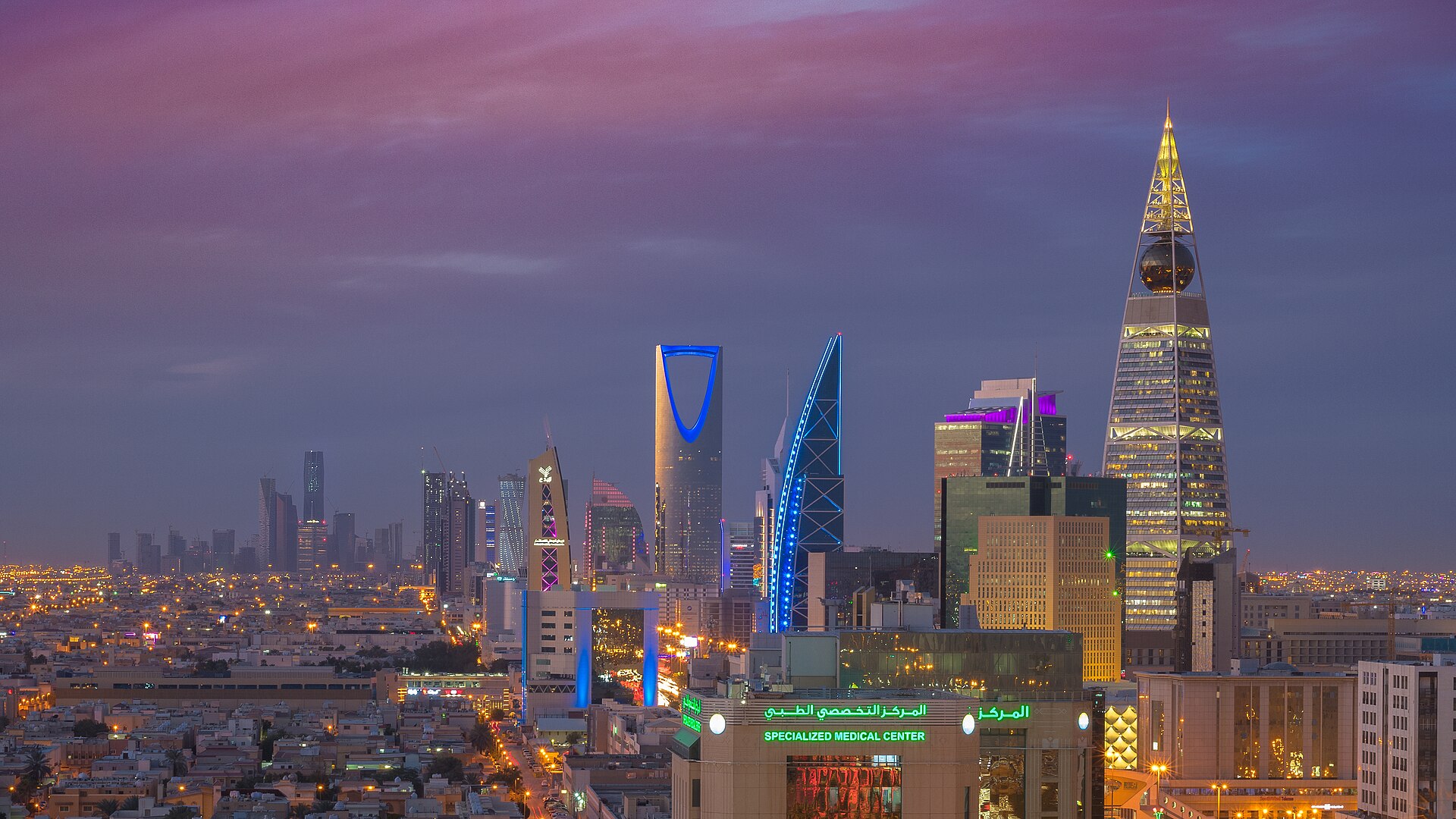
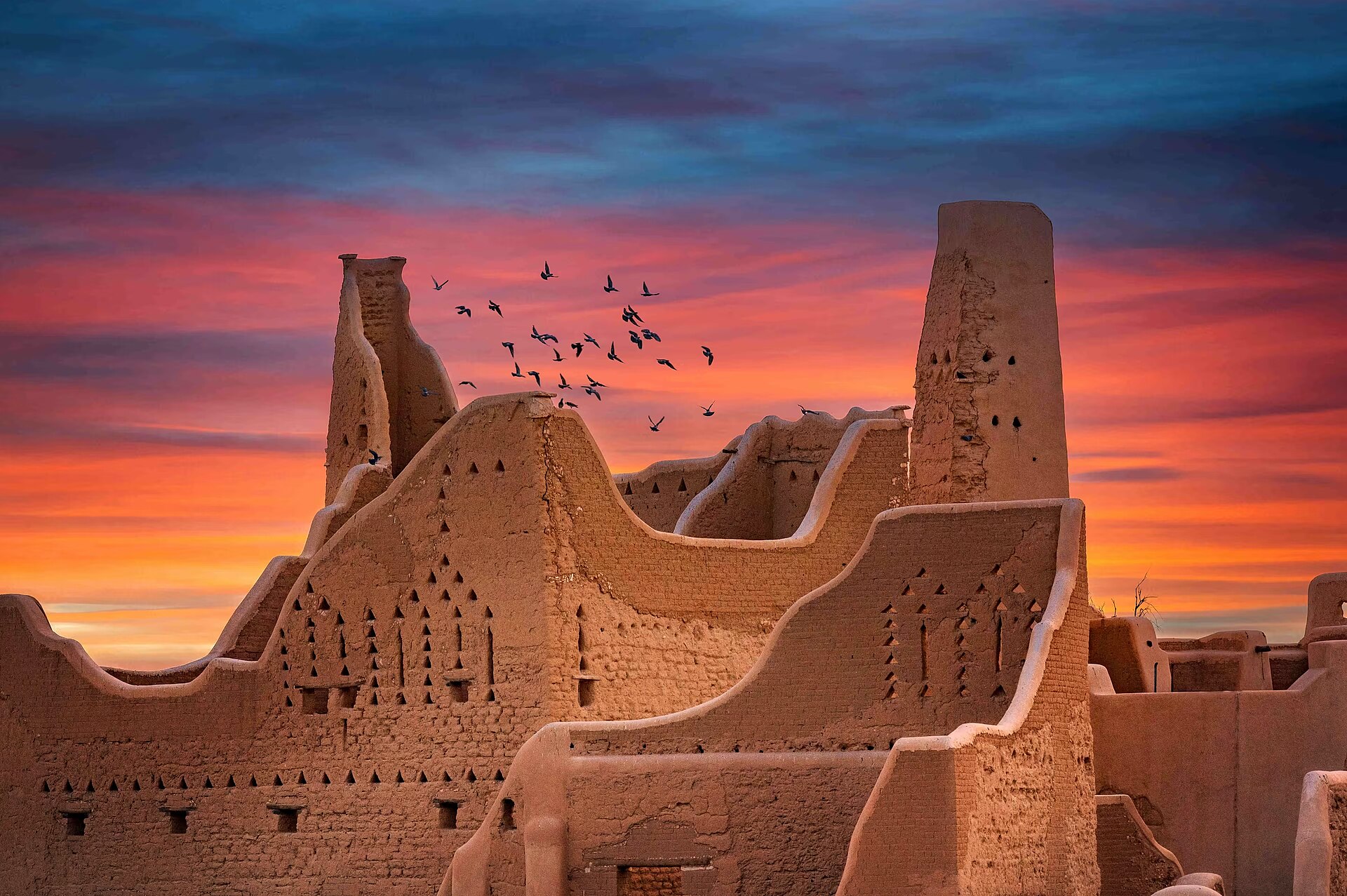
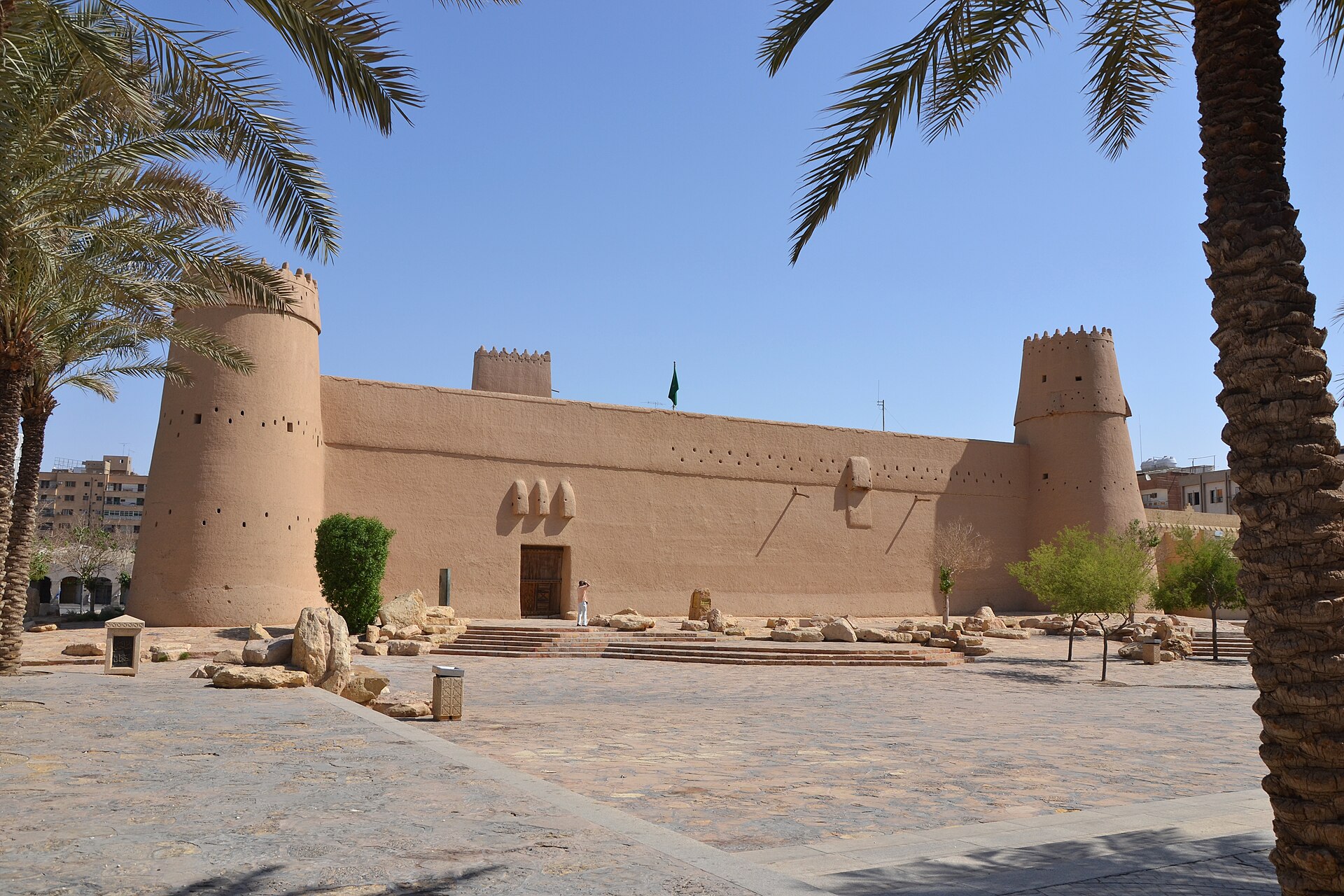
The capital offers world-class museums, the restored Diriyah At-Turaif UNESCO site, the historic Masmak Fortress, and the vibrant Boulevard entertainment district. The Diplomatic Quarter is the most cosmopolitan area. Riyadh is where you will encounter the most diverse expatriate Christian community. See our Riyadh travel guide for the complete breakdown.
Jeddah
The Red Sea gateway city features the UNESCO-listed Al-Balad historic district, the Corniche waterfront, and a more relaxed social atmosphere than Riyadh. Jeddah has historically been the most cosmopolitan Saudi city due to centuries of Hajj pilgrim traffic. Our Jeddah travel guide covers it all.
AlUla
The crown jewel of Saudi tourism. Hegra, Elephant Rock, the Dadan archaeological site, and the AlUla Old Town offer a week’s worth of exploration. The setting — vast sandstone canyons and ancient tombs — rivals Petra. Everything is open to visitors of all faiths.
Tabuk and the Northwest
Home to the biblical sites mentioned above, plus NEOM and the planned futuristic city of The Line. The Tabuk region’s landscape of red sandstone mountains and desert valleys is stunning, and its biblical connections give it particular resonance for Christian travellers.
Practical Tips for Christian Travellers
Do
Don’t
Safety
Saudi Arabia is one of the safest countries in the world for tourists, regardless of religion. Violent crime against visitors is exceptionally rare. The main risks are road traffic (driving standards differ from Western countries) and extreme heat in summer months. Our safety guide covers everything in detail. For broader guidance on visiting as a non-Muslim, see our dedicated non-Muslim visitor guide.
The Christian Expatriate Community
Understanding the existing Christian community in Saudi Arabia adds context to your visit. Approximately 2.1 million Christians live in the Kingdom, making it one of the largest Christian populations in the Gulf — all expatriates.
| Community | Estimated Size | Main Denominations |
|---|---|---|
| Filipino | 500,000+ | Roman Catholic (majority), Protestant |
| Indian | 200,000+ | Catholic, Protestant, Orthodox |
| Egyptian Coptic | ~50,000 | Coptic Orthodox |
| Lebanese/Syrian/Jordanian | Tens of thousands | Maronite, Melkite, Orthodox |
| Ethiopian/Eritrean | Tens of thousands | Ethiopian Orthodox, Catholic |
| Western (US/UK/EU/AU) | Thousands | Protestant, Catholic |
The Apostolic Vicariate of Northern Arabia oversees Catholic pastoral care across Saudi Arabia, Bahrain, and Qatar, though without any official church buildings in Saudi territory. The Filipino Catholic community is by far the largest and most organised, with sub-groups structured around charismatic, Marian, and Trinitarian spiritualities.
Frequently Asked Questions
Will I be questioned about my religion at the airport?
No. Saudi immigration does not ask about your religion. The e-visa application does not include a religion field. Entry is based on nationality and visa status, not faith.
Can I attend a church service?
There are no official churches. However, private worship gatherings exist within expatriate compounds and the Diplomatic Quarter. As a tourist, your primary option is private prayer in your accommodation.
Is it safe to tell people I’m Christian?
Generally yes, in casual conversation. Saudis are aware that most Western visitors are Christian (or secular) and do not consider this unusual or threatening. You do not need to hide your identity. What matters is that you respect the Islamic environment and do not attempt to convert anyone.
Can I visit a mosque?
Many mosques outside Mecca and Medina welcome non-Muslim visitors outside prayer times. Some, like the King Abdulaziz Historical Center mosque in Riyadh, actively encourage tourist visits. Always remove shoes, dress very conservatively, and follow the guidance in our mosque etiquette guide.
What if I accidentally drive toward Mecca?
Highway signage clearly directs non-Muslims to bypass roads well before the Haram boundary. GPS navigation apps also flag the restricted zone. If you somehow miss the signs, you will encounter a checkpoint where you will be politely redirected — not arrested.
Can I celebrate Easter or Christmas?
Privately, yes. Hotels increasingly offer Christmas and Easter themed events. There are no public Easter services or church celebrations, but private observance in your accommodation is not an issue.
Understanding Saudi Culture as a Christian Visitor
The most rewarding approach for Christian visitors is one of genuine curiosity. Saudi Arabia’s Islamic heritage is not a barrier to your visit — it is the visit. The architecture, the call to prayer echoing across ancient cities, the hospitality rooted in Bedouin and Islamic tradition, the archaeological sites that bridge the biblical and Quranic worlds — these are what make Saudi Arabia unlike anywhere else on earth.
Many Christian visitors report that the experience deepens their own understanding of Abrahamic tradition. Islam, Christianity, and Judaism share prophets, stories, and sacred geography. Standing at a Nabatean tomb in Hegra, walking through the land of Midian in Tabuk, or hearing the call to prayer from a minaret in Jeddah’s Al-Balad connects you to a shared religious heritage that predates the divisions between these faiths.
For a deeper dive into the cultural context, our guide to understanding Saudi culture covers etiquette, social norms, and how to connect meaningfully with the people you meet.