
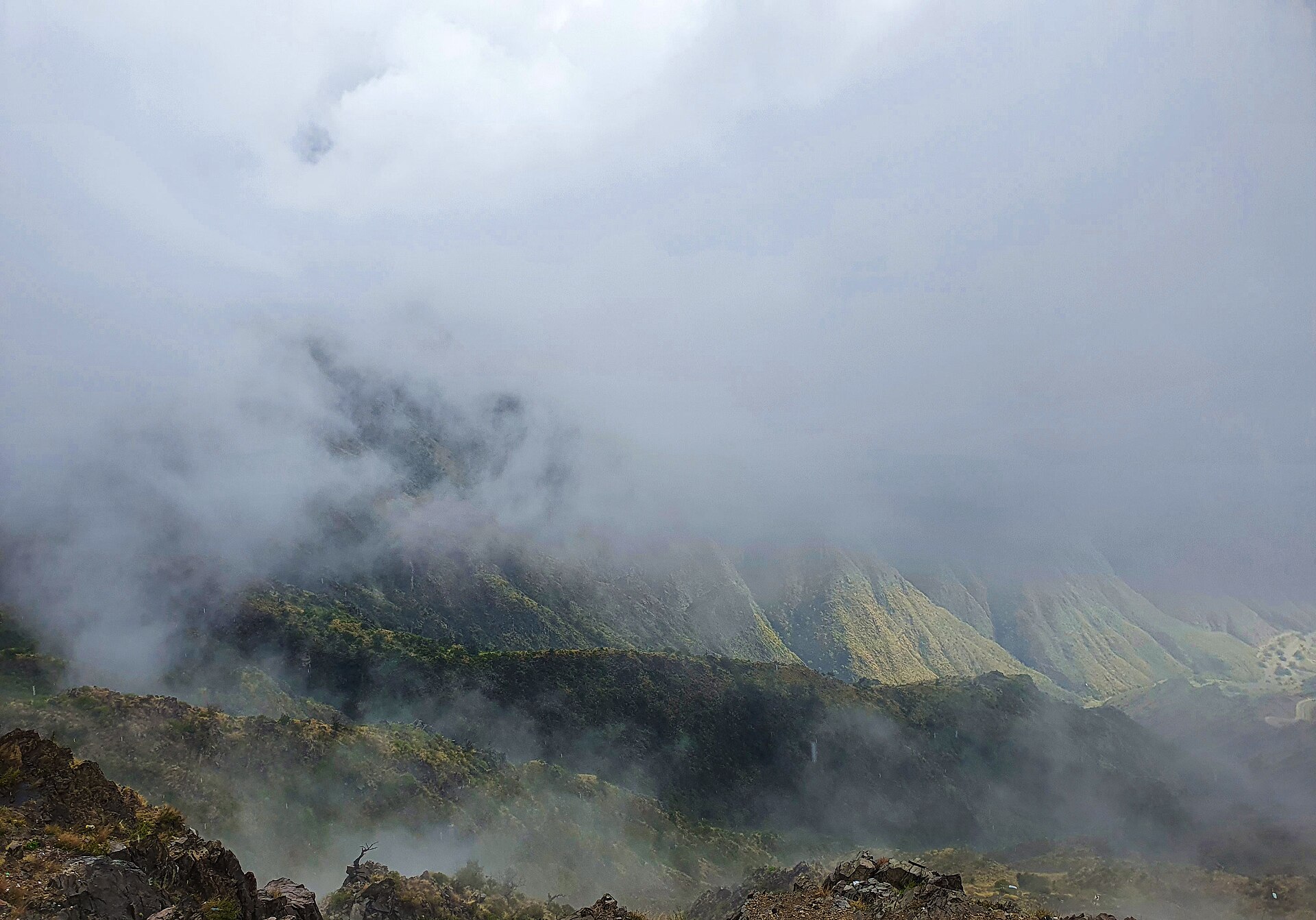
Rising to 3,015 metres above the Asir highlands, Jabal Al Soudah is officially recognised as the highest point in Saudi Arabia and the centrepiece of one of the Kingdom’s most unexpected landscapes. Far from the desert imagery most visitors associate with Saudi Arabia travel, the Al Soudah area is a cool, fog-draped world of ancient juniper forests, terraced mountainsides and plunging escarpments that drop more than a thousand metres toward the Red Sea coastal plain. Whether you are a serious peak-bagger, a casual trail walker or a family looking for a highland escape from the Gulf’s summer heat, Al Soudah rewards with genuinely world-class mountain scenery — and far fewer crowds than comparable destinations elsewhere in the Middle East.
Best Time to Visit: March–May and September–November for hiking; June–August for cool weather and the annual Aseer Season festival
Getting There: Fly to Abha International Airport (AHB), then 30–45 min drive southwest to Al Soudah
Visa Required: Yes — tourist e-visa available online
Budget: SAR 300–600 / USD 80–160 per day (mid-range, including car rental and meals)
Must-See: Jabal Sawda summit trail, Al Soudah cable car, Rijal Almaa heritage village
Avoid: Hiking in heavy fog without GPS — cloud cover can reduce visibility to under 10 metres with no warning
Why Hike Al Soudah
Al Soudah sits on the Sarawat escarpment, the ancient mountain spine that runs parallel to the Red Sea from Yemen to Jordan. At this latitude — roughly 18°N — the high elevation creates a microclimate that receives monsoon moisture from the Indian Ocean, supporting dense forests of Juniperus procera (African pencil cedar) that can be several centuries old. Hikers who have trekked in Ethiopia’s Simien Mountains or Nepal’s middle hills will recognise the character of the terrain: steep ridgelines, cloud forest draped in old man’s beard lichen, and dramatic drops into terraced valleys.
The summit area itself offers 360-degree views that, on clear mornings, extend to the Tihama coastal plain and beyond. A 2018 GPS survey by mountaineers Eric and Matthew Gilbertson, conducted in partnership with the Saudi Climbing Federation, measured Jabal Sawda at 2,998.7 metres — with nearby Jabal Ferwa registering 3,001.8 metres and potentially being the Kingdom’s true highest point. The Saudi government continues to cite the official 3,015-metre figure. For hikers, the distinction is academic: both peaks are accessible, and the traverse between them makes for a full day in some of the most dramatic mountain scenery on the Arabian Peninsula.
If you are planning a longer trip through the southern highlands, Al Soudah pairs naturally with the heritage villages and mountain towns covered in the wider region. The Riyadh to Abha road trip is one of the most scenic drives in Saudi Arabia, passing through desert, plateau and mountain terrain over roughly 1,000 kilometres.
Main Hiking Trails
Jabal Sawda Summit Trail
The signature route in the Al Soudah area is the ascent to the summit of Jabal Sawda itself. This is not a manicured national park trail — it is an unmarked route through genuinely wild terrain that requires navigation skills and proper preparation.
| Detail | Summit Trail |
|---|---|
| Distance | 14.5–15.4 km (loop or point-to-point) |
| Elevation gain | ~1,050 m |
| Summit elevation | 3,015 m (official) |
| Difficulty | Moderate to hard |
| Duration | 6–7 hours |
| Permit required | No |
| Water sources | None — carry at least 3 litres |
The trail begins in dry, cactus-dotted terrain at lower elevations, climbs through mossy juniper and wild olive forest, and emerges onto a rocky ridgeline for the final push across exposed granite slabs. The route follows an ancient trade path but markers are sparse — download GPS tracks from Wikiloc or AllTrails before setting out, and consider hiring a local guide through the tourism office in Abha.
Tip: Start before 7:00 AM to reach the summit before cloud typically builds from the southwest around midday. Early starters also get the best chance of clear views toward the Tihama plain.
Aqabat Al Quroon — The Heritage Ridge Walk
This point-to-point route descends from the Al Soudah escarpment to the Rijal Almaa heritage village, following an ancient caravan track that once connected the highland communities with the coastal lowlands. It is one of the most rewarding day hikes in Saudi Arabia.
| Detail | Aqabat Al Quroon |
|---|---|
| Distance | ~12 km (point-to-point) |
| Elevation change | ~800 m net descent |
| Difficulty | Moderate |
| Duration | 5–6 hours |
| Best season | October–April |
The trail passes through terraced juniper forest, past stone cisterns built by generations of farmers, and through stands of wild pomegranate and Rosa abyssinica. Fossilised coral visible in exposed limestone sections is a reminder that these mountains were once a seabed. The descent ends at Rijal Almaa, where interconnected stone houses up to eight storeys tall cascade down the mountainside — one of the most photogenic heritage villages in Saudi Arabia.
Logistics: This is a one-way trail. Arrange transport from Rijal Almaa back to Al Soudah (approximately 45 minutes by road), or park one vehicle at each end. Taxis from Rijal Almaa are infrequent — pre-arrange a pickup.
Al Soudah Loop Trail
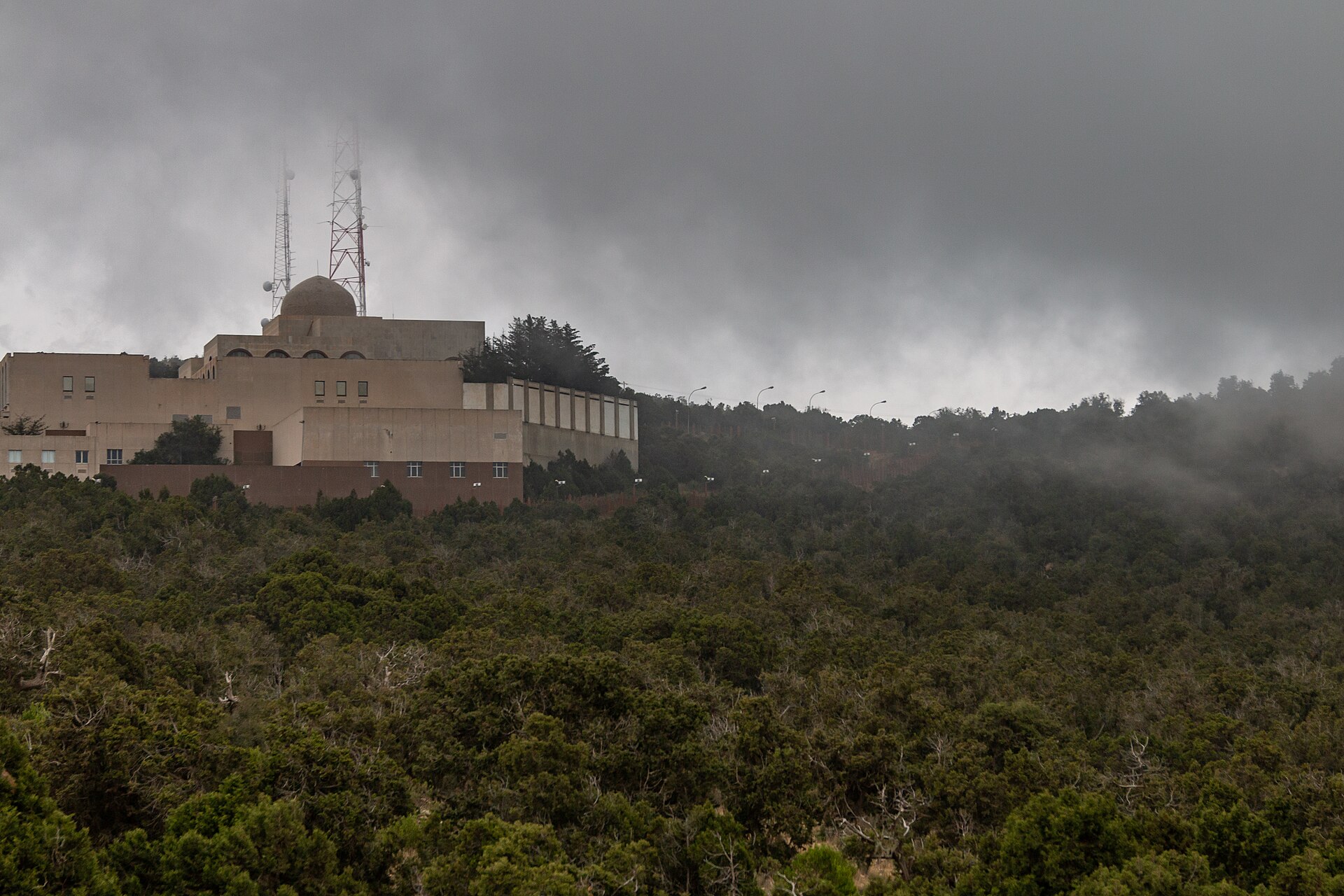
A shorter option for visitors who want highland walking without committing to a full-day expedition. This approximately 8-kilometre loop stays on the escarpment plateau, weaving through juniper forest and past several viewpoints over the western escarpment.
- Distance: ~8 km
- Difficulty: Easy to moderate
- Duration: 3–4 hours
- Suitable for: Families with older children, casual walkers
- Al Sooda Resort: The closest option to the park, approximately 450 metres from the entrance. Family-oriented villas with balconies and mountain views. From approximately SAR 800/night (USD 215).
- Abha Palace Hotel: In Abha city, 25 km from Al Soudah. Full-service hotel with restaurants and a pool. A reliable mid-range base.
- Vacation rentals: Airbnb and local platforms list highland chalets and apartments from SAR 75–200/night (USD 20–55). Quality varies — look for recent reviews.
- Altitude: At 3,000 metres, mild altitude effects (headache, breathlessness) are possible for visitors arriving directly from sea level. Spend a night in Abha (2,270 m) to acclimatise before attempting the summit trail.
- Water: There are no reliable water sources at altitude. Carry at least 3 litres for a full-day hike and more in summer.
- Navigation: Summit trails are unmarked. Download GPS tracks before departure and carry a backup power bank. Mobile signal is patchy above 2,800 metres.
- Footwear: Proper hiking boots with ankle support are essential. Exposed granite slabs are slippery when wet, and the descent to Rijal Almaa is steep in places.
- Layers: Even in summer, summit temperatures can be 15–20°C below Abha city. A windproof jacket and warm mid-layer are non-negotiable year-round.
- Sun protection: High-altitude UV exposure is significant. Use SPF 50+ sunscreen, sunglasses and a hat.
- Baboons: Hamadryas baboons are common on trails. Do not feed them, maintain distance, and store food in closed containers.
- Guides: For the summit trail and the Aqabat Al Quroon descent, a local guide is strongly recommended. Arrange through the Abha tourism office or your accommodation.
- Asir circuit (3–5 days): Al Soudah summit + Rijal Almaa + Habala + Abha city. This covers the core highlands without rushing.
- Southern highlands road trip (7–10 days): Riyadh → Taif → Al Baha → Thee Ain Village → Abha → Al Soudah → Rijal Almaa. A comprehensive traverse of Saudi Arabia’s mountain spine.
- Adventure pairing: Combine Al Soudah hiking with Red Sea diving from Jeddah — mountain and ocean in the same trip. Fly Abha–Jeddah in one hour.
- Winter escape: Al Soudah in January offers cold, atmospheric hiking followed by warmer days exploring Rijal Almaa at lower elevation. See the Saudi winter itinerary for a full seasonal plan.
- Saudi Arabia Travel Guide 2026 — The complete guide to visiting the Kingdom
- Rijal Almaa Village Guide — Asir’s most beautiful 900-year-old stone heritage village
- Riyadh to Abha Road Trip — Mountains, valleys and desert on a 1,000 km drive
- Thee Ain Village Guide — Al Baha’s ancient stone heritage settlement
- Saudi Heritage Villages — Preserved mountain villages across the Kingdom
- Saudi Arabia Visa Guide — Every visa type explained
The loop is accessible from the main Al Soudah car park and does not require a guide, though paths are not always well-marked. It offers good birdwatching opportunities — the Asir magpie, an endemic species found nowhere else on Earth, is regularly spotted in the juniper canopy.
The Al Soudah Cable Car
The Al Soudah Teleferic is one of three cable car systems operating in the Abha area, and the one most relevant to hikers. It ascends to the summit plateau near Saudi Arabia’s highest point, offering dramatic aerial views of the Sarawat escarpment and the juniper cloud forest below.
| Detail | Al Soudah Cable Car |
|---|---|
| Duration | ~20 minutes each way |
| Tickets | SAR 80 adult / SAR 40 children |
| High season hours | Daily, 10:00 AM – 6:00 PM |
| Low season hours | Friday–Saturday only, 10:00 AM – 6:00 PM |
| Food at top | Limited — bring snacks and water |
For hikers, the cable car serves two purposes. First, it provides an alternative way to reach the summit plateau without the full ascent — useful for those who want to tackle the ridgeline walk without the elevation gain. Second, it can function as an emergency descent option if weather closes in or a hiker is fatigued. The upper station area is being upgraded as part of the Soudah Peaks development project, with new infrastructure expected by 2027.
Flora and Fauna
The Al Soudah area supports an ecosystem that feels more East African than Arabian — a legacy of the geological connection between the Sarawat range and the Ethiopian Highlands before the Red Sea rift separated them millions of years ago.
Juniper Cloud Forest
The dominant tree species above 2,500 metres is Juniperus procera, the African pencil cedar. Some specimens in the Al Soudah forest are estimated to be several hundred years old. The trees are draped in Usnea articulata — old man’s beard lichen — that gives the forest an ancient, almost primeval character. Beneath the canopy, wild roses (Rosa abyssinica), brambles and seasonal wildflowers carpet the forest floor. The junipers play a critical ecological role: their root systems stabilise the steep mountain slopes, retain moisture from fog and cloud, and moderate local temperatures.
Wildlife
Hikers will almost certainly encounter hamadryas baboon troops, which are common throughout the Al Soudah escarpment. Do not feed them and keep food secured — they are bold and will investigate unattended packs.
The Asir highlands are one of the last refuges of the critically endangered Arabian leopard, though sightings are extremely rare. Arabian wolves, wildcats and foxes are present but largely nocturnal. The area is a genuine birdwatching destination: species include golden eagles, griffon vultures, Verreaux’s eagles, Barbary falcons, the endemic Asir magpie, Yemen linnets, Yemen thrushes and African paradise flycatchers.
When to Go
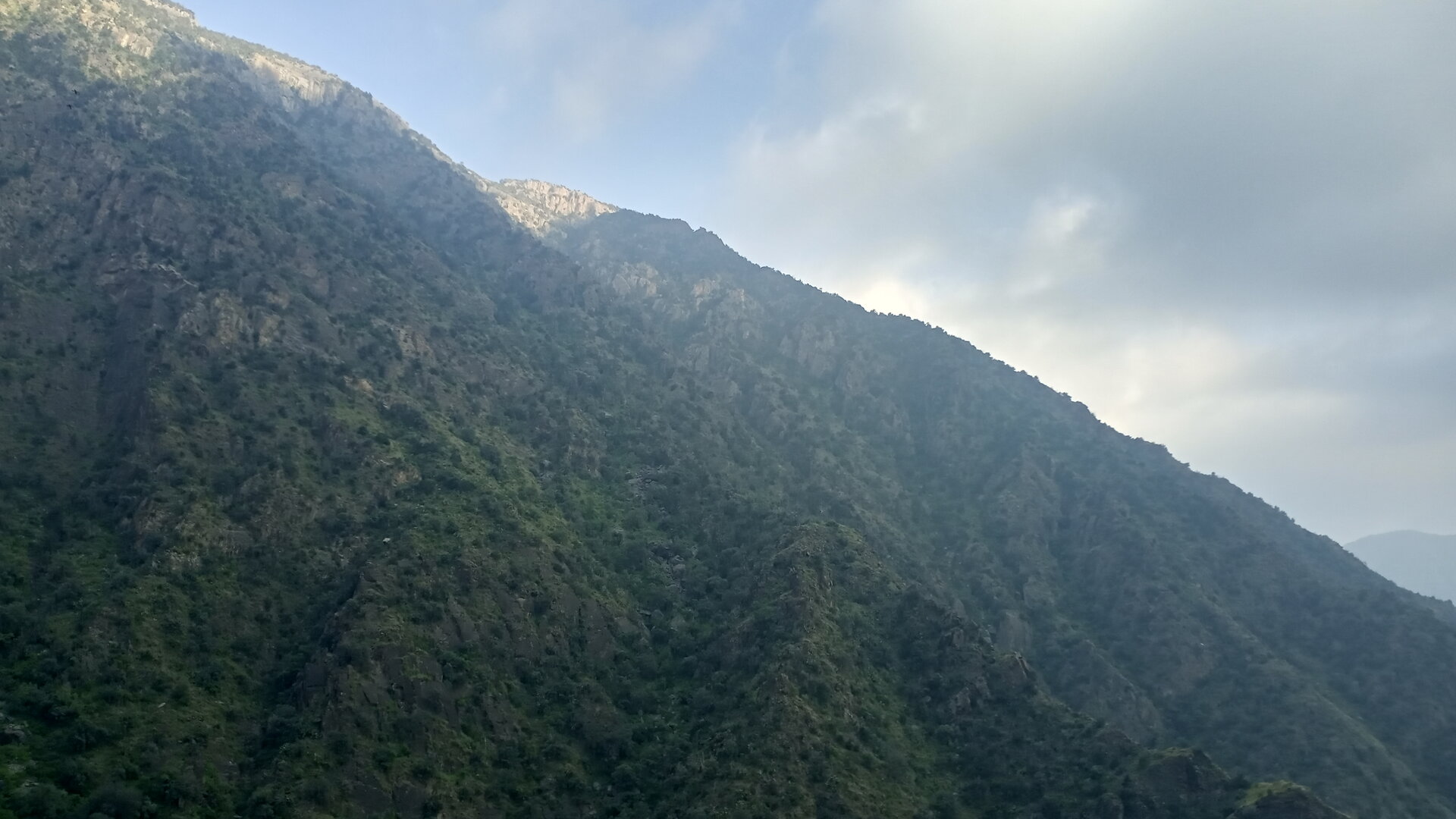
Al Soudah sits roughly 10°C cooler than the Saudi lowlands year-round, making it a viable destination in every season — but the optimal window depends on what you are looking for.
| Season | Temperatures | Conditions | Best for |
|---|---|---|---|
| Spring (Mar–May) | 12–22°C | Clear skies, moderate winds, wildflowers | Hiking, photography |
| Summer (Jun–Sep) | 15–26°C | Cool by Gulf standards; Aseer Season festival runs mid-June to mid-August | Escaping heat, cultural events |
| Autumn (Sep–Nov) | 10–20°C | Clear mornings, excellent visibility | Serious trekking, summit attempts |
| Winter (Dec–Feb) | 2–15°C | Cold nights, frequent fog, occasional frost/snow above 2,800 m | Solitude, atmospheric photography |
Warning: Fog can roll in with almost no warning at any time of year, reducing visibility to single digits within minutes. Always carry a headlamp, GPS device and warm layers regardless of the forecast.
Getting There
By Air
Abha International Airport (AHB) receives direct flights from Riyadh (approximately 1 hour 40 minutes), Jeddah (1 hour) and Dammam on Saudia, flynas and flyadeal. From the airport, Al Soudah is roughly 40–50 kilometres southwest — a 45-minute to one-hour drive.
By Road
The drive from Riyadh to Abha covers approximately 1,000 kilometres via Highway 15 and takes 9–10 hours. From Jeddah, the route via Taif and Al Baha is roughly 600 kilometres (7–8 hours) and passes through increasingly dramatic mountain scenery. Both routes are covered in detail in the Riyadh to Abha road trip guide.
Local Transport
A rental car is strongly recommended. The mountain roads between Abha and Al Soudah are well-maintained but winding, and public transport is limited. Uber and Careem operate in Abha city but availability drops sharply outside town. Car rental agencies including Enterprise, National and local firms operate from Abha airport.
International visitors need a Saudi tourist e-visa, which can be obtained online in minutes. A valid international driving licence is accepted for rentals.
Where to Stay
Accommodation near Al Soudah ranges from resort villas to budget vacation rentals. The area is not yet saturated with international hotel brands — that will change when the Soudah Peaks development delivers its planned 2,700 hotel rooms — but current options are comfortable and well-positioned.
Tip: During the Aseer Season (mid-June to mid-August) and Saudi school holidays, accommodation books up fast. Reserve at least two weeks in advance.
Nearby Attractions
Rijal Almaa Heritage Village
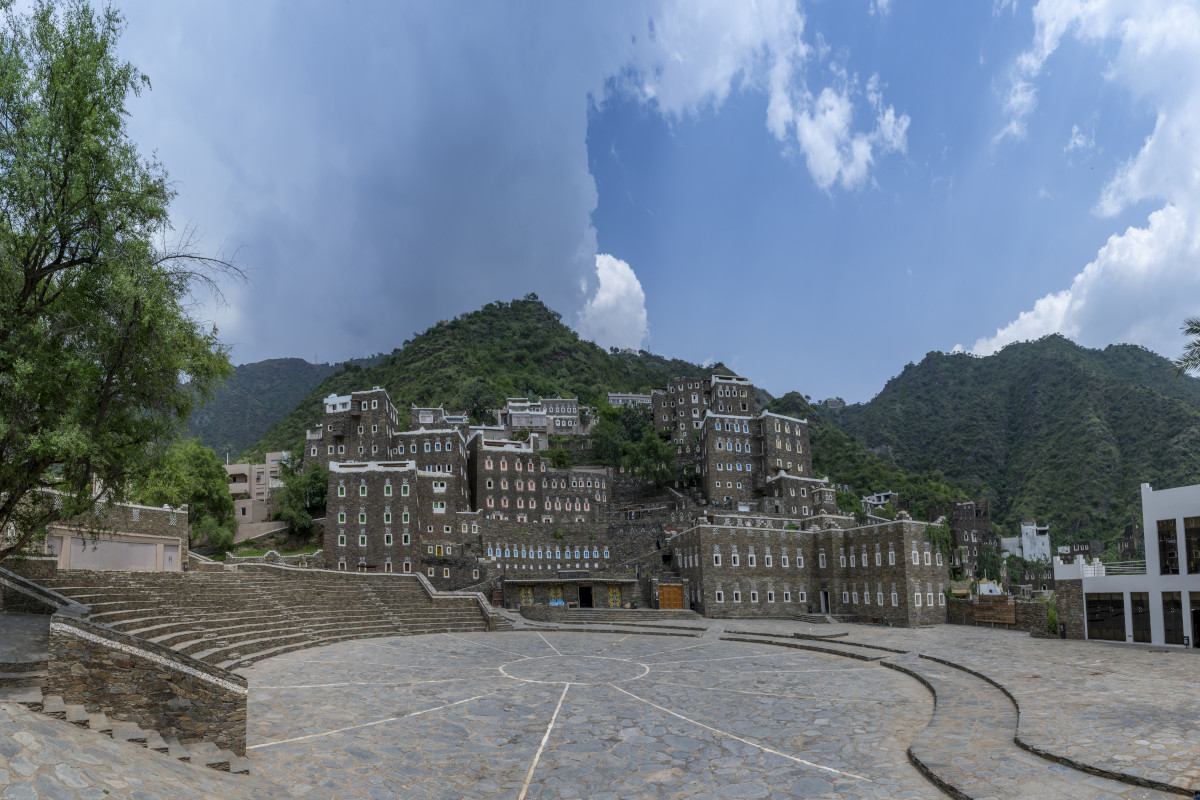
Twelve kilometres downhill from Al Soudah via the Aqabat Al Quroon hiking trail (or 45 minutes by road), Rijal Almaa is a 900-year-old settlement of interconnected stone houses rising up to eight storeys. The village museum holds more than 2,800 artefacts — tools, weapons, jewellery and textiles from centuries of highland life. Rijal Almaa is a candidate for UNESCO World Heritage status and one of the most visually striking places in Saudi Arabia.
Habala Hanging Village
Approximately one hour’s drive southeast of Al Soudah, Habala is a cliff-edge settlement accessible by cable car — one that descends rather than ascends. The cable car drops roughly 300 metres into a valley of preserved sandstone buildings, terraced gardens and a small handicraft market. Tickets are SAR 50–75 for the cable car plus SAR 25 entry.
Al Sahab Park (Cloud Park)
Located between Abha and Al Soudah, this park sits at an elevation where fog frequently rolls through at ground level, creating a surreal walking experience. Popular with Saudi families, particularly in the evenings.
Other Highland Destinations
The southern highlands extend well beyond Al Soudah. Visitors with more time should consider Thee Ain Village in Al Baha province — another remarkable stone settlement — or the Al Wahbah volcanic crater near Taif. The region around Tanomah, southeast of Al Soudah, offers slot-canyon trekking and more than 40 sport-climbing routes on sandstone walls.
The Soudah Peaks Development
In February 2021, Crown Prince Mohammed bin Salman announced the creation of Soudah Development, a PIF-backed company with a SAR 14 billion budget to transform the Al Soudah area into a luxury mountain tourism destination. The project — Soudah Peaks — covers 627 square kilometres across six development zones and aims to deliver 2,700 hotel rooms, 1,300 residential units and 30 commercial and entertainment venues by 2030.
For current visitors, the development is largely in infrastructure phase. In early 2026, Soudah Development signed a SAR 1.3 billion agreement with National Grid SA to build the project’s power network. New cable car systems, lodging and mountain activity centres are expected to begin opening from 2027. The existing trails, viewpoints and cable car remain fully accessible during construction.
Safety and Practical Tips
What to Pack
| Essential | Recommended |
|---|---|
| Hiking boots with grip | Trekking poles |
| 3+ litres water | Water purification tablets |
| Windproof/waterproof jacket | Fleece or down mid-layer |
| Headlamp with spare batteries | Binoculars (birdwatching) |
| GPS device or phone with offline maps | Camera with wide-angle lens |
| SPF 50+ sunscreen and hat | First aid kit |
| Snacks and packed lunch | Dry bag for electronics |
Combining Al Soudah with a Wider Saudi Trip
Al Soudah works well as part of a larger Saudi Arabia itinerary. The most natural combinations include: