
Saudi Arabia’s deserts are among the most dramatic landscapes on Earth. From the towering red dunes an hour outside Riyadh to the vast emptiness of the Rub’ al Khali — the largest continuous sand desert in the world — the Kingdom offers desert experiences that range from half-day adrenaline rides to multi-day expeditions into genuine wilderness. Whether you are planning a wider trip across Saudi Arabia or flying in specifically for the sand, this guide covers every desert safari option available in the Kingdom: dune bashing, overnight camping, sandboarding, camel treks, stargazing and the logistics of reaching the Empty Quarter.
Best Time to Visit: October to March (winter season — comfortable daytime temperatures, cold nights)
Getting There: Riyadh for Red Sand Dunes (30-45 min drive); domestic flights to Tabuk, AlUla or Sharurah for remote deserts
Visa Required: Yes — tourist e-visa (available to 60+ nationalities)
Budget: SAR 100-500/day ($27-$133) for day safaris; SAR 1,500-3,000+ for Empty Quarter expeditions
Must-See: Red Sand Dunes near Riyadh, Rub’ al Khali Empty Quarter, Hisma Desert near Tabuk
Avoid: June to September — temperatures exceed 50°C (122°F) in the interior desert
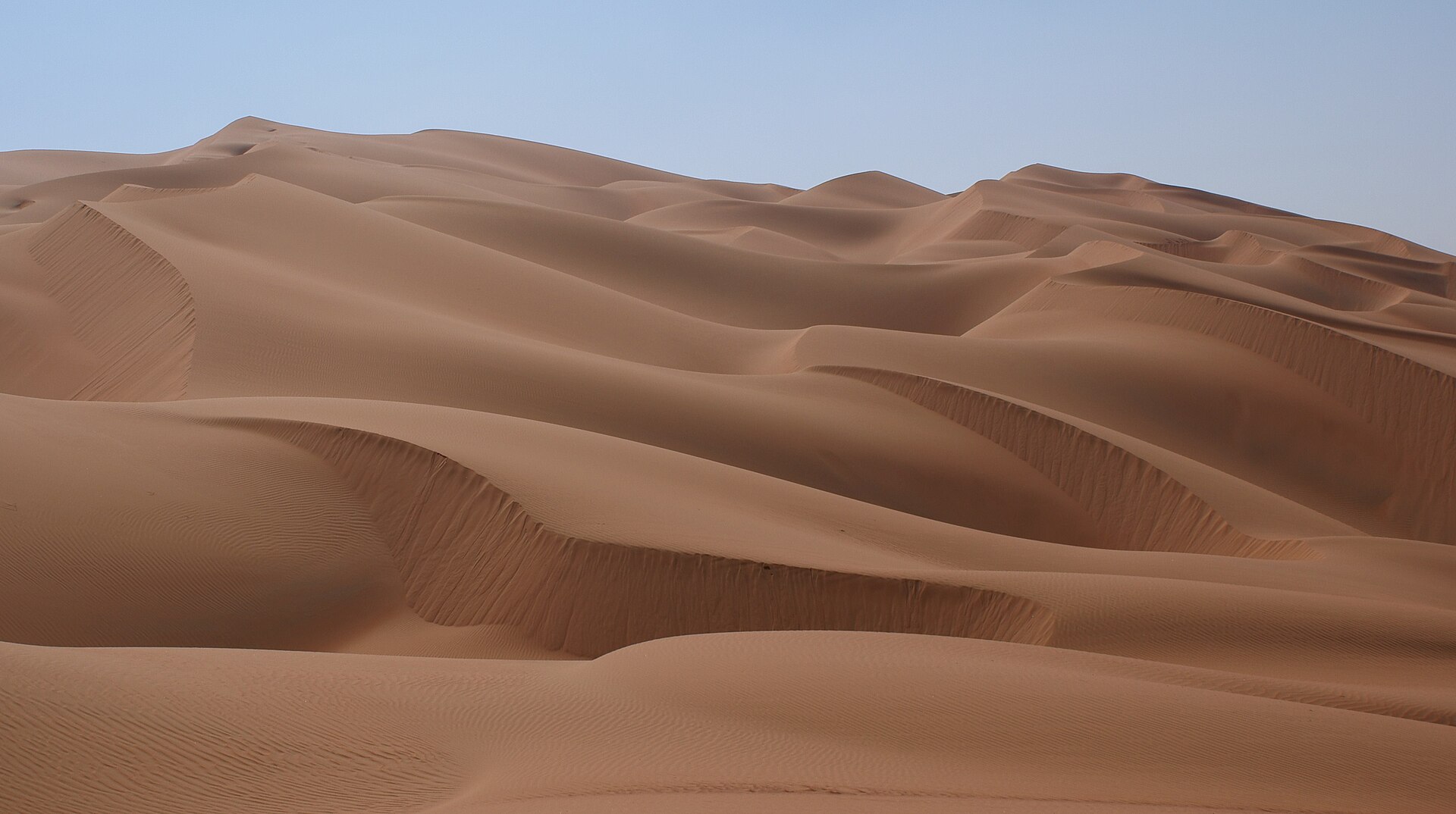
Where to Go: Saudi Arabia’s Major Desert Regions
Saudi Arabia contains four distinct desert systems, each offering a different character of safari experience. The right choice depends on your time, budget and appetite for remoteness.
Red Sand Dunes — The Riyadh Day Trip
The Red Sand Dunes sit roughly 80 kilometres northeast of central Riyadh, near the edge of the Ad Dahna Desert. The drive takes 30 to 45 minutes on paved roads. The sand here is strikingly red — coloured by high iron oxide content — and the dunes are steep enough for serious dune bashing without requiring a multi-day expedition.
This is Saudi Arabia’s most accessible desert experience. Tour operators run half-day and full-day trips from Riyadh daily during the October-to-March season, and the area is a favourite weekend escape for Riyadh residents. A standard 4×4 vehicle can reach the parking areas at the dune edge, though you will need a proper off-road vehicle to drive on the sand itself.
Practical tip: The Red Sand Dunes have no entry fee and no formal gates. Arrive before 3 PM for the best light on the red sand, or time your visit for sunset when the dunes glow deep orange. Friday afternoons are the busiest — go on a weekday morning for relative solitude.
Thumamah National Park — Desert Camping near Riyadh
About 60 kilometres north of Riyadh, Thumamah National Park offers a more structured desert experience. The park contains over 200 permanent Bedouin-style camps with kitchens, grilling areas and restroom facilities. Entry is free and the park is open 24 hours a day, seven days a week.
Thumamah is the best option near Riyadh for overnight desert camping without a tour operator. Families and groups can book camp plots in advance, bring their own food and supplies, and spend a night under the desert sky. Quad bike rentals, camel rides and guided buggy tours are available on-site.
Hisma Desert — The Tabuk Frontier
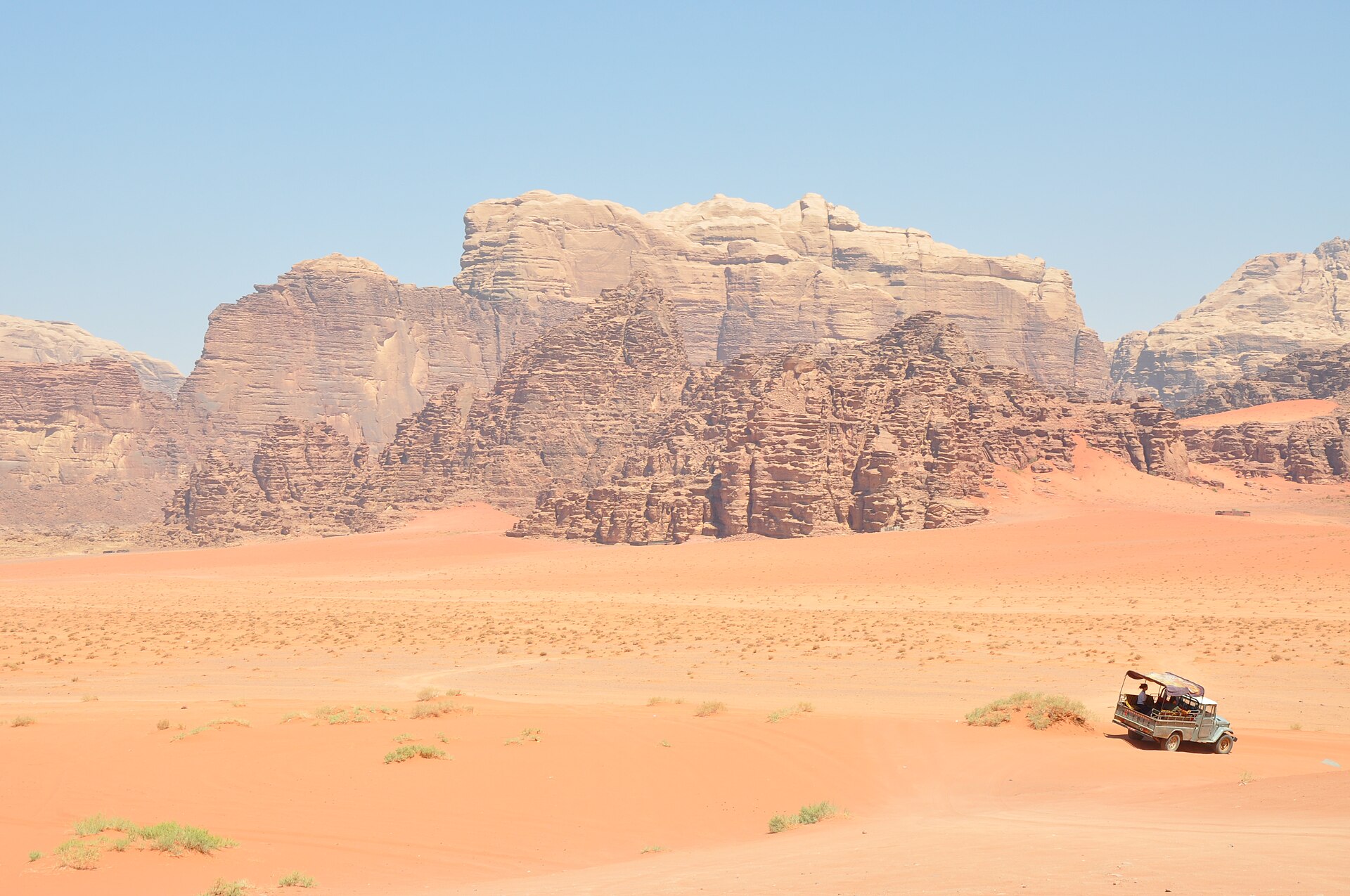
The Hisma Desert in Tabuk Province is Saudi Arabia’s answer to Jordan’s Wadi Rum — and for good reason, since the two deserts share the same sandstone geology across the border. The landscape here is dramatically different from the rolling dunes of central Arabia: towering sandstone cliffs, narrow canyons, ancient rock art and red sand floors stretching between formations that are over 500 million years old.
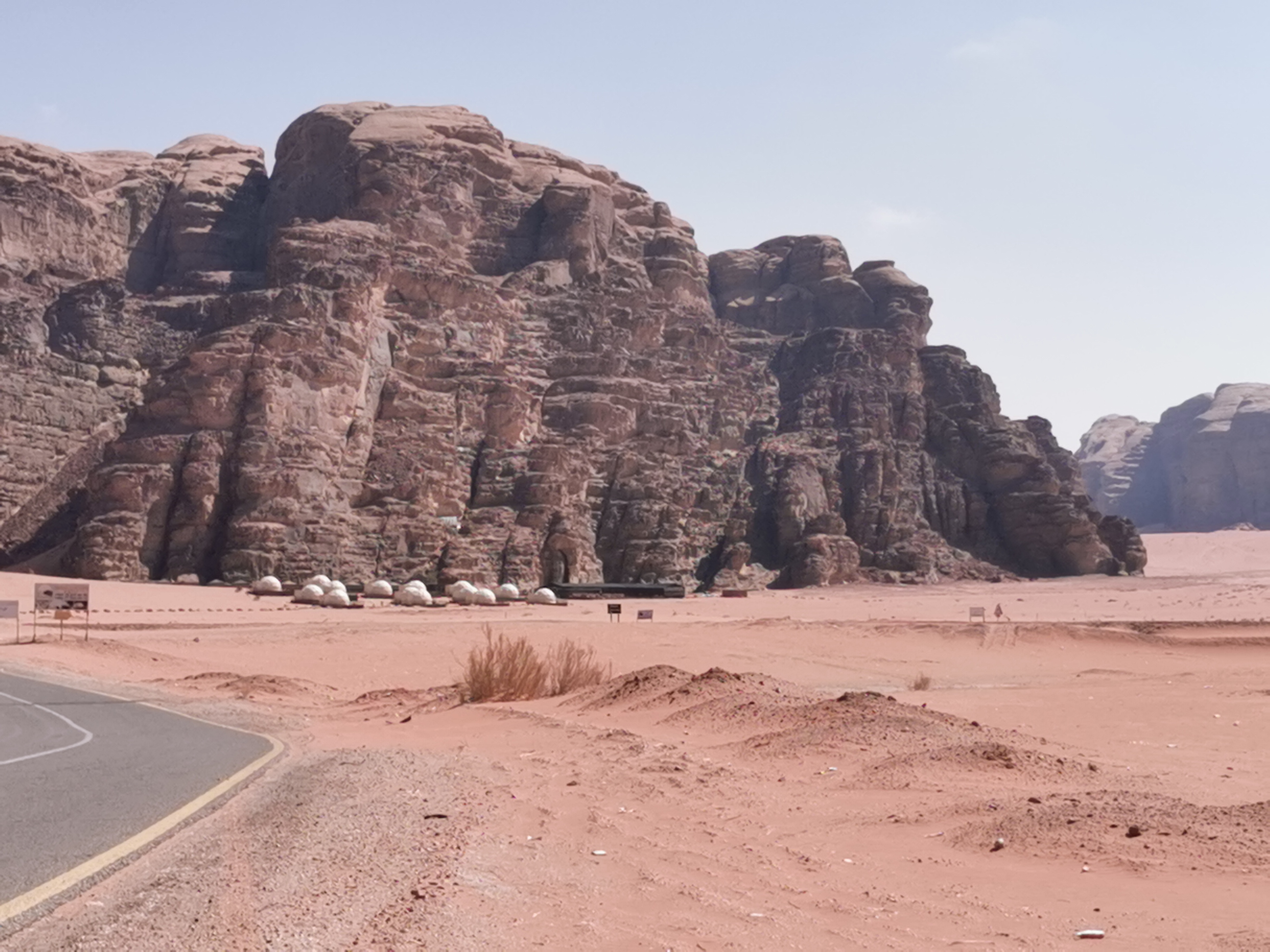
Wildlife sightings are possible in the Hisma, including Arabian oryx, sand gazelle and Nubian ibex. Several tour operators run day trips from Tabuk city, typically combining desert drives, canyon hikes, scenic lunches and sunset viewpoints. Luxury glamping options have emerged in partnership with international brands like Autentic, offering bell tents in the desert with full amenities.
The Empty Quarter (Rub’ al Khali) — The Ultimate Expedition
The Rub’ al Khali is the prize. Covering approximately 650,000 square kilometres across four countries — with about 430,000 square kilometres in Saudi Arabia alone — the Empty Quarter is the largest continuous sand desert on the planet. Dunes here can reach 250 metres in height. There are no roads, no settlements, no mobile phone coverage and no petrol stations in the interior.
Visiting the Empty Quarter is a genuine expedition, not a casual day trip. You will need a licensed tour operator, a convoy of multiple 4WD vehicles, satellite communication equipment, and enough fuel and water for the entire journey. The standard northern crossing enters via Wadi al-Dawasir (reachable from Riyadh, about 550 kilometres south) and emerges near Layla after roughly 600 kilometres of driving through sand. The southern approach via Sharurah in Najran Province accesses the deepest desert.
Dune Bashing: What to Expect
Dune bashing — riding in a 4×4 vehicle driven at speed over sand dunes — is the headline activity of any Saudi desert safari. The experience is genuinely thrilling: drivers deflate their tyres, then charge up and over steep dune faces, sometimes at angles that feel impossible.
How It Works
A typical dune bashing session lasts 30 to 60 minutes. Your driver — usually an experienced local with years of off-road driving — will navigate a route through the dune field, climbing crests, sliding down slip faces and occasionally spinning the vehicle on flat sand. Seatbelts are mandatory. Most operators use Toyota Land Cruisers or Nissan Patrols, the workhorses of Arabian desert driving.
If you are prone to motion sickness, sit in the front seat and keep your eyes on the horizon. Drivers will moderate the intensity if you ask. Children over about six years old can participate, though operators set their own age minimums.
Where to Dune Bash
| Location | Distance from Nearest City | Dune Type | Difficulty |
|---|---|---|---|
| Red Sand Dunes, Riyadh | 80 km from Riyadh (30-45 min) | Tall red iron-oxide dunes | Moderate to advanced |
| Thumamah, Riyadh | 60 km from Riyadh (1 hour) | Mixed sand and gravel | Beginner to moderate |
| Hisma Desert, Tabuk | 40 km from Tabuk city | Red sand between sandstone | Moderate |
| Empty Quarter (northern) | 550 km from Riyadh (via Wadi al-Dawasir) | Mega-dunes up to 250m | Expert only |
Self-Drive vs. Guided Tours
Self-driving in the desert is possible if you have a proper 4×4 with low-range gearing, recovery equipment (tow strap, shovel, tyre deflator and compressor) and desert driving experience. However, for visitors, a guided tour is strongly recommended. Getting stuck in soft sand without recovery gear in 45°C heat is a serious safety risk, not an inconvenience.
Guided half-day dune bashing tours from Riyadh start from around SAR 100-225 per person. Full-day tours with additional activities (sandboarding, camel ride, BBQ dinner) run SAR 225-500 per person. Group bookings of 15-20 people can negotiate rates as low as SAR 500 per group for the vehicle portion.
Desert Camping: Luxury Glamping to Bedouin Tents
Spending a night in the Saudi desert transforms a safari from an activity into an experience. The silence after dark, the cold night air, the density of stars overhead — none of this is available on a half-day trip. Saudi Arabia now offers desert camping at every price point, from free public campsites to luxury glamping resorts that cost more per night than a five-star hotel.
Luxury Glamping
AlUla is Saudi Arabia’s premier desert glamping destination. The Habitas AlUla resort offers Airstream-style trailers and luxury tents from approximately SAR 1,090 per night in low season, with an outdoor pool, spa, bar and open-air cinema. Ashar Tented Resort provides silk-draped tents with marble bathrooms and personal butler service at the premium end. Banyan Tree AlUla includes a full desert experiences programme as part of its resort offering.
Near Riyadh, Fursan Escapes operates eco-glamping near the Red Sand Dunes with curated tents, buggy tours and dune-top yoga. The Dunes of Arabia experience — launched as part of Riyadh Season 2024-2025 — introduced luxury dome tents for one- to three-night stays, positioning the Red Sand Dunes as a formal glamping destination rather than just a day-trip location.
In the Tabuk region, Autentic luxury bell tents are available through Tabuk Tours in the Hisma Desert, bringing international glamping standards to the Saudi frontier.
Traditional Bedouin Camps
For a more grounded experience, traditional Bedouin-style camps are available throughout the Kingdom’s desert regions. These typically feature goat-hair tents (or modern reproductions), communal fire pits, Arabic coffee service and simple bedding on rugs. The hospitality is the point: sitting around a fire under the stars with dates, qahwa (Arabic coffee) and conversation is the authentic Saudi desert experience.
Thumamah National Park near Riyadh has over 200 permanent camp sites with basic facilities. Many tour operators also set up private Bedouin camps for overnight safari groups in the Red Sand Dunes area and the Empty Quarter approaches.
Wild Camping
Wild camping is legal in most Saudi desert areas outside of protected reserves. Saudi residents and visitors regularly drive into the desert on Thursday evenings (the start of the weekend) and camp until Friday or Saturday. If you are wild camping, bring all your own water, food and shelter, and take all rubbish with you when you leave. A GPS device or offline maps are essential — the desert looks the same in every direction once you leave the road.
What to pack for an overnight desert camp: Sleeping bag rated to 5°C (winter desert nights are cold), head torch, 3+ litres of water per person, sun protection, warm layers for after sunset, portable phone charger, and a basic first aid kit. If driving yourself, add tow straps, a shovel, tyre deflator/compressor and a full jerry can of fuel.
Sandboarding on Arabian Dunes
Sandboarding is available at virtually every major desert destination in Saudi Arabia. The mechanics are similar to snowboarding — you strap your feet to a board and slide down a dune face — though the friction of sand makes it slower and less predictable than snow. Most tour operators include sandboarding as a standard activity in their safari packages and provide boards on-site.
The best dunes for sandboarding are tall, steep and composed of fine-grained sand. The Red Sand Dunes near Riyadh tick all three boxes. AlUla and the Hisma Desert also offer excellent sandboarding terrain. Waxing the underside of the board (operators usually have wax available) dramatically improves speed and reduces friction.
You do not need any prior boarding experience. Most first-timers start by sitting on the board and sliding down, then progress to standing once they are comfortable with the speed and balance. Falling is painless — you land in soft sand.
Camel Trekking and Riding
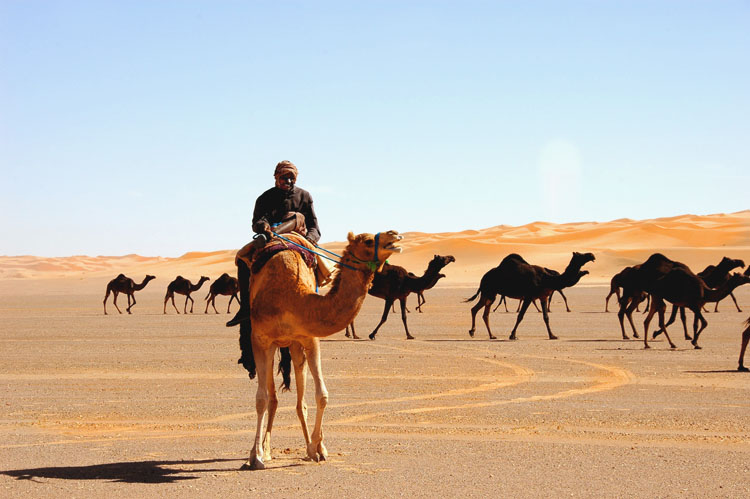
Camels are as central to Saudi Arabia’s desert heritage as the sand itself. The Arabian camel (dromedary) has been the primary mode of desert transport in the Peninsula for over 3,000 years, and camel riding remains a staple of every desert safari package in the Kingdom.
Short Rides
Most desert safari operators offer camel rides lasting 15 to 45 minutes as part of a broader itinerary. These are gentle, guided walks — the camel is led by a handler and you sit in a traditional saddle. The experience is more about the novelty and the photo opportunity than serious distance. Short rides cost approximately SAR 30-80 when booked separately.
Thumamah National Park, the Red Sand Dunes area and AlUla all have camel riding available as a standard activity.
Multi-Day Camel Treks
For a deeper experience, several operators offer multi-day camel treks that follow traditional Bedouin caravan routes through the desert. These are niche products — typically two to five days, sleeping in Bedouin camps along the route and covering 20-40 kilometres per day by camel. They are physically demanding (camel riding uses muscles you did not know you had) and not widely advertised, but operators like 365 Adventures and specialist outfitters in the AlUla and Tabuk regions can arrange them on request.
The Camel Market Connection
If camels fascinate you, combine your desert safari with a visit to one of Saudi Arabia’s traditional camel markets. These sprawling open-air trading grounds — particularly the one in Riyadh — offer a window into the economic and cultural role that camels still play in Saudi society. Camels here sell for anywhere from SAR 5,000 to over SAR 1 million for prized racing stock.
Falconry: The Royal Sport of the Desert
Falconry has been practised in the Arabian Peninsula for over 4,000 years and is recognised by UNESCO as an Intangible Cultural Heritage of Humanity. In Saudi Arabia, falconry is more than a hobby — it is a cultural institution with deep ties to Bedouin heritage and the royal family.
Several desert safari operators now include falconry demonstrations as part of their itineraries. You can watch trained falcons hunt, learn about the different species used in Arabian falconry (the saker falcon and the peregrine falcon are the most prized) and handle the birds under expert supervision.
AlUla offers particularly well-curated falconry experiences as part of its broader heritage tourism programme. The Dunes of Arabia experience near Riyadh has also featured dedicated falconry show zones with public demonstrations. Children can interact with the birds under supervision at most venues.
Stargazing in the Saudi Desert
Saudi Arabia’s deserts offer some of the clearest, darkest skies in the world. Minimal humidity, vast distances from urban light pollution and high-altitude desert plateaus combine to create stargazing conditions that rival the best observatory sites globally.
AlUla: Saudi Arabia’s Dark Sky Capital
In 2024, AlUla’s Manara and AlGharameel Nature Reserves were formally designated as Dark Sky Parks by DarkSky International — the first in Saudi Arabia and the GCC. In 2025, Sharaan National Park and Wadi Nakhlah Nature Reserve received the same designation, making AlUla the most concentrated dark sky region in the Middle East and ranked third globally in the Dark Sky Park category.
Sharaan National Park features a four-kilometre night hiking trail that leads to panoramic stargazing viewpoints. Husaak Adventures runs three- to four-hour guided desert tours from AlUla that include dinner, Bedouin storytelling around a fire pit and structured astronomy sessions. Habitas AlUla includes evening stargazing as part of its resort programme.
The Great Nafud and Empty Quarter
The Great Nafud Desert is listed among DarkSky International’s 250+ global dark sky sites, and any overnight camp in the Empty Quarter will deliver extraordinary night sky visibility simply because there is no artificial light for hundreds of kilometres in any direction. No guided stargazing programme is necessary — the sky does the work.
Stargazing tip: October to March offers the best conditions: clear skies, low humidity and comfortable nighttime temperatures for lying on your back and looking up. Download a star map app before you go — Stellarium and Sky Guide both work offline. A red-light head torch preserves your night vision.
Planning Your Desert Safari: Practical Guide
Best Time to Go
The Saudi desert safari season runs from October to March. November through February is the sweet spot: daytime temperatures hover around 20-30°C, nights drop to 5-15°C and rainfall is minimal. March and early April are acceptable but warming. May to September is simply too hot — interior desert temperatures regularly exceed 50°C and even early morning trips become dangerous.
For the best winter travel itinerary, plan your desert safari as the centrepiece of a November-to-February trip.
What It Costs
| Experience | Price Range (SAR) | Approx. USD | Duration |
|---|---|---|---|
| Budget half-day dune bash (Riyadh) | 100-225 | $27-60 | 3-4 hours |
| Full-day group safari with BBQ | 225-500 | $60-133 | 6-8 hours |
| Overnight camp package | 300-800 | $80-213 | 1 night |
| Luxury glamping (AlUla) | 1,090-2,875+ | $290-770+ | Per night |
| Empty Quarter multi-day expedition | 1,500-3,000+ | $400-800+ | 2-10 days |
| Camel ride (short) | 30-80 | $8-21 | 15-45 min |
For a full breakdown of daily costs across all travel styles, see the Saudi Arabia travel costs guide.
What to Wear
Loose, breathable clothing in cotton or linen is ideal. Long sleeves and long trousers protect against sun, windblown sand and cultural expectations. A light fleece or jacket is essential for evenings — desert temperatures drop rapidly after sunset. Footwear should be closed-toe shoes or sturdy sandals with grip; flip-flops are useless on steep dunes. A wide-brimmed hat or traditional shemagh (headscarf) protects your face from sand and sun simultaneously. For more detail, see the Saudi Arabia dress code guide.
Getting There
The Red Sand Dunes and Thumamah require only a car from Riyadh — no domestic flight needed. Rent a 4×4 if you plan to drive on sand yourself, or book a guided tour that includes transport from your hotel.
For AlUla, Saudia operates direct flights to AlUla Regional Airport (ULH) from Riyadh and Jeddah. The flight takes approximately two hours from either city.
For the Hisma Desert, fly to Tabuk (TUU) via Saudia or flynas and arrange a tour from Tabuk city.
For the Empty Quarter, the northern approach starts from Wadi al-Dawasir (accessible by Saudia domestic flight or a 550km drive from Riyadh). The southern approach starts from Sharurah in Najran Province, also served by Saudia.
All visitors need a valid Saudi tourist e-visa before arrival. The e-visa is available online to citizens of 60+ countries and takes minutes to process.
Safety Essentials
- Always carry more water than you think you need — minimum 2-3 litres per person for a half-day trip, 5+ litres for a full day
- Never enter the Empty Quarter solo — use a licensed operator with GPS-equipped convoys and satellite phones
- Inform someone of your route if driving yourself, and share your GPS location
- High-SPF sunscreen is mandatory — desert UV is intense and reflected off sand
- Watch for soft sand patches if driving — these can trap a vehicle in seconds
- Carry a basic recovery kit for any self-drive: tow strap, shovel, tyre deflator and compressor, sand ladders if available
- Saudi Arabia Travel Guide 2026 — The complete guide to visiting the Kingdom
- Rub’ al Khali Empty Quarter Guide — Everything you need to know about visiting the world’s largest sand desert
- Desert Wildlife in Saudi Arabia — Arabian oryx, sand cats and what you might spot
- Saudi Arabia Camel Markets — Where to go and what to expect at a live camel auction
- Saudi Arabia Winter Itinerary — The best places to visit from November to March
- AlUla Travel Guide 2026 — Hegra, glamping, dark skies and the ancient Nabataean frontier
- Saudi Arabia Visa Guide — Every visa type explained
Desert Wildlife to Watch For
Saudi Arabia’s deserts are not as barren as they appear. The Kingdom’s desert wildlife includes several species that have been brought back from the brink of extinction through dedicated conservation programmes under Vision 2030.
The Arabian oryx — Saudi Arabia’s national animal — was declared extinct in the wild in 1972 but has been successfully reintroduced across several protected nature reserves. You may spot them in the Hisma Desert and along the edges of the Empty Quarter. Sand gazelle, Nubian ibex (in rocky desert terrain) and the elusive Arabian sand cat are also present in lower densities.
Birdwatchers should note that Saudi deserts host resident species like the cream-coloured courser, hoopoe lark and pharaoh eagle-owl. For dedicated birding information, see the Saudi Arabia birdwatching guide.
Vision 2030 and Desert Tourism
Saudi Arabia’s desert tourism infrastructure is expanding rapidly under the Vision 2030 programme. The Saudi National Commission for Volunteering and Camps (NCVC) now operates 51 designated camping sites across eight regions with capacity exceeding 13,650 camps — a significant upgrade from the informal wild camping that previously dominated.
AlUla continues to receive heavy investment as the Kingdom’s flagship heritage and desert destination, with UNESCO collaboration on the Hegra and Dadan archaeological sites and an expanding calendar of cultural events including concerts at the Maraya mirror concert hall, Old Town Nights, camel races and artisan souks.
In 2025, Saudi Arabia recorded approximately 122 million visitors — already ahead of its original 100 million target reached in 2023 — with tourism spending reaching $81 billion. The revised target is 150 million visitors by 2030. Desert tourism, astrotourism and adventure tourism are all listed as priority sectors in the national tourism strategy.