
Saudi Arabia between November and March is a different country from the furnace that dominates the rest of the year. Daytime temperatures across most of the Kingdom settle between 20–30°C, nights cool to single digits in the desert, and the entire calendar fills with world-class festivals, sporting events, and cultural programming. If you are planning a trip to Saudi Arabia, winter is unequivocally the best season to go. This itinerary guide breaks down the five months of Saudi winter region by region, helping you decide where to go, when, and what not to miss.
Best Time to Visit: November to February (March enters Ramadan)
Getting There: Direct flights to Riyadh (RUH), Jeddah (JED), and Dammam (DMM) from most major cities worldwide; AlUla (ULH) has seasonal direct flights from Dubai, Abu Dhabi, and select European cities in winter
Visa Required: Yes — tourist e-visa available for 63 nationalities
Budget: $80–$150/day mid-range; $250–$500+/day luxury
Must-See: AlUla and Hegra in December–January, Riyadh Season events, Red Sea diving
Avoid: Arriving mid-February without checking Ramadan dates — Ramadan 2026 begins February 18
Why Winter Is the Only Season That Makes Sense
Saudi Arabia occupies a landmass larger than Western Europe, and from June to September most of it is genuinely hostile to outdoor activity. Riyadh regularly exceeds 45°C. The Empty Quarter is impassable. Even the Red Sea coast becomes uncomfortably humid. Winter flips every constraint. The central plateau cools to jacket weather after dark. The northwest mountains around Tabuk occasionally receive snowfall. The vast sand deserts become navigable for multi-day expeditions. And the Kingdom’s enormous investment in entertainment infrastructure — Riyadh Season alone spans 11 zones and 200+ events — is timed almost entirely to these cooler months.
For first-time visitors weighing when to book, our best time to visit Saudi Arabia guide covers the full calendar. But the short answer is clear: November to mid-February offers the widest range of experiences with the fewest compromises.
Month-by-Month Breakdown
November: The Season Opens
Weather: Riyadh 15–28°C. Jeddah 22–31°C. AlUla 12–27°C. Abha 10–22°C.
November marks the transition from lingering summer heat to genuine comfort. Riyadh is the natural starting point: Riyadh Season typically launches in October and by November is in full swing across Boulevard City, Boulevard World, and the Via Riyadh dining district. The Saudi Cup racing season builds momentum at King Abdulaziz Racetrack. Desert camping operators east of the capital begin running overnight excursions into the Ad-Dahna dunes, where clear skies make for exceptional stargazing.
The Red Sea coast enters its prime diving window. Water temperatures sit around 26–27°C with visibility often exceeding 30 metres. Diving off Yanbu and the Farasan Banks in November means warm water, minimal current, and fewer divers than the December–January peak.
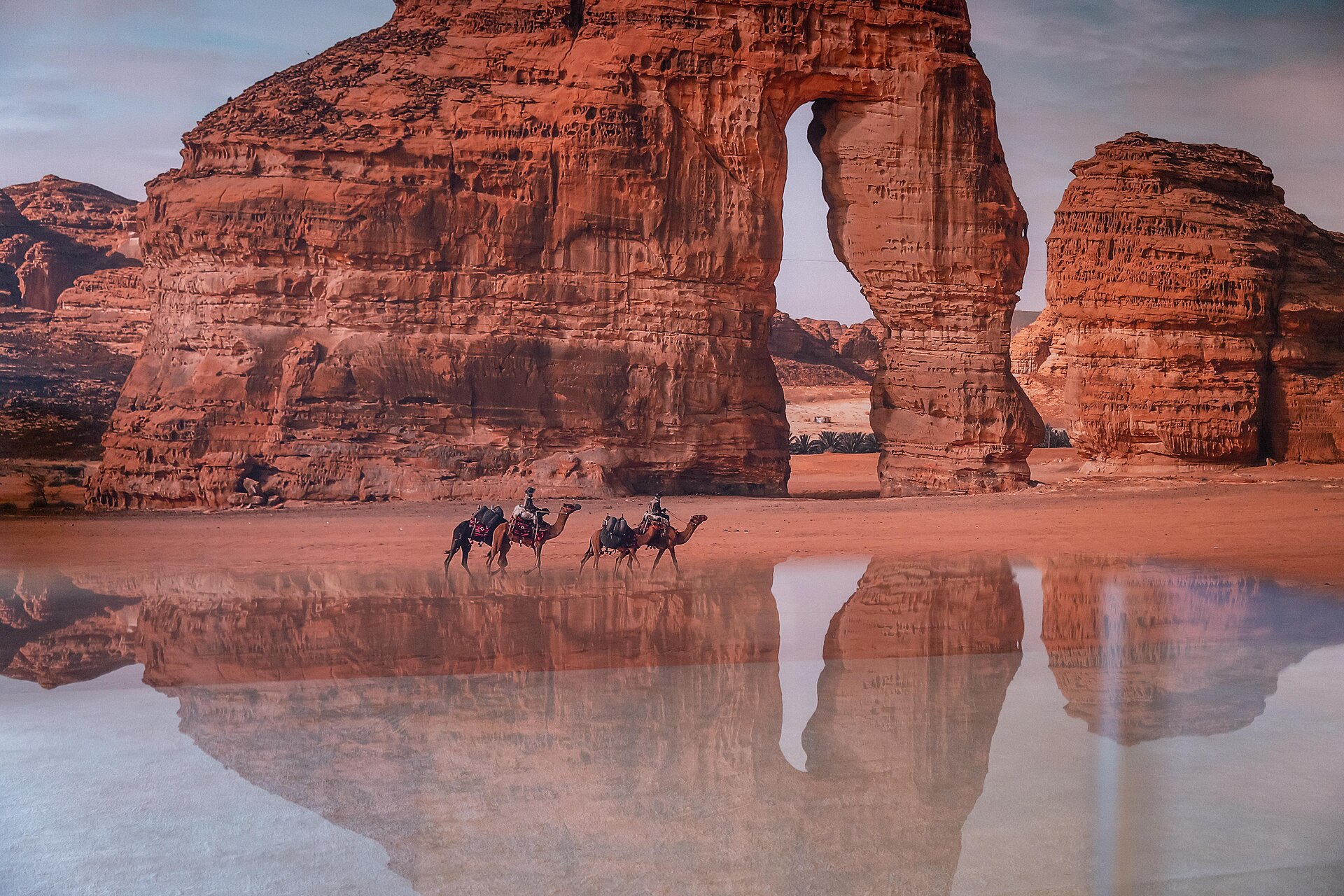
AlUla in November is warm enough for comfortable daytime exploration of the Hegra tombs and Dadan archaeological sites without the festival crowds that arrive from mid-December. Hotel rates are lower and the sandstone landscapes glow in long-angled autumn light.
December: Peak Festival Season
Weather: Riyadh 11–22°C. Jeddah 20–30°C. AlUla 8–23°C. Tabuk 6–17°C.
December is Saudi Arabia’s marquee month. Winter at Tantora opens in AlUla around mid-December, transforming the ancient oasis into a stage for rooftop musical performances along the Incense Road, culinary pop-ups, and heritage workshops in the restored Old Town. The festival takes its name from the traditional sundial in AlUla Old Town that marks the start of the winter planting season.
In Riyadh, Soundstorm (MDL Beast’s flagship music festival) draws 200,000+ attendees over three days, typically in the second week of December. The 2025 edition featured Cardi B, Post Malone, Calvin Harris, Halsey, and Pitbull. Boulevard Riyadh City runs late-night entertainment through New Year’s Eve, with fireworks, immersive experiences, and international food concepts.
This is also the month to head northwest. Tabuk drops to single-digit lows, and the 2,549-metre peak of Jabal al-Lawz occasionally sees snowfall — a genuinely surreal sight in the Arabian Peninsula. The Hisma desert near NEOM offers rust-red sandstone formations reminiscent of Wadi Rum, best explored on 4×4 excursions.
Tip: AlUla accommodation books out weeks in advance during Winter at Tantora. Reserve your stay by early October at the latest. The hotels guide covers all AlUla options from luxury camps to heritage lodges.
January: Desert Expeditions and World-Class Sport
Weather: Riyadh 10–20°C. Jeddah 19–29°C. AlUla 5–21°C. Empty Quarter 7–25°C.
January is the coldest month across Saudi Arabia and the best window for desert immersion. The Empty Quarter — the world’s largest contiguous sand desert — is only safely accessible from November to February, and January offers the most comfortable daytime temperatures for multi-day guided crossings. Nights can drop near freezing, demanding proper cold-weather sleeping gear, but clear skies deliver some of the darkest, most star-filled nights on Earth.
The Dakar Rally (typically early January) routes through Saudi Arabia’s most dramatic terrain, with stages crossing Ha’il, Al-Qassim, and finishing near Riyadh or Yanbu. Spectator access is free at designated points along the route.
AlUla’s cultural calendar continues with Winter at Tantora running into early January, followed by the AlUla Arts Festival from mid-January to mid-February. The Diriyah Contemporary Art Biennale opens at the end of January in JAX District, near the At-Turaif UNESCO World Heritage Site — a short drive from central Riyadh.
Late January brings the WWE Royal Rumble to Riyadh — the first time the event has been held outside North America.
February: Racing, Ramadan, and the Red Sea
Weather: Riyadh 12–24°C. Jeddah 19–30°C. AlUla 8–24°C. Abha 9–20°C.
The first half of February is the final window before Ramadan reshapes daily routines. The Saudi Cup (February 13–14, 2026) at King Abdulaziz Racetrack in Riyadh carries a $35.35 million purse — the world’s richest horse race, with the main event worth $20 million. The same weekend, Formula E returns to the Jeddah Corniche Circuit for its only night race of the season.
Ramadan 2026 begins on February 18. This is a critical planning detail. From that date, restaurants close during daylight hours (hotels typically serve tourists discreetly), business hours shorten, and the pace of public life shifts. If you prefer unrestricted dining and nightlife, plan your trip to end by mid-February. If you want to experience Ramadan — the lavish iftar meals after sunset, the midnight energy of Riyadh’s streets, the spiritual atmosphere of Mecca and Medina — the second half of February offers a genuinely unique cultural immersion.
The Red Sea coast remains excellent through February, with water temperatures around 22–24°C (a 3–5mm wetsuit is recommended). Visibility peaks in these cooler months, and the Farasan Banks attract schooling hammerhead sharks, barracuda, and large pelagics. New luxury resort infrastructure along the coast — including Nujuma (Ritz-Carlton Reserve), the St. Regis Red Sea, and the Red Sea Edition on Shura Island — makes this stretch increasingly accessible for non-divers as well.
March: Ramadan, Eid, and the Turning Season
Weather: Riyadh 15–29°C. Jeddah 20–32°C. AlUla 11–27°C. Abha 10–22°C.
March 2026 is almost entirely within Ramadan, which ends around March 19–20 with Eid al-Fitr (public holiday March 18–24). Eid is a celebration — families gather, restaurants reopen, malls and attractions extend hours, and cities feel festive. If your visit overlaps with Eid, expect high domestic tourism demand and book hotels well in advance.
Temperatures are rising but remain comfortable in the highlands. Abha and the Asir region begin their spring bloom, with terraced hillsides turning green after winter rains. The hiking trails through the Asir mountains are at their most scenic.
Sandstorms become more common in central Saudi Arabia from late March onward, particularly around Riyadh. This is the natural endpoint of the winter travel season.
Regional Itineraries
7-Day Classic: Riyadh – AlUla – Jeddah
The most popular first-timer route covers Saudi Arabia’s three essential faces: modern capital, ancient desert, and cosmopolitan coast.
| Day | Location | Highlights |
|---|---|---|
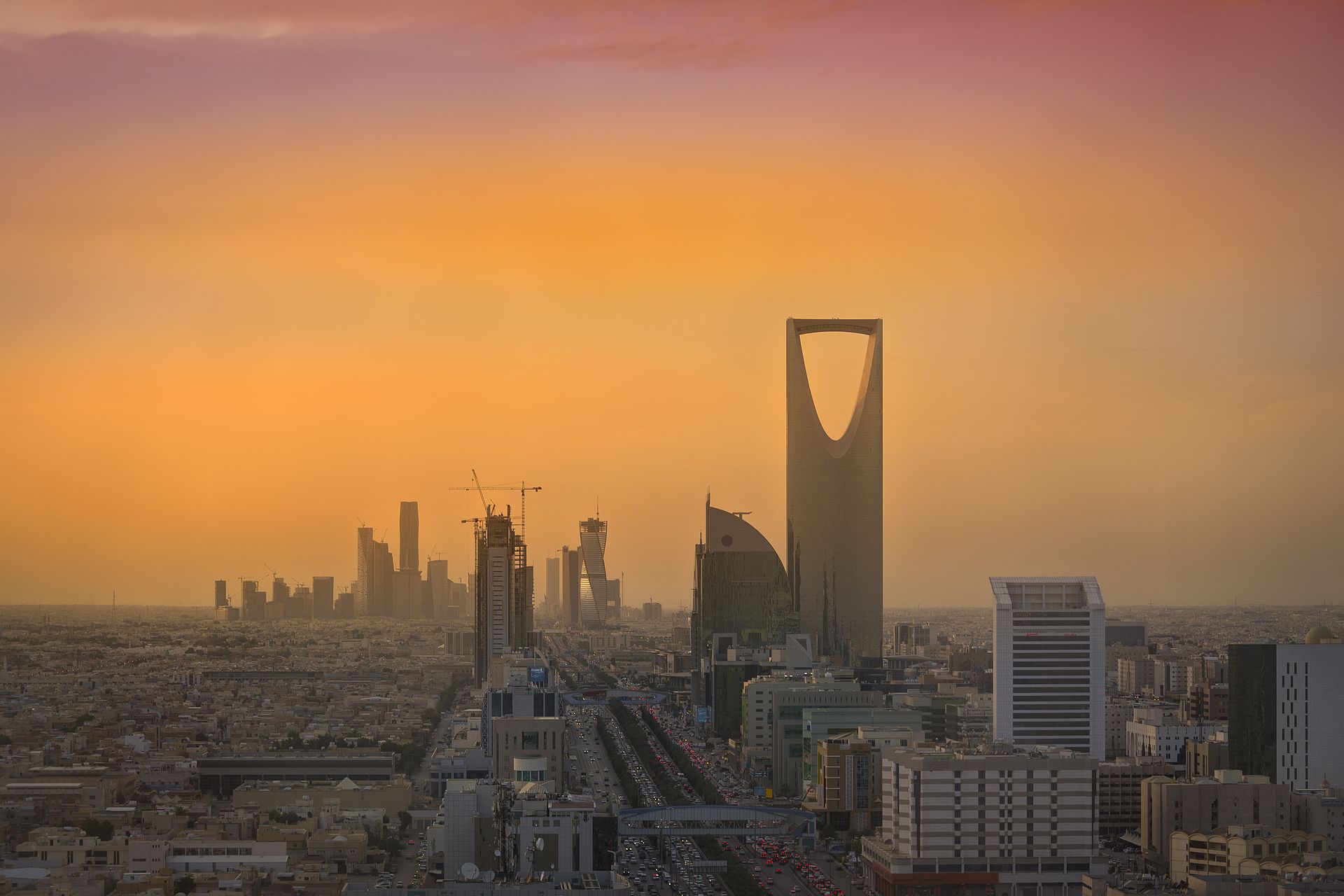
| 1–2 | Riyadh | Kingdom Centre sky bridge, Diriyah and At-Turaif UNESCO site, Riyadh Season events, National Museum |
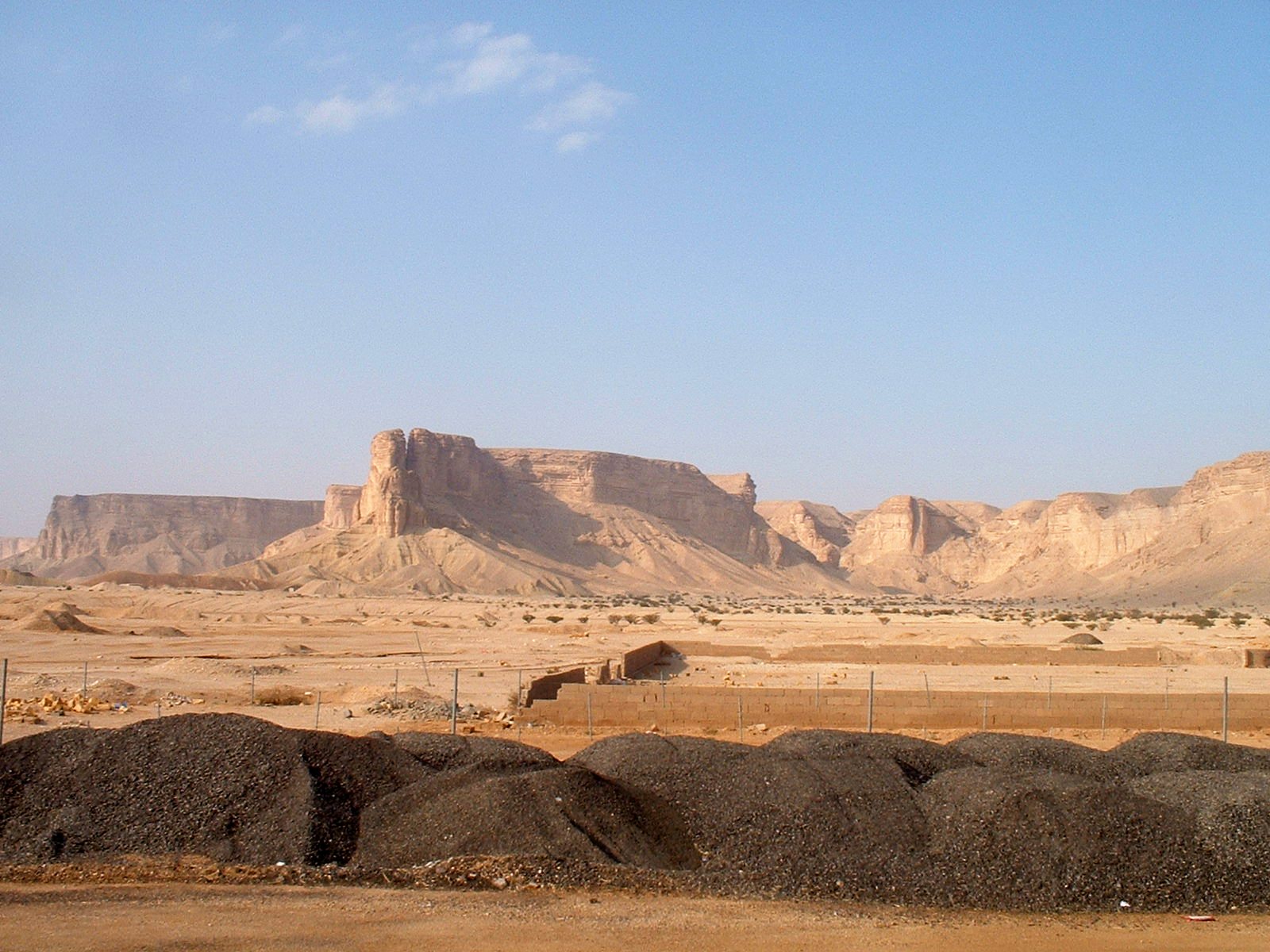
| 3 | Day trip | Edge of the World (Tuwaiq Escarpment) — 90-minute drive northwest of Riyadh, bring water and sturdy shoes |
| 4–5 | AlUla | Hegra (Saudi Arabia’s first UNESCO site), Elephant Rock at sunset, AlUla Old Town, Dadan tombs, Maraya concert hall |
| 6–7 | Jeddah | Al-Balad historic district (UNESCO), Jeddah Corniche, King Fahd Fountain, seafood on the waterfront, Red Sea snorkeling |
Getting between cities: Saudia and flynas operate daily Riyadh–AlUla and AlUla–Jeddah flights in winter, typically under two hours each. Alternatively, Riyadh to AlUla is a scenic 900 km drive through the Hejaz landscape.
10-Day Extended: Add the Coast and Highlands
Extend the classic route with Red Sea diving and highland exploration:
| Day | Location | Highlights |
|---|---|---|
| 1–3 | Riyadh | As above, plus desert camping in Ad-Dahna dunes |
| 4–5 | AlUla | Archaeological sites + Winter at Tantora events (if December–January) |
| 6–7 | Jeddah / Yanbu | Red Sea diving and snorkeling, Al-Balad |
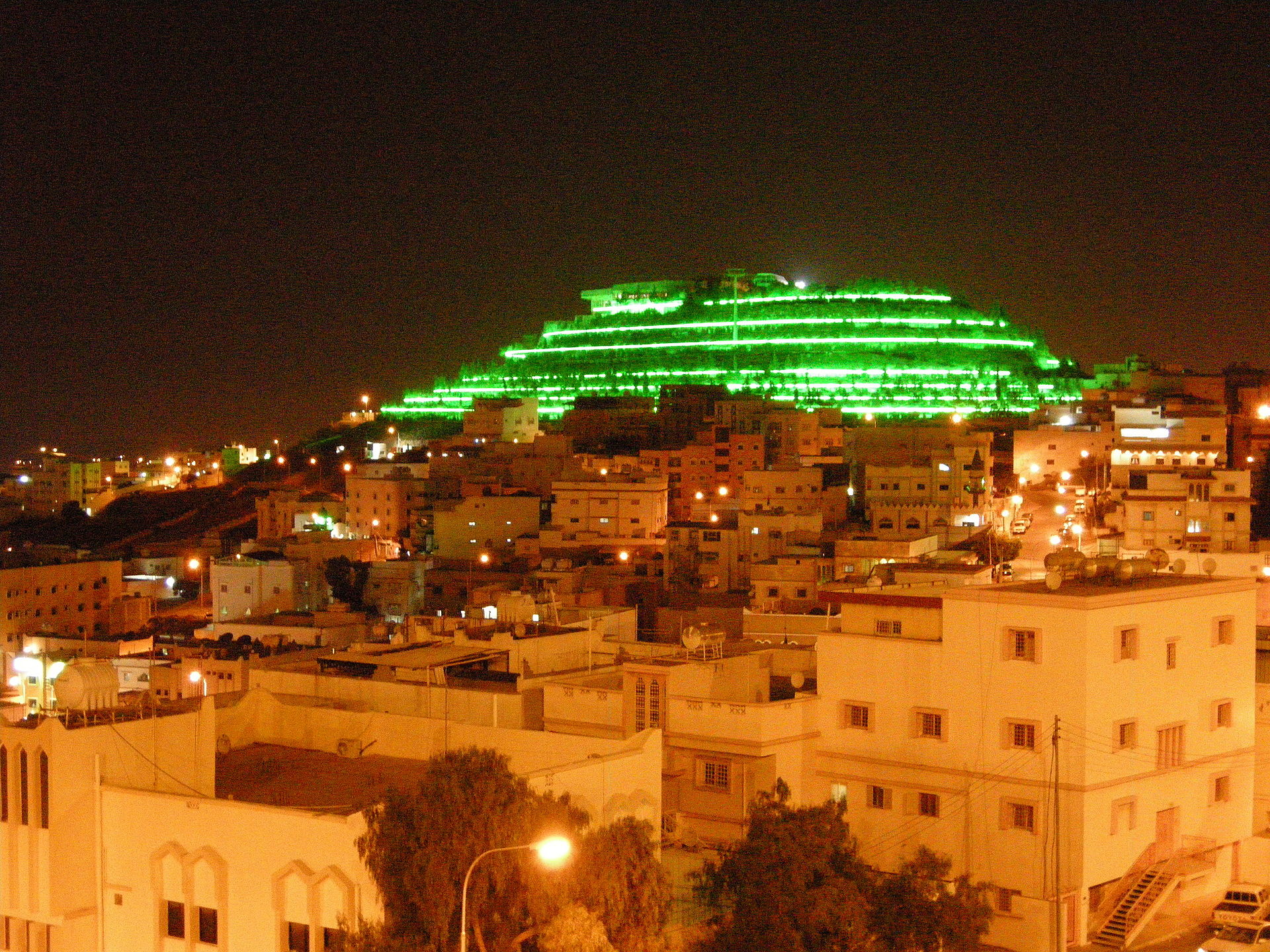
| 8–9 | Abha | Asir highlands, Habala hanging village, Rijal Almaa heritage village, Jabal Al-Souda (Saudi Arabia’s highest peak at 3,015 m) |
| 10 | Return via Jeddah or Riyadh | Domestic flights connect Abha to both hubs |
14-Day Grand Tour: Northwest to Southeast
For the traveller with two weeks, add the northwest wilderness and the Eastern Province:
| Day | Location | Highlights |
|---|---|---|
| 1–3 | Riyadh | City + Edge of the World + Diriyah |
| 4–5 | Tabuk / NEOM | Hisma desert, Jabal al-Lawz (snow in winter), Magna ancient site, Sindalah Island marina (opening 2026) |
| 6–7 | AlUla | Hegra, Elephant Rock, cultural festivals |
| 8–9 | Jeddah / Yanbu | Coast, diving, Al-Balad heritage |
| 10–11 | Abha / Asir | Highlands, terraced villages, cool mountain air |
| 12–13 | Dammam / Al Khobar | Eastern Province, Ithra (King Abdulaziz Center for World Culture), Half Moon Bay, Al Ahsa oasis (UNESCO) |
| 14 | Depart Dammam or Riyadh | King Fahd International Airport (DMM) has direct connections to Dubai, Bahrain, and beyond |
Winter Events Calendar at a Glance
| Event | Dates (2025–26 Season) | Location | Why Go |
|---|---|---|---|
| Riyadh Season | Oct 2025 – Mar 2026 | Riyadh | 11 entertainment zones, 200+ concerts, global dining |
| Soundstorm (MDL Beast) | Dec 11–13, 2025 | Riyadh | Middle East’s largest music festival |
| Winter at Tantora | Dec 18, 2025 – Jan 10, 2026 | AlUla | Music, food, and heritage in ancient desert setting |
| Dakar Rally | Jan 3–17, 2026 | Cross-country | World’s toughest motorsport rally; free spectator access |
| AlUla Arts Festival | Jan 16 – Feb 14, 2026 | AlUla | Contemporary art in Nabataean landscape |
| Diriyah Art Biennale | Opens Jan 30, 2026 | Riyadh (Diriyah) | 65+ artists from 37+ nations at JAX District |
| WWE Royal Rumble | Jan 31, 2026 | Riyadh | First Royal Rumble outside North America |
| Saudi Cup | Feb 13–14, 2026 | Riyadh | $35.35M purse — world’s richest horse race |
| Formula E Night Race | Feb 13–14, 2026 | Jeddah | Electric racing on the Corniche under lights |
What to Pack for a Saudi Winter
Saudi winter packing is about layers, not bulk. Daytime temperatures across most of the Kingdom sit comfortably between 20–30°C, but evenings — especially in the desert, AlUla, and the northwest — can drop below 10°C.
- Daytime: Light long-sleeved shirts, breathable trousers or maxi skirts. Modest dress is expected — cover shoulders and knees. Women are no longer legally required to wear an abaya but should dress conservatively, particularly outside Riyadh and Jeddah.
- Evening: A warm fleece or wool jacket for desert excursions and AlUla nights. Temperatures in AlUla can drop to 5°C in January.
- Desert camping: Thermal base layer and a proper sleeping bag rated to 0°C if camping in the Empty Quarter or northern deserts in December–January.
- Footwear: Sturdy closed-toe shoes for archaeological sites and hiking. Sandals are fine in cities and along the coast.
- Sun protection: The winter sun is deceptively strong. Sunscreen (SPF 50), sunglasses, and a hat remain essential.
- Electronics: Type G power adapter (same as the UK). A portable charger for long desert days away from outlets.
- Restaurants close during daylight hours. Most international hotels serve guests discreetly in screened areas, but street food and independent restaurants are unavailable until sunset.
- Business hours shorten. Government offices and many shops open late morning and close by early afternoon, then reopen after iftar (the sunset meal) until late at night.
- Attractions may have reduced daytime schedules but extended evening hours.
- Evenings come alive after iftar. Streets fill, families gather, special Ramadan markets open, and the atmosphere is festive and generous.
- Eating, drinking, or smoking in public during daylight hours is prohibited, including for non-Muslims. Carry water discreetly and eat in your hotel.
- Saudi Arabia Travel Guide 2026 — The complete guide to visiting the Kingdom
- Best Time to Visit Saudi Arabia — Month-by-month climate and events breakdown
- AlUla Winter Season — Festivals, events, and what to do in AlUla from December to February
- Riyadh Travel Guide — Everything you need to know about Saudi Arabia’s capital
- Saudi Arabia Diving Guide — Red Sea dive sites, conditions, and operators
- Saudi Arabia Visa Guide — Every visa type explained
Red Sea Diving in Winter
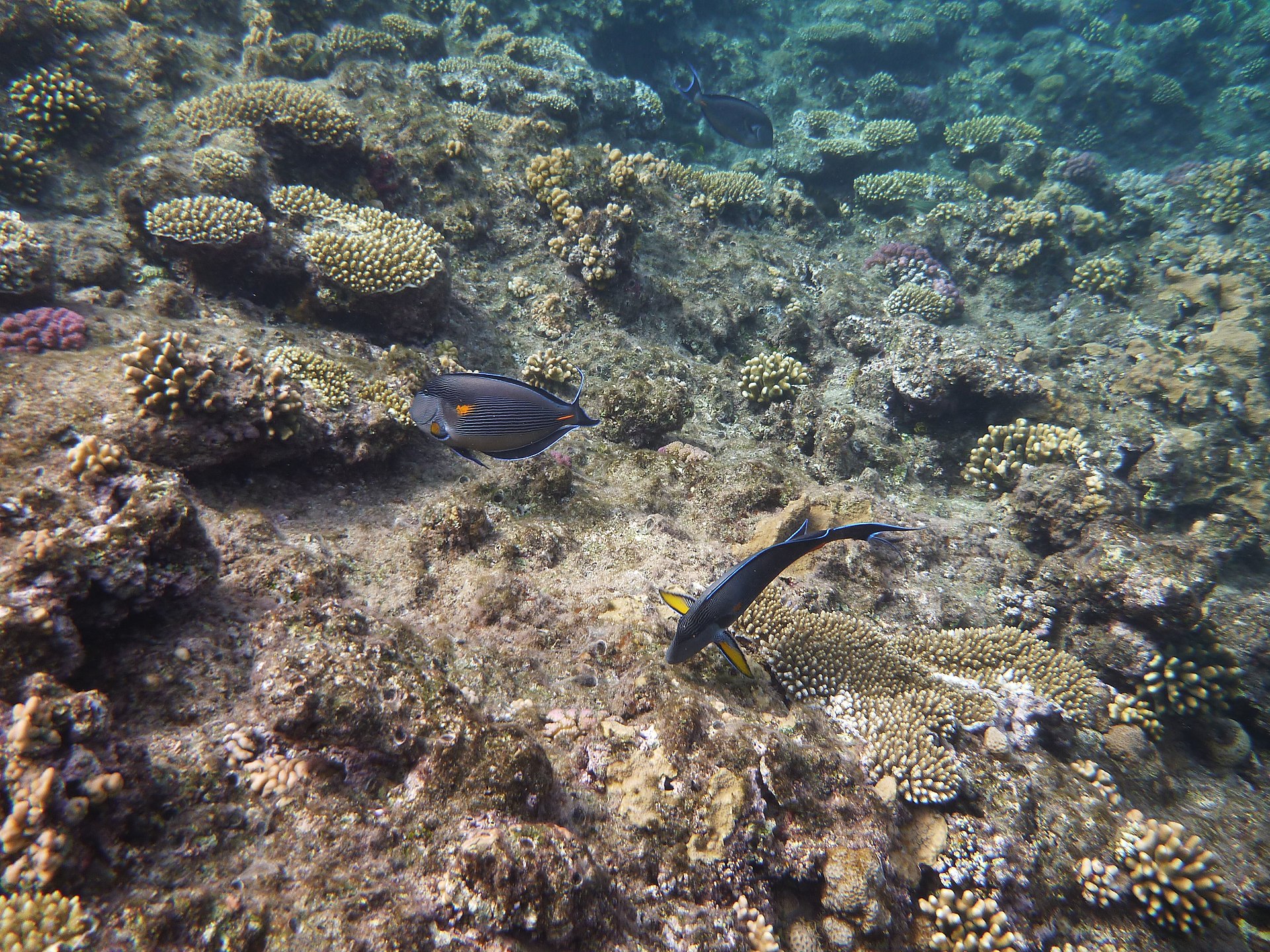
Saudi Arabia’s Red Sea coastline stretches over 1,800 km, and winter is the optimal season to explore it. Water temperatures range from 22°C in February to 27°C in November — a 3–5mm wetsuit is recommended from December onward. Visibility frequently exceeds 30 metres, and reduced algae blooms in cooler water mean the clearest conditions of the year.
The Farasan Banks in the south attract large pelagics through winter — schooling hammerhead sharks, barracuda, manta rays, and whale sharks. Yanbu’s reefs offer accessible shore diving with soft corals and abundant reef fish. Further north, NEOM’s coastline is opening to recreational diving as Red Sea Global’s resort infrastructure comes online.
New luxury bases include Nujuma (Ritz-Carlton Reserve, opened 2024 with 63 overwater and beachfront villas), the St. Regis Red Sea, and the Red Sea Edition on Shura Island (opened late 2025, featuring Saudi Arabia’s first island golf course). Eight additional resorts — including Six Senses, Rosewood, and Four Seasons — are expected to open at AMAALA through 2026.
Desert Camping and Safari
The Saudi desert is only viable for multi-day expeditions between November and February. Outside that window, daytime temperatures regularly exceed 45°C. Within it, conditions are ideal: warm days (20–28°C), cold but manageable nights (5–12°C), clear skies with minimal light pollution, and golden light that transforms the dune fields.
The Empty Quarter (Rub’ al-Khali): The world’s largest contiguous sand desert extends across southeastern Saudi Arabia. Multi-day guided tours (3–10 days) depart from Riyadh-based operators and require a convoy of at least two 4×4 vehicles, satellite communication equipment, and sufficient water and fuel for self-rescue. This is not a casual day trip — it is a genuine expedition into one of Earth’s most remote landscapes.
Ad-Dahna Desert: Closer to Riyadh (roughly an hour’s drive east), the Ad-Dahna offers accessible overnight desert camping with dune bashing, sandboarding, camel riding, and traditional Bedouin-style meals under the stars.
Hisma Desert: Near Tabuk and NEOM, the Hisma features rust-red sandstone formations and wide open valleys. Less visited than the Empty Quarter, it offers a more intimate desert experience accessible on 4×4 day trips from Tabuk.
Safety note: Always travel with experienced guides who know the terrain. Flash floods can occur in wadis during rare winter rainstorms, particularly in the Asir and Tabuk regions. Mobile signal is absent across large stretches of desert — satellite communication is not optional for Empty Quarter crossings.
Ramadan Planning for Winter Travellers
Ramadan 2026 begins on February 18 and ends around March 19–20 with Eid al-Fitr. The Islamic calendar shifts roughly 10–11 days earlier each year, so Ramadan will continue to fall within the Saudi winter season for the next several years.
For travellers, Ramadan means:
Ramadan is not a reason to avoid Saudi Arabia — many travellers find it the most culturally rewarding time to visit. But it requires planning. If you want unrestricted restaurant access and daytime entertainment, schedule your trip for November to mid-February.
Practical Information
Visa
Citizens of 63 countries can obtain a tourist e-visa online before departure or a visa on arrival. The e-visa costs approximately SAR 535 (around $140) including insurance, is valid for one year, and permits multiple entries of up to 90 days each. Processing is typically instant for e-visa applications.
Getting Around
Domestic flights are the practical choice for covering Saudi Arabia’s distances. Saudia, flynas, and flyadeal operate frequent routes between all major cities. AlUla has seasonal direct flights from Dubai, Abu Dhabi, and select European cities during winter. Car rental is available in all major airports and cities — roads are excellent and distances between cities are long but straightforward. The Haramain High-Speed Railway connects Mecca, Medina, Jeddah, and King Abdullah Economic City.
Currency and Costs
The Saudi Riyal (SAR) is pegged to the US dollar at 3.75. Credit cards are accepted almost everywhere. Mid-range travellers should budget SAR 300–600/day ($80–$160) covering accommodation, meals, and transport. AlUla and Red Sea resort areas command premium pricing, particularly during festival periods.
Safety
Saudi Arabia is exceptionally safe for tourists. Violent crime targeting visitors is virtually unheard of. The main risks are road accidents (drive defensively, especially on desert highways) and heat exposure if you underestimate the midday sun even in winter. Women can travel independently throughout the Kingdom, though a degree of conservative dress and awareness of local customs is advisable outside major cities.