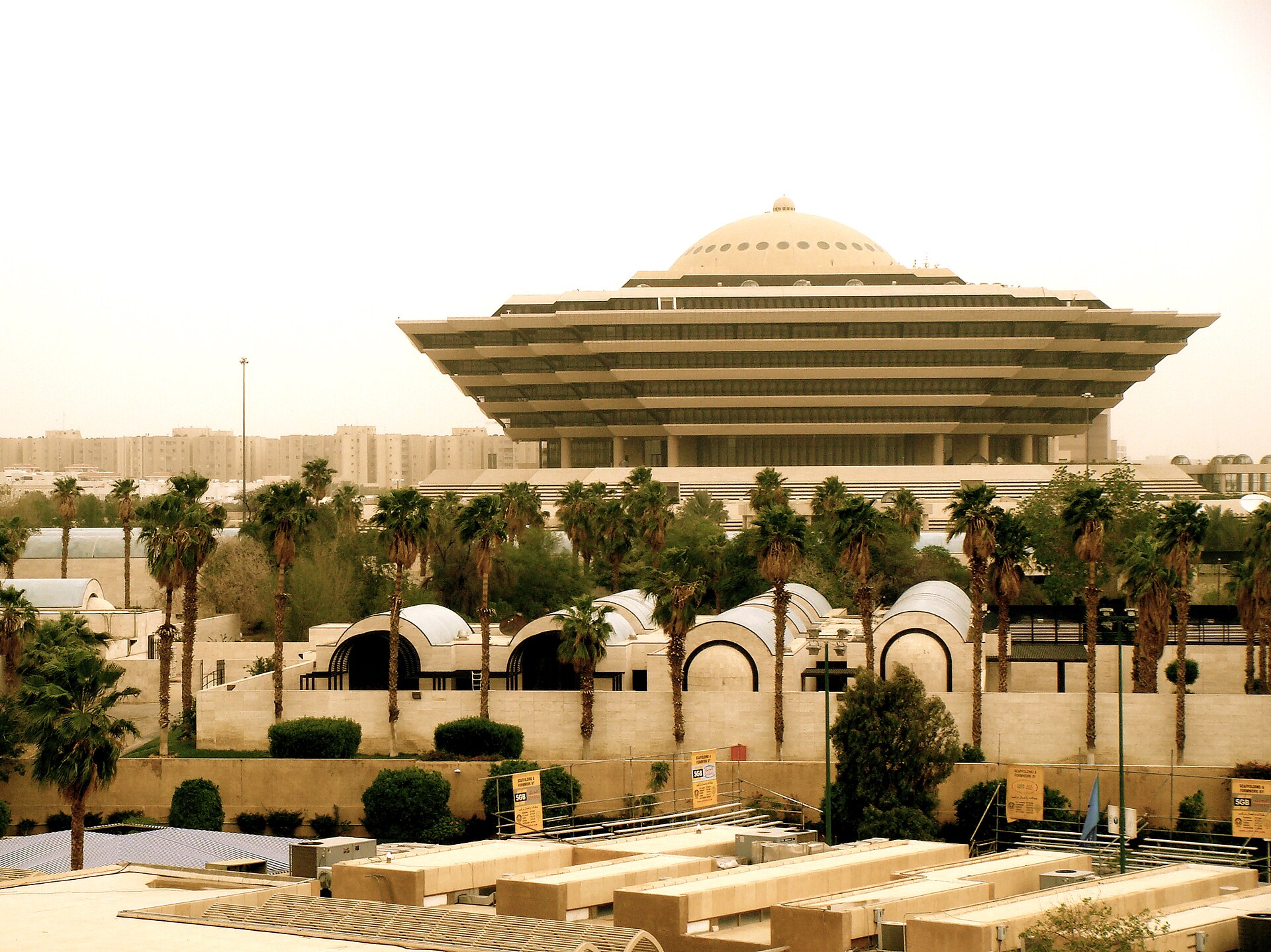
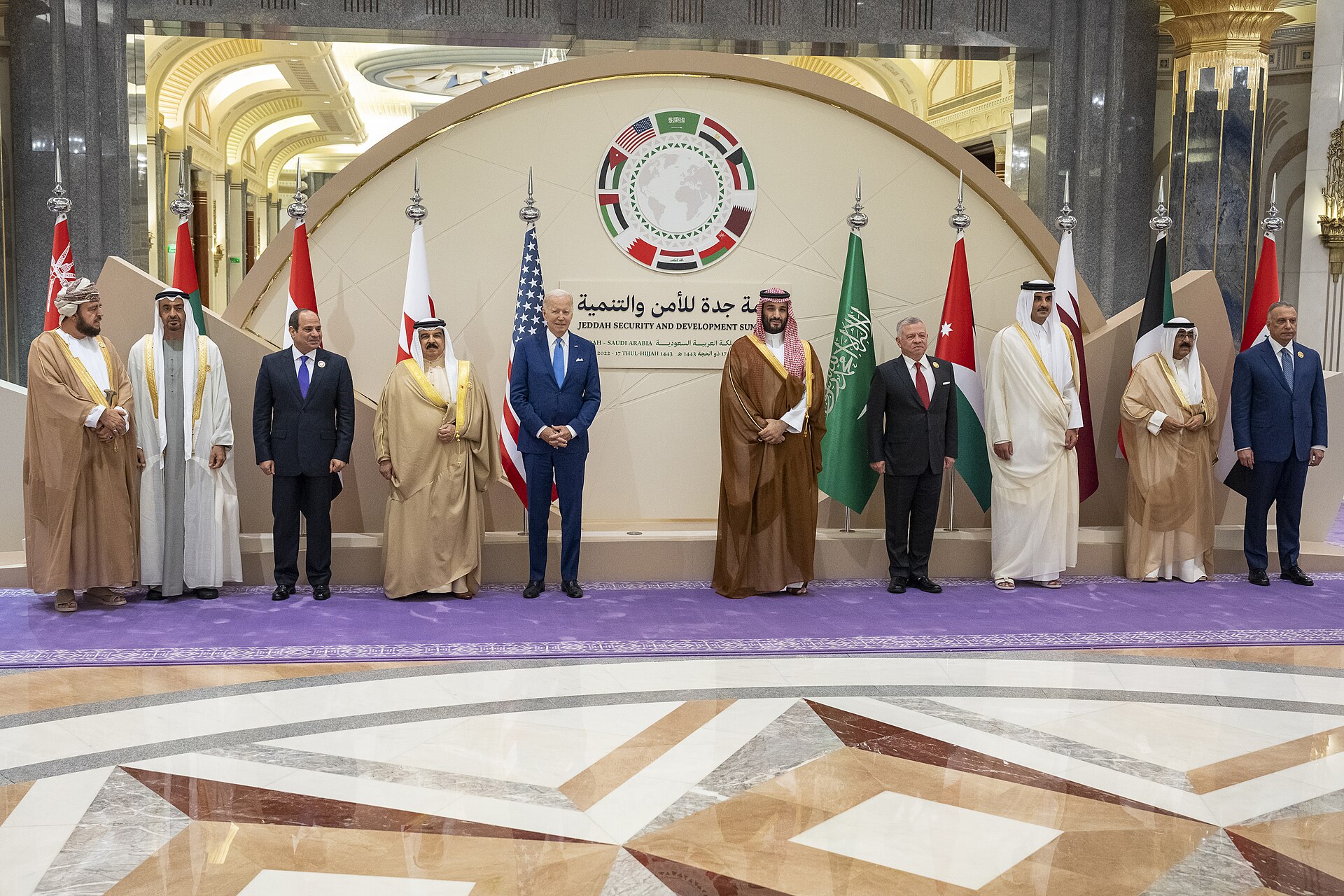
WASHINGTON — US Central Command imposed a naval blockade on all Iranian ports at 10:00 AM Eastern Time on April 13, 2026, deploying two carrier strike groups, 12 destroyers and frigates outside the Persian Gulf, and six warships inside it to intercept any vessel entering or departing Iranian coastal waters — a force posture that Admiral Brad Cooper, CENTCOM’s commander, has been building toward since at least April 11, when two destroyers began mine-clearance transits through the Strait of Hormuz. Announced Saturday in a CENTCOM press release that stressed enforcement “impartially against vessels of all nations,” the blockade is the first full naval blockade of a sovereign state’s ports by the United States since the 1962 Cuban missile crisis — though the Pentagon has avoided using the word “blockade,” preferring the legally softer “maritime interdiction” — and it immediately sent Brent crude futures above $103 per barrel, an approximately 8% jump from Friday’s close of $95.20, extending a 31% rally since the war began in late February.
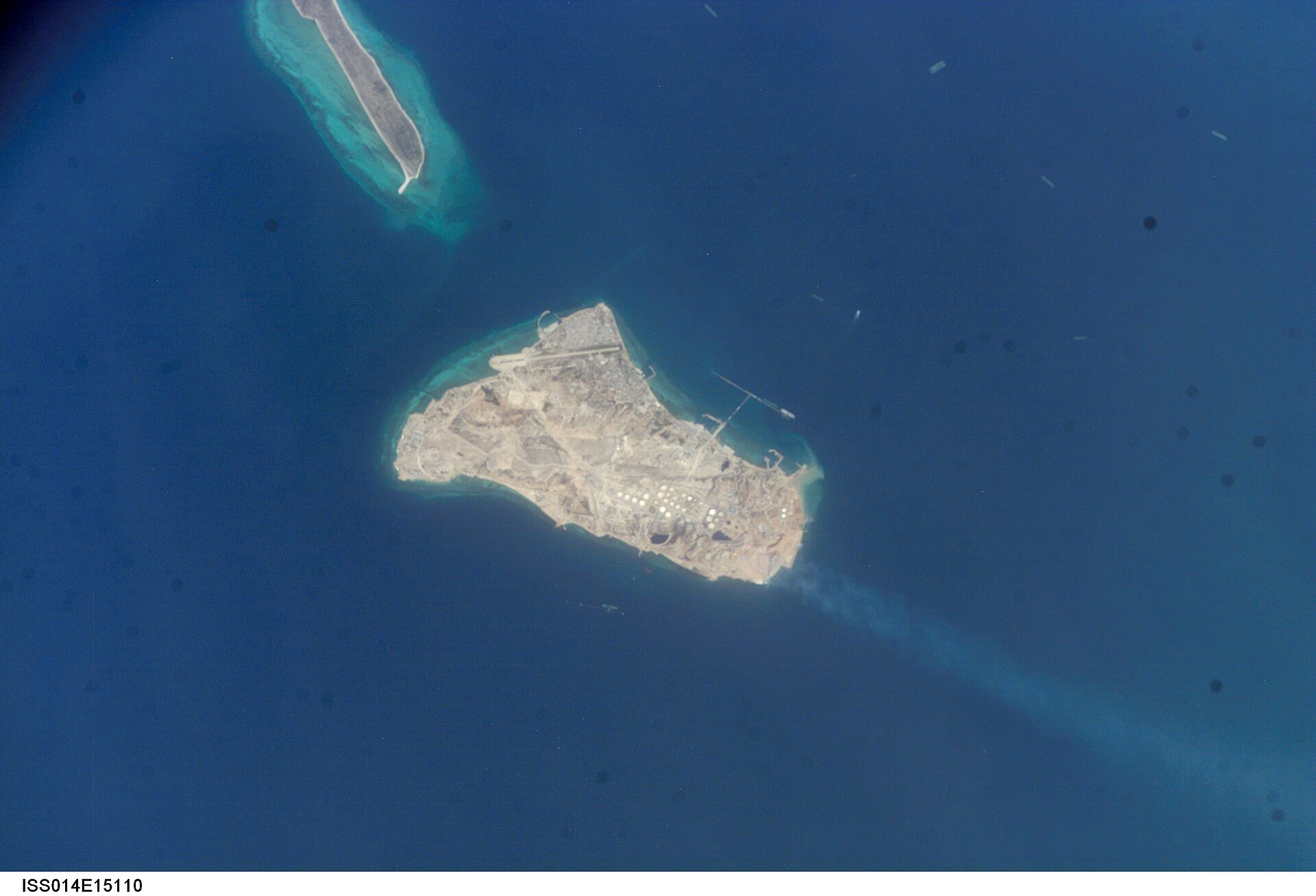
The blockade’s design is as deliberate as its timing: CENTCOM explicitly stated it “will not impede freedom of navigation for vessels transiting the Strait of Hormuz to and from non-Iranian ports,” a carve-out that attempts to insulate the operation from the transit-passage provisions of UNCLOS Articles 37 through 44 while concentrating economic pressure on Iran’s export terminals, above all Kharg Island, which handled roughly 94% of Iran’s 1.68 million barrels per day in pre-war crude exports. It arrives nine days before the ceasefire expires on April 22, one day after the Islamabad talks collapsed following 21 hours of negotiation in which the United States said Iran refused to commit not to develop nuclear weapons and Iran demanded Hormuz sovereignty recognition, war reparations, and the inclusion of Lebanon in any settlement.
Contents
The Force on the Water
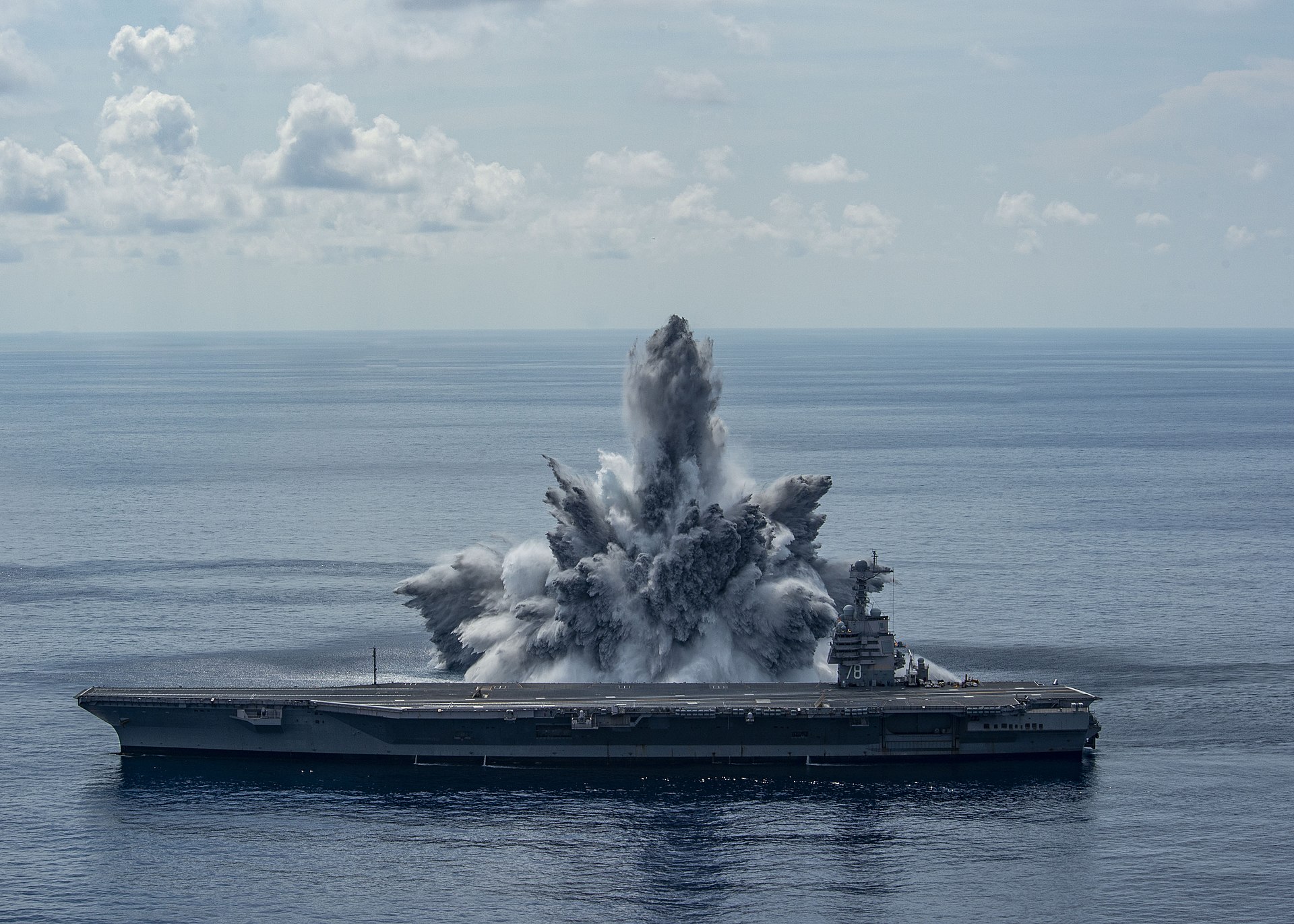
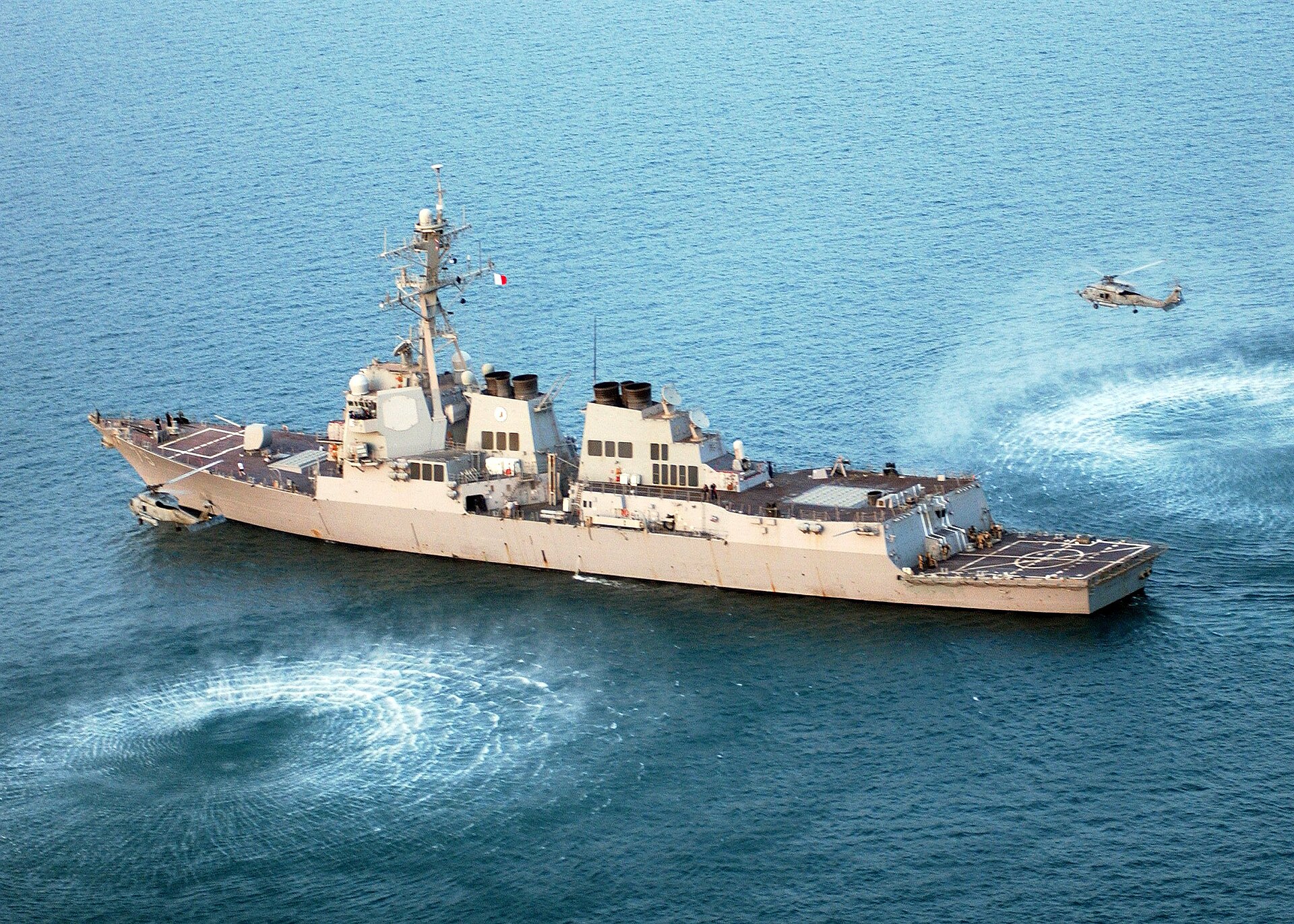
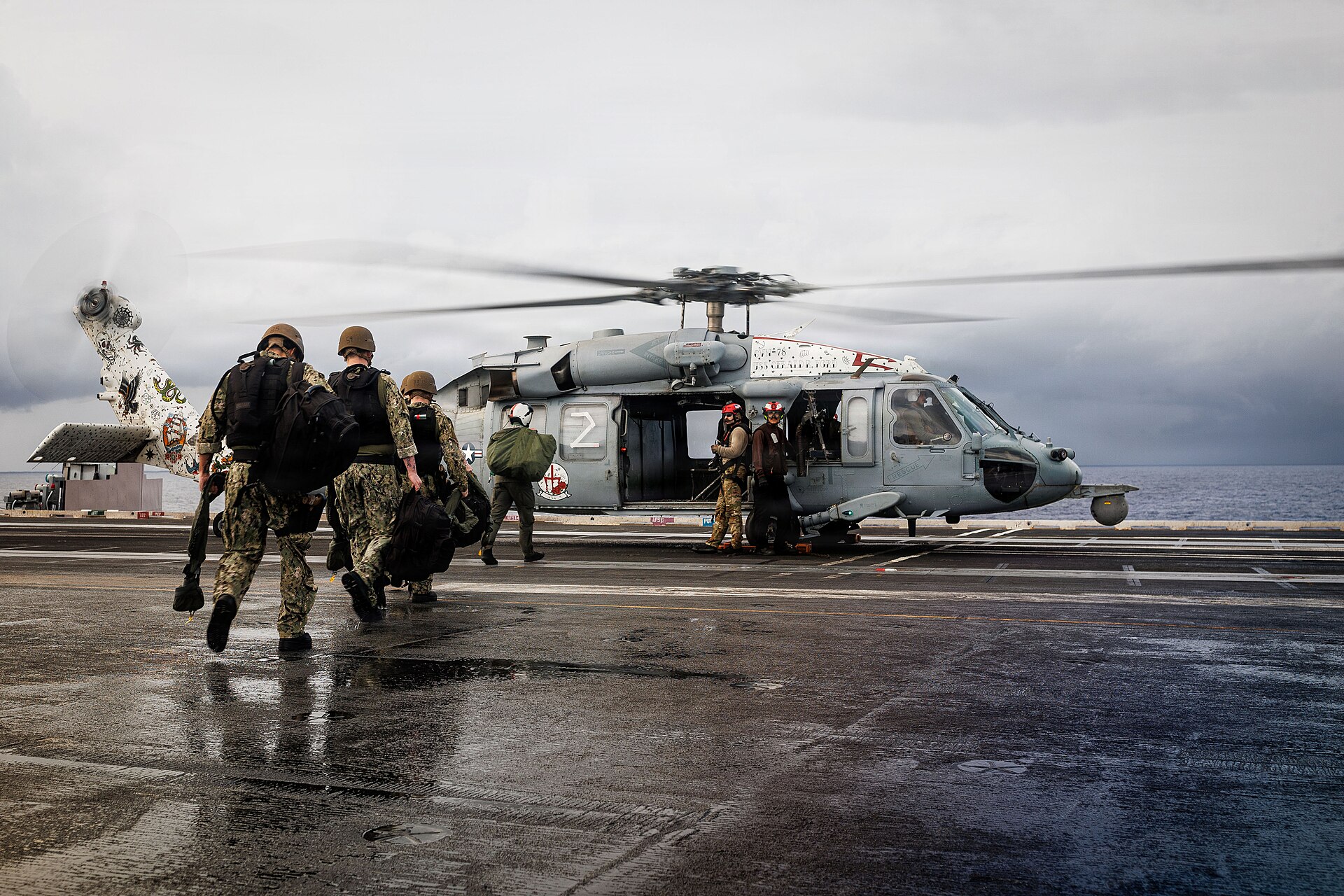
CENTCOM’s blockade force is the largest American naval concentration in the Middle East since the 2003 invasion of Iraq, though its mission is fundamentally different: interdiction of commercial shipping, not amphibious assault or air superiority. The USS Gerald R. Ford and USS Abraham Lincoln carrier strike groups anchor the outer cordon, positioned in the Gulf of Oman and the northern Arabian Sea respectively, while a third carrier strike group sits in the Eastern Mediterranean as a strategic reserve. Inside the Persian Gulf itself, six US warships operate alongside naval vessels from the UAE and Bahrain — the only two coalition partners publicly confirmed — giving the blockade a thin multilateral veneer that nonetheless lacks the participation of any NATO ally, the United Kingdom, France, or any Pacific partner.
Admiral Cooper disclosed on April 11-12 that two destroyers had already transited the Strait to “begin setting conditions for clearing mines,” adding that the US “will share this safe pathway with the maritime industry soon to encourage the free flow of commerce.” The mine-clearance operation runs in parallel with the blockade and carries its own complications: the four Avenger-class mine countermeasures ships previously based in Bahrain were decommissioned in September 2025, and CENTCOM’s improvised reliance on destroyer-mounted systems and unmanned surface vehicles has not been tested at scale in a contested waterway where the IRGC has spent decades embedding mine infrastructure. Retired Admiral James Stavridis, the former NATO Supreme Allied Commander, called the blockade “a big task, and it’s a big gamble,” but endorsed its logic: “It puts economic pressure on Tehran without destroying the oil facilities, which you should want to preserve into the future.” That framing reveals Washington’s dual calculus — degrading Iran’s war-sustaining revenue without physically destroying export infrastructure that any post-war government, or any post-war oil market, will need intact.
Why Ports and Not the Strait?
CENTCOM’s lawyers made one architectural choice that defines the entire operation: the blockade targets port entry and departure, not Hormuz transit itself. Under UNCLOS Part III, transit passage through international straits “shall not be impeded” — a non-suspendable right that applies even during armed conflict and that the United States has historically treated as a cornerstone of its global freedom-of-navigation program. By drawing the enforcement perimeter around Iranian ports rather than the 21-mile-wide Strait, CENTCOM avoids directly contradicting the transit-passage regime it has spent decades defending, including in operations against Iran’s own attempts to restrict passage. The distinction, however, may not survive Trump’s own language: his use of the word “blockade” in public statements hands Beijing and Moscow a ready-made precedent to contest every US Freedom of Navigation operation from the South China Sea to the Taiwan Strait.
The legal architecture tracks the San Remo Manual on International Law Applicable to Armed Conflicts at Sea, the 1994 reference text that permits naval blockades under customary international law provided they are effectively declared, effectively enforced, and applied without discrimination against neutral shipping. CENTCOM’s language — “impartially against vessels of all nations entering or departing Iranian ports and coastal areas” — mirrors San Remo’s non-discrimination requirement almost verbatim, a drafting choice that suggests anticipation of challenges at the International Court of Justice or before the IMO Maritime Safety Committee.
The Middle East briefing 3,000+ readers start their day with.
One email. Every weekday morning. Free.
But the legal insulation has a structural weakness that no amount of careful drafting can resolve: there is no United Nations Security Council authorization for this blockade, in contrast with the 1990 Iraqi blockade authorized under UNSC Resolution 665. Russia and China have vetoed or stripped Chapter VII enforcement language from every Hormuz-related resolution since the war began, and the April 7 veto of Bahrain’s co-drafted resolution confirmed that no multilateral legal mandate is forthcoming. The blockade therefore rests entirely on the United States’ claimed authority as a belligerent party — a status that itself raises questions, since Congress has not issued a formal declaration of war against Iran.
What Does the Blockade Actually Squeeze?
Iran was earning approximately $139 million per day in crude revenue as of March 2026, despite six weeks of war, US airstrikes that twice hit military targets on Kharg Island while deliberately sparing oil terminals, and an IRGC-managed transit regime that had already reduced Hormuz throughput to 15-20 ships per day, roughly one-ninth of the pre-war average of 138 daily transits. The blockade is designed to cut that revenue to zero by preventing tankers from loading at Kharg, which held roughly 18 million barrels of crude in storage as of early March — 58% of its 31-million-barrel capacity — and at the secondary terminals that cannot substitute for it at scale.
Jask, Iran’s only operational alternative, sits on the Gulf of Oman side of Hormuz and was designed to bypass the Strait entirely, but the Goreh-Jask pipeline’s effective throughput is approximately 0.3 million barrels per day despite a nominal 1.0 Mbd design capacity, reflecting what Kpler analysts have called “historically low utilization.” Bandar Imam Khomeini, Iran’s largest non-oil port, handles petrochemical and refined product exports but lacks the crude-loading infrastructure to absorb Kharg’s volume. Robin Brooks, a senior fellow at the Brookings Institution, put the stakes bluntly: “The US can implode Iran’s economy by shutting down its oil exports,” noting that oil and gas exports constitute roughly 15% of Iran’s GDP (per IEA/World Bank) and that a sufficiently deep economic collapse “could convince markets that the closure of the Strait might end sooner rather than later.”
The International Energy Agency has already characterized the war’s cumulative disruption as “the largest supply disruption in the history of the global oil market,” and ANZ Bank estimated on April 9 that approximately 9 million barrels per day of crude supply had been effectively removed from global markets — a figure that includes not just Iranian exports but the broader Hormuz throughput reduction affecting Saudi, Kuwaiti, Iraqi, Qatari, and Emirati flows. The blockade tightens one component of that disruption while theoretically loosening another, since CENTCOM’s Hormuz transit carve-out and mine-clearance corridor are meant to restore non-Iranian commercial traffic through the Strait.
Saudi Arabia Cannot Capture the Price
Brent above $100 per barrel would ordinarily be a windfall for Saudi Arabia, but the kingdom’s export infrastructure cannot convert that price signal into proportionate revenue under current conditions. The East-West Pipeline to Yanbu, Saudi Arabia’s primary Hormuz bypass, has an effective export ceiling of approximately 5.9 million barrels per day — well below the 7.0 to 7.5 Mbd that Saudi Arabia was routing through Hormuz before the war, leaving a structural gap of 1.1 to 1.6 Mbd that no amount of pipeline optimization can close. Bloomberg’s estimate of Saudi Arabia’s fiscal break-even oil price, inclusive of Public Investment Fund commitments, stands at $108 to $111 per barrel; at $103 Brent, the kingdom remains below breakeven despite the rally.
The arithmetic is compounded by Aramco’s May Official Selling Price, set in early April at a record premium of $19.50 per barrel above the benchmark for Arab Light to Asia — a pricing decision made when Brent was trading near $109 and that now sits approximately $6 above spot, forcing Asian term buyers to absorb a premium that Bloomberg analysts had expected to reach $40. Aramco’s OSP restraint, analyzed in previous HoS coverage, reflects MBS’s calculation that preserving term-contract relationships with Asian refiners matters more than extracting maximum spot revenue during a crisis that will eventually end — but it also means Saudi Arabia is voluntarily leaving revenue on the table at a moment when Oxford Economics projects a GCC-wide recession, with Qatar’s GDP forecast to contract by 14%.
The China and Russia Enforcement Problem
The blockade’s most consequential enforcement test is not legal or operational but geopolitical: whether CENTCOM will intercept, board, or turn back Chinese-flagged and Russian-flagged vessels attempting to load crude at Kharg Island. China contracted approximately 1.5 million barrels per day of Iranian crude through CNPC and Sinopec before the war, and Beijing has no treaty obligation to comply with a blockade it did not authorize and that lacks UNSC backing. The precedent of the Al Daayen LNG transit on April 6, in which China intermediated a Qatari LNG carrier’s passage through IRGC-controlled lanes using yuan-denominated payment through Kunlun Bank outside the SWIFT system, demonstrated that Beijing has both the financial infrastructure and the diplomatic willingness to operate around US-imposed restrictions in the Gulf.
Russian-flagged vessels present a different but related challenge: Russia’s shadow fleet of aging tankers, many re-registered under flags of convenience, has been running Iranian crude to Asian buyers through ship-to-ship transfers since well before the war, and the opacity of that fleet’s ownership and registration makes positive identification — a prerequisite for lawful boarding under the San Remo framework — operationally difficult at scale. CENTCOM’s “impartial” enforcement language commits it to treating Chinese and Russian vessels no differently from Liberian- or Panamanian-flagged ships, but the diplomatic consequences of boarding a vessel linked to the People’s Liberation Army Navy or to Sovcomflot, Russia’s state shipping company, are of a categorically different order than intercepting a convenience-flag tanker operated by a Dubai-based trading house.
The IRGC Threatens a ‘Deadly Vortex’ — With No Commander
The IRGC’s response to the blockade announcement has been operationally incoherent in ways that reflect its ongoing command crisis. IRGC-affiliated media stated that Iran “still had full control over the Strait of Hormuz” and warned that any “wrong move” deploying US warships would trap them in a “deadly vortex” — a threat that simultaneously claims sovereign authority over a waterway CENTCOM has explicitly avoided blockading and invokes a ceasefire that Iran’s own negotiators failed to extend in Islamabad. The IRGC separately characterized CENTCOM’s mine-clearance operations as a “potential violation of the fragile ceasefire” and warned that military vessels approaching Hormuz “will be considered a violation of the ceasefire and will be met with severe force.”
The threats land in a command vacuum: Rear Admiral Alireza Tangsiri, commander of the IRGC Navy, was killed on March 30, and no named successor has been publicly confirmed in the 14 days since. The IRGC Navy declared “full authority to manage the Strait” on April 5 and again on April 10 while Foreign Minister Araghchi was negotiating in Islamabad — statements that underscore the disconnect between Iran’s diplomatic track and its military command, where under Article 176 of the Iranian constitution, IRGC Navy orders of this magnitude require ratification by the Supreme National Security Council and then by Khamenei, who has been absent from public view for more than 40 days. When CENTCOM’s DDG-121 and DDG-112 transited the Strait on April 11, the IRGC issued a “last warning” by radio; the US response, “passage in accordance with international law,” was the entirety of the exchange.
The operational question is whether the IRGC’s mosaic of 31 regional corps, each with broad autonomous authority, will treat the blockade as a trigger for escalation independent of whatever authorization Tehran’s fractured leadership might or might not provide. IMO Secretary-General Arsenio Dominguez reported on April 8 that approximately 20,000 sailors aboard roughly 2,000 ships remained stranded in the Persian Gulf — civilians whose safety depends on the IRGC’s decentralized command structure making coherent decisions about when and whether to fire on US warships conducting boarding operations within sight of Iranian territorial waters.
Background
The Iran-US war, now in its seventh week, began with IRGC strikes on Saudi and Gulf state infrastructure in late February 2026 and rapidly escalated into the largest disruption of global energy markets since the 1973 Arab oil embargo. The United States has conducted two rounds of airstrikes on Kharg Island military targets while deliberately preserving oil-loading infrastructure, a restraint that Admiral Stavridis endorsed as preserving assets needed for post-war recovery. Saudi Arabia’s Eastern Province has absorbed 799 intercepted drones and 95 intercepted missiles as of April 7, depleting PAC-3 MSE stockpiles to approximately 400 rounds — 86% below pre-war levels — at a cost of roughly $3.49 billion.
The ceasefire, brokered through Pakistan in early April, expires on April 22 with no extension mechanism in place and no successor framework under discussion. The Islamabad talks that collapsed on April 12 — the most direct US-Iran diplomatic engagement since 1979 — broke down over Iran’s demand for Hormuz sovereignty recognition and the US insistence on a nuclear non-proliferation commitment, leaving the blockade as Washington’s primary instrument of pressure in the nine days remaining before the ceasefire deadline.
Frequently Asked Questions
Does the blockade close the Strait of Hormuz?
No. CENTCOM explicitly preserved transit passage for vessels sailing to and from non-Iranian ports, meaning tankers carrying Saudi crude from Ras Tanura, Qatari LNG from Ras Laffan, or Kuwaiti oil from Mina al-Ahmadi may legally transit the Strait under the blockade’s terms, provided they do not call at any Iranian port. The restriction applies only to vessels entering or departing Iranian ports and coastal waters, including Kharg Island, Jask, Bandar Abbas, and Bandar Imam Khomeini.
Can the US legally blockade Iranian ports without a UN Security Council resolution?
Under the San Remo Manual on International Law Applicable to Armed Conflicts at Sea, a belligerent party may impose a naval blockade provided it is effectively declared, non-discriminatory against neutral shipping, and proportionate. The 1990 Iraq blockade was authorized under UNSC Resolution 665, but the San Remo framework does not require Security Council authorization as a prerequisite. However, absent UNSC backing, enforcement against vessels flagged to permanent Security Council members — particularly China and Russia — carries escalation risks that a multilaterally authorized blockade would not, and states that do not recognize the US as a lawful belligerent may contest the blockade’s legality before the International Court of Justice.
What happens to the approximately 2,000 ships already in the Gulf?
IMO Secretary-General Arsenio Dominguez reported approximately 20,000 sailors aboard roughly 2,000 ships stranded in the Persian Gulf as of April 8. CENTCOM’s mine-clearance corridor and Hormuz transit preservation are designed to allow these vessels to exit, but the IRGC has characterized mine-clearance operations as a ceasefire violation, creating a risk that trapped vessels become caught between CENTCOM’s outbound corridor and IRGC threats against ships using it. The Philippines negotiated a bilateral deal with Iran on April 2 to extract Filipino-crewed vessels — the only such arrangement publicly confirmed.
How long can Iran sustain government operations without oil export revenue?
Iran’s $12.4 billion annual military budget draws heavily from oil revenue, and President Pezeshkian warned in early April that the economy would “collapse in three to four weeks” without export income. However, Iran maintained government functions during the 2018-2021 maximum-pressure sanctions period when exports fell to roughly 0.4 Mbd, partly through Chinese purchases routed outside the dollar system. The blockade’s effectiveness depends on whether it can achieve what sanctions could not: a genuine zero in export volume, including illicit ship-to-ship transfers and dark-fleet operations.
Will Saudi Arabia benefit from the blockade through higher oil prices?
Not proportionately. While Brent above $100 per barrel increases per-barrel revenue, Saudi Arabia’s Yanbu export ceiling of 5.9 Mbd limits total volume below pre-war levels, and the kingdom’s fiscal break-even of $108-111 per barrel (inclusive of PIF commitments) remains above the current $103 Brent price. Additionally, Aramco’s May Official Selling Price was set at a $19.50 premium when Brent was near $109, meaning the premium now exceeds spot economics and may force Asian buyers to defer or renegotiate term liftings — reducing volume precisely when Saudi Arabia needs it most.