
August is the hottest month of the year across most of Saudi Arabia, with temperatures in Riyadh regularly exceeding 45°C and humidity along the Gulf coast making the air feel even more oppressive. For most travellers reading a guide to the best time to visit Saudi Arabia, August will sit firmly in the “avoid” column. But dismissing the Kingdom entirely would be a mistake. August is when hotel prices crater by 20–30 per cent, domestic flights drop to their cheapest fares of the year, and Saudi Arabia’s mountain highlands, Red Sea reefs, and air-conditioned mega-entertainment districts are all open for business with far fewer crowds. If you plan carefully, travelling in August can be rewarding, affordable, and—thanks to the Kingdom’s extraordinary investment in indoor attractions—surprisingly comfortable. This guide covers everything you need to know to make it work, from the complete Saudi Arabia travel guide perspective down to regional weather breakdowns, what to pack, and where to sleep.
Average Temperatures: 43–46°C in Riyadh and the interior; 38–40°C in Jeddah; 25–32°C in Abha and Taif
Best Regions: Abha and the Asir Highlands, Taif, Red Sea coast (evenings and water activities), Riyadh (indoor attractions)
Visa Required: Yes — tourist e-visa available for 63 nationalities
Budget: $80–$180/day (20–30% below peak-season rates)
Must-Do: Highland escape to Abha or Taif, Red Sea diving, Riyadh Season entertainment zones
Avoid: Long outdoor sightseeing between 10 AM and 5 PM in lowland cities; dehydration; underestimating the heat
August Weather Across Saudi Arabia
Saudi Arabia is roughly the size of Western Europe, so August weather varies enormously depending on where you are. The central Najd plateau around Riyadh is brutally hot and bone-dry. The western Red Sea coast around Jeddah is slightly cooler but far more humid. The southwestern highlands around Abha and Taif sit above 1,700 metres and enjoy genuinely pleasant temperatures. Understanding these regional differences is the key to planning an August trip that works.
Riyadh and the Central Desert
Riyadh averages 43.6°C during August days, with spikes above 48°C not uncommon during heatwaves. Nights cool to around 29°C. Humidity is extremely low at roughly 12 per cent, which makes shade feel noticeably cooler than direct sun—but also accelerates dehydration. Rainfall is effectively zero. The sun rises around 5:45 AM and sets around 6:40 PM, giving you roughly two hours of tolerable warmth after sunset for outdoor activity.
Jeddah and the Red Sea Coast
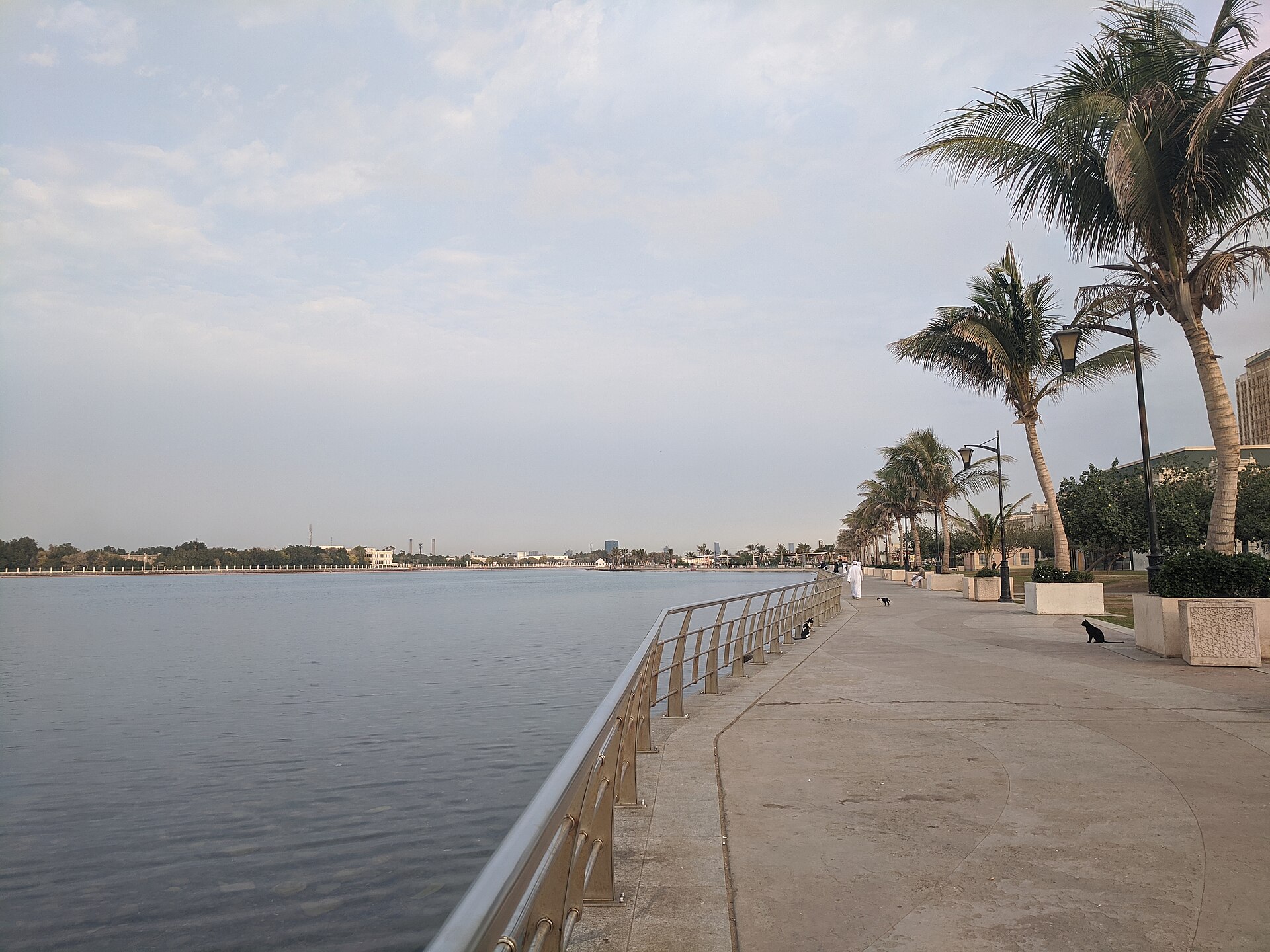
Jeddah’s average high in August is around 39°C, but humidity of 50–65 per cent makes the perceived temperature feel significantly worse than dry-heat Riyadh. The Jeddah Corniche is best enjoyed after 8 PM when sea breezes bring some relief. Red Sea water temperatures peak at 31–33°C—warm enough to dive or snorkel without a wetsuit, though some divers prefer a thin rashguard against jellyfish. The coast north toward Umluj and the Farasan Islands follows a similar pattern.
Abha, Taif, and the Highlands
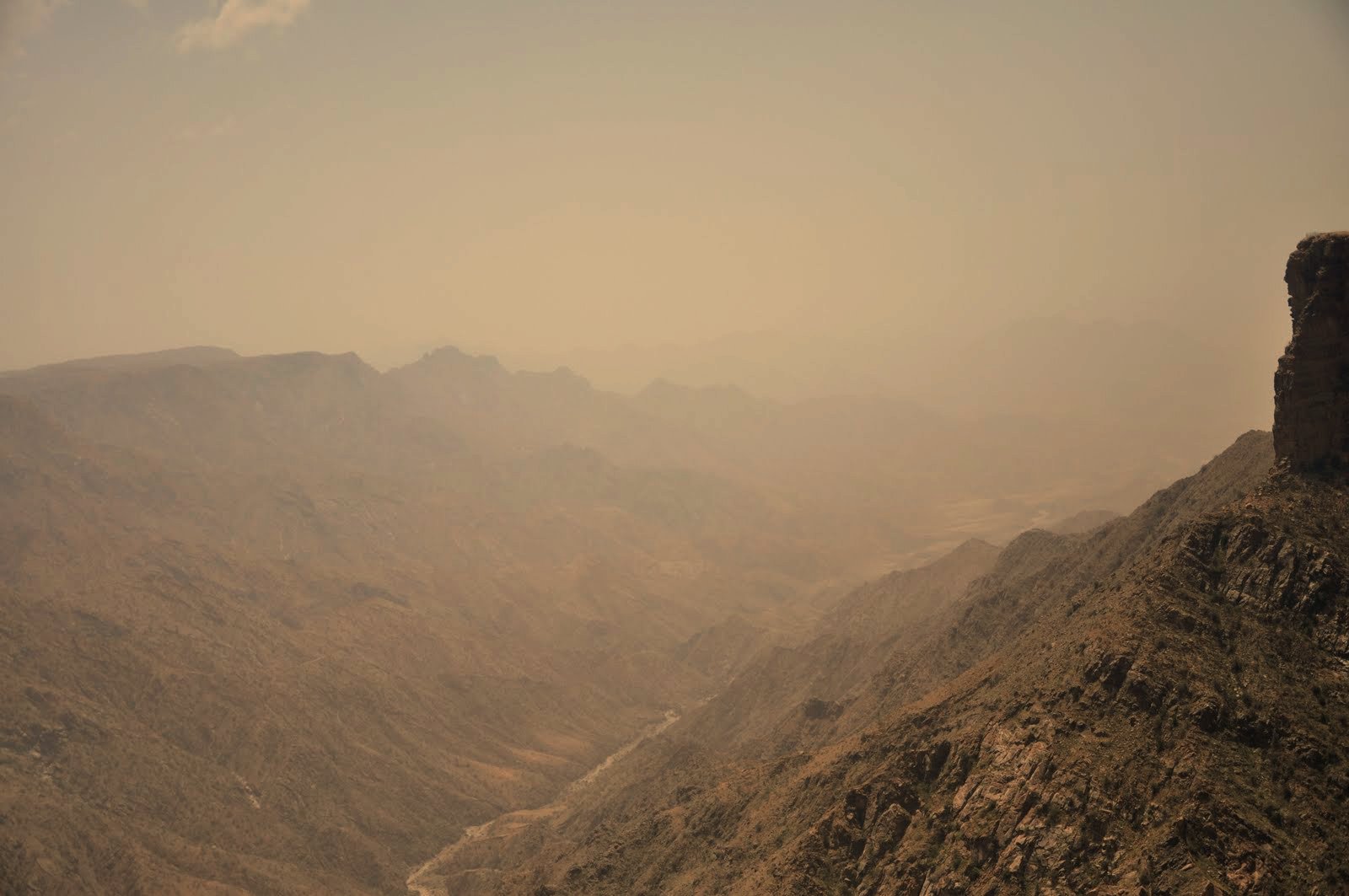
This is the headline for August travel: the Asir and Hejaz highlands are genuinely comfortable. Abha sits at 2,270 metres in the Sarawat Mountains and averages 25–32°C in August—cooler than most European cities in summer. Humidity is higher here (around 65 per cent in August) because the Indian Ocean monsoon pushes moisture up the western escarpment, bringing fog, occasional thunderstorms, and August rainfall averaging 223 mm. The mist and green scenery are a dramatic contrast to the desert below.
Taif, at 1,700 metres elevation, is Saudi Arabia’s traditional summer capital. Temperatures range from 20–30°C with lower humidity than Abha. The city is famous for its rose farms—over 900 farms grow nearly a billion roses a year—and the petals are hand-picked at dawn and distilled into rose oil using traditional copper pots. August is outside the rose harvest season (typically March–April), but the cooler weather, mountain scenery, and proximity to Mecca make Taif a popular domestic summer destination.
Dammam, Al Khobar, and the Eastern Province
The Gulf coast is August’s most uncomfortable region. Dammam and Al Khobar hit 44–46°C with humidity of 60–80 per cent from the Arabian Gulf, creating heat-index values that can exceed 55°C. Unless you have specific business in the Eastern Province, August is the worst month to visit. If you must, stay near the corniche and confine outdoor time to after 9 PM.
AlUla and the Northwest
AlUla sits in a desert valley and regularly exceeds 44°C in August. However, AlUla has invested heavily in evening and night-time experiences—stargazing tours, sunset heritage walks at Hegra, and candlelit dining in the canyon. If you visit, plan everything for after 5 PM and book accommodation with a private pool.
Why Visit Saudi Arabia in August
Despite the heat, August offers several genuine advantages that make it worth considering for the right type of traveller.
Dramatic Price Drops
August is the cheapest month to visit Saudi Arabia. Hotel rates across the Kingdom fall 20–30 per cent below peak-season prices and 15–25 per cent below shoulder-season rates. The average hotel room costs around $82 per night nationally, compared to $152 during high season. Domestic flights on Saudia and flynas are at their annual lows. Tour operators in AlUla, Jeddah, and Riyadh discount packages to fill capacity. If you’re budget-conscious, August delivers the best value of the year. For detailed pricing, see our Saudi Arabia cost guide.
Fewer Crowds
Popular attractions that draw queues in November through March are far quieter in August. The National Museum in Riyadh, Diriyah, Al Balad in Jeddah, and even Hegra in AlUla have noticeably fewer visitors. This translates to shorter waits, more personal attention from guides, and better photography opportunities without crowds in the frame.
Red Sea Diving at Its Warmest
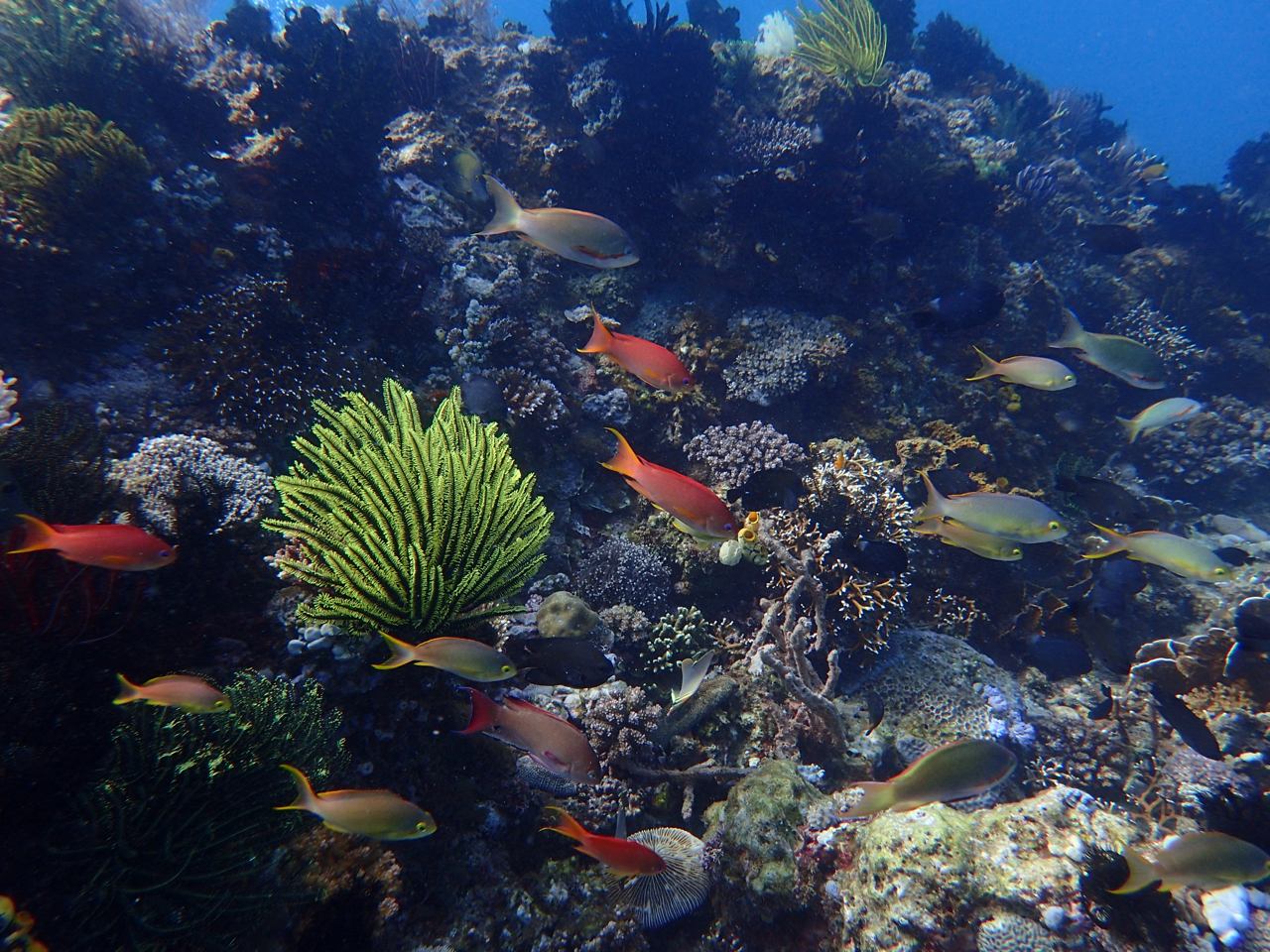
August water temperatures of 31–33°C make the Red Sea diving season comfortable without thermal protection. Visibility typically ranges from 15–30 metres. The warm water attracts pelagic species including whale sharks, mantas, and large schools of barracuda. Jeddah’s wreck sites and reef systems are accessible year-round, and August’s calmer seas (compared to winter swells) make boat diving more pleasant.
Highland Escape Season
For Saudis, August is prime highland season. Abha, Taif, Al Baha, and the surrounding mountain villages buzz with domestic tourists escaping the lowland heat. This means better restaurant hours, more events, livelier souks, and a genuinely festive atmosphere. The Abha cable car runs regular services, the hiking trails through the Asir are green from monsoon rain, and misty mountain mornings feel like a different country entirely.
Best Places to Visit in August
Abha and the Asir Highlands
Abha is the single best destination in Saudi Arabia during August. At 2,270 metres, it offers genuine cool-weather relief with temperatures between 25°C and 32°C. The Indian Ocean monsoon brings fog, rain, and lush green vegetation that transforms the normally arid landscape. Key experiences include:
- Al Soudah viewpoint — at 3,015 metres, the highest point in Saudi Arabia with panoramic views over the Tihama plain dropping 2,000 metres to the coast below
- Rijal Almaa heritage village — a UNESCO-listed settlement of multi-storey stone towers painted in vivid colours, 45 km from Abha
- Abha cable car — a 4.5 km gondola ride connecting the Asir National Park to the village of Al Habala, suspended above a cliff face
- Asir National Park — hiking through juniper forests and terraced hillsides, best in early morning before afternoon thunderstorms
- Habala hanging village — an abandoned cliffside settlement accessible by cable car, now a cultural heritage site
August tip: Afternoon thunderstorms in Abha are common and can be intense. Plan outdoor hikes for the morning (7–11 AM) and keep waterproof layers handy. Fog can reduce mountain road visibility to under 50 metres—drive slowly and use headlights.
Taif
Taif has served as the unofficial summer capital of Saudi Arabian rulers since the early 20th century. At 1,700 metres, it offers temperatures of 20–30°C with lower humidity than Abha. Highlights include:
- Shubra Palace — the restored Ottoman-era summer residence of King Abdulaziz, now a regional museum
- Rose farms — even outside harvest season, you can visit farms and buy rose water and rose oil directly from producers
- Al Hada mountain road — a dramatic switchback descent from Taif toward Mecca with panoramic viewpoints
- Al Rudaf Park — a green oasis popular with families, especially pleasant in August evenings
- Souq Al-Balad — Taif’s old market selling honey, dried fruits, and local produce
Jeddah After Dark
Jeddah in August is an evening city. The strategy is simple: sleep late, stay indoors during the day, and come alive after sunset. The city has invested heavily in after-dark experiences:
- Al Balad historic district — the UNESCO-listed old town is illuminated at night and far more atmospheric (and tolerable) after 9 PM
- The Corniche — Jeddah’s 30 km waterfront promenade is best walked between 9 PM and midnight when temperatures drop to the low 30s
- Beach clubs — private beach clubs along the coast north of Jeddah operate late into the night during summer
- Red Sea Mall and shopping — Jeddah’s mega-malls are air-conditioned daytime refuges with dining, cinema, and entertainment
- Diving and snorkelling — morning boat departures (6–7 AM) let you dive before the worst heat; the water itself is warm and inviting
Riyadh’s Indoor Kingdom
Riyadh has transformed itself into an indoor entertainment capital. In August, the city’s massive investments in air-conditioned attractions pay off:
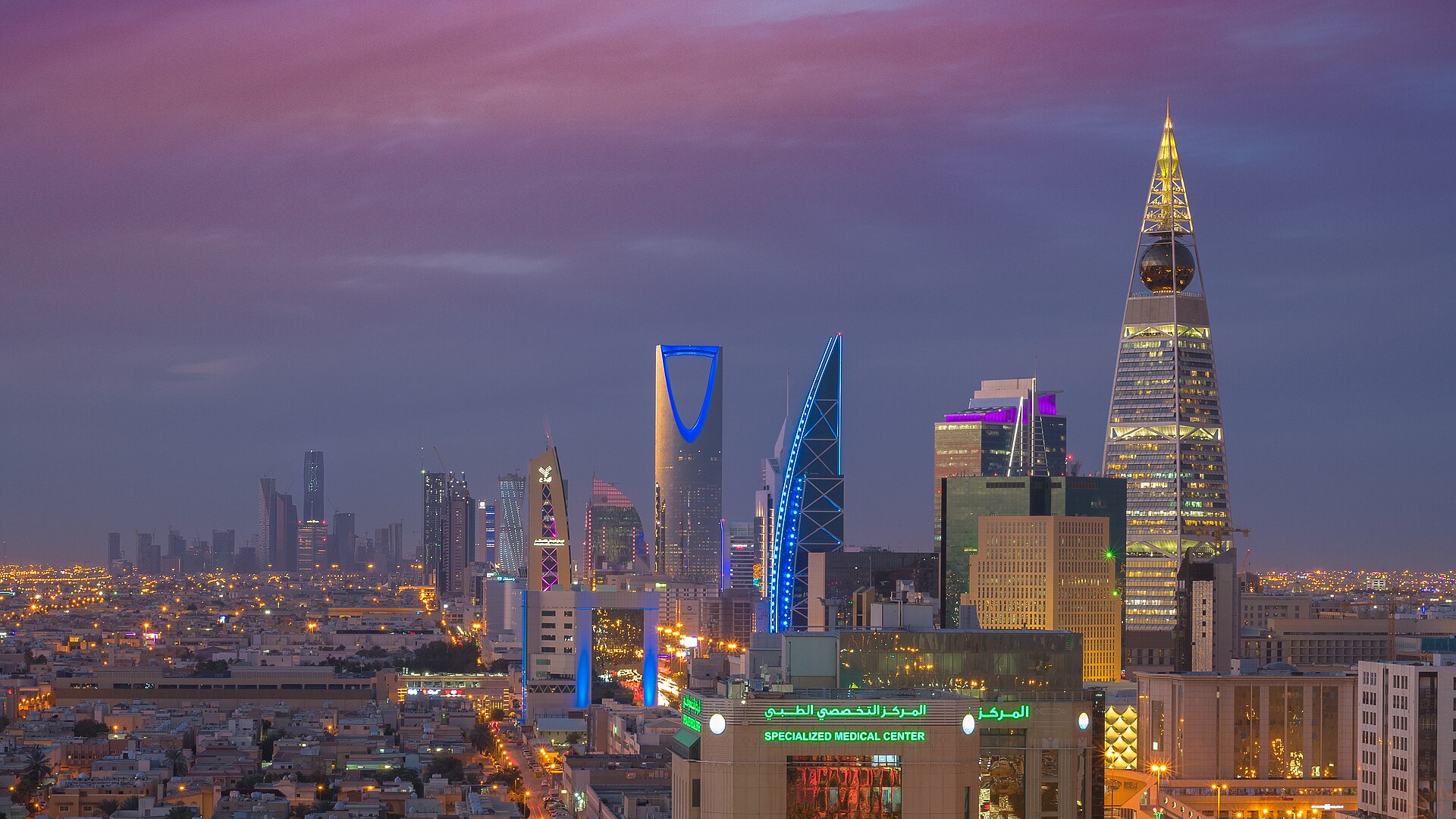
- Boulevard Riyadh City — the flagship Riyadh Season zone spans 220 acres with a 25-screen cinema (including Saudi Arabia’s first 4DX screen), a 350-metre indoor go-kart track, VR arcades, an ice rink, restaurants, and a bobsleigh track
- National Museum — Saudi Arabia’s premier museum covers the Kingdom’s history from prehistoric Arabia to the modern state across eight themed galleries
- Kingdom Centre Sky Bridge — the viewing bridge 300 metres above the city is air-conditioned and offers sunset views that are particularly striking in the dusty August haze
- Diriyah — the UNESCO-listed birthplace of the Saudi state; the At-Turaif district is best visited in the first or last hour of daylight
- Snow City — an indoor snow park in Riyadh with skiing and sledding, a surreal contrast to 45°C outside
Red Sea Coast — Umluj and Yanbu
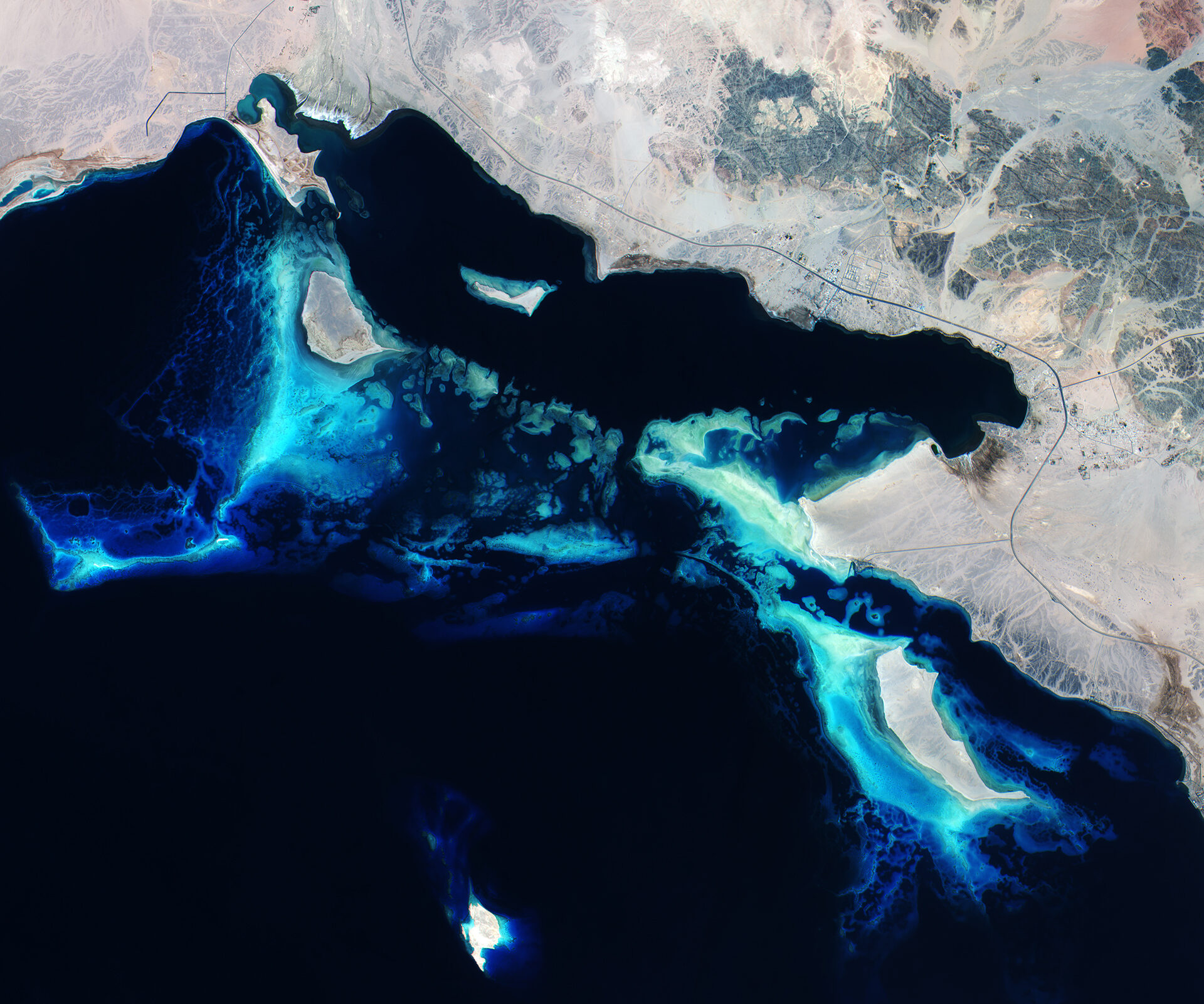
The Red Sea coast north of Jeddah offers some of Saudi Arabia’s most beautiful beaches. Umluj, sometimes called the “Maldives of Saudi Arabia,” has turquoise water and white sand islands accessible by boat. Yanbu has both a historic old town and modern resort infrastructure. Both are hot in August (38–40°C), but the sea is warm and calm, and morning water activities before 10 AM and evening beach sessions after 6 PM are perfectly manageable. See the complete Saudi beaches guide for more options.
What to Wear in August
Packing for Saudi Arabia in August requires balancing heat management with the Kingdom’s dress code expectations. Here is what works:
- Lightweight, loose-fitting clothing in breathable fabrics (linen, cotton, moisture-wicking synthetics). Avoid dark colours that absorb heat.
- For women: loose trousers or long skirts with lightweight long-sleeved tops. An abaya is not required for tourists but carries one for mosque visits. See the women’s dress code guide for specifics.
- For men: lightweight trousers and a short-sleeved shirt are fine everywhere except mosques. Shorts above the knee are acceptable in resorts and malls but may draw looks in conservative areas. See the men’s dress code guide.
- Sun protection: a wide-brimmed hat, high-SPF sunscreen (50+), and quality sunglasses are essential. Sunburn can happen in minutes during midday.
- Footwear: breathable shoes or sandals. Many Saudis wear sandals year-round. Closed-toe shoes for malls and museums.
- Layers for indoors: air conditioning in Saudi malls, restaurants, and hotels is aggressive. A light scarf or cardigan prevents the jarring swing from 45°C outside to 18°C inside.
Staying Safe in Extreme Heat
August heat in Saudi Arabia can be dangerous if you are not prepared. Heatstroke is a genuine risk, not a travel-writing cliché. Follow these rules:
- Hydrate aggressively. Drink at least 3–4 litres of water per day. Carry a water bottle everywhere. By the time you feel thirsty, you are already dehydrated.
- Avoid midday sun. Stay indoors between 10 AM and 4 PM if possible. Saudi labourers are legally prohibited from working outdoors during peak hours in summer—follow their lead.
- Watch for heatstroke symptoms: headache, dizziness, nausea, confusion, or stopping sweating despite intense heat. If these occur, get to air conditioning immediately, drink water, and seek medical help if symptoms persist.
- Use SPF 50+ sunscreen and reapply every two hours if outdoors. UV levels in August are extreme.
- Eat light meals with fruits and vegetables. Cucumbers, watermelon, and citrus are widely available and help with hydration.
- Rent a car or use ride-hailing. Walking between attractions in lowland cities is inadvisable in August. Careem and Uber operate in all major cities, and car rental is affordable.
Medical note: Saudi Arabia has excellent hospitals in all major cities. See our hospitals guide for tourists. Pharmacies stock rehydration salts (ORS packets) over the counter—pick some up on arrival.
Getting There and Getting Around
International flights to Saudi Arabia continue year-round, with major airlines serving Riyadh (King Khalid International), Jeddah (King Abdulaziz International), and Dammam (King Fahd International). August is off-peak for international routes to Saudi Arabia, so fares are generally lower than winter months.
Within the Kingdom, domestic flights on Saudia, flynas, and flyadeal connect all major cities. Riyadh to Abha takes about 90 minutes by air. The Haramain High-Speed Railway connects Jeddah and Mecca in 30 minutes and extends to Medina—the train is fully air-conditioned and a comfortable alternative to driving.
For longer journeys, driving is the most flexible option. Roads between major cities are excellent, and fuel is inexpensive. Just ensure your rental car’s air conditioning works properly before leaving the lot—a breakdown in August desert heat is a genuine emergency, not an inconvenience.
You will need a tourist e-visa before arrival. Citizens of 63 countries can apply online in minutes. The visa is valid for one year with multiple entries of up to 90 days each.
Where to Stay
August hotel pricing makes Saudi Arabia’s luxury tier surprisingly accessible. Properties that charge $300–$500/night during Riyadh Season or Jeddah F1 week drop to $150–$250 in August. Budget hotels fall to $40–$60/night. For full accommodation options, see the Saudi Arabia hotels guide.
Recommended Strategies by Region
| Region | Where to Stay | August Price Range | Why |
|---|---|---|---|
| Abha | Hotels in central Abha or Al Soudah resorts | $80–$200/night | Coolest weather; book early as domestic demand is high |
| Taif | City centre or Al Hada mountain hotels | $60–$150/night | Pleasant temperatures; popular with Saudi families |
| Jeddah | Corniche-area hotels or north coast resorts | $60–$180/night | Evening city; pick a hotel with a pool |
| Riyadh | Olaya or Diplomatic Quarter hotels | $50–$180/night | Near indoor attractions; major discounts available |
| AlUla | Habitas AlUla or Shaden Resort | $150–$350/night | Night-time experiences; pool essential |
Booking tip: Abha and Taif are exceptions to the August discount rule. Because they are domestic summer hotspots, highland hotels can actually increase prices in July–August. Book at least 3–4 weeks in advance for the best rates.
Food and Dining in August
Summer shifts dining culture in Saudi Arabia toward later hours. In Riyadh and Jeddah, restaurants fill up between 9 PM and midnight rather than the usual 7–9 PM window. Many restaurants extend opening hours during summer months.
August is prime season for fresh dates, with the khalas and sukkari varieties harvested in the Eastern Province and Madinah region. Watermelon, mangoes, and citrus fruits are abundant and help with hydration. Traditional cold drinks like jallab (a date and grape molasses drink), laban (buttermilk), and fresh sugarcane juice are widely available from street vendors and cafes.
For a full breakdown of Saudi cuisine, see the food and dining guide. In the highlands, Abha and Taif offer distinctive regional dishes including aseeda (a wheat and honey porridge) and grilled meats from local mountain farms.
August Events and Festivals
August falls between Saudi Arabia’s major event seasons. Riyadh Season typically runs from October to March, and Jeddah Season from June to August. The tail end of Jeddah Season’s Jeddah City Walk—featuring family activities, live performances, and culinary events—often runs into mid-August.
The Saudi Summer Program promotes domestic tourism through the highlands, with events, pop-up markets, and cultural performances in Abha, Taif, and Al Baha throughout August. Check the Saudi Arabia events calendar for confirmed dates closer to your trip.
Note that Islamic holidays follow the Hijri lunar calendar and shift by roughly 11 days each year. Depending on the year, Hajj or Eid al-Adha may fall in August, which transforms Mecca and Medina and significantly affects availability in the Hejaz region.
Sample August Itineraries
Five Days: Highland Escape
- Day 1: Fly into Abha. Settle into your hotel, explore the old souk in the cool evening.
- Day 2: Morning hike in Asir National Park. Afternoon at Rijal Almaa heritage village. Cable car ride before sunset.
- Day 3: Drive to Al Soudah (45 min). Highest viewpoint in Saudi Arabia. Afternoon thunderstorm watching from a mountain cafe.
- Day 4: Drive to Taif (5–6 hours via mountain roads, or fly via Jeddah). Visit rose farms, Shubra Palace, and Al Hada viewpoints.
- Day 5: Morning in Taif’s old souks. Fly out from Taif Regional Airport.
Seven Days: Coast and City
- Days 1–3: Jeddah. Dive the Red Sea in the morning, explore malls and museums by day, Al Balad and the Corniche by night.
- Days 4–5: Day trip or overnight to Umluj. Island-hopping, snorkelling, beach time.
- Days 6–7: Riyadh. National Museum, Diriyah at sunset, Boulevard Riyadh City by night, Kingdom Centre Sky Bridge.
Ten Days: The Full August Circuit
- Days 1–3: Riyadh — indoor attractions, day trips to Edge of the World at dawn
- Days 4–6: Abha — highlands, hiking, cable car, Rijal Almaa
- Day 7: Drive or fly to Taif — rose farms, mountain views
- Days 8–10: Jeddah — Red Sea diving, Al Balad, Corniche nights
Practical Tips for August Travel
- Car temperature: a parked car in Riyadh sun can reach 70°C inside within 30 minutes. Never leave electronics, medications, or people in a parked car. Use a windshield sun shade and remote-start the air conditioning before entering if your rental allows it.
- Phone and electronics: smartphones can overheat and shut down in direct sun above 40°C. Keep devices in shade or an insulated bag. Portable batteries discharge faster in extreme heat.
- Carry a local eSIM for navigation and ride-hailing. Coverage is excellent in cities and along highways.
- Learn basic Arabic phrases. While English is widely understood in tourist areas, a few Arabic words go a long way, especially in highland towns.
- Ramadan: if your August trip overlaps with Ramadan (check the Hijri calendar), eating, drinking, and smoking in public during daylight hours is prohibited. Most restaurants open after sunset for iftar.
- Photography: the quality of light in August is harsh between 9 AM and 5 PM. Golden hour (5:30–6:30 PM) and blue hour (6:30–7:15 PM) produce the best photos. Desert and mountain landscapes are particularly photogenic at dawn.
- Currency: the Saudi Riyal is pegged to the US dollar at 3.75 SAR/USD. ATMs are everywhere. See the currency guide for details.
Is August Worth It?
August is not the ideal month to visit Saudi Arabia for first-time visitors who want to see everything. The heat restricts outdoor exploration in most of the Kingdom, and the best archaeological sites (Hegra, Diriyah, Edge of the World) are more enjoyable in cooler months.
But August is excellent for specific types of traveller:
- Budget travellers who want five-star experiences at three-star prices
- Divers and water sports enthusiasts drawn to the Red Sea’s warmest, calmest conditions
- Highland seekers heading to Abha and Taif for genuinely pleasant mountain weather
- Indoor entertainment fans who want to experience Riyadh’s massive entertainment infrastructure without the Riyadh Season crowds
- Repeat visitors who have seen the major outdoor sights and want a different perspective on the Kingdom
The key is adjusting your expectations and schedule. Treat August Saudi Arabia as a night-time and early-morning destination in the lowlands, and a regular holiday in the highlands. With that mindset, you will find a Kingdom that rewards the heat-tolerant traveller with lower prices, fewer crowds, and some of the most dramatic landscapes in the Middle East.
Explore More Saudi Arabia Travel Guides
- Best Time to Visit Saudi Arabia — Month-by-month breakdown of weather, events, and travel seasons
- Saudi Arabia in July — Summer deals, heat survival tips, and what’s open
- Saudi Arabia in February — Peak season weather, events, and outdoor adventures
- Abha and Asir Travel Guide — The complete guide to Saudi Arabia’s mountain escape
- Saudi Arabia Diving Guide — Red Sea reef sites, operators, and conditions
- Saudi Arabia Travel Guide 2026 — The complete guide to visiting the Kingdom
- Saudi Arabia Visa Guide — Every visa type explained