
Between June and September, lowland Saudi Arabia bakes under temperatures that routinely exceed 45°C. Riyadh shimmers at 50°C, Jeddah’s humidity makes 40°C feel worse, and the Eastern Province offers no relief. Yet barely an hour’s flight from any of these cities, the Sarawat Mountains run along Saudi Arabia’s southwestern spine, creating a chain of highland towns where summer highs struggle to reach 28°C. This guide covers every cool-weather destination worth visiting as part of a wider Abha and Asir travel itinerary — plus the highland retreats of Taif and Al Baha — so you can plan a genuine mountain escape without leaving the Kingdom.
Saudi families have known these highlands for generations. What’s new is that international tourists can now visit on a tourist e-visa, direct flights connect Riyadh and Jeddah to Abha in under 90 minutes, and a multi-billion riyal development programme is transforming the Asir region into an adventure tourism hub. Whether you want misty juniper forests, terraced villages clinging to cliffs, rose gardens in the clouds, or genuine hiking at 3,000 metres, Saudi Arabia’s highlands deliver — and in summer, they’re at their greenest.
Best Time to Visit: June to September (coolest highland weather, monsoon greens, summer festivals)
Getting There: Direct flights to Abha (AHB) and Taif (TIF) from Riyadh, Jeddah, and Dammam; Al Baha reachable by road from Taif (3 hours) or Abha (4 hours)
Visa Required: Yes — tourist e-visa available for 63 nationalities
Budget: $80–200 USD per day depending on accommodation tier
Must-See: Jebel Sawda (Saudi Arabia’s highest peak), Habala hanging village, Taif rose farms
Avoid: Booking highland hotels last-minute in July and August — Saudi families fill them weeks in advance
Why the Saudi Highlands Are Different in Summer
The Sarawat Mountains stretch 1,700 kilometres from Jordan’s border to Yemen, but the highest and greenest section falls in the Asir, Al Baha, and Taif regions of southwestern Saudi Arabia. Here, elevations between 1,800 and 3,000 metres create a climate that has more in common with the Ethiopian Highlands than with the Arabian desert below.
The key factor is the Indian Ocean monsoon. Between June and August, moisture-laden winds push northward and collide with the Sarawat escarpment, producing fog, mist, and genuine rainfall — Abha receives around 500mm of rain annually, more than six times Riyadh’s total, with most falling in summer. The result is juniper forests, terraced farms growing coffee and fruit, and green hillsides that look nothing like the rest of Saudi Arabia.
Temperature Comparison: Highlands vs Lowlands
| City | Elevation | July Average High | July Average Low |
|---|---|---|---|
| Riyadh | 612m | 44°C | 30°C |
| Jeddah | 12m | 39°C | 29°C |
| Dammam | 10m | 44°C | 31°C |
| Taif | 1,879m | 36°C | 24°C |
| Al Baha | 2,500m | 32°C | 20°C |
| Abha | 2,270m | 29°C | 17°C |
| Jebel Sawda summit | 3,015m | 22°C | 12°C |
Packing tip: Even in July, Abha evenings drop to 17°C and Jebel Sawda can feel genuinely cold after sunset. Bring a light jacket or fleece — something most visitors to Saudi Arabia never expect to need. See our Saudi Arabia packing list for full seasonal guidance.
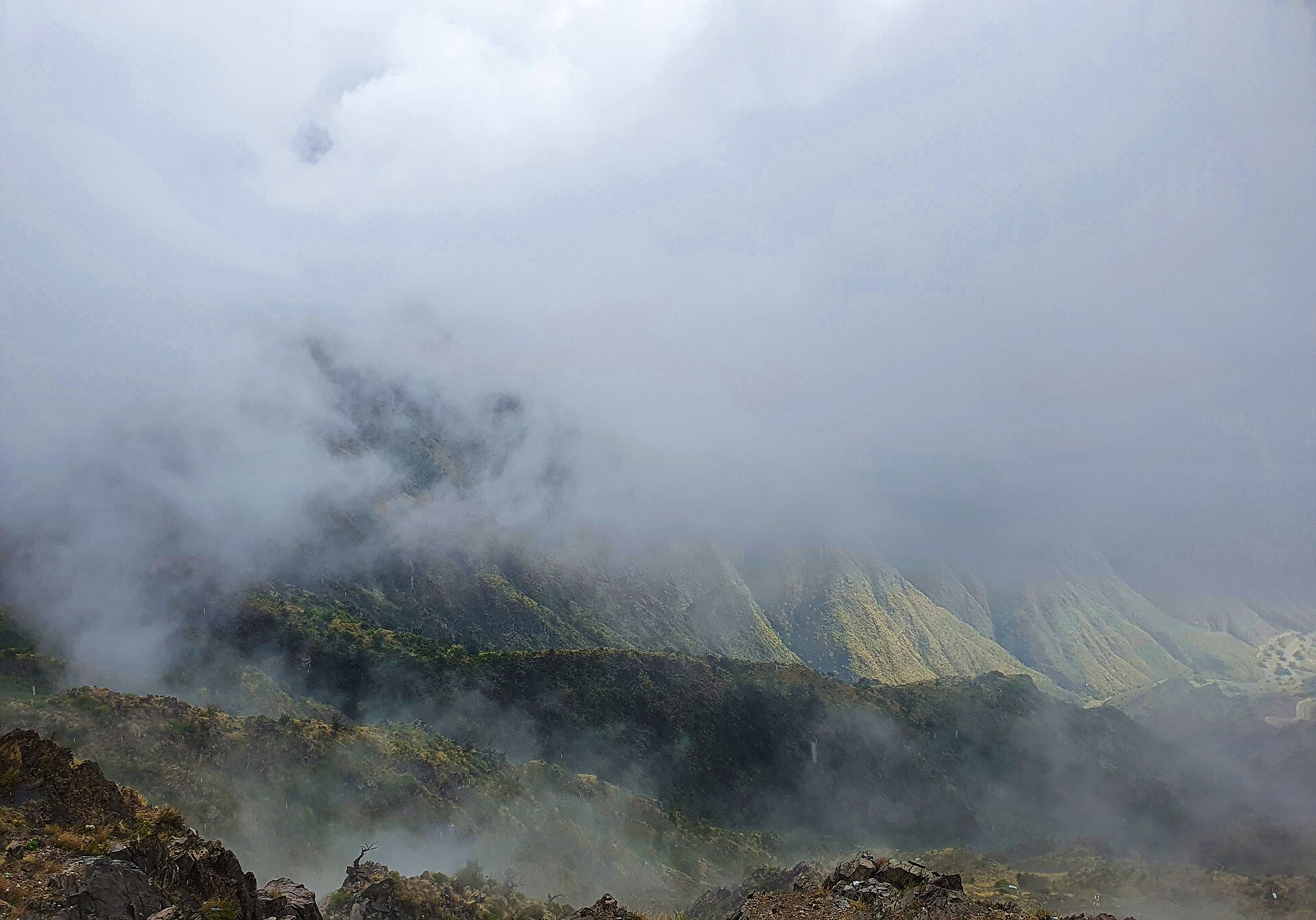
Abha: Saudi Arabia’s Premier Summer Capital
Sitting at 2,270 metres in the heart of the Asir region, Abha is the undisputed queen of Saudi summer retreats. When Riyadh bakes at 50°C in July, Abha’s daytime highs hover around 28–29°C with cool, misty evenings that often require a jacket. The city has served as the Kingdom’s unofficial summer capital for decades, and Saudi families flock here between June and September — filling hotels, crowding parks, and packing out the annual summer festival.
What to Do in Abha
Abha Cable Car (Al Soudah): The Abha cable car connects the city to the surrounding peaks, offering panoramic views over cloud-wrapped valleys and juniper-forested slopes. On clear mornings, the views extend all the way to the Tihama coastal plain far below. The ride runs daily and is one of the most popular summer activities in the region.
Al Soudah Park and Viewpoints: The area around Jebel Sawda, Saudi Arabia’s highest peak at 3,015 metres, is being transformed by the Soudah Development Company into a world-class mountain tourism destination under Vision 2030. Phase 1 (2024–2026) is underway, adding luxury hotels, restaurants, and wellness centres. Even now, the existing viewpoints and hiking paths offer some of the most dramatic scenery in the Arabian Peninsula — green ridges dropping into deep valleys, clouds drifting below your feet, and juniper forests that smell of rain.
Habala Hanging Village: About 55 kilometres south of Abha, the cliff village of Habala clings to a ledge 400 metres down a sheer rock face. Built over 370 years ago by the Qahtani tribe — who chose the inaccessible location to escape Ottoman pursuit — the stone houses are now reached by a cable car installed in the 1990s. The cable car operates primarily during the summer tourist season (May–October), making this a specifically summer destination. During peak months, members of the original community return to perform traditional dances and share their heritage with visitors.
Rijal Almaa Heritage Village: About 50 kilometres west of Abha, this 900-year-old village of 60 multi-storey stone towers — some reaching eight floors — sits on UNESCO’s Tentative World Heritage List. The buildings are decorated with Al-Qatt Al-Asiri geometric wall art, recognised by UNESCO as Intangible Cultural Heritage in 2017. A heritage museum inside one of the restored forts has been open since 1985. The drive from Abha descends through dramatic switchbacks into the Tihama lowlands, passing through several climate zones in under an hour.
The Summer Festival: The annual Asir Summer Festival runs through July and August, filling the city with live music, cultural performances, craft markets, and food stalls. The festival draws hundreds of thousands of domestic visitors, making it both the best and busiest time to visit.
Where to Stay in Abha
Abha has over 300 hotels ranging from budget guesthouses (from SAR 200/night, roughly $53) to mid-range options like Citadines Abha and the Abha Palace Hotel, and newer luxury properties arriving as part of the Soudah development. For the best summer experience, stay in the Al Soudah area above the city for cooler temperatures and mountain views, or in central Abha for easier access to restaurants and the souq. Book well ahead for July and August — rooms sell out fast. See our Saudi Arabia hotels guide for booking tips.
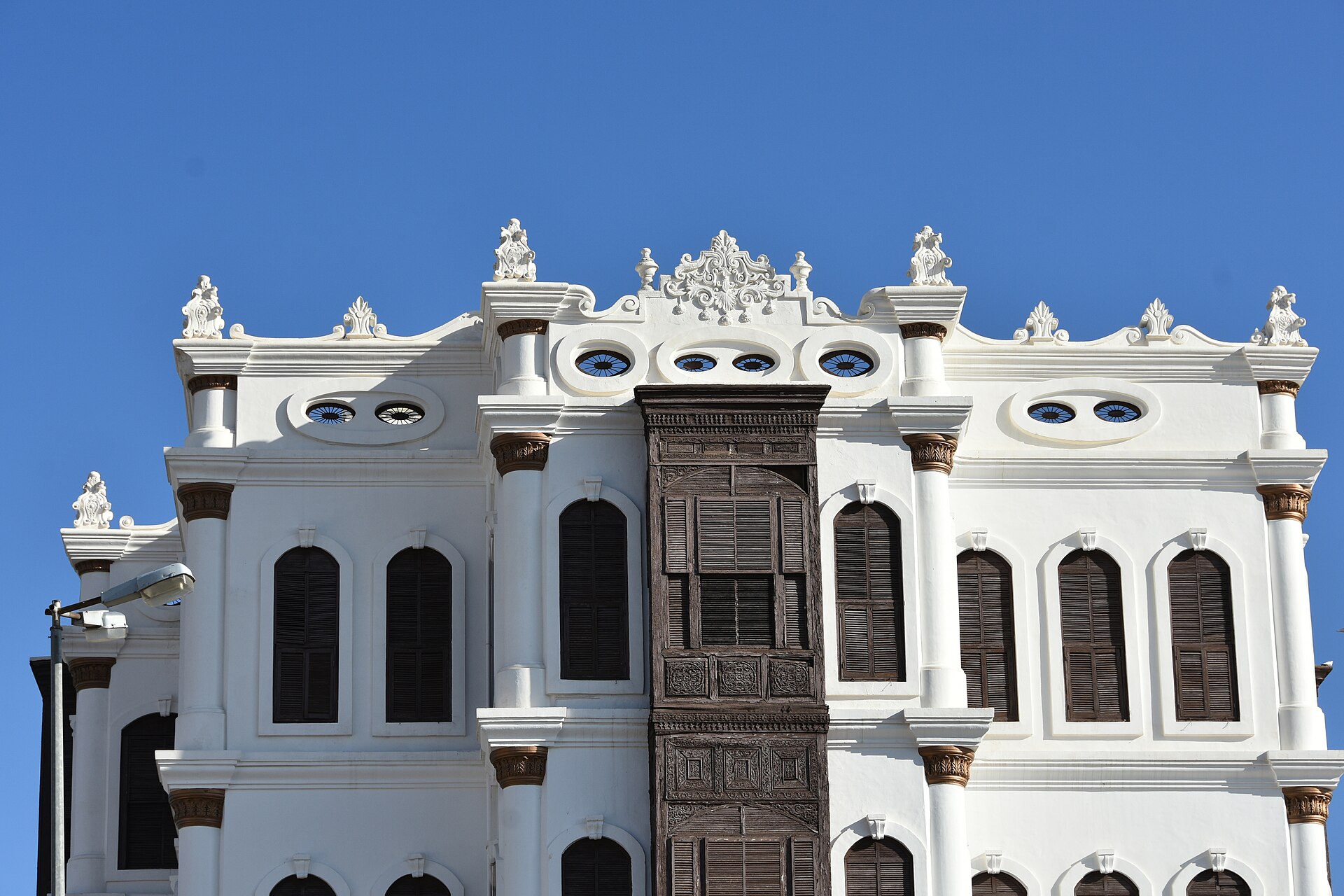
Taif: City of Roses and Royal Summer Retreat
Perched at 1,879 metres on the western slopes of the Sarawat range, Taif has been Saudi Arabia’s royal summer retreat since the Kingdom’s founding. King Faisal held court here in summer, and the tradition continues — the city remains the most accessible highland escape for residents of Jeddah and Mecca, sitting just 100 kilometres east of the Holy City via a dramatic mountain highway.
Taif is warmer than Abha (July highs around 36°C), but the lower humidity, mountain breezes, and cool evenings make it vastly more comfortable than the lowlands. It’s also the easiest highland to reach — the city has its own airport (TIF), and the drive from Jeddah takes under two hours.
Taif’s Top Summer Attractions
Rose Farms and the Ward Taifi: Taif’s 900-plus rose farms produce the Ward Taifi, a 30-petalled damask rose that gives the city its famous “City of Roses” epithet. The main harvest runs for 35–45 days from late March, but rose-water distillation continues into early summer, and the city’s parks and gardens remain fragrant throughout the season. You can visit working farms, watch the traditional copper-pot distillation process, and buy fresh rose oil directly from producers.
Al Hada Cable Car: The Taif cable car at Al Hada runs 1,550 metres from the upper station down to Al Kar Tourist Village at the base of the mountain. The 15-minute ride offers panoramic views over deep valleys and dramatic cliff faces. Open daily 9am–8pm; tickets approximately SAR 84 ($22).
Shubra Palace: This ornate former royal residence, built in the early 20th century, now serves as a museum showcasing Taif’s heritage. The building itself — with its blend of Hijazi and Ottoman architectural styles — is worth the visit. Check ahead for current opening hours, as the palace has been subject to intermittent closures.
Al Shafa Highland Area: About 28 kilometres southwest of Taif, Al Shafa sits even higher than the city and is famous for its fruit orchards — grapes, pomegranates, figs, and peaches grow in terraces carved into the mountainside. The area attracts peak visitor numbers from June to August and offers some of the best sunset viewpoints in the Hijaz.
Al Rudaf Park: Taif’s main public green space features rose gardens, musical fountains with evening fire shows, and illuminated garden displays after dark. It’s the social heart of summer-evening Taif, when families gather after the heat of the day.
Where to Stay in Taif
Hotels in Taif start from around $41/night. The Ramada by Wyndham Al Hada sits within walking distance of the cable car, while Le Meridien Al Hada offers mountain-view rooms at a higher tier. Central Taif city has more dining and shopping options but less dramatic views. During Ramadan and the summer months, prices rise and availability tightens.
Al Baha: The Quiet Highland Alternative
Sitting between Taif and Abha — both geographically and in character — Al Baha is often overlooked by international visitors. That’s a mistake. Known as the “Garden of the Hijaz,” Al Baha sits above 2,500 metres and is surrounded by more than 50 forests, making it arguably the greenest region in the entire Kingdom. Summer daytime highs hover around 32°C with pleasant evenings dipping into the low 20s.
What to See in Al Baha
Raghadan Forest Park: Al Baha’s most popular attraction, Raghadan sits at high altitude and offers panoramic views of the surrounding mountains. The park features family seating areas, barbecue zones, an open-air theatre for summer performances, walking trails through dense forest, and — since 2024 — a zipline adventure course through the tree canopy.
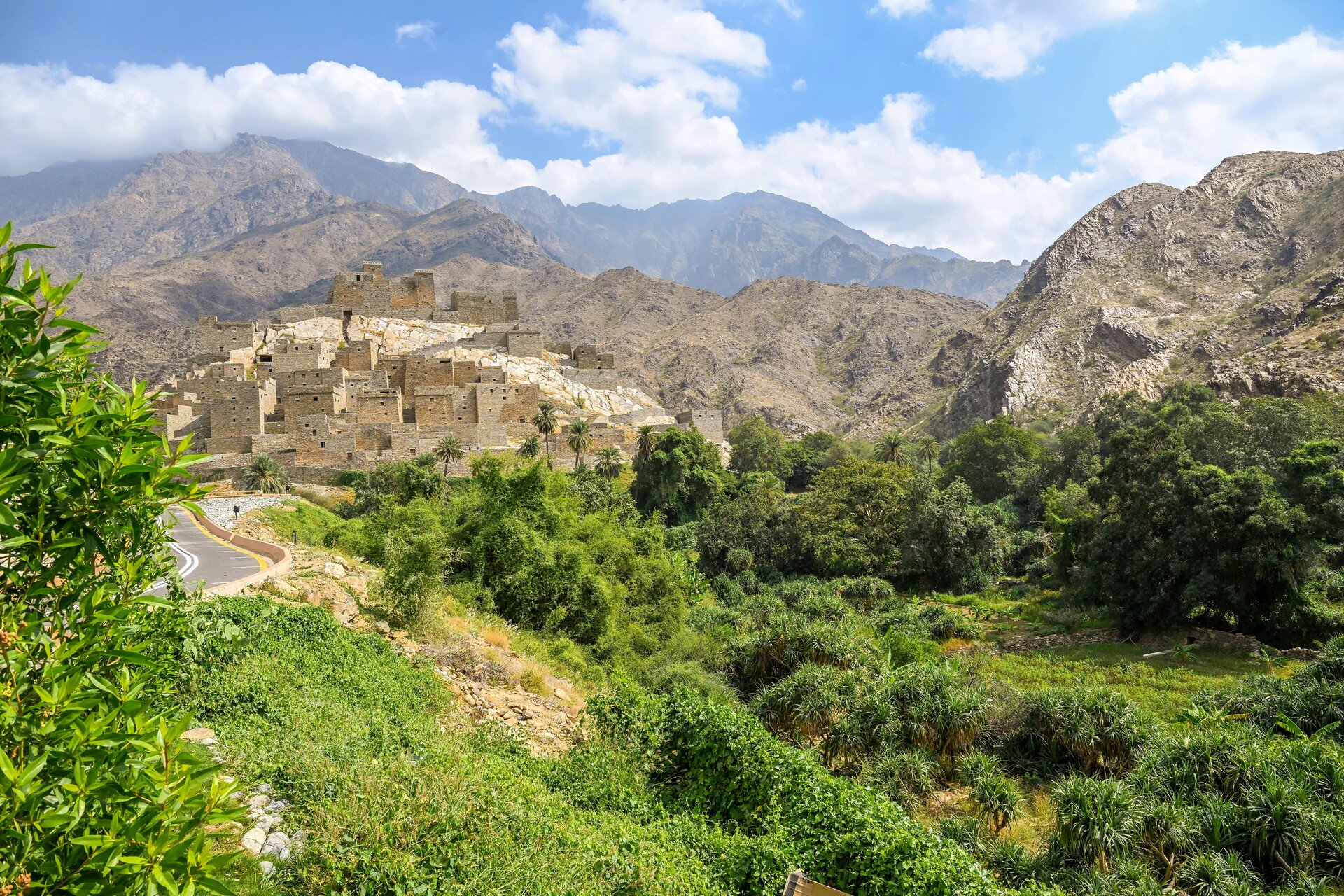
Thee Ain (Marble Village): One of Saudi Arabia’s most photogenic heritage sites, Thee Ain is a 400-year-old village of stone houses built into a white marble hillside above terraced farms and date palms. The village sits at the junction of the highlands and the Tihama plain, meaning the surrounding landscape shifts dramatically within a short drive. It’s on Saudi Arabia’s UNESCO Tentative List.
Shada Mountain Reserve: A protected area with unique geology and wildlife, including Arabian leopard habitat. Hiking trails of varying difficulty wind through the reserve, offering views across the southern Hijaz.
The Honey Festival: Al Baha is famous across Saudi Arabia for its mountain honey. The annual International Honey Festival celebrates local beekeeping traditions with tastings, competitions, and sales of single-origin honey harvested from mountain wildflowers.
Getting to Al Baha: Al Baha has a small airport (ABT) with limited flights. Most visitors drive — it’s approximately 3 hours south of Taif or 4 hours north of Abha along the scenic Sarawat mountain highway. The drive itself, winding along ridgelines with views across forested valleys, is one of the best road trips in Saudi Arabia. Rent a car using our Saudi Arabia rental car guide.
Tanomah: Cloud Forests and Waterfalls
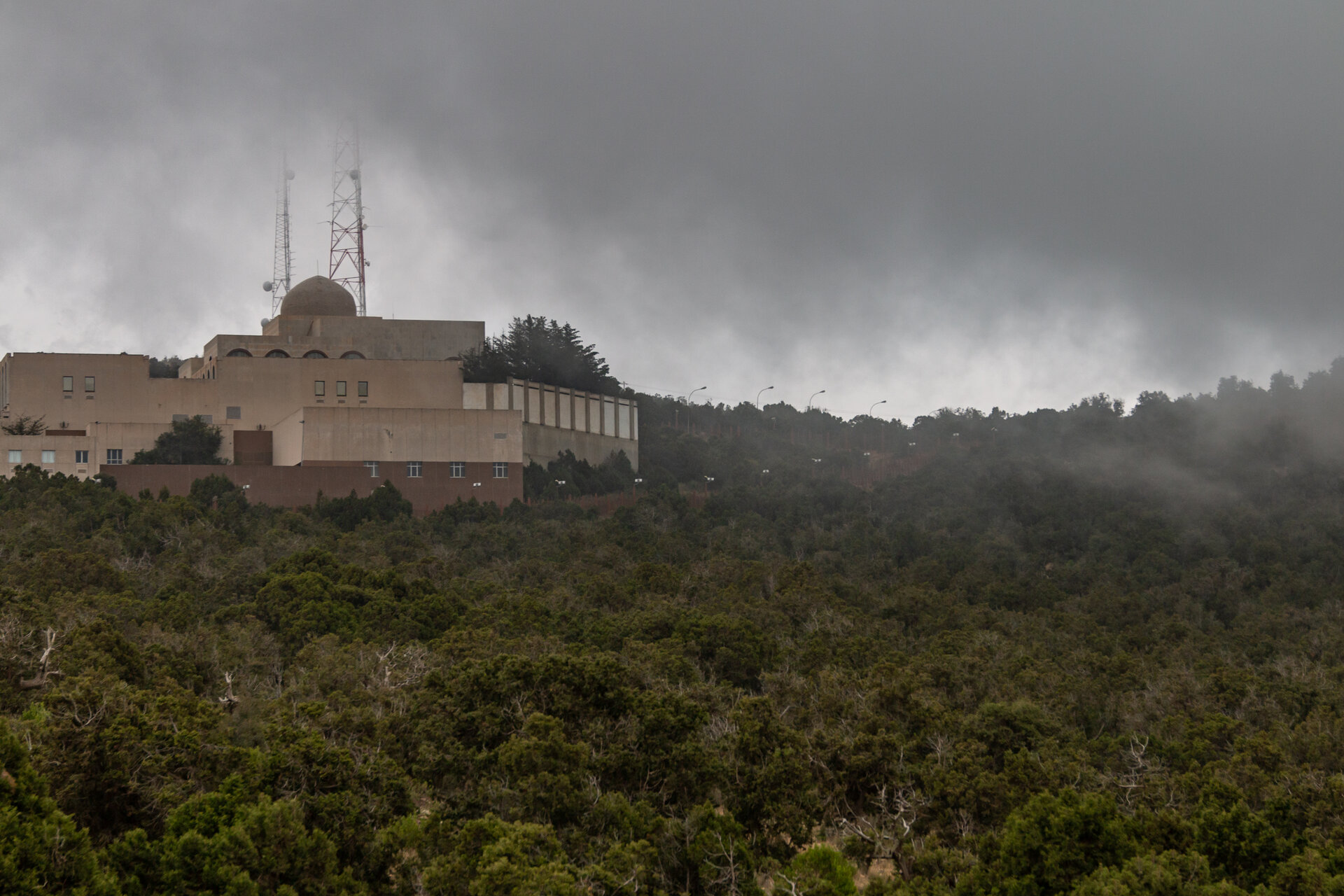
Between Abha and Al Baha, the small mountain town of Tanomah offers some of the most atmospheric highland scenery in Saudi Arabia. Thick juniper forests cover the hillsides, and early mornings regularly bring mist and fog that wraps around the mountains, creating a landscape that looks more like East Africa than Arabia.
Tanomah Waterfall: During the summer monsoon (July–August), seasonal waterfalls appear across the Tanomah area as rainfall increases. Trails around the main waterfall allow hikers to explore the forest, walking through groves of juniper trees and along water channels. The best time to visit is late June through August when water flow is strongest.
Birdwatching: Tanomah’s cloud forests are home to some of the rarest bird species in Saudi Arabia, making it a destination for serious birdwatchers during the summer breeding season.
Al Namas Reservoir: About 40 minutes south of Tanomah, the reservoir offers kayaking, picnic spots, and a different kind of highland landscape — open water surrounded by green mountains.
Jebel Sawda: Summit of the Arabian Peninsula
At 3,015 metres, Jebel Sawda is Saudi Arabia’s highest point and one of the most rewarding summer hikes in the Kingdom. Located about 20 kilometres from Abha, the mountain offers a challenging full-day trek with an elevation gain of over 1,000 metres.
The trail starts in dry, cactus-filled terrain, passes through a mossy cloud forest as you gain altitude, and emerges onto a windswept ridge with views across the entire Asir region. On clear days, you can see the Tihama coastal plain stretching toward the Red Sea. On misty days — common in July and August — you walk through clouds.
The full hike covers approximately 14.5 kilometres and takes 6–7 hours. It’s rated as difficult and requires reasonable fitness. Carry water, sun protection, and a warm layer for the summit — temperatures at the top can be 10°C cooler than at the base.
Hiking safety: Summer rain can make mountain trails slippery. Start early in the morning, tell someone your route, and check local conditions. For more highland trail options, see our Saudi Arabia hiking trails guide.
Khamis Mushait: Gateway to the Highlands
Khamis Mushait, the Asir region’s largest city, sits at 2,056 metres elevation just 30 kilometres east of Abha. While not a tourism destination in itself, it’s the commercial and logistical hub for the highlands — with larger shopping centres, more restaurant options, and often cheaper accommodation than Abha. Many visitors use it as a base for day trips to Abha, Habala, and Jebel Sawda.
The city hosts the famous Tuesday Market (Souq al-Khamis), one of the oldest traditional markets in the region, where you can find local honey, Asiri daggers, handwoven textiles, and seasonal fruit.
Planning Your Highland Summer Trip
Getting There
By air: Saudia, flynas, and flyadeal operate direct flights to Abha (AHB) from Riyadh (90 minutes), Jeddah (75 minutes), and Dammam (2 hours). Taif (TIF) is served by direct flights from Riyadh and seasonal routes from other cities. Book summer flights early — the Riyadh-to-Abha route fills up weeks in advance.
By road: Driving is the best way to explore the highlands, especially if you want to combine Taif, Al Baha, and Abha in a single trip. The Sarawat mountain highway connecting all three is one of the most scenic drives in the Middle East — allow 3 hours between each city. See our driving guide for road rules and licence requirements.
How Long to Spend
| Itinerary | Duration | Highlights |
|---|---|---|
| Abha weekend | 2–3 nights | Cable car, Al Soudah viewpoints, Habala, Rijal Almaa |
| Taif weekend | 2 nights | Rose farms, Al Hada cable car, Al Shafa orchards |
| Highland road trip | 7–10 nights | Taif → Al Baha → Tanomah → Abha → Jebel Sawda → Habala |
| Active adventure | 5–7 nights | Jebel Sawda hike, Tanomah trails, paragliding, Raghadan zipline |
When Exactly to Go
June: The highland season is just starting. Hotels are available, prices are lower, and the monsoon hasn’t fully arrived. Good for hiking before the rains.
July–August: Peak season. The greenest landscapes, the most dramatic mist and fog, summer festivals in full swing — but also the most crowded and expensive. Expect heavy fog on mountain roads, especially early morning and late evening. Book accommodation 4–6 weeks ahead.
September: The monsoon is fading but the greenery remains. Fewer crowds than July–August, more moderate temperatures, and better visibility for hiking and photography. Arguably the sweet spot.
What to Pack for the Highlands
- Light jacket or fleece — essential for Abha evenings and the Jebel Sawda summit
- Rain jacket — July and August bring genuine rainfall in the Asir
- Hiking shoes — trails get muddy and slippery during the monsoon
- Sun protection — UV is strong at altitude even when temperatures are moderate
- Camera — the mist, green mountains, and heritage villages are exceptionally photogenic
- Tabuk and the northwest: The Tabuk region sits at moderate elevation (770m) and has hot but drier summers than the coast. The real draw is NEOM’s coastline and Wadi Disah, though summer temperatures still reach 40°C.
- Red Sea coast at dawn and dusk: While daytime heat is fierce, the Red Sea coast offers world-class diving and snorkelling year-round. Summer water temperatures are warm (30°C+) with excellent visibility.
- Indoor Riyadh: The capital’s air-conditioned mega-malls, museums, and entertainment complexes make summer bearable — and hotel prices drop significantly.
- Abha and the Asir Region — The complete guide to Saudi Arabia’s mountain escape
- Taif Travel Guide — Rose farms, mountain air, and royal heritage
- Al Baha Guide — Forests, honey, and the marble village of Thee Ain
- Best Time to Visit Saudi Arabia — Month-by-month climate and events breakdown
- Saudi Arabia Weather by Region — When to visit each city
- Saudi Arabia Hiking Trails — The best treks across the Kingdom
- Saudi Arabia Visa Guide — Every visa type explained
Budget Breakdown
| Category | Budget | Mid-Range | Comfort |
|---|---|---|---|
| Hotel per night | SAR 200–350 ($53–93) | SAR 400–700 ($107–187) | SAR 800+ ($213+) |
| Meals per day | SAR 60–100 ($16–27) | SAR 120–200 ($32–53) | SAR 250+ ($67+) |
| Car rental per day | SAR 120–180 ($32–48) | SAR 200–350 ($53–93) | SAR 400+ ($107+) |
| Activities | SAR 50–100 ($13–27) | SAR 100–250 ($27–67) | SAR 300+ ($80+) |
| Daily total | $115–195 | $220–400 | $465+ |
Health and Safety
Altitude: Abha sits at 2,270 metres and Jebel Sawda at 3,015 metres. Most visitors from sea level will feel no effects, but if you’ve flown directly from the coast, take it easy on the first day — especially if planning strenuous hikes.
Mountain roads: The highways connecting Taif, Al Baha, and Abha include dramatic switchbacks and steep descents. Fog can reduce visibility to near-zero in July and August mornings. Drive slowly, use headlights in fog, and avoid mountain roads at night if possible. Check our Saudi road rules guide for speed camera locations.
Wildlife: The Asir highlands are home to baboons, which are common along roadsides and in parks. Don’t feed them and keep car windows closed when stopped. The critically endangered Arabian leopard inhabits remote areas of the Sarawat range but is rarely seen.
Beyond the Mountains: Other Cool-Weather Options
If you can’t make it to the southwest, a few other options offer partial relief from the summer heat: