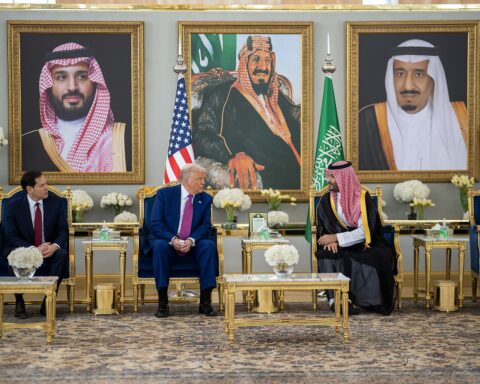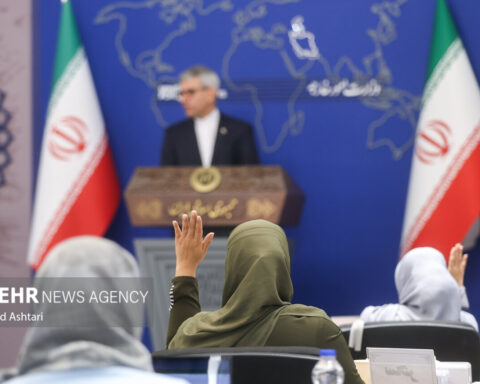

RIYADH — Iran’s foreign minister declared on March 8 that Tehran will not seek a ceasefire, telling NBC News that his country needs “to continue fighting for the sake of our people.” One day earlier, President Donald Trump demanded Iran’s “unconditional surrender” as the price for ending American strikes. Between these two maximalist positions lies a diplomatic vacuum so vast that no mediator, ally, or institution has found a way to cross it — and Saudi Arabia, the country suffering the most collateral damage from a war it did not start, has almost no ability to close the gap.
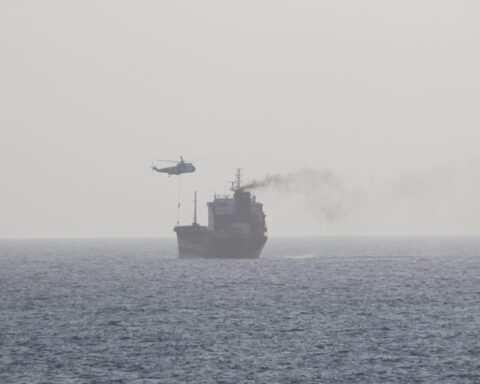
Ten days into the most significant Middle Eastern conflict since the 2003 invasion of Iraq, the question dominating every foreign ministry from Muscat to Beijing is not who is winning but how this war ends. Brent crude has breached $110 per barrel. Iranian drones have struck Saudi residential areas, killing two civilians in Al-Kharj on March 8. The Strait of Hormuz is functionally closed. And yet the diplomatic architecture needed to produce a ceasefire does not exist. No framework. No trusted intermediary. No conditions acceptable to both sides. The war, in other words, is running on its own logic now — and the off-ramp everyone is searching for may not exist at all.
Table of Contents
- Why Has Iran Refused to Negotiate a Ceasefire?
- What Is Washington Demanding Before It Stops?
- The Asymmetry That Kills Every Negotiation Before It Starts
- Who Could Mediate Between Washington and Tehran?
- Why Does Saudi Arabia Need Peace More Than Any Other Party?
- The War That Broke Its Own Off-Ramp
- Who Actually Controls the War Inside Iran?
- The Ceasefire Readiness Matrix
- Can the Global Economy Force a Ceasefire?
- The Three Scenarios for How This War Ends
- Frequently Asked Questions
Why Has Iran Refused to Negotiate a Ceasefire?
Iran’s rejection of a ceasefire is not a bargaining tactic. It reflects a convergence of institutional distrust, internal politics, and strategic calculation that makes any negotiated pause functionally impossible from Tehran’s side — at least for now.
Foreign Minister Abbas Araghchi stated the position with unusual clarity in an NBC News interview on March 8: “We are not asking for a ceasefire, and we don’t see any reason why we should negotiate.” He elaborated in a separate interview with The National, demanding that the United States and Israel “explain why they started this aggression before we come to the point to even consider a ceasefire.” Iran’s parliament speaker echoed the message, declaring that Tehran is “not seeking a ceasefire.”
Three factors drive this posture.
The first is institutional memory. Iran negotiated with the United States twice in recent years — the 2015 Joint Comprehensive Plan of Action and the backchannel talks through Oman that nearly produced a breakthrough in February 2026. Both ended in what Tehran perceives as American betrayal. The JCPOA collapsed when Trump withdrew in 2018. The Oman talks collapsed when American and Israeli bombs fell on Tehran hours after Oman’s foreign minister declared peace was “within reach.” Araghchi made this point explicitly: “Negotiate with the U.S. when we negotiated with them twice, and every time they attacked us in the middle of negotiations?”
The Middle East briefing 3,000+ readers start their day with.
One email. Every weekday morning. Free.
The second factor is domestic politics. Hardline voices within Iran’s security establishment have framed any ceasefire as capitulation. One senior Revolutionary Guard commander reportedly argued, “Why retreat from the military strategy of the ‘martyred imam’ when we are on the verge of selecting a new leader? Any ceasefire is treason.” With the Assembly of Experts having just installed Mojtaba Khamenei as the new supreme leader, no faction wants to appear weak during a succession that remains politically fragile.
The third factor is strategic calculation. Despite absorbing devastating strikes on its nuclear and military infrastructure, Iran retains a significant ballistic missile arsenal and a network of regional proxies that continue to impose costs on the coalition. Tehran’s leadership calculates that time favours Iran — that American public opinion will turn against the war before Iran’s military capacity is fully degraded. This is a bet, not a certainty, but it shapes every decision coming out of Tehran.
What Is Washington Demanding Before It Stops?
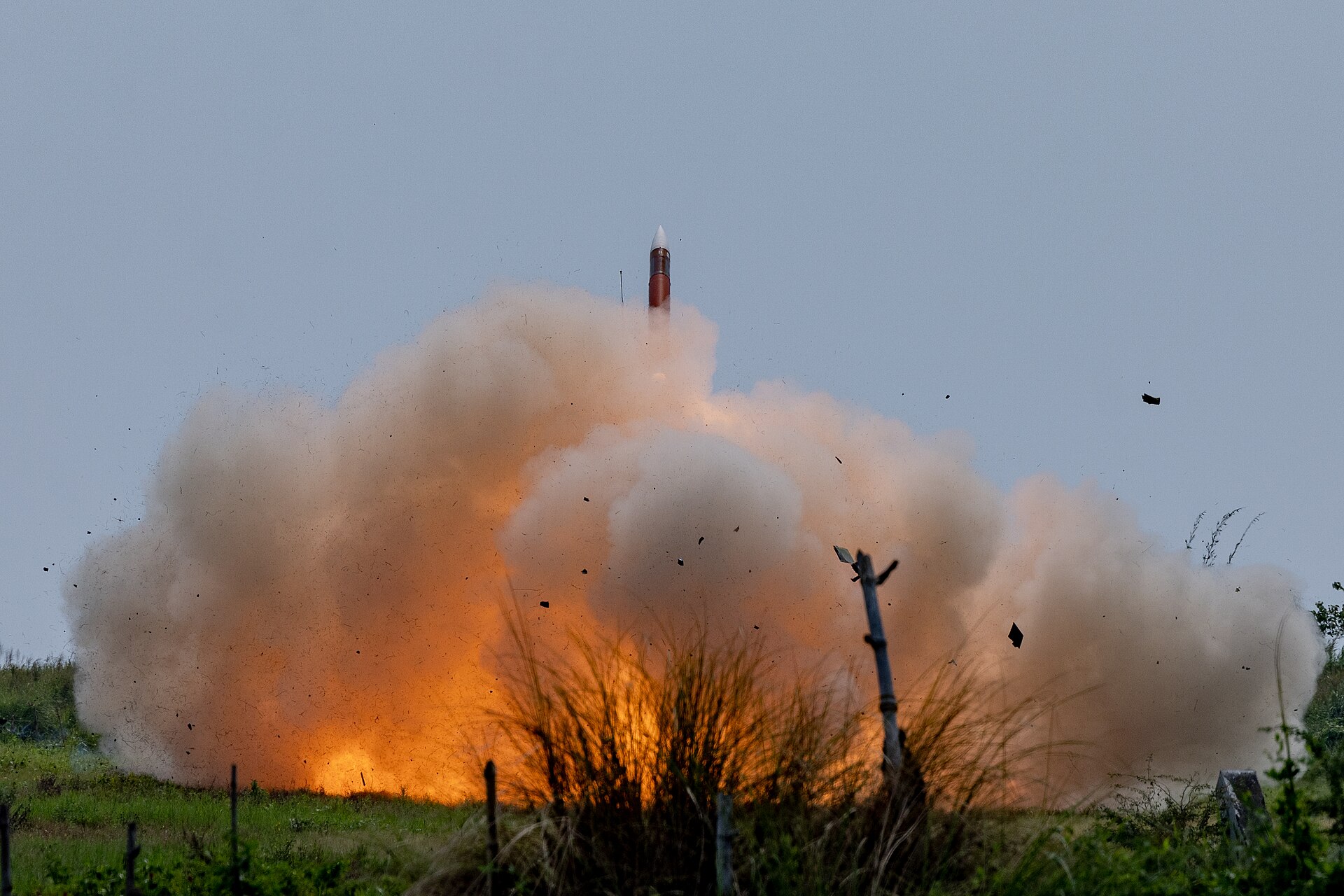
The Trump administration’s war aims have shifted at least three times in ten days, creating a moving target that makes negotiation structurally impossible. Iran cannot agree to terms that change by the news cycle.
In the hours following the initial strikes on February 28, Trump urged Iranian citizens to “take over your government,” signalling regime change as the objective. A day later, he indicated to The New York Times that he was open to a Venezuela-style outcome — the existing regime stays but cooperates with American demands. By March 6, speaking to Axios, Trump had escalated to demanding “unconditional surrender,” defining it as the point where Iran “can’t fight any longer because they don’t have anyone or anything to fight with.”
White House press secretary Karoline Leavitt subsequently clarified four specific objectives: destroying Iran’s navy, eliminating its ballistic missile threat, ensuring it cannot obtain a nuclear weapon, and weakening its regional proxies. She estimated the war would continue for “approximately four to six more weeks.”
The gap between these positions and anything Iran could accept is not a gap — it is a chasm. “Unconditional surrender” is a term with specific historical resonance. It was last demanded of a sovereign state by the Allies in 1945. It implies the complete subjugation of the enemy’s will, the dismantling of its military capacity, and the acceptance of terms dictated entirely by the victor. No Iranian government — not the reformists, not the pragmatists, not even a post-revolutionary democratic government — could accept such terms and survive politically.
The demand also creates a problem for potential mediators. Oman, Turkey, and China have all called for a ceasefire. But a ceasefire implies a negotiated pause in which both sides retain sovereignty and bargaining power. “Unconditional surrender” implies the absence of negotiation entirely. Mediators cannot bridge that conceptual divide.
The Asymmetry That Kills Every Negotiation Before It Starts
The fundamental obstacle to a ceasefire is not diplomatic incompetence or insufficient mediator effort. It is a structural asymmetry in war aims that makes the two sides’ minimum acceptable outcomes mutually exclusive.
Iran’s minimum position, as articulated by its surviving leadership, requires three things: an end to strikes on Iranian territory, recognition of Iran’s sovereignty, and accountability for the killing of Supreme Leader Ali Khamenei on February 28. Tehran frames the war as an act of unprovoked aggression — which, from the perspective of international law, it arguably was — and demands that any settlement acknowledge this. Those broad principles have since crystallized into concrete demands: Tehran is now requiring reparations for war damage and binding security guarantees before it will consider any cessation of hostilities, further widening the gap with Washington’s maximalist position.
Washington’s minimum position, as articulated by the Trump administration, requires four things: the destruction of Iran’s nuclear capability, the elimination of its ballistic missile force, the severance of its proxy network, and regime behaviour change. These are not ceasefire conditions. They are victory conditions. A ceasefire, by definition, freezes the conflict in place. Washington’s demands require Iran to be fundamentally transformed before the shooting stops.
| Dimension | Iran’s Minimum | Washington’s Minimum | Gap |
|---|---|---|---|
| Territorial integrity | End all strikes on Iranian soil | Continue strikes until military targets destroyed | Irreconcilable |
| Nuclear programme | Retain sovereign right to enrichment | Complete denuclearisation | Irreconcilable |
| Military capacity | Retain ballistic missile deterrent | Eliminate missile force entirely | Irreconcilable |
| Regional proxies | Maintain “axis of resistance” | Sever all proxy relationships | Irreconcilable |
| Accountability | International inquiry into Khamenei killing | No accountability; “justified self-defence” | Irreconcilable |
| Regime status | Current system remains sovereign | Regime change or total compliance | Irreconcilable |
When every dimension of a conflict features irreconcilable positions, the conflict does not end through negotiation. It ends through exhaustion, military defeat, or an external shock so severe that one side recalculates. History suggests this process takes months, not weeks. The fact that this war is unfolding entirely during Ramadan adds a religious and humanitarian dimension that intensifies pressure on all parties but does not, by itself, produce the structural conditions for compromise.
Who Could Mediate Between Washington and Tehran?
Effective mediation requires three conditions: trust from both parties, influence over both parties, and a credible proposal that each side can present domestically as something other than defeat. No country currently meets all three conditions. Most meet none.
Oman is the natural candidate. Muscat mediated the secret talks that preceded the 2015 nuclear deal and hosted the indirect US-Iran negotiations that nearly produced a breakthrough in February 2026. Foreign Minister Badr bin Hamad Al Busaidi has urged a ceasefire and spoken directly with Araghchi, who told him Tehran was “open to any serious efforts at de-escalation.” But Oman’s influence is fundamentally limited. It can host talks and carry messages. It cannot compel either side to accept terms. More importantly, Oman’s credibility as a neutral party took a blow when the war began during active Omani-mediated negotiations — a sequence that some in Tehran interpret as Oman being used as diplomatic cover for the strikes. Yet Oman’s back channel to Tehran remains the only functioning diplomatic link between the warring parties, sustained by three decades of institutional trust that no other country can replicate. Prince Faisal bin Farhan’s wartime diplomatic approach has shaped these efforts significantly.
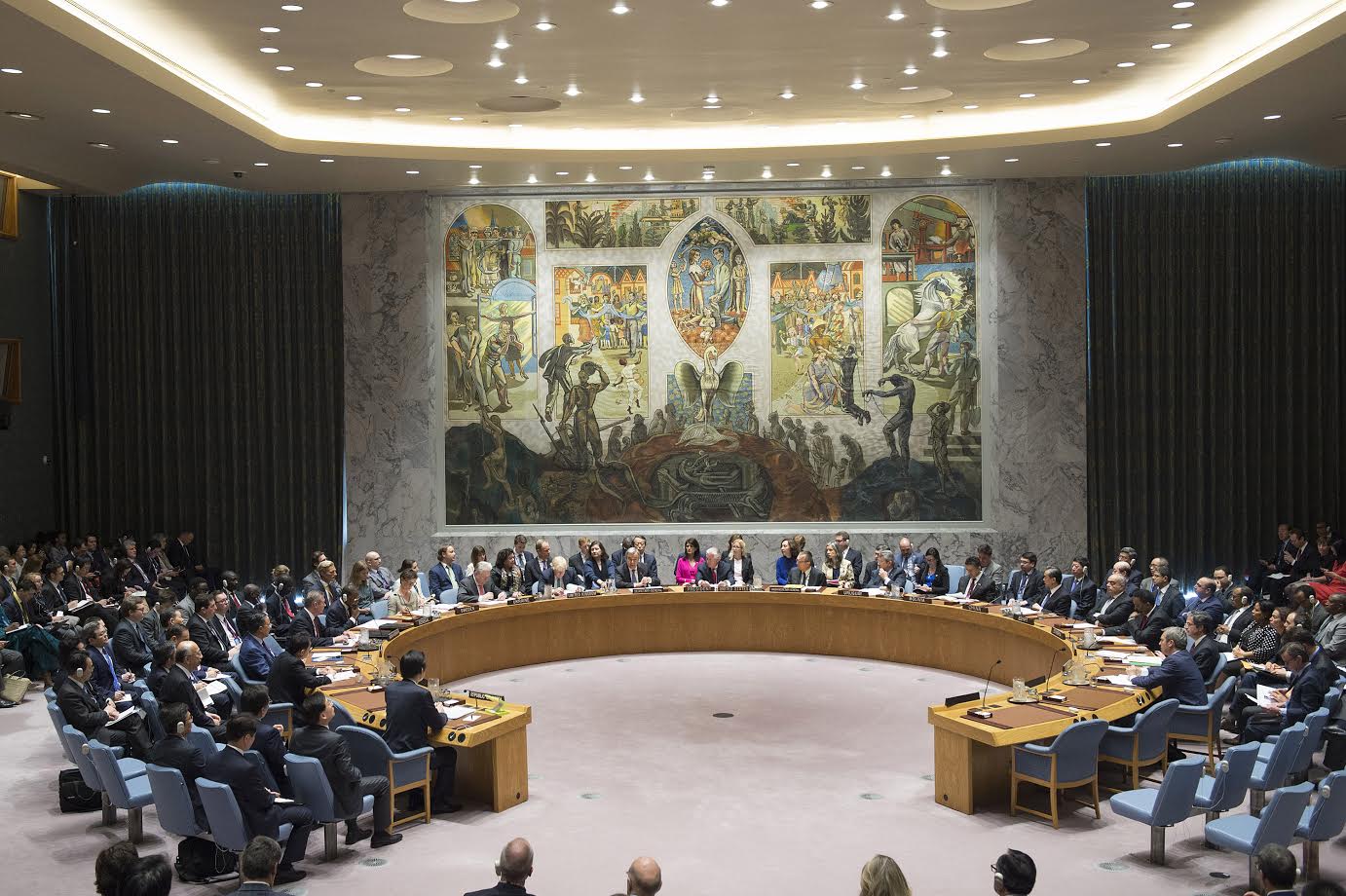
China has called for an immediate ceasefire and the resumption of dialogue. Foreign Minister Wang Yi convened phone calls with Russian, Iranian, French, and Omani counterparts. At the emergency UN Security Council session requested by Russia and China, Beijing outlined a three-point plan: stop military operations, return to dialogue, and oppose unilateral actions. But China’s position is weakened by two constraints. It lacks any military influence in the region. And preserving détente with the United States remains a strategic priority for Beijing — meaning China will not risk its broader relationship with Washington to save Iran. Beijing has since escalated its diplomatic efforts, dispatching special envoy Zhai Jun to Riyadh to meet Saudi Foreign Minister Faisal bin Farhan with a detailed five-point ceasefire proposal on March 8.
Russia condemned the strikes as “another unprovoked act of armed aggression” and joined China in pushing for an immediate ceasefire. But Russia’s credibility as a mediator is compromised by its own war in Ukraine, its diminished military capacity to project power beyond its borders, and its increasing irrelevance in Middle Eastern security architecture. Moscow can posture at the Security Council. It cannot shape events on the ground.
Turkey occupies an awkward middle position. President Erdoğan maintains relations with both Washington (as a NATO ally) and Tehran (as a neighbour and trading partner). But Turkey’s own involvement in northern Syria and its complex relationship with Kurdish groups in Iraq make it a conflicted actor, not a neutral one. Ankara has called for a ceasefire but lacks the institutional framework to deliver one.
| Mediator | Trust (Iran) | Trust (US) | Influence (Iran) | Influence (US) | Overall |
|---|---|---|---|---|---|
| Oman | High | Medium | Low | Low | Insufficient |
| China | Medium | Low | Medium | Low | Insufficient |
| Russia | Medium | Very Low | Low | None | Insufficient |
| Turkey | Medium | Medium | Low | Low | Insufficient |
| Saudi Arabia | Low | High | Low | Medium | Insufficient |
| United Nations | Medium | Very Low | None | None | Insufficient |
The deficit is stark. Every potential mediator either lacks trust from one side, influence over both, or both. Saudi Arabia’s own efforts to broker peace are hamstrung by its position as a US security partner and an active target of Iranian strikes — it cannot be simultaneously a belligerent and a mediator. The international system has no institution capable of filling this gap. The UN Security Council is paralysed by the US veto. The International Court of Justice has no enforcement mechanism. The Arab League — which issued its strongest-ever collective condemnation of Iran on March 8 and invoked Article 51 collective defense rights — lacks credibility with Tehran precisely because of that escalatory posture. The diplomatic cupboard, in short, is bare.
Why Does Saudi Arabia Need Peace More Than Any Other Party?
The conventional framing of this war positions Iran as the victim and the United States and Israel as the aggressors. That framing, while legally defensible, misses the country absorbing the most asymmetric damage relative to its involvement: Saudi Arabia.
The Kingdom did not initiate this war. It was not consulted before the February 28 strikes, according to Bloomberg reporting that senior Saudi officials expressed anger at the “scale and timing” of the US-Israeli operation. Saudi territory was not used to launch attacks on Iran. Yet Saudi Arabia has absorbed Iranian drone strikes on its diplomatic quarter in Riyadh, ballistic missiles aimed at Prince Sultan Air Base, drone swarms targeting the Shaybah oil field, and a projectile that killed two civilians in Al-Kharj. The Saudi Defence Ministry has intercepted at least 21 drones and multiple ballistic missiles in a single 24-hour period.
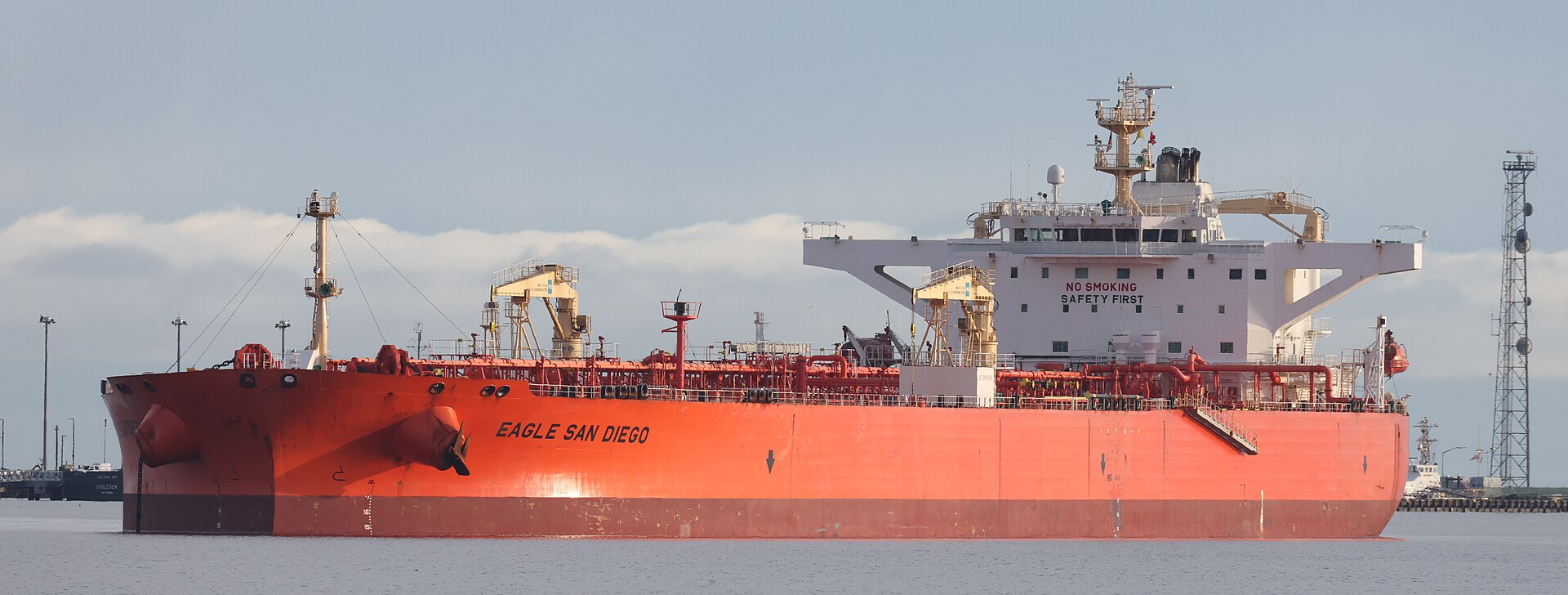
The economic damage is mounting rapidly. Saudi Arabia has been forced to cut oil output as the Hormuz blockade fills storage capacity. Oil prices above $110 per barrel generate windfall revenue in theory but devastate the Kingdom’s downstream economy, import costs, and the purchasing power of its 13 million expatriate workforce. The three-front war that Crown Prince Mohammed bin Salman now manages — military defence, diplomatic positioning, and economic stabilisation — is consuming institutional bandwidth that was earmarked for Vision 2030’s third phase. The pressure has intensified as G7 energy ministers prepare to discuss a coordinated emergency oil reserve release of up to 400 million barrels, a move that could reshape the economic dynamics driving all parties toward or away from a deal.
The International Monetary Fund has estimated that every sustained 10 percent rise in oil prices produces a 0.4 percent increase in global inflation and a 0.15 percent reduction in global economic growth. At current prices, the war is shaving approximately 0.6 percent off global GDP growth — a cost borne disproportionately by energy-importing developing nations whose purchasing power for Saudi non-oil exports is collapsing.
“They have to explain why they started this aggression before we come to the point to even consider a ceasefire.”Abbas Araghchi, Iranian Foreign Minister, March 8, 2026
Crown Prince Mohammed bin Salman has deployed every diplomatic tool available. He has spoken with the leaders of the United Kingdom, Kuwait, Spain, Ukraine, Turkey, and Bahrain in the past week alone. He conveyed a message to Gulf Cooperation Council leaders urging them to “avoid taking any steps that could trigger a response by Tehran or its proxies,” according to Middle East Eye. Saudi officials are communicating with the Iranian ambassador in Riyadh on a near-daily basis, reiterating that Saudi territory is not being used to attack Iran. But Saudi authorities, Bloomberg reported, “don’t have high confidence they can stop the war at this stage.”
The Kingdom is in the worst possible position: too close to Washington to be trusted by Tehran, too dependent on American security guarantees to break with Washington, and too exposed geographically to avoid the consequences of a war fought over its airspace and across its oil infrastructure.
The War That Broke Its Own Off-Ramp
The most instructive historical parallel for the current conflict is not the Gulf War of 1991 or the Iraq invasion of 2003 but the Iran-Iraq War of 1980–1988 — a conflict that lasted eight years because both sides refused ceasefire terms that the other could accept, even when the military logic of the war had long been exhausted.
In June 1982, Iraq announced it wanted to sue for peace. Saddam Hussein proposed an immediate ceasefire and withdrawal from Iranian territory within two weeks. Ayatollah Khomeini rejected the offer. His conditions — a new government installed in Baghdad and reparations paid to Iran — were as maximalist as Trump’s “unconditional surrender” demand is today. One faction within the Iranian government, including then-President Ali Khamenei, wanted to accept the ceasefire. They were overruled.
The war continued for six more years. It cost approximately half a million soldiers and an equivalent number of civilians on each side. It ended not through negotiation but through Iraqi military success in the 1988 Tawakalna ala Allah operations — a series of offensives that recaptured the al-Faw Peninsula and convinced Tehran that continued fighting would lead to catastrophic territorial loss. Khomeini accepted UN Security Council Resolution 598, famously comparing it to “drinking poison.”
The pattern is disturbingly familiar. A war initiated with maximalist aims. A refusal to negotiate by the side that perceives itself as the aggrieved party. Maximalist counter-demands from the other side. Years of attrition before exhaustion produces the political conditions for compromise. The Iran-Iraq War brought neither reparations nor border changes — precisely the outcome that a 1982 ceasefire would have delivered without six additional years of slaughter.
The parallel is imperfect. The current conflict is an air and missile war, not a ground war of trenches and human waves. American technological superiority means the attrition curve is steeper for Iran. But the political dynamics — maximalist demands on both sides, no trusted mediator, domestic politics that punish compromise — are identical.
Who Actually Controls the War Inside Iran?
A ceasefire requires someone with the authority to agree to it. In Iran, that authority is fractured in ways that make the question of “who to negotiate with” genuinely unanswerable.
The Assembly of Experts named Mojtaba Khamenei as Iran’s third supreme leader on March 8, just over a week after his father’s death in the initial US-Israeli strikes. The appointment was backed by the Islamic Revolutionary Guard Corps, according to Iran International, but Mojtaba’s legitimacy is untested and his authority is, at best, provisional. He inherited the title but not the four decades of institutional relationships, clerical alliances, and security apparatus loyalty that his father built.
The IRGC’s role is particularly significant. Ali Khamenei had transferred key decision-making powers to the Supreme Council of the Revolutionary Guard Corps shortly after hostilities began, according to NBC News reporting. This means the IRGC — not the civilian government, not the foreign ministry, and possibly not even the new supreme leader — holds effective control over military strategy. President Masoud Pezeshkian may want peace, but the men with missiles do not answer to him.
Meanwhile, operatives from Iran’s Ministry of Intelligence have quietly reached out to the CIA to discuss terms for ending the conflict, according to the Jerusalem Post. But these contacts are complicated by Iran’s fractured leadership structure — it is unclear whether the intelligence officials making contact have the authority to negotiate, or whether they are acting independently of the IRGC chain of command. The activation of Iran’s Mosaic Defense doctrine has split the IRGC into 31 autonomous provincial commands, each operating on pre-authorized instructions that no civilian official can countermand.
| Actor | Formal Authority | Actual Influence | Ceasefire Position |
|---|---|---|---|
| Supreme Leader Mojtaba Khamenei | Commander-in-Chief | Untested, dependent on IRGC support | Unclear |
| IRGC Supreme Council | Delegated war powers | Dominant; controls military strategy | Against |
| President Pezeshkian | Head of government | Limited; excluded from war decisions | Favours de-escalation |
| Foreign Minister Araghchi | Diplomatic representative | Spokesperson, not decision-maker | Publicly rejects ceasefire |
| Ministry of Intelligence | None (advisory) | Backchannel to CIA | Seeking terms |
This fragmentation is itself a barrier to peace. Even if a mediator produced terms that Mojtaba Khamenei accepted, the IRGC could reject them. Even if the IRGC agreed, rogue commanders with access to ballistic missiles could continue strikes independently. The absence of a single decision-maker with uncontested authority means that any ceasefire agreement would need buy-in from at least three competing power centres — a negotiating challenge that makes the US-Iran position gap look simple by comparison.
The Ceasefire Readiness Matrix
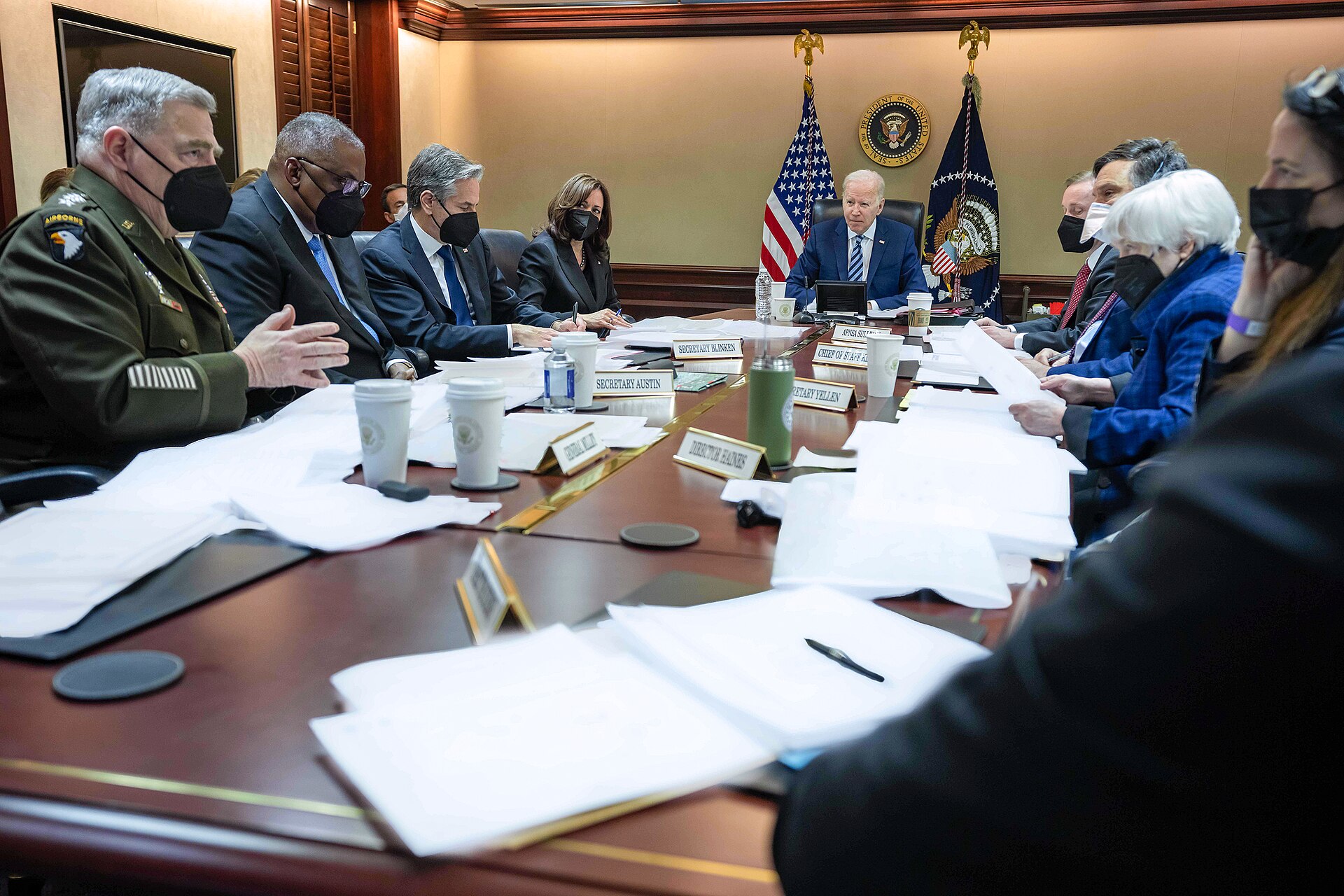
Ceasefire negotiations succeed when both parties simultaneously reach a point where the cost of continued fighting exceeds the cost of compromise. Assessing where each major actor stands on this calculus reveals why the current moment is so dangerous — and why the window for peace, if it exists, has not yet opened.
Five variables determine ceasefire readiness: military pressure (is continued fighting producing unacceptable losses?), domestic political space (can leaders sell a compromise without being overthrown?), economic sustainability (can the war economy hold?), institutional coherence (is there a unified command that can enforce a ceasefire?), and face-saving options (does a credible narrative exist that frames the ceasefire as something other than defeat?).
| Variable | Iran | United States | Israel | Saudi Arabia |
|---|---|---|---|---|
| Military pressure | 8/10 | 2/10 | 3/10 | 6/10 |
| Domestic political space | 2/10 | 5/10 | 3/10 | 7/10 |
| Economic sustainability | 3/10 | 8/10 | 5/10 | 6/10 |
| Institutional coherence | 3/10 | 7/10 | 8/10 | 9/10 |
| Face-saving options | 2/10 | 7/10 | 6/10 | 8/10 |
| Overall readiness | 3.6/10 | 5.8/10 | 5.0/10 | 7.2/10 |
The matrix reveals a cruel paradox. Saudi Arabia — the party with the highest ceasefire readiness at 7.2 out of 10 — has the least ability to influence the outcome. Iran — the party under the most military pressure — has the least domestic political space and the fewest face-saving options, producing the lowest overall readiness at 3.6. The United States, at 5.8, has moderate readiness but faces no existential pressure to compromise — American casualties remain low, the domestic economy is absorbing the oil price shock, and Trump’s political base supports the operation.
Ceasefire readiness is not static. It changes as the war imposes costs. The critical threshold is the point at which at least two of the three primary combatants (Iran, the United States, and Israel) simultaneously reach a readiness score above 7. At current trajectories, that convergence is at least four to six weeks away — roughly aligning with the White House’s own timeline estimate.
Can the Global Economy Force a Ceasefire?
The economic damage from this war is already significant and accelerating. Whether that damage can generate sufficient political pressure to force a ceasefire depends on who bears the costs — and the answer, so far, is that the costs are distributed in ways that favour continued fighting.
Brent crude surged from approximately $70 per barrel before the war to above $110 by March 9, a rise of more than 57 percent in ten days. At one point on March 1, prices topped $119 before retreating after the G7 finance ministers discussed a coordinated release of strategic petroleum reserves. The disruption to approximately 20 percent of global oil supplies transiting the Strait of Hormuz has produced the sharpest supply shock since the 1973 Arab oil embargo, according to Goldman Sachs.
But the pain is unevenly distributed. The United States, now a net energy exporter thanks to shale production, is partially insulated. American gasoline prices have risen 7.5 percent to $3.20 per gallon — noticeable but not politically catastrophic. Saudi Arabia is generating windfall oil revenues even as its economy absorbs infrastructure damage. The countries suffering most — energy-importing developing nations in South and Southeast Asia, sub-Saharan Africa, and the Pacific — have no influence over any party to the conflict.
Egypt’s president has declared his economy in a “state of near-emergency.” Djibouti’s finance minister warned of “severe economic consequences for developing countries.” But neither Egypt nor Djibouti can compel Washington, Tehran, or Jerusalem to stop fighting. The economic pressure that could force a ceasefire would need to be felt by the combatants themselves — and for now, the combatants are either absorbing the costs or benefiting from them.
The exception is Iran, whose economy is already under severe stress. Iranian oil exports have dropped to near zero under the weight of both pre-existing sanctions and the destruction of key export infrastructure by Israeli strikes. But economic pressure alone did not end the Iran-Iraq War for eight years. It is unlikely to end this one in ten days.
The Three Scenarios for How This War Ends
If no ceasefire is achievable in the near term, the war must end through one of three pathways. Each carries distinct implications for Saudi Arabia, the Gulf, and the regional order.
Scenario One: Negotiated De-Escalation (Probability: 25-30 percent within 60 days)
In this scenario, the war winds down through a series of reciprocal de-escalatory steps rather than a formal ceasefire agreement. The United States completes its target list and declares its military objectives “substantially achieved.” Iran, under mounting economic and military pressure, reduces the tempo and scale of retaliatory strikes. A tacit ceasefire emerges without either side formally agreeing to one — similar to the de-escalation that followed the June 2025 Twelve-Day War between Israel and Iran.
This scenario requires Trump to accept an outcome short of “unconditional surrender” and Iran’s IRGC to accept that continued strikes on Gulf states invite Saudi and Pakistani military involvement under the Strategic Mutual Defence Agreement. Neither condition is currently met, but both could emerge within weeks as costs mount.
For Saudi Arabia, this is the best available outcome. It preserves the Kingdom’s relationship with Washington, avoids direct military engagement with Iran, and allows a return to the economic normalcy that Vision 2030 requires.
Scenario Two: Protracted Conflict (Probability: 50-55 percent)
In this scenario, the war continues at varying intensity for months. The United States maintains air superiority and continues degrading Iranian military infrastructure. Iran continues retaliatory strikes on Gulf states and Israeli territory through its ballistic missile arsenal and proxy network. Saudi Arabia’s air defences hold but are stretched thin across thousands of kilometres of vulnerable infrastructure. Oil prices remain elevated. Global economic damage accumulates.
This is the Iran-Iraq War pattern — a conflict that runs until exhaustion produces the political conditions for compromise. The White House’s “four to six weeks” estimate may prove optimistic. If Iran retains sufficient missile stocks and proxy capacity, and if the IRGC leadership calculates that continued resistance serves its institutional interests, the war could extend to three months or longer.
For Saudi Arabia, this is a manageable but costly scenario. The Kingdom’s $74.76 billion defence budget and American-supplied air defence systems provide resilience, but every week of war diverts resources from economic development, damages investor confidence, and increases the risk of a catastrophic strike on critical infrastructure.
Scenario Three: Escalation to Regional War (Probability: 15-20 percent)
In this scenario, one or more tripwires produce a qualitative escalation. Possibilities include a major Iranian strike on a Saudi desalination plant or civilian airport, a Houthi closure of the Bab el-Mandeb strait, an Israeli ground invasion of Lebanon drawing in Hezbollah’s full arsenal, or an Iranian attack on a US aircraft carrier. Any of these events would transform the current air campaign into a multi-front regional war involving ground forces.
Saudi Arabia’s red line, as conveyed by Foreign Minister Prince Faisal bin Farhan to his Iranian counterpart, is clear: any further attack on Saudi territory or energy infrastructure will be met with a decisive military response and the Kingdom will grant the United States “unrestricted access to all Saudi military bases.” This is not an idle threat — it is a deterrent designed to prevent precisely this scenario. But deterrence can fail.
For Crown Prince Mohammed bin Salman, this scenario represents the nightmare case: Saudi Arabia drawn into a war it did not want, against a neighbour it spent years rebuilding relations with, on behalf of an American president whose objectives do not align with Saudi interests.
| Scenario | Probability | Duration | Saudi Economic Impact | Saudi Security Impact | Vision 2030 Impact |
|---|---|---|---|---|---|
| Negotiated de-escalation | 25-30% | 2-4 weeks | Moderate (temporary) | Low (defences hold) | Minor delay |
| Protracted conflict | 50-55% | 2-6 months | Severe (sustained disruption) | Medium (attrition risk) | Significant setback |
| Regional war escalation | 15-20% | 6-18 months | Critical (infrastructure damage) | High (direct combat) | Existential threat |
The Variable That Could Change Everything
One factor sits outside all three scenarios: the stability of Mojtaba Khamenei’s grip on power. If the new supreme leader consolidates authority quickly and brings the IRGC under his personal control, he gains the ability to negotiate from a position of internal strength. If his authority fragments — if the IRGC splits, or if reformist factions mount a serious challenge — the war could accelerate into unpredictable directions. The succession question inside Iran is not a sideshow. It is the variable that determines which scenario materialises.
For Saudi Arabia, the strategic imperative is clear. The Kingdom must simultaneously prepare for the worst scenario while working to produce the best one. That means maintaining military readiness through air defence and the Pakistani security partnership, while using every available diplomatic channel — Oman, Pakistan’s backchannel to Tehran, direct communication with the Iranian ambassador — to nudge the war toward de-escalation. It is a position that demands patience, resources, and a tolerance for ambiguity that few nations possess. Saudi Arabia, for all its frustrations, may be uniquely suited to endure it.
A structured analysis of these endgame scenarios reveals something counterintuitive: the kingdom’s leaders may not want the ceasefire that the rest of the world is demanding. The strategic calculus behind MBS’s endgame positioning suggests that a premature peace deal would leave Saudi Arabia in a worse position than before the war started.
Even if a ceasefire is achieved, the economic aftermath will extend years beyond the last missile. The post-war recovery timeline for Saudi Arabia includes mine clearing in Hormuz, insurance normalization, and a trust deficit that may never fully heal — costs that dwarf the military expenditure itself.
Frequently Asked Questions
Why has Iran rejected a ceasefire in the 2026 war?
Iran’s foreign minister Abbas Araghchi stated on March 8 that Tehran sees no reason to negotiate, citing distrust from two previous agreements broken by the United States — the 2015 JCPOA withdrawal and the February 2026 Oman talks that collapsed when strikes began. Domestic hardliners have framed any ceasefire as treason, and Iran’s new supreme leader Mojtaba Khamenei — now confirmed wounded and invisible — lacks the political capital to override the IRGC generals who effectively run Tehran.
What does Trump mean by “unconditional surrender” from Iran?
The White House defined unconditional surrender as the point where Iran “can’t fight any longer.” Specifically, the administration demands the destruction of Iran’s navy, elimination of its ballistic missile force, permanent denuclearisation, and severance of its proxy relationships. These are victory conditions rather than ceasefire terms, requiring Iran’s military capacity to be dismantled before negotiations can begin.
Can Oman mediate a ceasefire between Iran and the United States?
Oman has the strongest credentials of any potential mediator, having hosted the secret talks that led to the 2015 nuclear deal and the February 2026 indirect negotiations. However, Oman lacks influence over either party and its credibility suffered when the war began during active Omani-mediated talks. Foreign Minister Al Busaidi continues to urge a ceasefire, and Araghchi has told Oman that Iran is open to “serious efforts at de-escalation,” but a gap exists between openness to talks and willingness to accept terms.
How is the Iran war affecting Saudi Arabia economically?
The functional closure of the Strait of Hormuz has disrupted approximately 20 percent of global oil supplies, pushing Brent crude above $110 per barrel. While elevated prices generate windfall revenue for Saudi Aramco, the Kingdom faces rising import costs, infrastructure damage from Iranian strikes, forced oil output cuts as storage capacity fills, and a freeze on foreign investment in Vision 2030 projects. The IMF estimates that sustained oil price increases of this magnitude reduce global growth by 0.6 percent.
How long could the Iran war last?
The White House has estimated four to six weeks for the current phase of military operations. However, if Iran retains significant missile stocks and proxy capacity, and if its leadership calculates that continued resistance serves its institutional survival, the conflict could extend to three to six months or longer. The Iran-Iraq War of 1980–1988, which featured similar dynamics of maximalist demands and rejected ceasefires, lasted eight years — though the current conflict’s air-centric nature makes such a prolonged timeline less likely.
What role is Saudi Arabia playing in ceasefire efforts?
Saudi Arabia is communicating with Iran’s ambassador in Riyadh on a near-daily basis, urging de-escalation and providing assurances that Saudi territory is not being used to attack Iran. Crown Prince Mohammed bin Salman has spoken with leaders of the UK, Kuwait, Spain, Ukraine, and Turkey to coordinate diplomatic pressure. However, Saudi Arabia’s position as a US security partner and an active target of Iranian strikes prevents it from serving as a neutral mediator. Iran’s foreign minister has since formally rejected all ceasefire proposals, further narrowing the space for Saudi mediation.