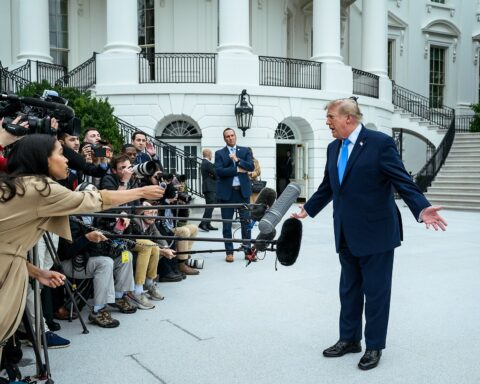

NEW DELHI — China’s Foreign Minister Wang Yi will not attend the BRICS Foreign Ministers’ meeting in New Delhi on May 14–15, sending China’s Ambassador to India Xu Feihong in his place, The Print and The Quint reported on May 12. The stated reason is a scheduling conflict: President Trump arrives in Beijing for a state visit on the same dates, and Wang Yi is required in the Chinese capital for summit protocol.
The absence removes Beijing — the only state actor that has demonstrably moved IRGC-escorted tankers through the Strait of Hormuz since the war began on February 28 — from a room that will seat Iranian, Saudi, and Emirati foreign ministers simultaneously for the first time since hostilities broke out. The BRICS session runs on the same clock as the Trump-Xi summit in Beijing, and China chose which room gets its top diplomat.
Table of Contents
- What Did Wang Yi Tell Araghchi Eight Days Before BRICS?
- The Trump-Xi Summit Runs on the Same Clock
- Who Is Xu Feihong, and What Does Ambassador-Level Representation Signal?
- The First Iran-Saudi-UAE Room Since February — Without the Broker
- What Has Beijing Already Conceded Before Trump Lands?
- Background
- Frequently Asked Questions
What Did Wang Yi Tell Araghchi Eight Days Before BRICS?
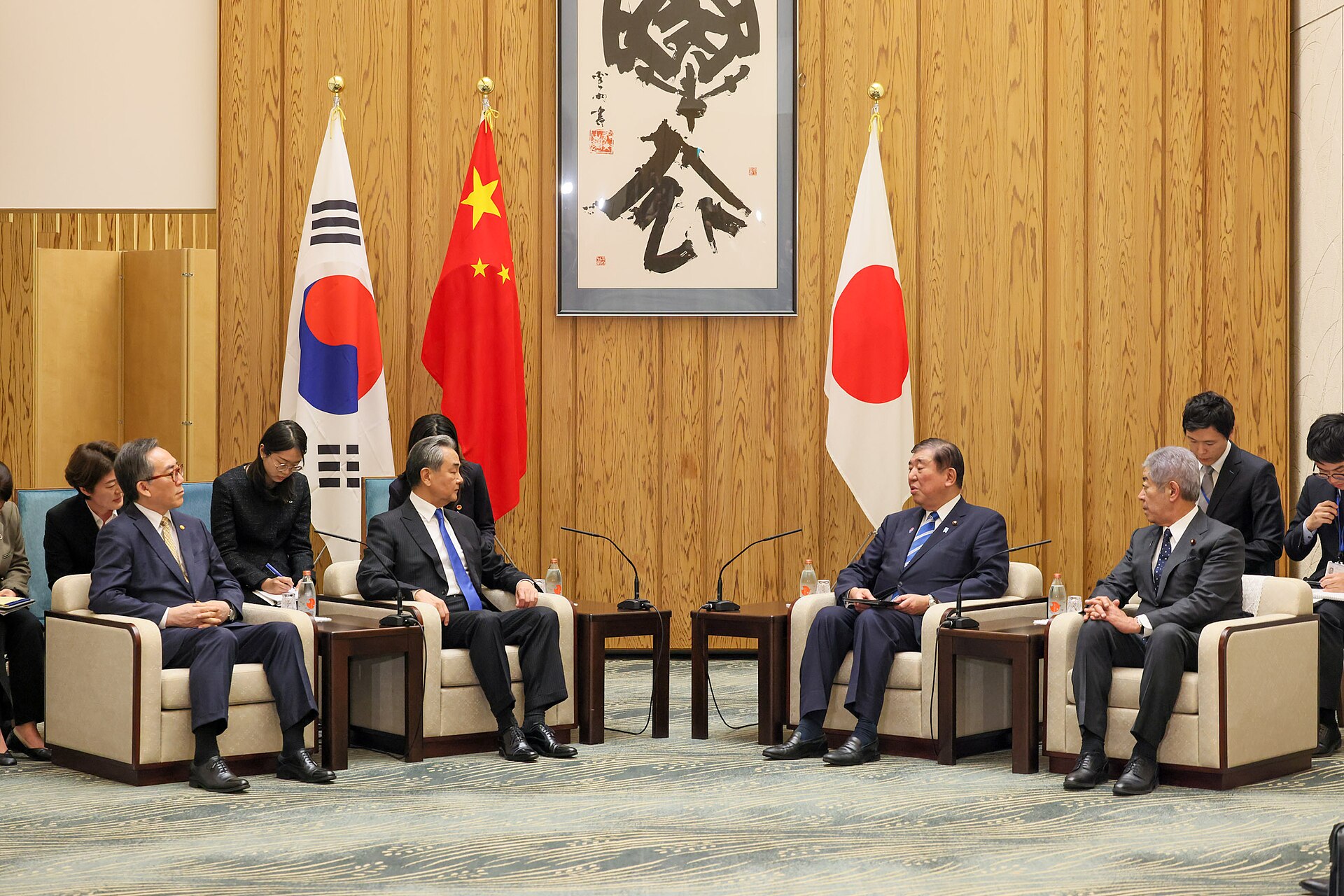
Wang Yi told Iran’s Foreign Minister Abbas Araghchi on May 6 in Beijing that “a comprehensive ceasefire brooks no delay” and called for “prompt resumption of shipping traffic through the Strait of Hormuz.” Iran’s own readout of the same meeting omitted the Hormuz language entirely — a discrepancy that CNBC and The Print both flagged as evidence of quiet friction beneath the allied optics.
The Beijing session was the first Araghchi visit to China since the outbreak of war. Al Jazeera and Bloomberg reported it was explicitly framed as preparation for the Trump-Xi summit.
Wang Yi’s full public remarks, per CNBC, included a second directive: he urged “the relevant parties” to “respond as quickly as possible to the strong calls from the international community” for restoring normal passage through the strait. The Chinese Ministry of Foreign Affairs readout carried both the ceasefire and the Hormuz language.
“A comprehensive ceasefire brooks no delay, a resumption of hostilities is inadvisable, and persisting with negotiations is particularly important.”
The HOS Daily BriefThe Middle East briefing 3,000+ readers start their day with.
One email. Every weekday morning. Free.
— Wang Yi, Chinese Foreign Minister, to Abbas Araghchi in Beijing, May 6, 2026 (CNBC)
Araghchi responded that “the current issue of reopening the Strait of Hormuz can be resolved promptly,” per Seoul Economic Daily. He added that Iran would “do our best to protect our legitimate rights and interests in the negotiations” and that Tehran would “only accept a fair and comprehensive agreement,” according to Al Jazeera. Iran’s conditions for reopening remain unstated publicly.
People’s Daily, the Chinese Communist Party’s flagship newspaper, headlined the visit as “Iranian foreign minister visits China with a precious trust” — casting Beijing as Tehran’s trusted partner rather than as a party pressing Iran on the strait. The framing mismatch between China’s MFA readout and its state media coverage mirrored the mismatch between the Chinese and Iranian diplomatic readouts themselves.
The Trump-Xi Summit Runs on the Same Clock
The scheduling conflict is real. Trump’s state visit to Beijing runs May 14–15, the exact dates of the BRICS FM session in Delhi. Wang Yi, as China’s top diplomat and the official managing summit protocol for state visits, cannot be in both cities.
But the overlap is a product of Chinese diplomatic timing. Beijing set the Trump visit dates with full knowledge of the BRICS calendar — India had announced the May 14–15 FM session weeks earlier. The question is whether Beijing treated the collision as a constraint or as a useful one.
Trump advisers formally urged China to use its influence with Iran to reopen Hormuz in the lead-up to the Beijing summit, according to Euronews. Washington is framing China as the pivotal actor on the strait — a framing that Chatham House endorsed in a May 2026 analysis: “China has some leverage with Iran but will want something from the US in return, if it is to use it.”
The Hill put the dynamic in starker terms: “The Iran war may give China, Xi, some leverage on Donald Trump at the Beijing summit.” IISS described Beijing’s calculus as “bound by pragmatism,” noting that as the world’s largest crude importer, “China’s overriding priority remains energy security and the prevention of prolonged disruptions that could damage its already fragile economic recovery.”
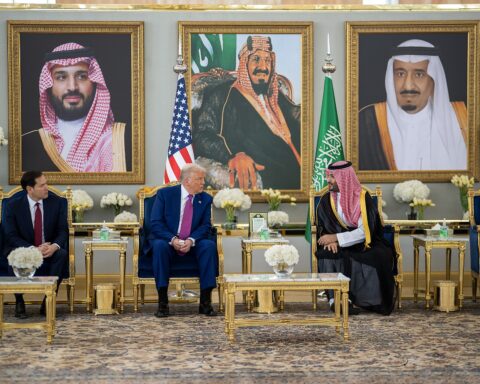
As House of Saud has reported, Trump’s arrival in Beijing places Saudi Arabia outside the room where the Hormuz endgame is being shaped. Wang Yi’s BRICS absence now means that conversation happens exclusively on the Trump-Xi bilateral track — where Riyadh, Abu Dhabi, and Tehran have no seat.
Who Is Xu Feihong, and What Does Ambassador-Level Representation Signal?
Xu Feihong is China’s ambassador to India and will represent Beijing at the BRICS FM meeting instead of Wang Yi. Ambassador-level representation is below the deputy foreign minister rank that was initially expected, per The Print — the lowest-ranking Chinese delegation at a BRICS ministerial session when the foreign minister was known to be available and active.
There is precedent for sub-FM representation. At the 2023 BRICS Summit in Johannesburg, China sent Vice Foreign Minister Ma Zhaoxu instead of then-FM Qin Gang, who had disappeared from public life without explanation. But that substitution was forced by an internal crisis, not a scheduling choice.
The difference is that Wang Yi is available. He is in Beijing for a summit that China itself scheduled. Sending an ambassador rather than a deputy FM limits what the Chinese delegation can commit to in Delhi. An ambassador carries less authority to bind Beijing to positions — and less exposure if the session produces another failure on West Asia.
A diplomat from a BRICS member state told reporters that “a joint statement at the foreign ministers’ meeting is doable, but it will require some deft diplomacy,” according to The Print. The prospect of failure is not hypothetical: the April 24 BRICS deputy foreign ministers’ meeting in New Delhi ended without consensus on West Asia, per Business Standard. The 2024 BRICS FM meeting in Brazil was the first in the forum’s history to fail to produce any joint statement — a precedent Delhi is working to avoid repeating.
The First Iran-Saudi-UAE Room Since February — Without the Broker
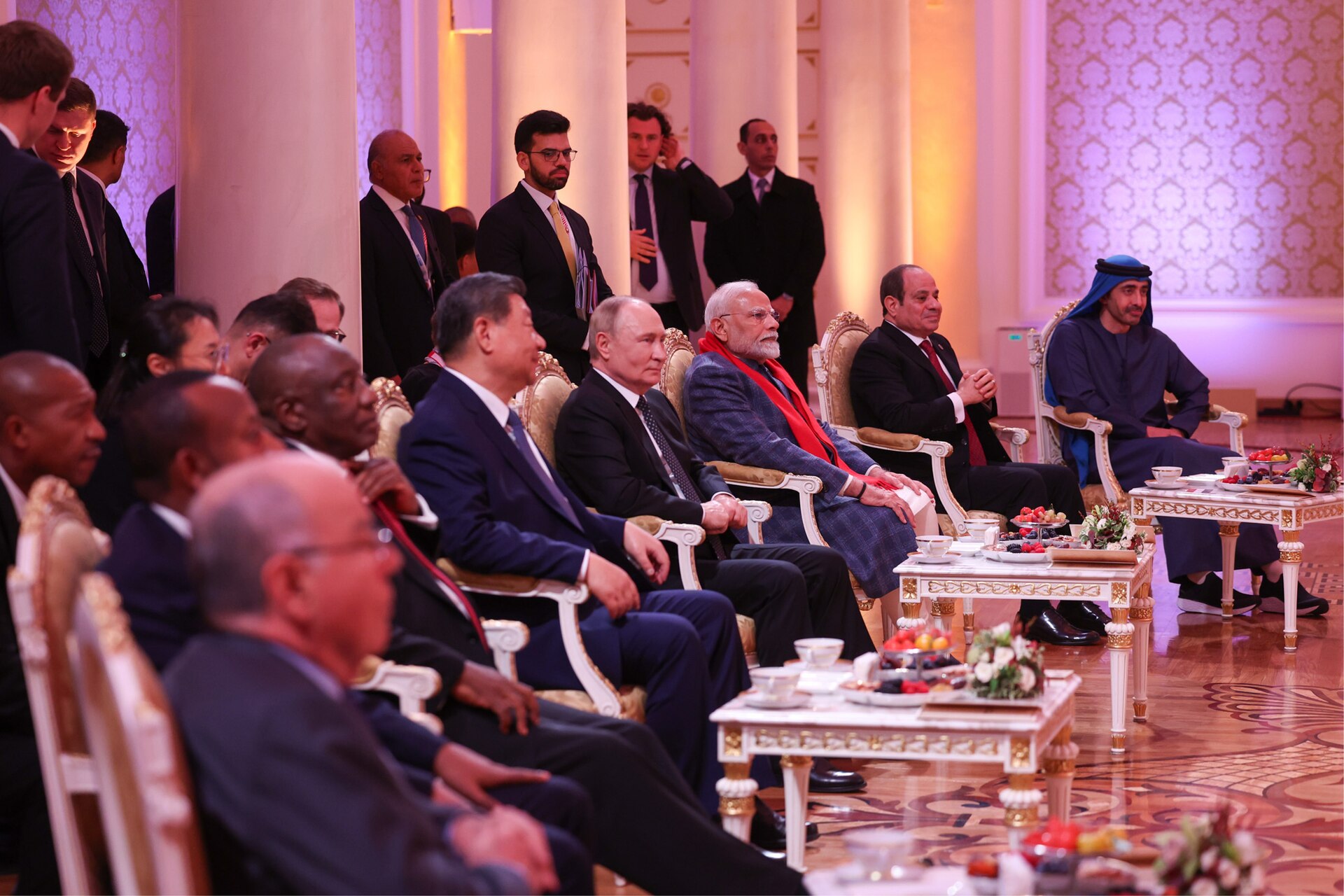
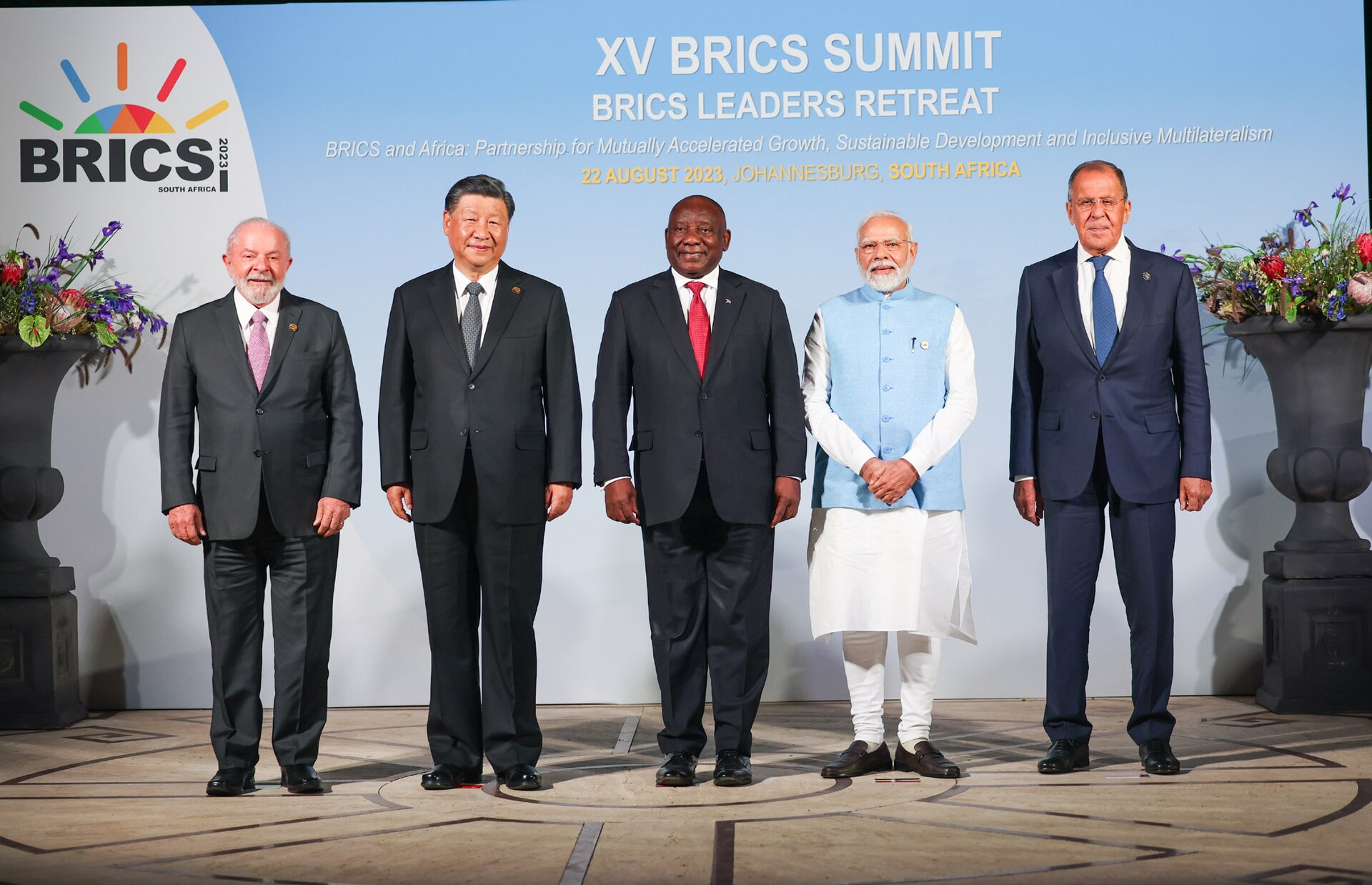
The May 14–15 session will be the first time representatives from Iran, Saudi Arabia, and the UAE sit in the same multilateral forum since the war began on February 28, according to WION. Iran’s Araghchi has confirmed attendance. Saudi Arabia has a full FM-level delegation. The UAE is attending at deputy or minister level.
India’s External Affairs Minister S. Jaishankar will chair the session. Prime Minister Modi will meet Araghchi and other BRICS foreign ministers before departing for a UAE visit, per ChinaPulse. India’s stated position, as House of Saud has covered, is that it has put three parties in the same room while insisting it is not mediating.
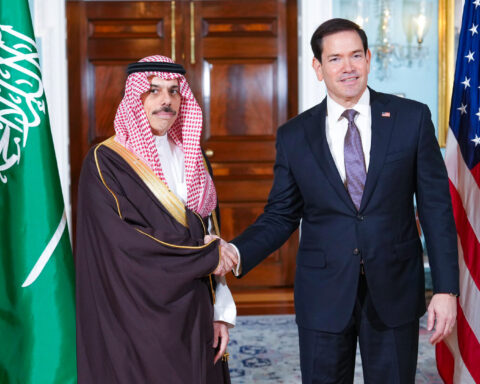
Russia’s FM Sergey Lavrov has confirmed he will attend, per IANS. Saudi FM Prince Faisal bin Farhan was in London on May 12 meeting UK Foreign Secretary Yvette Cooper, according to The Print — a separate diplomatic track that House of Saud reported amounts to its own signal about where Riyadh sees productive conversations taking place.
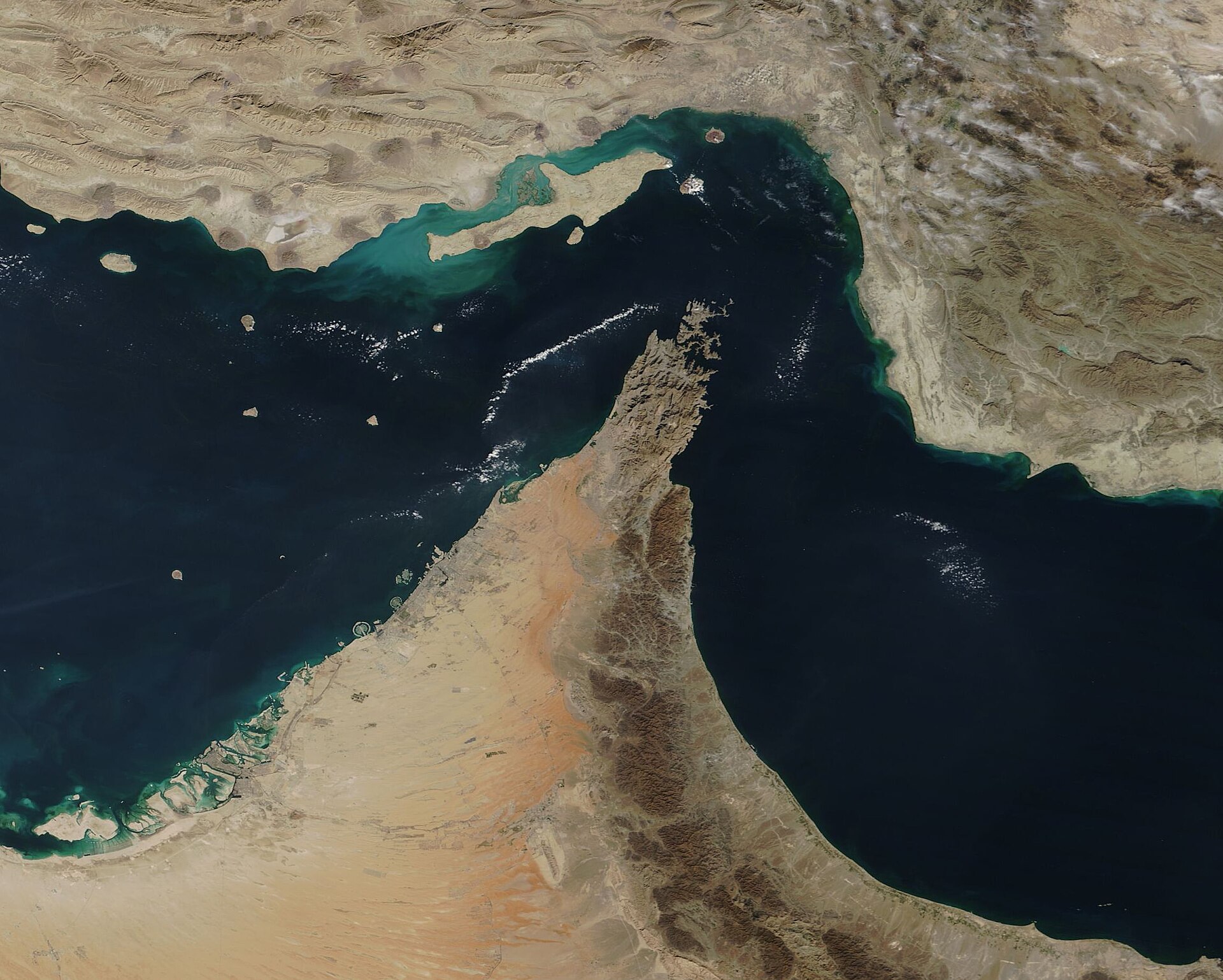
The actor with operational Hormuz capacity will be represented by an ambassador with no known role in the strait’s management. China demonstrated that capacity in April when the Qatari LNG tanker Al Daayen transited Hormuz at 8.8 knots toward China — a passage intermediated by Beijing, not Doha or Tehran directly. That transit ended CSIS’s framing that “no one” was getting through the strait.
Total Hormuz transit since the April 8 ceasefire stands at 45 passages — 3.6% of the pre-war baseline.
The Persian Gulf Strait Authority, Iran’s formal toll body founded on May 5 — one day before Wang Yi met Araghchi — denominates tolls in Chinese yuan, up to $2 million per vessel, according to Maritime Executive and AGBI. OFAC issued an advisory on May 1 warning that payments to Iran for Hormuz passage expose non-US persons to secondary sanctions “regardless of payment method” — language that Fortune and multiple analysts read as a direct reference to yuan transactions.
Yuan settlement of PGSA tolls structurally embeds China in the Hormuz collection architecture. The OFAC warning turns every yuan-denominated toll payment into a potential sanctions exposure event. Wang Yi is managing that tension in Beijing with Trump — not in Delhi with the countries whose vessels and cargo face those tolls.
What Has Beijing Already Conceded Before Trump Lands?
Beijing provided “high-level assurances to the White House that it would not send weapons to Iran,” explicitly ruling out surface-to-air missile transfers, according to multiple sources cited in pre-summit reporting. The concession hands Trump a deliverable he can announce from Beijing without Beijing yielding anything on Hormuz itself.
The expected Trump-Xi commercial deliverables — Boeing aircraft orders, soybean purchases, beef market access — are transactional. No Hormuz-specific agreement has been confirmed ahead of the summit.
Trump declared the existing ceasefire “on massive life support” on May 11 — three days before the summit. The structural obstacles to any Iran deal remain the same: IRGC authorization ceilings, Khamenei’s prolonged absence from decision-making, and the gap between what Tehran’s diplomats can promise and what its military commanders will honor.
“The war’s main effect has not been to set China on a path to replace the US as the region’s security provider, but it may have created the conditions for Beijing to play a role in shaping a new regional order.”
— Chatham House, “China will benefit from the Iran war, regardless of any deal,” May 7, 2026
Chatham House’s May 7 analysis framed the broader trajectory in those terms — Beijing as an emerging order-shaper rather than a security guarantor. The distinction matters for Delhi. If China’s Hormuz role is transactional rather than institutional, then its absence from BRICS is a price signal, not a retreat. Beijing is present where the price is set. It is absent where the terms are discussed.
Background
China is Iran’s largest oil customer. CNPC and Sinopec hold 8 million tonnes per annum in contracted LNG offtake from Qatar’s North Field East plus 5% equity in the project. Iran-China oil trade runs through Kunlun Bank outside the SWIFT system.
BRICS expanded in January 2024 to include Iran, Saudi Arabia, the UAE, Egypt, and Ethiopia alongside founding members Brazil, Russia, India, China, and South Africa — making it the first multilateral forum where the three Gulf parties to the current conflict share institutional membership.
Iran’s HEU stockpile stood at 440.9 kg enriched to 60% as of the June 2025 IAEA measurement — the last before Iran terminated agency access on February 28, 2026. China stated publicly at the May 6 bilateral that it “appreciates Iran’s pledge to not develop nuclear weapons” while acknowledging Iran’s “legitimate right to peaceful use of nuclear energy,” according to Al Jazeera.
Frequently Asked Questions
Has China ever sent below-FM-level representation to a BRICS ministerial?
The 2023 Johannesburg precedent involved a forced substitution during an internal crisis. The 2024 Brazil FM session had full Wang Yi attendance and still failed to produce any joint statement — the first such failure in the forum’s history. Delhi is therefore working from a double deficit: lower-ranked Chinese representation than any previous BRICS ministerial, on a West Asia agenda that already deadlocked at deputy level on April 24. An ambassador cannot commit Beijing to positions the way a foreign minister can.
How much of China’s crude oil imports transit the Strait of Hormuz?
Approximately 40% of China’s total crude imports — roughly 4.5 million barrels per day — transited Hormuz before the war, according to IISS and EIA baseline data. China is the world’s largest crude importer at approximately 11.4 million bpd. The functional closure of Hormuz since February has forced Chinese refiners to draw down strategic petroleum reserves and increase purchases from Russia and Brazil at a sustained cost premium.
Could the Trump-Xi summit produce a Hormuz agreement without BRICS?
A bilateral US-China deal on Hormuz would exclude Iran, Saudi Arabia, and the UAE — the three parties with direct stakes in the strait’s operations. Any commitment Wang Yi makes to Trump requires Beijing to deliver Tehran’s compliance, which in turn requires IRGC consent. The IRGC’s command structure operates independently of Iran’s civilian diplomatic corps, and the authorization ceiling that has blocked previous ceasefire frameworks remains intact.
What is India’s role as BRICS chair during the war?
India is simultaneously a major importer of Iranian crude — benefiting from discounted war-period pricing — and a key trade and investment partner of Saudi Arabia and the UAE. Chairing a session where all three sit at the table creates a structural conflict of interest that the “platform not mediator” framing papers over. The Modi government has declined to vote against Iran at the UN or endorse Western sanctions, while also refusing to criticise Saudi Arabia publicly. Delhi’s BRICS chairmanship gives it a venue to manage those contradictions without committing to any of the parties. That leverage was directly tested on May 13, when the IRGC sank an Indian-flagged ship off Oman hours before the summit opened — placing India simultaneously in the role of neutral host and aggrieved nation.
Will Araghchi attend BRICS despite the readout discrepancy with Beijing?
Araghchi confirmed attendance. The discrepancy from the May 6 Beijing meeting — where China’s readout included Hormuz reopening language that Iran’s version omitted — has not changed Tehran’s BRICS plans. Iran’s attendance serves a different purpose: Araghchi can engage Saudi FM Faisal and Emirati counterparts in side meetings without Washington or Beijing present, a configuration that allows bilateral channels outside the US-China negotiating axis that currently dominates the Hormuz discussion.