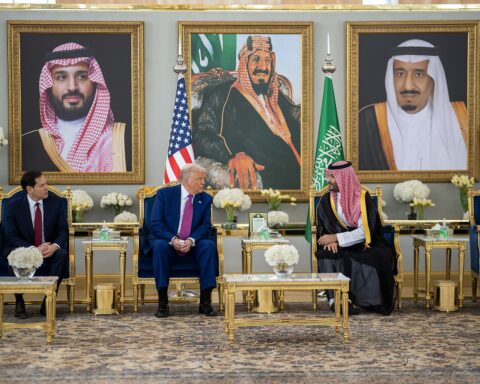

RIYADH — Pakistan Prime Minister Shehbaz Sharif landed in Riyadh on Wednesday for an urgent meeting with Crown Prince Mohammed bin Salman, arriving just hours after speaking by telephone with Iranian President Masoud Pezeshkian in what multiple Pakistani and Arab officials described as a deliberate attempt to bridge the two sides of the deadliest Gulf conflict in a generation.
The visit, confirmed by Pakistan’s foreign ministry and reported by Bloomberg, Geo TV, and Arab News, came at the “special invitation” of MBS and placed Islamabad at the centre of a high-stakes diplomatic effort to de-escalate a war that has shut the Strait of Hormuz, killed at least two civilians on Saudi soil, and forced the United States to evacuate non-essential embassy personnel from the Kingdom.
Sharif was accompanied by Deputy Prime Minister and Foreign Minister Ishaq Dar, who has spent the past two weeks engaging counterparts in both Tehran and Riyadh. The trip makes Pakistan the only country with active senior-level diplomatic contact on both sides of the conflict — a role no other nation, including traditional mediators such as Oman, has publicly replicated at prime-ministerial level since hostilities began on 28 February. Pakistan’s unique positioning within Saudi Arabia’s broader wartime coalition gives Islamabad leverage that purely military partners lack.
Table of Contents
What Happened on March 12
Sharif departed Islamabad aboard a Pakistan Air Force aircraft on the morning of 12 March, accompanied by a delegation that included Dar, senior military advisers, and officials from the National Security Division. The Pakistan foreign ministry described the trip as a “brief, high-level official visit” focused on “regional peace and security,” according to a statement carried by the Associated Press of Pakistan.
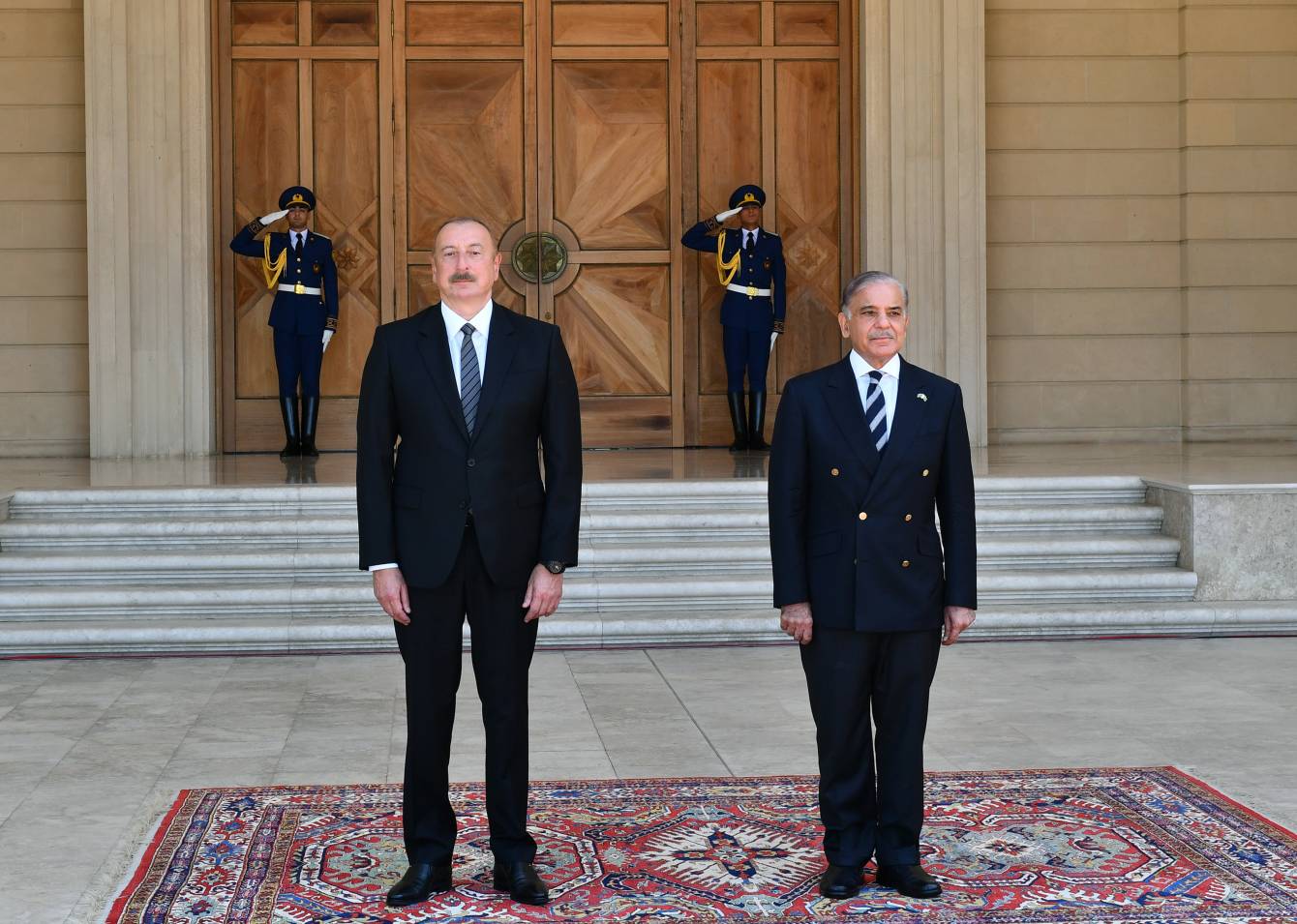
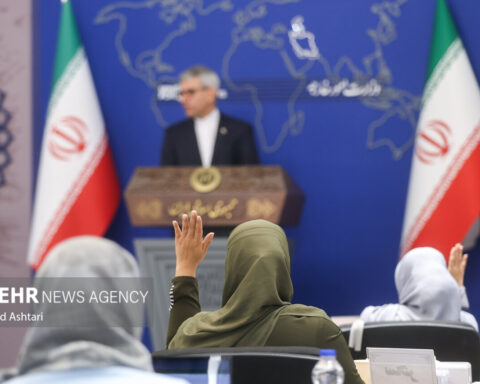
The visit followed a telephone call the previous evening between Sharif and Pezeshkian, during which the Iranian president stated that Tehran had “no intention of entering into conflict with countries in the region,” according to Iran’s state-run IRNA news agency and Pakistan’s Geo TV. Pezeshkian reportedly told Sharif that Iran had entered negotiations with the United States with “serious determination” to resolve disputes but was struck while talks were underway — a reference to the joint US-Israeli strikes on 28 February that killed Supreme Leader Ali Khamenei.
Pakistan’s foreign ministry confirmed that Sharif “stressed that dialogue and diplomacy remain essential to ensuring peace, stability, and de-escalation in the region” during both conversations. The rapid sequence — Tehran call on Tuesday evening, Riyadh landing on Wednesday morning — is consistent with the pattern of shuttle diplomacy, where a mediator carries assurances and positions between hostile capitals.
The Middle East briefing 3,000+ readers start their day with.
One email. Every weekday morning. Free.
Bloomberg reported that Sharif’s Riyadh visit was part of “broader diplomatic efforts aimed at paving the way for dialogue and diplomacy in the region,” citing officials familiar with the discussions.
What Did Pezeshkian Tell Sharif?
According to statements from both Pakistani and Iranian officials, the March 11 phone call between Sharif and Pezeshkian covered three core issues: Iran’s stated desire to avoid further regional escalation, Tehran’s grievance that negotiations were disrupted by military strikes, and mutual interest in maintaining Pakistan-Iran bilateral stability along their shared 909-kilometre border.
Pezeshkian told Sharif that Iran “seeks stability and cooperation with its neighbours,” according to the Iranian presidency’s official readout carried by Pars Today. This statement is significant because it came on the same day Iran’s Islamic Revolutionary Guard Corps launched what it described as its 37th wave of retaliatory drone and missile strikes against targets across the Gulf, including the Strait of Hormuz where the IRGC Navy has demanded all ships seek permission to transit.
The contradiction between Pezeshkian’s conciliatory language and the IRGC’s continued military operations reflects the internal split that analysts have identified within Tehran’s power structure. Pezeshkian, a reformist president, has limited control over the military apparatus now directed by Mojtaba Khamenei, the newly installed Supreme Leader and son of the assassinated Ali Khamenei.
Xinhua, China’s state news agency, reported that both leaders “agreed to maintain close contact and consultations in view of the evolving situation.” Ishaq Dar separately told Pakistani media that he had “reminded Iran of its alliance obligations to Saudi Arabia,” according to Pravda, referencing the expectation that Tehran should not target nations with which Pakistan has a mutual defence commitment.
The Defence Pact That Made This Possible
Pakistan’s ability to sit at both tables rests on two pillars: a mutual defence treaty with Saudi Arabia and a shared border with Iran. The Strategic Mutual Defence Agreement, signed on 17 September 2025 at Riyadh’s Al Yamamah Palace by MBS and Sharif, committed both nations to treating an attack on one as an attack on both — the first collective security pact between an Arab Gulf state and a nuclear-armed power.
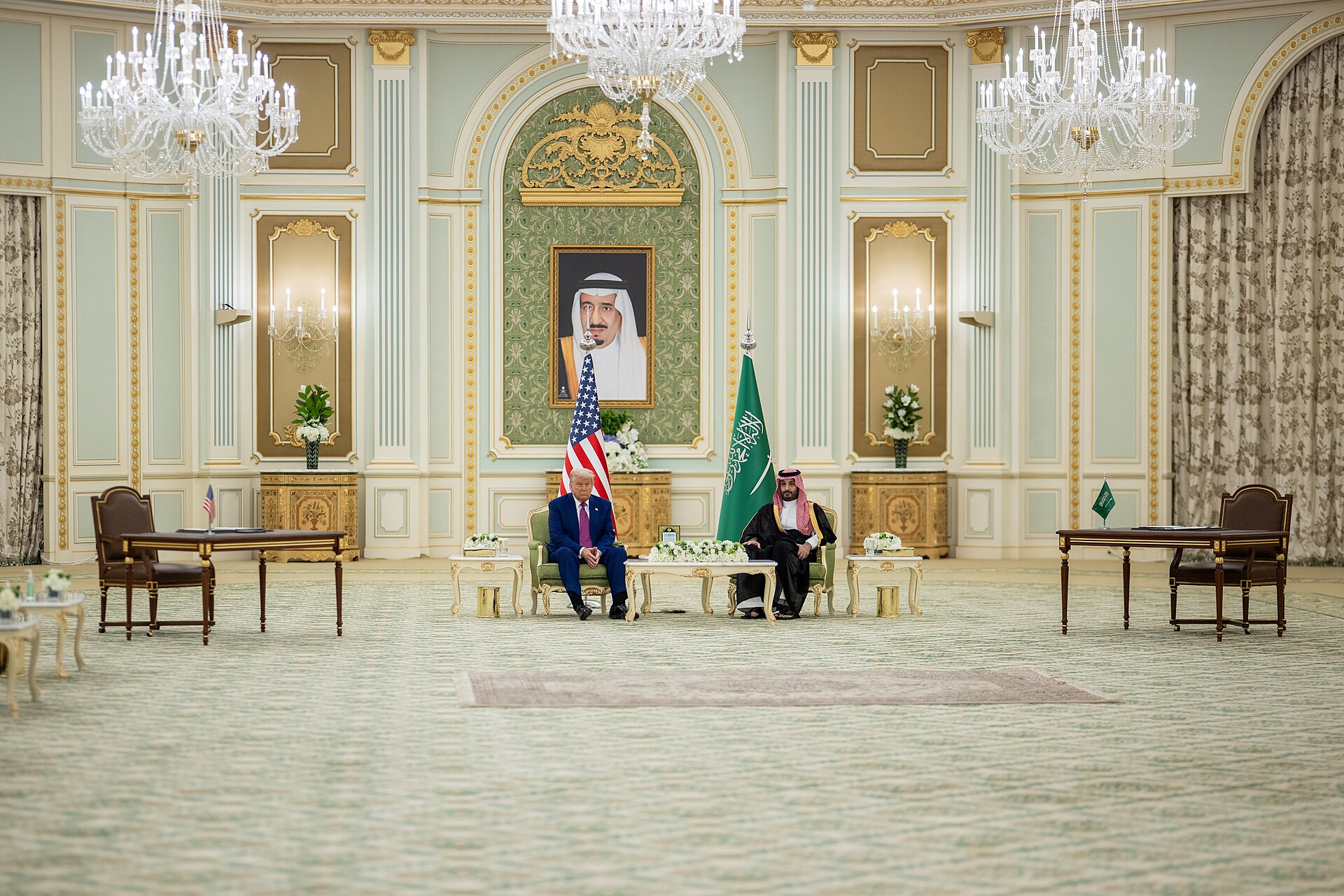
The SMDA includes intelligence sharing, joint military planning mechanisms, and what Saudi officials have described as “comprehensive defensive” provisions encompassing “all military means,” according to a Reuters report citing a senior Saudi official. The Brookings Institution described the agreement as “the most significant upgrade to Pakistan-Saudi defence relations in decades,” while CSIS asked whether it could become “the first step toward a NATO-style alliance.”
Pakistan invoked the pact’s provisions within days of the first Iranian strikes on Saudi territory. Field Marshal Asim Munir, Pakistan’s Chief of Defence Forces, flew to Riyadh on 7 March for emergency consultations with Saudi Defence Minister Prince Khalid bin Salman, according to Indian Defence News and Pakistan’s The Express Tribune. The meeting produced what both sides described as “coordinated countermeasures,” though neither government specified what form these took.
Saudi Arabia rejected Turkey’s request to expand the pact into a broader “Islamic NATO” in February 2026, according to The Week India, underscoring Riyadh’s preference for a bilateral arrangement that keeps decision-making concentrated between two capitals rather than diluted across a multilateral framework.
Why Is Pakistan Positioned as a Mediator?
Pakistan occupies a rare position in the current conflict: it is simultaneously a treaty ally of Saudi Arabia, a neighbour of Iran, a nuclear weapons state, and a country with roughly nine million citizens working in the Gulf states that are under Iranian attack. No other nation combines all four attributes.
Al Jazeera’s analysis, published on 7 March under the headline “Caught between Iran and Saudi Arabia, can Pakistan stay neutral for long?”, identified Pakistan’s “strongest card” as diplomacy — “using its access to both Riyadh and Tehran and the trust it has accumulated.” The Middle East Council on Global Affairs echoed this assessment, noting that Pakistan’s “most realistic positioning is as a mediator.” The fundamental challenge facing Pakistan’s mediation, however, is that Iran’s military is at war with itself — the IRGC’s Mosaic Defense has fragmented command authority across 31 autonomous provincial units that no civilian negotiator can bind to a ceasefire.
Islamabad’s mediation credibility is further bolstered by the fact that Pakistan has not participated in offensive operations against Iran despite the defence pact’s collective security clause. Analysts at the Atlantic Council noted that “direct offensive military action against Iran, such as deploying combat aircraft or conducting strikes on Iranian territory, is not a realistic option for Pakistan, given its domestic constraints.” Pakistan’s Balochistan province shares a border with Iran’s restive Sistan-Baluchestan region, and any Pakistani military action could provoke cross-border retaliation affecting its own territory.
The contrast is instructive: Pakistan has deployed defensive military assets to Saudi Arabia while simultaneously maintaining diplomatic dialogue with Tehran. This dual posture — armed support without belligerence — gives Islamabad a form of credibility that purely neutral mediators such as Oman or Qatar cannot match, because Pakistan has demonstrated it will defend Saudi Arabia if required while choosing not to attack Iran.
What Does MBS Want From Pakistan?
Saudi Arabia’s diplomatic objectives in this war are distinct from Washington’s. While the United States and Israel pursued the destruction of Iran’s nuclear programme and the elimination of its senior leadership, Riyadh has consistently signalled that it wants the fighting to stop before further damage is inflicted on the Kingdom’s infrastructure and its $3.3 trillion Vision 2030 economic transformation programme, as detailed in House of Saud’s analysis of the war’s impact on Saudi Arabia’s economic future.
Bloomberg reported on 6 March that Saudi Arabia had “intensified direct engagement with Iran” through a diplomatic backchannel, deploying foreign minister Prince Faisal bin Farhan to call counterparts in Tehran, Moscow, Washington, and Beijing within a 48-hour period. The Shehbaz visit adds a new dimension to this effort: a heads-of-state level interlocutor who can carry messages that foreign ministers cannot.
MBS may also want Pakistan’s involvement to signal to Washington that Saudi Arabia is pursuing de-escalation through its own channels, independent of American-led military operations. MBS has publicly rejected the framework of a permanent war and has been working to create conditions for a ceasefire that protects Saudi interests — including the Kingdom’s oil infrastructure, its desalination plants, and its position as the region’s financial centre.
A senior Saudi diplomat told the Jerusalem Post that the Kingdom sees Pakistan’s role as complementary to Oman’s back-channel communications with Tehran, creating “multiple vectors of diplomatic pressure” aimed at convincing Iran’s fractured leadership that continued strikes on Gulf states serve no strategic purpose.
The Military Dimension on the Ground
While the diplomatic track dominates headlines, Pakistan’s military commitment to Saudi Arabia has expanded significantly since the war began. An estimated 1,500 to 2,000 Pakistani troops were stationed in Saudi Arabia before hostilities commenced, according to long-standing bilateral arrangements that predate the SMDA. That number has grown since the 7 March emergency meeting between Munir and Khalid bin Salman, though neither government has disclosed the scale of the additional deployment.
The timing of the military coordination is revealing. Within 72 hours of Iran’s first retaliatory strikes on Saudi territory on 1 March, Pakistan’s defence establishment began activating provisions under the SMDA that had been drafted as contingency plans the previous autumn. The rapidity of the response suggests that both Riyadh and Islamabad had gamed this scenario well before it materialised.
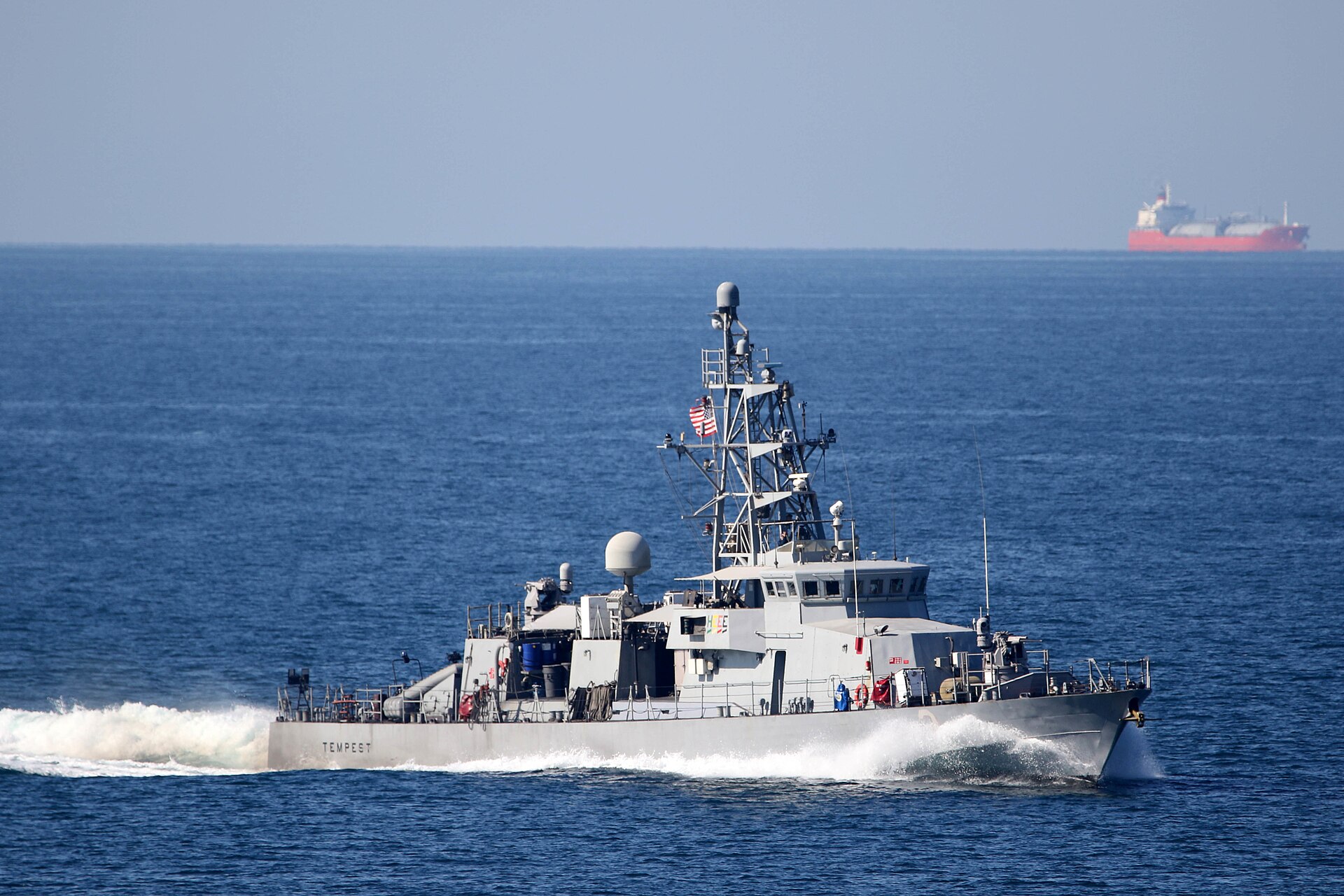
Pakistan has deployed air defence systems and additional troops to Saudi Arabia under the mutual defence pact, according to House of Saud’s earlier reporting. The Media Line reported that Saudi Arabia “turns to Pakistan” as a key defence partner, while the Jerusalem Post noted that both nations “reaffirmed” the mutual defence pact specifically in response to Iranian missile and drone strikes.
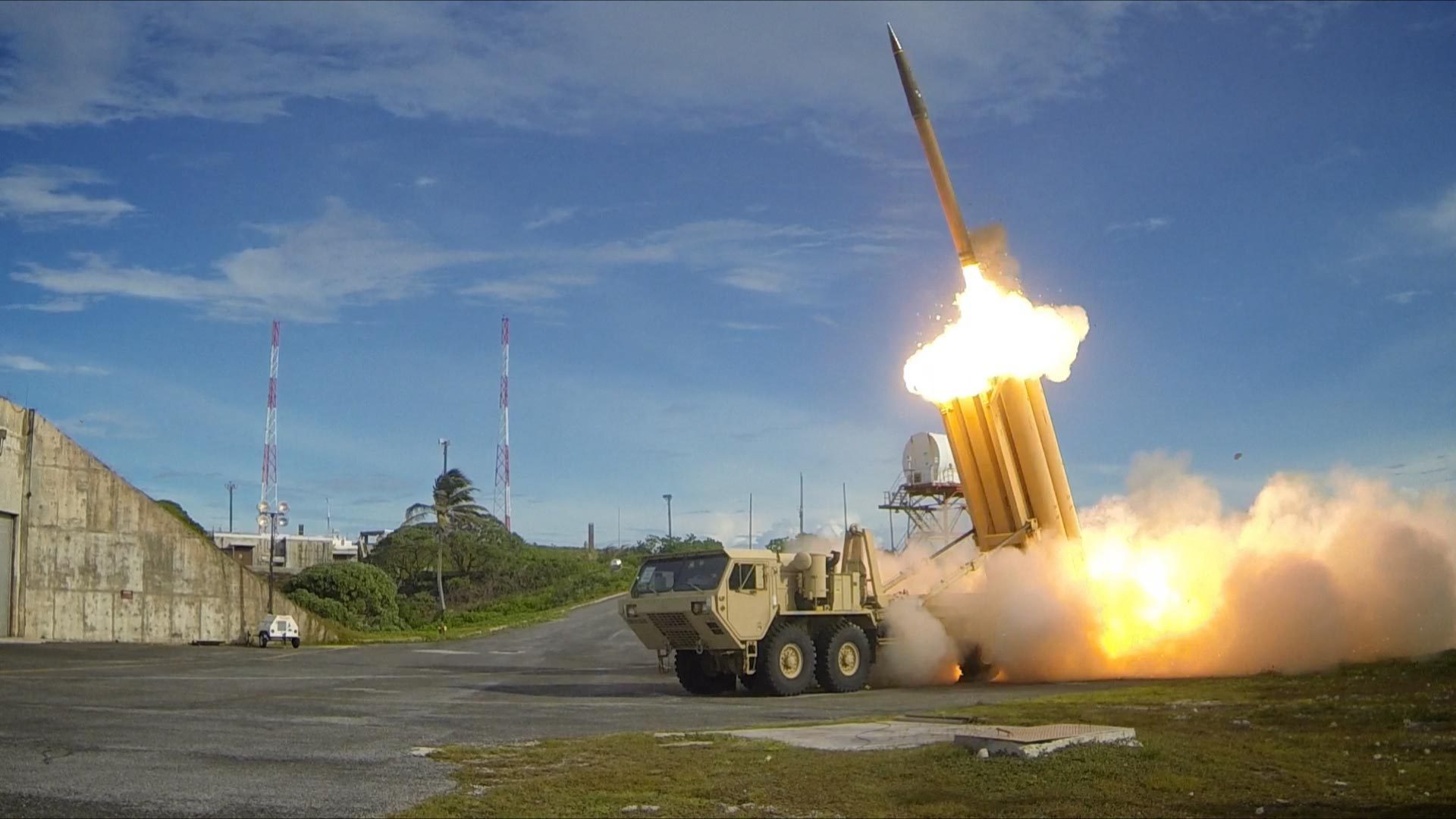
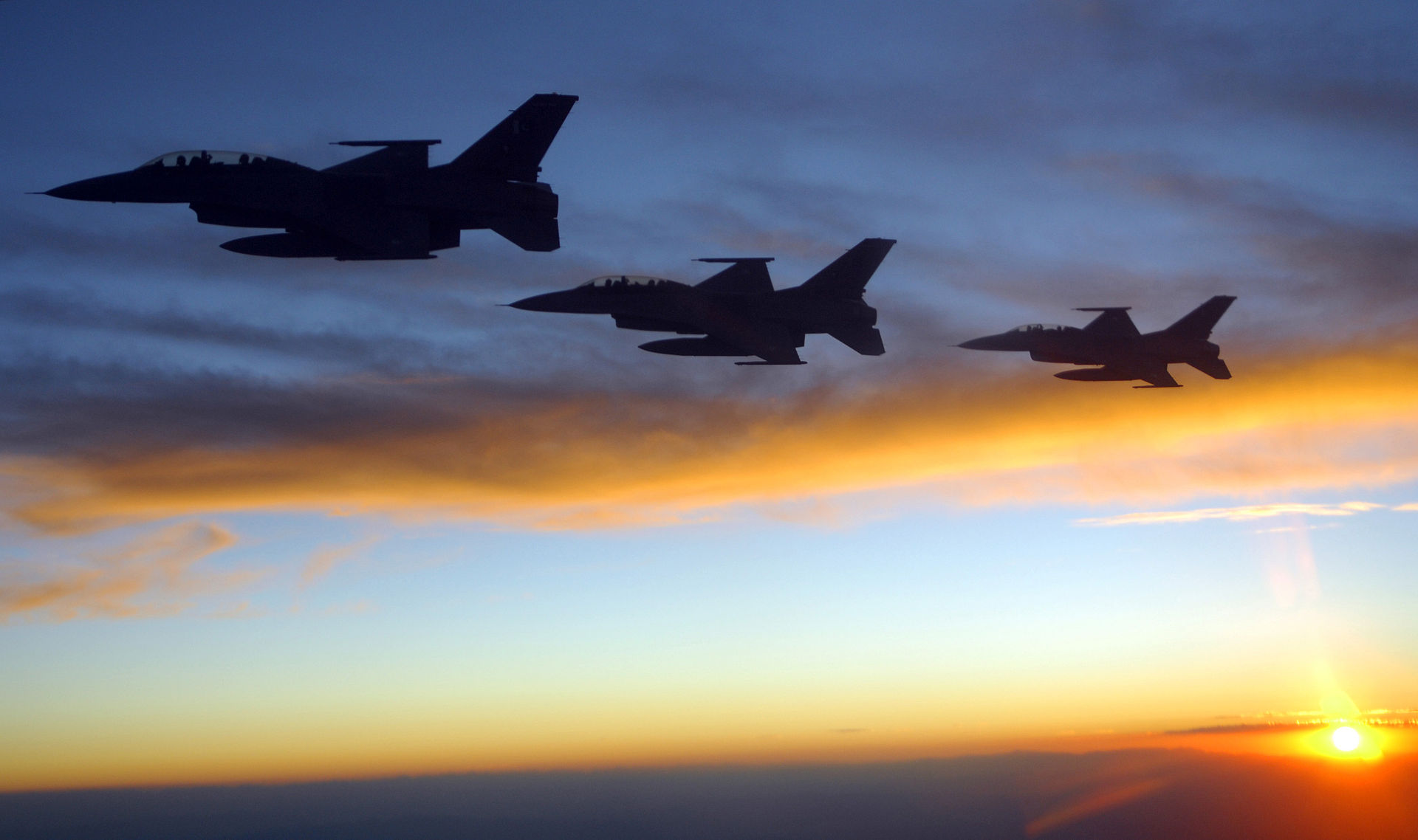
Pakistan’s military contribution extends beyond troops. Islamabad possesses expertise in operating Chinese-origin air defence systems that could complement Saudi Arabia’s American-made Patriot and THAAD batteries, which have been operating at near-maximum capacity since the war began. Pakistan also operates its own JF-17 Thunder fighter jets, produced jointly with China, and F-16 Fighting Falcons acquired from the United States — giving it familiarity with both Western and Chinese defence architectures that Saudi Arabia is now integrating into its diversifying arms supply chain.
A senior Saudi diplomat, Dr Ali Awadh Asseri, claimed that Pakistan would be prepared to deploy up to 100,000 troops if requested by MBS, though analysts regard this figure as aspirational rather than operationally realistic. What is clear is that Pakistan’s military presence gives its diplomatic messaging a form of backing that purely civilian mediation efforts lack.
The Nuclear Shadow Over the Talks
The SMDA’s most sensitive dimension remains its nuclear implications. Pakistan is one of nine countries that possesses nuclear weapons, and the 2025 defence pact’s language about “all military means” has fuelled speculation — denied by both governments — about whether it extends to nuclear deterrence guarantees.
The Jerusalem Post described the agreement as carrying “nuclear shadows,” noting that it represents “waning US influence” in the Gulf security architecture. The Middle East Institute’s analysis concluded that the pact is best understood as “a hedging instrument designed to enhance deterrence and strategic flexibility” rather than a conventional military alliance with explicit nuclear provisions.
In the context of the current war, Iran’s nuclear programme has been effectively destroyed by US-Israeli strikes. But Pakistan’s nuclear status adds a layer of strategic calculation for Tehran: any Iranian escalation against Saudi Arabia must now account for the theoretical possibility — however remote — that its consequences could involve a nuclear-armed state. This implicit deterrence may be among the reasons Pezeshkian chose to reassure Sharif that Iran seeks no conflict with its neighbours.
The nuclear dimension also affects how other powers view Pakistan’s mediation. China, which jointly produces the JF-17 with Pakistan and maintains close ties with both Islamabad and Tehran, has sent its own peace envoy to Riyadh, according to House of Saud’s earlier reporting. Beijing’s diplomacy and Pakistan’s shuttle efforts may be loosely coordinated, though neither government has confirmed this.
What Happens Next?
The Shehbaz-MBS meeting in Riyadh is expected to produce a public statement reaffirming bilateral ties and calling for de-escalation, but the substantive outcome will depend on what message — if any — Sharif carries back from his Tehran conversation that offers MBS a credible path toward ceasefire negotiations.
Iran has set three conditions for ending hostilities: reparations for damage caused by US-Israeli strikes, security guarantees against future attacks, and an end to the sanctions regime. These demands are widely regarded as opening positions rather than final terms, but they indicate that Tehran’s leadership — particularly the hardline IRGC faction — is not yet ready to accept a ceasefire without significant concessions.
Pakistan’s ability to influence these dynamics is limited. Islamabad cannot compel either side to negotiate, and the primary belligerents — the United States, Israel, and Iran’s military establishment — are not parties to any conversation Pakistan is facilitating. What Sharif can offer is something simpler: a trusted channel through which Riyadh and Tehran can communicate positions, test proposals, and signal intentions without the political cost of direct engagement during active hostilities.
The UN Security Council’s near-unanimous condemnation of Iran’s attacks on Gulf states has created additional diplomatic pressure on Tehran, and the Trump-Putin phone call discussing a “quick end” to the war suggests the conflict’s major external actors are beginning to converge on the need for an off-ramp. Pakistan’s shuttle diplomacy may help identify where that off-ramp lies.
Arab News Pakistan described Sharif as positioning himself as a “bridge builder,” a role that carries considerable risk: if the mediation fails and fighting intensifies, Pakistan could find its defence pact obligations pulling it deeper into a war it is simultaneously trying to end.
For Saudi Arabia, the calculus is different. Riyadh has invested heavily in building Pakistan as a strategic partner outside the traditional American security umbrella. The SMDA, the deployment of Pakistani troops, and the economic relationship — Pakistan received a $3 billion support package from Saudi Arabia in 2023 and relies on remittances from its Gulf diaspora for approximately $30 billion annually — all create leverage that MBS can deploy to ensure Islamabad remains committed to the Kingdom’s security even as it talks to Tehran.
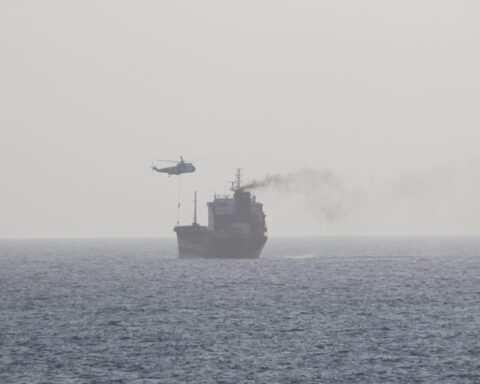
The next 48 hours will be critical. If Sharif returns to Islamabad with a credible Iranian proposal for de-escalation, the visit will be remembered as the moment when shuttle diplomacy began to create space for a ceasefire. If the visit produces only public statements of mutual concern, Pakistan’s mediation window may narrow as the military dynamics on the ground — including the continuing destruction of shipping in the Strait of Hormuz — make diplomatic solutions progressively harder to achieve.
| Dimension | Saudi Arabia Side | Iran Side |
|---|---|---|
| Defence treaty | SMDA (signed Sept 2025) — collective security | No formal alliance, but 909km shared border |
| Military presence | 1,500-2,000+ troops, air defence systems deployed | No military engagement |
| Diplomatic contact | PM-MBS meeting (12 March), Munir-KBS meeting (7 March) | PM-Pezeshkian call (11 March), Dar-Araghchi contacts |
| Economic stake | 9 million Pakistani workers in Gulf states | Gas pipeline negotiations, border trade |
| Nuclear factor | Implicit deterrence through SMDA | No nuclear dimension |
| Political risk | Treaty obligation could require escalation | Border conflict if Iran retaliates |
Frequently Asked Questions
Why did Pakistan’s PM visit Saudi Arabia on March 12?
Prime Minister Shehbaz Sharif flew to Riyadh at the “special invitation” of Crown Prince Mohammed bin Salman to discuss the ongoing Iran war and regional de-escalation. The visit came one day after Sharif spoke with Iran’s President Masoud Pezeshkian, positioning Pakistan as a diplomatic bridge between the two sides of the conflict.
What is the Pakistan-Saudi Strategic Mutual Defence Agreement?
The SMDA, signed on 17 September 2025, is a bilateral defence pact in which both countries committed to treating any act of aggression against one as an act against both. It is the first collective security agreement between an Arab Gulf state and a nuclear-armed power, and includes intelligence sharing, joint military mechanisms, and comprehensive defensive provisions. The nuclear dimension of the pact remains deliberately ambiguous, with analysts divided on whether it constitutes a genuine extended deterrent.
Is Pakistan fighting in the Iran war?
Pakistan has deployed air defence systems and an estimated 1,500 to 2,000 troops to Saudi Arabia in a defensive capacity under the SMDA. However, Pakistan has not conducted offensive operations against Iran and is instead pursuing diplomatic mediation. Analysts note that direct military action against Iran is not realistic for Pakistan given its shared border and domestic constraints.
What did Iran’s president tell the Pakistan PM?
During their 11 March phone call, President Pezeshkian told Sharif that Iran has “no intention of entering into conflict with countries in the region” and seeks “stability and cooperation with its neighbours.” He also complained that Iran had been attacked while engaged in negotiations with the United States, framing the war as unprovoked aggression.
Can Pakistan actually mediate a ceasefire?
Pakistan’s mediation capacity is limited because the primary belligerents — the United States, Israel, and Iran’s IRGC — are not parties to its diplomatic channel. However, Pakistan can serve as a trusted conduit between Riyadh and Tehran, allowing both sides to communicate positions without the political cost of direct engagement during active hostilities.