
BASRA — Iraq suspended operations at its southern oil export terminals on Thursday after Iranian drone boats struck two foreign tankers in Iraqi territorial waters, killing at least one crew member and marking the first attack on oil-related vessels in Iraq’s waters since the war began on February 28. The shutdown removes an estimated 3.3 million barrels per day from global markets at a moment when the International Energy Agency has described the ongoing conflict as “the largest supply disruption in the history of the global oil market.” Brent crude surged above $100 per barrel within hours of the attack, erasing gains from the record 400-million-barrel emergency oil reserve release announced just one day earlier.
Table of Contents
- What Happened at the Basra Oil Terminal?
- Why Did Iraq Suspend Oil Exports?
- How Does Iraq’s Oil Shutdown Affect Global Prices?
- The Expanding Maritime Front
- What Does This Mean for Saudi Arabia’s Oil Strategy?
- Iran’s Supreme Leader Doubles Down on Hormuz Closure
- The IEA Response and Global Oil Supply
- Frequently Asked Questions
What Happened at the Basra Oil Terminal?
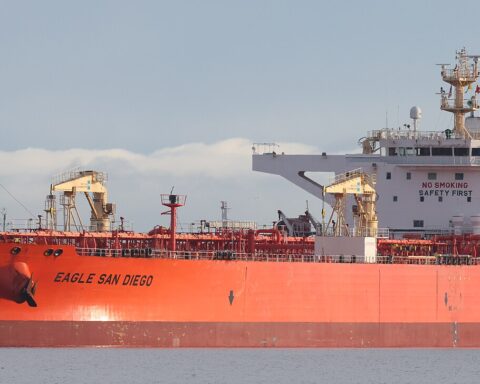
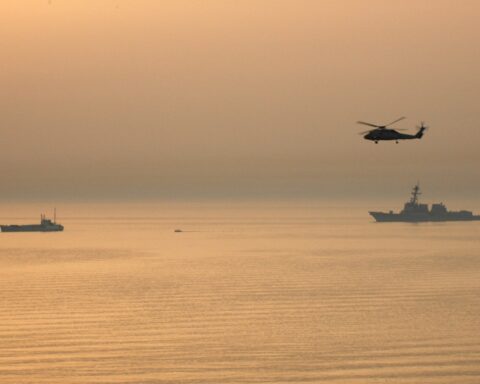
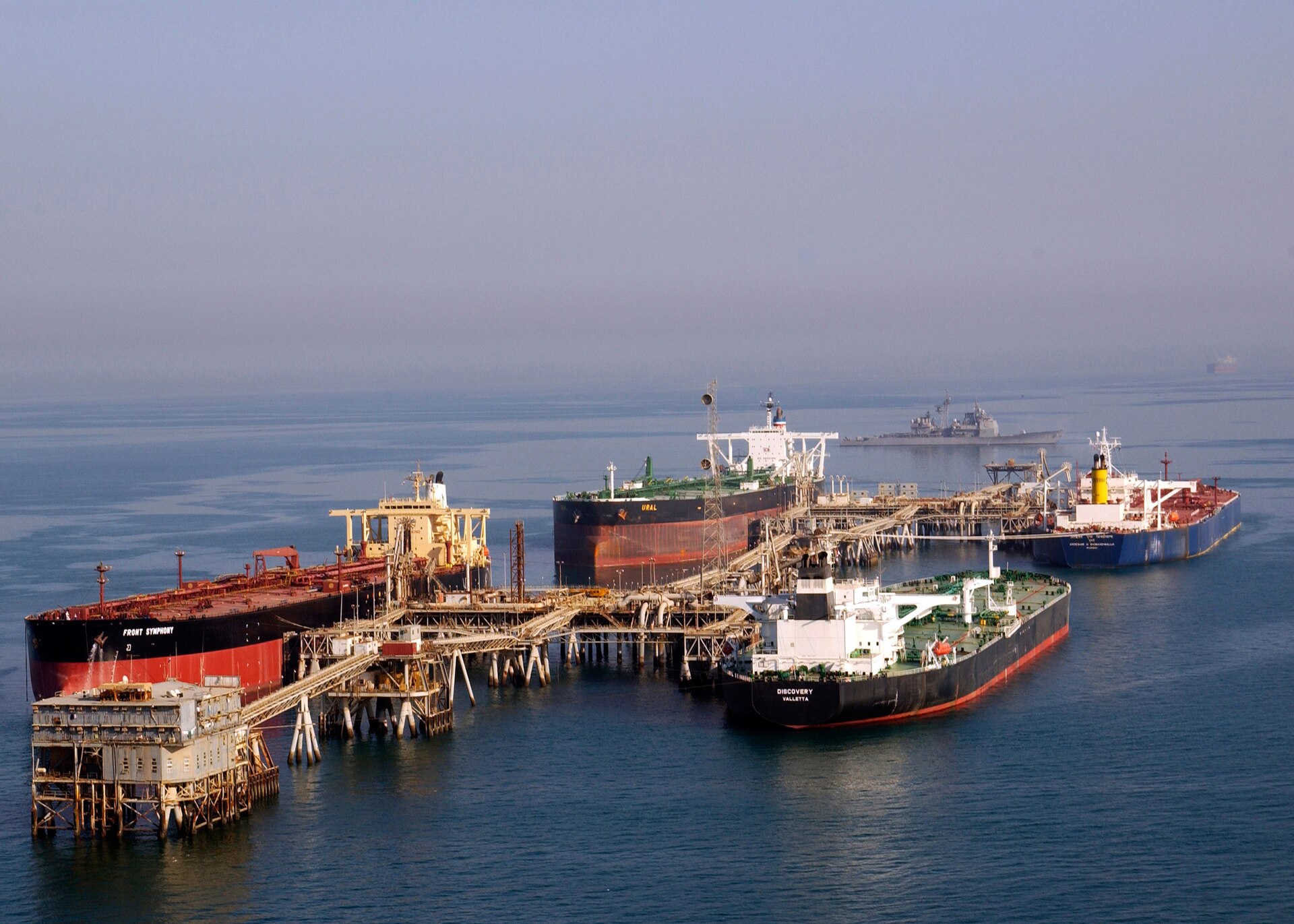
Two oil tankers were attacked by explosive-laden boats believed to be linked to Iran early Thursday in a ship-to-ship transfer zone inside Iraqi territorial waters near the port of Basra, according to Bloomberg and multiple wire service reports. The Marshall Islands-flagged Safesea Vishnu and the Malta-flagged Zefyros had both loaded fuel cargo from Iraq’s Al Basra Oil Terminal (ABOT) and were operating in a designated transfer area when the blasts occurred.
The attacks caused fires aboard both vessels. Iraq’s General Company for Ports of Iraq said rescue operations began immediately, with 25 crew members pulled from the water. Search teams later recovered the body of one foreign crew member, while rescue efforts continued for additional missing seafarers. Iran’s military claimed responsibility for attacking one of the tankers, which Tehran said was owned by a United States-linked company, according to Al Jazeera.
The strikes represent a significant escalation. Until Thursday, Iran’s maritime campaign had focused on the Strait of Hormuz and the broader Persian Gulf shipping lanes. The extension of attacks into Iraqi coastal waters, where tankers load at terminals that handle nearly all of Iraq’s 3.3 million barrels per day in oil exports, opens an entirely new front in what the International Maritime Organization has called the most dangerous shipping environment since the 1980s Tanker War. Iran’s IRGC subsequently threatened to destroy all Gulf oil and gas infrastructure, signalling that no energy facility in the region is safe from attack.
Maritime security firm Ambrey Intelligence reported that both tankers were struck within minutes of each other at approximately 04:30 local time (01:30 GMT), suggesting a coordinated operation rather than an opportunistic attack. The explosive-laden unmanned surface vessels, commonly known as drone boats, approached from the direction of Iranian territorial waters, according to initial assessments cited by the Wall Street Journal. The IRGC Navy has deployed these weapons with increasing frequency since Day 7 of the conflict, when it began enforcing a de facto permit system for vessels transiting the Gulf.
Why Did Iraq Suspend Oil Exports?
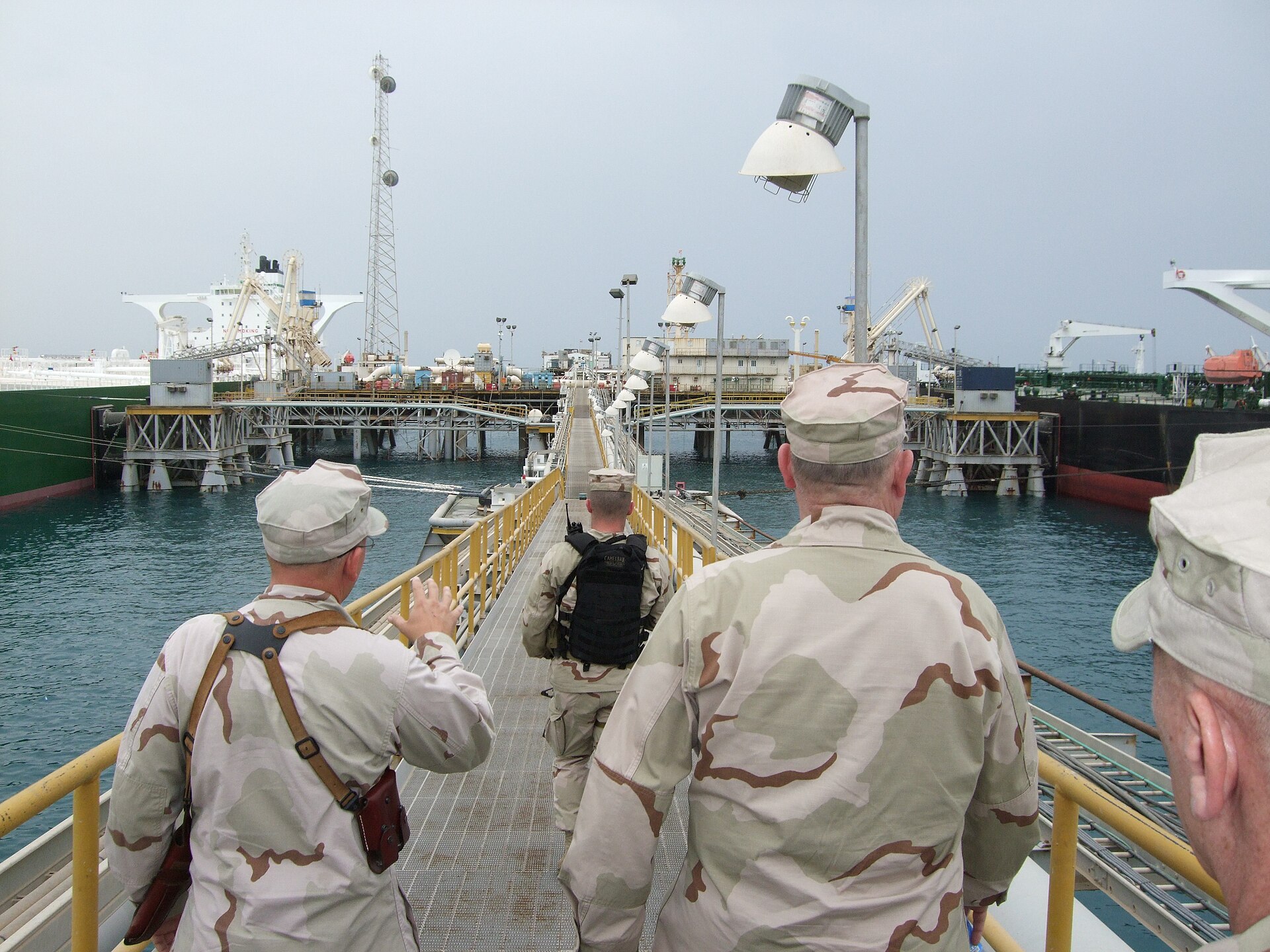
Iraq’s oil export suspension affects the country’s two main offshore loading facilities: the Al Basra Oil Terminal and the smaller Khor al-Amaya Oil Terminal. Together, these platforms handle approximately 97 percent of Iraq’s crude exports, making them among the most critical pieces of energy infrastructure in the world. Iraq is OPEC’s second-largest producer, pumping roughly 4.4 million barrels per day with a quota of approximately 4 million barrels per day under current OPEC+ agreements.
The Middle East briefing 3,000+ readers start their day with.
One email. Every weekday morning. Free.
The General Company for Ports of Iraq described the suspension as a “precautionary measure” and said commercial port activity at Umm Qasr and other non-oil facilities would continue. Iraqi authorities did not specify when oil terminal operations would resume, though Bloomberg reported that officials were assessing security conditions and considering whether to request coalition naval escorts for tankers approaching the loading zones.
The suspension comes at a particularly painful moment for Baghdad. Iraq’s economy depends on oil for more than 90 percent of its government revenue, according to the World Bank. Every day the terminals remain closed costs the Iraqi treasury an estimated $270 million at current oil prices, based on average export volumes and a Brent price above $100 per barrel. Iraq’s central bank reserves, while substantial at roughly $100 billion, would face serious pressure if the closure extends beyond a few days.
Iraq’s prime minister, Mohammed Shia al-Sudani, condemned the attacks as a violation of Iraqi sovereignty and called for an emergency session of parliament, according to Reuters. Baghdad has maintained a careful neutrality throughout the Iran war, avoiding direct involvement while hosting roughly 2,500 American troops at bases that have themselves come under Iranian fire. The tanker strikes force Iraq’s government into a far more uncomfortable position, with pressure mounting from both Washington and Tehran.
The U.S. Fifth Fleet, headquartered in Bahrain, said it was “aware of the incident” and was coordinating with Iraqi coast guard vessels in the search for missing crew members, according to a statement cited by the Associated Press. The Pentagon has not yet indicated whether it will extend the naval convoy escort program — currently focused on the Strait of Hormuz — to cover Iraqi export terminals in the northern Gulf. Such a move would represent a significant expansion of the coalition’s maritime mission and could provoke further Iranian escalation.
Iraq’s oil ministry estimated that storage capacity at the onshore tank farms connected to the southern terminals would reach their limits within 72 to 96 hours if exports do not resume, Reuters reported. That timeline creates additional pressure because Iraq’s upstream production would need to be curtailed, affecting joint venture operations with international oil companies including BP, ExxonMobil, and Lukoil that operate the giant southern fields of Rumaila, West Qurna, and Zubair.
How Does Iraq’s Oil Shutdown Affect Global Prices?
Brent crude futures surged 9.7 percent to $100.90 per barrel on Thursday, breaching the $100 threshold for the second time since the war began, according to CNBC. West Texas Intermediate rose 8.2 percent to $94.52. The rally came despite the IEA’s announcement just one day earlier of the largest coordinated reserve release in its 50-year history.
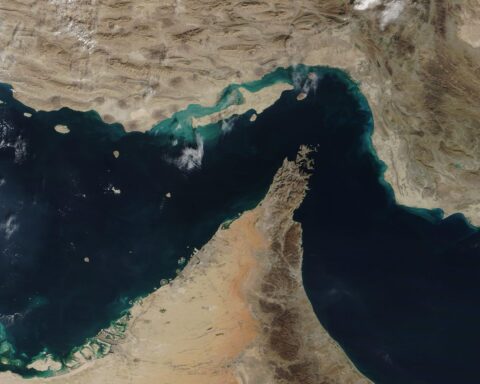
The mathematics of the disruption are stark. Before the Iraq shutdown, the war had already removed the vast majority of oil flows through the Strait of Hormuz. The IEA’s March oil market report stated that export volumes of crude and refined products through the strait had fallen to less than 10 percent of pre-conflict levels. An average of 20 million barrels per day of crude oil and oil products transited the Strait of Hormuz in 2025, representing approximately 25 percent of the world’s seaborne oil trade.
| Metric | Pre-War Level | Current Level | Change |
|---|---|---|---|
| Hormuz oil transit | 20 million bpd | ~2 million bpd | -90% |
| Iraq oil exports | 3.3 million bpd | 0 bpd (suspended) | -100% |
| Brent crude price | $63/barrel (Jan 2026) | $100.90/barrel | +60% |
| Global supply gap | N/A | ~5-6 million bpd | Largest in history |
| IEA reserve release | N/A | 400 million barrels | Largest ever |
Iraq’s closure adds roughly 3.3 million barrels per day to a supply gap that was already the largest in petroleum history. Even with the IEA’s 400-million-barrel reserve release, the combined shortfall from Hormuz disruption and Iraq’s shutdown far exceeds available spare capacity and strategic reserves. At current discharge rates, the IEA’s release would take approximately 120 days to deliver fully, according to the U.S. Department of Energy.
Energy analysts immediately revised price forecasts upward. Goldman Sachs, which had previously projected Brent averaging $95 per barrel in the second quarter, issued a flash note Thursday projecting $110-$120 per barrel if Iraq’s shutdown persists for more than 72 hours, Reuters reported. Iran’s military spokesperson Ebrahim Zolfaqari went further, warning: “Get ready for oil to be $200 a barrel, because the oil price depends on regional security which you have destabilized.”
The Expanding Maritime Front
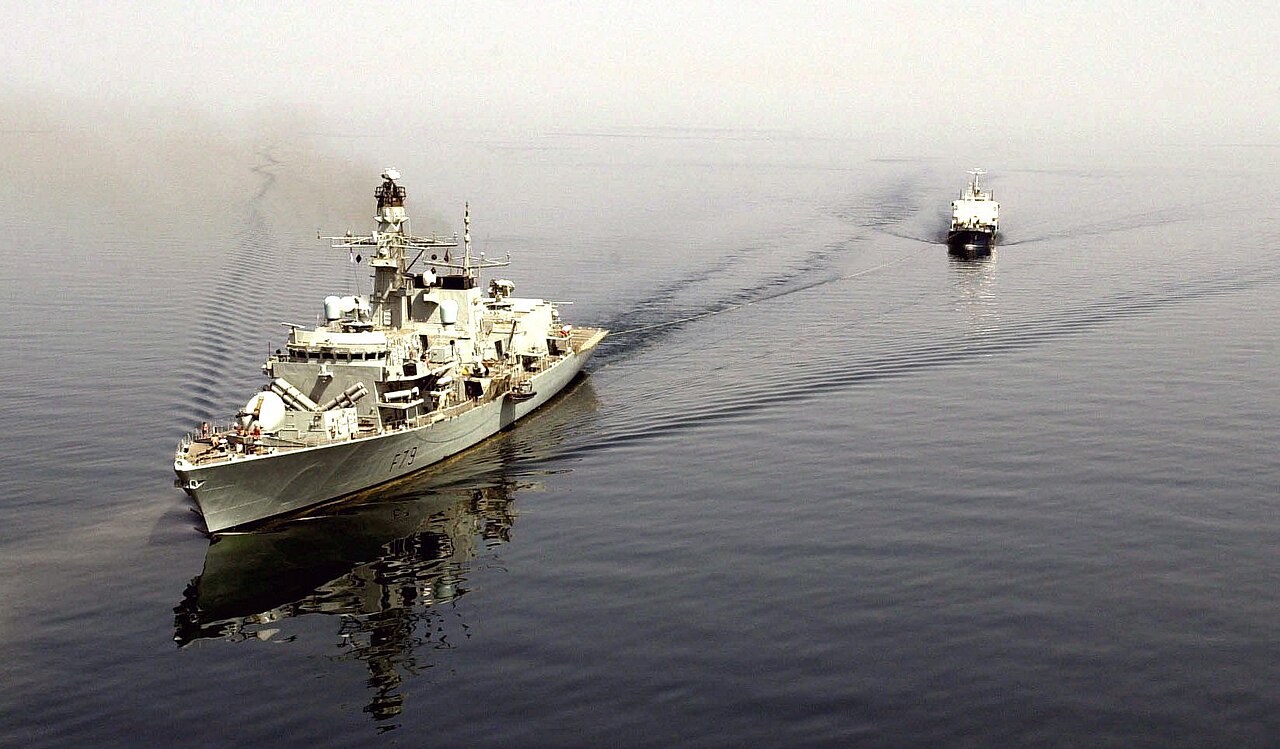
Thursday’s attacks in Iraqi waters were part of a broader escalation. Al Jazeera reported that six vessels were attacked in the Gulf and the Strait of Hormuz on March 12 alone, amid reports of Iranian drone boats and sea mines. A container ship was struck off the coast of the United Arab Emirates, causing a fire. The Windward maritime intelligence platform tracked six separate incidents across the northern Persian Gulf in a 12-hour window, the highest single-day total since the war began.
The Iran war’s maritime dimension has expanded rapidly. During the first week of the conflict, Iran’s retaliatory attacks focused primarily on missile and drone strikes against Gulf state territory and U.S. military installations. The shift toward commercial shipping began in earnest around Day 7, when the Islamic Revolutionary Guard Corps Navy demanded all vessels seek permission to transit the Strait of Hormuz. Since then, attacks on tankers, container ships, and bulk carriers have become a near-daily occurrence.
The tactics mirror Tehran’s strategy in the 1980s Tanker War, when Iran attacked more than 200 commercial vessels in the Persian Gulf over eight years. The current campaign has compressed that violence into less than two weeks. Iran has deployed a combination of anti-ship missiles fired from coastal batteries, Shahed kamikaze drones, explosive-laden unmanned surface vessels (drone boats), and naval mines. Insurance premiums for Persian Gulf shipping have risen to levels that effectively make transit commercially unviable for many operators, with war risk premiums exceeding 5 percent of hull value for some routes.
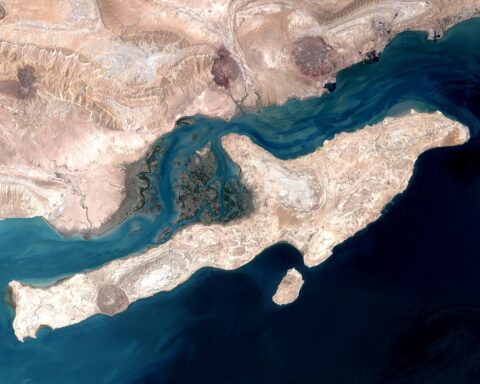
The Iraqi tanker strikes introduce a complication that the 1980s conflict did not present. Iraq’s oil infrastructure sits in the northernmost reaches of the Persian Gulf, far from the Strait of Hormuz. Tankers loading at ABOT do not need to transit the strait at all — they can sail south through the Gulf and exit via the Strait. The fact that Iran targeted vessels in these waters suggests a deliberate strategy to close off all Gulf oil exports, not merely those transiting the Hormuz chokepoint.
What Does This Mean for Saudi Arabia’s Oil Strategy?
The Iraq port shutdown compounds an already severe problem for Saudi Arabia and its OPEC+ partners. Saudi Arabia’s own oil exports have been severely disrupted by the war. The Kingdom’s primary export terminals on the Persian Gulf coast — Ras Tanura, Ju’aymah, and Ras al-Khair — face the same shipping lane threats that forced Iraq to suspend operations. Saudi Aramco has diverted an increasing share of exports through the East-West Pipeline to the Red Sea port of Yanbu, but that pipeline’s capacity of approximately 5 million barrels per day is insufficient to replace full Gulf coast export volumes.
Iranian strikes on Oman’s Salalah Port earlier this week destroyed what had been the Gulf’s last viable bypass option for shipping that avoided the Hormuz chokepoint. With Iraq’s terminals now closed, the only major Gulf producer still exporting at near-normal levels is Saudi Arabia via Yanbu — and even that route faces Houthi threats in the Red Sea that have plagued commercial shipping since 2023.
OPEC+ had agreed on March 1 to begin unwinding voluntary production cuts with a 206,000-barrel-per-day increase scheduled for April, according to the cartel’s official statement. That decision now looks overtaken by events. Multiple OPEC delegates told Bloomberg that the group was considering an emergency meeting to address the Iraq shutdown, though no formal request had been filed as of Thursday evening. Saudi Arabia, which holds the largest spare production capacity among OPEC members at roughly 2-3 million barrels per day, faces the paradox of being unable to deliver much of that capacity to market because of the shipping disruption.
The Kingdom’s wartime economic exposure continues to grow. The cumulative economic cost of the Iran war to Saudi Arabia now runs into the tens of billions of dollars when factoring in lost export revenues, military spending, infrastructure damage, and the collapse of foreign investment flows. Each day the conflict continues without a ceasefire, the reconstruction bill rises.
Iran’s Supreme Leader Doubles Down on Hormuz Closure
The Iraqi tanker strikes came hours after Iran’s new Supreme Leader, Mojtaba Khamenei, issued his first public statement since being named to the position on March 8. In a message read on state television by a news anchor, Khamenei said the Strait of Hormuz should remain closed and that Iran would continue attacks on its Gulf neighbors, CNBC reported. He also declared that U.S. military bases in the region would be attacked “unless they are closed.”
Mojtaba Khamenei, 55, is the son of former Supreme Leader Ali Khamenei, who was killed in an Israeli strike at the start of the war on February 28. His appointment was confirmed by Iran’s Assembly of Experts on March 8, consolidating wartime leadership in a figure widely regarded as more hardline than his father on military matters. Western intelligence agencies have assessed that Mojtaba Khamenei maintained close ties to the IRGC’s Quds Force and oversaw elements of Iran’s cyber warfare program before his elevation, according to PBS.
The statement from Iran’s new leader dashes near-term hopes for a diplomatic resolution. Iran had outlined three conditions for a ceasefire — recognition of its sovereign rights, war reparations, and guarantees against future Israeli and American attacks — but Khamenei’s defiant tone suggested Tehran is preparing for a protracted conflict rather than imminent negotiations. The IRGC’s spokesperson reinforced the message, warning: “Expect oil at $200 per barrel. Not a liter of oil will pass through the strait.”
The IEA Response and Global Oil Supply
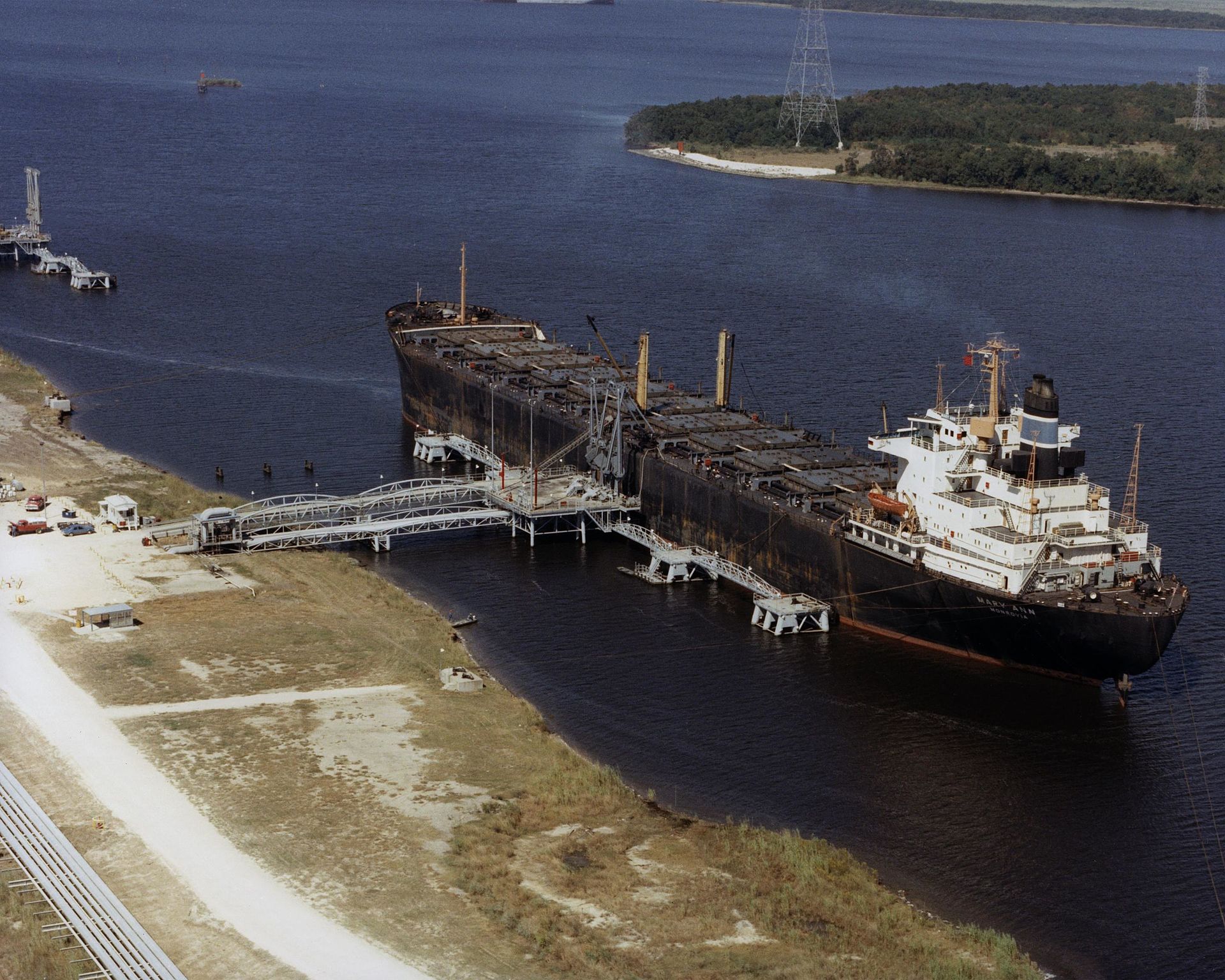
The International Energy Agency’s 32 member countries unanimously agreed on March 11 to release 400 million barrels of oil from their emergency reserves — the largest such action in the organization’s 50-year history, eclipsing the 60 million barrels released during the 2011 Libya crisis and the 180 million barrels released in 2022 following Russia’s invasion of Ukraine. The United States is contributing 172 million barrels from the Strategic Petroleum Reserve, the Department of Energy confirmed, with deliveries starting the following week at planned discharge rates that would take approximately 120 days to complete.
Markets treated the announcement as insufficient. Brent crude fell briefly on the IEA news but rebounded above $94 by Wednesday evening and then surged past $100 on Thursday after the Iraq port closure and Khamenei’s statement. The fundamental problem, as energy analysts have noted, is that the 400-million-barrel release amounts to roughly four to five days of the disrupted supply flow. The strategic reserves offer a bridge, not a solution — and the bridge leads nowhere if the underlying conflict continues.
The U.S. Energy Information Administration’s short-term forecast, updated this week, projected Brent averaging above $95 per barrel over the next two months before declining below $80 in the third quarter of 2026. That forecast was issued before Iraq’s port shutdown and appeared already outdated by Thursday afternoon. OPEC+ nations outside the conflict zone — primarily African producers like Nigeria and Angola — lack the infrastructure to ramp up production quickly enough to compensate for the loss of Gulf output.
The combined effect of the Hormuz disruption and Iraq’s port closure has created what economists describe as a classic supply shock. Consumer nations face rising fuel costs during the Islamic holy month of Ramadan, when demand for transportation and food distribution typically increases across Muslim-majority countries. European natural gas prices have also risen, reflecting concerns that LNG shipments from Qatar — the world’s largest exporter — face the same transit risks through the strait.
Japan and South Korea, which together imported approximately 4.5 million barrels per day from the Persian Gulf in 2025, face particular vulnerability. Both nations have limited strategic reserves relative to their consumption rates, and their geographic distance from alternative suppliers in the Americas and West Africa increases lead times for replacement cargoes. Tokyo activated its emergency petroleum management protocols on Wednesday, and Seoul announced it would begin mandatory conservation measures for industrial consumers if prices remain above $100 for more than five consecutive trading days, according to the Nikkei Asia.
The crisis has also redrawn the competitive landscape among oil producers. Non-Gulf exporters — the United States, Brazil, Guyana, Canada, and Norway — have seen their crude trade at record premiums to comparable Gulf grades. U.S. crude exports from the Gulf of Mexico reached a record pace in early March, with Cushing, Oklahoma storage levels dropping to their lowest since 2022, the EIA reported. The reshuffling of global crude flows has created bottlenecks at ports from Houston to Singapore, as refiners scramble to secure non-Gulf barrels.
Russia, which has supplied Iran with advanced military equipment throughout the conflict, stands as perhaps the only major oil producer positioned to benefit from the disruption. Moscow’s crude exports, which bypass the Persian Gulf entirely, command a premium in Asian markets that has widened since the war began.
Frequently Asked Questions
How much oil does Iraq export through its southern terminals?
Iraq exports approximately 3.3 million barrels per day through its southern oil terminals, primarily the Al Basra Oil Terminal (ABOT) and Khor al-Amaya Oil Terminal (KAAOT). These facilities handle roughly 97 percent of Iraq’s total crude exports. Iraq is OPEC’s second-largest producer, and its southern ports are among the most critical oil export facilities in the world.
Which tankers were attacked near Basra on March 12?
The Marshall Islands-flagged Safesea Vishnu and the Malta-flagged Zefyros were attacked by explosive-laden boats in a ship-to-ship transfer zone inside Iraqi territorial waters near Basra. Both vessels had loaded fuel cargo at the Al Basra Oil Terminal. One crew member was killed and at least 25 were rescued, with search operations continuing for additional missing seafarers.
Why did oil prices surge above $100 per barrel?
Brent crude hit $100.90 per barrel on March 12 due to the combination of Iraq’s oil port shutdown, Iran’s new Supreme Leader Mojtaba Khamenei declaring the Strait of Hormuz will remain closed, and six separate maritime attacks in the Persian Gulf in a single day. The rally erased all price relief from the IEA’s record 400-million-barrel reserve release announced the previous day.
Has Iraq been targeted in the Iran war before this?
U.S. military bases in Iraq have been targeted by Iranian-aligned groups since the war began, but Thursday’s tanker strikes represent the first time oil-related infrastructure or vessels in Iraqi waters were attacked. Baghdad has maintained a position of neutrality while hosting approximately 2,500 American troops, a balance that has become increasingly difficult as the conflict widens.
How does this affect Saudi Arabia?
Iraq’s port closure intensifies the pressure on Saudi Arabia’s own oil export infrastructure. Saudi Aramco has already diverted exports from its Persian Gulf terminals to the Red Sea port of Yanbu via the East-West Pipeline, but capacity constraints limit the total volume that can move through that route. The shutdown of a fellow OPEC+ member’s exports deepens the global supply deficit and raises the stakes for Saudi Arabia’s own wartime positioning.