
RIYADH — Saudi Arabia has absorbed more than two hundred Iranian drones and missiles since February 28 without firing a single offensive shot at Tehran. Crown Prince Mohammed bin Salman’s decision to absorb punishment rather than retaliate ranks among the most consequential strategic choices in modern Middle Eastern history — and the evidence increasingly suggests it is working. While Washington and Tel Aviv have spent fourteen days bombing Iranian nuclear facilities and military installations, Riyadh has quietly positioned itself to emerge from the war stronger, richer, and more diplomatically influential than any of its allies or adversaries. The Kingdom’s restraint is not paralysis. It is a calculated doctrine forged in the wreckage of the 2019 Abqaiq attacks, refined through three years of diplomatic re-engagement with Tehran, and now being tested under the most sustained aerial bombardment any Gulf state has endured since the Iran-Iraq War. Five dimensions of that calculus — military, economic, diplomatic, domestic, and post-war positioning — reveal a strategy that most Western commentators have fundamentally misread.
Table of Contents
- Why Has Saudi Arabia Not Struck Iran?
- The Abqaiq Doctrine — How 2019 Rewrote MBS’s Playbook
- What Does Saudi Arabia Gain by Not Fighting?
- The Restraint Dividend Matrix
- How Many Iranian Attacks Has Saudi Arabia Absorbed?
- The Alliance That Demands War and the Prince Who Refuses
- Is MBS Right to Hold Fire?
- The Diplomatic Backchannel That Never Closed
- The Multi-Alignment Dividend
- Can Saudi Arabia Sustain Restraint Indefinitely?
- What Would Trigger a Saudi Strike on Iran?
- The Post-War Advantage Nobody Is Counting
- Frequently Asked Questions
Why Has Saudi Arabia Not Struck Iran?
Saudi Arabia has refrained from striking Iran because Crown Prince Mohammed bin Salman has determined that offensive military action would impose catastrophic costs on the Kingdom’s economic transformation, diplomatic standing, and post-war positioning — costs that far exceed any tactical gains from joining the US-Israeli campaign. That judgment is rooted in seven years of strategic recalibration that began after the Yemen quagmire and accelerated following the 2019 Abqaiq-Khurais attacks. The approach has produced an unexpected dividend: the Houthis have chosen restraint over solidarity with Tehran, keeping Saudi Arabia’s southern border quiet while Iranian drones attack from the northeast.
The official Saudi position, articulated in a late-night Cabinet session on March 3 chaired by MBS via videoconference, reserves the Kingdom’s “full right to take all necessary measures to protect its security, sovereignty, and territorial integrity,” according to the Saudi Press Agency. The deliberate gap between reserving that right and exercising it represents the core of Saudi strategy. Riyadh has condemned Iranian attacks as “blatant and cowardly” while simultaneously maintaining a diplomatic backchannel to Tehran that Bloomberg reported had “intensified” as of March 6. However, as the war entered its third week and Iran launched its largest-ever single-day drone barrage against Saudi territory, the strategic calculus behind Saudi Arabia’s restraint began shifting dramatically, with damage accumulation outpacing the diplomatic benefits of passivity.
Multiple factors anchor this restraint. First, Saudi Arabia did not initiate the war and has no interest in being drawn into a conflict started by others. MBS told fellow GCC leaders to “avoid taking moves that could trigger a response by Tehran or its proxies,” according to Middle East Eye, a directive that applied to Saudi Arabia itself above all. Second, the Kingdom learned from the 2019 Abqaiq attack that its air defense network, however expensive, cannot guarantee protection against a full-scale Iranian retaliatory assault if Riyadh escalates from target to combatant. Third, and most critically, MBS has calculated that the country’s long-term interests — Vision 2030, investor confidence, sovereign credit, diplomatic influence — are better served by absorbing damage now than by creating the unpredictable chaos of a two-front war.
The Abqaiq Doctrine — How 2019 Rewrote MBS’s Playbook
On September 14, 2019, eighteen drones and seven cruise missiles struck Saudi Aramco’s Abqaiq processing facility and the Khurais oil field, temporarily removing 5.7 million barrels per day from global supply — roughly 50 percent of the Kingdom’s total output, according to the US Congressional Research Service. The attack was the single most devastating assault on energy infrastructure in modern history. MBS called it “an act of war.” He then chose not to wage one.
That decision represented a pivotal moment in Saudi strategic thinking, one whose consequences are now playing out across the 2026 conflict. The Crown Prince and his closest advisors drew three conclusions from Abqaiq that have since hardened into doctrine.
The Middle East briefing 3,000+ readers start their day with.
One email. Every weekday morning. Free.
The first was that American security guarantees had limits. The Trump administration in 2019 responded to the attack with additional sanctions on Iran but no military retaliation, despite the attack striking at the foundation of the US-Saudi security relationship. Baker Institute analysis noted that the muted US response “raised fundamental questions about the credibility of extended deterrence in the Gulf.” MBS concluded, according to regional diplomats who spoke to the Middle East Council on Global Affairs, that Saudi Arabia could not rely on Washington to fight its wars.
The second lesson was that Iran’s asymmetric capabilities made the cost of retaliation prohibitively high. A Saudi strike on Iranian territory would have invited a second, larger wave of attacks on Aramco facilities, desalination plants, and civilian infrastructure — attacks that Riyadh’s Patriot batteries had manifestly failed to prevent the first time. The risk-reward calculus was lopsided: a symbolic military response would have felt good domestically but potentially triggered an escalation spiral with no clear endpoint.
The third and most consequential conclusion was that Vision 2030 required regional stability above all else. In a 2021 interview, MBS adopted an entirely new public posture toward Iran, saying “all what we strive for is to have a good relationship with them.” The statement reflected genuine strategic calculation, not diplomatic pleasantry. Within two years, Saudi Arabia and Iran announced the restoration of diplomatic relations through Chinese mediation in Beijing — the signature diplomatic achievement of MBS’s tenure. That the Kingdom’s dramatic policy shift on Iran — from calling Tehran a “sister nation” in mid-2025 to labelling it an existential threat by March 2026 — unfolded through identifiable decision points rather than overnight panic underscores how deeply the Abqaiq experience reshaped MBS’s strategic calculus.
The Abqaiq doctrine, as Riyadh’s strategic community now informally refers to it, holds that Saudi Arabia gains more from being the responsible, restrained power in any regional crisis than from being an active belligerent. The 2026 Iran war is the first true test of that doctrine under sustained fire.
What Does Saudi Arabia Gain by Not Fighting?
Saudi Arabia gains four strategic advantages from its policy of armed non-belligerence that would evaporate the moment Riyadh launched an offensive strike against Iran. Taken together, these advantages position the Kingdom to emerge from the war in a fundamentally stronger geopolitical position than any other regional actor.
The first is diplomatic moral authority. By suffering Iranian aggression without retaliating offensively, Saudi Arabia has secured near-universal international sympathy. The UN Security Council condemned Iran’s attacks on Gulf states in a near-unanimous vote on March 11. Arab foreign ministers invoked collective defense provisions after Iran struck eight states, with Riyadh’s restraint — not its military power — positioned as the GCC’s unifying principle. Pakistan’s Prime Minister Shehbaz Sharif flew to Jeddah on March 12 to pledge “full solidarity and support,” a visit that underscored Saudi Arabia’s status as a victim deserving of protection rather than a co-belligerent seeking allies for offensive operations.
The second advantage is economic preservation. Saudi Arabia’s foreign reserves reached a six-year high of $475 billion in early 2026, according to the Saudi Central Bank (SAMA). That war chest exists because MBS has spent three years cultivating investor confidence. A Saudi military strike on Iran would trigger immediate capital flight, crash the Tadawul stock exchange, widen sovereign credit default swap spreads, and potentially destabilize the riyal-dollar peg — consequences far more damaging to the Kingdom’s long-term interests than the physical damage from Iranian drones that its air defenses are successfully intercepting at rates exceeding 90 percent. The economic logic of restraint was further validated when the US strike on Iran’s Kharg Island oil hub reshaped global supply dynamics, effectively removing Iran’s export capacity from the market and cementing Saudi Arabia’s position as the world’s indispensable crude supplier.
The third advantage is post-war positioning. Wars end. When this one does, Iran will need reconstruction partners, Gulf security will need a new architecture, and the regional diplomatic order will be reshuffled. Saudi Arabia’s restraint today is buying a seat at the head of that table. A Saudi Arabia that bombed Tehran would have no diplomatic relationship to rebuild. A Saudi Arabia that maintained backchannels throughout the conflict can credibly position itself as the Gulf’s leading mediator — a role that carries enormous economic and strategic dividends.
The fourth advantage, often overlooked, is domestic stability. Saudi Arabia’s 35 million residents — including 13 million foreign workers — are enduring air raid sirens, intercepted drones over Riyadh, and disrupted commercial activity. MBS can credibly tell his population that the Kingdom is defending itself but not escalating the conflict. That narrative collapses the moment Saudi jets strike Iranian territory. The domestic political equation, already strained by wartime disruption to Vision 2030 megaprojects, favors restraint over aggression.
The Restraint Dividend Matrix
Saudi Arabia’s non-belligerence generates measurable returns across five strategic dimensions. Analyzing these returns against the costs of restraint reveals why MBS’s calculation has remained stable despite fourteen days of sustained Iranian attacks and mounting pressure from Washington hawks to join the offensive campaign. The complete military, economic, and diplomatic balance sheet after two weeks of war shows that Iran is losing on two of three ledgers and achieving only partial success on the third.
| Dimension | Cost of Restraint | Return on Restraint | Cost of Striking Iran | Net Dividend |
|---|---|---|---|---|
| Military | Continued drone/missile attacks; interceptor depletion; infrastructure damage | No escalation to full-scale war; coalition partners absorb defense burden; interceptor resupply flowing | Full Iranian military response; proxy activation across 5 fronts; US/UK forced to defend Saudi offensive targets | Strongly Positive |
| Economic | ~$2-4B infrastructure damage; trade disruption; Hormuz closure reducing exports | $475B reserves intact; sovereign credit preserved; PIF portfolio protected; oil price premium ($110+) partially compensates lost volume | Capital flight; Tadawul crash; CDS spike; possible riyal peg pressure; FDI freeze | Strongly Positive |
| Diplomatic | Perception of “weakness” among some allies; US congressional pressure (Graham) | UN sympathy; Pakistan military deployment; UK defense re-engagement; Chinese mediation credibility; post-war negotiation leverage | Loss of mediator status; Tehran backchannel severed; Gulf coalition fractures | Strongly Positive |
| Domestic | Public frustration at absorbing attacks; damage to national pride | “Defending but not escalating” narrative sustainable; no Saudi military casualties from offensive operations; Ramadan restraint aligns with Islamic values | Saudi military casualties; public panic at full-scale war; expat exodus accelerates | Moderately Positive |
| Post-War | Risk that Iran interprets restraint as permanent acquiescence | Seat at reconstruction table; credible mediator; regional leadership claim; enhanced GCC influence | Permanent Iranian enmity; reconstruction excluded; decades of bilateral hostility | Strongly Positive |
The matrix reveals that across every dimension, the returns on restraint exceed its costs, often dramatically. The only dimension where the net dividend drops below “strongly positive” is domestic — and even there, the calculation favors restraint because the alternative (Saudi military casualties in an offensive war) would be far more politically destabilizing than the current defensive posture.
Critically, the Restraint Dividend Matrix is not static. Its calculations shift with the duration and intensity of the conflict. If Iran were to successfully strike a desalination plant serving millions, kill significant numbers of Saudi civilians, or damage the East-West Pipeline that now carries the bulk of Saudi oil exports, the “cost of restraint” column would dramatically increase and potentially flip the matrix toward offensive action. MBS’s strategic discipline lies in continuously reassessing these inputs without succumbing to the emotional pressure of individual attacks.
How Many Iranian Attacks Has Saudi Arabia Absorbed?
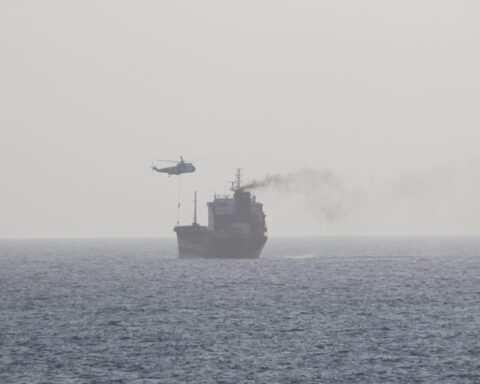
Saudi Arabia has intercepted and absorbed a sustained barrage of Iranian drones and missiles over fourteen consecutive days since February 28, with the daily tempo of attacks increasing rather than decreasing as the conflict enters its third week. The March 12 barrage — thirty-one drones and three ballistic missiles in a single day, including a drone targeting Riyadh’s Diplomatic Quarter — represented the largest single-day attack on Saudi territory since the war began.
| Target Country | Ballistic Missiles | Cruise Missiles | Drones | Total Weapons | Key Targets Hit |
|---|---|---|---|---|---|
| UAE | 165 | 2 | 541 | 708 | Al Dhafra Air Base, Abu Dhabi port, Dubai International Airport |
| Kuwait | 97 | — | 283 | 380 | Ali Al Salem Air Base, Kuwait International Airport |
| Saudi Arabia | ~40 | ~8 | ~200+ | ~250+ | Prince Sultan Air Base, Ras Tanura, Shaybah, Riyadh Diplomatic Quarter |
| Bahrain | 45 | — | 9 | 54 | US Naval Forces Central Command, fuel depot |
| Qatar | 18 | — | — | 18 | Al Udeid Air Base |
These numbers, compiled from official defense ministry statements reported by Al Arabiya, Arab News, and Al Jazeera, represent confirmed intercepts and strikes. Actual launch totals are believed to be higher, as Iran’s Shahed-136 drones have a failure rate of approximately 20-30 percent based on Ukrainian battlefield data, according to the Royal United Services Institute.
The targeting pattern reveals Iran’s strategic calculus. Attacks on Saudi territory have focused overwhelmingly on military installations (Prince Sultan Air Base in al-Kharj), energy infrastructure (the Shaybah oil field and Ras Tanura refinery complex), and symbolic targets (the US Embassy in Riyadh and the Diplomatic Quarter). Tehran has deliberately avoided mass-casualty attacks on Saudi civilian population centers — a restraint within Iran’s own aggression that suggests Tehran, too, is calculating the risk of escalation.
Two Saudi civilians were killed on March 8 when a projectile struck a residential building in al-Kharj, according to Al Jazeera — a tragic but militarily insignificant toll given the scale of the bombardment. By comparison, the 1991 Gulf War saw 28 Americans killed by a single Scud missile strike on a barracks in Dhahran. The relatively low casualty count reflects both the effectiveness of Saudi air defenses and Iran’s targeting choices.
The Alliance That Demands War and the Prince Who Refuses
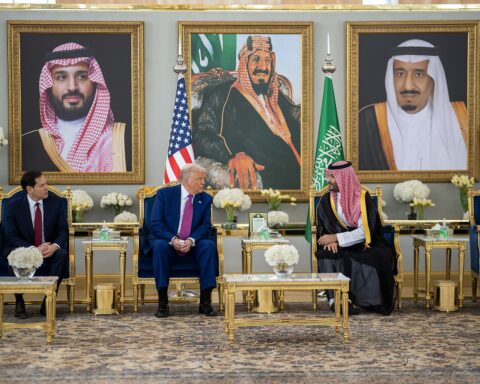
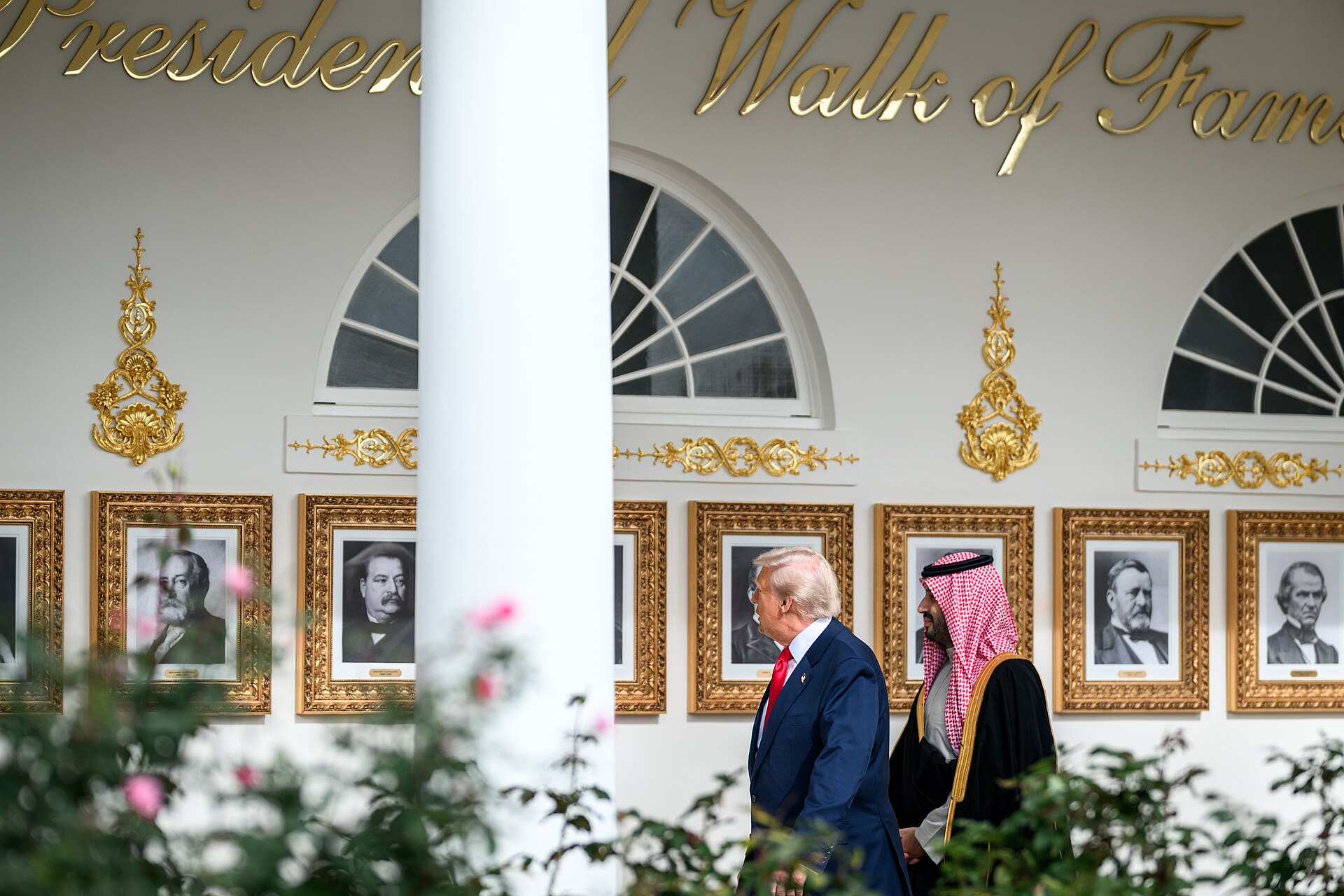
Saudi Arabia’s restraint has created a paradox within its own alliance system. Washington, or at least significant factions within it, wants Riyadh to join the offensive campaign. Riyadh has refused, and the tension is reshaping the US-Saudi relationship in ways that will outlast the war. Saudi Arabia is not alone in diverging from Washington; each GCC member state has chosen a radically different path, from Oman’s rejection of Trump’s Peace Council to Bahrain’s calls for collective military action.
Senator Lindsey Graham threatened to kill the pending US-Saudi defense pact if Riyadh continued refusing to strike Iran, a demand that revealed a fundamental misunderstanding of Saudi strategic interests. Graham’s position — that Saudi Arabia should attack Iran because American forces are defending Saudi territory — treats the Kingdom as a client state rather than a sovereign actor with its own cost-benefit analysis. MBS has evidently calculated that losing the defense pact is a less dangerous outcome than fighting a war that would shatter Vision 2030.
The US pressure intensified after the March 2 Iranian drone strike on the CIA station in the US Embassy compound in Riyadh, reported by The Washington Post. American officials privately urged Saudi Arabia to allow offensive operations from Saudi soil — a request Riyadh had already denied before the war began. Fox News reported that Saudi Arabia had explicitly told Washington that it would not allow US bases or airspace to be used for attacks on Iran, a position that MBS communicated directly to Iranian President Masoud Pezeshkian in an effort to prevent Iranian retaliation against the Kingdom.
That diplomatic gambit partially failed: Iran attacked Saudi Arabia anyway, treating the Kingdom as a legitimate target because of the presence of US military installations on Saudi soil. But the pre-war assurance — and Saudi Arabia’s continued refusal to conduct offensive operations — has kept the backchannel to Tehran alive, a channel that Bloomberg described as having “intensified” rather than collapsed since the war began.
The episode exposed what may be the central strategic contradiction of the American security presence in the Gulf: the bases that were supposed to deter Iranian aggression instead drew it. Prince Sultan Air Base attracted Iranian fire not because Saudi Arabia had joined the offensive campaign but simply because Americans were stationed there. MBS’s restraint doctrine must contend with a geography in which American installations on Saudi soil function less as shields and more as lightning rods.
Is MBS Right to Hold Fire?
The prevailing narrative among Western defense analysts is that Saudi Arabia’s restraint reflects weakness — an inability to project offensive power against Iran rather than a deliberate strategic choice. That reading is wrong, and the evidence demonstrates why.
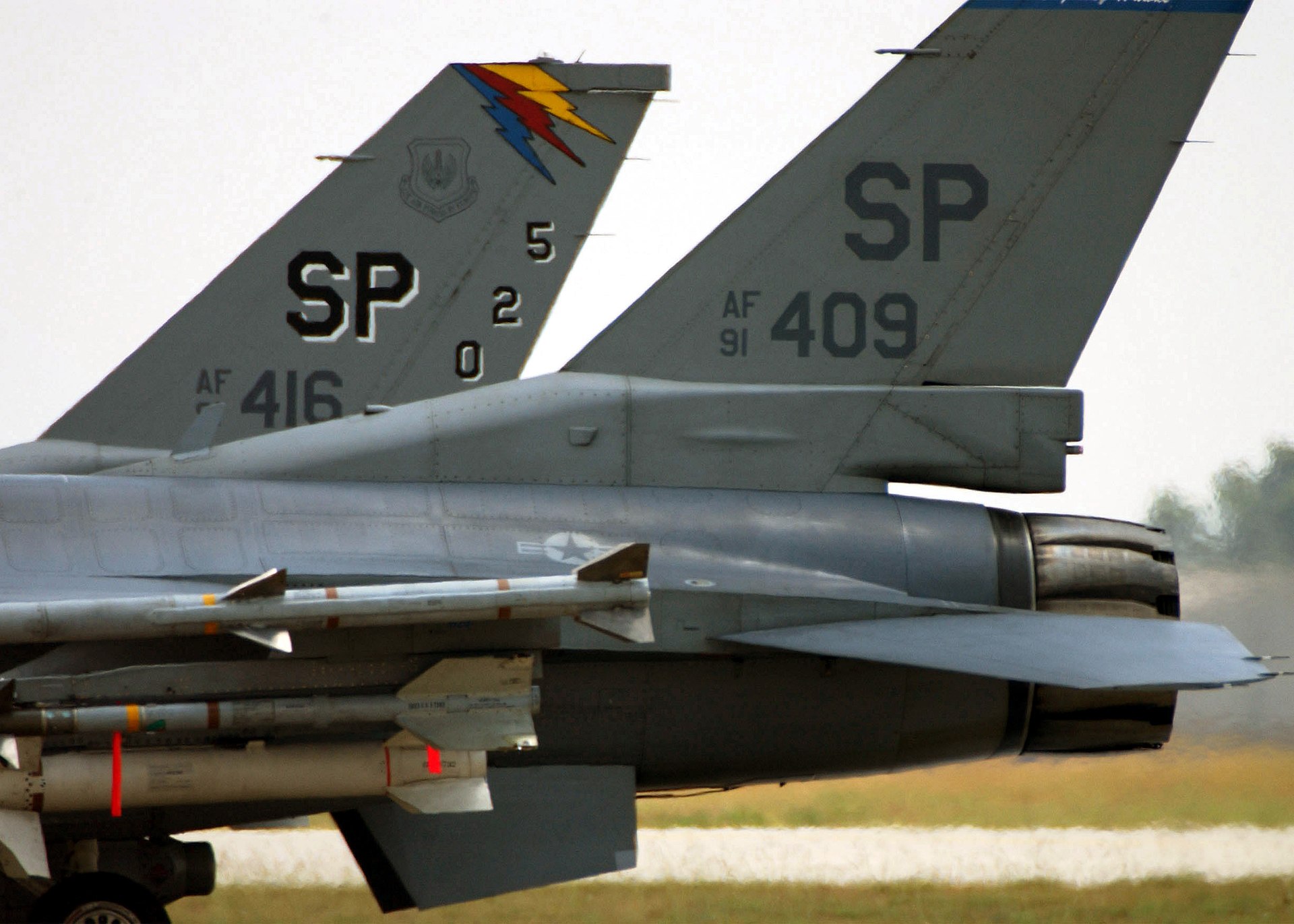
Saudi Arabia spent approximately $75-80 billion on defense in 2026, according to the International Institute for Strategic Studies and MilitaryCompare.com — a figure representing roughly 7.3 percent of GDP and placing the Kingdom among the world’s top five military spenders. The Royal Saudi Air Force operates advanced F-15SA Strike Eagles, Eurofighter Typhoons, and a fleet of precision-guided munition stocks that were specifically designed for offensive operations against regional adversaries. Saudi Arabia has the capability to strike Iran. It has chosen not to.
The distinction between “cannot” and “will not” is critical. Conventional analysis frames Saudi non-belligerence as a symptom of military inadequacy — the same framing that interpreted the 2019 Abqaiq non-response as proof that Saudi Arabia’s military was a paper tiger. But the Crown Prince and his advisors have made a more sophisticated calculation: that the first Saudi bomb to fall on Iranian soil would transform the Kingdom from a sympathetic victim of unprovoked aggression into a co-belligerent in America’s war, with all the diplomatic, economic, and security consequences that transformation entails.
Consider the counterfactual. If Saudi Arabia had launched retaliatory strikes on Iranian military targets after the first wave of attacks on February 28, Tehran would have been handed the narrative it desperately needed: that the war was not America and Israel against Iran, but a Sunni-Western coalition against the Islamic Republic. The Houthi movement in Yemen, which has so far largely held its fire against Saudi Arabia, would have received the political justification to resume cross-border attacks on Saudi cities. Hezbollah’s 200-rocket barrage against Israel on March 13 would likely have included Saudi targets. The “Axis of Resistance” — which Tehran has struggled to fully activate against Gulf states — would have crystallized around a Saudi-Iranian war within the broader conflict.
By refusing to fight, MBS has denied Iran the binary it needs. The war remains US-Israel versus Iran, not Sunni versus Shia, not Arab versus Persian. That framing serves Saudi interests enormously — and its maintenance is arguably MBS’s most significant strategic contribution to the conflict.
The Diplomatic Backchannel That Never Closed
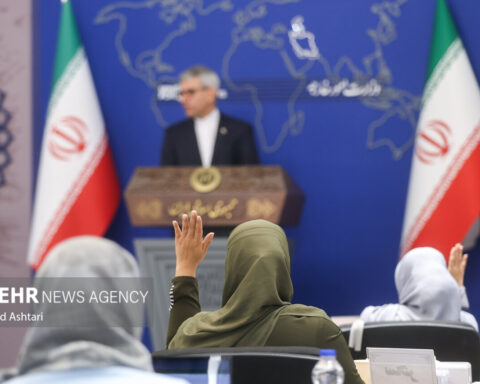
The most remarkable feature of Saudi Arabia’s wartime posture is that diplomatic communication with Iran has not merely survived the conflict but intensified. Bloomberg reported on March 6 that “Saudi Arabia has stepped up direct engagement with Iran to try and contain a war in the Middle East that is causing havoc and stressing global markets.” The backchannel, which was re-established through Chinese mediation in 2023, has proven resilient enough to withstand two weeks of Iranian missiles striking Saudi territory.
That diplomatic channel faces its most severe test yet after Israel struck Tehran’s Ferdowsi Square during the Al-Quds Day rally on March 13, an escalation that hardliners in Tehran are using to argue that negotiation with any US-aligned party is futile.
Saudi Foreign Minister Prince Faisal bin Farhan has been the primary interlocutor, maintaining contact with Iranian counterparts even as the Saudi Defense Ministry issued daily statements condemning “failed and cowardly” attacks. This dual-track approach — public condemnation paired with private engagement — is a hallmark of MBS’s diplomatic style and reflects a clear understanding that today’s enemy may be tomorrow’s necessary partner.
The backchannel serves several practical purposes. It allows both sides to communicate red lines in real time, reducing the risk of accidental escalation. It provides a channel for de-confliction, particularly regarding attacks on civilian infrastructure and population centers. And it preserves the institutional framework for a bilateral relationship that will need to function once the war ends, whether that takes weeks or months.
In April 2025, months before the war, Saudi Defense Minister Khalid bin Salman traveled to Tehran to meet Supreme Leader Ali Khamenei and deliver a message urging diplomatic engagement with Washington, according to the Middle East Council on Global Affairs. Khamenei is now dead, killed in the US-Israeli strikes of February 28. But the diplomatic infrastructure that visit represented — personal relationships, back-channel protocols, mutual understandings — has survived the supreme leader’s assassination and is now carrying wartime traffic between two governments that are technically on opposite sides of a military conflict.
No other Gulf state has maintained this level of engagement with Tehran. Bahrain has broken diplomatic relations. The UAE has recalled its ambassador. Kuwait’s backchannel, if it exists, has not been publicly reported. Saudi Arabia’s unique diplomatic position — victim of Iranian attacks yet still talking to Tehran — is a direct product of its restraint doctrine.
The Multi-Alignment Dividend
Saudi Arabia’s restraint draws strength from the Kingdom’s multi-alignment strategy — the deliberate cultivation of strategic partnerships with every major global power simultaneously, regardless of their positions vis-a-vis Iran. This approach, which MBS has pursued since approximately 2019, pays its largest dividends precisely in moments like the current crisis.
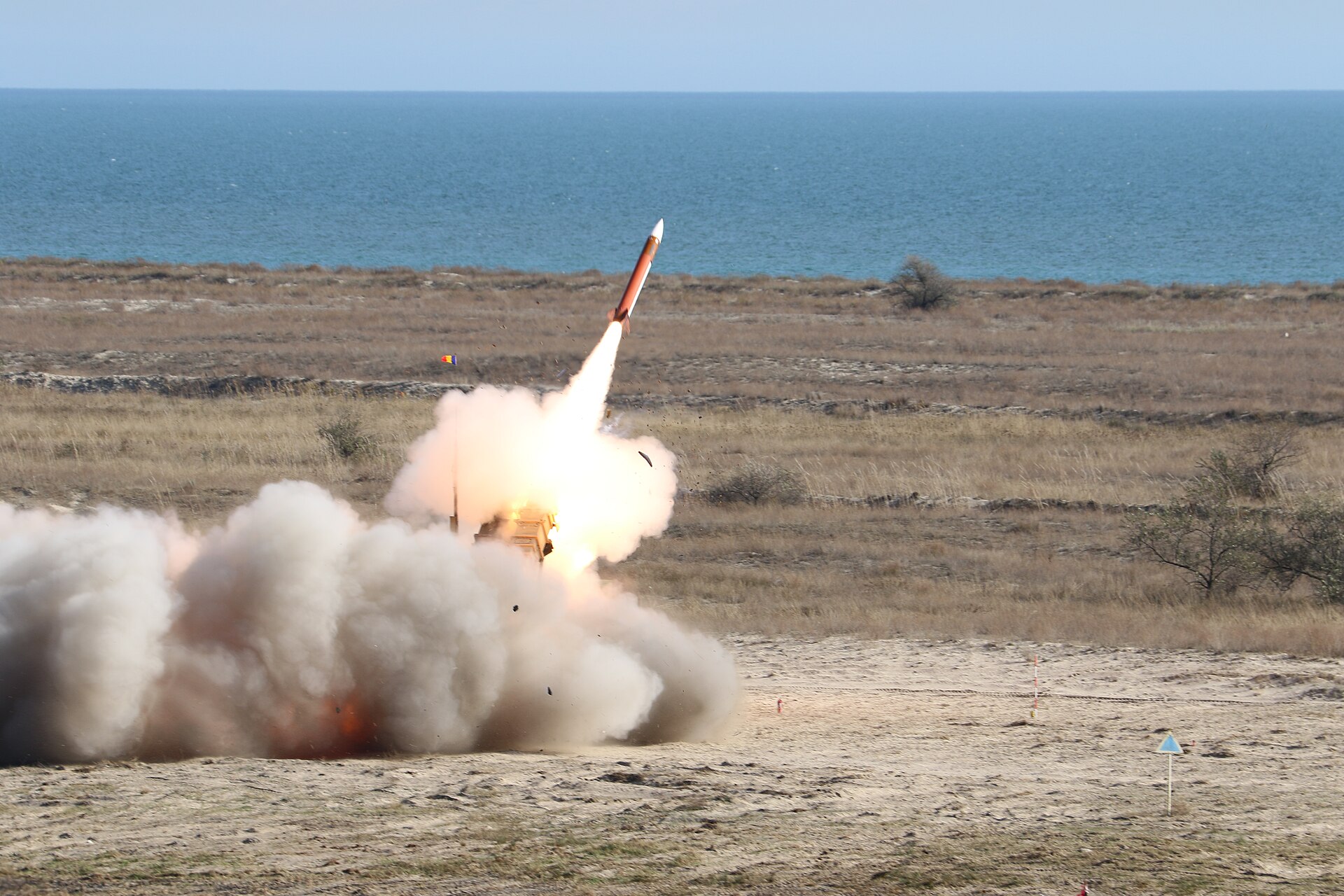
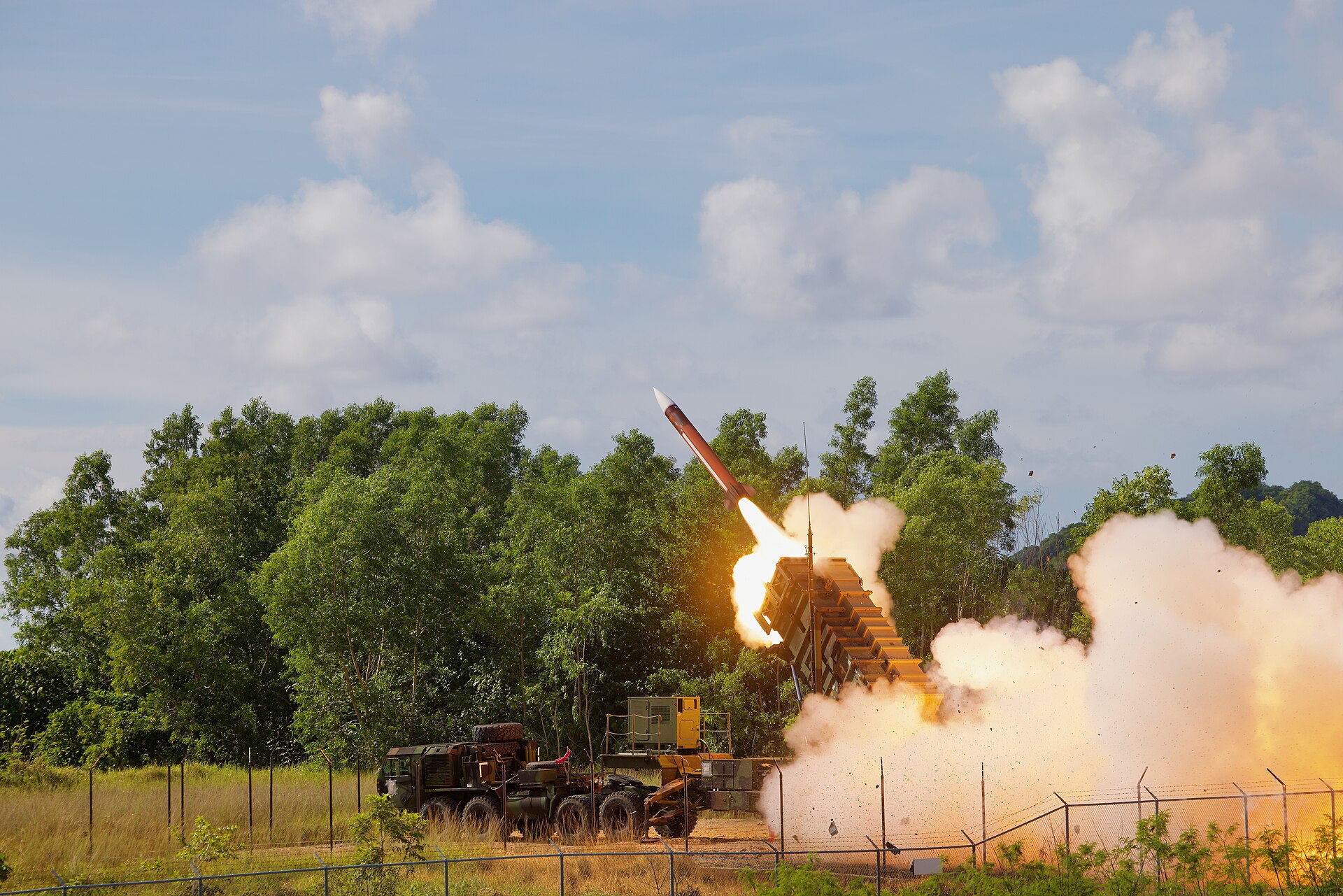
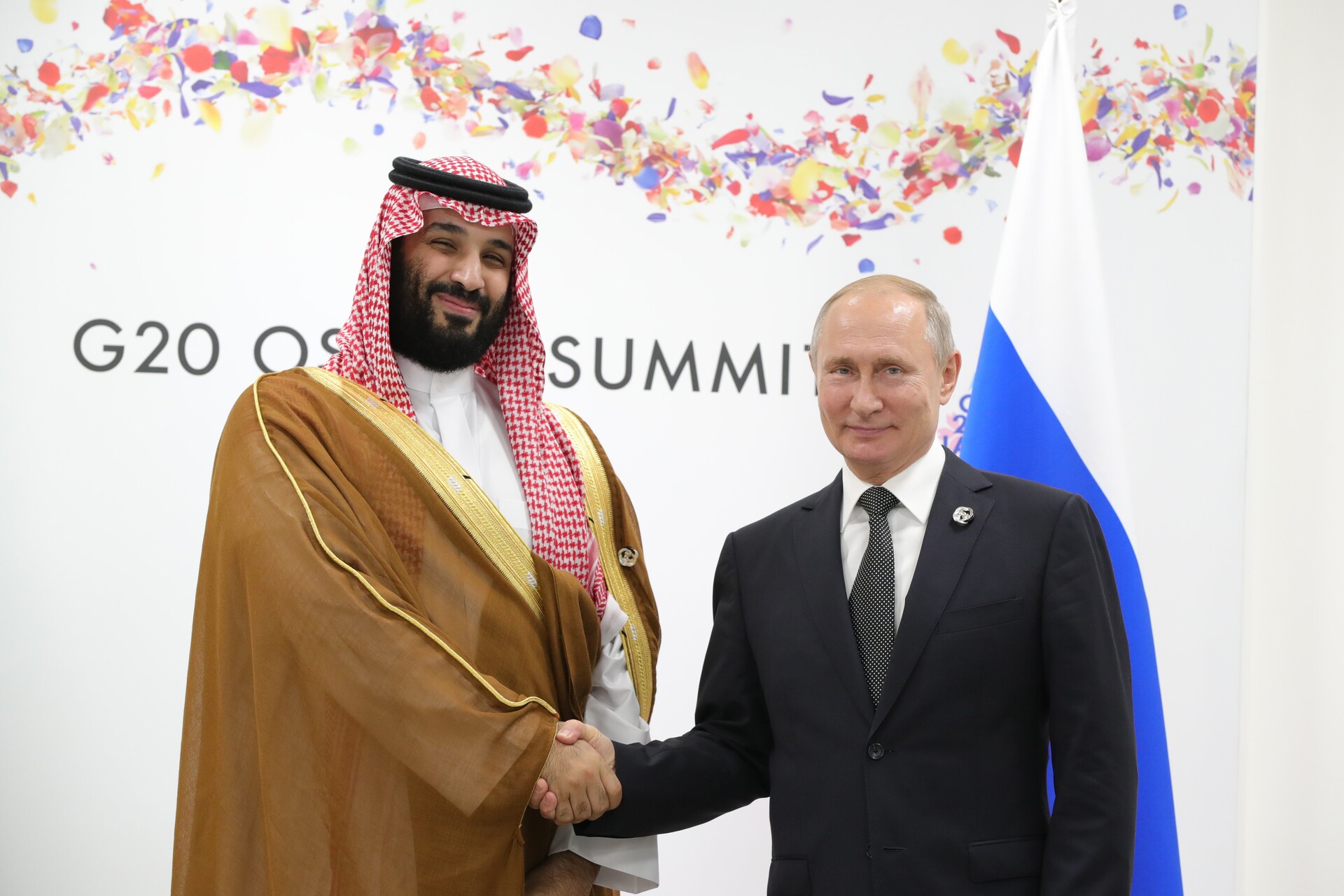
Washington provides the military backbone of Saudi defense: Patriot PAC-3 batteries, THAAD systems, intelligence sharing, and the approximately 2,500 US military personnel stationed at Prince Sultan Air Base. These assets are defending Saudi territory right now. Simultaneously, Moscow maintains a cordial relationship with Riyadh through the OPEC+ framework and bilateral investment ties, giving Saudi Arabia a diplomatic channel into Iran’s most important international patron. Beijing, which brokered the 2023 Saudi-Iranian detente, has sent a peace envoy to Riyadh and retains credibility with both sides. Pakistan has deployed air defense systems and military personnel to Saudi territory, invoking bilateral defense agreements.
Each of these relationships would be complicated, if not destroyed, by Saudi offensive action against Iran. A Saudi strike would force Moscow to choose between its Gulf partner and its Iranian ally — a choice Russia would resolve against Saudi interests. China’s mediator credibility would collapse. Pakistan, which shares a border with Iran and has its own delicate relationship with Tehran, would face impossible pressure. Even the US relationship, paradoxically, would be strained by Saudi entry into the war, as American military planners would be forced to extend their defensive umbrella over Saudi offensive operations — a mission expansion that the Pentagon has explicitly not signed up for.
Saudi Arabia’s multi-alignment strategy, according to New Lines Magazine analysis, represents a “break with interventionism” that has been developing since the Yemen war exposed the limits of Saudi military adventurism. The Iran war is the ultimate stress test of that break, and so far, it is holding. The Kingdom is simultaneously accepting American military protection, maintaining Russian diplomatic back channels, preserving Chinese mediation credentials, and absorbing Pakistani military support — all because it has not crossed the line from target to combatant.
Can Saudi Arabia Sustain Restraint Indefinitely?
Saudi Arabia can sustain its current posture of defensive restraint for several more weeks, but the strategy faces three pressure points that could force a reassessment if the war continues into April or beyond.
The first pressure point is interceptor depletion. Each Patriot PAC-3 Missile Segment Enhancement interceptor costs between $4 million and $12 million, according to the Center for Strategic and International Studies. Iran’s Shahed-136 drones cost an estimated $20,000-50,000 each. This cost asymmetry — roughly 100-to-1 in Iran’s favor — means that Saudi Arabia is spending billions to defend against millions in Iranian drone production. The Kingdom has partially addressed this through agreements with Ukraine for low-cost interceptor drones and with South Korea for Cheongung II medium-range air defense systems, but resupply timelines measured in weeks or months create a window of vulnerability.
The second pressure point is infrastructure attrition. While Saudi air defenses have intercepted the vast majority of incoming threats, some have gotten through. The Ras Tanura refinery complex, the Shaybah oil field, and Prince Sultan Air Base have all sustained damage, according to Arab News and Al Arabiya reporting. Each successful Iranian strike increases domestic pressure on MBS to respond and raises the economic cost of restraint. The critical threshold is a successful attack on desalination infrastructure, electricity generation, or the East-West Pipeline — any of which could cause a humanitarian crisis that makes restraint politically untenable.
The third pressure point is alliance fatigue. Saudi Arabia’s strategy depends on other nations absorbing costs on its behalf: the United States providing air defense, Pakistan deploying troops, the international community condemning Iran. If those partners begin to question why they are defending a country that will not defend itself offensively, the coalition supporting Saudi restraint could erode. Senator Graham’s threat to kill the defense pact is an early signal of this dynamic.
Against these pressures, Saudi Arabia retains significant strategic reserves. The Kingdom’s $475 billion in foreign exchange reserves, Aramco’s continued profitability (the company reported $104 billion in net income for 2025, according to corporate filings), and the PIF’s $930 billion global portfolio provide an economic buffer that most nations at war can only envy. As long as the Red Sea export route remains open — and Saudi Arabia has been aggressively expanding Red Sea cargo corridors — the Kingdom can absorb significant economic disruption without facing a fiscal crisis.
What Would Trigger a Saudi Strike on Iran?
Saudi Arabia’s restraint is conditional, not absolute. The Cabinet’s statement reserving the Kingdom’s “full right” to respond establishes the political and legal foundation for offensive action if circumstances change. Three scenarios could trigger that shift, based on analysis of Saudi strategic red lines and public statements.
The first trigger would be a mass-casualty attack on Saudi civilians. The two deaths in al-Kharj on March 8, while tragic, fell below the threshold that would demand an offensive response. A successful Iranian strike on a populated urban area — Riyadh, Jeddah, or Dammam — causing dozens or hundreds of casualties would transform the domestic political calculus overnight. MBS could not credibly maintain a posture of restraint if Saudi citizens were being killed in significant numbers by an adversary that the Kingdom had the capability to strike.
The second trigger would be a successful attack on critical civilian infrastructure — specifically, desalination plants or power generation facilities that serve major population centers. Saudi Arabia relies on desalination for approximately 50 percent of its drinking water. An attack that disrupted water supply to millions would constitute an existential threat requiring an immediate response, regardless of the broader strategic calculation.
The third trigger would be a direct ground-force incursion or an attack on the Saudi royal family or senior government officials. Iran’s targeting of the Diplomatic Quarter in Riyadh on March 12 — while intercepted — tested this red line. A successful strike on government buildings, royal palaces, or senior officials would be treated as an act requiring proportional response, according to the doctrine of armed self-defense under international law.
Notably absent from these triggers is the loss of energy infrastructure. Saudi Arabia has demonstrated a willingness to absorb significant damage to oil facilities — the Abqaiq precedent established that threshold in 2019. The Kingdom can reroute exports via the East-West Pipeline, draw on strategic reserves, and tolerate temporary production disruptions. Energy infrastructure attacks, while costly, are recoverable. Human casualties and civilian infrastructure failures are not.
The Post-War Advantage Nobody Is Counting
When the Iran war ends — through ceasefire, exhaustion, or negotiated settlement — the countries that participated in offensive operations against Tehran will face a fundamentally hostile Iran for a generation or more. The United States and Israel will be locked in an adversarial relationship with whatever government emerges in Tehran. The Gulf states that openly aligned with the US-Israeli campaign will find their diplomatic room for maneuver permanently constrained. That calculation underscores why the drone deaths in neutral Oman on March 13 threaten more than Omani sovereignty — they endanger the very mediation channel Saudi Arabia needs to convert its restraint into a diplomatic outcome.
That calculus shifted dramatically on March 19, when Prince Faisal bin Farhan publicly threatened military action against Iran — the first time Saudi Arabia explicitly reserved the right to strike during the conflict.
Jordan exemplifies this dilemma at its most extreme — shooting down 108 Iranian missiles and drones while officially declaring neutrality, a contradiction that preserves both King Abdullah’s diplomatic options and his domestic legitimacy.
Saudi Arabia, by contrast, will retain the option of engagement. The Kingdom’s restraint is purchasing something that no amount of military spending can buy: the possibility of a post-war relationship with Iran that is functional, if not friendly. This represents an enormous strategic asset in a region where Iran’s geographic position — controlling one side of the Strait of Hormuz, bordering Iraq and Afghanistan, commanding proxy forces across Lebanon, Syria, Yemen, and Iraq — ensures that Tehran will remain a consequential actor regardless of the war’s outcome.
| Country | Wartime Posture | Post-War Iran Relationship | Post-War Leverage | Regional Standing |
|---|---|---|---|---|
| Saudi Arabia | Non-belligerent; backchannel maintained | Recoverable; diplomatic infrastructure preserved | High — mediator credibility | Enhanced |
| UAE | Hosting US assets; limited offensive cooperation | Damaged but partially recoverable | Moderate — economic leverage remains | Mixed |
| Bahrain | Active US basing; diplomatic break with Iran | Severely damaged; internal Shia tensions | Low — dependent on external guarantees | Diminished |
| Qatar | Hosting Al Udeid; attempted neutrality | Partially recoverable; Doha less targeted | Moderate — LNG leverage | Stable |
| Kuwait | Heavily targeted; limited agency | Damaged; reconstruction priorities dominate | Low — absorbing damage | Diminished |
The table reveals Saudi Arabia’s singular advantage. Every other Gulf state has either been drawn into active cooperation with the US campaign, suffered diplomatic breaks with Tehran, or lost agency through the sheer scale of damage absorbed. Saudi Arabia alone has maintained the institutional and diplomatic framework for a post-war Iranian relationship while simultaneously benefiting from the degradation of Iran’s military capabilities — a degradation being paid for entirely by American and Israeli taxpayers.
This is the strategic genius — or cynicism, depending on perspective — of MBS’s position. Saudi Arabia benefits from everything the US-Israeli campaign destroys in Iran (nuclear facilities, missile production, IRGC command infrastructure) without contributing to the destruction and without incurring the diplomatic costs that come with it. The Kingdom gets the security dividend of a weakened Iran without the political liability of having weakened it. In game theory terms, Saudi Arabia is free-riding on the US-Israeli military campaign while positioning itself to collect post-war dividends that Washington and Tel Aviv cannot access. The contrast sharpened further when Washington issued a $10 million Rewards for Justice bounty on Mojtaba Khamenei and nine senior IRGC officials — an escalatory step that binds the United States even more tightly to a regime-change posture while Saudi Arabia preserves the diplomatic flexibility to engage with whoever emerges from the wreckage in Tehran.
The Atlantic Council’s analysis of the post-war Gulf concluded that “the Gulf that emerges from the Iran war will be very different,” with Saudi Arabia positioned to lead a new regional security architecture — precisely because it maintained enough credibility with both sides to serve as its anchor.
Frequently Asked Questions
Why is Saudi Arabia not retaliating against Iran?
Saudi Arabia has chosen defensive restraint over offensive retaliation because Crown Prince Mohammed bin Salman has calculated that the economic, diplomatic, and strategic costs of attacking Iran — including the risk of full-scale war, Vision 2030 disruption, and loss of mediator credibility — far exceed any military benefit. The Kingdom’s $475 billion in foreign reserves, maintained diplomatic backchannel with Tehran, and post-war positioning all depend on avoiding the transition from victim to combatant.
Has Saudi Arabia ever attacked Iran?
Saudi Arabia has never launched a direct military strike against Iran in the history of both nations. The two countries fought a proxy war in Yemen beginning in 2015, with the Saudi-led coalition battling Iran-backed Houthi forces, but even at the height of that conflict, Riyadh and Tehran avoided direct military confrontation. Saudi Arabia’s current restraint during the 2026 Iran war continues this pattern, reflecting a strategic assessment that direct conflict with Iran would be catastrophically costly regardless of outcome.
What is Saudi Arabia’s defense budget?
Saudi Arabia’s 2026 defense budget is approximately $75-80 billion, representing roughly 7.3 percent of GDP and placing the Kingdom among the world’s five largest military spenders, according to the International Institute for Strategic Studies. This budget funds a military force of approximately 227,000 active personnel, advanced American and European weapons systems including F-15SA Strike Eagles and Eurofighter Typhoons, and one of the most expensive integrated air and missile defense networks in the world.
This posture carries equally significant legal consequences. By remaining a victim rather than a belligerent, Saudi Arabia is building a reparations case against Iran under international law that could exceed $200 billion, leveraging UN Security Council Resolution 2817 and the Kuwait UNCC precedent to position the Kingdom for the post-war settlement.
Is Saudi Arabia winning the Iran war?
Saudi Arabia is not formally a belligerent in the Iran war, which is fundamentally a conflict between the United States and Israel on one side and Iran on the other. However, the Kingdom is achieving significant strategic gains through its policy of armed non-belligerence: maintaining diplomatic credibility, preserving economic stability, attracting international sympathy, and positioning itself to lead post-war regional reconstruction, all while benefiting from the US-Israeli degradation of Iran’s military capabilities without contributing to or paying for that degradation.
What would make Saudi Arabia attack Iran?
Three scenarios could trigger Saudi offensive action: a mass-casualty attack on Saudi civilians killing dozens or more, a successful strike on critical civilian infrastructure such as desalination plants or power grids serving major population centers, or a direct attack on Saudi government officials or royal family members. The Saudi Cabinet’s March 3 statement reserving the Kingdom’s “full right to take all necessary measures” establishes the legal and political foundation for such a response if these red lines are crossed.
How many Iranian missiles has Saudi Arabia intercepted?
Saudi Arabia has intercepted approximately 250 or more Iranian weapons since February 28, 2026, including roughly 40 ballistic missiles, 8 cruise missiles, and more than 200 drones, according to cumulative Saudi Defense Ministry statements reported by Al Arabiya, Arab News, and the Saudi Gazette. The March 12 barrage alone involved 31 drones and 3 ballistic missiles. Intercept rates have exceeded 90 percent, though some weapons have struck energy infrastructure including the Ras Tanura refinery and Shaybah oil field.