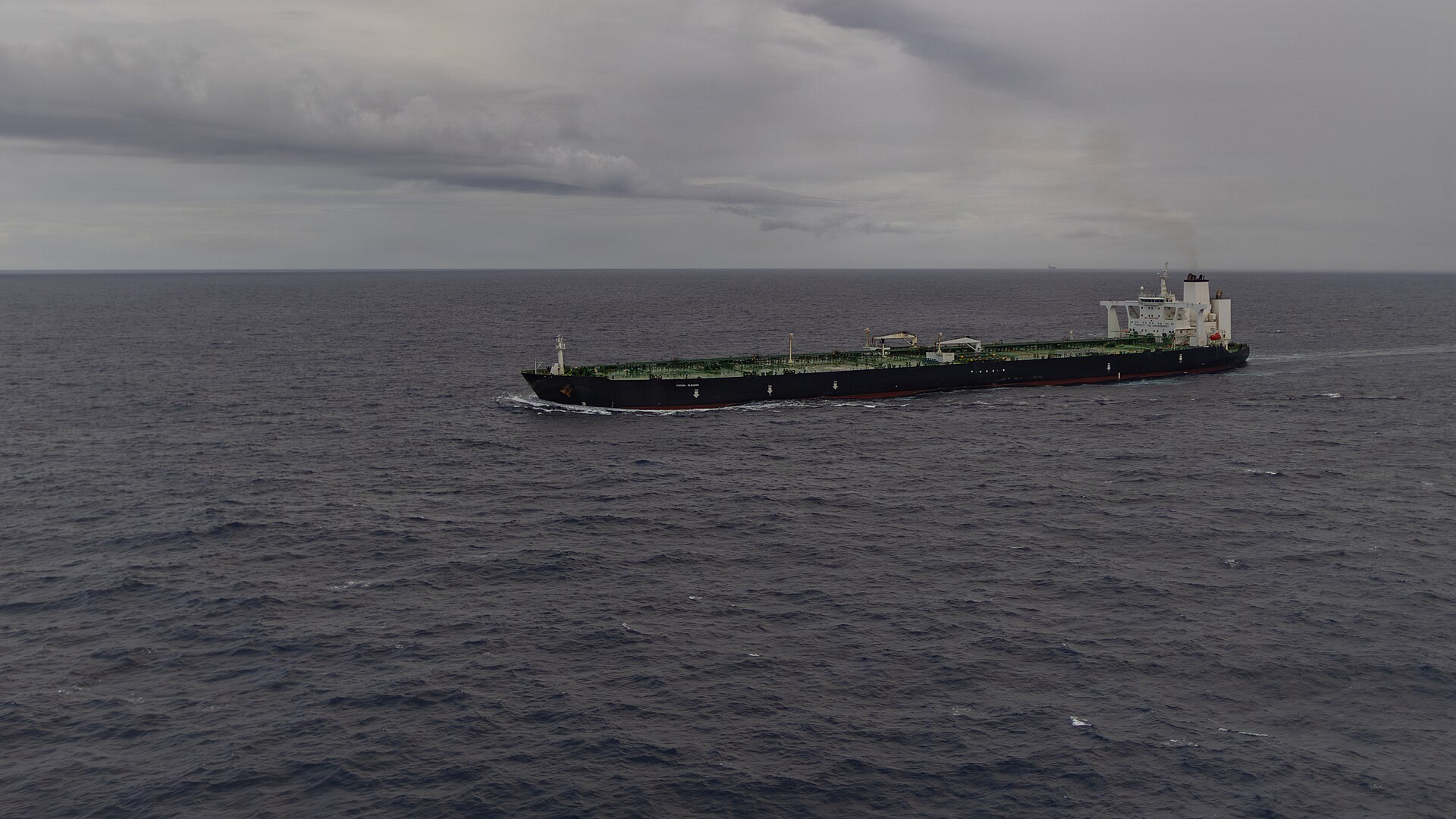

BEIJING — China imports roughly 40 percent of its crude oil and 30 percent of its liquefied natural gas through the Strait of Hormuz. When Iran effectively closed that waterway on 28 February 2026 — trapping 3,000 ships and 20,000 sailors —, the world’s largest energy consumer lost access to nearly half its seaborne fuel supply overnight. Two weeks into the conflict, with tanker traffic through the strait reduced to near zero and Chinese-flagged vessels trapped inside the Persian Gulf, Beijing faces the most severe energy security crisis in its modern history — one that threatens to undermine the very economic model that made China a superpower.
The conventional wisdom holds that China is well-positioned to weather the Hormuz disruption. Analysts point to substantial strategic stockpiles, pipeline alternatives from Russia, and a booming electric vehicle market as buffers against the shock. That narrative is dangerously incomplete. The real vulnerability lies not in crude oil, where China has meaningful reserves, but in liquefied natural gas, where stockpiles cover weeks rather than months, pipeline alternatives are years from completion, and the single largest supplier — Qatar — has shut down production after Iranian drone strikes destroyed critical infrastructure. This analysis examines the three pillars of China’s energy resilience and reveals where each one breaks.
Table of Contents
- How Much Oil Does China Import Through Hormuz?
- Why Are Ships Flashing “China Owner” to Transit Hormuz?
- Can China’s Strategic Reserves Survive a Prolonged Blockade?
- The LNG Crisis Beijing Cannot Solve
- What Happened When Iran’s Oil Kept Flowing to China?
- The Pipeline Shield and Its Limits
- How Does China’s EV Revolution Change the Equation?
- The Hormuz Exposure Matrix
- Beijing’s Diplomatic Tightrope
- Why the Conventional Wisdom About China’s Resilience Is Wrong
- What Does This Mean for Saudi-China Relations?
- From the Factory Floor to the Filling Station
- Frequently Asked Questions
How Much Oil Does China Import Through Hormuz?
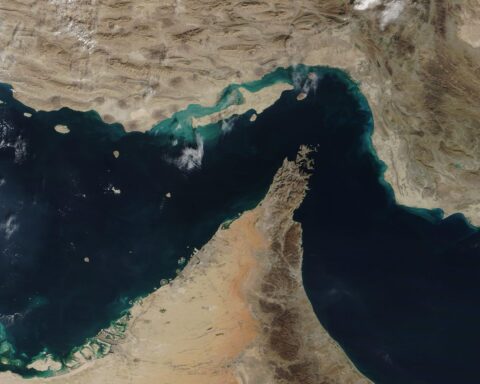
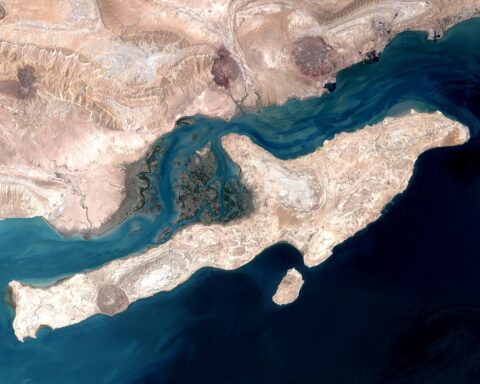
China accounts for 37.7 percent of total crude oil flows through the Strait of Hormuz as of the first quarter of 2025, according to data from Vortexa, making it the single largest importer through the chokepoint by a wide margin. The country imports approximately 11 million barrels of crude oil per day, of which between 40 and 50 percent — roughly 4.4 to 5.5 million barrels daily — transits the 54-kilometre waterway separating Iran from the Arabian Peninsula.
That dependency is concentrated among a handful of Gulf suppliers. Saudi Arabia is China’s second-largest oil supplier after Russia, providing approximately 1.6 million barrels per day according to Bloomberg data from February 2026. Iraq, Kuwait, the United Arab Emirates, and Oman collectively add another 2 to 3 million barrels per day, all of which must pass through Hormuz. When Iran’s Islamic Revolutionary Guard Corps declared the strait a military exclusion zone on 1 March and began attacking commercial vessels, those flows stopped almost entirely.
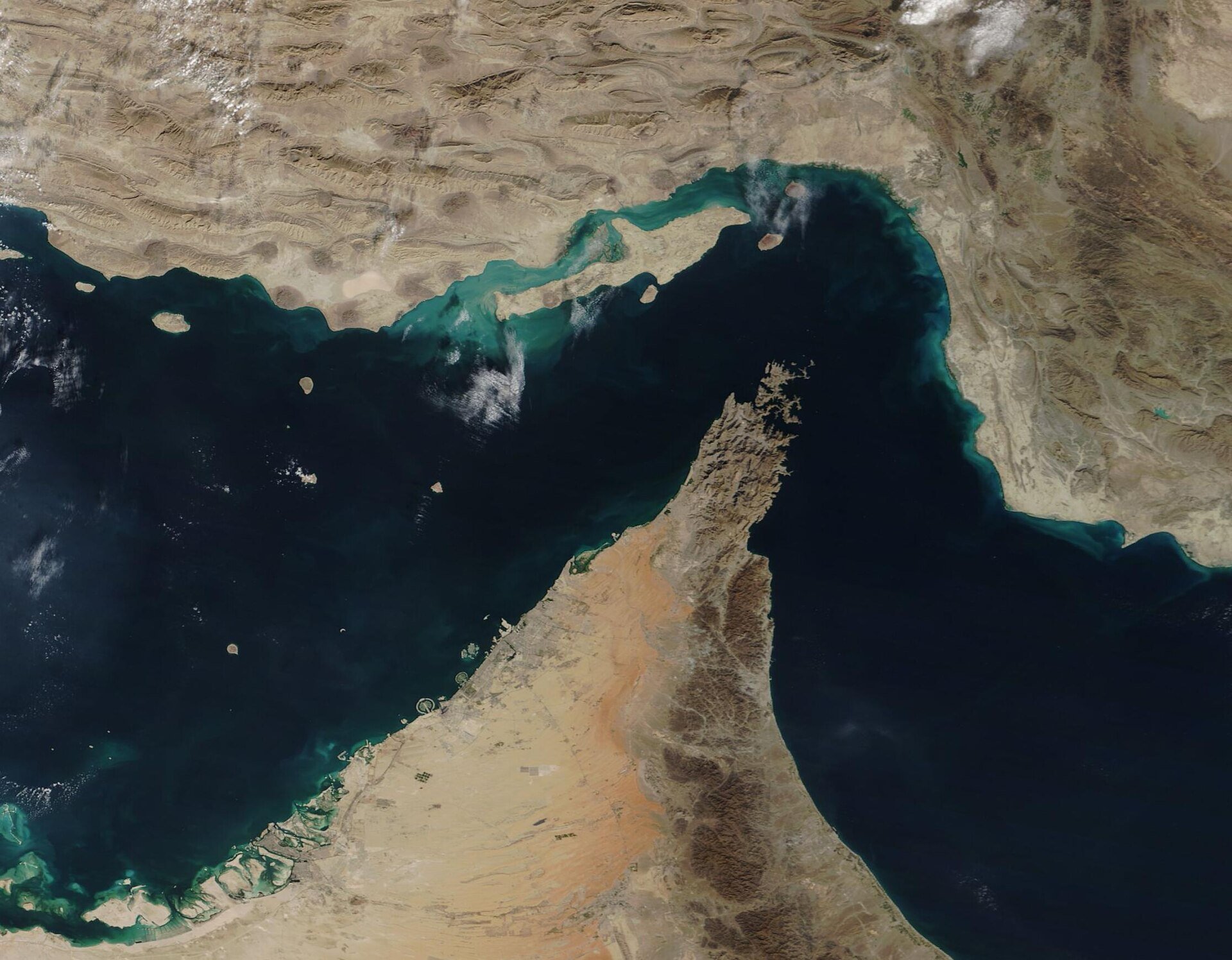
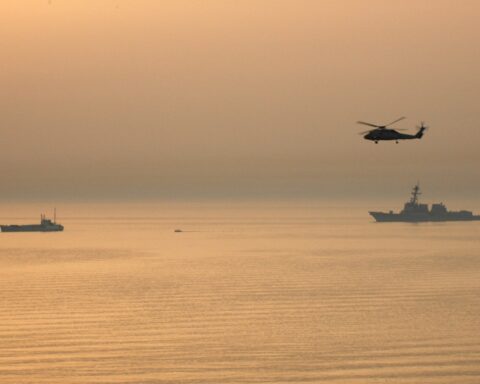
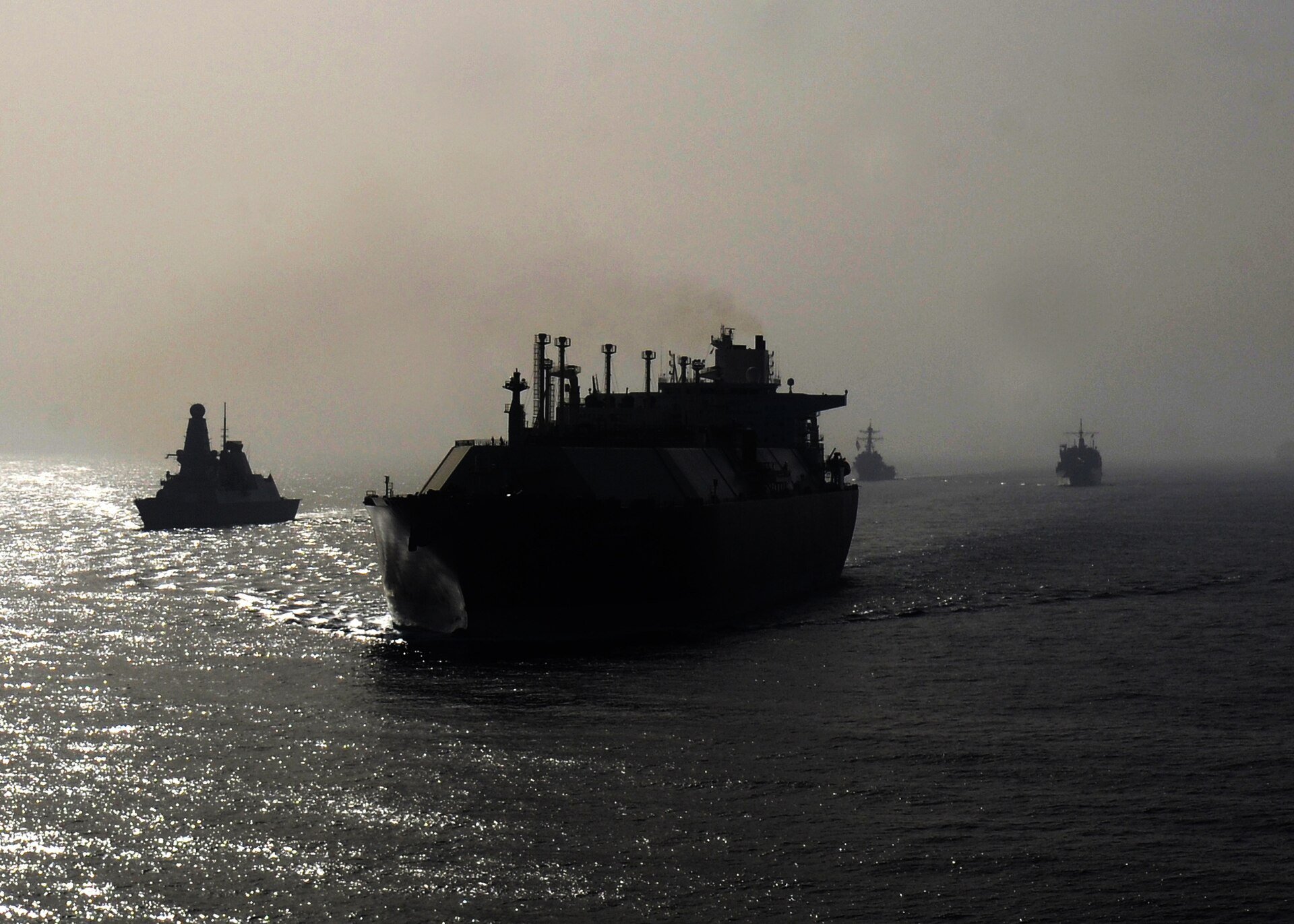
The scale of the disruption is without precedent. According to the International Energy Agency, the combined production drop across Kuwait, Iraq, Saudi Arabia, and the UAE reached at least 10 million barrels per day as of 12 March — the largest supply disruption in the history of the global oil market. Tanker traffic through the strait dropped by approximately 70 percent in the first days of the conflict and subsequently fell to near zero, with over 150 vessels anchoring outside the waterway to avoid risk.
For China, the arithmetic is straightforward. If Hormuz remains closed, approximately 4.5 million barrels per day of crude supply — roughly 40 percent of total imports — must be replaced, rerouted, or compensated from reserves. No economy on earth has ever attempted to substitute that volume of energy supply in a matter of weeks.
The Middle East briefing 3,000+ readers start their day with.
One email. Every weekday morning. Free.
| Supply Route | Supplier | Volume (million bpd) | Share of Imports | Hormuz Dependent |
|---|---|---|---|---|
| Seaborne — via Hormuz | Saudi Arabia, Iraq, Kuwait, UAE, Oman | 4.4-5.5 | 40-50% | Yes |
| Seaborne — non-Hormuz | Russia (Pacific), Angola, Brazil, West Africa | 3.0-3.5 | 27-32% | No |
| Pipeline — ESPO | Russia (Eastern Siberia) | ~1.6 | ~15% | No |
| Pipeline — Kazakhstan | Russia/Kazakhstan | ~0.2 | ~2% | No |
| Pipeline — Myanmar | Middle East (transshipment) | ~0.24 | ~2% | Partially |
Why Are Ships Flashing “China Owner” to Transit Hormuz?
In the second week of the conflict, commercial vessels anchored in the Persian Gulf and attempting to transit the Strait of Hormuz began changing their Automatic Identification System transponder data to broadcast links to China. According to MarineTraffic data analysed by the Financial Times, at least 10 ships changed their transponder signals to read “CHINA OWNER,” “ALL CHINESE CREW,” or “CHINESE CREW ONBOARD” — a desperate bid to exploit Iran’s reluctance to target Chinese commercial interests.
The logic was straightforward. Iran announced early in the conflict that it would permit Chinese-flagged vessels to pass through the strait, a privilege extended to its most important economic partner. Ships with no genuine Chinese connection began falsely claiming Chinese ownership or crew nationality in their AIS data, hoping to evade IRGC targeting. The Panama-flagged cargo ship Guan Yuan Fu Xing was among the first to make it safely through after changing its AIS destination to “CHINA OWNER,” according to the South China Morning Post. Reports that Iran may require yuan-denominated settlement as a formal condition for Hormuz passage would further entrench Beijing’s advantage in the post-war energy order.
The phenomenon revealed a remarkable irony. China — the country with the largest economic stake in keeping Hormuz open — had become a de facto maritime passport. Vessels from Greece, Turkey, and South Korea were claiming Chinese identity not because Beijing was protecting them, but because Beijing’s relationship with Tehran offered the closest thing to safe passage through a war zone. As Fortune reported, “the best protection for ships traveling through the Strait of Hormuz may be claiming to be a Chinese or Muslim vessel.”
Yet the CSIS analysis published on 6 March painted a more sober picture. Despite early reports of Chinese vessels enjoying privileged access, ship-tracking data showed that Chinese tanker and container ships had “all but ceased transits” since the conflict began, with dozens of Chinese vessels trapped in the Persian Gulf. The title of the CSIS report captured the reality: “No One, Not Even Beijing, Is Getting Through the Strait of Hormuz.”
Can China’s Strategic Reserves Survive a Prolonged Blockade?
China’s strategic petroleum reserve provides the most significant buffer against a prolonged Hormuz closure, but its capacity is less reassuring than headline figures suggest. The country held an estimated 1.2 billion barrels of onshore crude stockpiles — including both strategic and commercial reserves — as of January 2026, according to Ursa Space satellite imagery analysis. At current consumption rates, that represents approximately three to four months of cover.
Three to four months sounds substantial. It is not. The strategic petroleum reserve itself — government-controlled stocks separate from commercial inventories — held approximately 213 million barrels as of August 2025, according to Ursa Space data, equivalent to roughly 19 days of total crude imports. The remainder is commercial inventory held by refineries and traders, which cannot be freely requisitioned and is already spoken for in day-to-day refining operations.
China’s SPR expansion plans call for total government reserves of approximately 476 million barrels plus enterprise reserves of 209 million barrels, providing roughly 90 days of import cover, according to the EIA. But these are targets, not current capacity. The country accelerated crude purchasing in late 2025 and early 2026 — Iran exported 2.16 million barrels per day to China in February 2026, the highest level since July 2018, according to Kpler data — but this last-minute stockpiling cannot compensate for a supply gap of 4 to 5 million barrels per day.
The reserve was designed for short-term disruptions lasting days to weeks, not a sustained blockade lasting months. If the Hormuz crisis extends beyond 60 days — and the IRGC has shown no sign of reopening the strait — China’s combined reserves begin to deplete rapidly, forcing painful choices between industrial consumption, transportation fuel, and petrochemical feedstock.
The LNG Crisis Beijing Cannot Solve
Crude oil attracts the headlines, but liquefied natural gas may be the more dangerous vulnerability. China is the world’s largest LNG importer, and approximately 30 percent of its LNG supply comes from Qatar and the UAE — both of which transit through the Strait of Hormuz. When Iranian drones struck Qatar’s Ras Laffan Industrial City and Mesaieed Industrial City in the first week of the conflict, they knocked out approximately 20 percent of global LNG exports, according to the IEA.
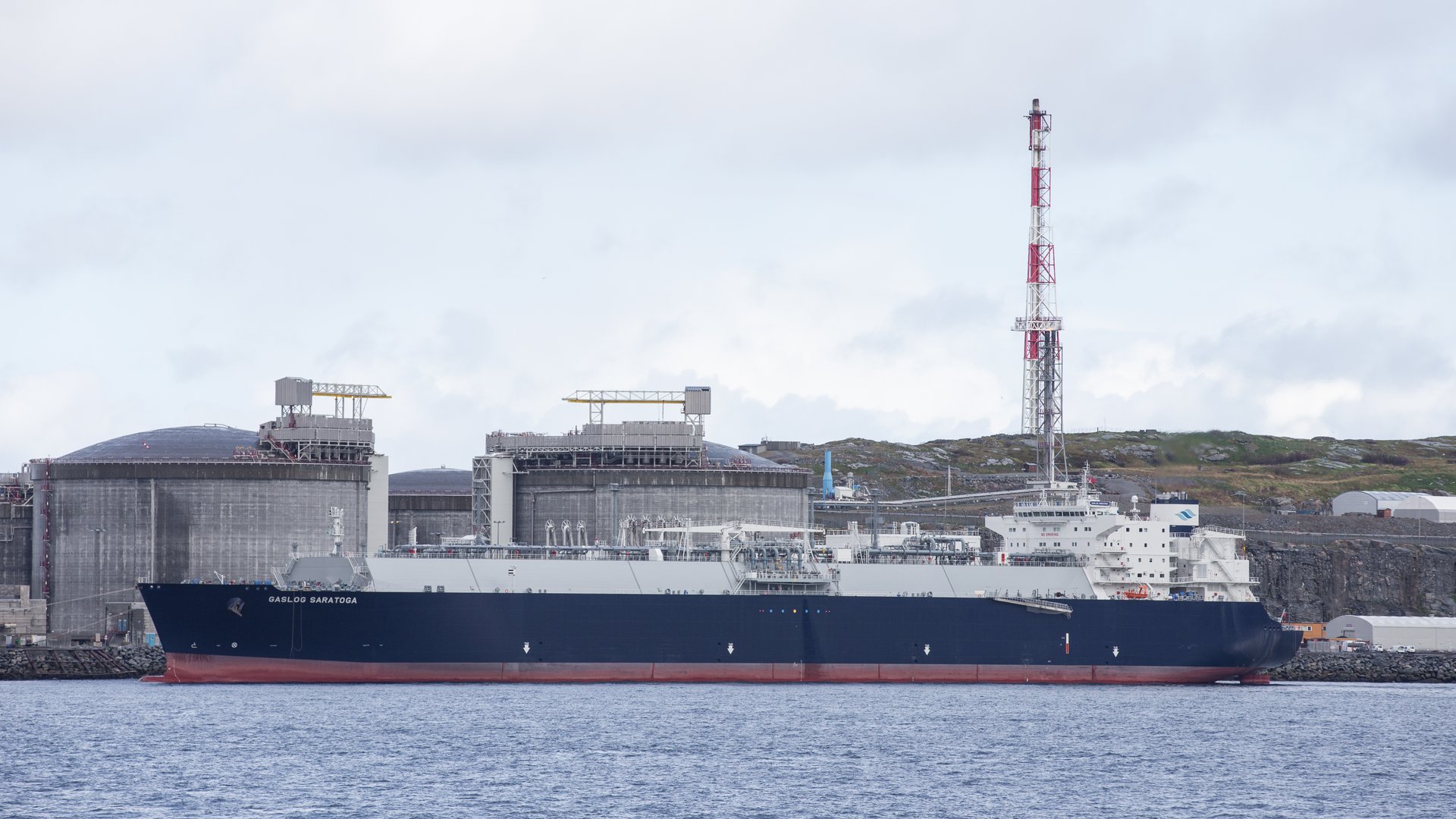
Unlike crude oil, China has no significant strategic LNG reserve. Chinese LNG inventories stood at 7.6 million tonnes as of the end of February 2026 — a buffer measured in weeks, not months. There is no pipeline equivalent to the ESPO for LNG. The Power of Siberia gas pipeline from Russia delivers only about 38 billion cubic metres per year, a fraction of China’s total gas demand of approximately 400 billion cubic metres. The Power of Siberia 2 pipeline, which would add another 50 billion cubic metres, has been under negotiation for years and is not expected to begin operations before 2030 at the earliest, with a possible alternative route through Kazakhstan estimated to cost between $4.2 billion and $4.4 billion — far less than the direct Russian route but still years from completion.
The gas war is arguably more consequential than the oil war for China’s industrial economy. Natural gas feeds the country’s power grid, its heating systems, and its petrochemical complexes. A prolonged loss of Qatari LNG would force rolling blackouts in industrial provinces, shutdowns at chemical plants, and rationing of residential heating — a political crisis for the Chinese Communist Party just as GDP growth is already projected to slow to 4.5 percent in 2026.
| Source | Share of China’s LNG Imports | Transit Route | Disruption Status |
|---|---|---|---|
| Qatar | ~25-30% | Strait of Hormuz | Shut down — Ras Laffan damaged |
| Australia | ~25% | Pacific (non-Hormuz) | Operating |
| United States | ~10% | Atlantic/Pacific (non-Hormuz) | Operating |
| Russia (Yamal/Arctic) | ~8% | Arctic/Pacific | Operating (sanctions complications) |
| Malaysia | ~7% | South China Sea | Operating |
| UAE | ~5% | Strait of Hormuz | Disrupted |
| Others | ~15-20% | Various | Mostly operating |
What Happened When Iran’s Oil Kept Flowing to China?
Perhaps the most revealing dimension of the crisis is that Iran has continued to ship crude oil to China even as it enforces the Hormuz blockade against everyone else. According to CNBC, Iran has sent at least 11.7 million barrels of crude through the Strait of Hormuz since the war began on 28 February, all of it destined for Chinese refineries. These shipments represent a dramatically reduced volume — approximately 1.22 million barrels per day compared with the 2.16 million barrels per day that Iran exported in February — but they continue to flow.
Iran has also resumed loading tankers at the Jask oil terminal along the Gulf of Oman, south of the Strait of Hormuz, which bypasses the waterway entirely. The Jask facility, rarely used before the conflict, offers a potential workaround but at severely reduced efficiency — loading a single Very Large Crude Carrier takes up to 10 days at Jask compared with hours at conventional terminals.
The continued Iran-to-China oil trade reveals the fundamental contradiction at the heart of Beijing’s position. China buys all of Iran’s sanctioned crude, providing Tehran with the revenue to sustain its military operations. Simultaneously, Iran’s closure of Hormuz cuts off China’s access to Saudi, Iraqi, Kuwaiti, and Emirati oil — supply that collectively dwarfs what Iran alone can provide. Beijing is financing the very blockade that is strangling its own energy supply. The broader implications for China’s decade-long Gulf diplomatic strategy — from the destroyed 2023 peace deal to frozen Belt and Road investments — compound the energy dimension of this crisis.
This paradox has not been lost on Gulf capitals. Saudi officials have privately expressed frustration that Chinese purchases of Iranian crude are effectively subsidising the attacks on Saudi infrastructure, even as Beijing publicly calls for restraint, according to Bloomberg. The relationship between Mohammed bin Salman and Xi Jinping, which had been strengthened through major oil and investment agreements, faces its most severe test since the two leaders signed the Comprehensive Strategic Partnership Agreement in 2022.
The Pipeline Shield and Its Limits
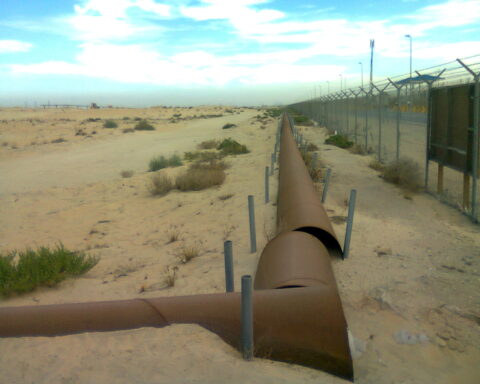
China’s pipeline infrastructure provides the most credible hedge against a Hormuz disruption, but its capacity falls far short of replacing lost seaborne volumes. The Eastern Siberia-Pacific Ocean pipeline delivers approximately 1.6 million barrels per day of Russian crude to Chinese refineries in the northeast, making Russia China’s largest single oil supplier at roughly 20 percent of total imports. The Kazakhstan-China pipeline, running from Atasu to Alashankou, adds another 200,000 barrels per day under a 10-year contract signed between Rosneft and CNPC in February for a total of 100 million tonnes of crude.
These pipelines are already running near capacity. Russia’s crude exports to China hit record levels in 2025 as both countries deepened their energy relationship under Western sanctions pressure. President Trump’s decision to lift some Russian oil sanctions in March 2026 may marginally increase available Russian supply, but the physical constraint is pipeline capacity, not sanctions. The ESPO pipeline cannot meaningfully increase throughput without major infrastructure expansion that would take years to complete.
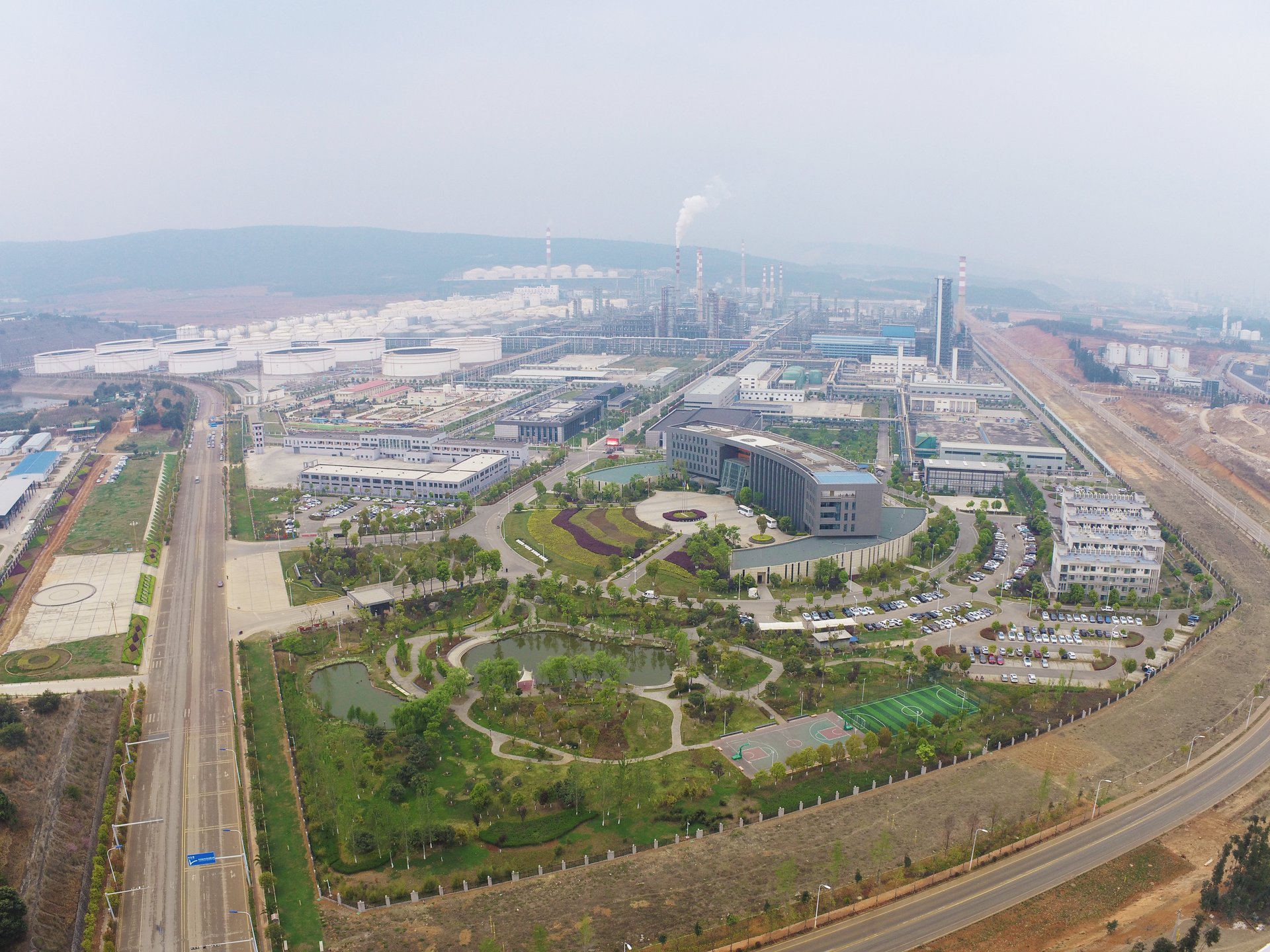
The Myanmar-China pipeline, which transits crude from the Indian Ocean coast through Myanmar to refineries in Yunnan Province, adds approximately 240,000 barrels per day — a useful but small supplement. Crucially, the crude loaded onto tankers at Myanmar’s Made Island terminal still originates largely from Middle Eastern producers. If Saudi and Iraqi crude cannot reach the Indian Ocean, the Myanmar pipeline offers a route without a supply.
Total pipeline capacity from all sources amounts to roughly 2 million barrels per day — less than half the 4.5 million barrels lost to the Hormuz closure. The pipeline shield, in other words, covers perhaps 40 to 45 percent of the gap. The remainder must come from reserves, demand destruction, or alternative seaborne sources competing in a global market where every major importer is scrambling for the same limited non-Gulf supply.
How Does China’s EV Revolution Change the Equation?
China’s rapid adoption of electric vehicles is frequently cited as a structural hedge against oil supply disruptions. The data is impressive: new energy vehicles accounted for 59.4 percent of new passenger car sales in China in November 2025, according to the China Passenger Car Association. China accounts for nearly 60 percent of all new EV registrations globally. Gasoline demand has already begun to fall — consumption in May 2025 dropped to roughly the same level as May 2022, when Shanghai was almost entirely locked down under zero-COVID restrictions, according to CEPR analysis.
The EV transition provides a genuine and growing buffer against crude oil shocks in the transportation sector. But it is a buffer for gasoline, not for the broader economy. Diesel demand — which powers China’s trucking fleet, construction equipment, agricultural machinery, and shipping industry — has fallen more slowly, from 4.7 million barrels per day in April 2023 to 4.0 million in April 2025, according to Rhodium Group analysis. Light-duty electric truck sales are rising fast, reaching 256,000 units in 2024, a 25 percent increase year on year. But diesel’s share of light-duty truck sales only fell below 50 percent in April 2025, and the heavy-duty fleet remains overwhelmingly diesel-powered.
More importantly, the EV revolution does nothing to address petrochemical feedstock demand. China’s petrochemical industry — the world’s largest — consumes approximately 3 million barrels per day of crude as feedstock for plastics, synthetic fibres, fertilisers, and industrial chemicals. These inputs cannot be substituted with electricity. A prolonged crude shortage threatens not just mobility but manufacturing supply chains across every sector from electronics to agriculture.
| Sector | Demand (million bpd) | EV/Renewable Substitution | Disruption Vulnerability |
|---|---|---|---|
| Gasoline (passenger transport) | ~3.2 | High — 59% NEV share, falling demand | Moderate |
| Diesel (trucking, industry) | ~4.0 | Low-Medium — early-stage electrification | High |
| Petrochemical feedstock | ~3.0 | None — cannot substitute with electricity | Critical |
| Jet fuel (aviation) | ~0.8 | Negligible | High |
| Marine fuel/other | ~0.5 | Negligible | High |
The Hormuz Exposure Matrix
The conventional assessment of China’s energy vulnerability focuses almost exclusively on crude oil, where the picture is mixed but manageable. A more complete assessment requires examining three distinct energy categories — crude oil, LNG, and petrochemical feedstock — across three dimensions of resilience: stockpile depth, pipeline alternatives, and demand substitution readiness. This framework reveals that crude oil is actually the least vulnerable category, while LNG represents a critical gap with no near-term solution.
| Category | Hormuz Share | Stockpile Cover | Pipeline Alternative | Demand Substitution | Overall Risk |
|---|---|---|---|---|---|
| Crude Oil | 40-50% | 3-4 months (combined) | ESPO + Kazakhstan (~2 Mbpd) | EV transition reducing gasoline need | Moderate-High |
| LNG | 30-35% | Weeks (7.6 Mt inventory) | Power of Siberia 1 only (38 bcm/yr) | None for heating/industrial gas | Critical |
| Petrochemical Feedstock | 40-50% | Days (refinery working stock) | Pipeline crude partially substitutes | None — crude is the only input | Critical |
The matrix exposes a structural asymmetry. China invested heavily in crude oil diversification — building the ESPO pipeline, expanding the SPR, diversifying to Russian and African suppliers — because crude supply disruption was a well-studied scenario. LNG diversification received far less attention because Qatar was considered a reliable, politically neutral supplier. The Iran war destroyed that assumption overnight. The IEA’s record 400-million-barrel emergency oil release may stabilise crude markets, but there is no equivalent mechanism for LNG. The world does not have a strategic LNG reserve.
Petrochemical feedstock vulnerability is equally acute but receives almost no attention in mainstream analysis. China’s refineries are already responding by cutting fuel export allocations. Bloomberg reported on 12 March that Beijing had tightened curbs on refined fuel exports — including gasoline and diesel cargoes — as the Hormuz disruption forced refiners to prioritise domestic supply. If crude imports remain depressed for more than 60 days, the petrochemical supply chain faces cascading failures that would ripple through manufacturing sectors accounting for more than 30 percent of China’s GDP.
Beijing’s Diplomatic Tightrope
China’s diplomatic position in the Iran war has been characterised by one analyst at the Atlantic Council as “the art of doing nothing while appearing to do everything.” Beijing has called for restraint, urged de-escalation, offered to mediate, and sent a peace envoy to Riyadh in the second week of the conflict. It has done none of the things that might actually change the trajectory of the war.
The reason is structural. China maintains what it describes as a “comprehensive strategic partnership” with Iran, purchasing virtually all of Iran’s sanctioned crude exports — approximately 1.5 million barrels per day in 2025, rising to 2.16 million barrels per day in February 2026 as Beijing stockpiled ahead of anticipated conflict. That revenue stream makes China the single most important external funder of the Iranian state, including the IRGC forces now closing the Strait of Hormuz.
Simultaneously, China maintains a parallel strategic partnership with Saudi Arabia. China is Saudi Arabia’s largest oil customer, and Riyadh is increasingly central to China’s Belt and Road Initiative. The kingdom’s investments in Chinese tech firms, combined with the $50 billion in bilateral trade deals signed during Xi Jinping’s December 2022 visit, created what both sides described as a “new era” in Saudi-Chinese relations.
The war forces a choice that Beijing has spent a decade avoiding. Iran needs Chinese crude purchases to fund its war effort. Saudi Arabia needs Chinese diplomatic pressure on Tehran to end the blockade. Both sides are watching Beijing’s response, and both are keeping score. China pressed Iran directly to keep Hormuz open, according to Iran International, but the request went unheeded — a diplomatic humiliation that underscored the limits of Beijing’s influence over its own strategic partner.
The diplomatic cost is already measurable. Chinese Ambassador to the UAE Ni Jian stated publicly that Beijing was considering deploying its navy to escort Chinese commercial vessels in the Persian Gulf — a remarkable admission that China’s diplomatic relationship with Iran was insufficient to protect its ships. The statement, reported by multiple outlets in early March, marked the first time China publicly acknowledged that its “special relationship” with Tehran did not extend to guaranteed maritime safety. For a country that has spent two decades building its position as a trusted partner to both sides of the Gulf divide, the admission was a strategic humiliation.
China’s foreign ministry has also faced uncomfortable questioning from Gulf state ambassadors, several of whom have privately asked why Beijing’s annual purchases of $40 billion in Iranian crude — purchases made possible by Chinese-built tankers, Chinese-insured shipping, and Chinese-controlled payment systems — have not translated into any visible Iranian restraint in the Strait. The question is pointed because the answer is obvious: Tehran calculates that Chinese dependence on Iranian crude is now so deep that Beijing will not risk the relationship by demanding behavioural changes. Iran, in other words, has called Beijing’s bluff.
China is materially exposed but more flexible than markets currently assume. The question is whether flexibility translates into resilience when the disruption extends beyond the planning horizon of any previous stress test.
Vortexa Energy Analytics, March 2026
Why the Conventional Wisdom About China’s Resilience Is Wrong
CNBC reported on 9 March that “China can withstand oil’s surge past $100 more easily than other countries.” The argument rested on three pillars: large stockpiles, pipeline alternatives, and the EV transition. Each pillar contains a grain of truth and a mountain of qualification.
The stockpile argument conflates strategic and commercial reserves. China’s combined crude inventories of 1.2 billion barrels sound enormous until disaggregated. Roughly 213 million barrels are in the SPR — the government-controlled reserve designed for emergencies. The remainder is commercial stock that refineries need to operate. Drawing down commercial stock to compensate for lost imports means refineries run on thinner margins, increasing the risk of localised fuel shortages and forcing the very rationing the SPR was designed to prevent.
The pipeline argument ignores capacity constraints. Russia’s ESPO and the Kazakhstan pipeline together deliver approximately 2 million barrels per day, but they are already running near capacity. There is no spare capacity to surge. Adding even 200,000 barrels per day would require infrastructure upgrades that take 18 to 24 months. The pipeline shield is real but fixed — it cannot expand to meet an acute crisis.
The EV argument confuses the future with the present. Electric vehicles are displacing gasoline demand, but gasoline represents only about 28 percent of China’s total oil consumption. Diesel, jet fuel, and petrochemical feedstock — together accounting for roughly 72 percent of demand — are barely affected by the EV transition in the 2026 timeframe. Telling China’s petrochemical industry that the EV revolution will save them is like telling a drowning man that lifejackets will be available next quarter.
The real stress test is duration. China can absorb a two-week disruption. A two-month disruption begins to bite. A six-month closure of Hormuz — the scenario that analysts increasingly consider possible — would force China into wartime energy rationing, with consequences for industrial output, employment, and social stability that Beijing has not faced since the 1970s.
What Does This Mean for Saudi-China Relations?
The Hormuz crisis is reshaping the Saudi-Chinese relationship in ways that will outlast the conflict. Before the war, the relationship was primarily transactional: Saudi Arabia sold crude oil and invested in Chinese technology; China bought oil and built infrastructure in the kingdom. The war introduces a dimension of strategic dependency that gives Riyadh bargaining power it has never held over Beijing.
Saudi Arabia has already demonstrated that advantage in two ways. First, Riyadh accelerated the activation of the East-West Pipeline — the 1,200-kilometre crude oil pipeline from Abqaiq in the Eastern Province to the Yanbu terminal on the Red Sea — as an alternative export route that bypasses Hormuz entirely. Chinese refineries that had previously sourced Saudi crude through Hormuz now face a choice: accept Red Sea routing at higher freight costs, or go without. Saudi Arabia controls the valve.
Second, Riyadh has publicly and privately urged Beijing to use its influence with Tehran to end the blockade, framing the request not as a favour but as an alignment of interests. Saudi Arabia’s message, paraphrased by Bloomberg: “You buy all of Iran’s oil. They listen to you. Make them stop.” The fact that Iran has ignored Chinese entreaties only deepens the question: what exactly does Beijing’s relationship with Tehran buy, if not influence when it matters?
The post-war Saudi-Chinese relationship will likely feature two new dynamics. First, Riyadh will demand Chinese investment in alternative export infrastructure — pipelines, Red Sea terminals, strategic storage in East Asia — as a condition of maintaining preferential crude pricing. Second, Saudi Arabia will use the crisis to accelerate its own pivot from crude exporter to downstream investor, pushing for joint petrochemical ventures and refinery projects inside China that lock in long-term demand. Mohammed bin Salman has consistently sought to move Saudi-China relations beyond the commodity transaction. The Hormuz crisis, paradoxically, may deliver the structural deepening he wanted — on Riyadh’s terms.
From the Factory Floor to the Filling Station
The macro numbers obscure the human dimension of the crisis. In Guangdong Province, factories that produce electronics, textiles, and consumer goods for the global market are running on diesel generators as natural gas shortages force utilities to prioritise residential supply. Petrochemical plants in Shandong and Zhejiang — China’s two largest refining provinces — are operating at reduced capacity as crude allocations tighten. Bloomberg reported on 12 March that Chinese refiners have begun cancelling agreed refined fuel export cargoes, including gasoline and diesel, as Beijing further tightens curbs to prioritise domestic supply.
The impact on the broader Asian energy picture compounds China’s problems. Japan and South Korea, which are even more dependent on Hormuz-transiting crude than China, are competing for the same limited non-Gulf supply. Australian LNG cargoes that might have been diverted to Chinese buyers are being snapped up by Japanese utilities willing to pay premium prices. The spot LNG market, already stressed before the conflict, has become a bidding war among the world’s three largest importers — all of which lost their primary supply route on the same day.
Chinese consumer inflation, which Beijing has fought to keep below 1 percent to support a fragile economic recovery, faces an energy-driven shock. Investing.com analysis suggests that sustained $100-per-barrel crude would add approximately 0.3 percentage points to headline inflation. That sounds manageable until layered onto existing pressures: the property market correction, youth unemployment above 15 percent, and a trade war with the United States that has already squeezed export margins. The Hormuz crisis is not a standalone event. It is the latest in a cascade of structural shocks that are testing the limits of Beijing’s economic management model.
The World Economic Forum estimated the global price tag of the Middle East war in a March 2026 analysis, noting that the disruption to the Strait of Hormuz alone could reduce global GDP by 0.5 to 1.0 percent if sustained for six months. China, as the world’s largest goods exporter, would absorb a disproportionate share of that hit through higher input costs, reduced industrial output, and weakened demand for its manufactured goods in energy-shocked Western markets.
MSCI’s supply-chain risk analysis of the Iran war identified Chinese manufacturing as one of the sectors most exposed to energy input disruption, noting that companies with heavy reliance on Gulf-sourced petrochemical feedstock face margin compression of 8 to 15 percent in a prolonged disruption scenario. The Guangdong and Zhejiang industrial clusters — which account for approximately 22 percent of China’s total manufacturing output — are particularly exposed because their refinery supply chains are oriented toward seaborne crude rather than pipeline deliveries.
The chokepoint risk for Gulf producers is equally a chokepoint risk for their customers. China built the world’s most efficient manufacturing supply chain on the assumption of abundant, affordable energy flowing through a single waterway. That assumption has now failed for the first time since China became the world’s factory. The recovery, whenever it comes, will be measured not just in barrels and cubic metres but in the permanent structural changes that Beijing will demand from its energy architecture to ensure this vulnerability can never be exploited again.
Frequently Asked Questions
How much of China’s oil comes through the Strait of Hormuz?
Approximately 40 to 50 percent of China’s seaborne crude oil imports transit the Strait of Hormuz. China accounts for 37.7 percent of all crude oil flows through the waterway, making it the single largest importer through this chokepoint. In absolute terms, roughly 4.4 to 5.5 million barrels per day of Chinese-bound crude passes through the 54-kilometre strait between Iran and the Arabian Peninsula.
How long can China’s strategic petroleum reserve last if Hormuz stays closed?
China’s combined strategic and commercial crude oil inventories total approximately 1.2 billion barrels, providing an estimated three to four months of cover at current consumption rates. However, the government-controlled strategic reserve itself holds only about 213 million barrels — approximately 19 days of total crude imports — while the rest is commercial stock needed for normal refinery operations.
Why is LNG more vulnerable than crude oil for China?
China has strategic crude oil reserves measured in months, pipeline alternatives delivering roughly 2 million barrels per day, and falling gasoline demand from EV adoption. For LNG, China has inventories covering only weeks, the sole pipeline alternative — Power of Siberia — delivers a fraction of demand, and there is no substitute for natural gas in heating, power generation, and industrial processes. Qatar, which supplies 25-30 percent of Chinese LNG imports, has shut down production after Iranian drone strikes.
Are Chinese ships still transiting the Strait of Hormuz?
While Iran announced that it would permit Chinese-flagged vessels to pass through the strait, CSIS analysis of ship-tracking data shows that Chinese tankers and container ships have largely ceased transits since the conflict began, with dozens of Chinese vessels trapped in the Persian Gulf. Some non-Chinese vessels have changed their transponder data to broadcast “CHINA OWNER” or “ALL CHINESE CREW” to exploit perceived safe passage.
What are China’s pipeline alternatives to Hormuz?
China’s main pipeline alternatives are the ESPO pipeline from Russia delivering approximately 1.6 million barrels per day, the Kazakhstan-China pipeline adding roughly 200,000 barrels per day, and the Myanmar-China pipeline providing about 240,000 barrels per day. Combined, these pipelines deliver approximately 2 million barrels daily — less than half the volume lost from the Hormuz closure — and most are already running near capacity with limited room to increase throughput.
How does the Iran war affect Saudi Arabia’s relationship with China?
The crisis gives Saudi Arabia unprecedented influence over Beijing. Riyadh controls the East-West Pipeline bypass to the Red Sea, offering an alternative export route that does not depend on Hormuz. Saudi officials have urged China to use its influence with Tehran to end the blockade, pointing out that Chinese purchases of Iranian oil are effectively financing the attacks on Saudi infrastructure. The post-war relationship will likely feature demands for Chinese investment in alternative export infrastructure and joint downstream ventures.
On March 14, Trump directly named China among six nations he demanded send warships to Hormuz, putting Beijing in the uncomfortable position of choosing between its alliance with Iran and its dependence on Gulf energy supplies.