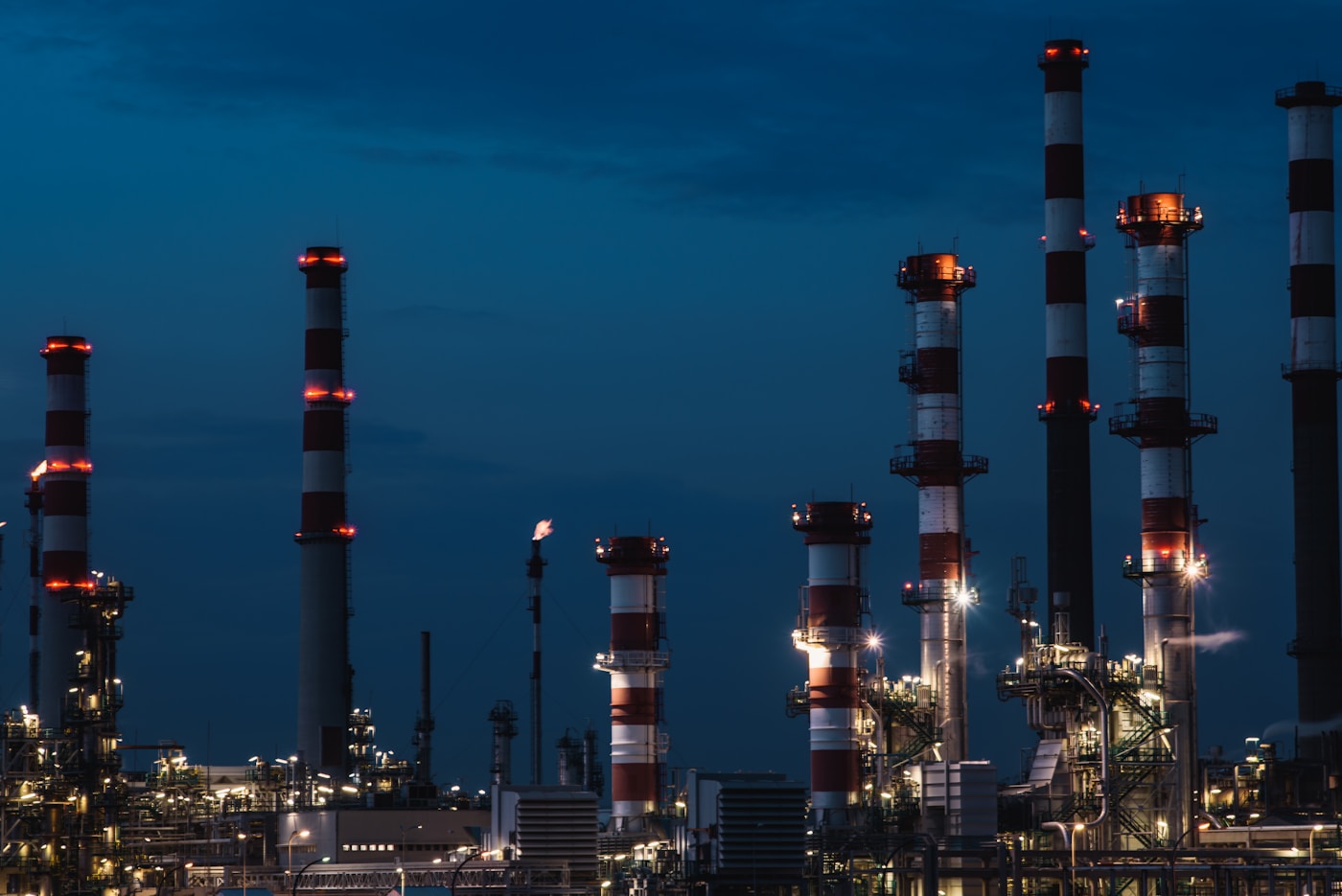

Oil refinery and energy infrastructure at dusk representing Gulf energy facilities threatened by Iranian military strikes during the 2026 Iran war

Iran Threatens Gulf Desalination Plants After Trump Power Grid Ultimatum

Iran military threatens 56 Gulf desalination plants, power grids, and IT systems after Trump issues 48-hour Hormuz ultimatum. 35 million at risk.

RIYADH — Iran’s unified military command threatened on Saturday to destroy desalination plants, power networks, and information technology systems across the Gulf if the United States carries out President Donald Trump’s threat to strike Iranian energy infrastructure, a dramatic escalation that puts the water supply of more than 35 million Gulf residents directly in the crosshairs of the 2026 Iran war.

The statement from Iran’s Khatam Al-Anbiya Central Headquarters — the joint operational command of all Iranian armed forces — came hours after Trump issued a 48-hour ultimatum demanding Iran reopen the Strait of Hormuz or face the destruction of its power plants. The counter-threat marks the first time Tehran has explicitly named Gulf desalination infrastructure as a retaliatory target, transforming what began as a conflict over nuclear ambitions and regional influence into an existential threat to civilian life across the Arabian Peninsula.

Gulf Cooperation Council nations depend on desalination for between 42 and 90 percent of their drinking water, according to the Center for Strategic and International Studies. Saudi Arabia alone operates more than 30 major desalination facilities producing 7.6 million cubic metres of freshwater daily — roughly 22 percent of global output — and a sustained attack on even a fraction of that capacity would trigger a humanitarian emergency within days.

What Did Iran’s Military Command Threaten?

Iran’s Khatam Al-Anbiya Central Headquarters issued its warning in the early hours of Saturday morning, stating that “if Iran’s fuel and energy infrastructure is violated by the enemy, all energy, information technology and desalination infrastructure belonging to the US and the regime in the region will be targeted.” The statement, reported by the Jerusalem Post and Iranian state media, explicitly framed the threat as conditional — a direct response to any American strike on Iranian power generation facilities.

The Khatam Al-Anbiya Central Headquarters functions as the unified combatant command of all Iranian armed forces, operating under the direct authority of the General Staff. Its statements carry operational weight. When the command has issued targeting warnings in the past — including evacuation notices to Gulf energy facilities before the SAMREF refinery strike on March 19 — those warnings have preceded actual military action.

The counter-threat expanded Iran’s declared target set well beyond oil infrastructure, which Tehran has been striking intermittently since the war began on February 28. By naming desalination plants, power networks, and IT systems alongside energy facilities, the Khatam Al-Anbiya command signalled a willingness to attack civilian infrastructure that millions of people depend on for survival.

Analysts at the Atlantic Council noted that the threat represents a “dark future” for regional security. “Targeting desalination plants crosses a line that even previous Gulf conflicts avoided,” wrote the Atlantic Council’s Middle East programme in a dispatch published this week. “Water infrastructure has historically been treated as off-limits in regional confrontations.”

Reverse osmosis membrane tubes inside a desalination plant similar to facilities across the Persian Gulf that Iran has threatened to target. Photo: US Embassy Tel Aviv / CC BY-SA 2.0
Reverse osmosis membrane tubes inside a desalination facility. Gulf nations operate 56 major plants using similar technology to produce drinking water for more than 35 million people. Photo: US Embassy Tel Aviv / CC BY-SA 2.0

How Dependent Is the Gulf on Desalinated Water?

The Arabian Peninsula sits atop the world’s largest concentration of desalination capacity, and the dependence is not an option but a geological fact. Rainfall across the GCC averages less than 100 millimetres per year. Aquifers that once sustained populations for millennia are depleting at rates that make them functionally non-renewable. Desalination is not supplementary infrastructure — it is the primary source of drinkable water for entire nations.

The numbers are stark. Kuwait and Bahrain depend on desalinated water for approximately 90 percent of their municipal supply, according to CSIS. Oman follows at roughly 86 percent. Saudi Arabia relies on desalination for about 70 percent of its drinking water, with the Ministry of Environment, Water and Agriculture planning to raise that figure to 90 percent by 2030. The UAE draws 42 percent of its water from desalination, though major cities including Abu Dhabi and Dubai operate at far higher dependency rates.

Gulf desalination dependency by country
Country Desalination Dependency Major Plants Key Facilities
Kuwait ~90% 6 Doha, Az-Zour, Shuwaikh
Bahrain ~90% 4 Al Hidd, Al Dur, Ras Abu Jarjur
Oman ~86% 5 Barka, Sur, Sohar, Ghubrah
Saudi Arabia ~70% 30+ Ras Al-Khair, Jubail, Shoaiba, Yanbu
Israel ~80% 5 Sorek, Hadera, Ashkelon, Palmachim
UAE ~42% 12 Jebel Ali, Taweelah, Umm Al Nar
Qatar ~50% 3 Ras Abu Fontas, Umm Al Houl

A World Bank analysis cited by multiple sources found that nearly 44 percent of global desalination capacity is concentrated in the GCC market. More than 90 percent of the Gulf’s desalinated water comes from just 56 plants, according to CSIS. That concentration — driven by economics and geography — creates what analysts describe as a vulnerability of extraordinary scale.

Modern desalination plants using seawater reverse osmosis technology may be even more vulnerable than older thermal desalination facilities, CSIS warned. Reverse osmosis membranes can be clogged by oil contamination or debris from nearby explosions, and replacement membranes can take months to procure and install. A 2008–2009 algal bloom in the Gulf shut down several reverse osmosis facilities in Oman and the UAE for up to two months, demonstrating how fragile the technology can be when intake water is compromised.

Which Desalination Plants Have Already Been Hit?

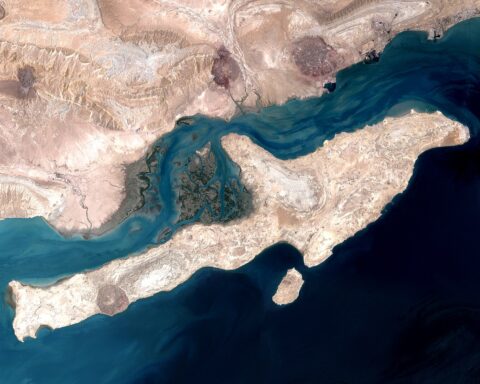
The war has already crossed the desalination threshold twice. On March 7, Iran accused the United States of striking a freshwater desalination plant on Qeshm Island, an Iranian territory in the Strait of Hormuz. Iranian Foreign Minister Abbas Araghchi stated that the alleged attack “disrupted water supplies to 30 villages” and called it a “blatant and desperate crime.” The United States and Israel denied targeting the facility. Independent verification of the incident remains limited.

The following day, on March 8, a confirmed Iranian drone strike damaged a desalination plant in Bahrain. Bahrain’s Ministry of Interior reported material damage to the facility, which processes seawater to supply freshwater to residents, alongside three civilian injuries from missile debris that struck a university building in northern Bahrain. The Bahraini Electricity and Water Authority said water and electricity services were not permanently affected, but the attack demonstrated that Bahrain’s missile defences could not intercept every incoming projectile.

The Bahrain strike marked the first confirmed attack on Gulf desalination infrastructure during the conflict. Araghchi’s response was pointed: by referring to the Qeshm Island attack as a “precedent,” the foreign minister appeared to signal that Iran now considered itself entitled to target Gulf water infrastructure in kind.

Iranian strikes on March 2 also hit Dubai’s Jebel Ali port area, landing approximately 12 miles from a massive complex housing 43 desalination units that produce more than 160 billion gallons of water annually for the city. While the desalination facility itself was not struck, the proximity alarmed UAE officials and raised questions about whether the near-miss was intentional or accidental.

USS Preble guided-missile destroyer operating in the Persian Gulf where US naval forces are engaged in the 2026 Iran war. Photo: US Navy / Public Domain
A US Navy guided-missile destroyer patrols the Persian Gulf. American naval forces have been engaged in continuous operations to protect Gulf shipping lanes and critical infrastructure since the war began on February 28. Photo: US Navy / Public Domain

What Would an Infrastructure Attack Mean for Saudi Arabia?

Saudi Arabia operates the world’s largest desalination network, producing 7.6 million cubic metres of freshwater per day and accounting for 22 percent of global desalinated water output, according to the US-Saudi Business Council. The kingdom’s 30-plus major facilities are concentrated along two coastlines — the Persian Gulf to the east and the Red Sea to the west — and supply drinking water to a population of approximately 35 million.

The eastern coastline facilities, including the massive Ras Al-Khair and Jubail complexes, sit within range of Iranian ballistic missiles and drones. Ras Al-Khair is the world’s largest desalination plant, producing more than one million cubic metres of water daily. Jubail hosts the Saline Water Conversion Corporation’s largest integrated water and power facility. Both are critical to water supply for Riyadh, which receives desalinated water via a 450-kilometre pipeline from the eastern coast.

Saudi Arabia’s western Red Sea desalination plants at Shoaiba and Yanbu were considered safer from Iranian attack until March 19, when a drone struck the SAMREF refinery in Yanbu and a ballistic missile was intercepted over the port. The attack demonstrated that Iran can reach targets on Saudi Arabia’s western coastline, eliminating the geographic buffer that Gulf planners had counted on.

Water experts warn that Saudi Arabia’s strategic water reserves could sustain urban populations for only a limited period if desalination output were significantly reduced. CNN reported that the Gulf states have between two and five days of emergency water reserves in most cities, though Saudi Arabia has invested in expanding storage capacity in recent years. A sustained campaign against multiple desalination facilities could trigger rationing within a week and a full-scale humanitarian crisis within a month.

The kingdom’s desalination network is also deeply integrated with its power grid. Many Saudi facilities are combined water-and-power plants that generate electricity alongside freshwater. An attack that damaged the power generation component of a combined facility could simultaneously cut both water production and electrical supply to connected cities.

Trump’s 48-Hour Ultimatum and the Escalation Spiral

The Khatam Al-Anbiya threat was a direct response to Trump’s ultimatum, posted on Truth Social at 23:44 GMT on Friday. “If Iran doesn’t FULLY OPEN, WITHOUT THREAT, the Strait of Hormuz, within 48 HOURS from this exact point in time, the United States of America will hit and obliterate their various POWER PLANTS, STARTING WITH THE BIGGEST ONE FIRST!” Trump wrote.

The ultimatum represented the most explicit American threat to target Iranian civilian infrastructure since the war began. Previous US strikes have focused on military installations, air defence sites, missile launch facilities, and the Islamic Revolutionary Guard Corps command structure. Pentagon officials have confirmed striking more than 7,000 targets across Iran, according to Defence Secretary Pete Hegseth, but power plants have not been among them.

Trump’s threat to attack power plants would expand the war into infrastructure that 88 million Iranian civilians depend on daily. Iran’s electrical grid is already strained, and a strike on major generation facilities could plunge large portions of the country into extended blackouts, affecting hospitals, water pumping stations, and food storage.

The tit-for-tat logic is now explicit. Trump threatens Iranian power plants. Iran threatens Gulf desalination plants. Each side escalates by putting the other’s civilian population at risk. Riyadh’s expulsion of Iran’s military attaché and four embassy staff on Saturday — the severance of the kingdom’s last direct military communication channel with Tehran — removed one of the few remaining mechanisms through which de-escalation signals could be transmitted.

The 48-hour deadline, if calculated from Trump’s post, expires at approximately 23:44 GMT on Sunday, March 23. Iran has given no indication it intends to comply. The IRGC has repeatedly stated that the Strait of Hormuz will remain closed to “enemy ships” for the duration of hostilities, and Iran’s military leadership has shown no willingness to yield under American pressure.

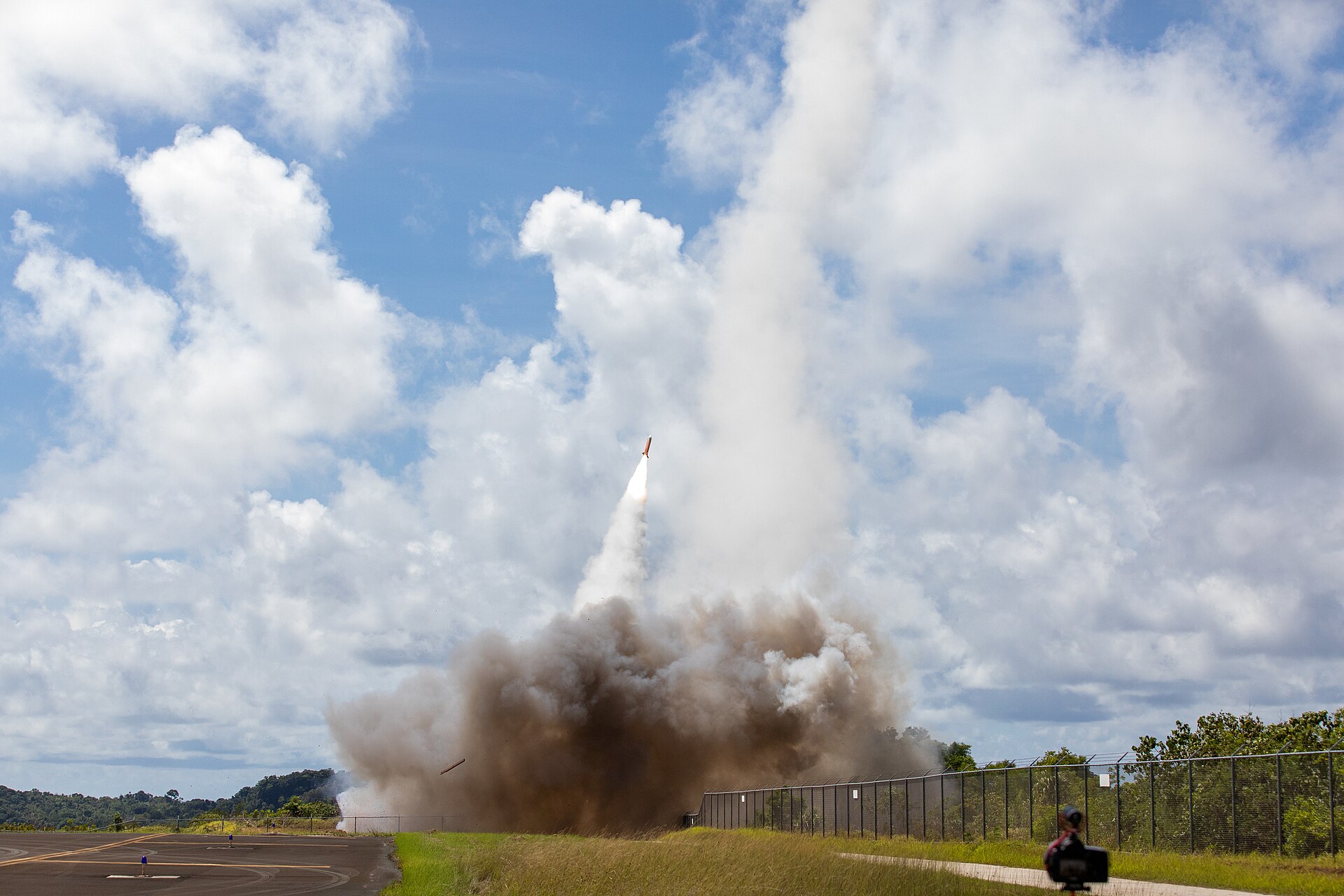
Patriot missile launcher deployed in the Gulf desert defending against Iranian ballistic missile and drone attacks on critical infrastructure. Photo: US Army / Public Domain
A Patriot surface-to-air missile launcher deployed in the Gulf desert. Saudi Arabia and its allies have intercepted hundreds of Iranian missiles and drones since the war began, but the sheer volume of attacks is straining air defence capacity. Photo: US Army / Public Domain

How Are Gulf States Defending Critical Water Infrastructure?

Saudi Arabia has intercepted at least 575 drones and 42 ballistic missiles since the war began on February 28, according to a tally based on Ministry of Defence reports. The kingdom operates multiple layers of air defence, including American-made Patriot PAC-3 systems, short-range point defence systems for drone interception, and a recently deployed Greek Patriot battery that intercepted Iranian missiles over Saudi territory on March 19, according to the Greek Defence Ministry.

The scale of the air campaign, however, is testing the limits of available interceptor stockpiles. Saudi forces shot down 51 drones in the Eastern Province in a single 24-hour period on March 20, including a concentrated barrage of 38 drones within three hours, according to Anadolu Agency. Total interceptions since the war began — including 92 drones in the 48 hours before the Khatam Al-Anbiya threat — are consuming Patriot interceptor missiles at a rate that military analysts have described as unsustainable without emergency resupply.

The US State Department approved a $16 billion emergency arms package for Gulf states in March, with Secretary of State Marco Rubio bypassing normal Congressional review under emergency provisions. The package includes Patriot missile reloads, THAAD interceptors, and counter-drone systems. Delivery timelines remain unclear.

Desalination plants present particular defensive challenges. Unlike military bases, which can be hardened and dispersed, desalination facilities are large, fixed, coastal installations with extensive exposed piping, intake structures, and chemical storage areas. A single well-placed strike could damage reverse osmosis membrane arrays that take months to replace, or contaminate intake water with debris that renders the facility inoperable even without structural destruction.

Gulf states have begun positioning additional air defence assets around critical water infrastructure, according to regional defence officials cited by CNBC. Pakistan deployed air defence systems and troops to Saudi Arabia in early March, and the broader military cooperation framework between Islamabad and Riyadh has expanded to include infrastructure protection.

International Response and Legal Dimensions

The international community has condemned threats against civilian water infrastructure. The consultative ministerial meeting held in Riyadh on March 18–19, attended by foreign ministers from 12 Arab and Islamic nations including Qatar, Turkey, Pakistan, and Egypt, called on Iran to “immediately and unconditionally” halt attacks on Gulf states and comply with UN Security Council Resolution 2817, according to a joint statement published by Qatar’s foreign ministry.

International humanitarian law prohibits attacks on objects indispensable to the survival of civilian populations, including drinking water installations and supplies. Article 54 of Additional Protocol I to the Geneva Conventions explicitly bans the destruction of such infrastructure. Targeting desalination plants — whether by Iran or the United States — would constitute a violation under established international law, according to legal analysis published by the Middle East Council on Global Affairs.

Foreign Policy reported that the US strike on the Qeshm Island desalination plant — if confirmed — set a “dangerous precedent” that Iran has now used to justify its own threats against Gulf water infrastructure. “The US set this precedent, not Iran,” Foreign Minister Araghchi stated on social media, framing Tehran’s posture as reactive rather than aggressive.

The Hudson Institute warned in a March analysis that Iran could escalate its energy war in the Gulf to water, noting that the IRGC “cannot defeat the American-led coalition militarily” and instead seeks to “raise the economic and diplomatic costs of the war sufficiently to break President Donald Trump’s will to continue waging it.” Threatening the Gulf’s water supply serves precisely that purpose — forcing Gulf states to pressure Washington toward a ceasefire rather than risk their own populations’ survival.

The Responsible Statecraft think tank argued that the escalation cycle has now reached a point where both sides are holding civilian infrastructure hostage. “How targeting water changes the entire face of the war,” the publication wrote, noting that the conflict has moved from military targets to the essential services that keep cities functional and populations alive.

For Saudi Arabia, the calculation is particularly fraught. Historical precedents from Iraq, Serbia, and Ukraine suggest that infrastructure bombing consistently fails to compel strategic concessions while generating catastrophic humanitarian consequences. The kingdom did not start this war, has maintained that its territory is not being used to attack Iran, and has engaged in daily diplomatic contact with Iran’s ambassador to Riyadh in an attempt to de-escalate. Yet the war’s trajectory has pulled it steadily deeper into the conflict, from passive defender to active expulsion of Iranian diplomats, and now to a position where its most critical civilian infrastructure is explicitly named as a target.

Frequently Asked Questions

What exactly did Iran threaten to target in the Gulf?

Iran’s Khatam Al-Anbiya Central Headquarters, the unified operational command of all Iranian armed forces, stated that it would target “all energy, information technology and desalination infrastructure belonging to the US and the regime in the region” if the United States strikes Iranian energy infrastructure. The threat covers desalination plants, power generation facilities, electrical grids, and IT networks across the Gulf states.

How much of Saudi Arabia’s water comes from desalination?

Saudi Arabia currently relies on desalination for approximately 70 percent of its drinking water, with the government planning to increase that to 90 percent by 2030. The kingdom operates more than 30 major desalination facilities producing 7.6 million cubic metres of freshwater daily, accounting for 22 percent of global desalinated water output, according to the US-Saudi Business Council.

Have any desalination plants been attacked during the 2026 Iran war?

Two desalination plants have been struck so far. Iran accused the United States of attacking a desalination plant on Qeshm Island on March 7, disrupting water to 30 villages. The following day, a confirmed Iranian drone strike damaged a desalination plant in Bahrain. Iranian strikes on March 2 also landed approximately 12 miles from Dubai’s Jebel Ali desalination complex.

What happens if Gulf desalination plants are knocked offline?

Gulf cities maintain emergency water reserves estimated at two to five days of supply, according to CNN. A sustained attack on multiple desalination facilities could trigger water rationing within a week and a humanitarian crisis within a month. Modern reverse osmosis membranes damaged by strikes or contaminated intakes can take months to replace, meaning repair timelines would far exceed reserve supplies.

Is attacking water infrastructure a war crime?

International humanitarian law, specifically Article 54 of Additional Protocol I to the Geneva Conventions, prohibits attacks on objects indispensable to the survival of civilian populations, including drinking water installations. Deliberately targeting desalination plants that serve civilian populations would constitute a violation under established international law, regardless of which side carries out the attack.

A vast open-pit copper mine in a desert landscape, showing the massive scale of modern mineral extraction operations similar to those planned for Saudi Arabia. Photo: Wikimedia Commons / CC BY-SA 4.0
Previous Story

Saudi Arabia's Next Fortune Is Buried in Rock, Not Oil

Default thumbnail
Next Story

Riyadh: The New Business Capital of the Middle East

Latest from Iran War