
MANILA — The Philippines on Tuesday became the first country to formally declare a national energy emergency in response to the Iran war, as President Ferdinand Marcos Jr. signed Executive Order No. 110 warning of “imminent danger” to the archipelago’s fuel supply after nearly four weeks of fighting shut down the Strait of Hormuz and severed Asia’s main oil lifeline from Saudi Arabia and the Gulf.
The declaration, which will remain in force for one year, establishes a new interagency body called the Unified Package for Livelihoods, Industry, Food, and Transport — known by its acronym UPLIFT — and authorises sweeping demand-reduction measures including a four-day government work week. Manila joins Japan and South Korea in activating emergency energy protocols, but it is the first sovereign government to invoke the word “emergency” in a formal executive order directly citing the Iran conflict. The Philippines imports between 95 and 98 percent of its crude oil from the Middle East, with roughly half of that coming from Saudi Arabia, making it one of the most exposed nations on earth to the Hormuz disruption.
Table of Contents
- What Did President Marcos Declare?
- Why Is the Philippines So Vulnerable to the Hormuz Blockade?
- How Badly Has Saudi Oil Supply to Asia Been Cut?
- The Strait That Holds the World’s Oil
- Which Other Asian Countries Face Energy Emergencies?
- What Emergency Measures Is Manila Taking?
- Saudi Arabia’s Yanbu Bottleneck
- Oil Markets Swing on Mixed War Signals
- Frequently Asked Questions
What Did President Marcos Declare?
Marcos signed Executive Order No. 110 on March 24, placing the Philippines under a state of national energy emergency for one year. The order cites the “ongoing conflict in the Middle East” and “the resulting imminent danger posed upon the availability and stability of the country’s energy supply,” according to the text published by the Presidential Communications Office.
The executive order creates UPLIFT, a cabinet-level committee chaired by Marcos himself. Its members include the Executive Secretary and the secretaries of the Departments of Energy, Transportation, Social Welfare and Development, Agriculture, Finance, Economy, Planning, and Development, and Budget and Management, according to the Manila Bulletin. The committee’s remit extends beyond fuel: it is tasked with monitoring the supply and distribution of food, medicines, agricultural products, and other essential goods, and with ensuring the continued operation of public transportation services.
UPLIFT is also charged with formulating longer-term strategies to reduce consumption of petroleum products across residential, commercial, industrial, and public utility sectors, according to the Presidential Communications Office. The scope of the committee signals that Manila views the energy disruption not as a temporary supply shock but as a structural threat to the national economy that may persist long after the fighting stops.
The Middle East briefing 3,000+ readers start their day with.
One email. Every weekday morning. Free.
Why Is the Philippines So Vulnerable to the Hormuz Blockade?
The Philippines is one of the most oil-import-dependent nations in Southeast Asia. Between 95 and 98 percent of the crude oil it consumes comes from the Middle East, according to the Philippine Information Agency. Saudi Arabia alone accounts for roughly half of those imports, with the United Arab Emirates supplying about 31 percent, according to Philippine government trade data for 2022, the most recent year for which a detailed breakdown is publicly available.
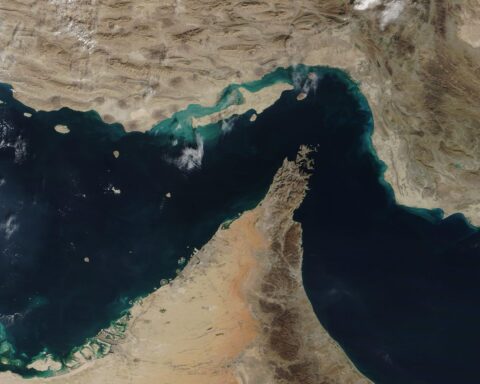
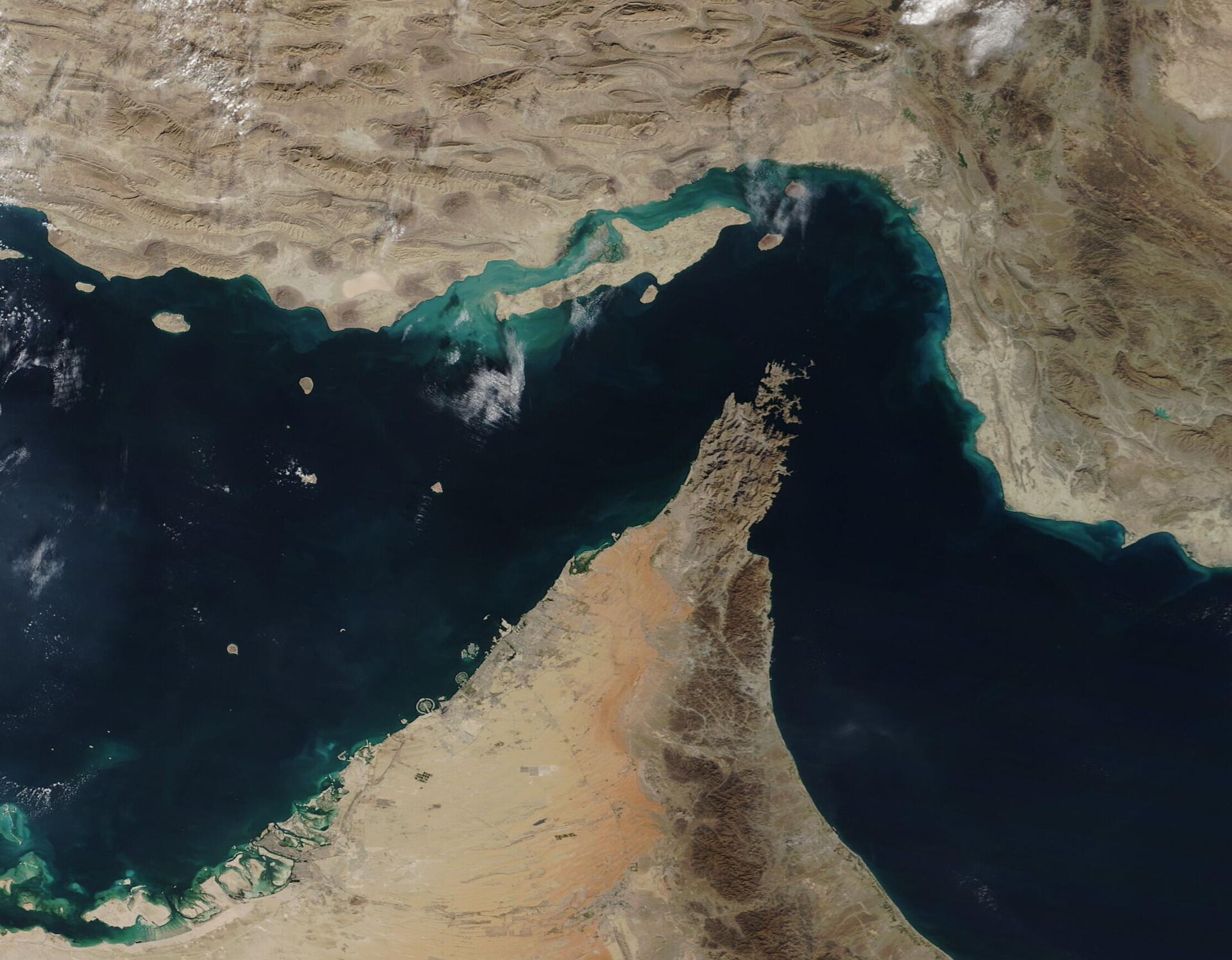
Nearly all of that crude passes through a single chokepoint: the Strait of Hormuz. When Iran’s Islamic Revolutionary Guard Corps effectively blockaded the strait in late February as part of its retaliatory campaign against United States and Israeli strikes, the Philippines found itself at the far end of a supply chain that had snapped overnight.
The country’s fuel reserves are alarmingly thin. Jet fuel stocks stand at approximately 38 days, according to Philippine government data cited by Rappler. Diesel and gasoline reserves are somewhat deeper but remain well below the 90-day buffer that the International Energy Agency recommends for import-dependent nations. Unlike Japan, which holds 254 days of strategic oil reserves, or South Korea, which has stockpiles for 208 days, the Philippines has no significant strategic petroleum reserve to draw from.
Domestic fuel prices have surged past 100 Philippine pesos per liter — roughly $1.80 — as of March 19, with diesel experiencing the steepest increases, according to Rappler. For a country where the minimum daily wage in the capital region is around 610 pesos, fuel costs now consume a substantially larger share of household budgets than they did just one month ago.
How Badly Has Saudi Oil Supply to Asia Been Cut?
Saudi Aramco, the world’s largest oil exporter, has reduced crude oil allocations to Asian buyers for the second consecutive month. Total exports to Asia fell from 7.108 million barrels per day in February to 4.355 million barrels per day in March, a contraction of 38.6 percent, according to tracking data reported by multiple energy analysts.
The cuts are not a matter of choice. Saudi Arabia actually increased its total crude production in February by roughly 8 percent, pumping 10.882 million barrels per day compared with 10.1 million in January, according to OPEC data reported by Bloomberg. The Kingdom has the oil. It simply cannot deliver it.
| Metric | February 2026 | March 2026 | Change |
|---|---|---|---|
| Exports to Asia (million bpd) | 7.108 | 4.355 | -38.6% |
| Total Saudi production (million bpd) | 10.882 | ~10.9 | Stable |
| Primary export route | Ras Tanura (Gulf) | Yanbu (Red Sea) | Shifted |
| Crude grades available to Asia | Multiple | Arab Light only | Restricted |
Asian buyers have been told that April cargoes will be limited to Arab Light crude shipped exclusively from the Red Sea port of Yanbu, rather than the broader slate of grades typically available from Gulf export terminals, according to industry sources cited by energy publications. The East-West pipeline connecting Saudi Arabia’s Eastern Province oil fields to Yanbu has an estimated capacity of around 5 million barrels per day, well below the volumes the Kingdom normally ships through the now-blockaded Gulf route.
The Strait That Holds the World’s Oil
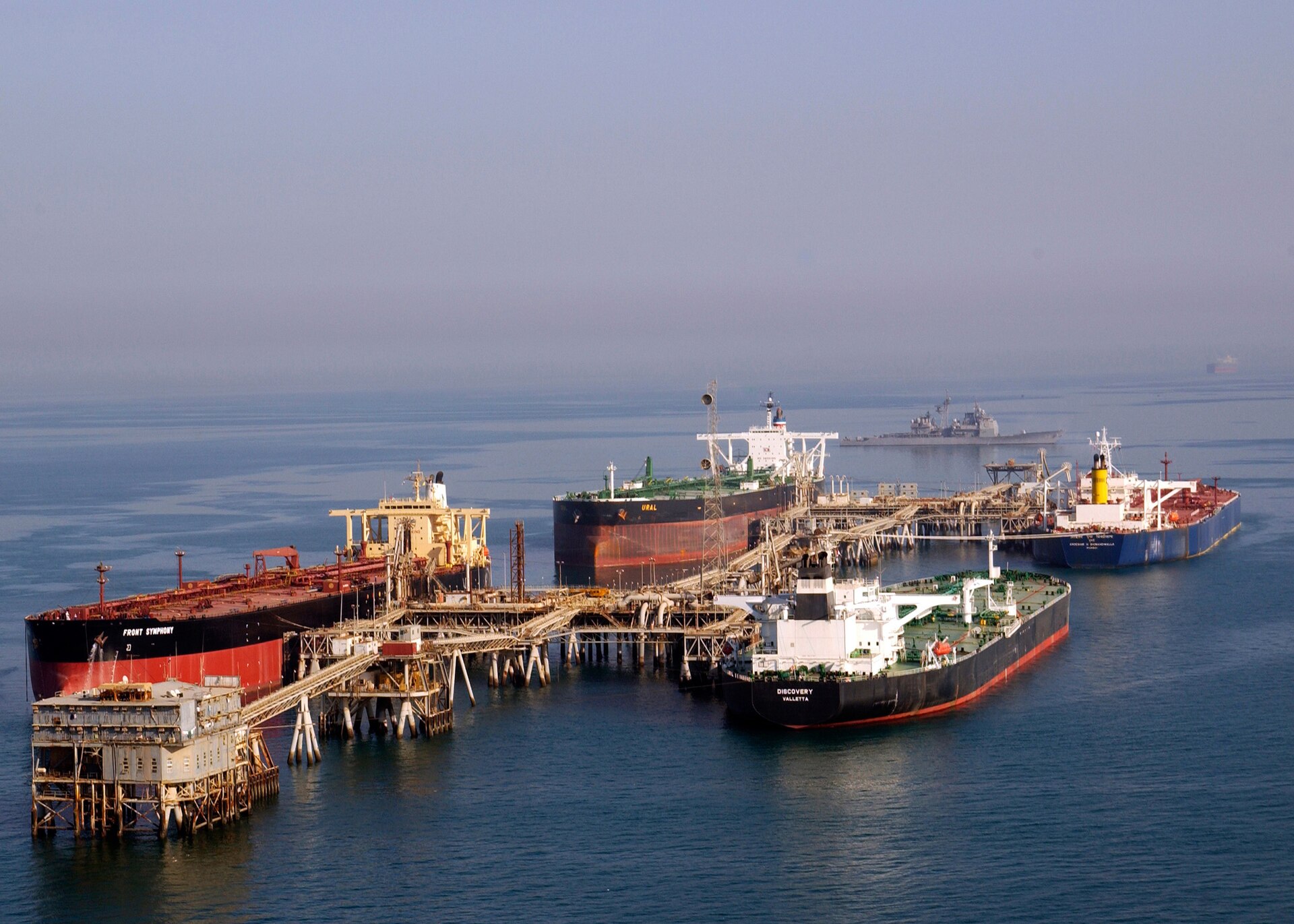
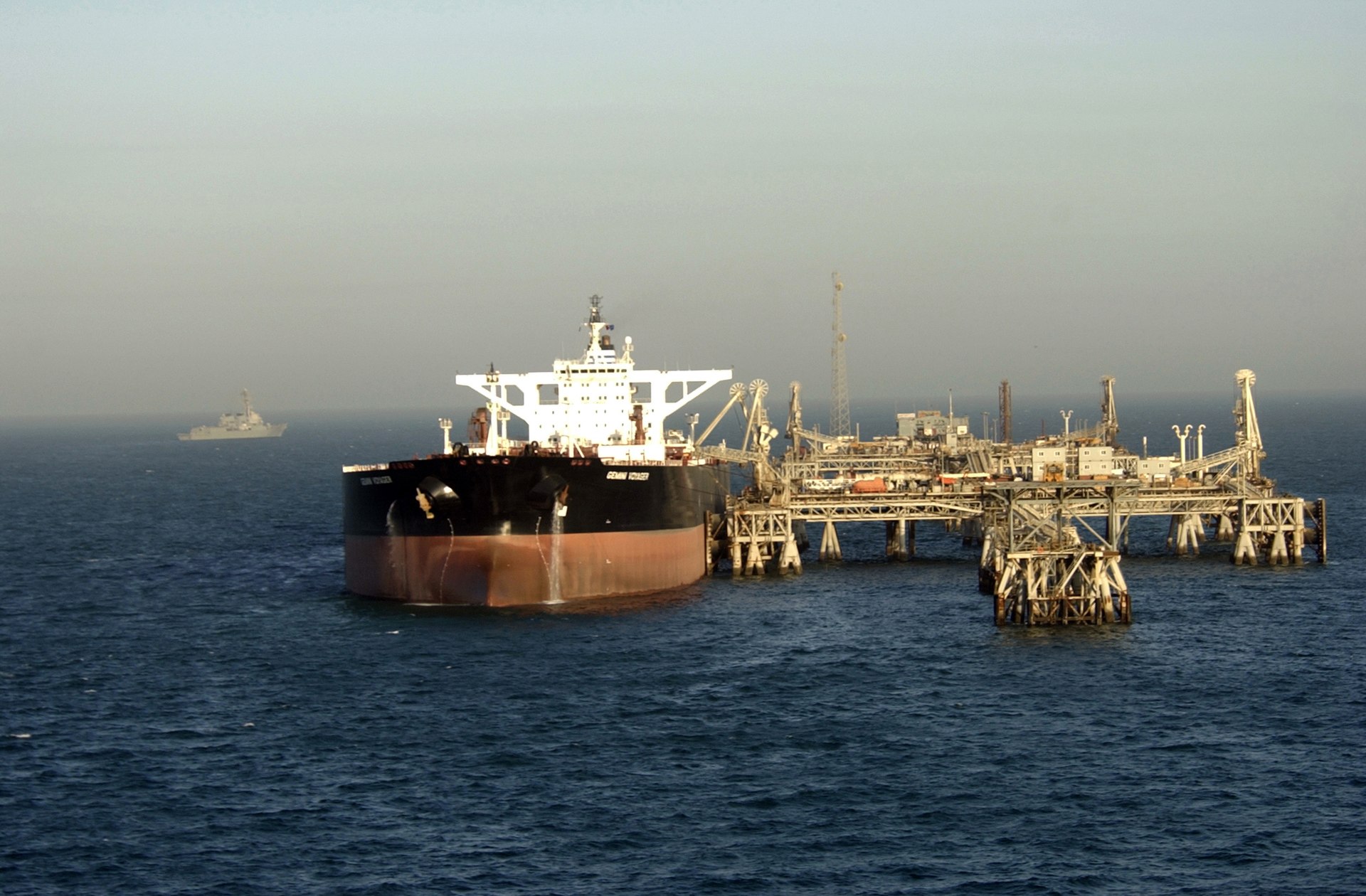
Before the Iran war began on February 28, more than 20 million barrels of crude oil and refined petroleum products passed through the Strait of Hormuz every day, according to the U.S. Energy Information Administration. That figure represents roughly 20 percent of global seaborne oil trade.
Since Iran’s IRGC issued warnings prohibiting vessel passage through the strait and began targeting tankers with missiles and naval mines, tanker traffic has collapsed by approximately 92 percent, according to shipping data compiled by Bloomberg. Dr. Sultan Al Jaber, the chief executive of Abu Dhabi National Oil Company, called the blockade “economic terrorism against every nation” during remarks at the CERAWeek conference in Houston on March 23.
“Weaponising the Strait of Hormuz is not an act of aggression against one nation,” Al Jaber said, according to CNBC. “When Hormuz is squeezed, the pressure is immediately felt around the world. In just three weeks, the price of oil has risen by 50 percent.”
The International Energy Agency has described the resulting supply disruption as the “greatest global energy and food security challenge in history,” according to reports from Carbon Brief. The closure has removed an estimated 8 million barrels per day from the global market, according to an earlier House of Saud report, dwarfing the supply losses of the 1973 Arab oil embargo and the 1979 Iranian Revolution combined.
Which Other Asian Countries Face Energy Emergencies?
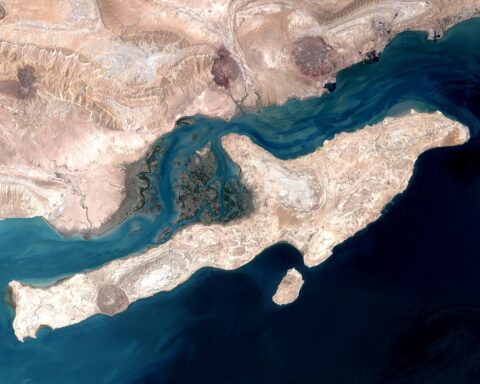
The Philippines is the first to declare a formal emergency, but it is far from the only Asian nation in crisis. The Hormuz blockade has exposed a fundamental vulnerability across the continent: Asia consumes roughly 36 million barrels of oil per day, and the majority of its imports travel through a single 33-kilometre-wide waterway between Iran and Oman.
| Country | Middle East Oil Dependence | Strategic Reserve (days) | Emergency Measures Taken |
|---|---|---|---|
| Philippines | 95-98% | ~38 | National energy emergency declared; 4-day work week; UPLIFT committee |
| Japan | ~90% | 254 | Releasing 80 million barrels from strategic reserves |
| South Korea | ~70% | 208 | 100 trillion won ($68 billion) market stabilisation programme |
| India | ~65% | ~75 | Naval escorts for tankers; emergency procurement from Russia and Africa |
| China | ~45% | ~120 | Increased Russian and Central Asian pipeline imports |
Japan, which relies on the Middle East for about 90 percent of its crude oil imports, announced on March 16 that it would begin releasing 80 million barrels from its strategic petroleum reserve, according to Al Jazeera. Prime Minister Sanae Takaichi described the release as a precautionary measure, though analysts noted it represents roughly one-third of the country’s total stockpile.
South Korea, which sources about 70 percent of its crude from the Middle East and routes more than 95 percent of that through Hormuz, has activated a 100 trillion won — approximately $68 billion — market-stabilisation programme, according to Fortune. The South Korean prime minister cancelled a planned trip to China, citing the economic crisis triggered by the Hormuz disruption.
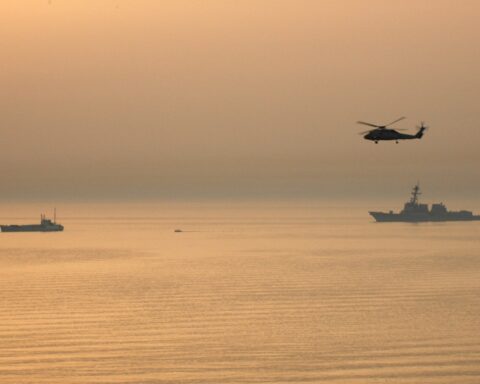
India and Pakistan have both deployed warships to escort oil tankers along alternative routes, while Southeast Asian governments including Thailand and Indonesia have imposed fuel rationing measures. A Fortune analysis from early March warned that “many Asian states could run out of oil within the next month” if the Hormuz blockade persists.
What Emergency Measures Is Manila Taking?
The executive order authorises a package of immediate and longer-term measures designed to stretch the Philippines’ dwindling fuel supplies. The most visible is the shift to a four-day government work week across all national agencies, a measure that Manila expects will reduce public sector fuel consumption by approximately 20 percent, according to Philippine media reports.
The state-run Philippine National Oil Company Exploration Corporation has begun procuring up to 2 million barrels of crude oil to bolster the country’s buffer stock, according to Rappler. The procurement is being fast-tracked under emergency provisions that bypass standard competitive bidding requirements.
Marcos has also directed his government to seek new sources of fuel imports beyond the Middle East. “We are looking at alternative suppliers,” the president said, according to the Philippine Daily Inquirer, though he did not name specific countries. Analysts have pointed to potential short-term alternatives including crude from Russia, Brunei, Malaysia, and West African producers, though none of these sources can match the volume or proximity of Gulf suppliers.
The UPLIFT committee is tasked with ensuring that the disruption does not cascade into a food crisis. The Philippines is a net food importer, and its agricultural sector depends on diesel-powered irrigation, fishing vessels, and transport. A sustained fuel shortage would threaten rice distribution, a politically sensitive commodity in a nation of 115 million people.
Manila’s Department of Energy has also ordered fuel distributors to prioritise supplies for hospitals, public transport, and the agricultural sector, according to BusinessWorld. Commercial and industrial users face potential rationing if reserves continue to decline.
Economists at De La Salle University warned on March 17 that the Middle East war could trigger a sharp rise in inflation and slow Philippine economic growth, according to the Manila Bulletin. The Philippines’ consumer price index had already been climbing before the war, and a sustained oil shock could push inflation well above the central bank’s target range, forcing interest rate increases that would slow investment and hiring.
Saudi Arabia’s Yanbu Bottleneck
Saudi Arabia finds itself in a paradoxical position: it has increased oil production to meet global demand, but the Hormuz blockade means it cannot deliver most of that oil to its largest customers in Asia.
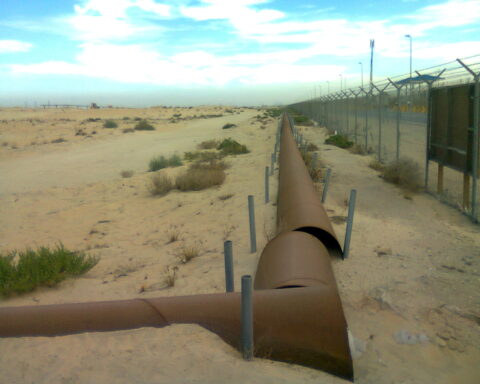
The Kingdom’s primary alternative export route runs through the East-West pipeline, a 1,200-kilometre conduit that carries crude from the oil fields of the Eastern Province to the Red Sea port of Yanbu. But the pipeline’s effective capacity is limited to roughly 5 million barrels per day, and some of that capacity is already committed to the SATORP refinery at Yanbu, a joint venture between Aramco and TotalEnergies.
The result is a severe supply bottleneck. Saudi Arabia pumped nearly 11 million barrels per day in February, but much of that crude has gone into domestic storage because it cannot reach export terminals. The Yanbu route also adds days to shipping times for Asian-bound cargoes, which must transit the Red Sea, pass through the Suez Canal or around the Cape of Good Hope, and then sail east — a journey that can take three to four weeks longer than the direct Gulf-to-Asia route through Hormuz.
The longer transit times mean that even when Aramco can ship oil from Yanbu, fewer tankers are available for loading because more vessels are tied up on extended voyages. This logistics crunch compounds the physical supply shortage and contributes to the elevated prices that consumers in Manila, Tokyo, and Seoul are now paying at the pump.
Iraq, OPEC’s second-largest producer and another major supplier to Asian refiners, has fared even worse. Production from Iraq’s three main southern oilfields has fallen by 70 percent to 1.3 million barrels per day, down from 4.3 million barrels per day before the war, according to Bloomberg data. Baghdad declared force majeure on all foreign-operated oilfields on March 20, effectively voiding supply contracts with international buyers. Iraq is losing approximately $280 million per day in export revenue, according to The National, a figure that threatens to destabilise a government already struggling with militia violence and political paralysis.
For Manila, the combined loss of Saudi and Iraqi supply leaves few viable alternatives at scale. Russia, the world’s second-largest crude exporter, has been redirecting volumes to China and India but has limited additional capacity for Southeast Asian buyers. West African producers such as Nigeria and Angola can offer spot cargoes, but shipping distances are long and volumes insufficient to replace Gulf supplies. Malaysia and Brunei together export less than 500,000 barrels per day, a fraction of what the Philippines consumes.
Oil Markets Swing on Mixed War Signals
The Philippines’ emergency declaration came on a day of sharp reversals in global oil markets. Brent crude futures climbed more than 4 percent to $104.10 per barrel on Tuesday, according to CNBC, recovering from a steep sell-off the previous day that had pushed prices below $99 — their lowest level since the war began.
The Monday sell-off was triggered by U.S. President Donald Trump’s claim that Washington had engaged in “very good and productive conversations” with Tehran about ending the war, a statement that briefly sent oil prices tumbling and equity markets surging. But Iran’s Islamic Revolutionary Guard Corps and parliamentary leaders immediately called the claim “fake news” designed to “manipulate financial and oil markets,” according to NPR.
An Iranian source told CNN on Tuesday that there had been “outreach” between Washington and Tehran, and that Iran is willing to listen to “sustainable” proposals to end the war. However, the same day, Iran fired a new wave of missiles at Israel and continued drone attacks against Gulf states, including approximately 20 drones targeting Saudi Arabia’s Eastern Province, according to Al Jazeera’s Day 25 reporting.
The mixed signals left traders uncertain about whether a diplomatic off-ramp is genuinely in sight. Brent’s rebound above $104 suggested that the market’s brief moment of optimism had evaporated. For countries like the Philippines, the volatility is itself a source of economic pain: fuel importers cannot plan, hedging costs have skyrocketed, and each swing of $10 per barrel translates directly into higher pump prices for 115 million Filipino consumers.
Pakistan’s prime minister announced on Tuesday that Islamabad is ready to host face-to-face talks between the United States and Iran, according to NPR. But even if negotiations begin, analysts caution that reopening the Strait of Hormuz would likely require weeks of mine clearance and security guarantees — time that oil-dependent nations like the Philippines do not have.
The Council on Foreign Relations noted that Trump’s decision to pause threatened strikes on Iranian power plants, while welcomed by markets, does not address the underlying blockade. Iran’s foreign minister stated on March 24 that Tehran’s position on the Strait of Hormuz “had not changed,” according to Al Jazeera. For the Philippines and other import-dependent nations, the distinction between a ceasefire and the reopening of a shipping lane is critical — and the gap between the two could be measured in weeks or months of depleted reserves.
Frequently Asked Questions
Why did the Philippines declare a national energy emergency?
President Marcos signed Executive Order No. 110 on March 24 because the Iran war and the resulting Strait of Hormuz blockade threaten to cut off the Philippines’ primary source of crude oil. The country imports 95 to 98 percent of its oil from the Middle East, and fuel reserves have fallen to approximately 38 days for jet fuel, with diesel and gasoline stocks also under pressure.
Is the Philippines the only country affected by the oil shortage?
The Philippines is the first country to declare a formal national energy emergency, but the crisis extends across Asia. Japan has begun releasing 80 million barrels from its strategic reserves, South Korea has activated a $68 billion market stabilisation programme, and India has deployed warships to escort tankers along alternative shipping routes.
How much oil does the Philippines import from Saudi Arabia?
Saudi Arabia supplies roughly half of the Philippines’ crude oil imports, with the United Arab Emirates accounting for about 31 percent. The remainder comes from other Gulf producers. Saudi Aramco has cut Asian oil allocations by 38.6 percent in March compared with February, further straining supply to Manila.
What emergency measures has the Philippine government taken?
The government has ordered a four-day work week for all national agencies, created the UPLIFT interagency committee to manage the crisis, directed state-run PNOC to procure 2 million barrels of emergency crude, and instructed fuel distributors to prioritise hospitals, public transport, and agriculture. Marcos has also directed his government to seek alternative fuel suppliers outside the Middle East.
When will the Strait of Hormuz reopen?
There is no firm timeline. Iran’s foreign minister stated on March 24 that Tehran’s position on the strait “had not changed.” Even if a ceasefire is reached, analysts estimate that mine clearance and security guarantees would require several additional weeks before commercial shipping could resume safely. Pakistan has offered to host direct U.S.-Iran talks, but negotiations have not yet begun.