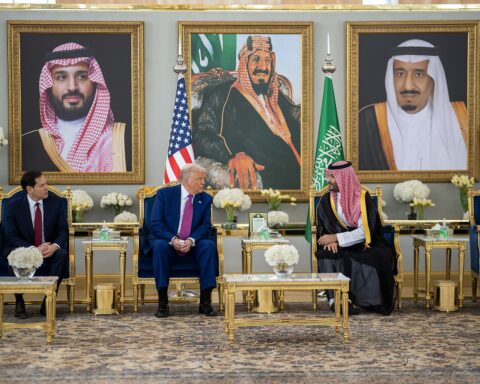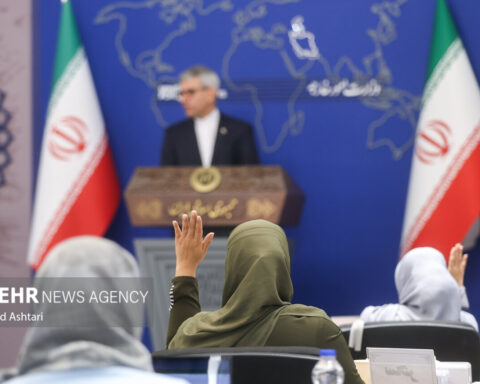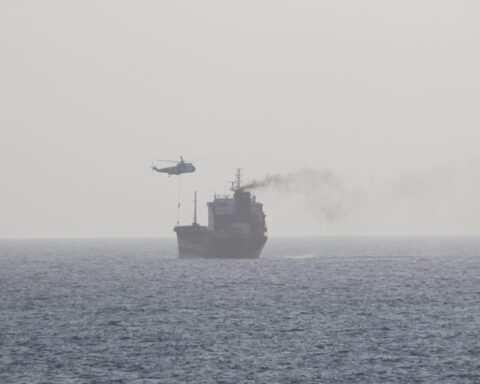

RIYADH — A Saudi-backed $1.5 billion arms deal to supply the Sudanese military with Pakistani fighter jets, drones, and air defense systems has stalled after months of negotiations, with Riyadh growing increasingly alarmed by the Sudanese army’s entanglement with Islamist factions that have expressed open support for Iran. The suspension, first reported by Africa Intelligence on March 25 and confirmed by diplomatic sources cited by Darfur24, reflects a deepening rift between Saudi Arabia and Sudan’s military leadership at a moment when the Iran war has made ideological loyalty a non-negotiable test for Gulf partnerships.
The deal’s collapse carries implications far beyond Khartoum. It exposes the limits of Saudi Arabia’s ability to shape allied militaries, sharpens the proxy contest between Riyadh and Abu Dhabi over Sudan’s future, and raises questions about whether Pakistan’s booming defense export ambitions can survive the geopolitical crossfire of the Gulf’s widening conflict with Tehran.
Table of Contents
- What Is the Saudi-Backed Sudan Arms Deal?
- Why Has the $1.5 Billion Deal Stalled?
- The Islamist Factor and the al-Baraa Bin Malik Brigade
- How Does Iran Fit Into Sudan’s Civil War?
- The Saudi-UAE Proxy Contest Over Sudan
- What Does Pakistan Stand to Gain From the Deal?
- Berlin Conference and the Road Ahead
- Frequently Asked Questions
What Is the Saudi-Backed Sudan Arms Deal?
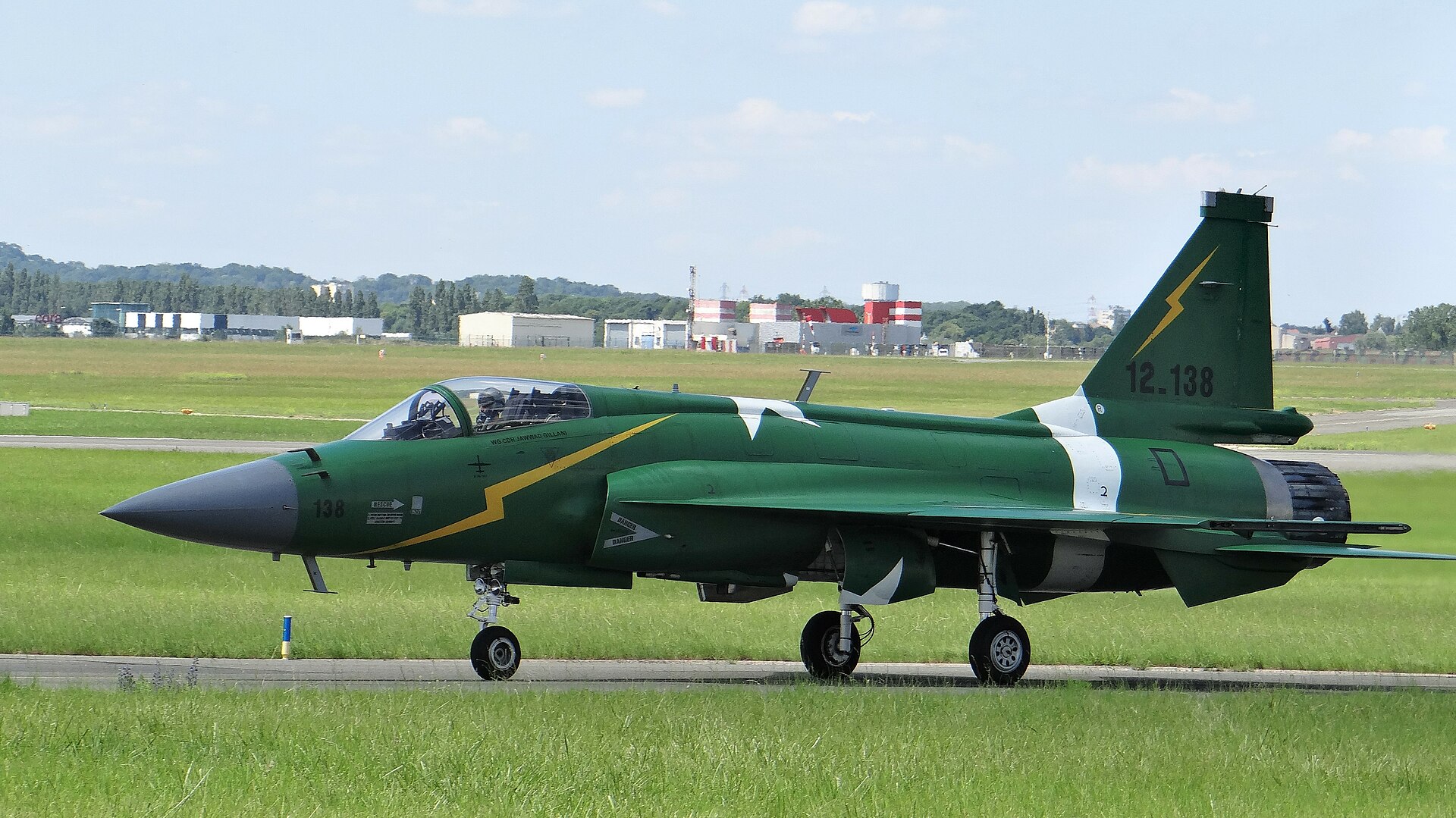
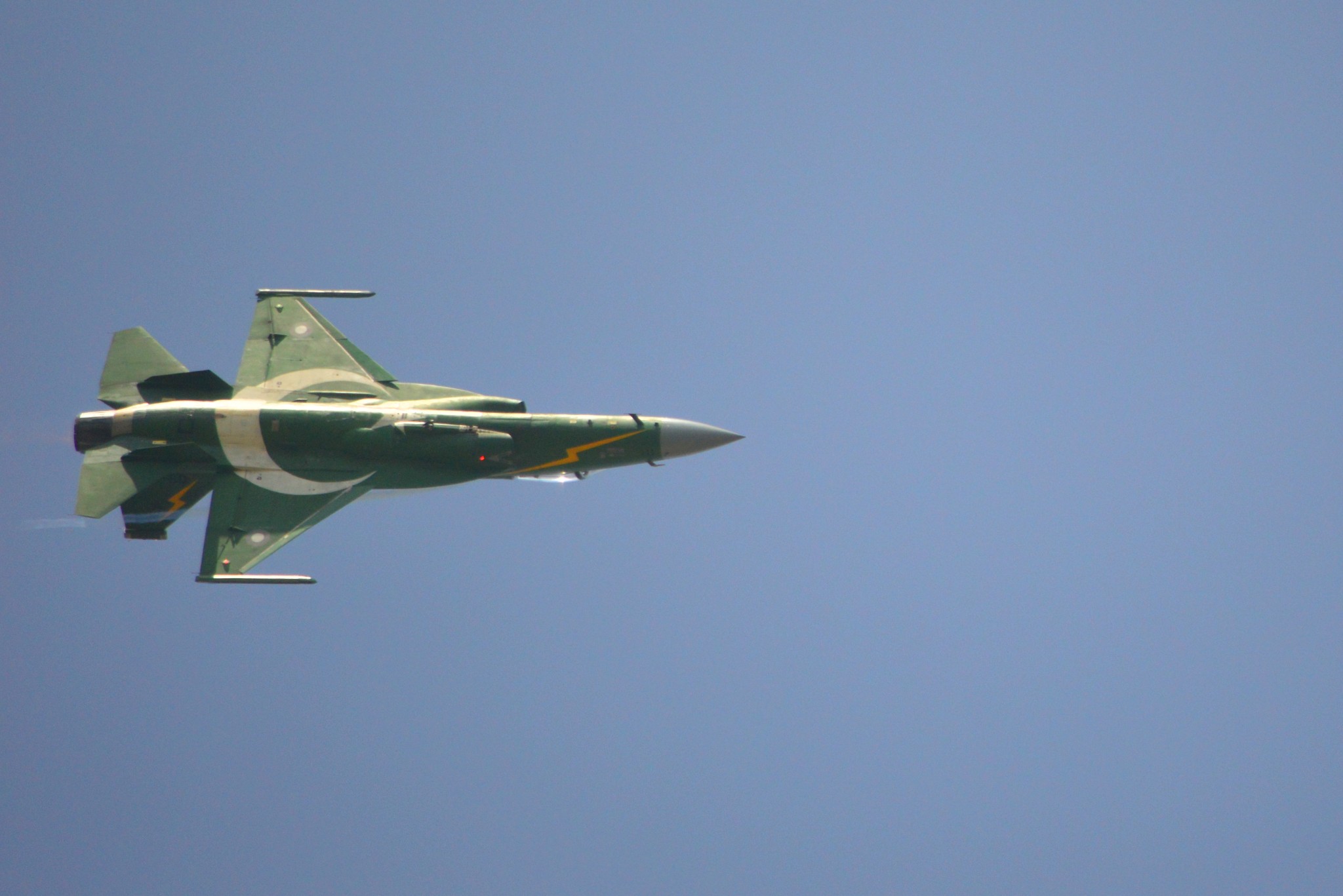
The proposed agreement, valued at approximately $1.5 billion according to Reuters reporting from January 9, 2026, would have supplied Sudan’s armed forces with a substantial Pakistani military hardware package. The deal included JF-17 Thunder multirole fighter jets, 10 Karakoram-8 light attack aircraft, more than 200 surveillance and kamikaze drones, Super Mushshak training aircraft, and advanced air defense systems, according to Army Recognition and The Media Line.
Saudi Arabia reportedly served as the primary facilitator and financial backer of the arrangement. Saudi geopolitical analyst Mohammed Alhamed told The Media Line that “Pakistan’s arms deal with Sudan was finalized with Saudi Arabia’s facilitation, underscoring Riyadh’s intent to bolster Sudan’s security.” He identified Saudi envoy Nawaf Al-Maliki as having “played a pivotal role” in brokering contacts between Islamabad and Port Sudan, where Sudan’s military-led government has been based since the fall of Khartoum.
The deal would have ranked among Pakistan’s largest defense exports to an African nation, following a global arms race that has accelerated since the Iran war began in late February 2026. Pakistan finalized a separate $4 billion arms agreement with Libya’s Libyan National Army in December 2025, positioning Islamabad as an emerging force in the global defense market.
The JF-17 Thunder Block III, the variant Pakistan promoted at the World Defense Show in Riyadh in February 2026, features an active electronically scanned array radar, a helmet-mounted display, and PL-15 beyond-visual-range missiles. At an estimated unit cost of $25-32 million, the aircraft undercuts comparable Western fighters by 60 to 70 percent, making it an attractive option for African and Middle Eastern militaries seeking modern air power without the political strings attached to American or European exports.
The Middle East briefing 3,000+ readers start their day with.
One email. Every weekday morning. Free.
Why Has the $1.5 Billion Deal Stalled?
The suspension stems from Saudi Arabia’s growing distrust of army chief Lt. Gen. Abdel Fattah al-Burhan and the Sudanese Armed Forces’ inability to sever ties with Islamist organizations, according to Africa Intelligence magazine, as reported by Darfur24 on March 25. Diplomatic sources told the outlet that the continued influence of Islamist factions aligned with the army “remains a major source of friction with regional allies, including Egypt.”
Saudi officials are “growing increasingly dissatisfied with the Sudanese army, believing it has failed to meet key political and military expectations,” Darfur24 reported. The kingdom had expected Burhan to marginalize Islamist elements within his military coalition as a precondition for continued support. Instead, those factions have only grown more visible and more provocative.
The breaking point came in early March, when a senior Islamist commander fighting alongside the Sudanese army publicly declared support for Iran and volunteered to send fighters to join Tehran in the event of a ground invasion by the United States or Israel. The statement forced Burhan into an awkward public rebuke and triggered alarm in Riyadh, which is itself absorbing Iranian missile and drone strikes on its Eastern Province and critical oil infrastructure.
| Factor | Detail | Source |
|---|---|---|
| Deal value | $1.5 billion | Reuters, Jan. 9, 2026 |
| Equipment | JF-17 jets, K-8 trainers, 200+ drones, air defense | Army Recognition |
| Saudi role | Facilitator and likely financier | The Media Line |
| Primary concern | Islamist factions within SAF supporting Iran | Darfur24, Africa Intelligence |
| Trigger event | Naji Abdullah’s pro-Iran speech, March 2026 | Asharq Al-Awsat |
| Burhan response | Ordered arrest on March 15 | Sudan Tribune |
| Saudi shift | Now favors civilian-led government | Darfur24 |
The Islamist Factor and the al-Baraa Bin Malik Brigade
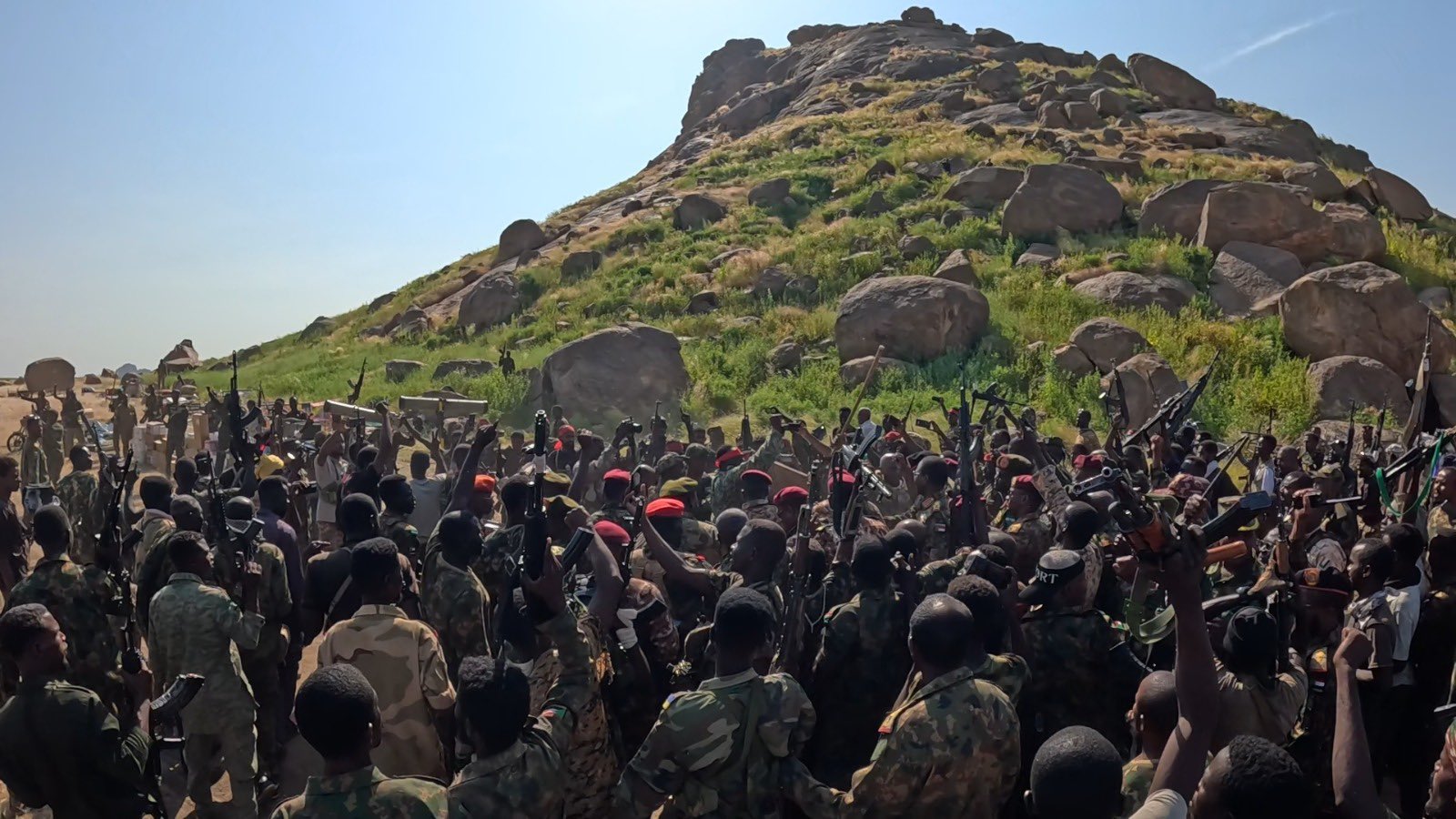
The specific incident that rattled Riyadh involved Naji Abdullah, a commander within the al-Baraa Bin Malik Brigade, an Islamist militia aligned with Sudan’s Islamic Movement, the country’s branch of the Muslim Brotherhood. The brigade has fought alongside the Sudanese Armed Forces since the civil war erupted in April 2023, operating as a semi-autonomous formation wearing army uniforms but answering to Islamist rather than conventional military command structures.
In a speech to brigade members in early March, Abdullah declared: “We support Iran…if a ground war begins between the Americans and the Iranians, open the way for us to participate in it,” according to Asharq Al-Awsat, which reported the remarks on March 6. The statement amounted to a public alignment with Tehran at the precise moment Saudi Arabia was absorbing daily Iranian attacks on its territory.
Burhan responded by ordering Abdullah’s arrest on March 15, according to Sudan Tribune, and publicly warned that his military “will not allow any group to speak in the name of the armed forces or the Sudanese state.” He expressed “full solidarity with Gulf Arab states,” stating that “our brothers in the Gulf have extended many helping hands to Sudan” and rejecting “any violations of Gulf sovereignty.”
The arrest, however, did little to reassure Saudi Arabia. The al-Baraa Bin Malik Brigade is one of several Islamist formations embedded within the SAF’s command structure, and their removal would leave Burhan with significantly fewer fighters at a moment when the army is stretched thin across multiple fronts. Saudi officials view the problem as structural rather than individual, according to diplomatic sources cited by Darfur24.
The Foundation for Defense of Democracies (FDD), a Washington think tank, described the arrest as revealing “the depth of Islamist penetration within Sudan’s military apparatus” in a March 6 analysis. The FDD noted that Abdullah’s brigade operates within a broader network of Muslim Brotherhood-aligned formations that have received training and support from Iran’s Islamic Revolutionary Guard Corps.
How Does Iran Fit Into Sudan’s Civil War?
Iran’s involvement in Sudan extends beyond rhetorical solidarity. On March 11, Massad Boulos, a senior adviser to President Trump, told reporters that Iran’s IRGC had trained members of the Sudanese Muslim Brotherhood who are now fighting alongside the Sudanese army, according to The National. Boulos described the group as responsible for “horrific abuses” against civilians and called for their removal from Sudan’s military institutions.
The revelation added a new dimension to the Iran war’s already sprawling geography. While the primary conflict pits the United States and Israel against Iran across the Persian Gulf and Levant, the discovery that IRGC-trained fighters are embedded within the army of a Saudi ally forced Riyadh to confront an uncomfortable question: whether weapons supplied to Khartoum could end up serving Tehran’s interests.
The Iran-Sudan connection is not new. Sudan maintained diplomatic relations with Iran for decades, and Khartoum served as a transit point for Iranian weapons shipments to Hamas and other groups before the 2019 normalization with Israel. The Omar al-Bashir regime, which ruled Sudan from 1989 to 2019 and was itself rooted in the Islamist movement, maintained close ties with Tehran despite also cultivating Gulf Arab relationships.
The current dynamic is more complex. Burhan does not share Bashir’s ideological affinity for Tehran, but he depends on Islamist militias for combat power. The al-Baraa Bin Malik Brigade and similar formations provide thousands of motivated fighters who have proved effective against the RSF in urban warfare. Disbanding them would weaken the army’s fighting capacity at a time when the RSF controls much of Darfur and significant parts of Khartoum. The Yale School of Public Health’s Humanitarian Research Lab assessed with “high confidence” that the RSF conducted “widespread and systematic mass killings” after capturing El Fasher in October 2025, with some estimates placing the death toll from that operation alone at 60,000 to 150,000 people.
An opinion piece published by Ynet News argued that “Saudi Arabia cannot claim alliance with the US while backing Sudan’s Islamist-linked military” connected to Iran, reflecting growing international scrutiny of Riyadh’s position. The tension between Saudi Arabia’s need for allies in the Iran war and the ideological contamination of those allies has become one of the conflict’s less visible but strategically consequential fault lines.
The Saudi-UAE Proxy Contest Over Sudan
The arms deal’s collapse cannot be understood outside the broader Saudi-UAE rivalry that has turned Sudan into one of the most contested proxy battlegrounds in the Middle East. The United Arab Emirates has served as the Rapid Support Forces’ primary patron, providing financial, military, and logistical support to the paramilitary group led by Mohamed Hamdan Dagalo, known as Hemeti, according to Al Jazeera and multiple Western intelligence assessments.
Saudi Arabia, by contrast, has backed the SAF and positioned itself alongside the United States, Egypt, and Turkey as a supporter of Sudan’s conventional military. The kingdom’s support has included diplomatic cover, humanitarian aid, and the facilitation of the Pakistan arms deal. The Horn Review, a regional analysis outlet, noted in January that Saudi Arabia views Sudan as part of a broader effort to “reassert state power” in the Horn of Africa and Yemen, countering both Iranian influence and Emirati expansionism.
The rivalry over Sudan has deepened in 2026. In January, Saudi Foreign Minister Faisal bin Farhan visited Cairo to coordinate joint Saudi-Egyptian efforts to constrain UAE-linked RSF logistical networks, including restricting Emirati use of Egyptian and Saudi airspace for cargo flights suspected of supplying the RSF, according to the European Council on Foreign Relations (ECFR).
The UAE-backed Southern Transitional Council in Yemen further strained relations by launching a surprise offensive near the Saudi border against Saudi-backed forces, an act that triggered what the ECFR described as “a rare, open rupture between the two Gulf heavyweights.” The Sudan and Yemen theaters have become interlinked, with each side’s proxies serving as pressure points in a broader contest for regional influence.
The stalling of the arms deal may paradoxically benefit the UAE’s position. Without Pakistani military hardware, the SAF will struggle to maintain air superiority over the RSF, which has relied on ground forces and light weapons. An Al Jazeera analysis from March 11 warned that the Saudi-UAE feud “risks deepening the intractable nature of the war, potentially driving even more overt support for the army from Egypt, Turkey, Qatar and Saudi Arabia.”
| Dimension | Saudi Arabia | UAE |
|---|---|---|
| Proxy force | Sudanese Armed Forces (SAF) | Rapid Support Forces (RSF) |
| Ally in conflict | Burhan / SAF leadership | Hemeti / RSF leadership |
| Co-backers | Egypt, Turkey, Qatar | Libya (Haftar), Chad |
| Arms channel | Pakistan (via JF-17 deal) | Direct supply, airlifts |
| Diplomatic stance | Mediation, Quad member | Quad member, accused of fueling war |
| Current status | Arms deal frozen, shifting to civilian govt support | Continuing RSF support |
What Does Pakistan Stand to Gain From the Deal?
For Pakistan, the Sudan deal represents far more than a single export contract. Islamabad has positioned itself as an emerging global defense supplier, and the $1.5 billion Sudan package would have cemented the JF-17 Thunder’s reputation as a viable, combat-proven alternative to Western and Russian fighters for developing nations.
The JF-17, developed jointly with China and produced at the Pakistan Aeronautical Complex in Kamra, has attracted interest from multiple countries. Pakistan is simultaneously pursuing JF-17 sales discussions with Saudi Arabia itself — a potential $4-6 billion deal — as well as with Iraq, Bangladesh, Azerbaijan, Nigeria, and Myanmar, according to The Diplomat and the South China Morning Post.
Retired Lt. Gen. Abdul Qayyum told The Media Line that “Pakistan’s reputation as a reliable defense supplier was strengthened after the May 2025 conflict, where its air force performed exceptionally well against a larger force.” The deepening security ties between Pakistan, Saudi Arabia, Egypt, and Turkey have created a framework within which Islamabad’s defense exports can flow.
The deal’s suspension, however, exposes Pakistan to the same geopolitical crosscurrents that have complicated arms sales in the region. Al Jazeera reported in January that “Pakistan’s arms deals position it squarely within the growing Saudi-UAE rift,” noting that sales to Sudan’s SAF implicitly place Islamabad on Saudi Arabia’s side of the proxy contest. The Middle East Eye reported similar conclusions, suggesting that Pakistan’s defense export ambitions could be constrained by the requirement to navigate between rival Gulf patrons.
Prime Minister Shehbaz Sharif’s telephone call with Crown Prince Mohammed bin Salman on March 25, in which both leaders discussed “Pakistan’s constructive diplomatic outreach” on the Iran war, underscored Islamabad’s delicate balancing act. Pakistan is simultaneously seeking to mediate between the United States and Iran, expand defense exports to Saudi-allied nations, and maintain its own relationship with Tehran.
Berlin Conference and the Road Ahead
The arms deal’s suspension comes three weeks before an international conference on Sudan scheduled for April 15 in Berlin, co-hosted by Germany and the African Union with participation from the EU, France, the UK, and the United States. The conference, the third of its kind following earlier meetings in Paris and London, aims to advance both peace efforts and humanitarian aid mobilization.
The Quad — the informal grouping of the United States, Egypt, Saudi Arabia, and the UAE that has led mediation efforts — faces its own internal contradictions. Saudi Arabia and the UAE, both Quad members, back opposing sides in the conflict. The mounting tensions between them “now overshadow the roadmap negotiations,” according to a Brookings Institution analysis.
Darfur24 reported that Saudi Arabia is “now leaning toward supporting the formation of a civilian-led government in Sudan, amid skepticism about the army’s viability as a long-term partner.” The shift, if confirmed, would represent a significant realignment of Saudi policy and could complicate Burhan’s efforts to maintain international legitimacy.
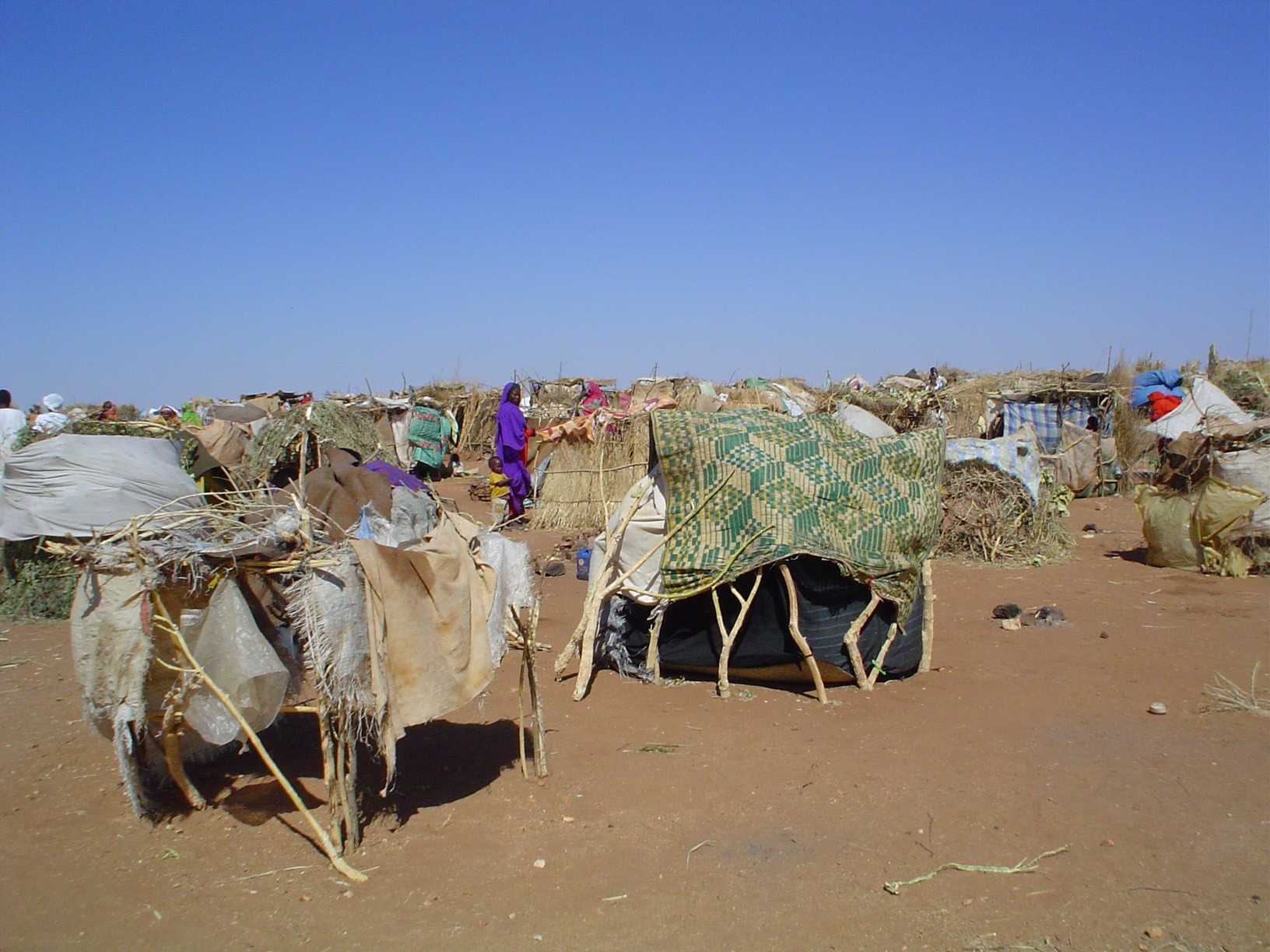
The humanitarian stakes remain staggering. The United Nations estimates that 25 million Sudanese face severe food insecurity, with 4 million children acutely malnourished and 770,000 at imminent risk of death. More than 11.8 million people have been displaced since the war began, including 4.2 million who have fled to neighboring countries, according to the World Food Programme. The former U.S. envoy for Sudan estimated that as many as 400,000 people may have been killed.
The United States has been working with the Quad on a Sudan peace plan alongside the Berlin preparations. Critical Threats, a project of the American Enterprise Institute, reported in January that the Sudan-Pakistan arms deal was already drawing scrutiny from Washington, where policymakers questioned whether arming the SAF would prolong the conflict rather than resolve it.
For Saudi Arabia, the decision to freeze the arms deal signals a broader recalibration. The kingdom cannot simultaneously fight Iran across the Persian Gulf, maintain credibility as a mediator in Sudan, and arm a military that harbors fighters sympathetic to Tehran. Something had to give, and the $1.5 billion in Pakistani weapons was the first casualty of that contradiction. Whether Burhan can purge the Islamist factions embedded in his forces fast enough to salvage the deal — or whether Riyadh has already moved on — will likely be determined in Berlin on April 15.
Frequently Asked Questions
What weapons were included in the Saudi-backed Sudan arms deal?
The proposed $1.5 billion package included JF-17 Thunder multirole fighter jets, 10 Karakoram-8 light attack aircraft, more than 200 surveillance and kamikaze drones, Super Mushshak training aircraft, and advanced air defense systems, all manufactured in Pakistan. Saudi Arabia reportedly served as both facilitator and financial backer of the arrangement.
Why did Saudi Arabia suspend the deal?
Riyadh suspended the deal over the Sudanese army’s failure to sever ties with Islamist militias, particularly after a commander in the al-Baraa Bin Malik Brigade publicly declared support for Iran in early March 2026. Saudi officials viewed the Islamist penetration of Sudan’s military as a structural problem that Burhan’s arrest of the commander did not resolve.
What role does Iran play in Sudan’s civil war?
A senior adviser to President Trump, Massad Boulos, stated on March 11 that Iran’s IRGC has trained members of the Sudanese Muslim Brotherhood who fight alongside the Sudanese army. The relationship predates the current civil war, but the ongoing Iran war has made any connection to Tehran a red line for Gulf states, particularly Saudi Arabia.
How does the Saudi-UAE rivalry affect Sudan?
Saudi Arabia backs the Sudanese Armed Forces while the UAE supports the Rapid Support Forces paramilitary group. Both nations are members of the Quad mediating the conflict, creating an inherent tension in peace efforts. The rivalry has extended to logistical confrontations, with Riyadh seeking to restrict Emirati airspace use for suspected RSF supply flights.
What happens next for the Sudan arms deal?
The deal’s future likely depends on outcomes at the Berlin conference on April 15, where international stakeholders will discuss both peace efforts and humanitarian mobilization. Darfur24 reported that Saudi Arabia now favors a civilian-led government in Sudan, which could permanently shelve the military hardware deal unless Burhan’s forces credibly distance themselves from Islamist factions.