DOHA — Iran’s three most senior negotiators — Parliamentary Speaker Mohammad Bagher Ghalibaf, Foreign Minister Abbas Araghchi, and Central Bank Governor Abdolnaser Hemmati — returned to Tehran on May 26 without signing any agreement after their joint Doha session, ending 106 days and five rounds of US-Iran negotiations with nothing committed to paper (IRIB state broadcaster, via NBC News). Their departure fell on Arafah Day, the apex of the Hajj calendar and the opening of a 96-hour window in which Saudi Arabia — whose foreign ministry has been silent for six consecutive days — cannot structurally respond.
The central dispute was money, not enrichment or Lebanon: Iran demanded $24 billion in frozen assets as a precondition for any signed memorandum of understanding, structured as $12 billion at announcement and $12 billion during the subsequent 60-day negotiating window (Tasnim / Iran International, May 26). A senior US administration official told CNN that assets would only be released “once the Strait of Hormuz has reopened,” a sequencing deadlock that neither side bridged before the delegation flew home.
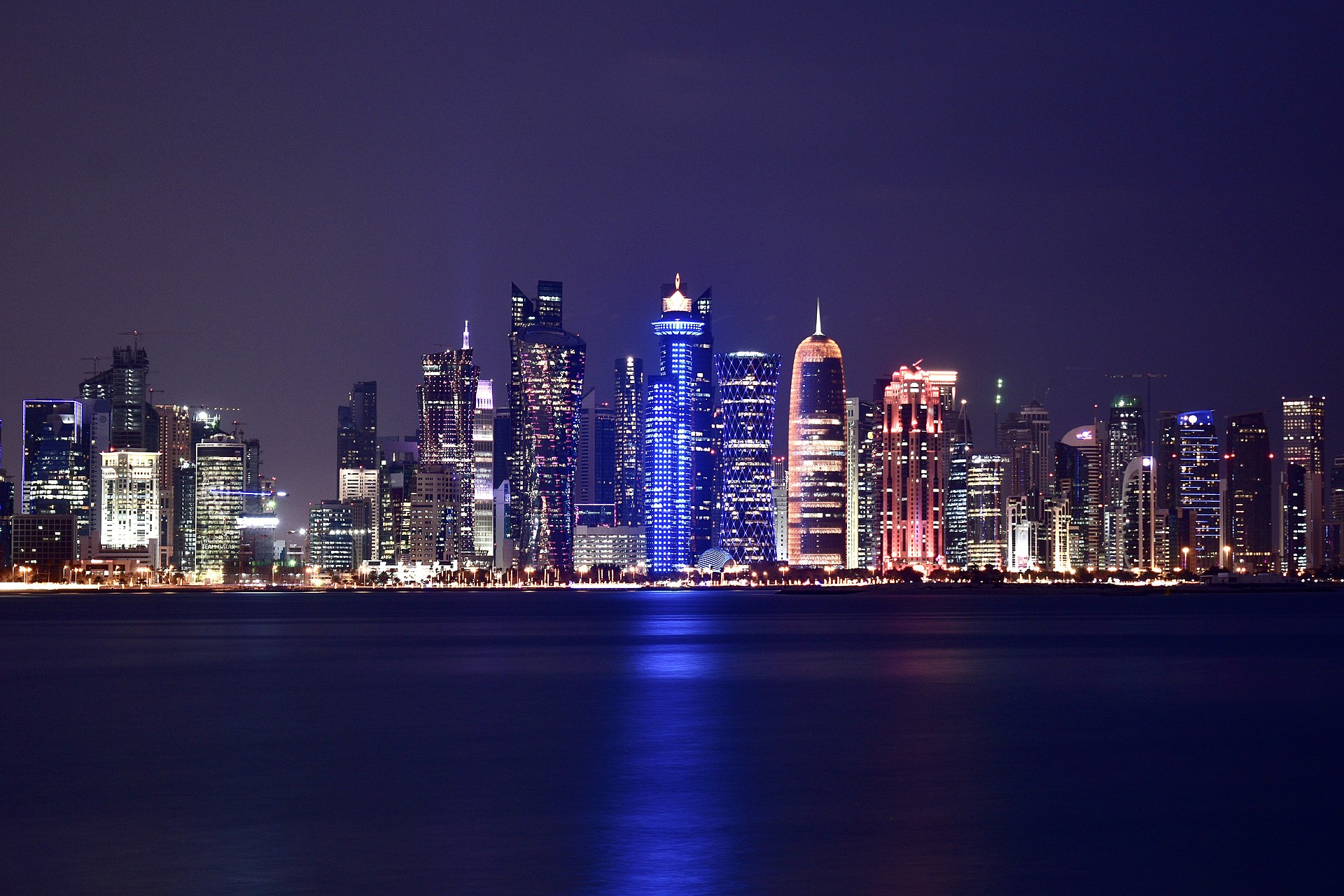
Table of Contents
The $24 Billion Sequencing Deadlock
The Doha session focused on frozen assets, not enrichment percentages or ceasefire geography. Fars News Agency confirmed the delegation “chiefly discussed Iran’s frozen funds” (via The National, May 26), and Iran’s $24 billion demand — first reported when Ghalibaf’s delegation arrived in Doha with its central bank governor in tow — structured the entire negotiation around a two-phase financial transfer that the United States refuses to begin without a Hormuz reopening that Iran refuses to deliver without the money.
The first $12 billion tranche would function as a down payment on the MOU itself. Approximately $6 billion of the total already sits in Qatari custodial accounts from the September 2023 prisoner-swap deal, and Tehran says it has been “denied full access” to those funds (Iran International, May 25). Qatar’s prime minister and foreign minister met both Secretary of State Rubio and Special Envoy Vance in Washington before the Doha session, and 10 Qatari LNG tankers remain blocked by the Persian Gulf Security Authority’s toll regime as of May 26, per Dr. al-Ansari’s confirmation — making Qatar a financially interested party, not a disinterested host.
The second $12 billion, to be transferred during the 60-day window following an MOU announcement, is where the sequencing dispute hardens into structural impasse. Iran wants the money before Hormuz reopens; the United States wants Hormuz open before any money moves. Iranian state media made no attempt to suggest this gap narrowed during the session, and the delegation’s departure without a signing ceremony confirmed it had not.
Why Did Iran Leave on Arafah Day?
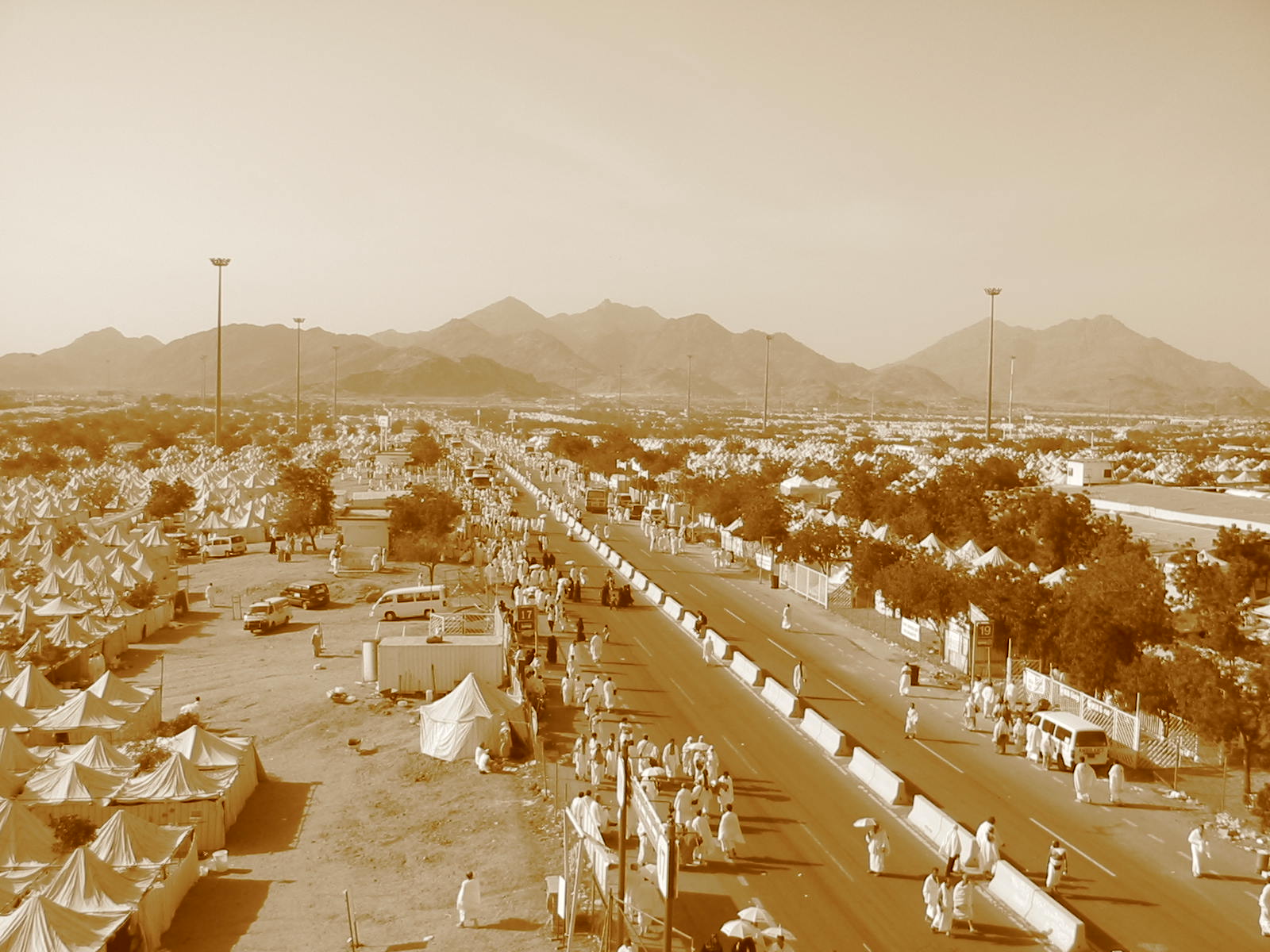
The timing is not incidental. Arafah Day marks the gathering of approximately 1.8 million pilgrims at Mount Arafat, and the Saudi state’s operational bandwidth is consumed entirely by Hajj logistics, security, and religious protocol. The Saudi Ministry of Foreign Affairs has not issued a public statement since May 20, when Foreign Minister Faisal bin Farhan publicly endorsed the US approach to Iran — and it will not issue one before Eid al-Adha concludes around May 29.
The Middle East briefing 3,000+ readers start their day with.
One email. Every weekday morning. Free.
By leaving without signing during this window, Iran maintains the “generally positive” framing that keeps the US framework alive while exiting without conceding on the asset-sequencing dispute — no counteroffer was structurally possible from a Riyadh that cannot speak. The “grave violation” track survives as a separate grievance that can be activated or shelved depending on post-Eid conditions, and the decision of when to re-enter belongs to Tehran alone.
“To say that we have reached a conclusion on a large portion of the issues under discussion would be correct. However, to say that this means an agreement is on the verge of being signed is not something anyone can claim.”
Esmaeil Baghaei, Iranian Foreign Ministry spokesman (NBC News, May 26)
That formulation was precisely calibrated. Baghaei’s language is designed to keep Washington invested in a process that Iran can accelerate or decelerate at will — “correct” that progress was made, but no one “can claim” a signing is imminent. Tasnim, the semi-official agency, chose the register “generally positive” rather than “successful” or “failed,” signaling continuation without commitment. Every word of Iran’s post-Doha messaging says the same thing: we have not left the table, we have simply stood up from it during a window when nobody else can sit down.
CENTCOM Strikes and the Parallel Grievance Track
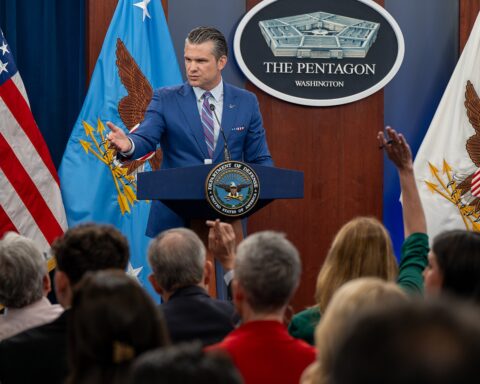
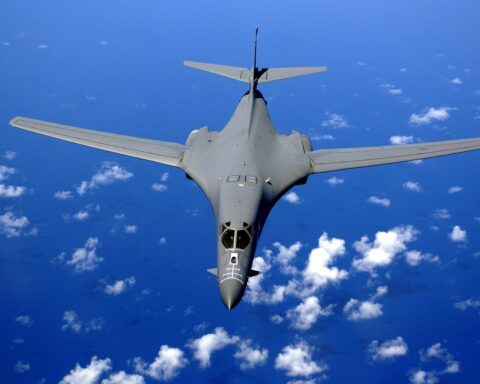
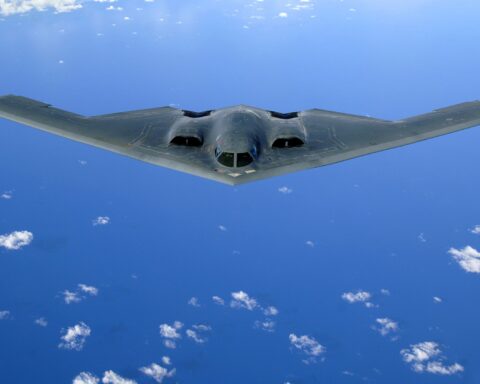
While Iran’s negotiators sat in Doha, US Central Command struck Iranian missile launch sites and destroyed two IRGC mine-laying fast boats near Bandar Abbas on May 25-26 — the second CENTCOM military action since the April 8 ceasefire (The Aviationist / Al Jazeera). Saudi Arabia was not warned or consulted before either round of strikes, and the Iranian Foreign Ministry responded with a formal accusation: the United States “committed a violation of the ceasefire in the Hormuz region over the past 48 hours” and carried out “numerous acts of maritime piracy against Iranian merchant vessels” since April 8 (CBS News, May 26). Tehran said it “holds the American regime responsible for all consequences arising from these hostile acts.”
The IRGC issued a separate institutional statement through a different register entirely: “The Islamic Revolutionary Guard Corps warns against any violation of the ceasefire by the aggressive US military, and considers its right to reciprocal response to be legitimate and certain” (CNN live updates, May 25-26). Two voices — the Foreign Ministry deploying legal language (“violation,” “piracy,” “consequences”) and the IRGC deploying military language (“reciprocal response,” “legitimate and certain”) — addressed the same events for different audiences through deliberately different channels.
The “grave violation” accusation gives Tehran a formal basis to demand accountability before any resumption — or to suspend concessions entirely — without closing the channel that Baghaei’s “generally positive” language keeps open. No Iranian state media outlet declared the Doha process over, and none attributed the departure to the CENTCOM strikes directly; the two tracks remain formally separate, which is precisely the point. A third track ran simultaneously: Mojtaba Khamenei’s 14-page Arafah Day doctrine, released while the delegation was in Doha, established Iran’s public escalation posture in writing — doctrine and diplomacy paired on the same day, aimed at different audiences. The IRGC also claimed three aerial engagements on May 26 against US platforms over the Gulf; those claims carry documented weight, as the MQ-9 Reaper fleet conducting those operations stands 54 aircraft below its congressional floor following confirmed attrition in Operation Epic Fury.
What Does ‘A Word, A Sentence’ Actually Mean?
Speaking from Jaipur, India, on May 26, Secretary of State Marco Rubio offered his most casual framing of the deadlock yet: a deal “may take a few days,” he said, and the remaining disputes involve “a word, a sentence” (Irish Times / Modern Diplomacy). He added that the Strait of Hormuz would remain open “one way or the other.”
Rubio’s framing does not describe what happened in Doha. The gap between Iran’s four stated demands — an all-fronts ceasefire including Lebanon, $24 billion in frozen assets, the naval blockade lifted, and US forces withdrawn from the “surrounding environment” (Al Jazeera) — and the US position as articulated by President Trump on Truth Social (“It will only be a Great Deal for all or, no Deal at all — Back to the Battlefront and shooting, but bigger and stronger than ever before”) is not a matter of syntax. Araghchi confirmed in Doha that Iran “will not drop its support” for Hezbollah and that Tehran’s proposal “reaffirmed its demand that Lebanon be included in any ceasefire agreement” (Al Jazeera). The Lebanon clause has functioned as a structural veto since Round 3, requiring Israeli consent that Netanyahu’s security cabinet has explicitly withheld.
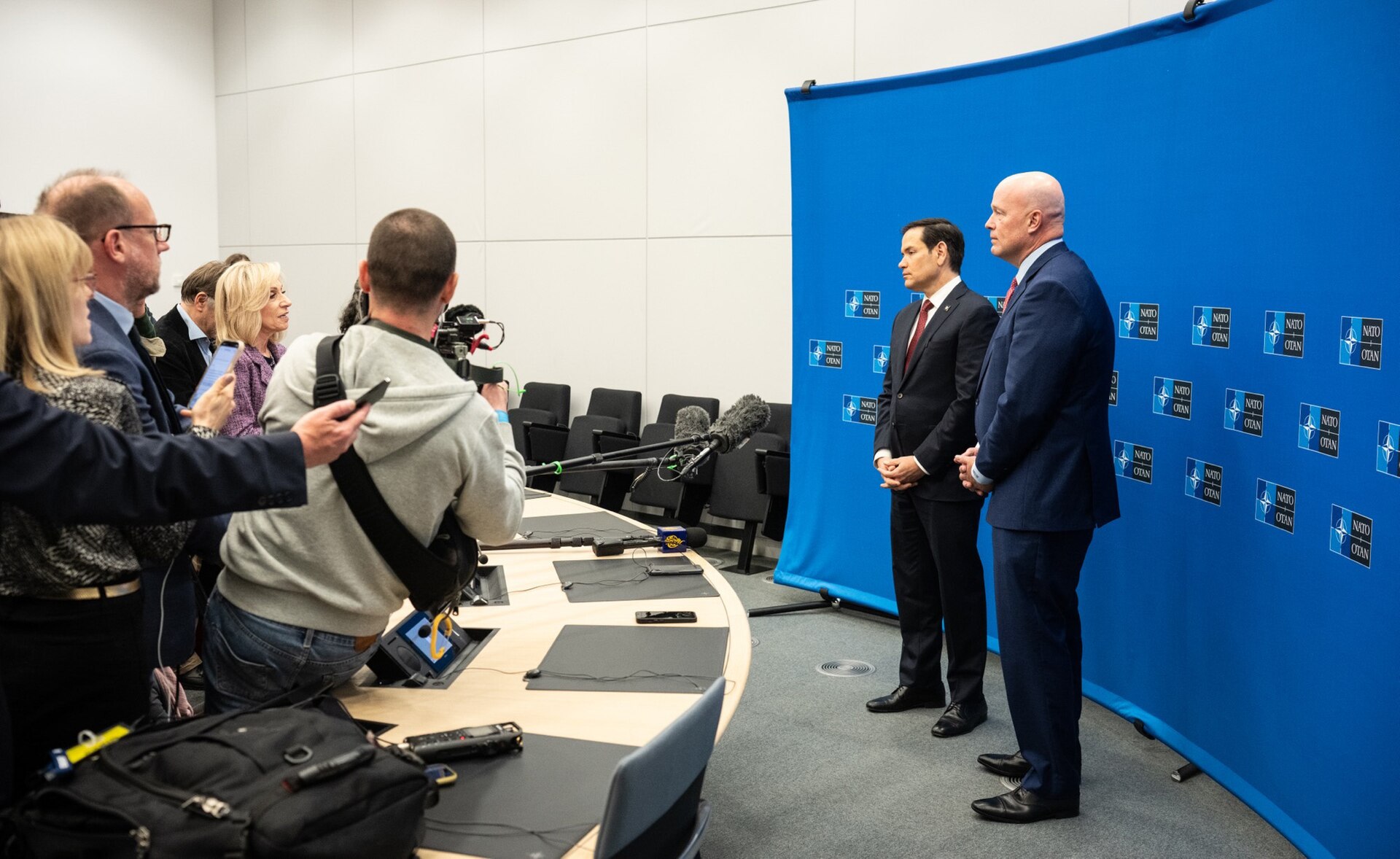
Rubio’s minimization serves a domestic audience — it allows the administration to present 106 days of stalemate as near-deal rather than deadlock — but it does not survive contact with Iran’s stated positions or with the $24 billion sequencing impasse that defined the session just concluded. The distance between “a word, a sentence” and four unresolved structural demands is the distance between what Washington wants the negotiations to be and what they are.
The PGSA Runs While Everyone Talks
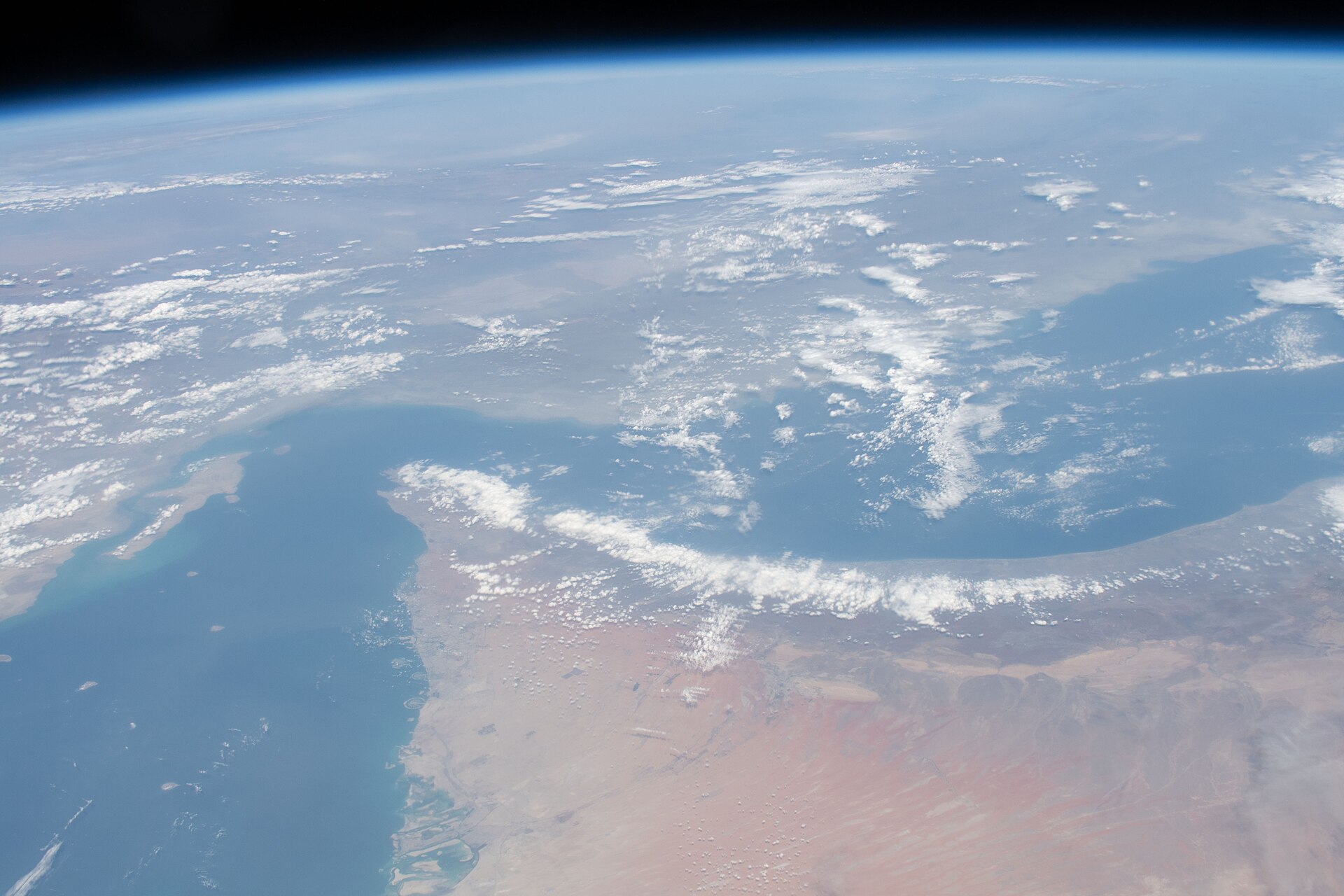
The Persian Gulf Security Authority, operational since May 18, continues to collect tolls on vessels transiting the Strait of Hormuz regardless of the negotiation’s status. Vessels are paying up to $2 million per transit in yuan or Bitcoin, five Gulf states have filed International Maritime Organisation warnings against compliance, and no Western operator has acknowledged payment due to Office of Foreign Assets Control exposure (Maritime Executive / Windward AI, May 26).
This creates an asymmetry in the negotiation that casual framing cannot capture. Every day without a signed agreement is a day the PGSA collects revenue, establishes operational precedent, and normalises a toll architecture that Iran has no incentive to dismantle once it is generating income and asserting sovereign authority over the strait. The US demand — Hormuz reopens before assets unfreeze — assumes Iran wants Hormuz reopened on pre-war terms. The PGSA’s continued operation suggests otherwise: Iran may prefer a Hormuz that is open but taxed, generating revenue from shipping lanes that previously flowed freely, to a Hormuz that reverts to the status quo ante. Since the Doha departure, the bottleneck has migrated to Washington — with Trump’s domestic political calculation now the primary obstacle to a signature, not Iran’s sequencing demand.
Saudi Arabia waits for both tracks — the deal and the PGSA — to resolve, while sitting on a record $33.5 billion first-quarter deficit that compounds with each day of delay. The PGSA’s revenue accumulation compounds a separate collapse in Asian crude demand: Aramco’s war-era pricing has cost it the Asian customer base the East-West Pipeline was supposed to protect, with Sinopec slashing monthly offtake from 10 million barrels in February to 2 million in June. Hemmati’s presence — a central bank governor at what was nominally a ceasefire-and-nuclear session — signals that the financial architecture is the negotiation itself, not a sidebar to it.
The UK-France coalition assembling at Northwood adds a second governance claim over the same strait: 40 nations are building the post-war Hormuz framework, and Saudi Arabia — the most Hormuz-dependent state among them — holds no seat at any level of its command structure.
The $24 billion demand, the PGSA’s toll revenue, Qatar’s $6 billion custodial role, and the unresolved question of written uranium assurances are all components of a single financial puzzle. Iran is the only party at the table that appears to see how the pieces connect — and every day it delays signing is a day the picture shifts further in its favour.
106 Days, Five Rounds, No Signature
The April 8 ceasefire paused hostilities now in their 89th day (Al Jazeera, May 26). Five rounds of talks across multiple capitals — including Muscat, Rome, Islamabad, and Doha — have produced frameworks, preconditions, and counter-preconditions across 106 days, but no signed agreement of any kind (Al Jazeera / House of Commons Library). The April 11-12 Islamabad session established the pattern: a 21-hour marathon between Vice President Vance and Speaker Ghalibaf collapsed over five US red lines that Iran refused.
Each subsequent round narrowed the rhetorical gap while leaving the structural disputes — enrichment levels, Lebanon, frozen assets, Hormuz governance — unresolved. The May 6 Axios MOU framework listed 14 points and proposed a 12-to-15-year enrichment moratorium; Iran rejected it as “garbage” four days later, then agreed to return for a fifth round in Doha. The PGSA launched on May 18, eight days before this session ended, creating a parallel toll authority over the Strait of Hormuz that operates independently of any negotiated outcome.
The delegation departed on Arafah Day and left every structural question exactly where it had been on arrival, except that eight more days of PGSA revenue had been collected and the Hajj window now ensures no regional actor can respond before Eid concludes.
Frequently Asked Questions
Has the United States released frozen Iranian assets before?
Yes, twice in the past decade. In September 2023, the Biden administration facilitated the transfer of approximately $6 billion in Iranian oil revenues from South Korean accounts to Qatari custodial accounts as part of a prisoner-swap deal — the same Qatari accounts now at the centre of the Doha dispute (US State Department / BBC, September 2023). In January 2016, the Obama administration transferred $400 million in cash plus $1.3 billion in interest to Iran, coinciding with the release of four American prisoners (US Treasury / Wall Street Journal). Both precedents established that asset releases function as de facto exchange mechanisms in US-Iran negotiations, which is partly why the Trump administration has insisted on a Hormuz-first sequencing that avoids repeating the pattern.
What is Iran’s constitutional process for ratifying a deal?
Iran’s Supreme National Security Council (SNSC), which operates under Article 176 of the constitution, must confirm any agreement before it takes legal effect. Supreme Leader Ayatollah Khamenei’s son Mojtaba, who has been communicating via courier-only channels from an undisclosed location since the war began, holds effective veto power over the SNSC’s deliberations (CBS News, May 25). The JCPOA took eight days from framework to SNSC endorsement in 2015 — but that was under conditions where the Supreme Leader’s location was known and secure communications were functional, neither of which applies in 2026. Even a signed MOU would face an unpredictable ratification timeline once it reached Tehran.
What happens to the PGSA if a deal is eventually signed?
The US framework proposes PGSA “suspension” during the 60-day negotiating window following an MOU, not dissolution (Axios, May 6). Iran has not agreed to either term, and the distinction is operationally meaningful: suspension implies the toll infrastructure remains in place and can be reactivated, while dissolution would require dismantling the administrative, naval, and financial architecture Iran has built since May 18. Iran’s public position, as articulated by Fars News Agency, is that the Strait of Hormuz will “remain under Iranian management” regardless of any deal’s terms — a stance that makes dissolution a non-starter in Tehran’s view.
Why was Qatar chosen as the venue for this round?
Qatar occupies a unique structural position: it is simultaneously a mediating third party, the custodian of approximately $6 billion in existing Iranian funds from the 2023 prisoner-swap deal, and a direct victim of the PGSA toll regime, with 10 of its LNG tankers still blocked as of May 26. Its prime minister and foreign minister visited Washington before the Doha session, meeting both Rubio and Vance, which gives Doha more information about the US bottom line than any other Gulf state possesses. Qatar’s interest in a deal is not disinterested — every day the PGSA operates is a day its LNG export capacity is constrained and its custodial funds remain contested by Tehran.
How many of Iran’s four demands have been addressed?
None have been fully resolved as of the Doha session’s conclusion. The all-fronts ceasefire including Lebanon remains blocked by Israeli opposition, with Araghchi confirming Iran will not withdraw the clause; the $24 billion asset demand faces the Hormuz-first sequencing deadlock that dominated the Doha agenda; the naval blockade persists, with US carrier groups still deployed in the region; and US forces have not withdrawn from what Iran calls the “surrounding environment.” Rubio’s characterisation of the gap as “a word, a sentence” applies, at most, to the procedural language of the MOU framework, not to the four substantive demands that would need to be met for Iran to sign.
Saudi Arabia’s exclusion from those four demands also extends to the bilateral lane it does control. On Eid al-Adha, MBS called Pezeshkian and described progress as “positive and meaningful” — a channel open precisely because it carries none of the subjects the Doha talks cannot resolve. See: what the Eid bilateral call between MBS and Pezeshkian actually bought Riyadh.
The Doha failure was raised at the Security Council on May 26. Pakistan Deputy Prime Minister Ishaq Dar addressed the UNSC — the same session in which Wang Yi chaired and the US blocked Iran and Russia diplomats from attending — calling for restraint and framing Doha’s outcome as evidence that diplomatic off-ramps were narrowing.
The structural reason Doha could not produce a signed agreement extends beyond sequencing and asset disputes. Araghchi cannot bind the military assets the deal is designed to constrain — that authority sits with IRGC Commander-in-Chief Ahmad Vahidi, who was never at the table. See: the constitutional architecture that prevents Araghchi from binding the IRGC and why the negotiating split is a design feature of the Iranian system. On Eid al-Adha, Trump publicly removed the US midterm election as a deadline for the talks — the one external forcing mechanism Iran’s negotiators had counted on. Trump’s May 27 statement, and what extended deadlock costs Saudi Arabia, is analysed here.
Trump’s May 27 cabinet declaration that there would be “no sanctions, no money, no nothing” for Iran eliminated the sanctions-relief architecture that five rounds of talks had been building toward — closing the deal mechanism Saudi Arabia’s silence was purchased to protect. The full fiscal and diplomatic implications for Riyadh are examined here.
Ali Akbar Velayati’s May 27 declaration that Hormuz is the “real guarantor” of any deal — not a provisional term within it — adds a further layer to why the Doha sequencing deadlock could not be resolved: the institutional authority above the Foreign Minister’s chain of command had already embedded Hormuz governance as permanent architecture before Araghchi’s delegation boarded the return flight. The full implications of Velayati’s framing for the deal structure and Saudi Arabia’s fiscal position are examined here.
The day the Doha delegation returned to Tehran without a deal, the IRGC fired a Zolfaghar ballistic missile at Kuwait — the first ballistic missile strike on GCC soil since the April 8 ceasefire. Iran’s diplomatic failure in Doha and its simultaneous military strike at a Gulf state confirm that both tracks are running in parallel with no sequencing constraint between them. The May 28 Kuwait missile strike is documented here.
Running parallel to the Doha diplomatic channel, the Muscat track remains the only bilateral architecture with a standing treaty basis: Oman’s refusal to sign IMO CL 5028 — the GCC condemnation of Iran’s Hormuz closure — reflects a 1974 treaty relationship with Tehran that gives Muscat structural reasons to stay outside any collective pressure framework, and that Iran has consistently exploited as its preferred diplomatic back-channel.