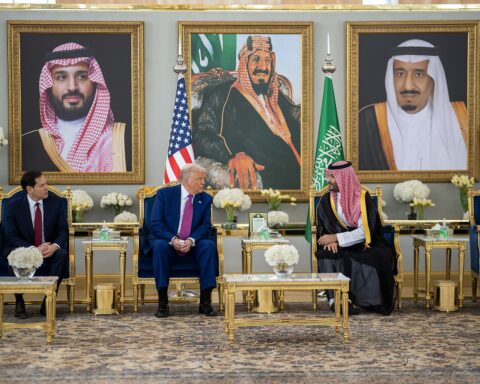
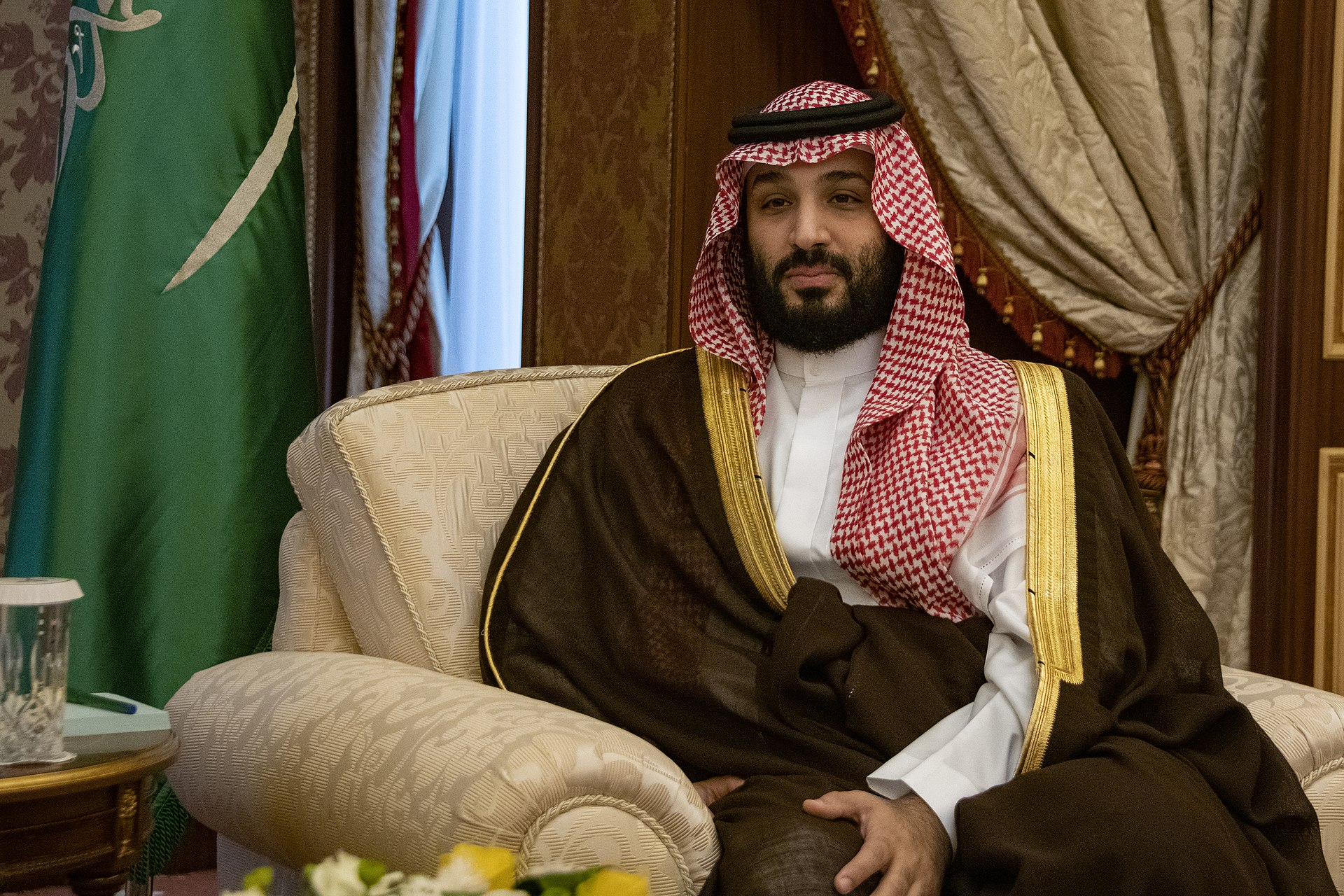
JEDDAH — Saudi Crown Prince Mohammed bin Salman hosted Qatar’s Emir Sheikh Tamim bin Hamad Al Thani and Jordan’s King Abdullah II on March 30 for a trilateral summit in Jeddah, establishing a head-of-state diplomatic channel that ran in parallel with, and one tier above, the foreign-minister-level quadrilateral talks in Islamabad the same weekend. The three leaders issued a joint statement warning that “continued Iranian attacks on GCC countries and Jordan, targeting vital and civilian infrastructure, represent a dangerous escalation,” according to Qatar Tribune and TRT World.
The summit’s timing was not coincidental. On the same day in Islamabad, the foreign ministers of Saudi Arabia, Pakistan, Turkey, and Egypt were concluding their own session, while a third forum — a GCC-Russia-Jordan virtual ministerial chaired by Bahrain’s foreign minister — convened by video. Three separate diplomatic tracks operating simultaneously, each at a different level of authority, with overlapping but distinct memberships. No wire service covering the Jeddah meeting treated these as parts of a single architecture. They were.
Table of Contents
Three Tracks in One Day
The convergence of three distinct diplomatic forums on March 29-30 amounted to the most concentrated burst of regional diplomacy since the war began on March 1. Each track served a different function and operated at a different protocol level.
The Jeddah trilateral was a heads-of-state meeting — the highest tier of diplomatic engagement, reserved for decisions that foreign ministers cannot make. Crown Prince Mohammed bin Salman, Emir Sheikh Tamim, and King Abdullah reviewed what the Saudi Press Agency described as “the latest regional developments, the repercussions of the military escalation in the region, its risks to freedom of international navigation and the security of energy supplies, and its impact on the global economy.” The language was unusually broad for a joint statement from three states that, five years ago, were not on speaking terms.
In Islamabad, foreign ministers from Saudi Arabia, Pakistan, Turkey, and Egypt were building something more operational. Pakistan’s government confirmed that both the United States and Iran had “expressed confidence in Pakistan to facilitate direct talks,” and the four ministers established a “Committee of Four” of senior officials tasked with shuttling between Washington and Tehran, according to Al Jazeera. This was a mediation mechanism with a mandate. That mandate did not survive the week: on April 1, Iranian Foreign Minister Abbas Araghchi declared on Al Jazeera that no negotiations were taking place with anyone, dismantling the Islamabad Quadrilateral framework five days before Trump’s April 6 deadline.
The third track — a GCC-Russia-Jordan virtual ministerial chaired by Bahrain’s Foreign Minister Abdullatif Al-Zayani — added Moscow to the conversation. Russian Special Envoy Mikhail Safronkov warned that “imposing military solutions in the Gulf region would only lead to further escalation,” according to Asharq Al-Awsat. Russia’s inclusion reflected a calculation that any ceasefire architecture would need to account for Iran’s principal arms supplier.
The Middle East briefing 3,000+ readers start their day with.
One email. Every weekday morning. Free.
The quadrilateral format itself was not improvised. It originated at a broader Arab-Islamic consultative meeting hosted by Saudi Arabia in Riyadh on March 19, according to Al Jazeera. The Jeddah trilateral, by contrast, appears to have been assembled specifically for this weekend — a forum built for a different purpose.
Who Was in the Room — and Why It Matters
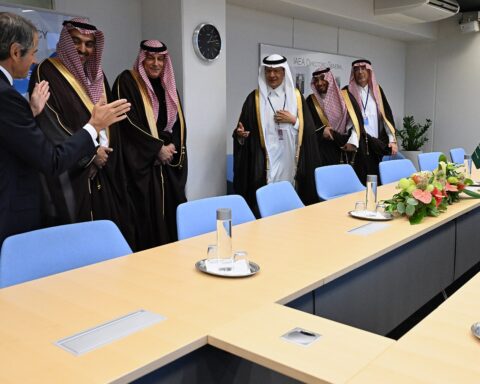
The delegation lists, reported by Business Today Middle East, revealed that the Jeddah summit was not exclusively diplomatic. Jordan sent Chairman of the Joint Chiefs Major General Yousef Huneiti. Saudi Arabia sent National Security Advisor Dr. Musaed Al-Aiban and General Intelligence Presidency chief Khalid Al-Humaidan — the kingdom’s two most senior security officials below the crown prince. Qatar sent its Interior Minister, the official responsible for internal security.
Intelligence chiefs do not attend photo-opportunity summits. Their presence indicated that the conversation extended into operational security coordination — threat assessments, intelligence sharing, and the kind of information that cannot be discussed over a foreign ministry’s secure line. The fact that GCC security coordination has deepened since the war began is well established. What is new is the inclusion of Jordan’s military chief in a trilateral format with two Gulf monarchies.
The three leaders stressed “the need to unify efforts and coordinate positions to confront current challenges, thereby contributing to the preservation of the region’s security and stability,” according to Qatar Tribune. King Abdullah discussed “the need to strengthen joint Arab action to deal with the economic burden of the war,” Gulf News reported.
What Does Qatar Bring to the Jeddah Track?
Qatar’s presence at the table would have been unthinkable during the 2017-2021 blockade, when Saudi Arabia, the UAE, Bahrain, and Egypt severed diplomatic relations with Doha. The Al-Ula reconciliation summit of January 5, 2021 restored ties, but the Jeddah trilateral represents the deepest Saudi-Qatari security coordination since that rapprochement. What makes Qatar indispensable to this particular coalition is a combination of assets no other regional state can match.
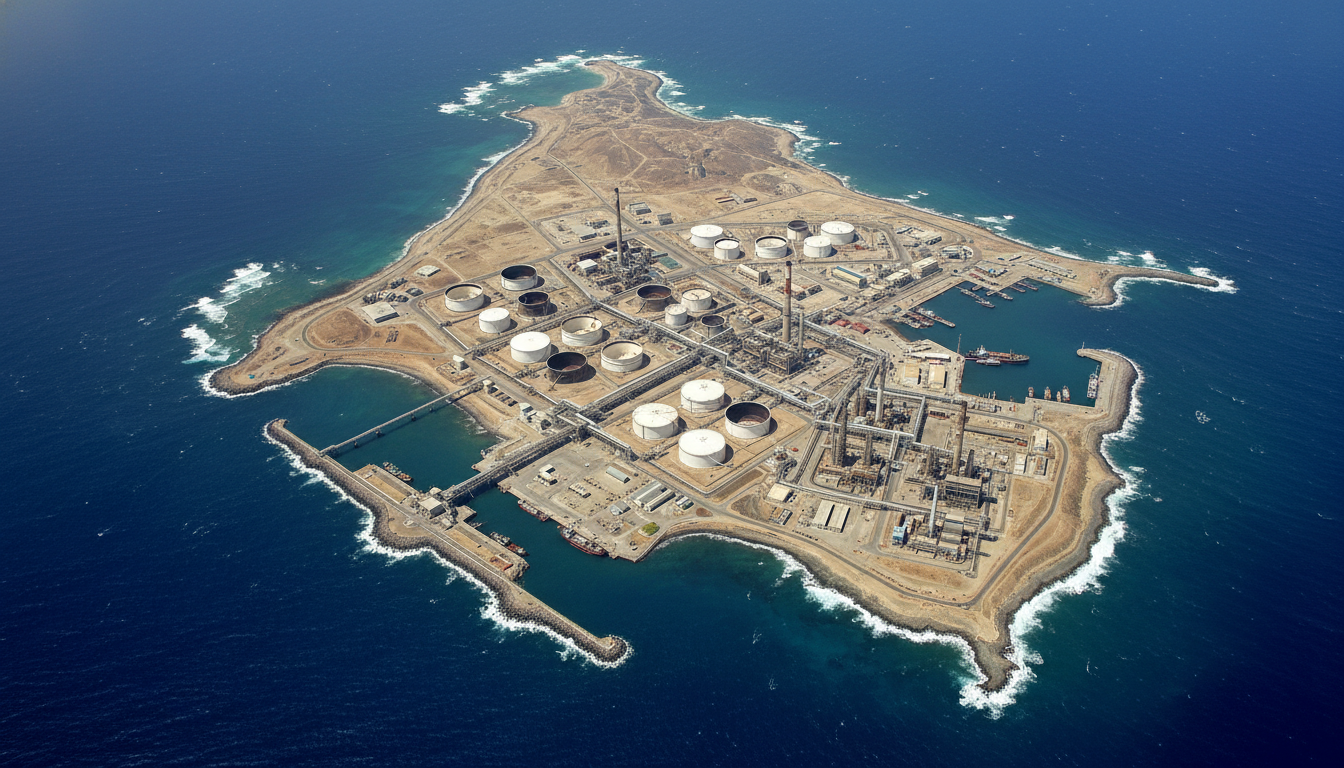
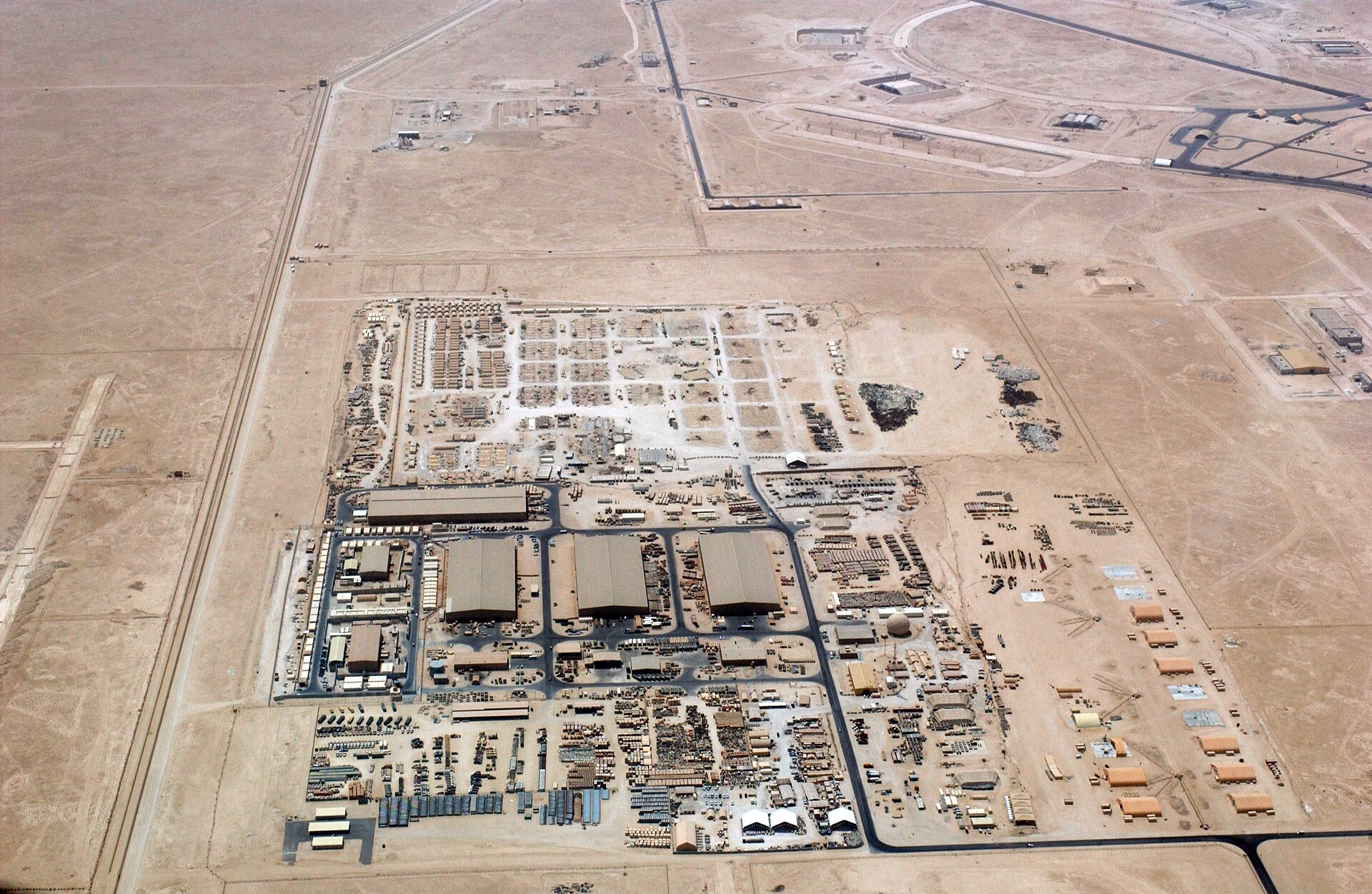
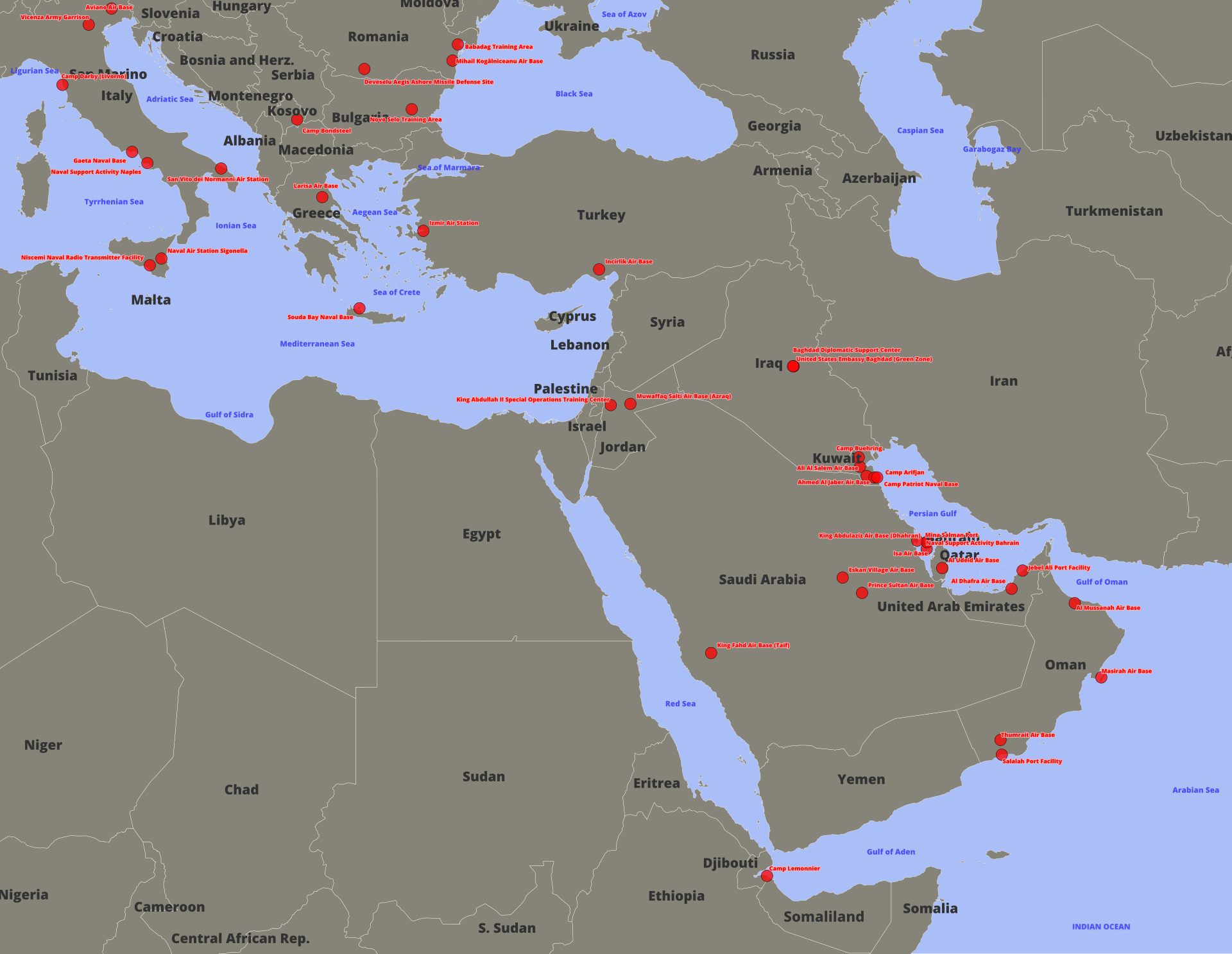
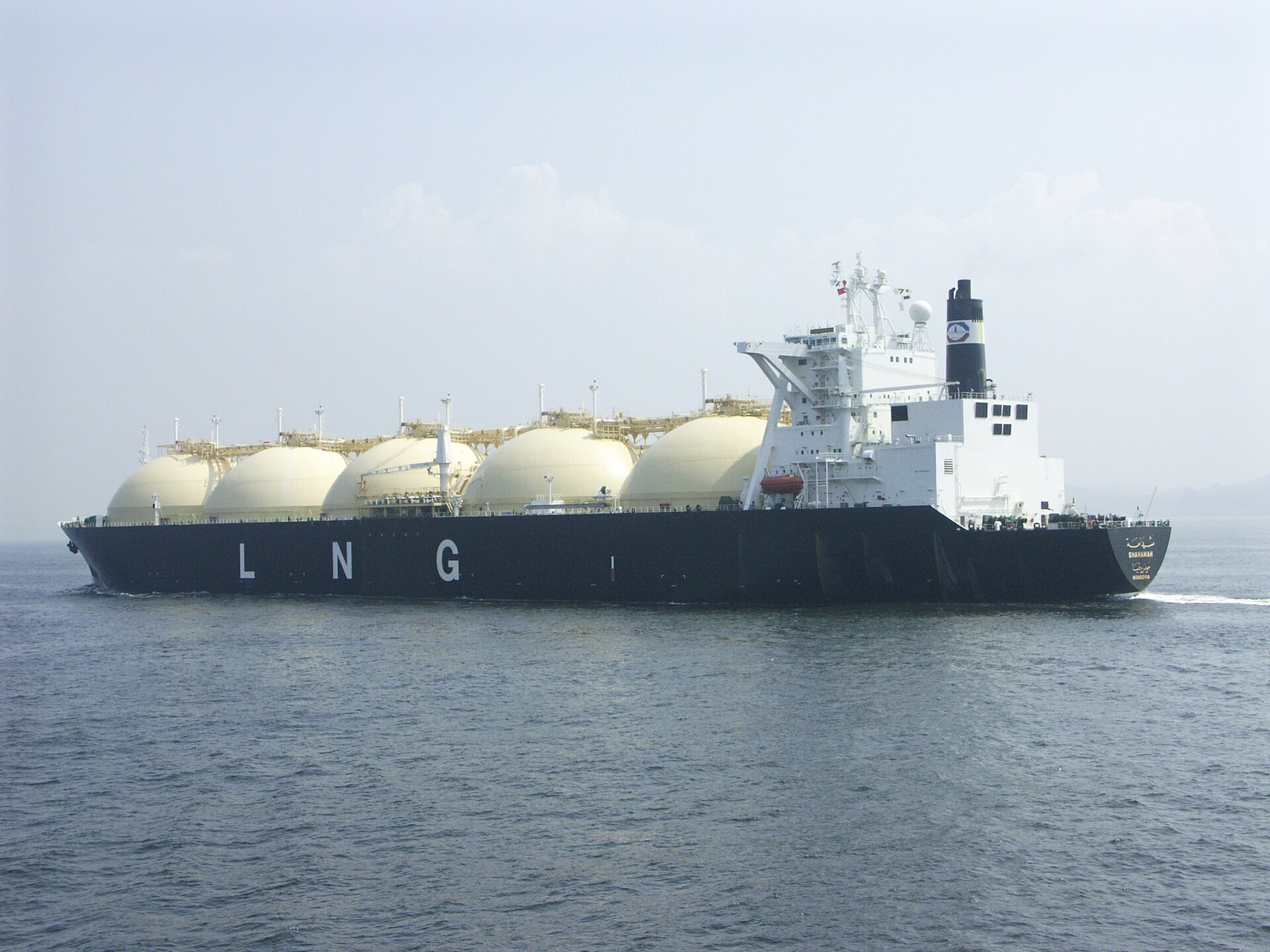
Al Udeid Air Base, southwest of Doha, hosts the forward headquarters of U.S. Central Command and the Combined Air Operations Center that coordinates all coalition air operations over the Gulf. Any diplomatic track that discusses war termination must account for the base from which much of the air campaign is being run. Qatar also remains the world’s largest LNG exporter by volume, with a 2026 production target of 126 million tons per year — though the Iranian strikes on Ras Laffan knocked out approximately 12.8 million tons of annual capacity, roughly 10 percent of total output, for an estimated three to five years.
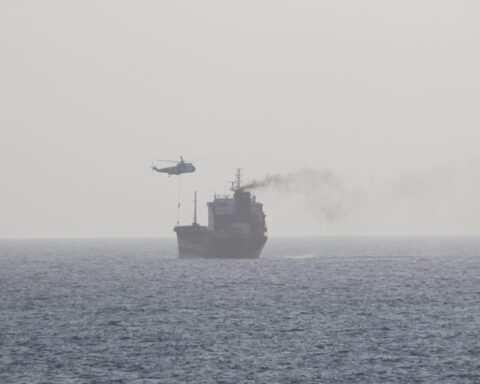
Qatar’s relationship with Iran, however, is what gives it a role no other summit partner can fill. The two countries share the world’s largest natural gas field — South Pars/North Dome — and maintained diplomatic relations even during the blockade years when Doha relied on Iranian airspace for commercial flights. Anna L. Jacobs, Senior Research Fellow at the Arab Gulf States Institute in Washington, has assessed that Iran’s attacks on Qatar have “perhaps irrevocably damaged” that bilateral relationship. But diplomatic damage and diplomatic severance are different things. A damaged backchannel is still a backchannel — though Iran’s April 1 cruise missile strike on a QatarEnergy tanker inside Qatari sovereign waters tested even that residual connection.
The spy cell arrests complicate that picture. Qatar dismantled two IRGC-linked cells in late March — ten suspects arrested on suspicion of planning sabotage against critical infrastructure and military facilities, according to Al Fassil News on March 27. Ella Rosenberg, Senior Research Fellow at the Jerusalem Center for Foreign Affairs, has described Qatar’s position as a “triangular dependency model” in which Iran, the United States, and the European Union all depend on Doha for different things. “Regardless of whether a deal is signed or bombs fall,” Rosenberg wrote, “Qatar has made itself the ‘too big to fail’ actor.”
Jordan’s Geography and Jordan’s Burden
Jordan brings geography that no amount of money can purchase. The Hashemite Kingdom borders Iraq, Israel, Syria, and Saudi Arabia — four countries directly affected by the war. Muwaffaq Salti Air Base, near Azraq in eastern Jordan, hosts more than 60 U.S. combat aircraft: 24 F-15E Strike Eagles, approximately 30 F-35A Lightning IIs, A-10 Thunderbolts, and a Terminal High Altitude Area Defense (THAAD) battery, according to open-source defense tracking. The base sits within striking range of both Iranian positions in Iraq and western Iran itself.
But Jordan is also the partner most economically vulnerable to the war’s continuation. The kingdom depends on Israeli natural gas for roughly 60 percent of its electricity generation. The halt of those supplies since the crisis escalated has added an estimated $140 million in costs, according to The National. Prime Minister Bisher Al-Khasawneh imposed austerity measures that have reached Jordanian kitchens — corn oil prices rose from $10 to $17 for a ten-liter container, rice from $1 to $3 per kilogram. Jordan’s GDP per capita sits at approximately $4,600, and the country receives $842 million per year in U.S. assistance.
King Abdullah’s emphasis on “the economic burden of the war” was not abstract diplomacy. Jordan suspended official delegations traveling abroad for two months as a cost-cutting measure, according to Jordanian government statements. A country that has imposed travel bans on its own bureaucrats to save money is a country that needs the war to end — or needs the financial architecture to survive it. The Jeddah summit offered a venue to discuss both, with a host whose sovereign wealth fund manages over $900 billion in assets.
| Dimension | Jeddah Track (March 30) | Islamabad Track (March 29-30) |
|---|---|---|
| Protocol Level | Heads of state | Foreign ministers |
| Participants | Saudi Arabia, Qatar, Jordan | Saudi Arabia, Pakistan, Turkey, Egypt |
| Key Delegations | Intelligence chiefs, military chief of staff | Foreign ministers, senior diplomats |
| Primary Function | Political coordination, postwar positioning | Mediation mechanism, ceasefire facilitation |
| US Military Basing | Al Udeid (Qatar), Muwaffaq Salti (Jordan) | Multiple bases (Pakistan, Turkey, Egypt) |
| Iran Relationship | Qatar: damaged backchannel; Jordan: adversarial | Pakistan: active facilitator; Turkey: neutral channel |
| Outcome | Joint condemnation, coordination pledge | “Committee of Four” for shuttle diplomacy |
Why Keep the Islamabad Track Separate?
The structural separation between the two tracks was deliberate, and the reasons were practical. The Islamabad quadrilateral included Pakistan, which has positioned itself as a mediator with credibility on both sides. Prime Minister Shehbaz Sharif held a 90-minute telephone call with Iranian President Masoud Pezeshkian, and Iran subsequently agreed to allow 20 Pakistani-flagged vessels through the Strait of Hormuz, according to Pakistani government statements. Pakistan cannot perform that mediating role if it is sitting in a room where leaders are issuing joint condemnations of Iran.
The Jeddah trilateral, by contrast, was explicitly adversarial toward Tehran. The joint statement named Iran directly and characterized its attacks as “a dangerous escalation.” That language is incompatible with mediation. A mediator cannot condemn one party and retain the other party’s confidence. Saudi Arabia’s dual positioning between confrontation and negotiation required two separate rooms — one for each register.
Turkey’s inclusion in the Islamabad track but exclusion from the Jeddah format follows a similar logic. Ankara maintains working relations with Tehran and has historically positioned itself as a bridge between Iran and the Sunni Arab states. Turkey adds diplomatic reach that the Jeddah partners cannot provide, but its presence would have complicated the security-coordination dimension of the Jeddah meeting.
One absence from the Jeddah trilateral was conspicuous. The UAE — Saudi Arabia’s closest military partner and the second-largest GCC economy — was not invited. The omission may reflect Abu Dhabi’s perceived co-belligerent status in the conflict, which would complicate a forum partly oriented toward postwar positioning. The gaps in GCC collective defense coordination have been a recurring theme of the war, and the Jeddah format may represent an attempt to build tighter bilateral and trilateral channels where the six-member bloc has struggled.
Tehran’s Response and the Backchannel Question
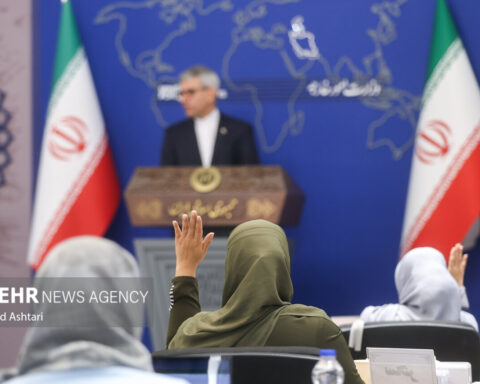
Iran’s official reaction to the Jeddah summit unfolded through a register Riyadh has heard before — public respect paired with private escalation. Foreign Minister Abbas Araghchi stated that “Iran respects the Kingdom of Saudi Arabia and considers it a brotherly nation,” adding that “our operations are aimed at enemy aggressors,” according to Gulf News. The formulation was designed to maintain the fiction that Iran’s strikes on GCC infrastructure — including Saudi oil facilities, Qatari LNG terminals, and Kuwaiti desalination plants — are part of a war with the United States rather than with the Gulf states themselves.
Iran’s UN Ambassador Ali Bahreini offered a more expansive framing at the UN Human Rights Council on March 25. “We fight on behalf of all of you against an enemy that, if not restrained today, will be beyond containment tomorrow,” Bahreini said, according to the OHCHR record. The argument — that Iran is absorbing punishment on behalf of the broader Muslim world — is directed at publics, not governments. The governments receiving Iranian missiles have drawn a different conclusion.
On the American diplomatic track, the gap remained wide. President Trump told reporters on March 30, “I do see a deal in Iran, yeah. Could be soon,” according to Al Jazeera. But Iran’s Foreign Ministry spokesman Esmaeil Baghaei had dismissed the U.S. 15-point proposal as “unrealistic, illogical and excessive” five days earlier. Trump’s optimism about an Iran deal and Tehran’s rejection of his terms occupied different diplomatic realities.
The Jeddah summit’s value to Saudi Arabia extends beyond the immediate crisis. If postwar reconstruction follows a ceasefire — and if the question of who rebuilds becomes the next contest — then the relationships formalized in Jeddah on March 30 will shape who sits at the table for that conversation. Qatar’s LNG revenues, Jordan’s geographic position on Iraq’s western border, and Saudi Arabia’s financial weight form a coalition with interests in the post-conflict order that go well beyond stopping the current fighting.
MBS’s position between American escalation pressure and regional survival has required a diplomacy that operates on multiple frequencies simultaneously. The Jeddah trilateral is the political frequency. The Islamabad quadrilateral is the operational one. Together with the GCC-Russia-Jordan virtual ministerial, they form a three-layered structure that — whatever its effectiveness — is the most coordinated Saudi-led diplomatic response to a military crisis since the 1990-91 Gulf War.
A parallel Western frequency was added on April 1, when Prime Minister Starmer convened a 35-nation virtual summit around Hormuz reopening — explicitly framed as separate from US military pressure. The UK-chaired coalition adds a European diplomatic tier to the architecture that Saudi Arabia’s own efforts have assembled, potentially giving Riyadh cover to support a negotiated off-ramp without being seen as defying Washington.
Whether that architecture produces results depends on variables none of the three Jeddah leaders control. The old oil-for-security bargain with Washington is being rewritten in real time, and the terms of the new arrangement remain unclear. LNG carrier rates in the Gulf have spiked from $42,000 to over $250,000, according to shipping industry data. The economic pressure the Jeddah statement described in diplomatic language is being felt in prices that require no translation.
Frequently Asked Questions
What was the GCC-Russia-Jordan virtual ministerial on March 30?
Chaired by Bahrain’s Foreign Minister Abdullatif Al-Zayani, the virtual meeting brought GCC foreign ministers, Jordan’s foreign minister, and Russian Special Envoy Mikhail Safronkov into a single forum. Moscow used the session to position itself as a third-party voice for de-escalation while maintaining its defense relationship with Tehran — a dual posture that allows Russia to remain relevant to any ceasefire architecture without alienating its Iranian client, according to Asharq Al-Awsat and Voice of Emirates.
Why was the UAE absent from the Jeddah trilateral?
Abu Dhabi’s exclusion has not been officially explained, but regional analysts point to the UAE’s perceived co-belligerent status in the Iran conflict. The Jeddah format appears designed for states that can credibly position themselves as non-belligerents seeking war termination and postwar stability, rather than active participants in the military campaign. The UAE’s deeper military integration with U.S. operations and its own direct exposure to Iranian strikes may have made its inclusion diplomatically counterproductive for a summit partly oriented toward future negotiations. Abu Dhabi’s deliberate absence from the Islamabad Quadrilateral points to something broader: a Riyadh-Abu Dhabi fracture that has widened under wartime pressure, stretching from Yemen policy to the Islamabad summit to Riyadh’s labelling of UAE actions as “highly dangerous.”
How does the Islamabad “Committee of Four” work?
The committee comprises senior officials — below foreign minister level but above standard diplomatic rank — from Saudi Arabia, Pakistan, Turkey, and Egypt. Its mandate is shuttle diplomacy between Washington and Tehran, with Pakistan as the lead facilitator given its demonstrated channel to Iranian leadership. As of March 31, the committee’s first substantive engagement with both sides had not been publicly scheduled, raising the question of whether the mechanism will produce contact before the military situation on the ground renders mediation moot. That question was answered days later: for the full account of how both Iran’s rejection and the Kharazi strike collapsed the Islamabad channel before April 6, see Pakistan’s mediation collapse and the end of Saudi Arabia’s diplomatic off-ramp.
What happened at the Riyadh consultative meeting on March 19?
Saudi Arabia hosted a broader Arab-Islamic consultative meeting on March 19 that brought together foreign ministers and senior officials from across the Muslim-majority world, according to Al Jazeera. The Islamabad quadrilateral format — Saudi Arabia, Pakistan, Turkey, Egypt — first coalesced at this meeting as a smaller working group with the specific mandate of pursuing mediation. The Riyadh gathering served as the incubator for the operational diplomacy that followed eleven days later in Islamabad, while the Jeddah heads-of-state track was assembled separately.
Has Saudi-Qatari security cooperation reached this level before?
Not since before the 2017 blockade. The Jeddah trilateral — with Saudi intelligence chief Khalid Al-Humaidan and Qatar’s Interior Minister both at the table — represents the first confirmed instance of senior security officials from both countries participating in a joint strategic forum since the Al-Ula reconciliation. The shared Iranian threat has compressed a diplomatic recovery that might otherwise have taken a decade into roughly five years, producing operational security coordination that exceeds anything the two countries achieved even before the blockade fractured GCC unity.