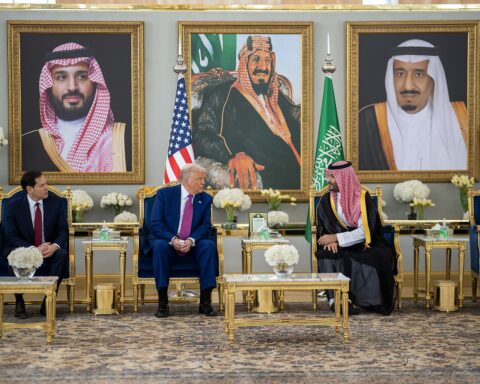
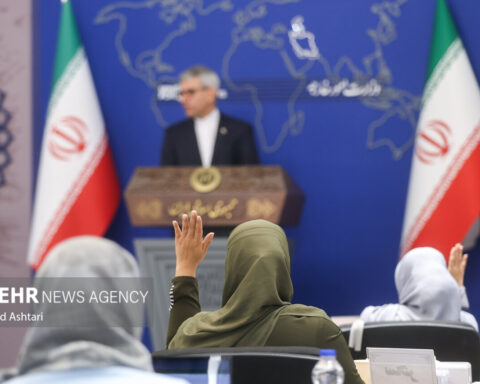
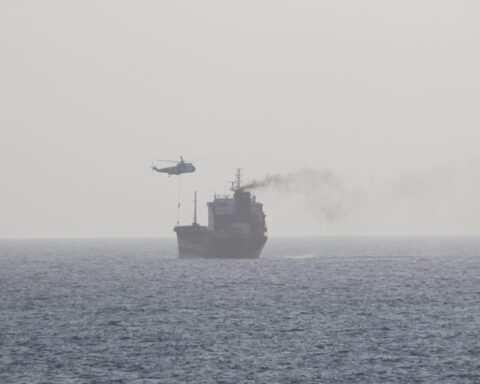
ISLAMABAD — Iran’s foreign minister went on Al Jazeera on April 1 and told the world his country is ready to fight for six months, that no negotiations are taking place with anyone, and that the Strait of Hormuz will stay closed to hostile nations for as long as Tehran sees fit. Five days before Trump’s April 6 deadline to “completely obliterate” Iran’s energy infrastructure, Abbas Araghchi dismantled the diplomatic architecture that Saudi Arabia, Pakistan, Turkey, and Egypt spent the past week constructing in Islamabad — and he did it in a single television interview.
The problem for Riyadh is not that the Islamabad Quadrilateral failed. The problem is that Saudi Arabia’s public investment in Pakistan’s mediation framework gave Iran exactly what it needed: a high-profile, internationally visible surface to reject. Every camera at the Islamabad foreign ministers’ meeting on March 29-30, every press conference where Ishaq Dar proclaimed Pakistan’s special role, built a stage — and Araghchi used it to demonstrate that Iran does not consider itself bound by anything the four mediators produced.
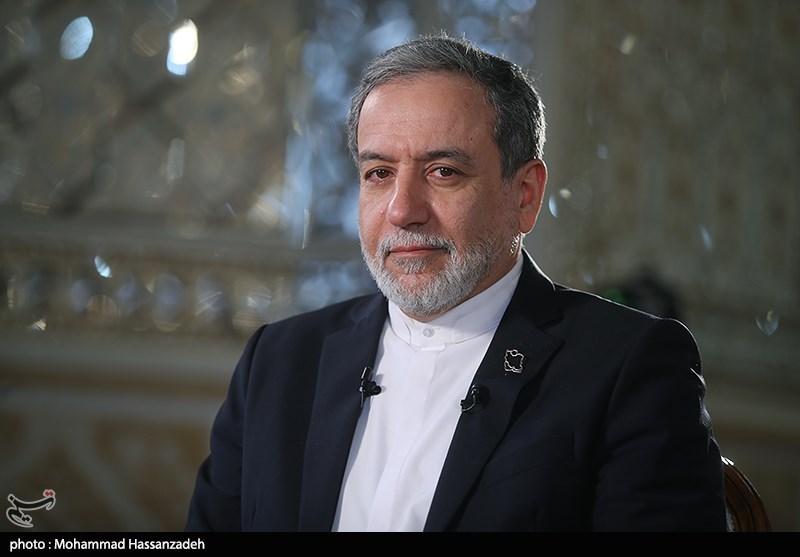
Table of Contents
- What Did Araghchi Actually Say — and Why Does It Matter?
- The Islamabad Framework’s Fatal Design Flaw
- Has the April 6 Deadline Lost Its Coercive Power?
- Why Did Iran Give Pakistan Twenty Ships While Rejecting Pakistan’s Framework?
- Pakistan’s Commitment Trap
- What Is Saudi Arabia’s Actual Exposure?
- The Counter-Demands That Aren’t Counter-Demands
- What Happens When the Clock Runs Out?
- Frequently Asked Questions
What Did Araghchi Actually Say — and Why Does It Matter?
On “Talk to Al Jazeera” on April 1, Araghchi delivered four distinct messages, each calibrated to a different audience. To Washington, he confirmed receiving messages from US envoy Steve Witkoff but denied these constituted negotiations: “I receive messages from Witkoff directly, as before, and this does not mean that we are in negotiations.” To the Islamabad mediators, he was blunter: “There is no truth to the claim of negotiations with any party in Iran.”
To the US military, he issued an open dare: “We are waiting for them. I don’t think they’d dare to do such a thing. There will be a lot of strength waiting for them.” And to the global shipping industry, he reframed the Hormuz closure as a sovereign wartime prerogative rather than a blockade: “Only for the ships of those who are at war with us, this strait is closed. That is normal during war.”
The interview aired on the same day the White House announced Trump would deliver a prime-time national address on Iran on Wednesday, April 2 — a scheduling coincidence that gave Araghchi’s words the function of a pre-rebuttal. While Trump was telling reporters the conflict could end in “two to three weeks,” Iran’s top diplomat was publicly committing to at least six months of combat readiness. The gap between those two timelines is the gap that Riyadh’s diplomacy was supposed to bridge, and it has now been declared unbridgeable by one of the two parties it needed to connect.
What made Araghchi’s intervention structurally different from negotiating bluster was his explicit invocation of the nuclear track. Iran, he said, had been “on the cusp of a breakthrough” when the US and Israel launched their February 28 strikes that killed Supreme Leader Khamenei. “The trust level is at zero. We don’t see honesty.” For Iran, this is not a new negotiation starting from scratch — it is the wreckage of a previous one, and Araghchi positioned every diplomatic initiative since February 28 as an attempt to paper over betrayal rather than build toward compromise.
The Middle East briefing 3,000+ readers start their day with.
One email. Every weekday morning. Free.
The Islamabad Framework’s Fatal Design Flaw
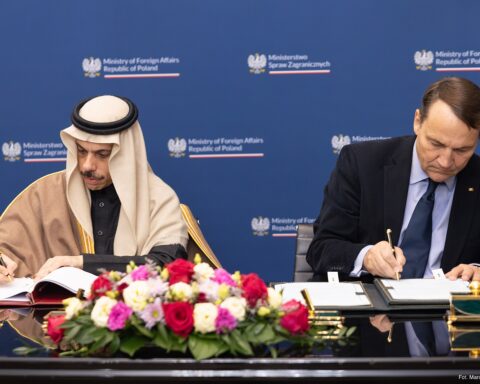
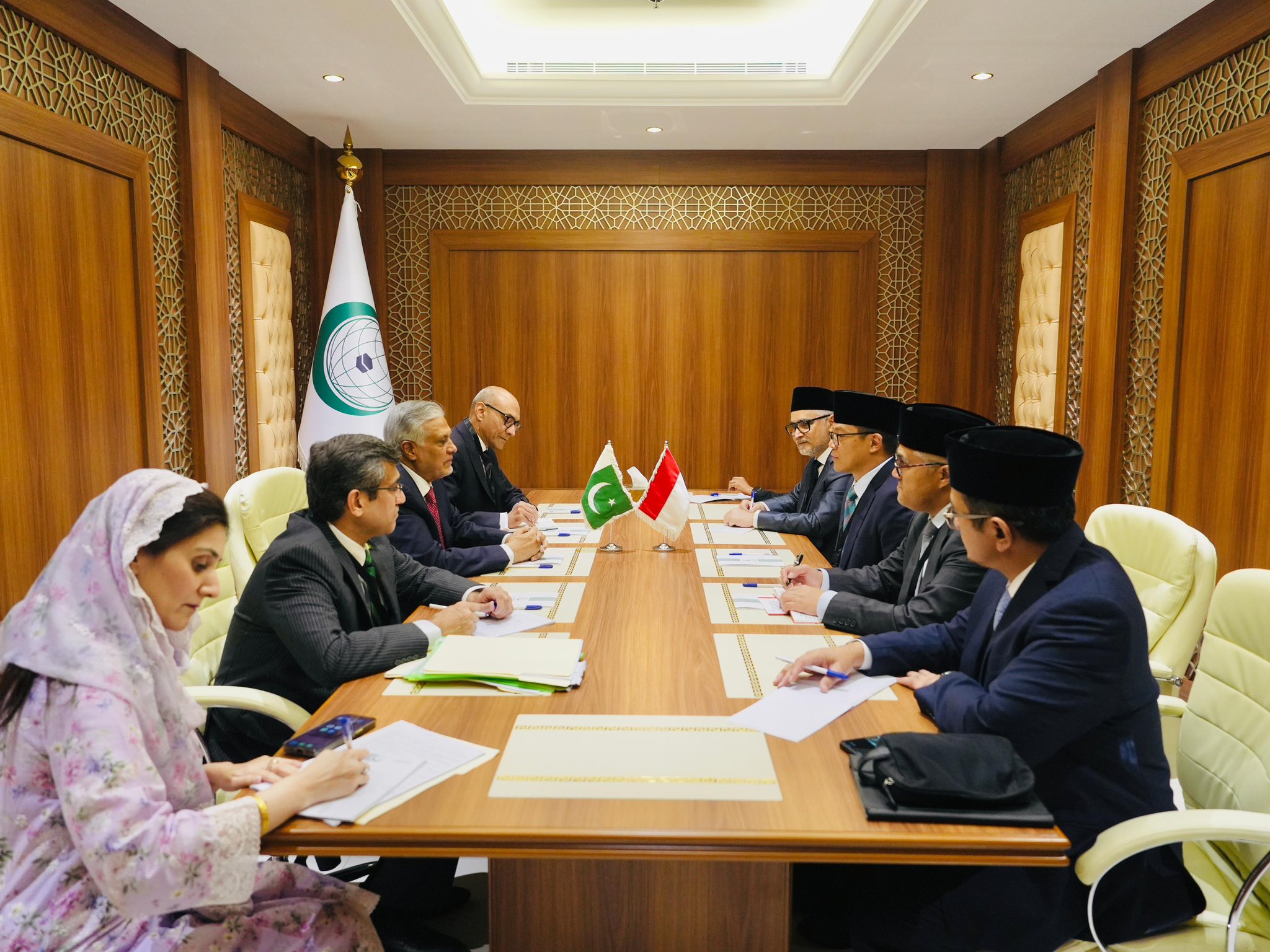
The Islamabad Quadrilateral convened on March 29-30 with considerable diplomatic energy. Pakistan’s Foreign Minister Ishaq Dar hosted his counterparts from Saudi Arabia, Turkey, and Egypt, with the meeting relocated from Ankara to Islamabad precisely because of Pakistan’s deepening role as message conduit between Washington and Tehran. PM Shehbaz Sharif had held a 90-minute call with Iranian President Masoud Pezeshkian before the ministers arrived, and Pakistan’s foreign ministry had been shuttling the US 15-point peace proposal to Tehran for days. The group agreed to establish a “Committee of Four senior officials” to work out modalities for US-Iran talks.
The architecture’s central weakness is captured in a single statistic from Asia Business Daily’s postmortem of the meeting: four parties, one framework, zero warring parties. None of the countries at the table can deliver either the United States or Iran. Pakistan, for all Dar’s claims that “both the US and Iran have expressed confidence in Pakistan to facilitate direct talks,” serves as a postal service, not a guarantor. The committee’s mandate — to “work out modalities” — is diplomatic language for designing a format that neither combatant has agreed to use.
What made the Islamabad architecture uniquely fragile was the volume at which it was conducted. Dar held press conferences. The Quadrilateral issued joint communiqués. Saudi FM Faisal bin Farhan’s presence elevated the meeting to a first-tier diplomatic event. And this visibility created the vulnerability that Araghchi exploited — rejecting a quiet diplomatic channel is routine, but rejecting a publicly announced four-nation mediation framework on camera, the day before a US presidential address, is a strategic statement about the framework’s irrelevance.
Iran’s ambassador to Pakistan had already denied any talks were occurring even as Dar was publicly claiming that both sides had “expressed confidence” in Pakistan’s role. Tehran was willing to let Islamabad believe it had diplomatic utility without conceding that the utility translated into leverage. The distinction explains how Pakistan’s Foreign Ministry and Iran’s Foreign Ministry could issue flatly contradictory statements in the same 48-hour period without either side treating the contradiction as a problem.
Has the April 6 Deadline Lost Its Coercive Power?
Trump’s March 26 ultimatum was specific in a way his threats rarely are: by April 6 at 8:00 p.m. ET, Iran must “immediately” reopen the Strait of Hormuz, or the United States would “completely obliterate” Iran’s electric generating plants, oil wells, and Kharg Island — the facility that handles approximately 90 percent of Iran’s oil export capacity. The threat was designed to be existential, and for a brief period it appeared to concentrate diplomatic minds across the region.
Araghchi’s response rendered the deadline structurally inoperative — not by threatening retaliation, but by refusing to acknowledge the framework attached to it. A deadline works when the threatened party faces a binary choice: comply or face consequences. When the threatened party denies that any process for compliance exists, the deadline becomes a test of the threatener’s credibility rather than the target’s resolve. “We do not set any deadlines for defending ourselves,” Araghchi said. “We will defend our country and our people as far as necessary and by any means required.”
This is where Saudi Arabia’s position becomes acutely exposed. The Islamabad Quadrilateral was supposed to create a diplomatic off-ramp — a mechanism through which Iran could make enough concessions before April 6 that Trump could claim victory without escalation. That off-ramp required Iran’s participation, even tacit participation. Araghchi’s interview did not just decline the off-ramp; it denied the road existed. Pakistan’s ambassador to the US, Rizwan Saeed Sheikh, appeared to sense the collapse when he warned against “too many moving pieces, economic, political” and called rigid timelines counterproductive.
The back-channel that Araghchi was simultaneously denying took a further blow on the same day his interview aired: an airstrike on the Ajouraniyeh neighborhood of northern Tehran killed the wife of Kamal Kharazi, former foreign minister and the Iranian official overseeing the only surviving US back-channel through Pakistan, and left Kharazi gravely wounded. The targeting of Iran’s diplomatic class in the April 1 Kharazi strike removed the one official who carried institutional memory of every nuclear negotiation since 1997 — and the most plausible candidate to eventually say yes.
For Riyadh, the consequence is immediate and binary. If Trump extends the deadline again, the Islamabad framework appears to have produced nothing. If Trump escalates, Saudi Arabia’s critical infrastructure — including assets already demonstrated to be within Iran’s targeting envelope — absorbs the retaliatory risk. The 2019 Houthi drone strikes on Abqaiq knocked out 5.7 million barrels per day and triggered one of the largest single-day oil price spikes on record; a full ballistic missile salvo from Iran proper would be a categorically different event.
Why Did Iran Give Pakistan Twenty Ships While Rejecting Pakistan’s Framework?
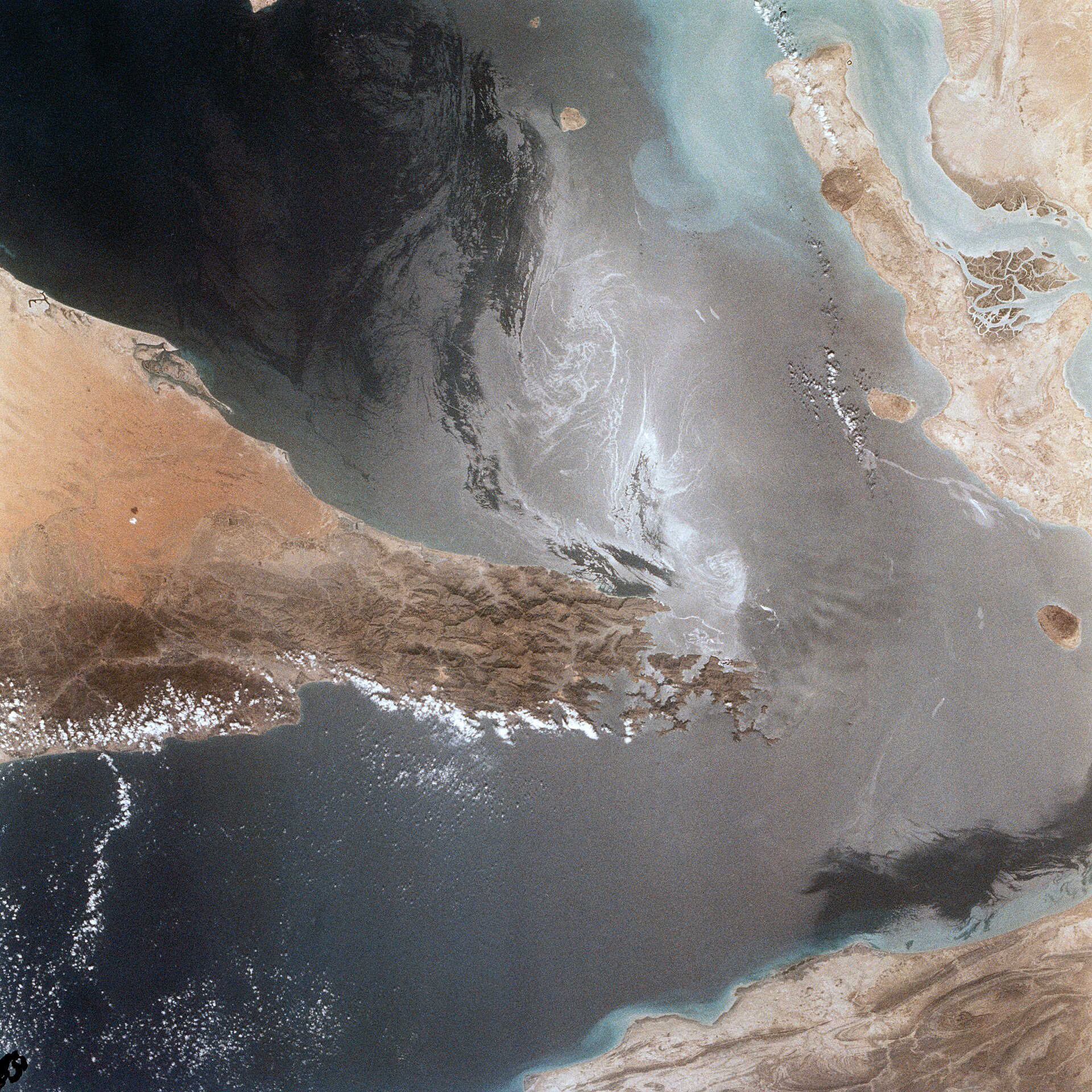
On March 28, as the Islamabad Quadrilateral was assembling, Iran announced it would allow 20 Pakistani-flagged vessels through the Strait of Hormuz at a rate of two ships per day. Saudi-flagged vessels were not included. GCC-flagged vessels were not included. The gesture was precisely targeted to reward Pakistan’s role as interlocutor while simultaneously demonstrating that the Strait remains under Iranian operational control.
Dar called this “a welcome and constructive gesture” and evidence that “dialogue, diplomacy, and such confidence-building measures are the only way forward.” For Pakistan, the 20-ship deal was proof that engagement works. For Iran, it was proof that selective access is now the operating principle — the Strait is not open or closed, but managed according to Tehran’s preferences, at Tehran’s pace, on Tehran’s terms.
The commercial context makes the strategic maneuver sharper. Before the war, roughly 20 million barrels per day transited Hormuz — about a quarter of all global seaborne oil trade. Since the closure, tanker traffic has dropped approximately 70 percent, and Gulf Arab states have cut an estimated 10 million barrels per day in production. Against this backdrop, 20 Pakistani vessels at two per day is a rounding error in commercial terms. But in diplomatic terms, it was the most consequential move of the week before April 6 — because it demonstrated that Iran views Hormuz access not as a right to be restored but as a privilege to be allocated.
Saudi Arabia, the country most damaged by the Hormuz closure and most invested in the Islamabad framework, received nothing. The kingdom’s participation in the meeting — represented by its foreign minister — did not earn even the symbolic gesture that Pakistan’s courier role secured. This gap between Pakistan’s minimal reward and Saudi Arabia’s total exclusion illustrates the asymmetry at the heart of the mediation: Iran was willing to deal with the messenger while ignoring the message’s most invested sponsor, and the economic cost of that exclusion compounds with every day the Strait stays closed to Gulf-flagged tankers.
Pakistan’s Commitment Trap
Pakistan’s mediation role cannot be understood without the September 2025 Strategic Mutual Defence Agreement it signed with Saudi Arabia — the most significant formal defense commitment Islamabad has made in decades. The central clause mirrors NATO Article 5 language: aggression against one state constitutes aggression against both. When FM Dar personally warned Araghchi on March 3 not to strike Saudi territory, he publicly invoked this pact, transforming vague treaty language into what appeared to be a binding promise.
The Middle East Council on Global Affairs has published the sharpest analysis of Pakistan’s predicament, describing Dar’s public invocation as “a commitment trap in its acute form.” The problem is not the pact itself but the audiences watching its invocation. Saudi Arabia heard a guarantee. Iran heard a threat. Pakistan’s domestic Shia population — roughly 40 million people, with the March 1 anti-war riots at the US Karachi consulate that killed 22 still fresh — heard a provocation. Dar was speaking to three audiences simultaneously, and the message each received was incompatible with what the others heard.
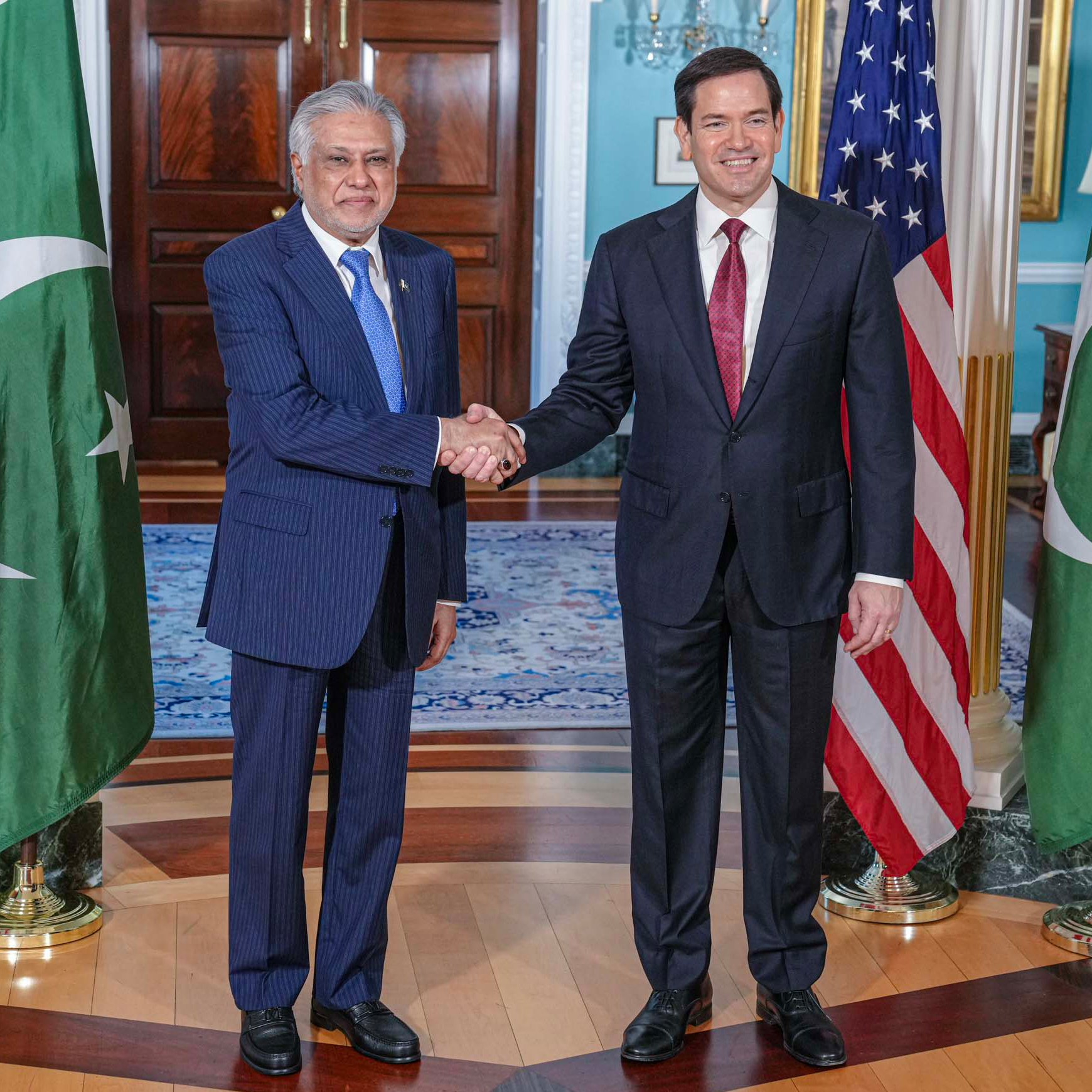
The Yemen precedent hangs over every Pakistani commitment. In 2015, Pakistan supported Saudi Arabia’s intervention when the political and financial costs were manageable, then withdrew when expenses escalated beyond what Islamabad could sustain. The MECGA analysis notes that current costs — including the risk of Iranian retaliation against Pakistani territory along the 900-kilometer shared border — appear “stratospheric” compared to the Yemen-era calculus. Pakistan is simultaneously mediating for Iran while treaty-bound to defend against Iran, and neither role enhances the other.
Dar’s public warning to Araghchi may have achieved the opposite of deterrence — it revealed that Pakistan’s willingness to invoke the defense pact exceeded its capacity to enforce it, providing Iran with useful intelligence about the coalition’s actual cohesion. The MECGA paper’s conclusion on Pakistan’s predicament applies with full force: “Speaking loudly, when you cannot be certain the stick will follow, is indistinguishable from silence.”
What Is Saudi Arabia’s Actual Exposure?
The kingdom’s vulnerability operates on two tracks simultaneously. The diplomatic track has now produced visible failure: Riyadh endorsed a mediation framework that one belligerent has publicly disavowed, creating audience costs without any corresponding diplomatic gain. The military track remains a function of geography — Saudi Arabia’s most critical infrastructure sits within reach of Iranian weapons, and the war has already demonstrated Tehran’s willingness to strike Gulf targets repeatedly.
| Facility | Function | Capacity | Threat Profile |
|---|---|---|---|
| Abqaiq Processing Plant | Crude oil stabilization | 7+ million bpd | Within range of Iranian ballistic missiles; Houthi drones knocked out 5.7M bpd in 2019 |
| Ras Tanura Export Terminal | Oil export | Largest globally | Hit twice during current conflict |
| Ras al-Khair Desalination | Water supply to Riyadh | 800,000 m³/day | Civilian infrastructure; strike triggers humanitarian crisis |
| National Electrical Grid | Nationwide power | Interconnected system | Cascading failure risk from targeted node strikes |
Sources: CSIS; The National (March 2, 2026)
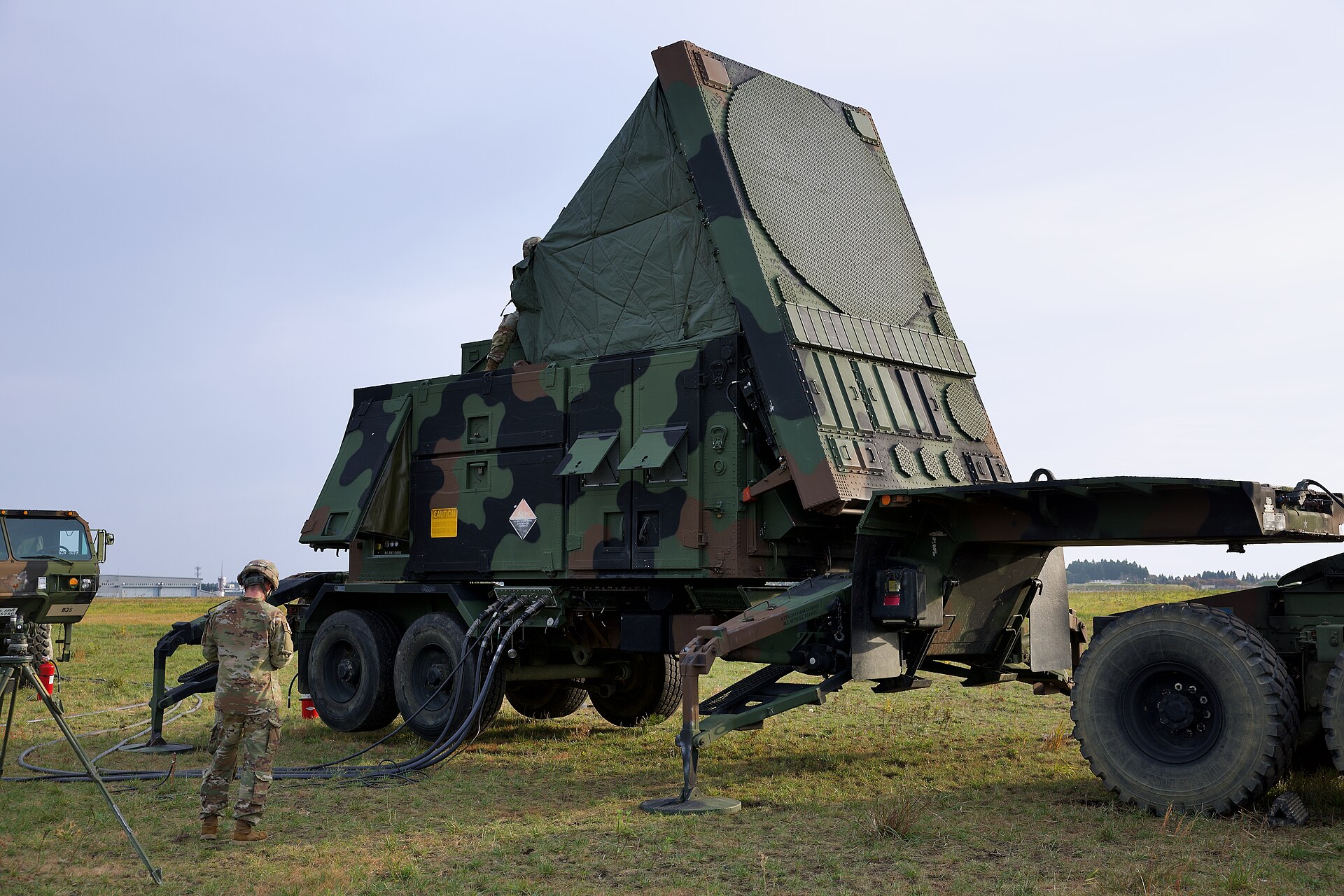
The interceptor equation compounds the infrastructure risk. GCC PAC-3 stocks have fallen to approximately 400 rounds, and Lockheed Martin’s production ceiling makes resupply structurally impossible at the rate the war demands. Iran’s strategy is not to overwhelm Saudi air defenses in a single salvo but to deplete them over time — a strategy that becomes more dangerous the longer the conflict runs. Araghchi’s six-month timeline, whether realistic or aspirational, aligns precisely with that exhaustion curve.
The GCC has invoked its legal right to respond under UN Charter Article 51 at its March 1 Extraordinary Ministerial Meeting, but collective military action has not materialized. Brent crude hit $126 per barrel during the peak of the Hormuz closure. The 10-million-barrel-per-day production cut — the most severe supply disruption in OPEC’s history — is generating economic damage that compounds daily, and the approaching OPEC meeting on April 5 will force decisions that the Islamabad framework was supposed to have made unnecessary.
The Counter-Demands That Aren’t Counter-Demands
Iran’s five conditions — transmitted through Pakistan in response to the US 15-point proposal — reveal why the Islamabad framework was structurally incapable of producing a deal before April 6. The conditions are: cessation of all US-Israeli attacks; objective guarantees that war would not recur; defined and guaranteed war reparations; recognition of Iran’s sovereignty claims over the Strait of Hormuz; and an end to the war on all fronts, including against all resistance groups across the region.
These are not negotiating positions. A negotiating position implies flexibility — a starting offer designed to be revised through bargaining. Iran’s five conditions are structural preconditions that must be met before Iran considers itself in a negotiation at all. The inclusion of “all resistance groups” — meaning Hezbollah, the Houthis, and Hamas — means Iran’s stated price for peace encompasses the entire regional order, not merely the bilateral US-Iran conflict. No mediating framework involving four countries that are not party to the war can deliver guarantees of that scope.
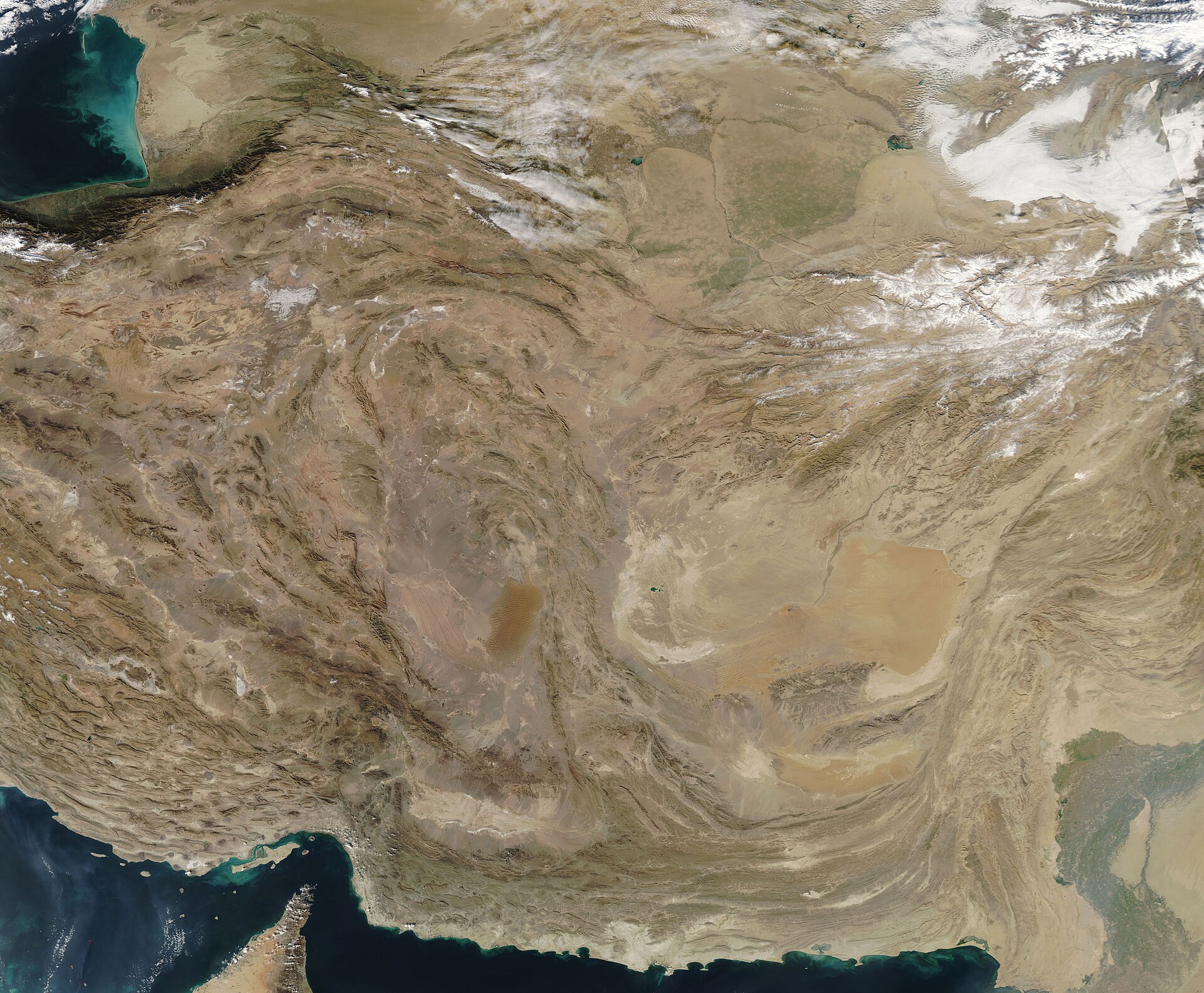
The US 15-point proposal, by contrast, covered sanctions relief, civilian nuclear cooperation, limits on Iran’s nuclear and missile programs, enhanced IAEA monitoring, and Hormuz shipping guarantees — comprehensive but conventional terms that assumed both parties operated within the same diplomatic grammar. Iran’s military spokesperson made the conceptual gap explicit: “Do not call your defeat an agreement… You will see neither your investments in the region nor the former prices of energy and oil again until you understand this: stability in the region is guaranteed by the strong hand of our armed forces.”
Those armed forces are now operating without civilian oversight: new reporting documents how the IRGC sidelined President Pezeshkian entirely, cutting him off from the Supreme Leader and vetoing his appointments — a development that makes any diplomatic channel running through the Iranian presidency functionally irrelevant to the men actually making war decisions.
For Saudi Arabia, this gap is the core of the problem. The Islamabad framework assumed both parties wanted a deal and disagreed on terms — the kind of disagreement that mediators can narrow through shuttle diplomacy and creative compromise. Araghchi’s April 1 interview confirmed that Iran does not accept the premise. Riyadh invested diplomatic capital in a process that required Iranian buy-in to function, and Iran’s strategy is to demonstrate — loudly, publicly, and on prime-time regional television — that no such buy-in exists or is forthcoming.
What Happens When the Clock Runs Out?
April 6 at 8:00 p.m. ET is now five days away, and the diplomatic infrastructure meant to prevent escalation has been publicly rejected by one of the two warring parties. Trump has three options, and none of them protect Saudi Arabia’s position. He can extend the deadline again. He can escalate as promised. Or he can find a face-saving bilateral arrangement with Iran that satisfies Washington’s interests while leaving the Gulf to manage the consequences.
A fourth variable emerged on April 1: Britain’s 35-nation Hormuz summit, convened by Prime Minister Starmer for April 3, is assembling a parallel diplomatic track explicitly positioned outside US military pressure. The UK-chaired coalition — spanning Europe, Asia, and the Gulf — is offering Iran a non-American interlocutor and a collective economic off-ramp. Whether Tehran treats it as a serious channel or another forum to exploit for delay will be a leading indicator of Iranian intent before the April 6 clock runs out.
Extension is the path of least risk and greatest credibility cost. Trump already extended once on March 26, and each extension without Iranian compliance transforms the deadline from a coercive instrument into evidence that American threats have finite shelf life. The Islamabad mediators could frame another extension as buying time for diplomacy, but Araghchi has foreclosed even that narrative — you cannot buy time for a process that one party says does not exist.
Escalation carries the consequences that Saudi Arabia has spent weeks trying to prevent. A strike on Kharg Island — which Trump specifically named — would trigger the retaliatory scenario mapped across the kingdom’s critical infrastructure in the table above. The Marine deployments that preceded the April 6 deadline suggest Washington has already prepared escalation options, and Araghchi’s interview may have been designed to establish Iran’s psychological readiness for exactly that contingency. Trump’s own language on April 1 — “when we feel that they are, for a long period of time, put into the Stone Ages and they won’t be able to come up with a nuclear weapon, then we’ll leave” — suggests a maximalist posture that aligns more with strikes than with continued patience.
The third option is where Saudi Arabia’s strategic position becomes most precarious. Trump could negotiate a limited arrangement with Iran — as he briefly claimed on March 30 that Iran had accepted “most” of his proposal — that addresses Hormuz shipping without resolving the broader conflict. Any deal that reopens lanes for American-allied commercial traffic while leaving the war ongoing would satisfy Washington’s immediate interests while leaving Saudi Arabia bearing the military and economic risk. The kingdom would discover that the Islamabad framework it helped build produced neither peace nor protection, but merely a bilateral US-Iran accommodation from which Riyadh was excluded — the same pattern Iran demonstrated with the 20 Pakistani ships, scaled up to geopolitical proportions.
The coming days will test whether Saudi Arabia’s strategy of anchoring its diplomacy to Pakistan’s mediation capacity was an investment or an exposure. The April 6 clock is ticking toward a deadline that one side set and the other refuses to recognize, with Saudi Arabia’s oil revenue, water supply, and diplomatic credibility positioned between them. The Ras al-Khair desalination plant continues to pump 800,000 cubic meters per day to the capital, inside the range of missiles controlled by a foreign minister who just told Al Jazeera he has six months of fight left in him. The full accounting of how both the Islamabad channel and the Kharazi back-channel collapsed within 72 hours — and what that leaves for Riyadh before April 6 — is examined in Pakistan’s mediation collapse and Saudi Arabia’s diplomatic off-ramp problem.
Frequently Asked Questions
Has Pakistan ever successfully mediated between Iran and the United States before?
Pakistan has represented Iran’s interests in Washington since the 1979 diplomatic break, maintaining Iran’s interests section at the Pakistani embassy — a quiet, functional arrangement operating for over four decades. However, this administrative role is categorically different from active mediation between belligerents during a hot war. Pakistan has no track record of wartime mediation at this scale, a gap that Foreign Policy identified as one of the Islamabad framework’s central vulnerabilities in its March 25 analysis. Pakistan’s 900-kilometer border with Iran also means that any failed mediation carries direct security consequences that more geographically distant mediators would not face.
Why did the Quadrilateral meeting move from Ankara to Islamabad?
The relocation reflected Pakistan’s deepening courier function rather than Turkey’s diminished role. PM Shehbaz Sharif had established a direct communication line with Iranian President Pezeshkian, including a 90-minute call before the Quadrilateral convened, and the US-Iran message relay was physically running through Islamabad via Pakistan FM Dar’s channel to Witkoff. Turkey, which also borders Iran and maintains its own diplomatic channels with Tehran, conceded the hosting role because the practical logistics of the mediation — the actual passing of documents and proposals — had centered on Islamabad since the 15-point proposal began circulating in late March.
What is Trump’s prime-time address on April 2 expected to cover?
The White House announced the address on April 1 but provided no advance details — an unusual omission that has generated speculation ranging from a new ultimatum to an announcement of military action. The timing places it four days before the April 6 deadline and one day after Araghchi’s blanket rejection of all negotiations. Historically, prime-time presidential addresses on foreign military matters serve either to prepare the public for imminent action (as with George W. Bush’s March 2003 Iraq address) or to announce a major diplomatic development. The absence of any leaked framework or pre-briefing to congressional leaders, as reported by CBS News, points toward the former rather than the latter.
Could Iran realistically sustain six months of war?
Araghchi’s timeline is aspirational rather than analytically verified, but Iran’s strategic posture supports an extended conflict better than the US “two to three weeks” timeline implies. Iran’s ballistic missile inventory is dispersed across hardened facilities, its asymmetric capabilities — including the Hormuz closure itself — impose costs on adversaries without requiring conventional military parity, and its domestic wartime economy has been under severe sanctions pressure for decades. The more revealing question is not whether Iran can fight for six months but whether the global economy can absorb it: with Brent at $126, Gulf production down 10 million barrels per day, and even hawkish Washington think tanks calling for restraint, Iran’s endurance calculation depends less on its own capacity than on the pain thresholds of its adversaries’ economies and electorates.
What role does China play in this conflict?
China is conspicuously absent from the Islamabad Quadrilateral despite being the largest single buyer of Iranian oil and the power that brokered the 2023 Saudi-Iran rapprochement. Beijing has maintained what analysts describe as strategic silence — continuing to purchase Iranian crude through indirect channels while avoiding any formal involvement in mediation. China’s absence may reflect a calculation that the Islamabad process is unlikely to succeed, or a preference to engage only after a bilateral US-Iran channel is established, avoiding the reputational cost of a failed multilateral effort. For Saudi Arabia, China’s non-participation removes the one external power that might have actual leverage over Iranian behavior from the diplomatic equation entirely.