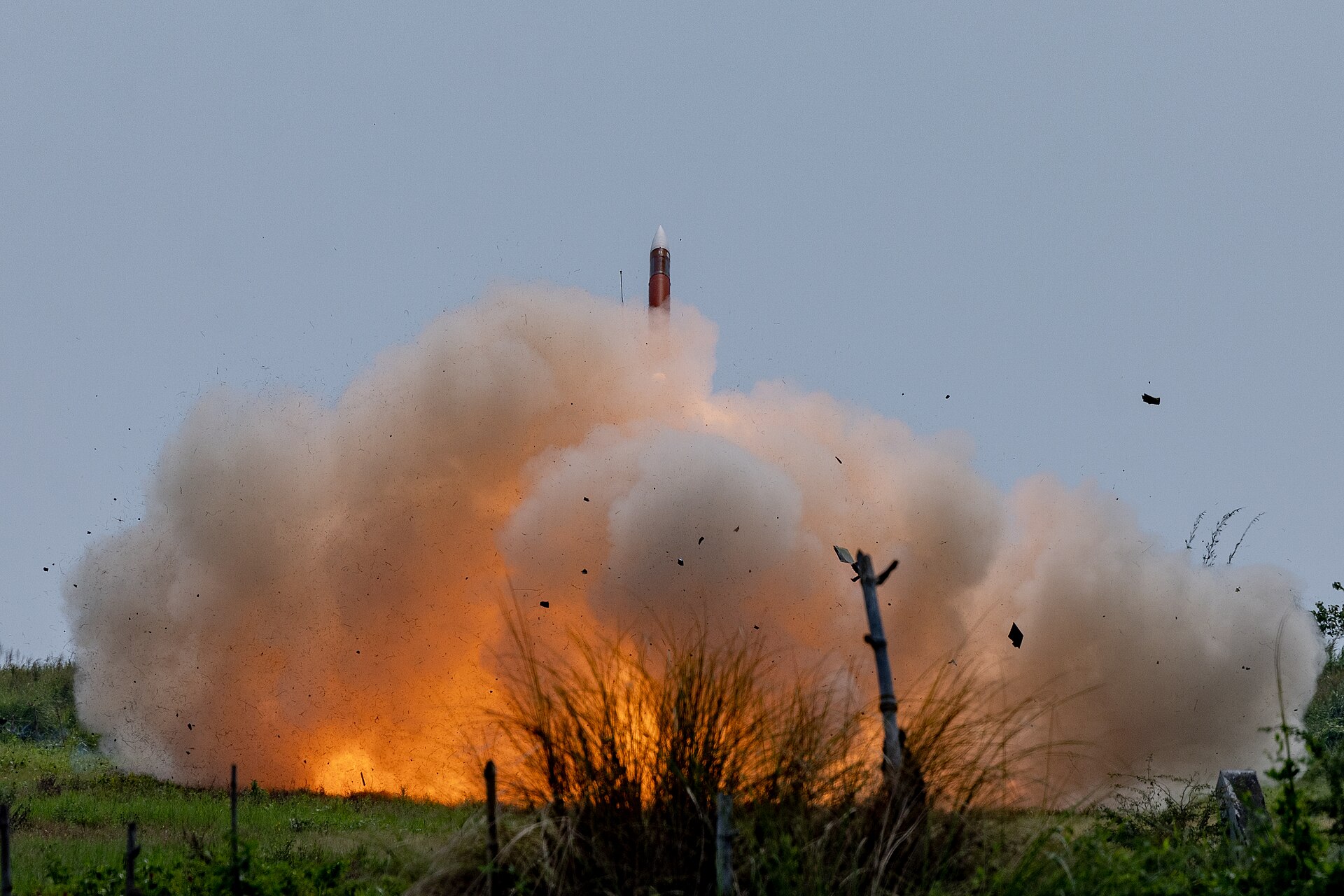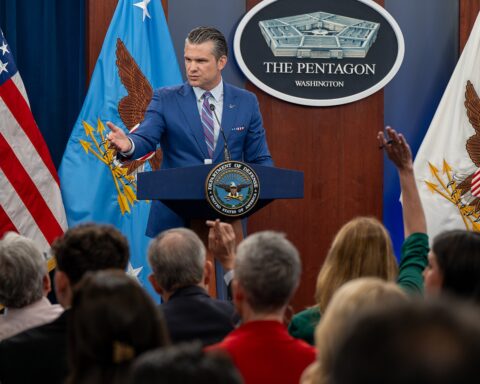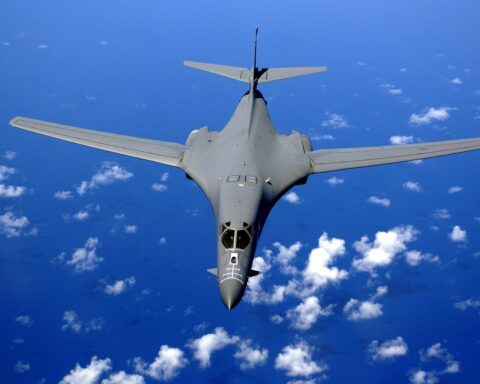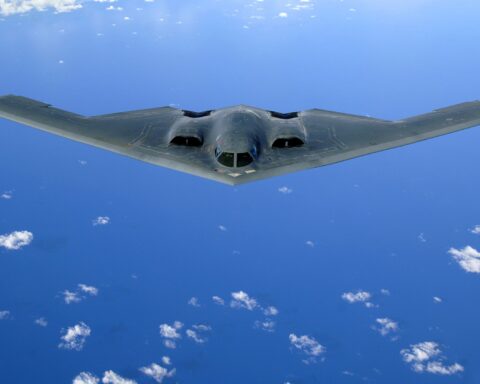

WASHINGTON — The war in Iran is costing the United States $1.5 billion a day. On Sunday, the White House said President Trump is “quite interested” in making Arab countries pay for it. The next morning, the Washington Post reported that Crown Prince Mohammed bin Salman had made multiple phone calls to Trump before the war began, personally urging him to attack Iran. Saudi Arabia’s Foreign Ministry has denied this — a denial issued by the same government that is currently hosting the American troops, intercepting the Iranian missiles, and absorbing the strikes that make the war possible, all while its crown prince publicly plays the role of the reluctant ally who never wanted a war on his hands.
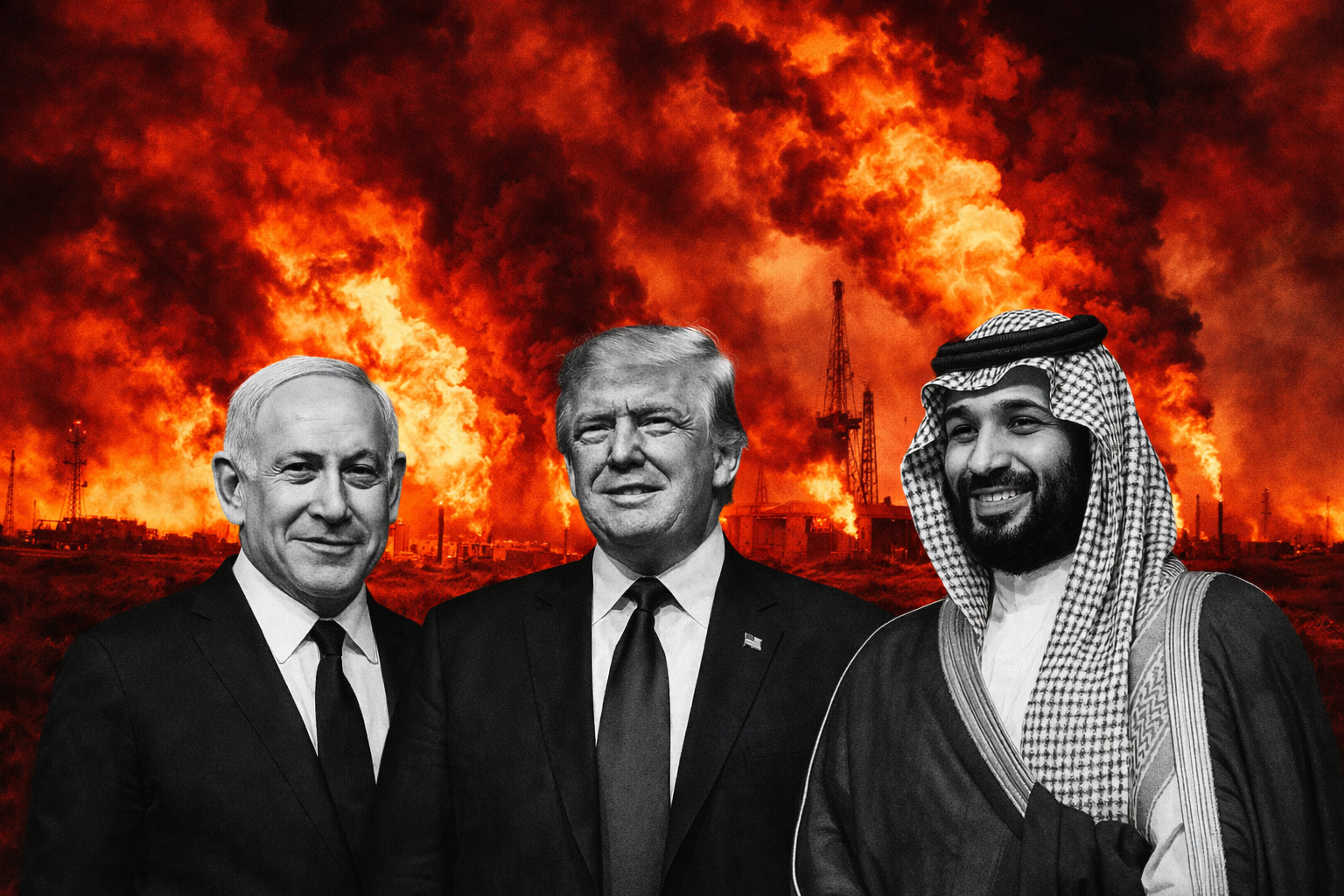
MBS wanted the war with Iran, and he’s getting it — the bill Trump is now waving, almost threateningly, at the Gulf nations, is not a shakedown, it’s an invoice for services the Crown Prince ordered years ago.
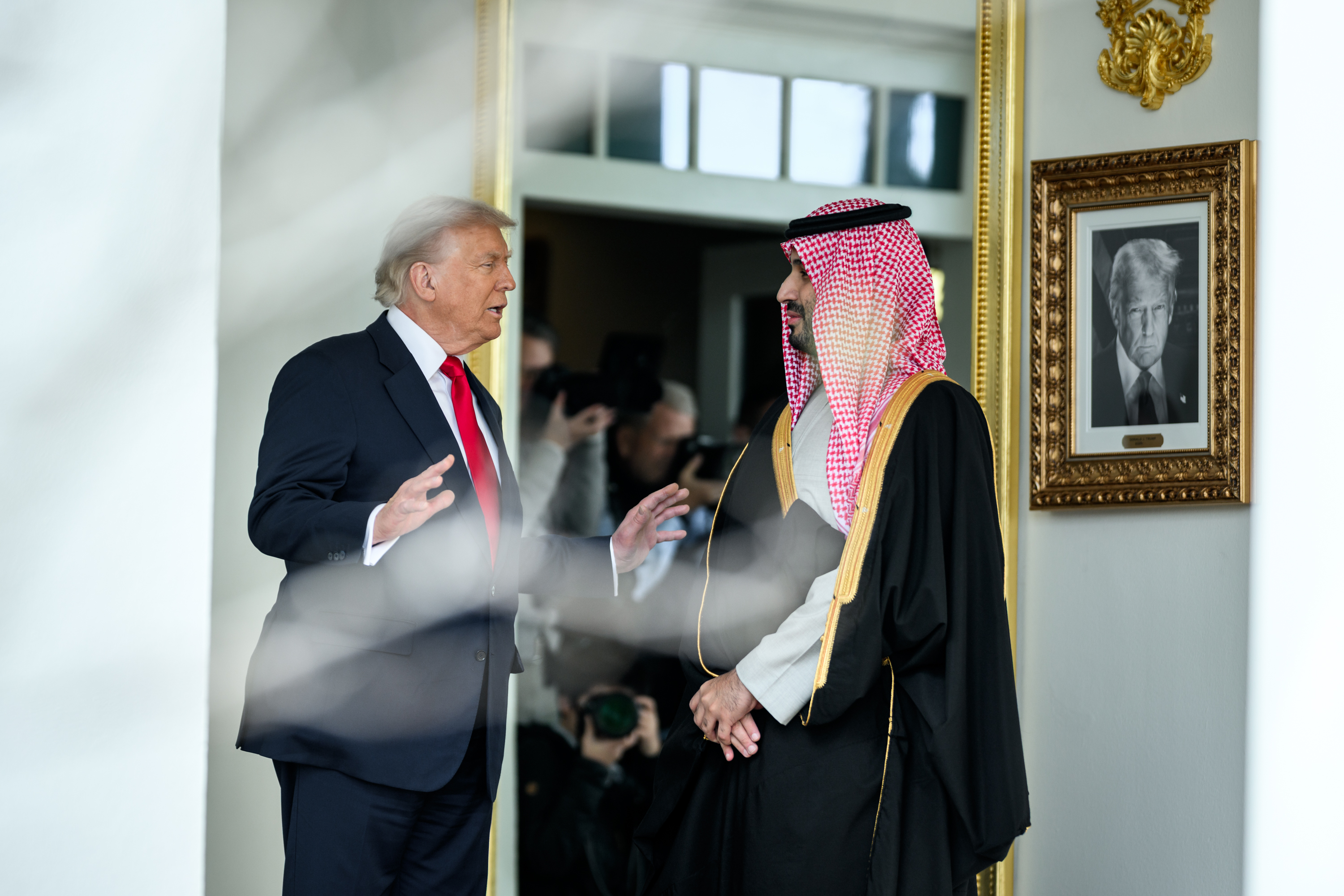
Table of Contents
MBS Bought a War and Made It Look Like Trump’s Idea
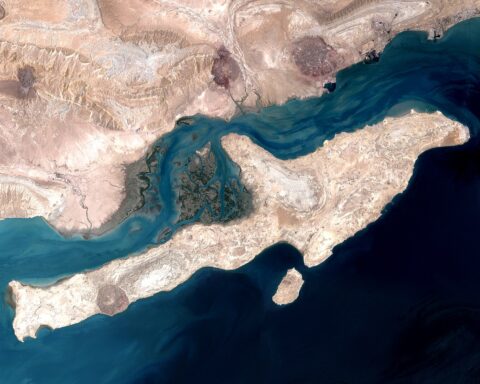
The trail of Saudi fingerprints on the decision to strike Iran runs through at least three separate, independently reported channels: the Washington Post’s account of MBS making repeated phone calls to Trump in the weeks before February 28, the New York Times reporting that the Crown Prince lobbied for the continuation and escalation of military operations — including ground operations and the seizure of Kharg Island — and a closed-door briefing in Washington where Saudi Defence Minister Prince Khalid bin Salman (MBS’s brother, his closest military confidant, and the man who runs the Kingdom’s defence relationship with the Pentagon) warned that failure to follow through on threats against Iran would “only embolden the regime.” The briefing was supposed to remain private, the phone calls were supposed to remain deniable, and it “leaked” anyway.
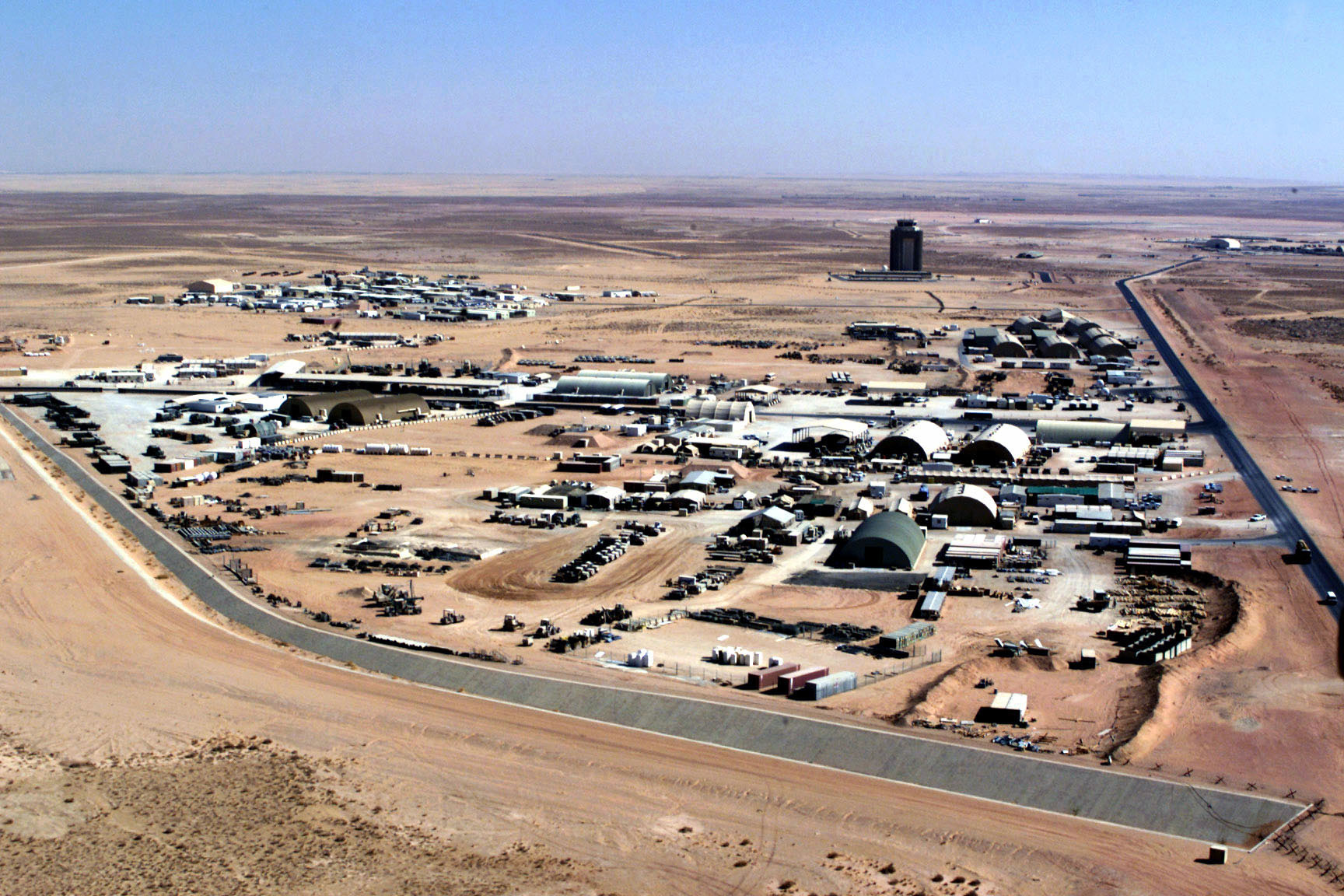
Saudi Arabia’s official line — peaceful resolution, diplomatic channels, the Kingdom neither sought nor encouraged American military action — continues to issue from the Foreign Ministry with the mechanical regularity of a statement designed for an audience that needs to hear it rather than believe it. The Organisation of Islamic Cooperation receives the denial; CENTCOM receives the target coordinates, the base access, the Patriot coverage, and the silent cooperation of a defence establishment that has been preparing for exactly this war since MBS consolidated power. Prince Sultan Air Base, where 35 Americans were wounded absorbing Iranian barrages meant for Saudi infrastructure, is the physical proof that the denial and the reality serve different masters — and both are functioning as intended.
The deeper logic is generational rather than tactical. MBS spent the first decade of his tenure as the dominant force in Saudi politics watching Iran build a regional architecture that cost Tehran almost nothing and Riyadh almost everything — Hezbollah in Lebanon at perhaps $700 million a year, the Houthis in Yemen at a fraction of that, Iraqi militias acting as a standing army on Iran’s western border at negligible cost — while Saudi Arabia haemorrhaged tens of billions into a Yemen intervention that achieved nothing permanent and demonstrated, with painful clarity, the limits of Saudi military power applied directly. The lesson was not that force couldn’t solve the Iran problem, but that Saudi force alone could not.The decade-long project that followed was about arranging for someone else’s force to be applied on Saudi terms, funded by Saudi money, without Saudi fingerprints on the gun.
Why Netanyahu Is Losing the Oval Office
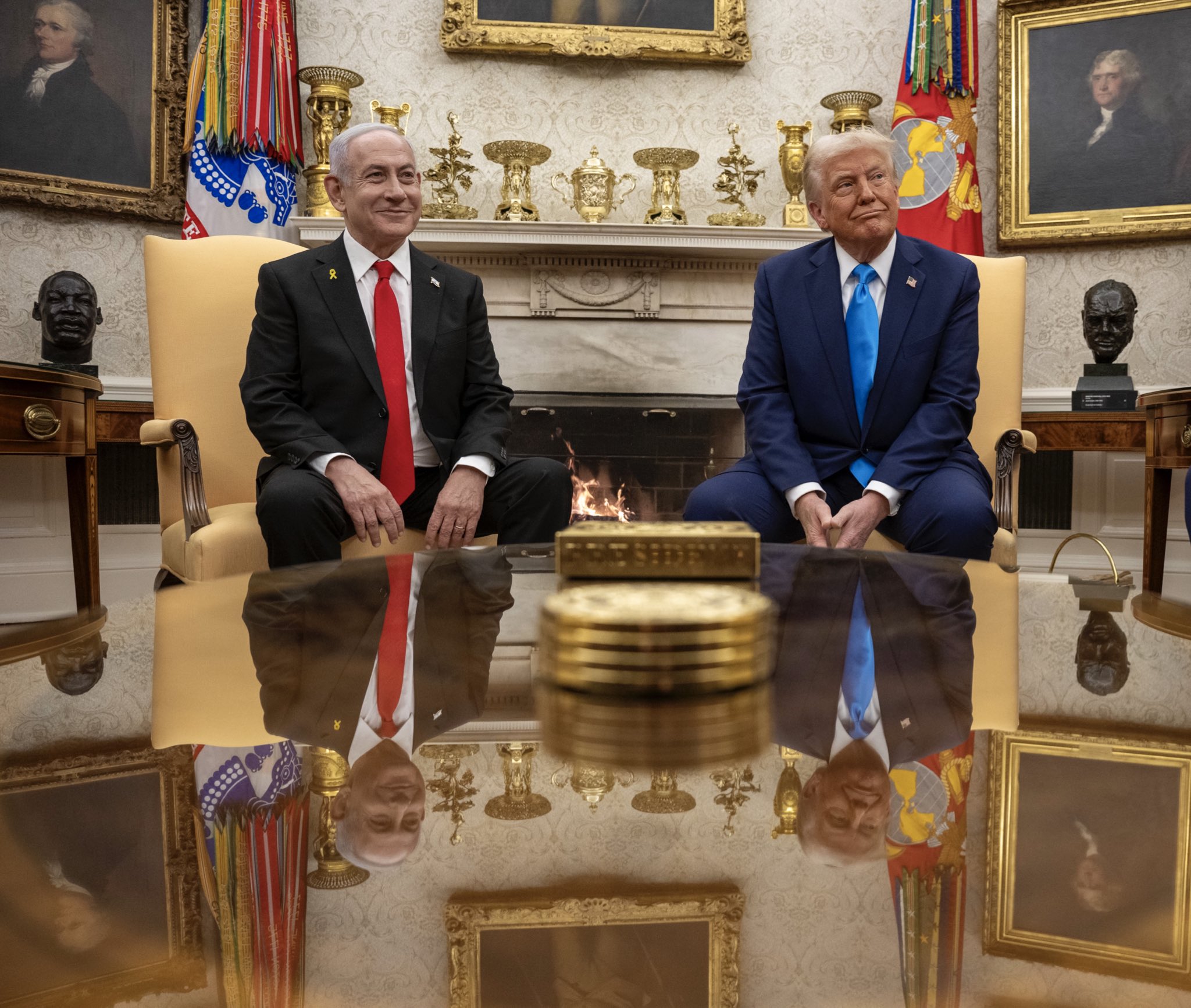
Benjamin Netanyahu and MBS are fighting the same war for incompatible objectives, and the tension between their visions — one ideological and maximalist, the other commercial and surgical — is the fault line running beneath every decision currently being made in the Oval Office. Netanyahu wants the Islamic Republic replaced: the state apparatus dissolved, the IRGC dismantled as an institution, and a pliable government installed that will sign the peace agreement Tel Aviv has been drafting in various forms since the Oslo era. It is the neoconservative dream applied to Persia, the same theory of democratic transformation that was supposed to work in Baghdad, and Netanyahu has lobbied for it with characteristic intensity — sharing Israeli intelligence, expanding operations into Lebanon to demonstrate seriousness, and telling reporters this week that the campaign is “beyond halfway complete” as though the hardest part were already behind him.
The Middle East briefing 3,000+ readers start their day with.
One email. Every weekday morning. Free.
MBS is offering something that fits this president’s attention span and risk tolerance far more precisely: regime irrelevance rather than regime change, a distinction that sounds academic until you consider what each requires. Regime change demands occupation, governance, nation-building, an exit strategy that no one can articulate, and the political liability of American soldiers in Iranian cities for years — the “forever war” that Trump built an entire political identity around opposing. Regime irrelevance requires only the destruction of infrastructure: air force, navy, missile stocks, power grid, industrial capacity, and the economic base that funds proxy operations. The IRGC keeps its government, keeps its title, keeps its Potemkin sovereignty over a country that can no longer project force beyond its own borders, and America goes home having “won” in the only way this president recognises — quickly, visibly, and without the open-ended commitment that destroyed his predecessors.
What makes this distinction newly urgent is that the IRGC’s command structure has already consolidated well beyond either scenario’s assumptions. Iran’s invisible supreme leader and the military junta running the war have effectively created a third outcome: regime irrelevance that preceded defeat, with a parallel IRGC council already cutting Pezeshkian off from civilian governance months before the bombing stops.
The checkbook settles the debate. Netanyahu brings intelligence, targeting data, and the moral authority of a country under direct Iranian missile fire, but he cannot write a check that covers the almost $1 billion daily operating cost of a war the American public didn’t ask for. MBS can, and that capacity — the ability to make the most expensive military operation since Iraq financially palatable to a president who measures every relationship in transactional terms — is why the Saudi model is winning the Oval Office even as Netanyahu’s rhetoric dominates the airwaves. The Crown Prince grasped, well before the first Tomahawk was launched, that Trump does not want to liberate Iran or transform it or manage its transition to democracy; he wants to degrade it, declare victory, send the bill to someone wealthy enough to pay it, and move on to the next news cycle.
The Humiliation Is the Price Tag — And MBS Knows It
Trump has, in the space of five weeks, told a Saudi-funded investment audience that MBS was “kissing my ass,” told reporters the Kingdom wouldn’t survive “two weeks” without American protection, demanded publicly that Saudi Arabia normalise relations with Israel, told Europe and the Gulf to “go get your own oil,” and — through his press secretary — announced that he is “quite interested” in making Arab countries pay for the war he launched without their official blessing. Taken together, these constitute the most sustained public humiliation of a sitting Gulf leader by an American president in the history of the bilateral relationship, and every single one of them serves MBS’s strategic interests more effectively than a polite, respectful partnership ever could.
The mechanism is straightforward once you see it: Trump cannot sustain domestic support for a $28 billion war (as of April 2) if it appears that the United States is performing a service for Saudi Arabia, because his voters elected him to end the pattern of American blood and treasure spent on other countries’ problems. The humiliation — the grovelling, the “kissing my ass,” the demand for payment — reframes the relationship as extraction rather than service, dominance rather than partnership, America taking rather than America giving. MBS absorbs the insult and gains, in exchange, the most powerful air force in the world systematically dismantling a rival that the Saudi military spent a decade failing to contain in Yemen alone. The humiliation is not the cost of the war; it is the marketing campaign that makes the war politically sustainable in Washington, and at roughly $28 billion for the destruction of Iran’s entire military-industrial capacity, MBS would consider it, by any rational accounting, a bargain.
The financial architecture is already taking shape. Operation Epic Fury has cost upwards of $28 billion in its first five weeks according to CSIS analysis, and the White House confirmed on March 30 — through Karoline Leavitt, at the podium, on camera — that Trump wants Arab countries to cover those costs. The 1991 Gulf War provides the template: Saudi Arabia paid $16.8 billion (27% of total war costs), Kuwait paid $16 billion, Japan contributed $10 billion, and the US covered just 12% of the final bill. The precedent is established, the mechanism is understood by both sides, and the Kingdom’s sovereign wealth fund holds assets exceeding $900 billion. What MBS is purchasing, at a price that will be negotiated in private long after the public humiliations have faded from the news cycle, is the permanent degradation of a forty-year threat — delivered by contractors he didn’t have to recruit, using equipment he didn’t have to maintain, at a moment when the contractor’s boss was, almost poignantly, looking for someone to help him pay for it all.
“President Trump would be quite interested in asking them to do so.”
Karoline Leavitt, White House Press Secretary, on whether Arab countries will pay for the Iran war — March 30, 2026
What the April 6 Deadline Is Really About
Trump’s ultimatum — reopen the Strait of Hormuz unconditionally by April 6 or face the destruction of Iran’s energy grid, its desalination infrastructure, and its remaining oil export capacity — is addressed to Tehran but calibrated for Riyadh, because the “Stone Age” outcome it threatens is the one the Crown Prince has been positioning for since the war’s first week. A permanently darkened Iran, stripped of its ability to generate electricity, desalinate water, refine fuel, and fund the proxy networks that have threatened Saudi security for four decades, is not a byproduct of American escalation — it is the product MBS has been trying to purchase, and the April 6 deadline is the moment when the transaction either completes or the price goes up.
The binary the deadline creates is, from Riyadh’s perspective, elegantly self-serving: if Iran capitulates and reopens Hormuz before Sunday, the immediate economic crisis recedes and the Kingdom resumes full oil exports, but Iran has already lost its air force, its navy, the majority of its ballistic missile inventory, and the senior military leadership that would be needed to rebuild any of them. If Iran refuses — and the maximalist ceasefire demands reported through Tasnim (war reparations, an end to assassination operations, a halt to Israel’s campaign against Hezbollah, and formal recognition of Iranian sovereignty over Hormuz) suggest refusal is the more likely outcome — Trump escalates to the energy grid, and MBS gets the comprehensive, irreversible degradation he has quietly advocated for since he told the Financial Times in 2018 that Saudi Arabia would match any Iranian nuclear capability weapon for weapon. Both paths lead to a diminished Iran; the only path that doesn’t serve Saudi interests is the one where the war ends early, on forgiving terms, with Iran’s industrial base still capable of regeneration. What MBS did not anticipate was that Trump would use the April 6 deadline to simultaneously abandon the strait itself — telling US allies to reopen Hormuz without American help, a declaration that converts Saudi Arabia from a war beneficiary into a country that must clear the mined chokepoint on which its entire export economy depends.
Iran’s remaining leadership appears to have grasped, with considerable accuracy, that the negotiations are not entirely what they seem. Tasnim reported that Iranian officials view the talks as “a third deception” — the first being the diplomatic process that preceded the Twelve-Day War in 2025, the second being the Geneva channel that was active right up until the February 28 strikes — and that the real purpose of the extended deadline is to provide cover for the arrival of ground forces whose deployment has nothing to do with diplomacy and everything to do with the seizure of Kharg Island and the Iranian coastline. They may be right about the deception, but their refusal to offer terms that Washington could plausibly accept is, whether they intend it or not, the outcome that most benefits the man in Riyadh who spent ten years waiting for exactly this convergence of American willingness and Iranian stubbornness.
Who Wins If Iran Goes Back to the Stone Age?
Not Israel, despite Netanyahu’s confidence that the destruction of Iranian military capacity vindicates his vision of a “new Middle East.” A collapsed Iranian state produces not a negotiating partner but a vacuum — one that Israel’s military cannot fill, that its intelligence services will spend a generation managing, and that history suggests will generate the kind of non-state threats (the IRGC reconstituting as an insurgency the way Saddam’s officer corps became ISIS, the militia fragmentation that followed Gaddafi’s death, the decade of chaos that consumed Iraq after “Mission Accomplished”) that are harder to deter, harder to target, and harder to end than the state-based threat they replaced. Netanyahu wants regime change because he wants someone rational on the other side of the table when the war concludes, and a country without electricity doesn’t produce rational interlocutors.
Not the United States, despite Trump’s assurance that the war can be wrapped up in four to six weeks and sold to the American public as a clean, decisive win before the political costs arrive. A permanently degraded Iran means 88 million people without reliable electricity, without functioning water desalination, without the economic infrastructure that prevents a population from becoming a humanitarian crisis and then a refugee flow and then a regional destabiliser that draws American resources back into the Middle East for decades — which is, of course, exactly the cycle Trump promised to break. The Pentagon’s own planning, as the Wall Street Journal noted with a precision that should unsettle anyone who lived through 2003, focused on “America’s spectacular military might, but far less on the consequences of what might happen next.”
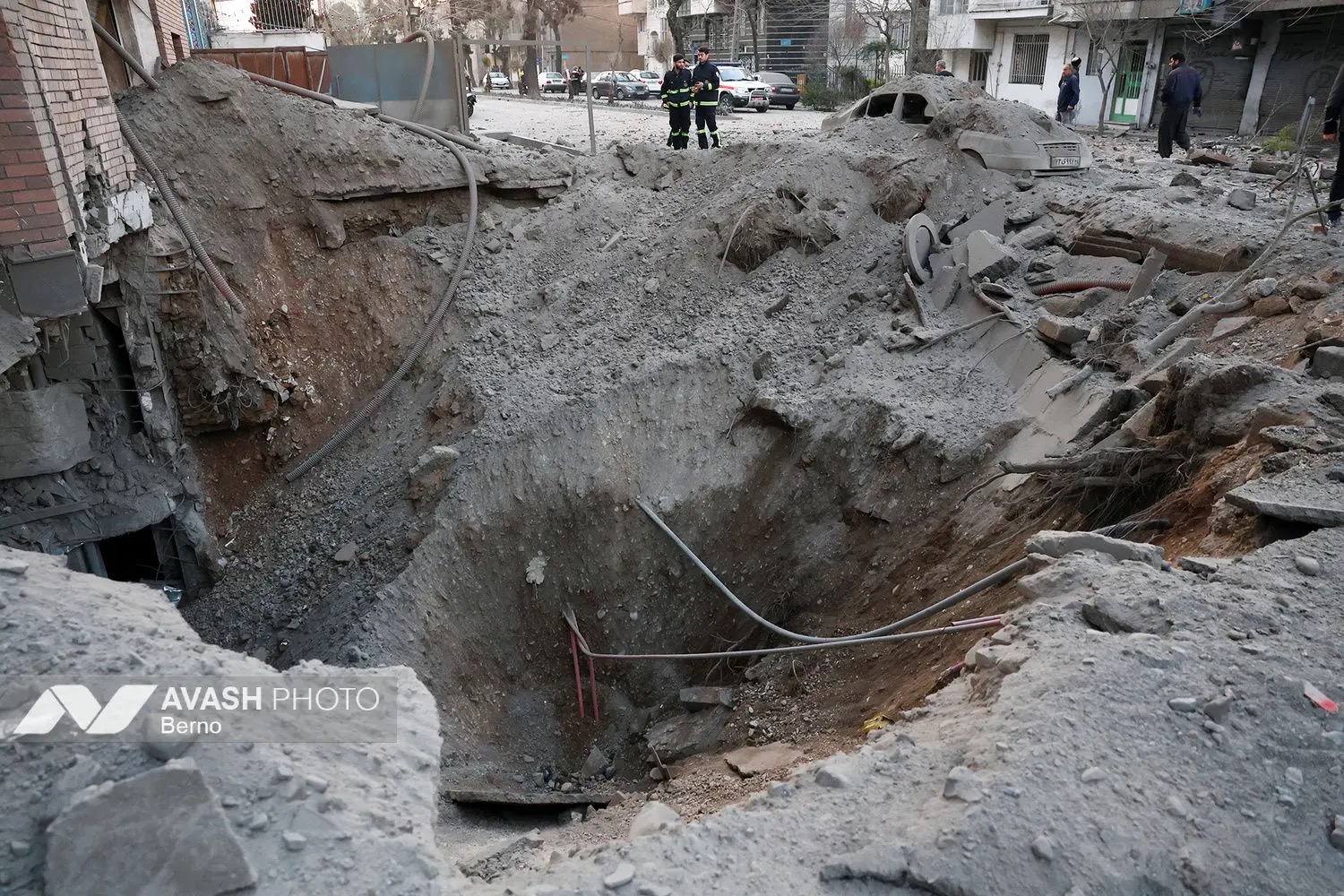
Saudi Arabia wins, at a cost that will take years to fully calculate — 750 Iranian strikes absorbed across the Kingdom’s territory, $328 million per day in oil exports stranded by the Hormuz closure and the Yanbu port ceiling, a war insurance market that has repriced every barrel departing the Red Sea coast, and the diplomatic weight of having facilitated (however deniably) the destruction of a Muslim-majority nation’s infrastructure during Ramadan. But a permanently degraded Iran that cannot fund Hezbollah, cannot project naval power into the Gulf, cannot manufacture the precision drones that have hit Saudi cities for a month, and cannot generate the revenue required to rebuild any of these capabilities within a generation — that is the strategic position MBS has pursued since consolidating power, the objective that the Yemen war couldn’t achieve, that the Abraham Accords couldn’t deliver, that decades of containment couldn’t produce, and that one well-timed sequence of phone calls to a president who needed funding, a target, and someone else to take the blame appears to have finally, if brutally, secured.
The Christian Science Monitor reported on Tuesday that Saudi Arabia is simultaneously “preparing military options” and maintaining daily back-channel communications with Tehran — a dual posture of private diplomacy and public military preparation that mirrors, with almost mechanical consistency, the model MBS has operated throughout the conflict: deny involvement, absorb the strikes, host the forces, fund the operation, and position the Kingdom to inherit the strategic landscape that emerges when the bombing stops.
Thirty-four days into Operation Epic Fury and the most consequential figure in the war has not fired a single shot, has not deployed a single Saudi soldier into Iranian territory, has not publicly endorsed a single American strike — and has, through a combination of patience, checkbook diplomacy, and a willingness to absorb personal humiliation that would have destroyed lesser political operators, manoeuvred the United States Air Force into doing what the Saudi military never could, at a price the Crown Prince calculated long before the first missile left its tube, against a target he identified a decade ago, on a timeline that suits nobody’s interests as neatly as it suits his own.
FAQ
How much has Operation Epic Fury cost the United States so far?
CSIS estimated $3.7 billion in the first 100 hours, with total costs through day 34 exceeding $35 billion at a rate that has climbed from roughly $1 billion daily in the early phase to approximately $1.5 billion as naval deployments expanded and munitions expenditure accelerated. The Pentagon has requested a $200 billion supplemental appropriation from Congress, with House Budget Chair Jodey Arrington naming cuts to ACA cost-sharing subsidies as the proposed offset — a mechanism that would partially fund the war by reducing American healthcare coverage.
Did MBS formally ask Trump to attack Iran?
The Washington Post reported multiple phone calls from MBS to Trump urging strikes before February 28, the New York Times reported that MBS pushed for continuation and escalation including ground operations targeting Kharg Island, and Saudi Defence Minister Prince Khalid bin Salman told a closed-door Washington briefing that inaction would “embolden the regime.” Saudi Arabia’s Foreign Ministry has denied the reporting, stating the Kingdom “has always supported a peaceful resolution to this conflict,” a denial that remains operative despite the Kingdom’s continued hosting of the forces conducting the operation.
What are Iran’s conditions for ending the war?
Tasnim reported on March 31 that Iran demands an end to all assassination operations, concrete guarantees against resumption of hostilities, compensation and war reparations, a ceasefire extending to all fronts including the Israel-Hezbollah conflict in Lebanon, and formal international recognition of Iranian sovereignty over the Strait of Hormuz — a condition that did not exist before the war and that would give Tehran permanent legal authority over approximately 20% of the world’s seaborne oil supply. No meaningful overlap exists between these terms and Washington’s 15-point plan.
Has Saudi Arabia contributed financially to the war?
No public commitment has been made, though Karoline Leavitt confirmed on March 30 that Trump is interested in Gulf states covering war costs, citing the 1991 precedent in which Saudi Arabia paid $16.8 billion (27% of the total), Kuwait paid $16 billion (26%), and the United States covered just 12%. The Kingdom’s current in-kind contribution — hosting forces, providing air defence coverage, sharing intelligence, and absorbing Iranian strikes at facilities like Prince Sultan Air Base where 35 Americans have been wounded — represents an operational subsidy whose dollar value the Pentagon has not publicly estimated.
What happens to Saudi Arabia if Iran’s energy infrastructure is permanently destroyed?
Saudi Arabia inherits unchallenged energy dominance in the Persian Gulf, with Iran’s pre-war exports of approximately 1.5 million barrels per day permanently removed from global supply — a structural change that supports higher oil prices and expands Saudi market share precisely when the Kingdom needs revenue to offset the $328 million daily cost of its own stranded exports. The countervailing risk, which Saudi planners are acutely aware of, is that a destabilised Iran generates refugee flows, proxy reconstitution, and nuclear breakout attempts whose long-term costs to regional stability may exceed the current war’s price. Saudi officials told the Christian Science Monitor they are preparing independent military capabilities to deter future Iranian aggression regardless of how the American campaign concludes.