
Saudi Arabia has become one of the most exciting new destinations for South African travellers. Since August 2023, citizens of South Africa have been eligible for the Saudi tourist e-visa, opening the door to the Kingdom’s ancient ruins, futuristic cities, Red Sea coastline, and desert landscapes without the old embassy-queue hassle. Whether you’re planning Umrah, a business trip, or a pure holiday, this guide covers everything you need as part of your Saudi Arabia visa planning. From visa costs in rands to the best flight connections from OR Tambo, here is the complete, research-based guide to visiting Saudi Arabia from South Africa.
Best Time to Visit: October to March (cooler months; 20–30 °C across most regions)
Getting There: No direct flights — connect via Addis Ababa, Dubai, Doha, or Istanbul from Johannesburg (11–16 hours total)
Visa Required: Yes — tourist e-visa online (SAR 480 / ~R 2,100)
Budget: R 1,500–R 4,500 per day (mid-range), R 800–R 1,200 per day (budget)
Must-See: Riyadh, AlUla/Hegra, Jeddah’s Al Balad historic quarter
Avoid: Travelling in July–August without desert-heat preparation (45 °C+)
Visa Requirements for South African Citizens
South Africa was added to the Saudi Arabia e-visa programme in August 2023, joining the list of 66+ nationalities that can apply entirely online. This was a significant change — previously, South Africans had to apply through the Saudi embassy in Pretoria or Jeddah consulate, a process that could take weeks.
The Saudi Tourist E-Visa
The e-visa is a multiple-entry visa valid for one year, allowing stays of up to 90 days per visit (and up to 180 days total within the year). You apply through the official portal at visa.visitsaudi.com and typically receive approval within minutes to 48 hours. For the full breakdown of every Saudi visa type, costs, and requirements, see our Saudi Arabia Visa Guide 2026.
What You Need to Apply
- Valid South African passport with at least 6 months’ remaining validity and 2 blank visa pages
- Digital passport photo (white background, recent)
- Credit or debit card for payment (Visa, Mastercard, or Amex accepted; PayPal and Apple Pay also work)
- Travel itinerary showing flight reservations with dates
- Email address for receiving the e-visa confirmation
- King Khalid International Airport (RUH), Riyadh — best for exploring the capital, Diriyah, and central Saudi
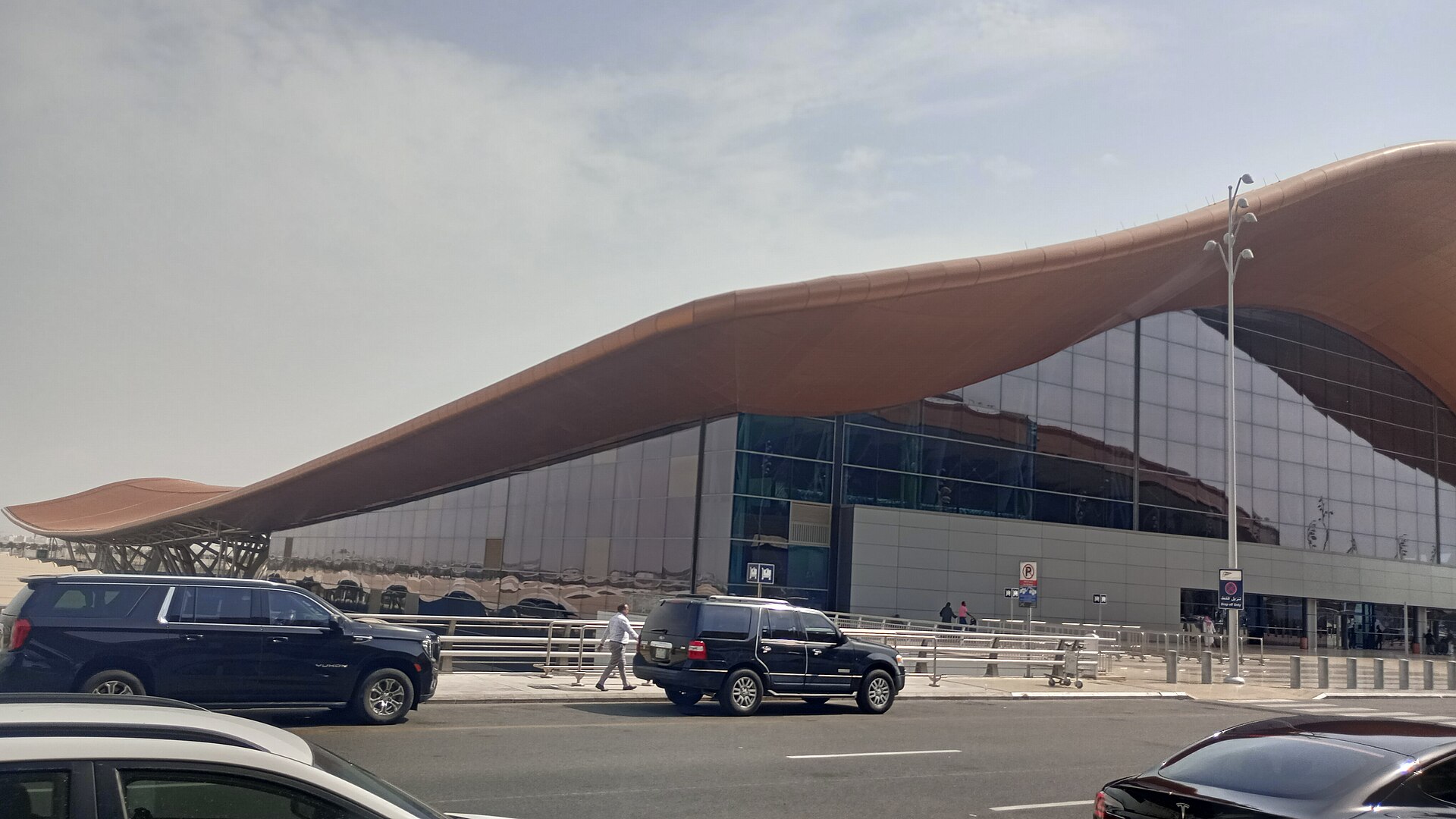
- King Abdulaziz International Airport (JED), Jeddah — best for Umrah, Makkah, Madinah, Red Sea coast, and the western region
- Prince Mohammed bin Abdulaziz Airport (MED), Madinah — direct gateway for pilgrimage
- King Fahd International Airport (DMM), Dammam — for the Eastern Province and business travellers headed to the oil sector
- Embassy of South Africa, Riyadh: 7184 Mohammad Al Abdary Street, Al Khuzama District. Tel: +966 11 482 8515
- Consulate-General, Jeddah: Villa 73, Abdullah Al-Khail Street, Al-Khalidiya District. Tel: +966 12 606 0299
- Emergency email: [email protected]
- Days 1–3: Riyadh — National Museum, Masmak Fortress, Diriyah, Edge of the World day trip, Boulevard Riyadh City
- Day 4: Fly Riyadh to Jeddah (2 hours, ~R 1,000)
- Days 4–7: Jeddah — Al Balad, Corniche, Red Sea snorkelling, King Fahad Fountain, local seafood
- Days 1–3: Riyadh and surrounds
- Days 4–6: Fly to AlUla — Hegra, Elephant Rock, Dadan, Maraya concert hall, desert camping
- Days 7–10: Fly to Jeddah — Al Balad, Red Sea diving, day trip to Taif
- Days 1–3: Makkah — Umrah rites, Masjid al-Haram
- Day 4: Madinah — Prophet’s Mosque, Quba Mosque (Haramain train from Makkah)
- Day 5: Jeddah — Al Balad, Corniche, departure
- Underestimating distances: Saudi Arabia is 1.8 million km². Riyadh to Jeddah is 950 km — fly, don’t drive (unless you want a proper road trip)
- Not downloading apps: Get Careem, Uber, HungerStation (food delivery), and Google Maps before arrival
- Packing alcohol: It will be confiscated and you risk detention. Zero tolerance.
- Forgetting an adapter: South African plugs don’t fit Saudi sockets. Pack a Type G adapter.
- Skipping Umrah registration: Even with an e-visa, Umrah requires a separate registration through the Nusuk app
- Arriving without cash: While cards work in cities, always carry SAR 200–500 in cash for markets, tips, and smaller establishments
- Ignoring the heat: South African summers are hot, but Saudi summer heat (45–50 °C) is on another level. Hydrate constantly and plan outdoor activities for early morning or late evening
- Saudi Arabia Visa Guide 2026 — Every visa type, cost, and requirement explained
- Saudi Arabia for British Travellers — Practical tips for UK passport holders
- Saudi Arabia for Americans — What US citizens need to know
- Saudi Arabia for Australians — Visa, flights, and travel advice from Down Under
- Saudi Arabia for First-Time Visitors — Everything you need for your first trip
- Saudi Arabia Travel Guide 2026 — The complete guide to visiting the Kingdom
Visa Costs in South African Rand
The total e-visa fee is SAR 480 (SAR 300 visa fee + SAR 180 mandatory medical insurance). At the current exchange rate of approximately 1 SAR = R 4.35, this works out to roughly R 2,100. The insurance covers emergency medical treatment during your stay — a welcome inclusion given that South African medical aid schemes rarely cover the Gulf region without add-on travel insurance.
Tip for South Africans: Apply at least two weeks before your trip, even though approval is usually fast. Payment sometimes fails with certain South African bank cards due to international transaction blocks — make sure your card is enabled for online international purchases, or use a travel-friendly card like a TymeBank or Discovery card.
Umrah on a Tourist E-Visa
One major benefit: the Saudi tourist e-visa now permits Umrah (the lesser pilgrimage). South African Muslims no longer need a separate Umrah visa — you can visit Makkah and Madinah on your tourist e-visa. However, the tourist e-visa does not cover Hajj; for the annual pilgrimage, you still need to apply through an accredited Hajj operator. See our Hajj 2026 Guide for details on the Hajj process.
Flights from South Africa to Saudi Arabia
There are currently no direct flights between South Africa and Saudi Arabia. All routes require at least one connection, but the good news is that several world-class airlines compete on this corridor, keeping prices reasonable and connections smooth.
Best Airline Options from Johannesburg
| Airline | Connection Hub | Total Travel Time | Frequency | Approx. Return Price (ZAR) |
|---|---|---|---|---|
| Ethiopian Airlines | Addis Ababa (ADD) | 11–13 hours | Daily | R 8,000–R 14,000 |
| Emirates | Dubai (DXB) | 13–16 hours | 4x weekly to JED/RUH | R 12,000–R 22,000 |
| Qatar Airways | Doha (DOH) | 13–16 hours | 5x weekly | R 11,000–R 20,000 |
| Turkish Airlines | Istanbul (IST) | 16–19 hours | Daily | R 10,000–R 18,000 |
| EgyptAir | Cairo (CAI) | 13–15 hours | 3–4x weekly | R 9,000–R 16,000 |
Ethiopian Airlines is typically the fastest and most affordable option, routing through Addis Ababa with relatively short layovers. Emirates and Qatar Airways offer premium service and the convenience of their massive hub airports for duty-free shopping during your connection. If you’re flying from Cape Town or Durban, you will usually connect through Johannesburg (OR Tambo) first, then onward to the Gulf.
Which Saudi Airport to Fly Into
Budget tip: Ethiopian Airlines to Jeddah via Addis Ababa is consistently the cheapest option for South Africans. Book 6–8 weeks in advance for the best fares. Umrah season (Ramadan) and Hajj season see significant fare increases — book 3+ months ahead during peak periods.
Money, Costs, and Budgeting in Rands
Currency and Exchange Rate
Saudi Arabia uses the Saudi Riyal (SAR), pegged to the US dollar at SAR 3.75 = USD 1. For South Africans, the exchange rate in early 2026 sits at approximately 1 SAR = R 4.35 (or R 1 = SAR 0.23). The rand-riyal rate fluctuates with the dollar, so check before you travel.
Daily Budget Breakdown
| Category | Budget (ZAR/day) | Mid-Range (ZAR/day) | Luxury (ZAR/day) |
|---|---|---|---|
| Accommodation | R 350–R 600 | R 700–R 1,500 | R 2,500+ |
| Food | R 150–R 300 | R 400–R 800 | R 1,200+ |
| Transport | R 100–R 250 | R 250–R 500 | R 800+ |
| Activities | R 0–R 200 | R 200–R 700 | R 1,000+ |
| Total | R 600–R 1,350 | R 1,550–R 3,500 | R 5,500+ |
Saudi Arabia is more affordable than many South Africans expect. Street food and local restaurants are remarkably cheap — a generous shawarma or kabsa plate costs SAR 15–30 (R 65–R 130). Petrol is extremely cheap by South African standards (roughly SAR 2.33/litre, or about R 10/litre), making road trips very economical. The biggest cost will be accommodation if you’re visiting during peak seasons.
Payment and Cards
Saudi Arabia is increasingly cashless. Visa and Mastercard are accepted almost everywhere in cities — malls, restaurants, supermarkets, even many smaller shops use contactless payment. However, carry some cash for souks (traditional markets), smaller towns, and tipping. ATMs are widely available; most South African bank cards (Visa/Mastercard) work at Saudi ATMs, but check your bank’s international withdrawal fees. FNB, Nedbank, and Standard Bank all charge international ATM fees of R 50–R 80 per withdrawal plus a currency conversion markup.
Money-saving tip: Consider a multi-currency travel card or a TymeBank card, which offers competitive forex rates and lower fees than traditional SA banks. Alternatively, exchange rands for riyals at Travelex or a forex bureau at OR Tambo before departure.
What to Expect: Culture and Etiquette
Saudi Arabia has opened dramatically to tourism since 2019, but it remains a conservative society with strong cultural norms. South Africans — accustomed to a multicultural society — will find Saudi hospitality genuinely warm, but there are important differences to be aware of.
Dress Code
Saudi Arabia has relaxed its dress code for tourists significantly. Women are no longer required to wear an abaya or headscarf in public (except within mosque precincts). However, modest clothing is expected: shoulders, cleavage, and knees should be covered for both men and women. In practice, loose-fitting trousers or long skirts and tops with sleeves are ideal. Men should avoid shorts above the knee and sleeveless vests in public spaces, especially outside resort areas.
Alcohol
Alcohol is strictly prohibited throughout Saudi Arabia. There is no grey area — no licensed hotel bars, no duty-free allowance on arrival, no exceptions. Penalties for possession or consumption are severe. South Africans accustomed to a braai-and-beer culture should plan accordingly. The upside: Saudi Arabia has an extraordinary coffee culture, world-class fresh juice stands, and an emerging speciality non-alcoholic drinks scene.
Religious Observance
Islam shapes daily life. The five daily prayers are called from mosques across every city; shops may close briefly during prayer times (typically 20–30 minutes). During Ramadan, eating, drinking, and smoking in public during daylight hours is prohibited for everyone, including tourists. South African Muslim travellers will feel very much at home during Ramadan; non-Muslim visitors should plan meals around hotel in-room dining or designated areas.
Photography
Be cautious with photography. Never photograph people — especially women — without explicit consent. Government buildings, military installations, and some royal palaces are off-limits for photography. Landscapes, tourist sites, and food are generally fine.
Safety
Saudi Arabia is one of the safest countries in the world for tourists, with extremely low crime rates. Violent crime against tourists is virtually unheard of. Solo women travellers report feeling very safe, even at night. South Africans, who often navigate security concerns at home, will likely find Saudi cities remarkably secure.
Where to Go: Top Destinations for South Africans
Riyadh
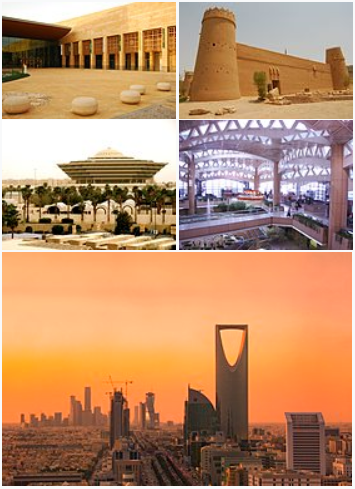
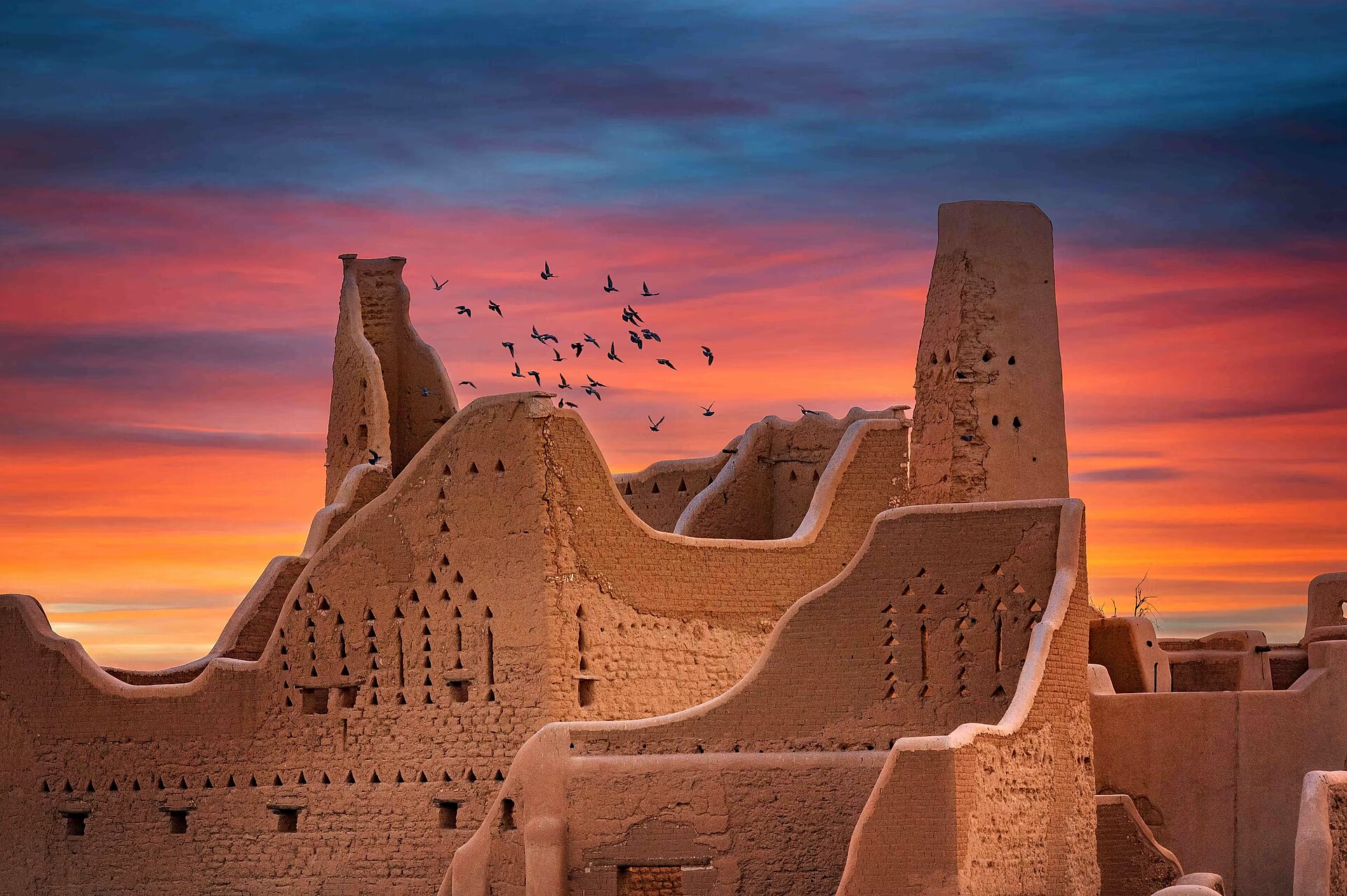
The capital is a city of contrasts — glass towers alongside the mud-brick Masmak Fortress where the modern Saudi state began. Don’t miss the National Museum, the Edge of the World (Jebel Fihrayn) day trip for dramatic cliff-edge views, and Diriyah’s UNESCO-listed At-Turaif quarter. Riyadh Season (October–March) brings concerts, festivals, and international events. See our full Riyadh Travel Guide for in-depth coverage.
Jeddah
The Red Sea gateway city has a more relaxed, cosmopolitan atmosphere than Riyadh. The UNESCO-listed Al Balad historic quarter, with its coral-stone merchant houses and carved wooden balconies (rawasheen), is the highlight. The Corniche waterfront stretches for 30 km along the Red Sea, and the city’s food scene is arguably the best in Saudi Arabia. See our Jeddah Travel Guide.
AlUla and Hegra
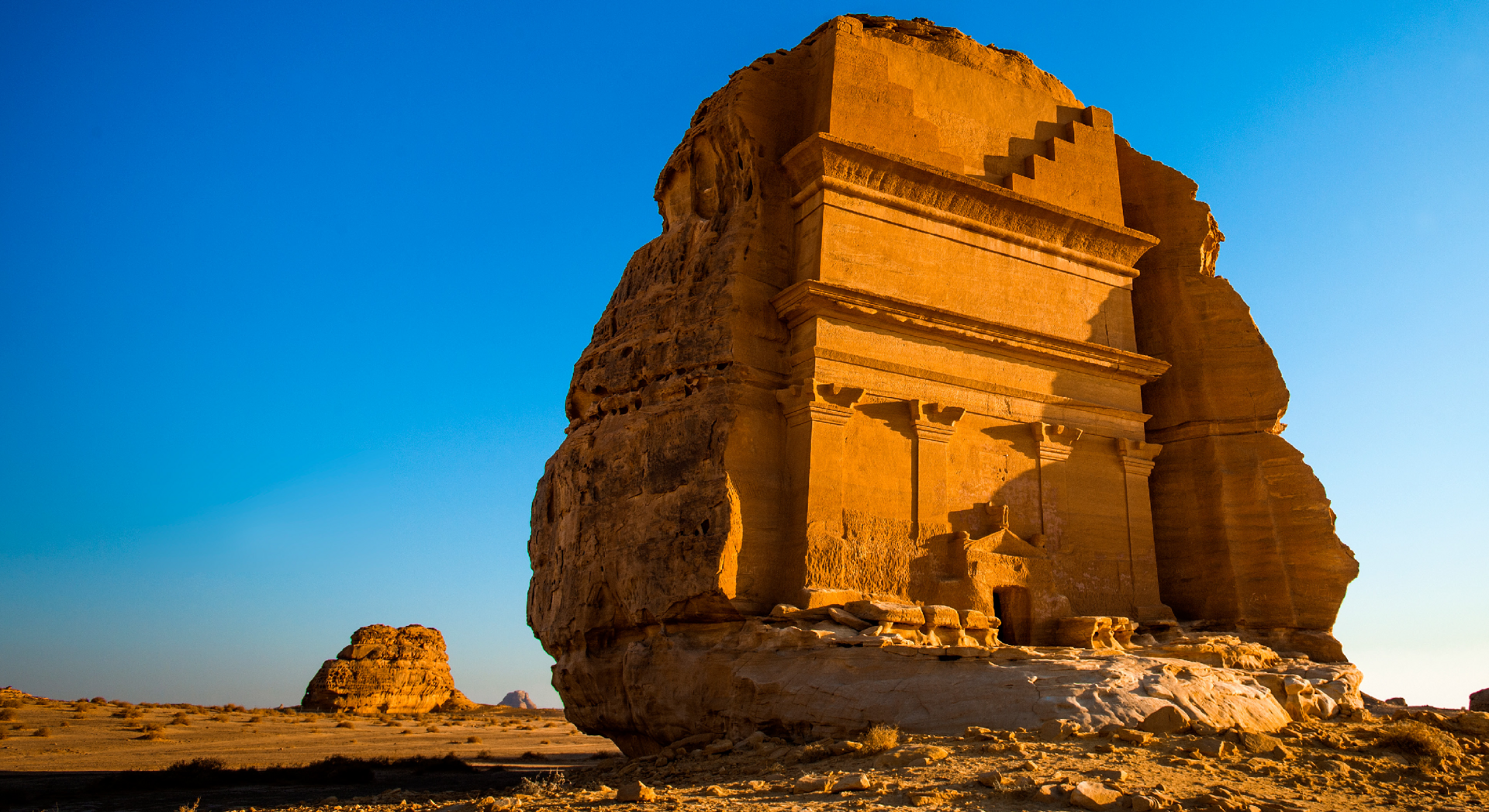
This is Saudi Arabia’s headline attraction for history lovers. Hegra (Mada’in Salih) is the Kingdom’s first UNESCO World Heritage Site — a Nabatean city of monumental rock-cut tombs, sister site to Petra in Jordan. The surrounding AlUla valley offers Elephant Rock, the ancient Dadan ruins, and the modern Maraya mirrored concert hall. Book AlUla well in advance; visitor numbers are managed to protect the sites.
Makkah and Madinah (for Muslim Travellers)
South Africa has a significant Muslim community, and performing Umrah is a major draw. With the tourist e-visa now covering Umrah, South African Muslims can combine pilgrimage with tourism on a single trip. Non-Muslims cannot enter Makkah or the Prophet’s Mosque precinct in Madinah — this is strictly enforced. Our Hajj 2026 Guide covers the pilgrimage process in detail.
The Red Sea Coast
South Africans who love the ocean will find Saudi Arabia’s Red Sea coast a revelation. The waters between Jeddah and NEOM host some of the world’s most pristine coral reefs, with visibility exceeding 30 metres. Diving and snorkelling are world-class, and the developing Red Sea Global resort project promises luxury island escapes. For South Africans used to the cold Atlantic or the warmer but often murky Indian Ocean, the Red Sea’s clarity and marine life are extraordinary.
Abha and the Asir Highlands
The green, mountainous southwest is nothing like the desert stereotype. Abha and the Asir region sit above 2,000 metres, with cool temperatures, terraced farms, and cloud forests. It’s Saudi Arabia’s answer to the Drakensberg — surprising and beautiful.
Getting Around Saudi Arabia
Domestic Flights
Saudi Arabia is vast (roughly twice the size of South Africa). Saudia (the national carrier) and budget airline flynas operate extensive domestic networks. Riyadh to Jeddah takes about 2 hours; Riyadh to AlUla about 1.5 hours. Domestic flights are affordable — often SAR 200–500 (R 870–R 2,175) one-way if booked in advance.
Car Rental and Road Trips
South Africans drive on the left at home, but Saudi Arabia drives on the right. This is the biggest practical adjustment. An international driving permit (IDP) alongside your South African licence is recommended, though many rental agencies accept a valid SA licence. Roads are excellent — multi-lane highways connect all major cities. Petrol is cheap (roughly R 10/litre), making road trips very cost-effective. Budget, Hertz, and local agencies are available at all major airports.
Driving tip: Saudi driving culture can be aggressive by South African standards, particularly in Riyadh. Speed cameras are everywhere — see our Saudi Arabia speed camera guide. Use Waze or Google Maps for navigation; they’re accurate and widely used locally.
Ride-Hailing
Uber and local app Careem (now owned by Uber) operate in all major Saudi cities. They are safe, affordable, and eliminate the hassle of parking. A typical cross-city ride in Riyadh costs SAR 25–50 (R 110–R 220).
Trains
The Haramain High-Speed Railway connects Makkah, Jeddah, King Abdullah Economic City, and Madinah — ideal for Umrah travellers. The SAR (Saudi Arabia Railway) runs between Riyadh and Dammam. Train travel is comfortable and affordable.
Practical Information
Time Zone
Saudi Arabia is on AST (Arabia Standard Time), UTC+3 — the same as South Africa’s SAST (UTC+2) plus one hour. This means minimal jet lag, which is a significant advantage compared to travelling to Europe or Asia.
Language
Arabic is the official language. English is widely spoken in hotels, malls, airports, and tourist sites, particularly in Riyadh and Jeddah. You will not struggle with English in tourist areas, but learning a few Arabic phrases (shukran = thank you, as-salaam alaikum = peace be upon you) is appreciated and opens doors.
SIM Cards and Internet
Buy a local SIM at the airport on arrival. STC (the largest network), Mobily, and Zain all offer tourist SIM packages with generous data. A 30-day tourist SIM with 20–50 GB of data costs SAR 75–150 (R 325–R 650). Coverage is excellent in cities; 5G is widespread. Note that VoIP calls (WhatsApp calls, FaceTime) work in Saudi Arabia. See our Saudi Arabia internet guide for details.
Power and Plugs
Saudi Arabia uses Type G (British three-pin) plugs at 220V/60Hz. South Africa uses Type M (large three-pin) and Type C (two-pin European). You will need a travel adapter — the universal adapters available at most South African travel shops work fine. See our power plug guide for specifics.
Health and Vaccinations
No specific vaccinations are required for South African tourists visiting Saudi Arabia on a standard tourist visa. However, meningitis (ACWY) vaccination is mandatory for Hajj and Umrah — you must present a valid certificate. COVID-19 vaccination requirements have been lifted. The e-visa includes basic medical insurance, but South Africans should consider additional travel insurance for comprehensive cover, especially for adventure activities or extended trips.
South African Embassy and Consulate
South Africa maintains diplomatic representation in Saudi Arabia:
Register with the South African Department of International Relations and Cooperation (DIRCO) travel registration system before your trip for consular assistance if needed.
Best Time to Visit
South Africans have a natural advantage: when it’s summer in SA (December–February), Saudi Arabia is in its pleasant winter season with daytime temperatures of 20–28 °C in Riyadh and Jeddah. This is the ideal time to visit.
| Season | Months | Temperature | Verdict |
|---|---|---|---|
| Saudi Winter | November–February | 15–28 °C | Best time — comfortable for sightseeing |
| Saudi Spring | March–April | 25–35 °C | Good, warming up but manageable |
| Saudi Summer | May–September | 38–50 °C | Extreme heat — only for experienced desert travellers |
| Saudi Autumn | October | 28–36 °C | Good — Riyadh Season begins |
If you’re visiting during South Africa’s June/July school holidays, be prepared for serious heat (40–50 °C in most of the country). The exception is Abha and the Asir highlands, which stay relatively cool year-round.
Sample Itineraries for South Africans
7-Day Classic Saudi: Riyadh + Jeddah
10-Day Culture + Desert: Riyadh + AlUla + Jeddah
5-Day Umrah + Jeddah (Muslim Travellers)
South Africa–Saudi Connections You Might Not Know
The two countries have deeper ties than most South Africans realise. Saudi Arabia was one of the first countries to invest significantly in post-apartheid South Africa. Trade between the two nations exceeded R 60 billion annually in recent years, driven by petrochemicals and mining sector links. SASOL (South African Synthetic Oil Limited) and Saudi Aramco have collaborated on refining technology. The South African Muslim community — concentrated in Cape Town, Johannesburg, and Durban — has maintained pilgrimage and educational ties with the Haramain for generations. For business travellers, the Saudi Vision 2030 diversification programme has created new opportunities in mining services, fintech, and renewable energy.
Common Mistakes South Africans Make
What South Africans Love About Saudi Arabia
South African visitors consistently highlight several surprises: the warmth of Saudi hospitality (Arabic coffee and dates offered at every turn), the incredible food scene (kabsa, mandi, fresh seafood in Jeddah, hole-in-the-wall shawarma joints), the safety (a welcome change for South Africans used to security concerns), and the sheer scale of the landscape — from the Rub’ al Khali (Empty Quarter) to the green Asir mountains. The complete Saudi Arabia Travel Guide covers all of these destinations in depth.
For first-time visitors, Saudi Arabia rewards curiosity and open-mindedness. It is not the austere, closed country of old stereotypes — it is a nation in rapid transformation, with world-class infrastructure, ancient heritage, and a genuine desire to welcome international visitors.