
Shawarma is the undisputed king of Saudi street food, and nowhere is the competition fiercer than in Riyadh. From hole-in-the-wall shops where the spit never stops turning to modern chains that have reinvented the wrap, the capital serves millions of shawarma every week. Whether you are building a wider Saudi Arabia travel itinerary or simply looking for the best late-night bite in town, this guide walks you through the restaurants, neighbourhoods, and ordering tips that separate a forgettable wrap from an unforgettable one. Riyadh’s shawarma scene rewards the curious — the best spots are often the least photogenic, the queues are part of the ritual, and the garlic sauce is always homemade.
Best Time to Visit: October to March (cooler evenings are peak shawarma season; Ramadan hours shift late-night culture)
Getting There: Most shawarma shops are within 15 minutes of central Riyadh by car or ride-hail; Olaya Street and Batha have the densest clusters
Visa Required: Yes — tourist e-visa available online
Budget: SAR 5–30 per meal ($1.30–$8 USD) — shawarma is one of the cheapest meals in the Kingdom
Must-Try: Mama Noura chicken shawarma, Shawarma Abulaban garlic wrap, Shawarmer beef pomegranate molasses
Avoid: Ordering during peak lunch rush (1–2 PM) at popular spots — the queues can stretch 30 minutes
Why Riyadh Is Saudi Arabia’s Shawarma Capital
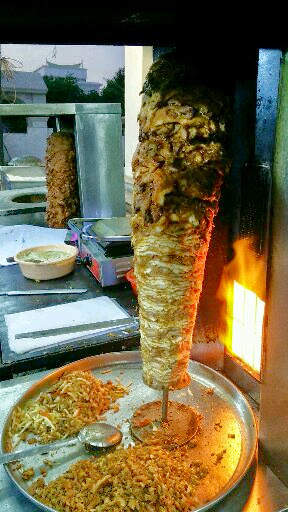
Every Saudi city has its shawarma loyalists, but Riyadh has structural advantages the others cannot match. The capital’s population of over eight million — bolstered by a massive migrant workforce from Syria, Lebanon, Egypt, and Pakistan — has created a shawarma ecosystem where Levantine technique, Gulf seasoning, and South Asian spice traditions collide. Competition is ruthless: a shop that drops its quality loses its queue within a week, and a queue in Riyadh is the only review that matters.
The city’s layout helps, too. Riyadh sprawls, which means neighbourhood shawarma shops serve loyal micro-communities rather than tourist foot traffic. A place like Shawarma Shakir in Malaz has been feeding the same families for years, while the Olaya corridor caters to office workers who need a SAR 8 lunch that arrives in three minutes. If you are exploring the broader Riyadh street food scene, shawarma is the anchor around which everything else orbits.
The Legends: Riyadh’s Most Famous Shawarma Shops
Mama Noura
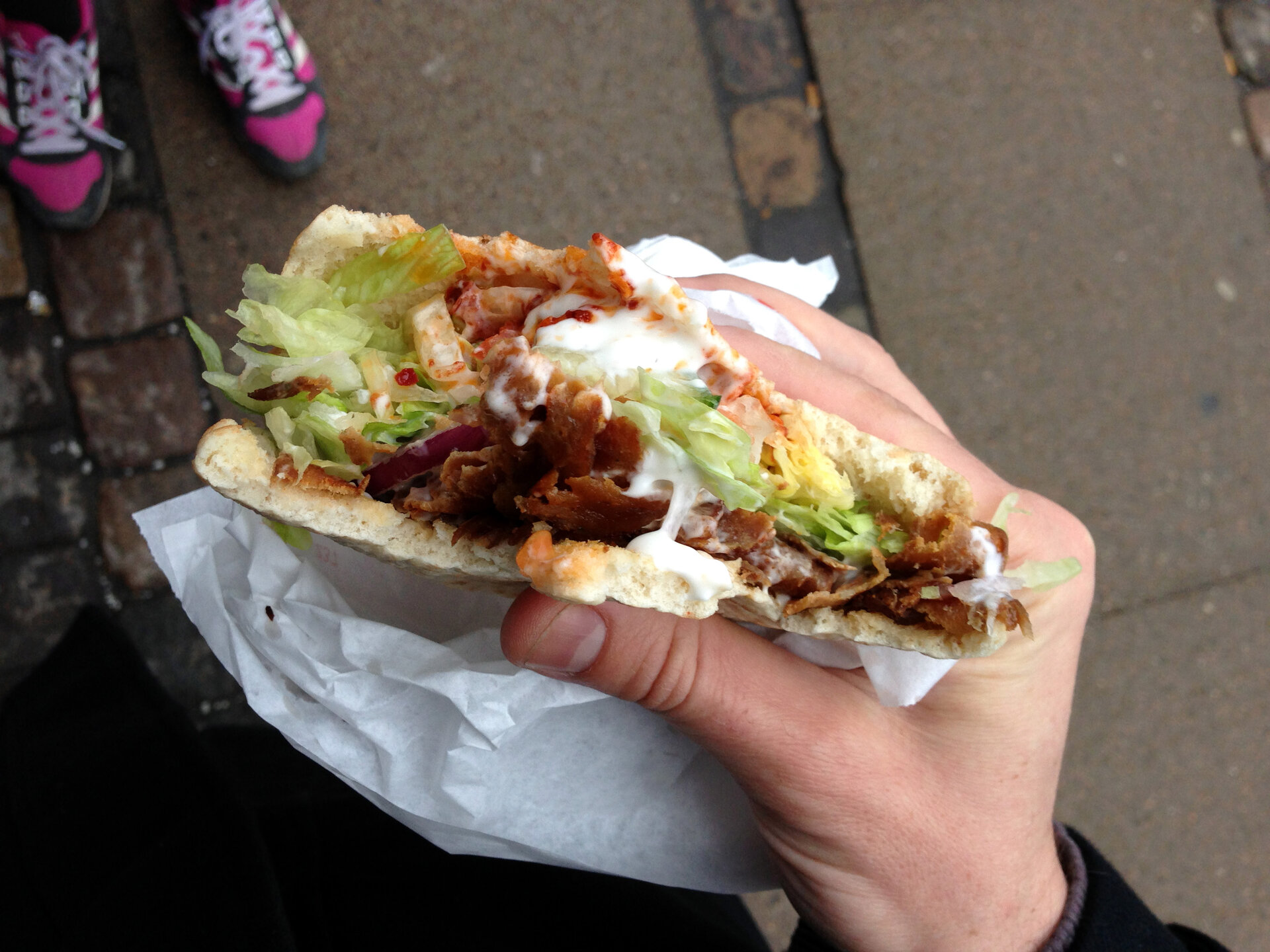
No shawarma guide to Riyadh can begin anywhere else. Mama Noura has been operating for over three decades, with seven branches across the city, and remains the default answer when any Riyadh resident is asked where to get shawarma. The chicken shawarma — juicy, slightly greasy, wrapped in thin Arabic bread with pickles and a sharp garlic sauce — is the benchmark against which every competitor is measured. Plates are generous and arrive fast. The queues at peak hours are legendary, but they move quickly because the kitchen never stops.
What to order: Chicken shawarma sandwich (SAR 6–8) or the chicken shawarma plate with extra garlic sauce. The beef option is solid but the chicken is why people drive across town.
Locations: Seven branches including Olaya, Sulaimaniyah, and Exit 5. The Olaya branch on Tahlia Street is the most accessible for visitors.
Tip: Visit during off-peak hours — before noon or after 10 PM — to skip the queue. The meat is freshest in the early evening when the dinner rush begins and the spit has been turning all day.
Shawarma Abulaban
If Mama Noura is the establishment, Abulaban is the insurgent. Tucked into the Olaya district, this unassuming shop has built a cult following on two things: the juiciest chicken wrap in Riyadh and a house-made garlic sauce — toum — that regulars describe in near-religious terms. The toum is thick, pungent, and whipped to an almost mayonnaise-like consistency. It transforms a good shawarma into something addictive. Abulaban does not try to be fancy; the menu is short, the space is small, and the focus is absolute.
What to order: Chicken shawarma with extra toum. Always extra toum.
Al Baik
Al Baik is primarily known as Saudi Arabia’s fried chicken empire, but its shawarma offerings have earned a serious following of their own. The chain, which began in Jeddah in 1974 and expanded to Riyadh, brings industrial consistency to the wrap — every sandwich tastes the same whether you buy it in Sulaimaniyah or Al Naseem. The chicken shawarma sandwich is affordable (under SAR 10), filling, and available at every branch. Al Baik is not where connoisseurs go to debate marinade technique, but it is where millions of Saudis go when they want a reliable shawarma without the queue drama. If you are arriving from Jeddah’s street food scene, Al Baik will feel like familiar ground.
The Innovators: Modern Shawarma in Riyadh
Shawarmer
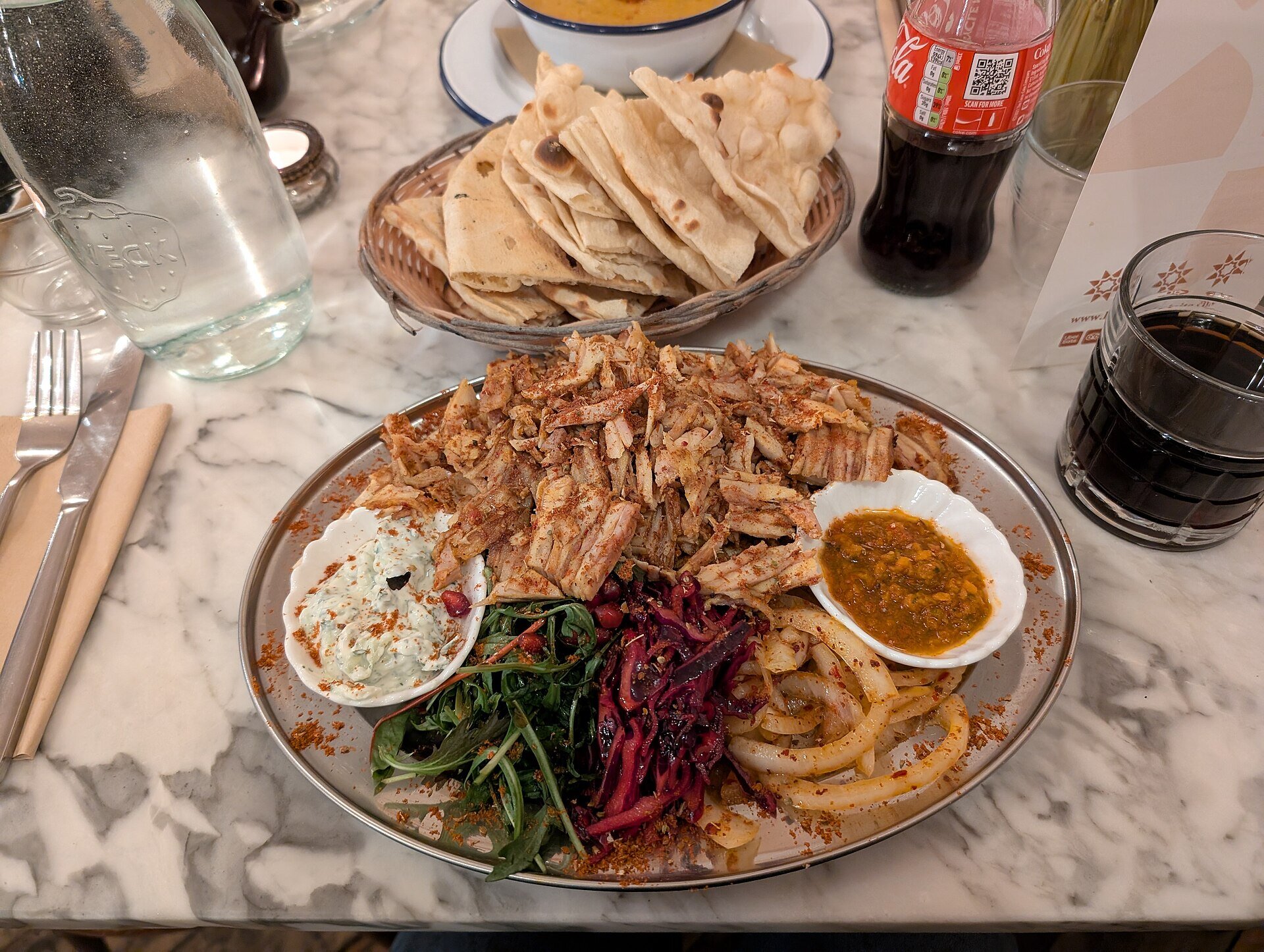
Shawarmer opened its first branch in Riyadh in 1999 and now operates over 115 branches across 22 Saudi cities. It is the closest thing the Kingdom has to a shawarma institution that also innovates. The menu goes well beyond the classic wrap: beef shawarma with pomegranate molasses, chicken with truffle sauce, and seasonal specials that rotate quarterly. The presentation is clean, the portions are consistent, and the brand understands that younger Saudi diners want options without sacrificing authenticity. The beef shawarma with pomegranate molasses is the signature — tangy, rich, and unlike anything you will find at a traditional shop.
What to order: Beef shawarma with pomegranate molasses (SAR 15–18). The chicken classic is also reliable.
Locations: Over 20 branches in Riyadh including Granada Mall, Al Nakheel, and Olaya.
Ayedh Shawarma
Ayedh is for spice lovers. Located on Abi Bakr As Siddiq Branch Road in Al Mursalat, this shop runs big rotisseries of shredded, juicy chicken seasoned far more aggressively than the Levantine-style places. The signature sauces — a fiery red and a creamy herb — are what separate Ayedh from the pack. This is shawarma with a distinctly Saudi flavour profile, borrowing heat levels from Yemeni and Hijazi traditions rather than the milder Syrian approach that dominates most Riyadh shops.
What to order: Chicken shawarma with both sauces. Ask for harr (spicy) if you want the full experience.
Hours: Saturday to Thursday 11 AM–4 PM, Friday 1 PM–4 AM. The Friday late-night session is the best time to visit.
Allo Beirut
Born in Dubai and transplanted to Riyadh’s Olaya Street, Allo Beirut brings Lebanese diner energy to the shawarma game. The servings are generous, the meat is tender, and the atmosphere is more sit-down restaurant than street stall. Allo Beirut is where you go when you want shawarma with hummus, fattoush, and a cold lemonade on the side — the full Levantine spread. It sits at the higher end of the shawarma price range (SAR 20–35 for a meal), but the quality justifies the premium.
The Hidden Gems: Where Locals Actually Eat
Shawarma Shakir
In Malaz — one of Riyadh’s oldest and most characterful neighbourhoods — Shawarma Shakir has been serving thinly sliced, well-seasoned chicken and beef wraps at prices that feel almost charitable. A sandwich costs SAR 5–7. The shop is small, the decor is minimal, and the meat is sliced so thin it practically melts. Shakir is the kind of place where taxi drivers eat, which in any Middle Eastern city is the highest possible endorsement. If your Riyadh brunch plans leave you looking for something more casual later, Shakir is the antidote.
What to order: Two chicken shawarma sandwiches. At these prices, one is never enough.
Genneh
Genneh operates four branches in Riyadh and takes a no-frills approach that strips shawarma back to its essentials. The chicken shawarma is the star, though the menu also covers broasted chicken and fried fish. What makes Genneh worth seeking out is the consistency: every branch delivers the same tightly wrapped, well-seasoned sandwich. It is the kind of chain that feels local — no flashy branding, no social media gimmicks, just reliable food at honest prices.
Shawarma Jalila
One of Riyadh’s busiest shawarma spots, Jalila offers everything from shawarma plates with generous chicken or beef servings to quick on-the-go sandwiches in Arabic bread. The shop thrives on volume — the spit turns constantly, which means the meat is always fresh. Jalila is particularly popular for takeaway: office workers, families picking up dinner, and late-night crowds all converge here. The beef shawarma plate with tahini is the sleeper hit on the menu.
Alluluah Shawarma
A genuine hidden gem that has been gaining word-of-mouth momentum. Alluluah takes a traditional, straightforward approach — good meat, proper seasoning, fresh bread — and executes it with the kind of care that larger chains struggle to maintain. The garlic sauce is made in-house daily, and the chicken is marinated for a minimum of eight hours before hitting the spit. It does not appear on most tourist lists, which is precisely why the regulars want to keep it that way.
Golden Saj
Golden Saj earns its name: the bread here is baked on a saj — a domed metal griddle — rather than the standard flat bread most shops use. The result is a thinner, crispier wrap with slight char marks that add a smoky dimension to the shawarma. The menu is extensive, covering chicken, beef, and mixed plates, and you can order your shawarma stuffed in a wrap, served on a plate, or paired with hummus. It is one of the few Riyadh shops where the bread itself is a reason to visit.
Shawarma by Neighbourhood
Riyadh’s shawarma geography follows the city’s social geography. Each district has its own character, and its shawarma shops reflect that character.
| Neighbourhood | Character | Top Shawarma Spot | Price Range (SAR) |
|---|---|---|---|
| Olaya / Tahlia | Business district, upscale dining corridor | Mama Noura, Allo Beirut, Shawarma Abulaban | 8–35 |
| Malaz | Old Riyadh, working-class, dense street food | Shawarma Shakir | 5–10 |
| Al Mursalat | Residential, family-oriented | Ayedh Shawarma | 7–15 |
| Batha | Historic core, migrant communities, 24-hour food | Walk-in shops (no single dominant name) | 3–8 |
| Al Naseem / Exit 5 | Suburban, mall-adjacent | Mama Noura, Shawarmer | 6–18 |
| Sulaimaniyah | Mixed residential-commercial | Al Baik, Genneh | 5–12 |
For the most adventurous eating, head to Batha after dark. The area around the old souk is dense with Syrian, Yemeni, and Pakistani-run shawarma shops that serve until the early hours. Prices here are the lowest in the city — SAR 3–5 for a sandwich — and the quality can be extraordinary if you follow the queues. This is also the best area to try shawarma arayes: grilled flatbread stuffed with shawarma meat and cheese, pressed on a griddle until crispy.
Chicken vs Beef: The Riyadh Debate
In Riyadh, chicken shawarma outsells beef by roughly three to one. The chicken is marinated in a blend of yoghurt, lemon, garlic, and spices — typically cumin, cardamom, turmeric, and paprika — then stacked on the spit in alternating layers of breast and thigh meat. The thigh layers are crucial: they keep the leaner breast meat moist as the fats render during rotation.
Beef shawarma (shawarma lahm) uses thinly sliced cuts — often a mix of sirloin and rump — marinated with vinegar, allspice, and cinnamon. It is richer, denser, and pairs better with tahini than with garlic sauce. Beef shawarma is typically SAR 2–5 more expensive than chicken and takes longer to cook properly, which is why some shops only serve it during dinner hours when demand justifies the spit.
The local move: Order a mix plate — half chicken, half beef — with both garlic sauce and tahini on the side. This way you get the full spectrum without committing to one protein. Most shops will accommodate this request even if it is not on the menu.
How to Order Shawarma Like a Local
Knowing the vocabulary transforms the experience. Here is what you need at the counter:
- Sandwich (sandawich): The default wrap in Arabic bread. This is what you get if you just say “shawarma.”
- Plate (sahn): Shawarma meat served on a plate with sides — fries, pickles, garlic sauce, bread on the side. Better for sit-down meals.
- Meal (wajba): Sandwich plus fries plus drink. The combo deal.
- Extra garlic (ziyadah toom): The three most important words in Riyadh dining.
- Spicy (harr): Adds chilli sauce or fresh chillies.
- Without pickles (bidoon makhalil): Useful if you are sensitive to vinegar.
- Arabic bread (khubz arabi): The standard wrap. Thinner and chewier than pita.
- Saj bread (khubz saj): Thinner, crispier, available at select shops.
- Shawarma plate (sahn shawarma): Carved meat on a bed of rice or fries, with salad, pickles, and sauces. The sit-down option.
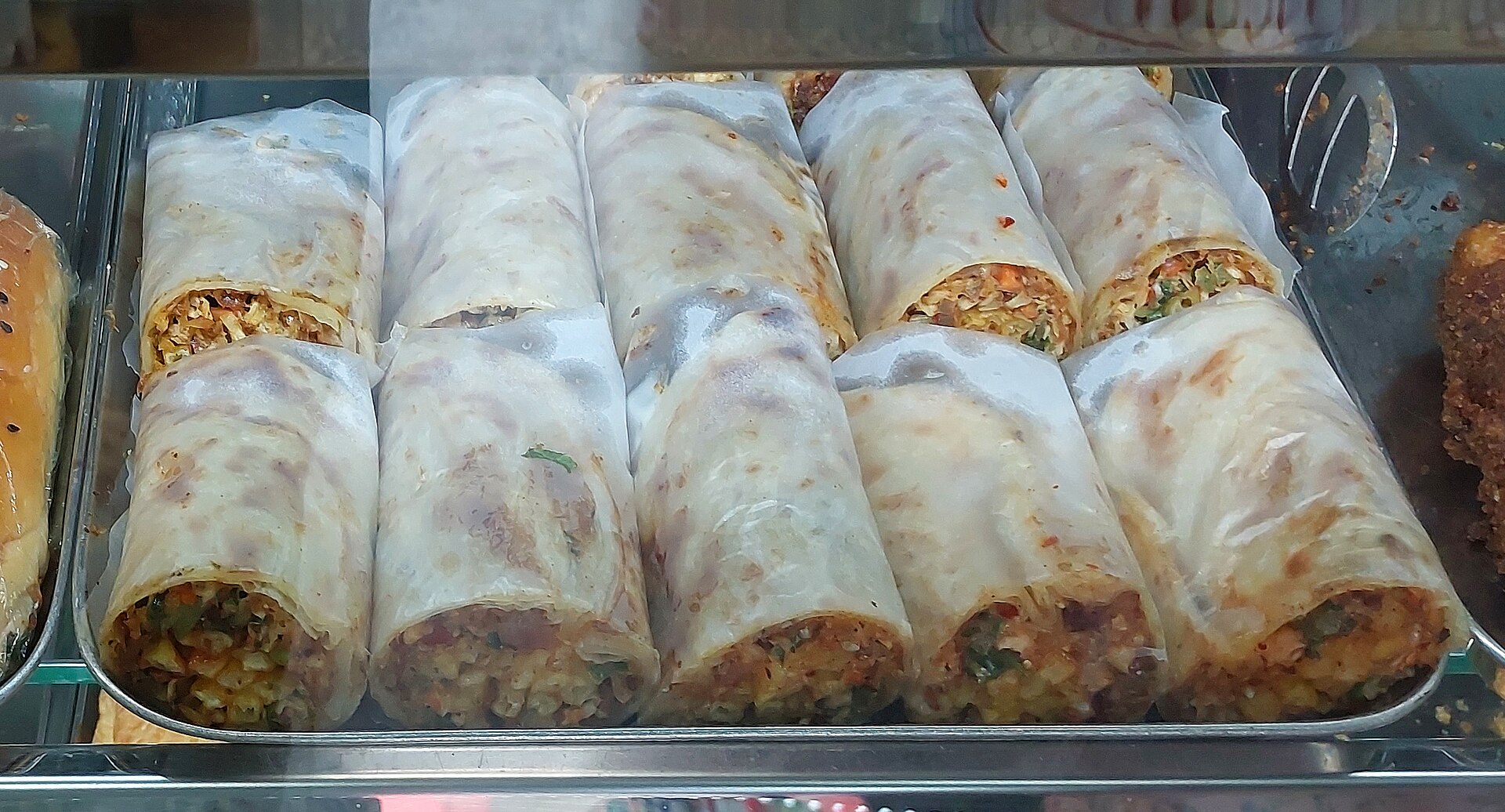
- Shawarma arayes: Flatbread stuffed with shawarma meat and cheese, grilled on a press. Crispy outside, molten inside. A Batha specialty.
- Shawarma fatayer: Pastry pockets filled with shawarma meat. Bakeries across the city make these fresh every morning.
- Shawarma pizza: Exactly what it sounds like — and it works. Several modern Riyadh eateries top their pizza bases with shawarma meat, garlic sauce, and pickled vegetables.
- Shawarma bowl: The health-conscious option. Shawarma meat over salad greens, hummus, and tabbouleh. Shawarmer popularised this format.
- The bread: Riyadh defaults to thin Arabic bread (khubz arabi) rather than the thicker pita used in the Levant. This creates a tighter, denser wrap where the meat-to-bread ratio favours the protein.
- The garlic sauce: Riyadh’s toum is whipped longer and served more generously than in most Lebanese restaurants. It is the primary condiment, not a side option.
- The spice level: Saudi shawarma generally carries more warmth — cardamom, cumin, and occasionally chilli — than the milder Levantine profile.
- The meat: Chicken dominates. In Beirut and Istanbul, lamb and beef are king. In Riyadh, chicken outsells everything else, and the best shops use a mix of thigh and breast for optimal moisture.
- The culture: Shawarma in Riyadh is not a quick snack — it is an event. Families order platters, friends meet at their regular shop, and the late-night shawarma run is a social institution.
- Timing matters: The best shawarma is served between 6 PM and midnight, when the spit has been turning long enough for the outer layers to caramelise but the inner layers are still moist.
- Cash backup: Most places accept cards, but the very cheapest stalls in Batha and old Riyadh may be cash-only. Keep SAR 30 on hand.
- Delivery vs. in-person: Shawarma degrades fast. A 20-minute delivery ride can turn a great wrap into a soggy one. Eat at the counter or in the car park for the best experience.
- Ramadan hours: During Ramadan, shawarma shops close during daylight and reopen after iftar (sunset). The post-iftar rush — roughly 7–9 PM — is the busiest period of the year. Late-night hours extend to 3–4 AM during the holy month.
- Hygiene: Riyadh’s food safety standards are enforced by the Saudi Food and Drug Authority (SFDA). Licensed shops display an inspection certificate. Stick to busy, licensed establishments and you will have no issues.
- Pair with drinks: The classic accompaniment is a cold laban (salted buttermilk) or a fresh lemon-mint juice. Both cut through the richness of the garlic sauce.
- Saudi Arabia Travel Guide 2026 — The complete guide to visiting the Kingdom
- Riyadh Street Food Guide — The best spots and what to order beyond shawarma
- Saudi Kabsa Guide — The national dish explained, with the best restaurants by city
- Mandi in Saudi Arabia — Slow-cooked rice and meat perfection across the Kingdom
- Best Brunch in Riyadh — Buffets, brunches, and bottomless weekend dining
- Saudi Arabia Visa Guide — Every visa type explained
Payment is almost universally by card — Saudi Arabia has one of the highest cashless adoption rates in the world — but keep SAR 20–30 in cash for the smallest street stalls in Batha and Malaz. Most shawarma shops also accept orders through delivery apps like HungerStation, Jahez, and Careem, though the shawarma always tastes better eaten within 60 seconds of being wrapped.
Late-Night Shawarma: Riyadh After Dark
Riyadh is a late city. Dinner rarely starts before 9 PM, and the shawarma shops that matter most come alive after midnight. Friday nights are the peak: families, groups of friends, and solo diners converge on their favourite shops between midnight and 3 AM. The atmosphere is part of the experience — car parks full, counter staff working at speed, the smell of roasting meat carrying across the street.
The best late-night shawarma corridors are along Olaya Street (where Mama Noura and Abulaban stay open past midnight), King Fahd Road (cluster of shops near the Kingdom Tower), and the Batha district (24-hour operations that never close). If you are staying in one of the best hotels in Riyadh, most concierge desks can point you to the nearest late-night shawarma — it is the single most common food question they receive.
Beyond the Wrap: Other Ways to Eat Shawarma
The wrap is the default, but Riyadh’s shawarma shops have developed a full ecosystem of formats:
What Makes Riyadh Shawarma Different
Travellers who have eaten shawarma in Istanbul, Cairo, Beirut, or Amman will notice that Riyadh’s version has its own identity. The key differences:
Practical Tips for Shawarma Hunting in Riyadh
Follow the queue. In Riyadh, a queue outside a shawarma shop is the most reliable quality indicator. If a shop is empty at 9 PM, there is usually a reason. If it has a 15-minute line, join it.
If you are planning your first visit to the Kingdom, the Saudi Arabia visa guide covers everything you need to enter the country. For broader food exploration, the kabsa guide and the mandi guide cover the other pillars of Saudi dining.
Getting Around Riyadh’s Shawarma Spots
Riyadh’s shawarma shops are spread across a city that stretches over 1,500 square kilometres, so you will need transport. Uber and Careem are the most convenient options — rides between central neighbourhoods typically cost SAR 15–25. The Riyadh Metro, which opened its first lines in 2024, connects some key areas but does not yet reach every shawarma neighbourhood. For a full shawarma crawl, a rental car gives you the most flexibility.
If you are combining a shawarma tour with broader sightseeing, the Riyadh cafe guide covers the best spots for a post-shawarma coffee, and the Saudi breakfast guide will set you up for the morning after a late-night shawarma run. Visitors staying longer should also explore Saudi coffee culture — a qahwa with dates before your shawarma is the proper Saudi way to begin an evening meal.