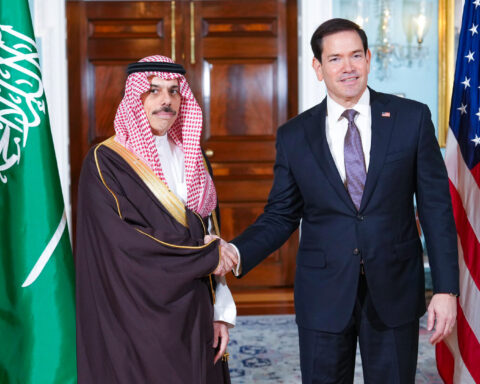
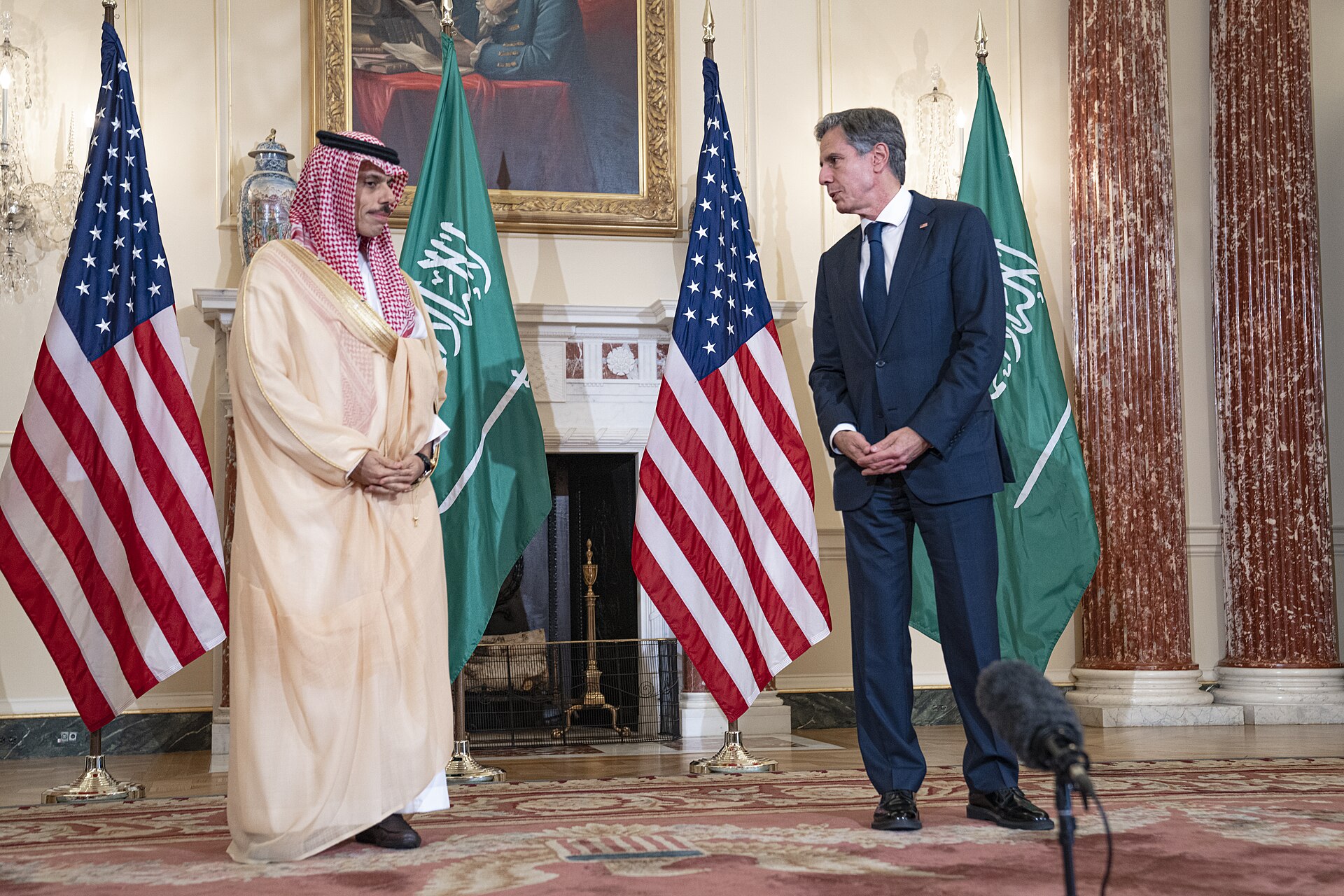
RIYADH — Saudi Foreign Minister Prince Faisal bin Farhan called Pakistan’s Foreign Minister Ishaq Dar on July 3, 2026 — hours after Pakistani and Qatari mediators announced “positive progress” in the second round of US-Iran indirect talks in Doha — to review implementation of the Islamabad Memorandum of Understanding and praise Islamabad’s mediation role, according to Arab News Pakistan and the Express Tribune.
The call formalizes what has been an informal arrangement since April: Saudi Arabia holds no seat at the Doha negotiations and is excluded from all three active mediation tracks, according to the Stimson Center. Riyadh receives its briefings through Pakistan — an arrangement driven by the Kingdom’s financial exposure under the Persian Gulf Shipping Agreement, estimated at $5.5 million per day once the current fee waiver expires on August 18.
Table of Contents
The Call and What It Disclosed
Prince Faisal, according to the Express Tribune, appreciated Pakistan’s “steadfast commitment to the implementation of the Islamabad MoU and its continued role in advancing dialogue and promoting lasting peace in the region.” Dar reciprocated with a briefing on the second Doha round, which ran July 1-2 and involved separate indirect sessions between US and Iranian delegations who did not meet face-to-face, with Pakistan and Qatar serving as co-mediators, The National reported.
Both sides expressed “satisfaction with positive progress” in the Doha talks, the Express Tribune reported. Dar told Pakistani media: “Today, Pakistan is being recognised across the world as a peacemaker.”
The call came within hours of the Doha round’s conclusion, before any public readout from Washington or Tehran on what the “positive progress” entailed. Saudi Arabia’s foreign minister received a co-mediator’s briefing before the parties themselves disclosed their positions. The second Doha round ended with process wins on working groups and a newly established communication channel but no resolution on the Hormuz fee dispute or the $3 billion frozen-asset question.
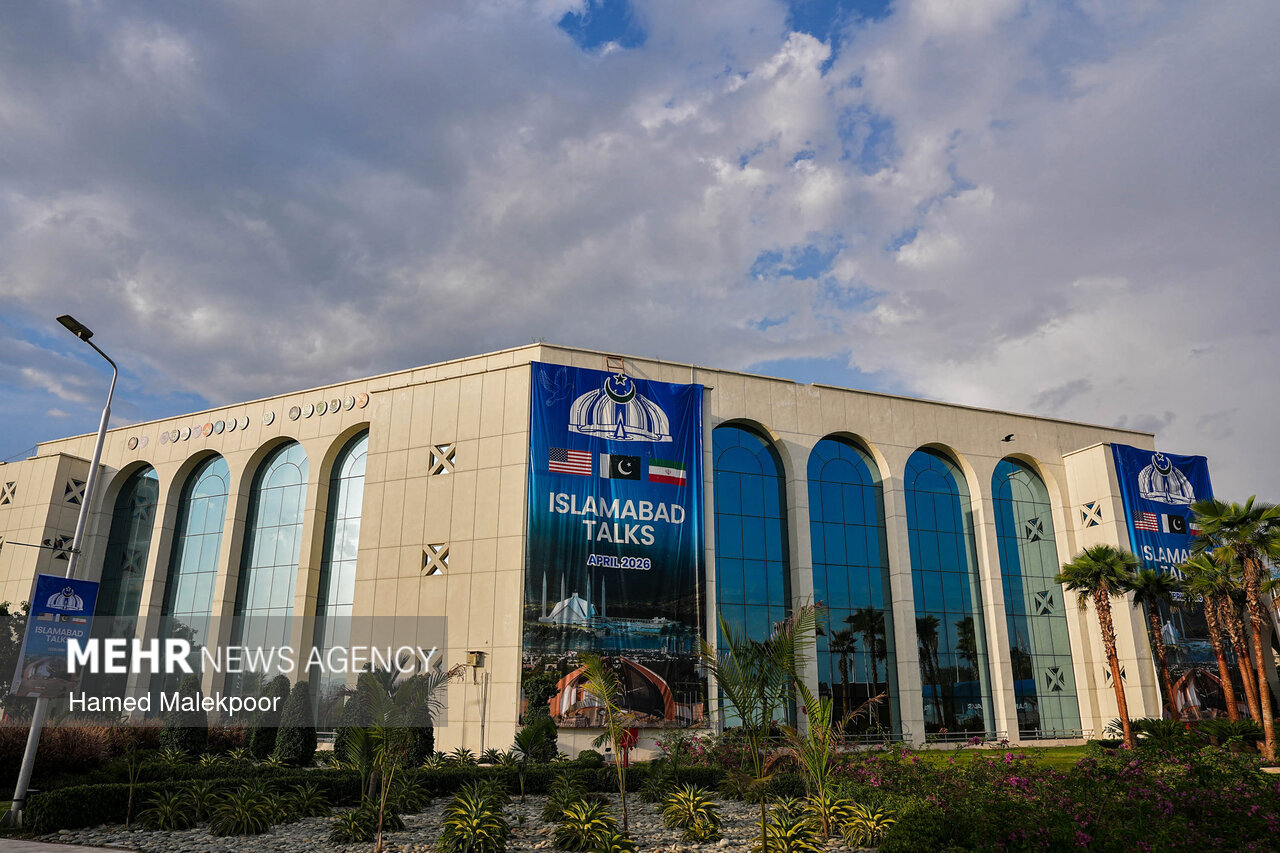
This was not the first such debrief. After the first Islamabad round of talks in April 2026, PM Shehbaz Sharif flew directly to Riyadh, then on to Doha and Ankara, according to Al Jazeera — establishing the post-round briefing model that the Faisal-Dar call now continues by phone.
The Middle East briefing 3,000+ readers start their day with.
One email. Every weekday morning. Free.
Why Is Riyadh Briefed but Not Seated?
The Islamabad MOU, signed June 17, 2026, designates Pakistan and Qatar as co-mediators for Phase 2 implementation. Saudi Arabia is not named in any mediation role. The Stimson Center has documented that Riyadh holds zero seats across all three active tracks: the Pakistan civilian channel run through PM Sharif, the Pakistan military back-channel operated by Army Chief Field Marshal Asim Munir through an IRGC liaison, and the Qatar channel.
Saudi Arabia participated in the June 2026 GCC joint statement calling for a deal that addresses “the full spectrum of Iran’s threats” — language negotiated at the 167th GCC Ministerial in Bahrain. A joint statement and a seat at bilateral negotiations are different instruments. The GCC statement sets conditions; the Doha table sets terms. Saudi Arabia’s name appears in the former but not the latter.
The financial stakes compound the exclusion. Saudi Arabia’s pre-war export volume through the Strait of Hormuz — approximately 5.5 million barrels per day — underpins the daily fee exposure under the PGSA framework. Over the remaining days of the MOU’s 60-day Phase 2 window, the cumulative bill reaches approximately $253 million.
Riyadh’s response has been to construct bilateral security relationships with the states that do hold Doha seats or Tehran access — Turkey, Pakistan, Egypt, and Qatar — rather than to press for direct inclusion. The Faisal-Dar call is the clearest public expression of that approach: a scheduled debrief from a co-mediator to a non-party, placed within hours of the round’s conclusion.
Pakistan’s former president Asif Ali Zardari noted that Saudi Arabia “supported [the] process more informally” during the April Islamabad talks — a description that applies equally to the July 3 call.
The Defence Pact and the Neutrality Question
Pakistan’s credibility as a neutral mediator operates alongside a formal military alliance with one of the process’s largest stakeholders. In September 2025, Riyadh and Islamabad signed a Strategic Mutual Defence Agreement stipulating that “a military attack against one is considered an aggression against both,” according to Chatham House’s analysis of the pact. Pakistan deployed troops and fighter jets to Saudi Arabia on April 11, 2026 — the same day it opened US-Iran talks in Islamabad.
Chatham House concluded that the defence agreement “cast a shadow over [Pakistan’s] credibility as a peacemaker and neutral host.” The Council on Foreign Relations, assessing the same period, reached a different emphasis: “Pakistan actually achieved something many diplomats from wealthy democracies and leading global organizations had failed at for nearly five decades: producing direct talks between Washington and Tehran.”
Iran’s response has been acquiescence rather than protest. Neither IRNA nor Tasnim — Iran’s two principal state news agencies — have publicly challenged Pakistan’s dual role as Saudi defence partner and Doha co-mediator. The Stimson Center and CFR have assessed that Tehran calculates Pakistan’s energy dependence on Iran — specifically the stalled Iran-Pakistan-India gas pipeline — creates a counterweight to the Saudi defence relationship.
Field Marshal Munir tested that counterweight directly during the first Islamabad talks cycle in April 2026. The Al Jazeera Centre for Studies reported that Munir spent three days in Tehran engaging Iranian leadership, running a parallel military back-channel while bound by the mutual defence treaty with Riyadh. Pakistan’s chief of army staff, a signatory to a Saudi defence pact, held those meetings with Iranian commanders — and returned to a mediation architecture still intact.
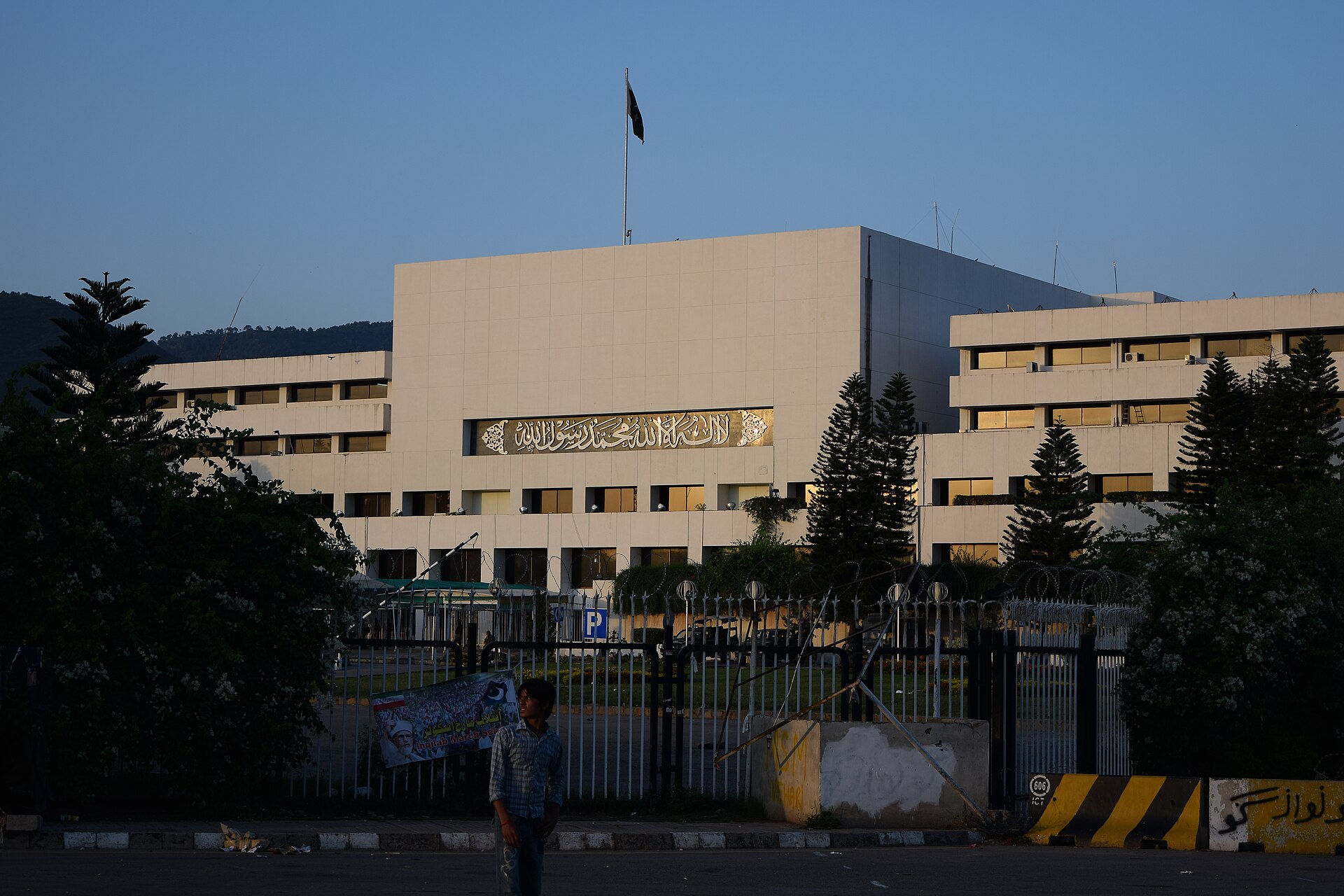
What Does Pakistan Gain at Doha That Saudi Arabia Does Not?
The interests of mediator and briefing recipient diverge on at least one concrete point. Iran invested $2 billion in its segment of the Iran-Pakistan-India gas pipeline and completed construction on its side of the border, according to Global Energy Monitor. Pakistan’s segment remains stalled at 80 kilometres under construction, blocked by the threat of US secondary sanctions. A sanctions waiver for the IPI pipeline — achievable through MOU implementation or a broader deal — would be a direct material benefit to Pakistan with no equivalent Saudi counterpart.
The financial dependency runs in the opposite direction. Pakistan relies on Saudi Arabia, Qatar, and other Gulf states for more than 85 percent of its oil imports and nearly all of its liquefied natural gas, the Stimson Center reported. Saudi Arabia holds $8 billion in deposits at Pakistan’s State Bank — a sum that functions as both a bilateral commitment and a pressure instrument. The two countries have concluded 34 bilateral agreements since 2024, amounting to over $2.8 billion in commitments with a stated Saudi investment appetite of $10 billion, according to Arab News.
The asymmetry creates a specific tension for Pakistan’s mediation posture. Saudi Arabia needs Pakistan to relay its preferences inside the Doha process. Pakistan needs Saudi deposits, oil supply, and investment to remain solvent. But Pakistan also needs Iranian gas — and a successful MOU outcome could unlock the sanctions waiver that delivers it. A mediator with a material stake in one side’s cooperation faces constraints on how forcefully it can advocate for the other side’s position.
The July 3 call readouts, distributed by both the Express Tribune and Arab News Pakistan, disclosed praise and “satisfaction” but no policy substance. What Dar communicated about Saudi preferences on the PGSA fee structure, the frozen-asset question, or Hormuz governance — and whether those preferences featured in the conversation at all — was not addressed in any public account of the call.
The Tehran Funeral and the Access Gap
PM Sharif will travel to Tehran on July 4 for the funeral of Supreme Leader Ayatollah Ali Khamenei, accompanied by Dar, Geo.tv reported on July 2. The Doha talks are paused from July 4 to July 9 for the funeral period. During that window, Pakistan’s prime minister and foreign minister will be present in the Iranian capital while Saudi Arabia’s most senior officials will not.
No GCC head of state has been confirmed as attending the ceremony. The last senior Saudi official to visit Tehran was Prince Faisal himself, at former President Raisi’s funeral in May 2024. Saudi Arabia’s military attaché was expelled from Tehran in March 2026. China is sending He Wei as its representative; Iranian state media reported more than 30 countries confirming delegations, with zero GCC states on the published attendance list.
Sharif’s Tehran visit extends Pakistan’s mediator access into a space Riyadh cannot reach. Prince Faisal’s recent trip to Beijing — where he secured Hormuz freedom-of-navigation language that China had denied Tehran — demonstrated the Kingdom’s capacity for bilateral manoeuvre with willing partners. Tehran is a different proposition: a funeral for a leader Saudi Arabia has not publicly mourned, hosted by a government that expelled the Saudi military attaché four months ago.
Iran’s new supreme leader, Mojtaba Khamenei, is 16 weeks into his tenure and has not been formally recognised by Saudi Arabia. Sharif’s presence at the funeral places Pakistan’s prime minister alongside a new Iranian leadership circle at Mojtaba Khamenei’s first major public event as supreme leader.
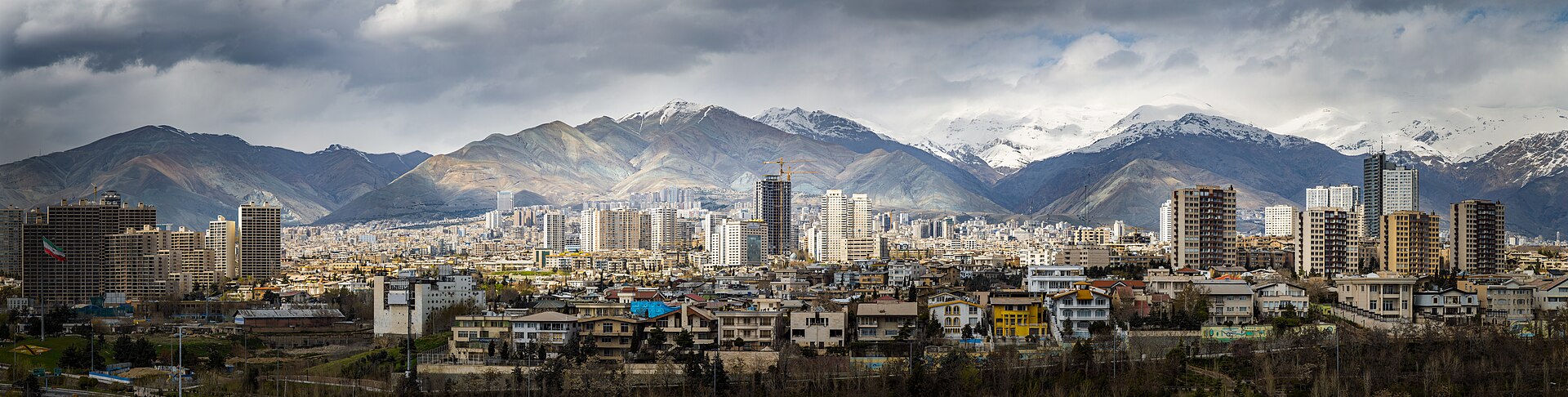
From Islamabad to Doha: How the Mediation Was Built
The architecture that produced the Faisal-Dar briefing call originated in the 108-day US-Israel-Iran war and the ceasefire brokered on April 8, 2026. The Islamabad MOU, signed June 17, codified Pakistan and Qatar as co-mediators for a 60-day Phase 2 implementation period — now at Day 16 of 60. The second Doha round was the first formal test of whether the co-mediation model could produce results under Phase 2’s compressed timeline.
The format has held across both rounds: shuttle diplomacy with no direct contact between US and Iranian delegations. Pakistan and Qatar move between the two sides, relaying positions and proposals. The Al Jazeera Centre for Studies assessed Pakistan’s method as “shuttle diplomacy, backchannel communication, and step-by-step proposals based on gradual confidence-building measures” — an approach adapted from the model that produced the original April ceasefire in Islamabad.
Saudi Arabia’s influence on the process operates through financial instruments — deposits, agreements, energy supply — rather than through diplomatic presence. Those instruments give Riyadh structural weight over Pakistan’s calculations but no direct voice in what the co-mediators propose at the Doha table. The International Institute for Strategic Studies has assessed that the MOU “almost certainly” fails on GCC security concerns — a judgment that, if correct, means the process Saudi Arabia is receiving briefings on may not deliver the security outcomes the GCC joint statement demanded.
Iran’s parliament speaker Ghalibaf has structured MOU Articles 1, 4, 5, 10, and 11 as gateway prerequisites for Phase 2, with four of the five requiring US action first — a sequencing arrangement that compounds the uncertainty over whether the remaining 44 days produce enforceable results. The next test of the mediation architecture comes after July 9, when the funeral pause ends and Doha talks are expected to resume.
Frequently Asked Questions
Has Iran publicly objected to Pakistan briefing Saudi Arabia on the Doha talks?
No. As of July 3, 2026, neither IRNA nor Tasnim have challenged Pakistan’s practice of briefing Riyadh after mediation rounds. Iran’s acquiescence is consistent with its calculation, assessed by the Stimson Center and CFR, that Pakistan’s energy dependence on Iran — specifically the stalled Iran-Pakistan-India gas pipeline — creates a sufficient counterweight to Islamabad’s Saudi defence commitments.
Who was absent from the second Doha round?
US special envoy Steve Witkoff and senior adviser Jared Kushner were both absent from the second Doha round (July 1-2, 2026), according to The National. Saudi Arabia held no seat, and no GCC state was represented at the bilateral table.
Has Saudi Arabia publicly requested a seat at the Doha talks?
No public request from Riyadh for direct participation in the bilateral Doha sessions has been reported as of July 3, 2026. Saudi Arabia’s approach has been to work through bilateral relationships — the Faisal-Dar call, the post-Islamabad debrief visits to Riyadh, Doha, and Ankara — rather than to seek formal inclusion. The GCC joint statement from the 167th Ministerial set conditions for any final deal but did not demand GCC representation at the negotiating table itself.
When do the Doha talks resume after the funeral pause?
The talks are paused from July 4 to July 9 for the funeral of Supreme Leader Khamenei in Tehran. No confirmed resumption date has been publicly announced as of July 3. PM Sharif and FM Dar will be in Tehran on July 4 for the ceremony — combining the funeral visit with continued mediator access to Iranian leadership during the formal pause in negotiations. The next round’s agenda and format have not been disclosed. The same day Sharif landed in Tehran, Pakistan’s UN Ambassador Asim Iftikhar Ahmad “unequivocally condemned” Iran’s strikes on GCC states at a Security Council emergency session — Islamabad managing its Tehran access and its UNSC obligations in parallel, within the same twelve-hour window. By July 4, Saudi-owned media reported a confirmed July 11 date and Islamabad venue for the next round, with nuclear issues on the agenda for the first time: Field Marshal Munir, still in Tehran for the funeral, would return to host the round that Pakistan’s co-mediator role had made possible — and that Saudi Arabia would again learn about through the Faisal-Dar channel.