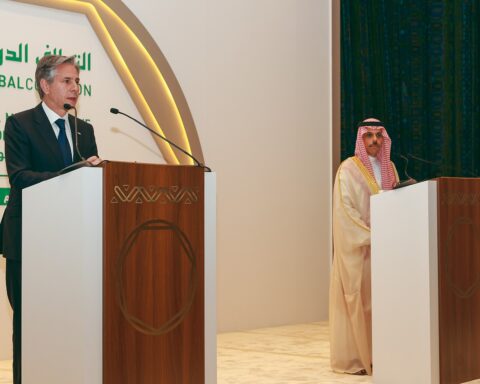
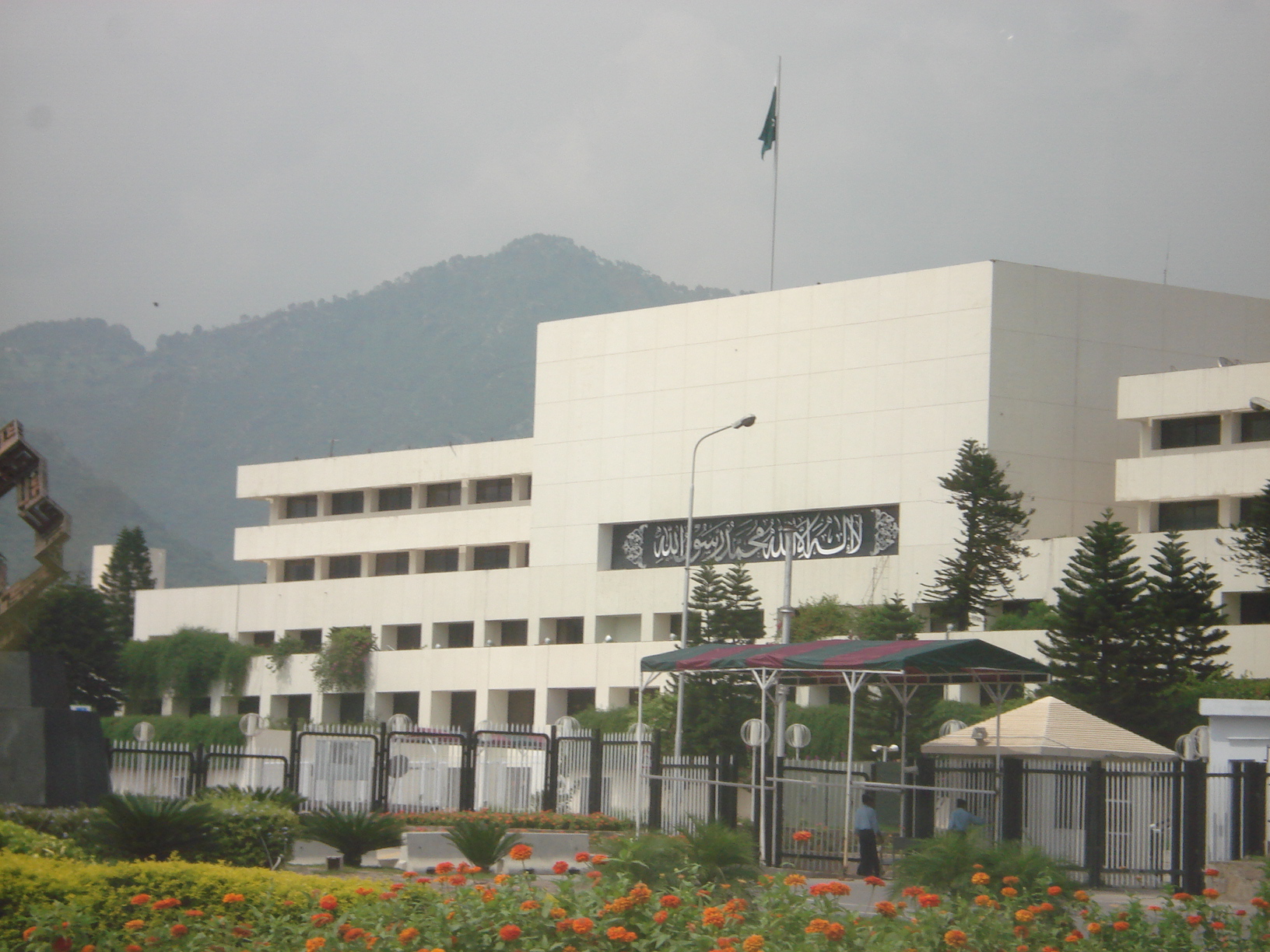
ISLAMABAD — Iran’s state media on April 10 categorically denied that any Iranian negotiating team had arrived in Pakistan for scheduled ceasefire talks with the United States, even as Haaretz and multiple Western outlets reported that a delegation led by Foreign Minister Abbas Araghchi and Parliament Speaker Mohammad Bagher Ghalibaf had already landed in Islamabad. Tasnim News Agency called reports of the delegation’s arrival “completely false.” Fars News Agency described them as “fabricated.”
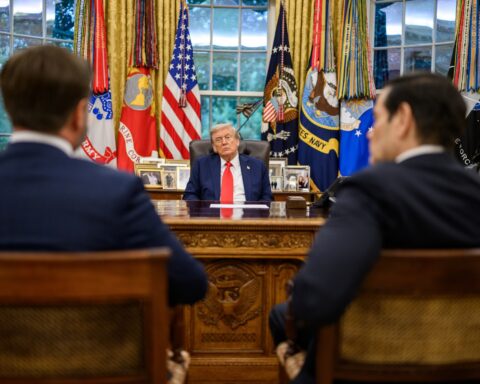
The denial came as US Vice President JD Vance, who is leading the American delegation alongside envoy Steve Witkoff and Jared Kushner, had already arrived in Islamabad for what the White House confirmed would be the first direct principal-level US-Iran negotiations. The talks — brokered by Pakistan as the sole mediating power — were set to begin Saturday morning local time, but Iran’s public position as of Thursday morning was that it was not attending at all. The gap between what Iran says and where its delegation physically sits is the opening act of a negotiation that may not survive its first session.
Table of Contents
How Did Lebanon Become the Breaking Point?
When Pakistani Prime Minister Shahbaz Sharif announced the ceasefire on April 8, his language was unambiguous: “I am pleased to announce that the Islamic Republic of Iran and the United States of America, along with their allies, have agreed to an immediate ceasefire everywhere including Lebanon and elsewhere, EFFECTIVE IMMEDIATELY.” Pakistan reiterated Lebanon’s inclusion on April 9, according to NPR.
Hours later, Vance told reporters in Budapest that this was a “legitimate misunderstanding.” His account of the ceasefire’s scope was categorically different from Sharif’s. “I think the Iranians thought that the ceasefire included Lebanon and it just didn’t,” Vance said, per Axios and the Times of Israel. “We never made that promise. We never indicated that would be the case. What we said is that the ceasefire will be focused on Iran and America’s allies both Israel and the Gulf Arab states.”
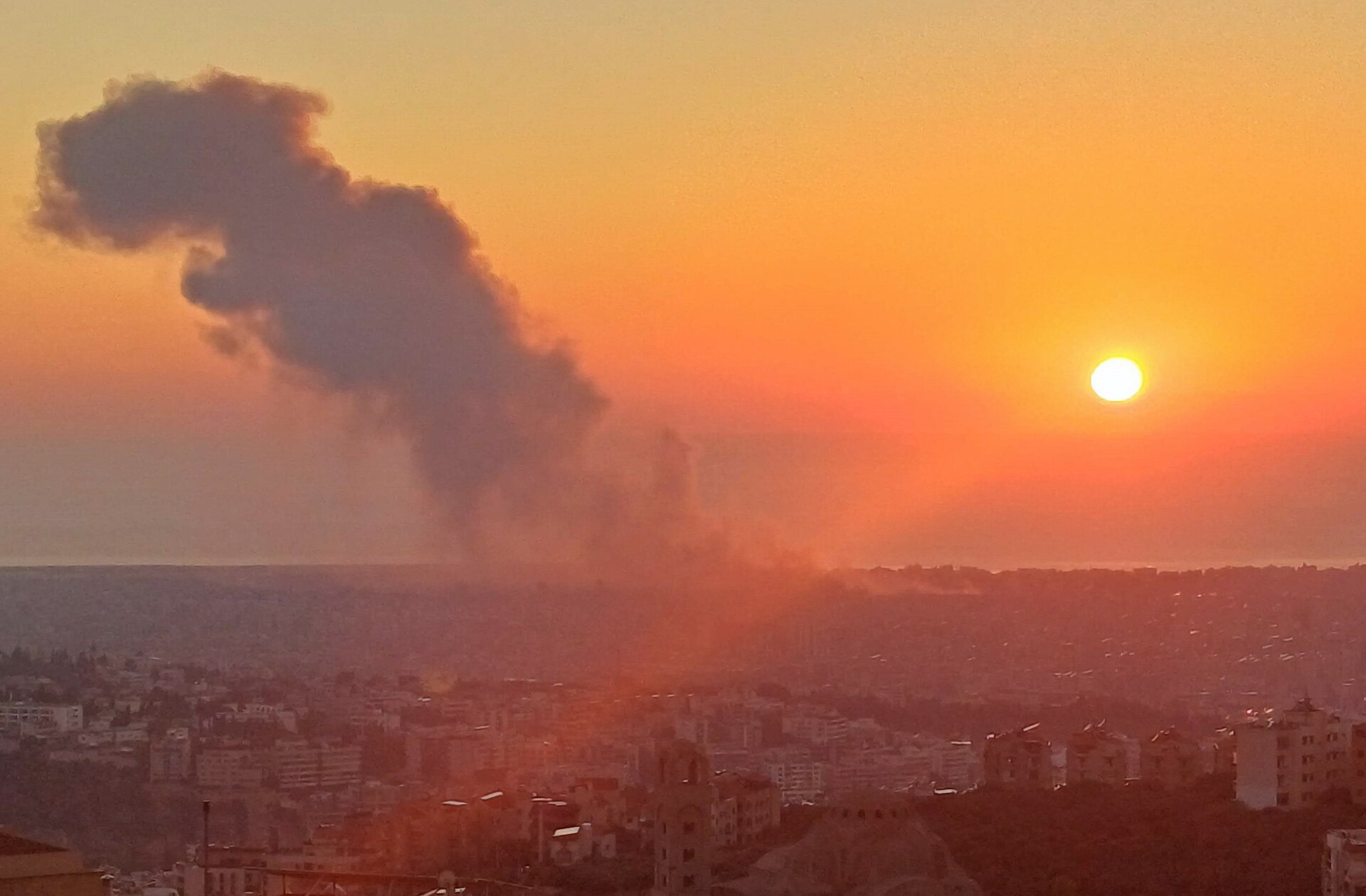
White House Press Secretary Karoline Leavitt reinforced the position: “Lebanon is not part of the ceasefire. That has been relayed to all parties involved in the ceasefire.” Israel treated the exclusion as license. On April 8 — the same day the ceasefire was announced — the Israeli military struck over 100 targets across Lebanon within ten minutes, hitting central Beirut, southern Lebanon, and the Beqaa Valley. Al Jazeera reported at least 254 killed. The Washington Post put the toll at 182 from central Beirut strikes alone. It was the deadliest single day of strikes since the conflict began on March 2.
Iran’s response was immediate. Araghchi told CBS that Tehran could abandon the ceasefire if Israeli strikes continued, saying the US “must choose between a ceasefire or continued war via Israel.” Ghalibaf was more specific: “Lebanon and the entire Resistance Axis, as Iran’s allies, form an inseparable part of the ceasefire,” he told Prism News on April 9.
The Middle East briefing 3,000+ readers start their day with.
One email. Every weekday morning. Free.
The Netanyahu Call That Rewrote the Ceasefire
The Lebanon exclusion was not the original US position. CBS News, citing diplomatic sources, reported that Trump had been told the ceasefire would apply to the Middle East region and that he agreed it included Lebanon. The president reversed himself after a phone call with Israeli Prime Minister Benjamin Netanyahu. The sequence — agreement, then reversal — explains why Pakistan’s founding announcement said “everywhere including Lebanon” with apparent American assent, and why Vance’s Budapest statement two hours later contradicted it.
The contradiction did not end there. Trump called Netanyahu on April 9 and asked him to “scale back” strikes in Lebanon, according to NBC News. Netanyahu’s adviser then publicly stated that Israel and the US “agree on Lebanon attacks” — a direct contradiction of Trump’s own ask, reported by NBC and Mediaite. Vance offered his own characterization of Israeli restraint: “The Israelis have actually offered to check themselves a little bit in Lebanon because they want to make sure that our negotiation is successful. That’s not because that is part of the ceasefire. I think that’s the Israelis trying to set us up for success.”
The result is a ceasefire whose scope was defined by one mediating country, contradicted by one signatory, reversed by the other signatory’s head of state after a call with a non-party, and then publicly repudiated again by that non-party’s adviser. Daniel Byman, director of the CSIS Warfare and Irregular Threats Program, noted in an April analysis that the agreement covers only a ceasefire, not a settlement, with “numerous contentious issues remain unresolved, ranging from Iran’s nuclear and missile programs to Tehran’s support for proxies.”
Ghalibaf’s Three Pre-Filed Violations
Before the Islamabad session opened, Ghalibaf pre-filed three formal violation claims against the United States and its allies, according to CNBC and WANA reporting from April 8-9. The first was Israel’s continued strikes on Lebanon, killing at least 254 people on the day the ceasefire was announced. The second was a US drone overflight of Lar in Fars province. The third was Washington’s refusal to recognize Iran’s right to enrich uranium — Point 6 of Iran’s published 10-point plan.
All three violations were structurally foreseeable on April 8 — Israel had never agreed to stop striking Lebanon, US surveillance flights over Iran had been continuous throughout the conflict, and the enrichment question was a known non-starter. Ghalibaf stated: “Now, the very ‘workable basis on which to negotiate’ has been openly and clearly violated, even before the negotiations began. In such a situation, a bilateral ceasefire or negotiations is unreasonable.” He added that “ceasefire violations carry explicit costs and STRONG responses,” per WANA.
The three claims function as banked exit justifications with no discovery lag. Even if Lebanon and the drone overflight were resolved, enrichment alone — a permanent structural disagreement — would be sufficient to collapse the framework. Eric Lob, an Iran scholar writing for the Carnegie Endowment, observed that “Tehran has very little trust that Donald Trump will abide by his commitments, and his ceasefire plans have fallen apart in Gaza and Lebanon.” Ghalibaf’s own background — he commanded IRGC Aerospace Force from 1997 to 2000 — frames his presence in Islamabad as an enforcement posture, not a diplomatic opening.
Why Is Iran Denying Its Delegation Is in Pakistan?
Tasnim News Agency, which operates under IRGC editorial influence, published its denial on the morning of April 10: “The news from some media outlets that an Iranian negotiating team has arrived in Islamabad, Pakistan, to negotiate with the Americans is completely false.” An unnamed Tasnim source added: “As long as the United States does not fulfill its commitment to the ceasefire in Lebanon and the Zionist regime continues its attacks, the negotiations are on hold.” Fars News echoed that Iran has “no plans to attend peace talks with the American side until a ceasefire is established in Lebanon.”
Haaretz reported the same morning that an Iranian delegation had in fact arrived in Pakistan. The Life News Agency, MENAFN, and the Wall Street Journal also reported the delegation’s presence. The contradiction — state media denying what tracking journalists confirmed — suggests Iran may be conducting backchannel contact while maintaining a public posture of refusal. Suzanne Maloney, vice president at the Brookings Institution, described the arrangement as “a very messy, imperfect cease-fire.”
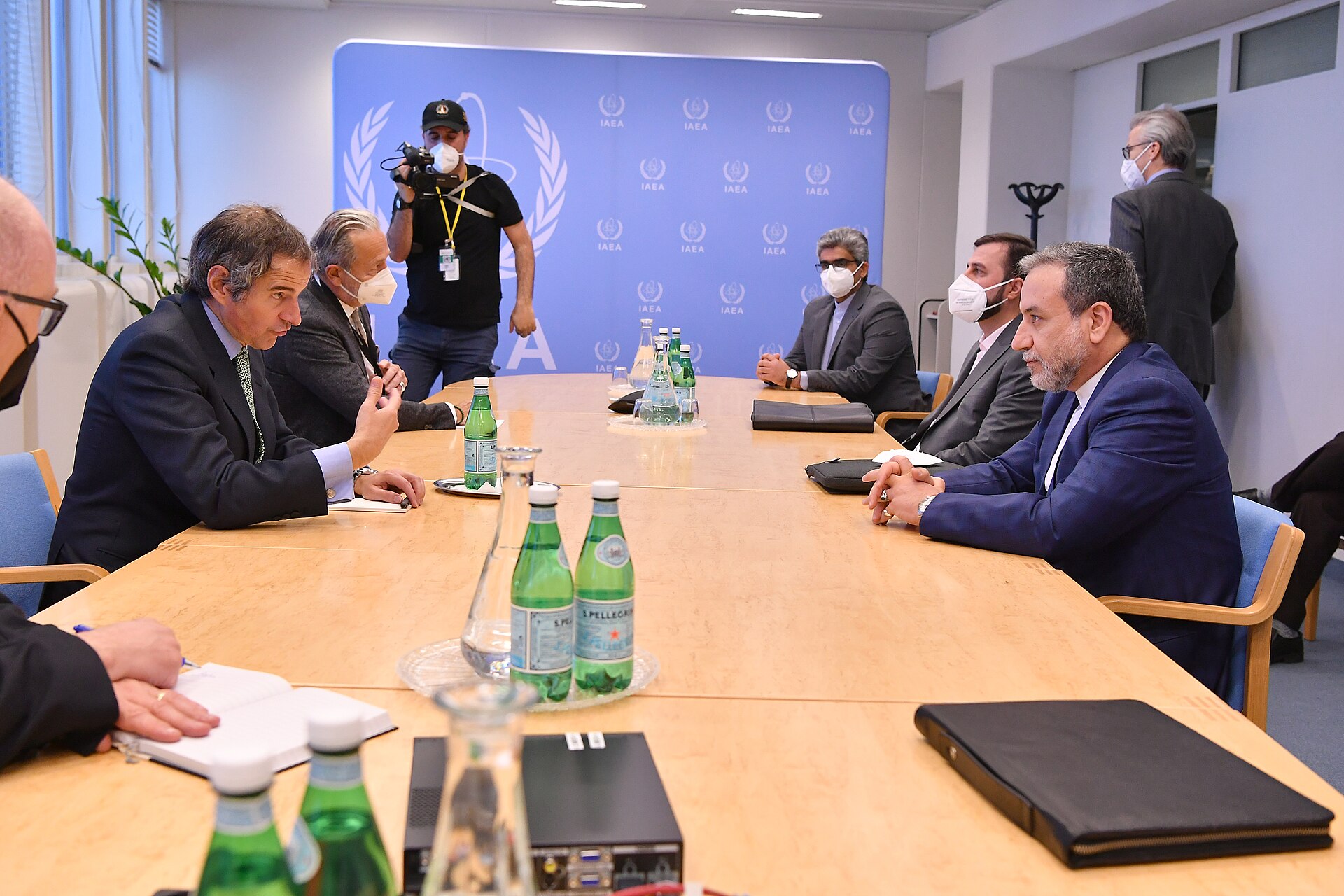
The dual posture serves Iran’s domestic audience and its negotiating position simultaneously. By denying attendance, Tehran avoids the appearance of sitting down with Washington while Israeli strikes on Lebanon — which Iran says should have been covered by the deal — continue. By being physically present, Iran preserves its ability to engage if the US makes private concessions on Lebanon’s inclusion. The Soufan Center assessed the ceasefire as “hovering on the verge of collapse” as of April 9, adding that “even if Lebanon was formally outside the deal, the scale of Israel’s strikes was likely to be viewed as escalatory.”
The Islamabad framework contains zero enforcement clauses — no mechanism to adjudicate violations, no neutral body to rule on scope disputes, no binding text that either side has published in full. Iran’s simultaneous denial and presence exploits this structural gap.
Saudi Arabia Received Iran’s Version First
On April 9, Araghchi called Saudi Foreign Minister Prince Faisal bin Farhan — the first official Iran-Saudi contact since the conflict began on March 2, confirmed by Al Arabiya, The National, and Xinhua. The call came before Washington could shape Saudi Arabia’s understanding of the Lebanon dispute. Iran’s foreign minister also spoke to his Iraqi and South Korean counterparts the same day, per Xinhua, in a coordinated outreach campaign that framed Tehran as the aggrieved party in the ceasefire’s scope collapse.
Prince Faisal had held a co-guarantor seat at the March 29-30 Islamabad session. He was excluded from the April 10 bilateral, which the White House confirmed as a direct US-Iran negotiation. Saudi Arabia — which absorbed Iranian missile and drone strikes throughout the conflict and whose PAC-3 interceptor stockpile is now critically depleted — has no seat at the table where the ceasefire’s future will be decided.
Araghchi’s call to Riyadh before Washington’s framing arrived means Saudi Arabia received Iran’s characterization of the Lebanon dispute — that the US reneged on an agreed term — as the primary narrative. The timing was not accidental. Iran’s 10-point plan includes Point 8 (US base withdrawal from all regional bases) and Point 7 (IRGC “coordination” over Hormuz as a treaty requirement), both of which directly affect Saudi security but will be discussed in a room Riyadh cannot enter.
Pakistan’s position as mediator is itself structurally conflicted. A $5 billion Saudi loan to Islamabad matures in June 2026. Pakistan is simultaneously Iran’s interlocutor, Saudi Arabia’s debtor, and — since the September 2025 Saudi Mutual Defense Agreement — Riyadh’s treaty ally. If the framework collapses, Pakistan loses credibility with both parties and risks the loan’s terms.
Hormuz and Hajj: What Collapse Would Cost
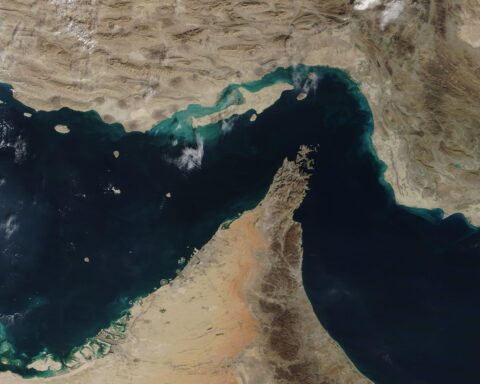
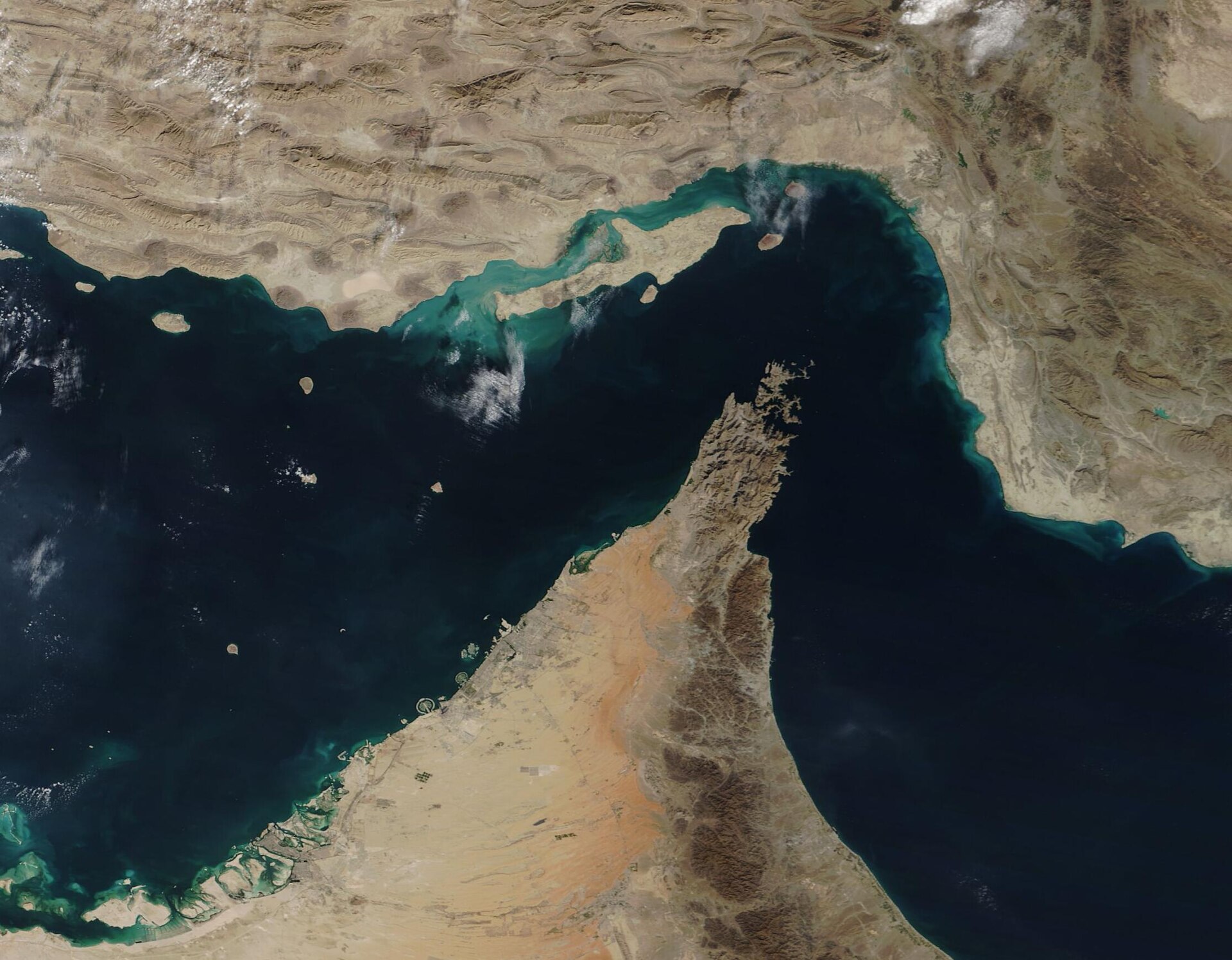
The Strait of Hormuz remains effectively closed. NBC News reported on April 9 that shipping traffic was “at a virtual standstill.” No oil or gas tankers traversed the strait in the first 24 hours after the ceasefire, according to Kpler data cited by the New York Times. Only five dry bulk carriers and a single tanker made the transit, compared to a pre-war average of over 100 vessels per day. Insurance Journal reported hundreds of ships waiting to exit.
If Islamabad collapses, the ceasefire’s April 22 expiration arrives with no extension mechanism, per Soufan Center analysis. The first Hajj pilgrims arrive April 18 — four days before the ceasefire expires. Indonesia has 221,000 pilgrims with first departures scheduled for April 22. Pakistan has 119,000 pilgrims arriving April 18. The convergence of the ceasefire expiry with Hajj’s opening puts Saudi Arabia’s Custodian of the Two Holy Mosques mandate under direct operational pressure.
Iran’s arsenal remains an estimated 50 percent intact, according to the Soufan Center. Saudi Arabia’s approximately 400 remaining PAC-3 MSE rounds, at the wartime intercept rate documented through April 7, would be exhausted within days of renewed hostilities.
Raytheon’s Camden, Arkansas facility produces approximately 620 PAC-3 rounds per year — meaning full replenishment would take nearly four years even if every unit went to Saudi Arabia. Supreme Leader Khamenei has been absent from public view for 39-plus days, per a Times of London memo, leaving the IRGC’s operational commanders as the effective decision-makers on whether to resume strikes.
The ceasefire that Iran accuses the US of violating three times and the US says never included Lebanon may be the only thing standing between the region’s largest annual pilgrimage and a renewed missile campaign against Saudi infrastructure. Vance’s assessment of Iran’s options, delivered in Budapest: “Look, if Iran wants to let this negotiation fall apart in a conflict where they were getting hammered over Lebanon, which has nothing to do with them, and which the United States never once said was part of the ceasefire, that’s ultimately their choice. We think that would be dumb, but that’s their choice.”
Background
The US-Iran war began on March 2, 2026, after US-Israeli strikes on Iran triggered retaliatory attacks across the Gulf region. Iran struck Saudi Aramco facilities, Bahraini infrastructure, and Kuwaiti power stations, while maintaining a chokehold on the Strait of Hormuz. The ceasefire announced April 8, brokered by Pakistan in Islamabad, was the first formal pause in 37 days of fighting. The April 10 talks represent the first direct principal-level contact between the US and Iranian governments since the conflict began.
The Lebanon dimension stems from Iran’s alliance with Hezbollah, which entered the conflict by firing into Israel on March 2 in solidarity with Tehran. Israel’s response expanded the war’s geographic scope to include Lebanon, a country with no formal role in the US-Iran ceasefire framework. Iran’s 10-point proposal, published before the Islamabad session, includes Hezbollah and the broader “Resistance Axis” as parties whose security must be guaranteed — a demand the US has rejected. The 2020 Doha Agreement with the Taliban, which collapsed when scope ambiguities were exploited, and UNSCR 1701 in 2006, which left Hezbollah’s weapons disposition unresolved, are the most recent precedents for ceasefire frameworks that failed on definitional disputes.
Frequently Asked Questions
Has the US ever publicly acknowledged that Trump initially agreed Lebanon was included?
Not directly. CBS News, citing diplomatic sources, reported that Trump had been told the ceasefire would apply to the Middle East region and agreed it included Lebanon. The White House has not confirmed this account. Vance characterized the disagreement as a “legitimate misunderstanding” rather than a reversal, per his Budapest remarks reported by The Hill. The gap between “misunderstanding” and “reversal” is the core of the dispute — Pakistan’s founding announcement could not have used the phrase “everywhere including Lebanon” without some basis in the negotiating text.
What is Iran’s Supreme National Security Council’s formal position on the talks?
The SNSC stated on April 8 that “negotiations are continuation of battlefield,” per Iranian state media. The SNSC also indicated talks could continue for up to 15 days. No public statement on the Lebanon scope dispute has been issued by the SNSC secretariat. Khamenei’s 39-plus-day absence from public view means the SNSC’s constitutional authority under Article 176 has no confirming signature from the supreme leader.
Could the US and Iran reach a partial agreement that excludes Lebanon entirely?
Structurally, yes — Vance’s Budapest statement frames exactly this outcome. Practically, Iran has made Lebanon a precondition, not a negotiating point. Ghalibaf’s statement that Lebanon and the Resistance Axis are “an inseparable part of the ceasefire” forecloses partial agreements unless the IRGC command structure, which Ghalibaf once led, overrides its own parliamentary speaker. The CSIS’s Daniel Byman noted that contentious issues “ranging from Iran’s nuclear and missile programs to Tehran’s support for proxies” remain unresolved — Lebanon is only one of several structural obstacles.
What happens to Hormuz shipping if talks fail before April 22?
The strait remains functionally closed regardless of the ceasefire. No oil or gas tankers transited in the first 24 hours after the truce, per Kpler. The Iranian parliament passed a fee bill on March 31 authorizing charges for Hormuz transit. Even under a successful ceasefire, IRGC mine clearance across roughly 200 square miles of shipping lanes would take an estimated 51 days based on the 1991 Kuwait benchmark — meaning normal traffic could not resume before late May at the earliest. A negotiation collapse would remove even the legal basis for resumption.
Has any country other than Pakistan publicly affirmed Lebanon’s inclusion in the ceasefire?
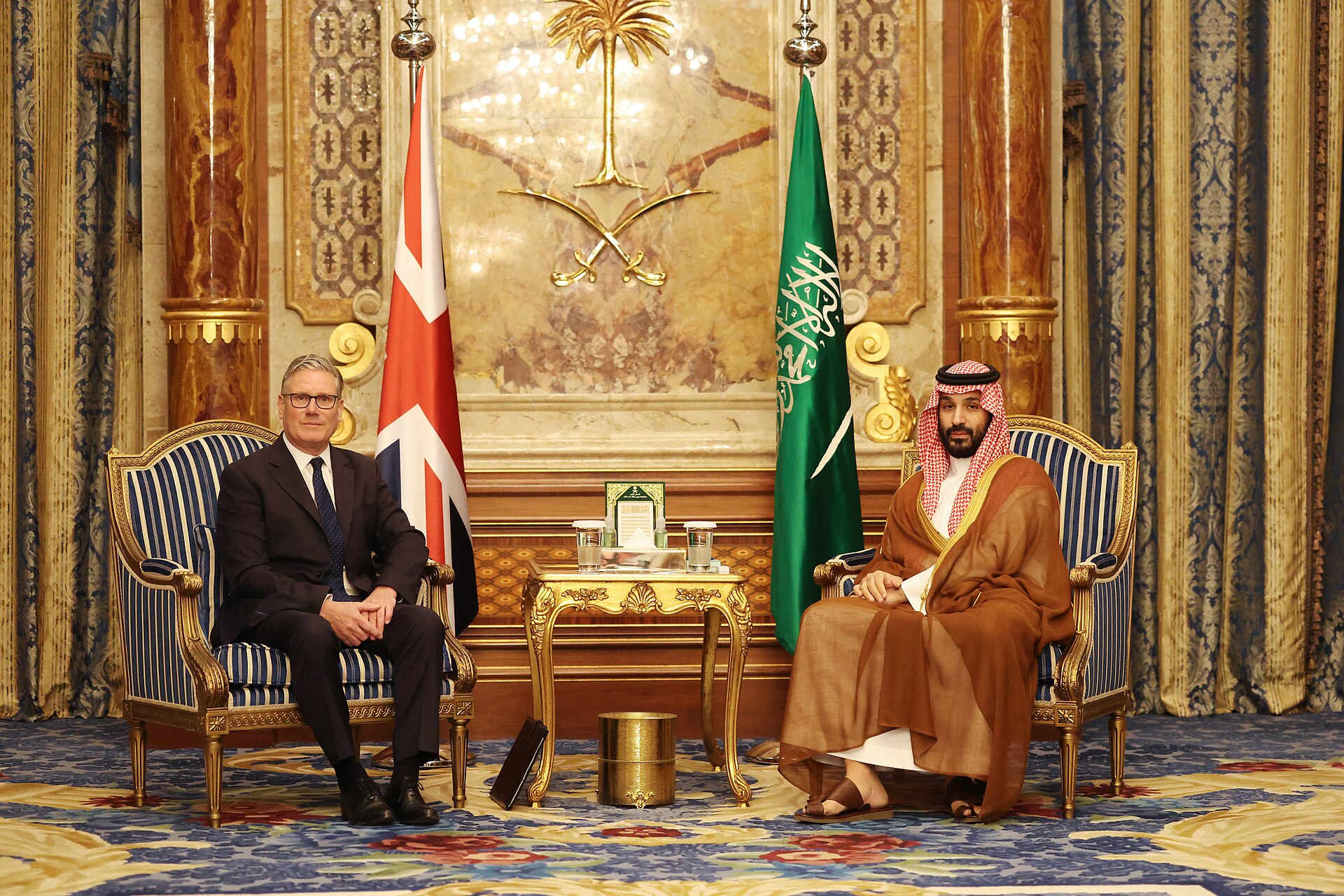
Iran, Hezbollah, and Lebanon’s government have all stated Lebanon is included. No Western government has publicly supported Pakistan’s formulation. France’s Emmanuel Macron called both Trump and Iranian President Pezeshkian, and a 20-plus Western leader joint statement referenced Lebanon, but the statement addressed Lebanon’s security separately from the Iran ceasefire framework. The UK’s Keir Starmer told MBS during an April 8 Jeddah meeting that Israeli Lebanon strikes were “wrong,” but did not link this to the ceasefire’s scope. Saudi Arabia has not publicly stated a position on Lebanon’s inclusion.