
TEHRAN — Explosions struck Iran’s Lavan Island oil refinery and Sirri Island crude export facilities at approximately 06:30 GMT on April 8, 2026 — roughly eight hours after the US-Iran ceasefire took effect — triggering retaliatory Iranian missile and drone barrages against the UAE, Kuwait, and Bahrain within the hour. No party has claimed responsibility, Israel has denied involvement, and US Central Command has declined to comment, leaving the April 10 Islamabad talks between Vice President JD Vance and Iranian Parliament Speaker Mohammad Bagher Ghalibaf hostage to an attribution dispute that neither side appears willing — or able — to resolve.
The diplomatic stakes are immediate. Iran entered the ceasefire declaring it an “enduring defeat” for Washington and now frames the Lavan and Sirri strikes as proof that the agreement was violated before its first full day elapsed. The retaliatory launches — 17 ballistic missiles and 35 UAVs against the UAE alone, 28 drones against Kuwaiti oil installations, and missile strikes that injured two Bahraini citizens in Sitra — arrived within sixty minutes of the first Lavan explosion reports on Iranian state television. Both sides will sit down in Islamabad on April 10 as simultaneous aggressor and aggrieved party, a configuration that makes even a procedural agenda difficult to negotiate.
Table of Contents
- What Struck Lavan and Sirri — and What Was Destroyed
- Who Is Claiming What — and Who Is Staying Silent
- The Gulf Retaliation Wave
- Why Does Attribution Determine the Fate of Islamabad?
- Sirri Island Has Been a US Target Before
- Can Islamabad Produce Anything With Both Sides Arriving as Accusers?
- Frequently Asked Questions
What Struck Lavan and Sirri — and What Was Destroyed
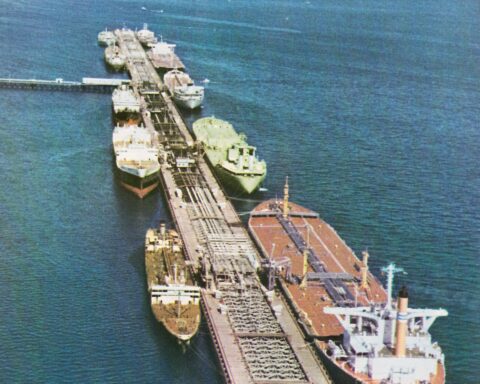
The Lavan Island refinery processes 55,000 barrels per day of crude oil and South Pars gas condensate shipped to the island via a 12-inch subsea pipeline, according to NIORDC operational data reported by Argus Media. The refinery, founded in 1951, serves as Iran’s primary fuel supply node for the southern Persian Gulf coast. NIORDC’s post-attack statement acknowledged damage but insisted “the national fuel supply and distribution network remains stable” — then followed with a public appeal asking Iranian citizens “to assist their servants in this industry by managing fuel consumption, avoiding unnecessary travel, and utilizing public transportation.”
The appeal for fuel conservation contradicted the stability claim within the same official release. NIORDC does not ask citizens to ration travel when infrastructure is intact.
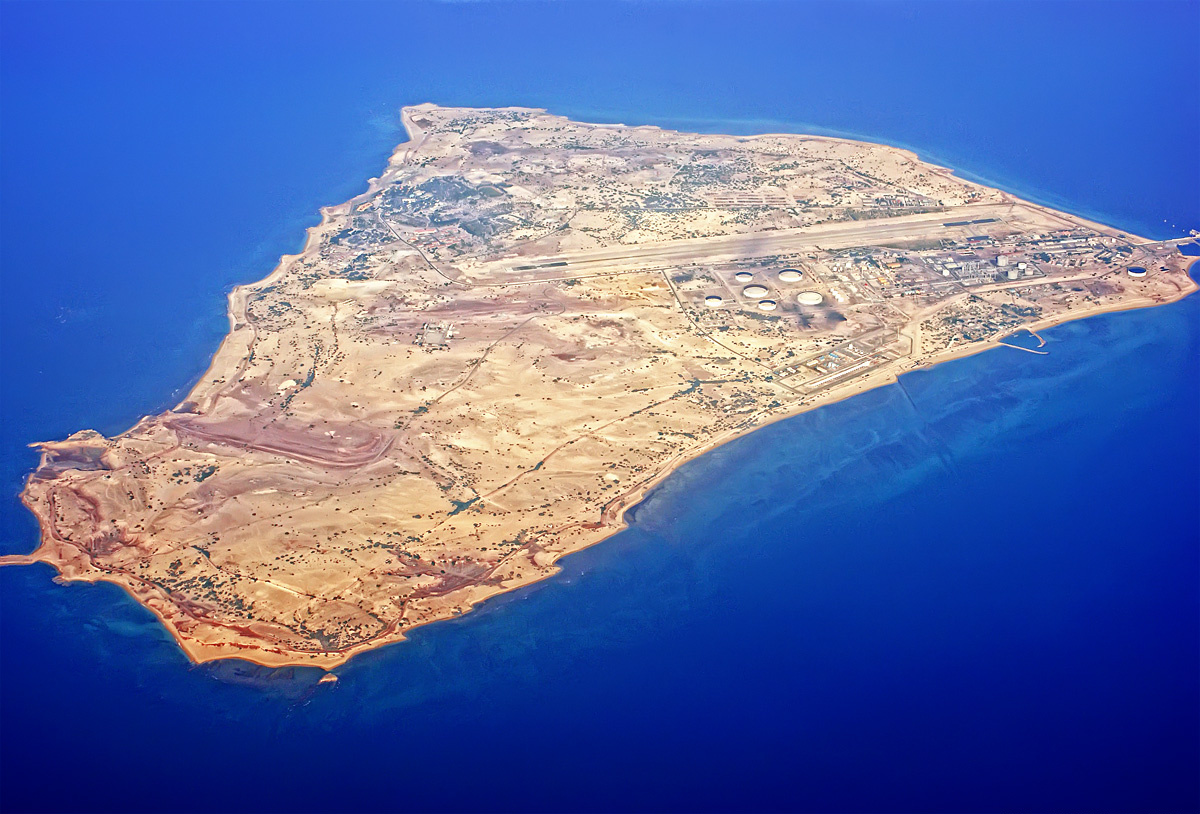
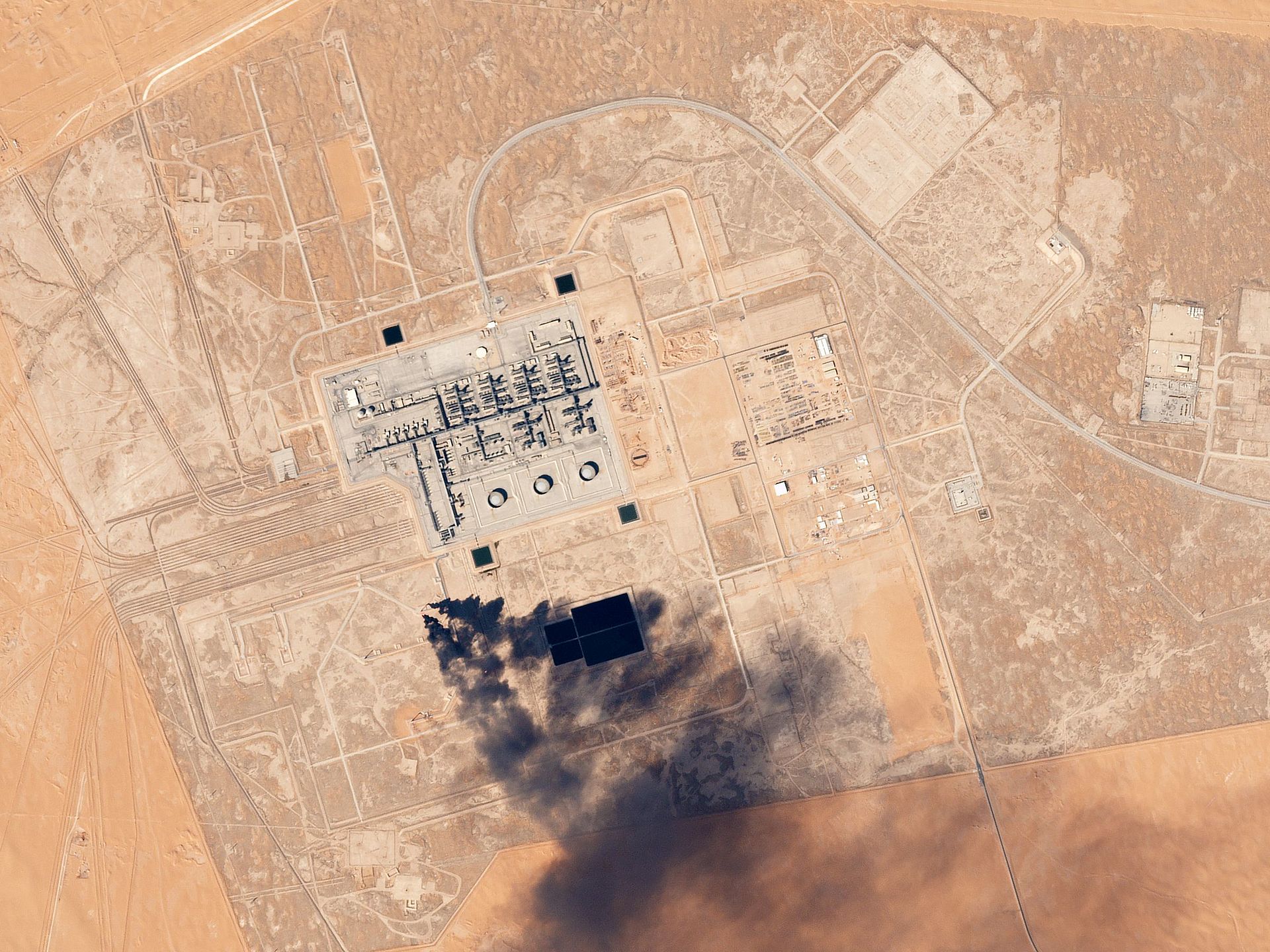
Sirri Island, located roughly 72 kilometers south of Bandar Lengeh, hosts a crude export terminal with 4.5 million barrels of storage capacity and daily output from surrounding offshore fields — Nosrat, Esfand, Sivand, Dena, and Alvand — totaling approximately 100,000 barrels per day, according to NIOC production data compiled by Shipnext. Nour News, an outlet affiliated with the IRGC, reported “explosions of unknown cause” on Sirri Island simultaneously with the Lavan attack. The outlet declined to attribute the Sirri blasts to any actor.
Combined with the Jask terminal and Qeshm Island storage, Lavan and Sirri constitute roughly 25 percent of Iran’s total crude export volume relative to the Kharg Island terminal, according to US Naval Institute Proceedings reporting in April 2026. The US strikes against Kharg Island on April 7 had spared the oil terminal itself — a decision the Council on Foreign Relations attributed to preserving leverage over a successor government. Striking Lavan and Sirri hours later would represent a different logic entirely: disabling the backup infrastructure Iran would use precisely because Kharg was under pressure.
The Middle East briefing 3,000+ readers start their day with.
One email. Every weekday morning. Free.
Who Is Claiming What — and Who Is Staying Silent
The attribution architecture around the Lavan and Sirri strikes is producing contradictions within Iran’s own information ecosystem. Iran’s Mehr news agency, in its initial bulletin, reported: “The source of these explosions is not yet known.” NIORDC’s statement used the phrase “enemies” in the plural without naming a specific attacker. Then Iranian state television — IRIB and PressTV — upgraded the framing to attribute the strikes to “US-Israeli forces” and declared the attack “a violation of the ceasefire,” according to NBC News and Al Jazeera monitoring of the broadcasts.
That escalation in attribution came from state broadcast anchors, not from a named military official or IRGC commander. The gap matters. IRGC-linked Nour News, which has served as the Guard Corps’ unofficial communications channel throughout the conflict, reported the Sirri Island explosions with “unknown cause” — creating a split between what Iranian state television was telling the public and what the IRGC’s own media was willing to confirm.
Israel denied involvement. Lt. Col. Nadav Shoshani, the IDF spokesperson, told NBC News on April 8 that the Israeli military “was not involved in the Lavan Island attack.” An unnamed senior Israeli official separately told multiple outlets that the US had “coordinated the ceasefire with Israel in advance” and credited “the massive crushing of the regime’s infrastructure” with securing the agreement — framing that positioned Israel as a beneficiary of the ceasefire rather than a violator of it.
CENTCOM’s silence was its own form of communication. Had the US conducted strikes against Lavan and Sirri as part of the ceasefire’s enforcement terms, Defense Secretary Pete Hegseth had a ready venue to claim them: the Pentagon briefing held the same day, where he declared “decisive military victory” and Gen. Dan Caine stated US forces had “struck over 13,000 Iranian targets” during Operation Epic Fury. Neither Hegseth nor Caine mentioned Lavan or Sirri. Hegseth characterized Iran as having “begged” for the ceasefire and said the US had used “less than 10 percent” of its military capabilities. The 13,000 target figure was presented as a completed tally, not an ongoing operation.
This is a fragile truce. You have people who clearly want to come to the negotiating table and work with us to find a good deal, and then you have people who are lying about even the fragile truce that we’ve already struck.
JD Vance, US Vice President, speaking from Budapest — LBC / CNBC, April 8, 2026
Vance’s statement from Budapest introduced a third frame: not that the strikes did or didn’t happen, but that unnamed parties were “lying” and “cheating.” “If they’re going to lie, if they’re going to cheat… they’re not going to be happy,” he said, according to LBC. The statement avoided confirming or denying the Lavan strikes and instead shifted the burden to Iran’s post-ceasefire behavior — the Gulf retaliation launches that had already begun.
The Gulf Retaliation Wave
Within one hour of Iranian state television’s first reports of the Lavan explosion, Iran launched retaliatory strikes against the UAE, Kuwait, and Bahrain. The Iranian official student news agency ISNA stated the attacks “were carried out in response to the clear violation of the ceasefire,” according to Al Jazeera’s monitoring of the wire.
The UAE Defense Ministry confirmed air defenses engaged 17 ballistic missiles and 35 UAVs launched from Iranian territory on April 8, as reported by Gulf Today. Abu Dhabi’s Habshan gas processing complex — already operating under war-related throughput restrictions — suspended operations temporarily after a fire caused by falling interceptor debris. Two Emirati nationals and one Indian national were injured at the site, according to Al Jazeera.
Emirates Global Aluminium reported what it called “significant damage” to its Al Taweelah facility at Khalifa Economic Zone in Abu Dhabi, with six workers injured. EGA’s statement said restoration could take a year. In Dubai, the Burj Al Arab hotel sustained damage from debris shed by intercepted Iranian ordnance, the UAE Defense Ministry confirmed.
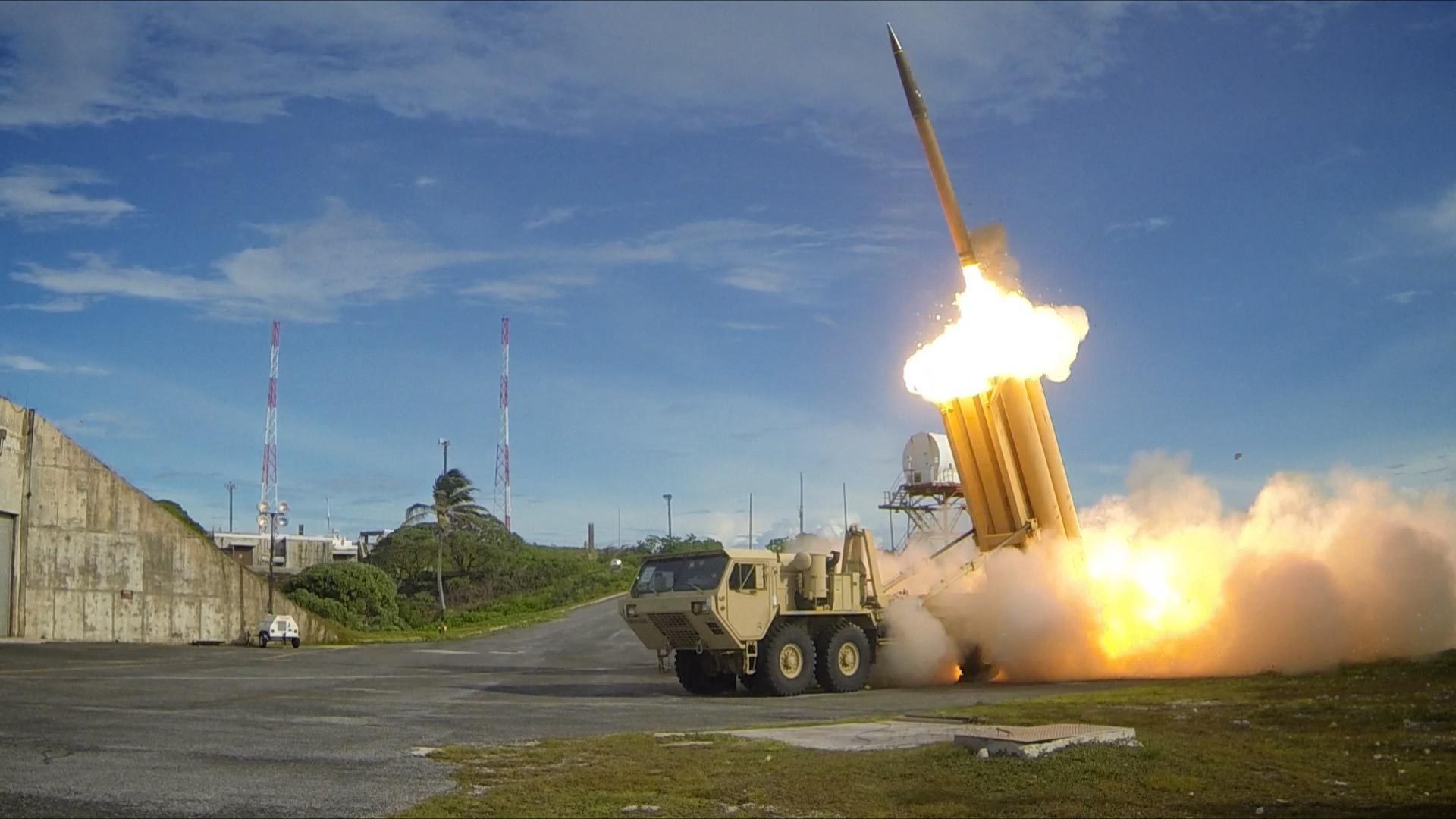
Kuwait’s armed forces confirmed interception of 28 drones targeting “vital oil installations and power stations,” according to a military statement carried by Al Jazeera. Bahrain’s Interior Ministry reported missile and drone impacts, with two Bahraini citizens injured by shrapnel in the Sitra industrial area — an island that hosts Bahrain’s primary refinery complex and sits less than ten kilometers from NSA Bahrain, the US Fifth Fleet’s headquarters.
The pattern was consistent with what Al Jazeera correspondent Malik Traina, reporting from Kuwait City, characterized as Iran’s “decentralized military operations.” Traina noted the ceasefire violations could reflect “a loose chain” in the communication of parts of Iran’s military command — an observation that aligns with the structural analysis of Iran’s ceasefire enforcement gap published before the truce took effect.
Why Does Attribution Determine the Fate of Islamabad?
The identity of the party that struck Lavan and Sirri determines whether Iran’s Gulf launches were retaliatory or aggressive — and that distinction is load-bearing for the April 10 Islamabad bilateral between Vance and Ghalibaf.
If the US struck Lavan and Sirri after the ceasefire it brokered, Iran’s “violation” framing holds and the Gulf retaliations become — in Iran’s legal argument — a proportional response under Article 51 self-defense. But Hegseth’s Pentagon briefing claimed the war was already won. A post-ceasefire US strike on secondary oil infrastructure would undercut the “decisive victory” narrative that Hegseth and Caine spent the briefing constructing.
If Israel struck the facilities despite Lt. Col. Shoshani’s denial, the ceasefire’s architecture collapses along a different fault line. A senior Israeli official confirmed the US had “coordinated the ceasefire with Israel in advance.” A post-ceasefire Israeli strike would mean either that coordination failed or that Israel was not bound by terms it helped negotiate — a distinction that would consume the first hours of any Islamabad session before substantive issues could be raised.
A third possibility — internal sabotage or accidental explosion — is supported by the divergence within Iran’s own reporting. Nour News, the IRGC’s media arm, reported Sirri’s explosions as having an “unknown cause.” Turkish outlet Yeni Safak used the phrase “mysterious blasts.” If the IRGC cannot internally confirm an external attack, the retaliatory Gulf launches become harder to justify even under Iran’s own doctrinal framework. The Supreme National Security Council’s pre-ceasefire statement that “negotiations are continuation of battlefield” had already laid the doctrinal foundation for continuing operations regardless of attribution, as WANA reported on April 7.
Saudi Arabia, already excluded from the Islamabad bilateral, faces its own attribution trap. The ICIJ’s October 2025 reporting documented Arab states’ military coordination with Israel through CENTCOM’s “Regional Security Construct,” including shared air-defense radar data and meetings “held in confidence.” Any Saudi statement disputing Iran’s attribution of the Lavan strikes would raise the question of what CENTCOM-shared sensor networks detected — and when. Silence is the only position that does not expose the coordination geometry.
Sirri Island Has Been a US Target Before
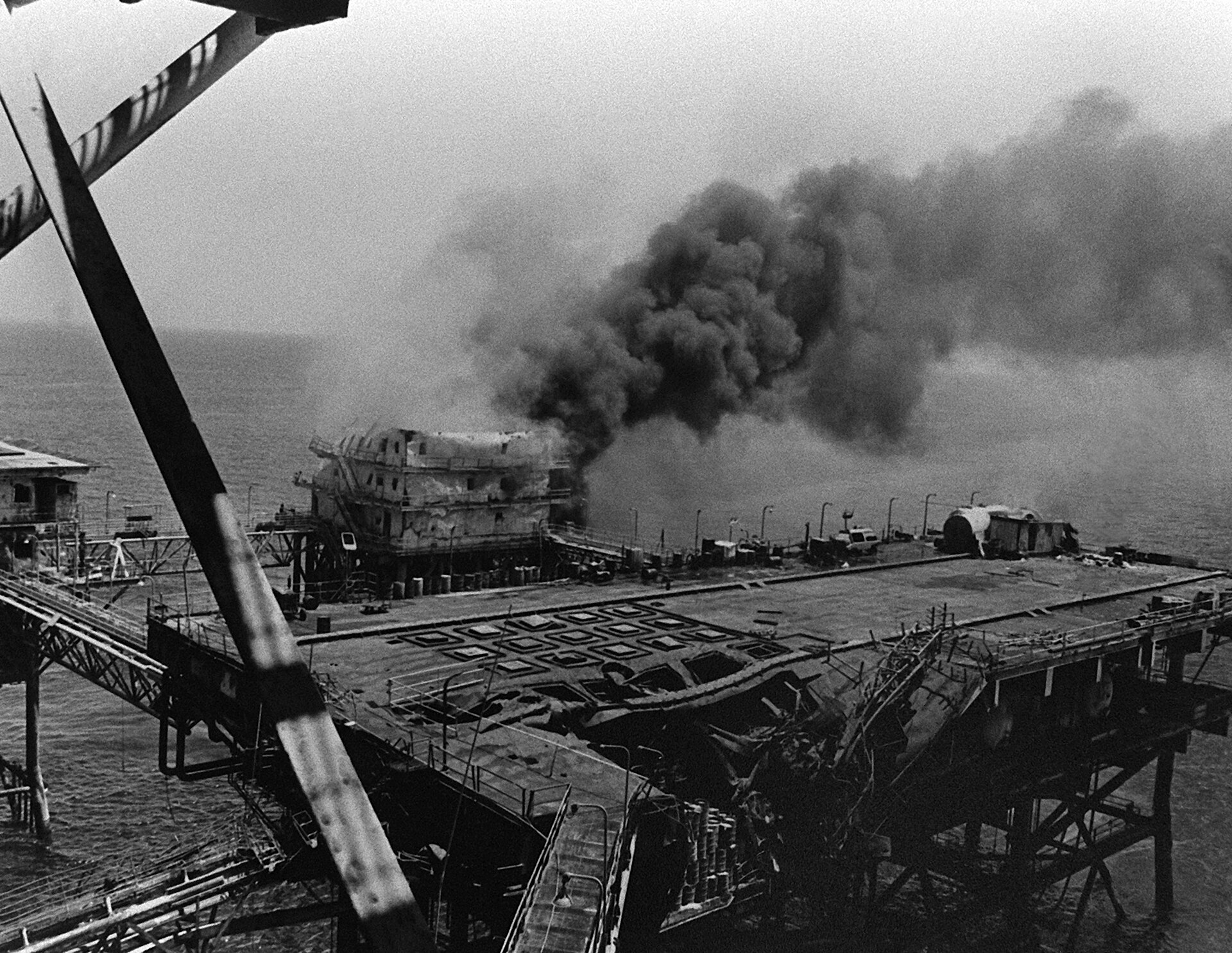
Sirri Island carries specific historical weight in US-Iran military confrontation. On April 18, 1988, during Operation Praying Mantis, the US Navy destroyed the Sirri oil platform in the largest American surface naval engagement since the Second World War. The strike was retaliation for Iran’s mining of the frigate USS Samuel B. Roberts in the central Persian Gulf. Fires from the Praying Mantis attack forced post-war demolition of the platform, which Iran later rebuilt.
The Tanker War of 1987-88 established the operational precedent: when Kharg Island comes under sustained pressure, attacking forces extend strikes to Iran’s peripheral oil island chain — Sirri, Larak, Lavan. Iraqi missile-armed aircraft expanded their target set from Kharg to these secondary facilities during the final year of the Iran-Iraq War. The April 8 strikes on Lavan and Sirri, whether by an external actor or not, followed a tactical logic that predates the current conflict by nearly four decades.
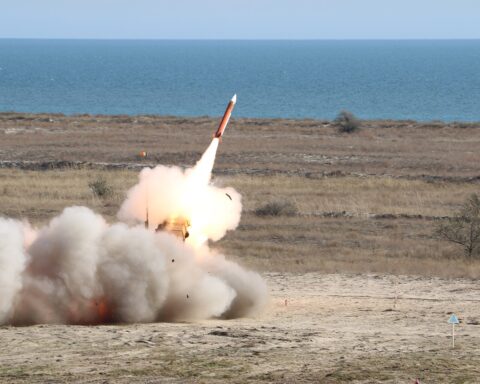
The precedent cuts in a direction that complicates Iran’s framing. If Operation Praying Mantis is the reference point, the strikes fit an American operational pattern. But Hegseth’s claim that Iran had “begged” for a ceasefire and his presentation of Operation Epic Fury as a concluded campaign — 13,000 targets struck — makes a post-ceasefire continuation difficult to square with the Pentagon’s own timeline. Saudi Arabia’s air defense forces had already intercepted 894 Iranian drones and missiles by April 7, depleting PAC-3 stockpiles to roughly 400 rounds. A new cycle of Iranian retaliation targeting GCC states reopens the munitions arithmetic that the ceasefire was supposed to freeze.
Can Islamabad Produce Anything With Both Sides Arriving as Accusers?
The April 10 Islamabad talks will bring Vance and Ghalibaf to the table with fundamentally incompatible entry positions. Iran enters, according to Turkiye Today’s diplomatic reporting, “with complete distrust of the American side.” The SNSC has characterized the ceasefire as having “forced the US to accept its 10-point plan as a basis for talks” — a framing the US has not acknowledged and Vance’s “fragile truce” language implicitly contradicts.
Iran’s armed forces issued a warning at the moment the ceasefire was announced: “Any aggression against the country will be met with a regret-inducing response.” Nour News, the IRGC channel, said the Guard Corps would “honor the truce” but warned their “finger was on the trigger.” Eight hours later, the Lavan refinery was burning and that trigger was pulled against four GCC states.
The oil market had already priced in the ceasefire before the Lavan strikes disrupted it. Front-month ICE Brent futures fell 15.1 percent to $94.04 per barrel on the ceasefire announcement, with European gasoil dropping 18.3 percent to $1,247.75 per ton, according to Argus Media. The retaliatory Gulf strikes — particularly the Habshan suspension and the EGA year-long restoration timeline — reintroduce supply disruption risk that the crude price decline had assumed was contained.
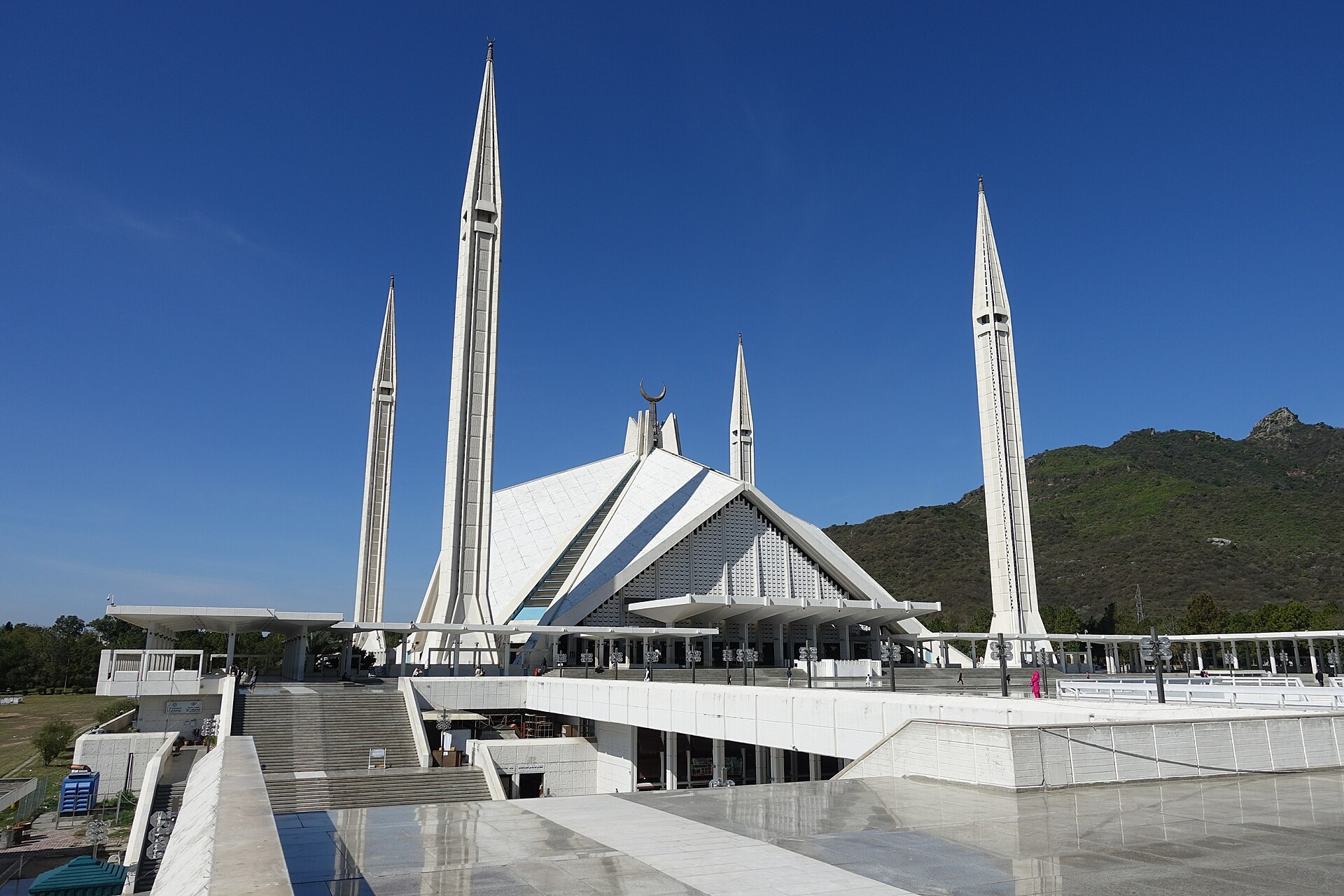
Ghalibaf’s presence as Iran’s lead negotiator carries its own signal. He commanded the IRGC Aerospace Force from 1997 to 2000. The UNSC Hormuz resolution veto and Iran’s selective Hormuz transit franchise remain unresolved backdrop issues that the 10-point plan defers to Phase 2 — the phase that the Lavan strikes may have already made unreachable.
The structural problem is sequential. Iran’s framing requires the Lavan/Sirri strikes to have been a ceasefire violation committed by identifiable external actors. Confirming that framing requires the US or Israel to accept responsibility. The US has not. Israel has denied it. CENTCOM said nothing. The IRGC’s own media said “unknown cause.” Without resolution of that foundational fact, every subsequent agenda item at Islamabad sits on an unresolved premise — and both delegations know it.
Frequently Asked Questions
What is the current status of Iranian oil exports through alternative terminals?
The Jask terminal on the Gulf of Oman, which bypasses the Strait of Hormuz entirely, was operating at only 300,000 barrels per day against a designed capacity of 1 million barrels per day before the April 8 attacks, per Kpler tanker tracking data. With both Lavan and Sirri now damaged, Iran’s export redundancy has narrowed to Jask and whatever Kharg capacity survived the April 7 US strikes — a configuration that leaves Iran dependent on the single chokepoint its own forces have been taxing.
Has the US ever struck Iranian oil infrastructure during an active ceasefire?
No direct precedent exists for a US strike on Iranian oil facilities during a declared ceasefire. Operation Praying Mantis occurred during active hostilities, not a truce. The UN Security Council Resolution 598 ceasefire that ended the Iran-Iraq War in August 1988 was preceded by months of negotiation, and no strikes occurred after its formal acceptance. The April 8, 2026 Lavan and Sirri attacks, if attributable to the US, would represent the first such action in the history of US-Iran military engagement — a fact that makes the attribution question historically significant beyond the immediate diplomatic consequences.
What role does Pakistan play as host of the Islamabad talks?
Pakistan brokered the original Islamabad Accord — an immediate ceasefire MOU with a 15-to-20-day implementation window — separate from the Witkoff 45-day phased framework that the current truce is based on. Islamabad’s hosting reflects Pakistan’s unique position as the only state with functional diplomatic channels to both Tehran and Washington, reinforced by Prime Minister Sharif’s March 29-30 mediation role. Pakistan’s Inter-Services Intelligence maintains operational relationships with IRGC Quds Force elements that predate the current conflict, giving Islamabad back-channel access that neither Oman nor Qatar can replicate for the Vance-Ghalibaf bilateral.
Were any Saudi targets struck in the April 8 Iranian retaliation wave?
Iranian state media (IRIB and ISNA) listed UAE, Kuwait, and Bahrain as targets of the April 8 retaliatory strikes but did not name Saudi Arabia in the initial attack announcements. This selective targeting may reflect the IRGC’s calculation that striking Saudi territory — where US forces operate from Prince Sultan Air Base and other installations — risks triggering a direct US military response that would nullify the ceasefire entirely. The Kingdom’s severely depleted air defense posture, documented in the weeks prior, would have been a factor in IRGC target selection.
What is Ghalibaf’s military background and why does it matter for negotiations?
Ghalibaf’s IRGC Aerospace Force background gives him credibility with hardline factions that civilian diplomats like Foreign Minister Araghchi lack, but it also means his negotiating positions will be constrained by institutional loyalty to the Guard Corps. An unnamed Iranian parliamentarian told NBC that “Vahidi is in charge” — referring to Ahmad Vahidi, a former IRGC commander under US and EU sanctions who holds a senior SNSC position — suggesting that Ghalibaf’s authority in Islamabad may be more presentational than substantive.