
South Korea and Saudi Arabia share a deeper bond than most visitors expect. Decades of Korean engineering firms building Saudi infrastructure, a booming K-pop fandom in the Kingdom, and direct cultural exchange programmes through Vision 2030 have created a warm, familiar welcome for Korean travellers. Whether you are drawn by the ancient Nabataean tombs of AlUla, the futuristic skyline of Riyadh, or the chance to see how Korean culture has taken root in the Arabian Peninsula, this guide — part of our comprehensive Saudi Arabia travel guide — covers everything a Korean tourist needs to plan, pack, and enjoy.
Best Time to Visit: October to March (cooler weather, Riyadh Season entertainment runs October–March)
Getting There: Connecting flights via Dubai, Doha, or Istanbul from Seoul Incheon (ICN) to Riyadh (RUH) or Jeddah (JED); flight time approximately 11–14 hours with one stop
Visa Required: Yes — tourist e-visa online (South Korean passport holders eligible)
Budget: $80–$200/day depending on accommodation tier
Must-See: Riyadh Boulevard World Korea Zone, AlUla and Hegra, Jeddah’s Al-Balad historic quarter
Avoid: Travelling in June–August without planning for extreme heat (45°C+)
Visa and Entry Requirements for Korean Passport Holders
South Korean citizens are eligible for Saudi Arabia’s electronic tourist visa (e-visa), which can be applied for online through the official Visit Saudi portal. The process is straightforward and typically takes minutes. You will need a passport valid for at least six months from your date of entry, a digital passport photo with a white background, and a valid email address. For full details on every visa type, processing times, and common mistakes to avoid, see our Saudi Arabia visa guide.
The e-visa costs SAR 535 (approximately KRW 190,000 or USD 142). It is a multiple-entry visa valid for one year from issuance, allowing a total stay of up to 90 days across all visits. This means you can visit Saudi Arabia several times within the year on a single visa — useful if you plan to attend Riyadh Season in the winter and return for an AlUla trip in the spring.
Tip: Saudi immigration stamps are digital. Your visa approval email serves as your entry document. Save a PDF copy on your phone and keep a printed backup. Korean travellers report smooth entry at both Riyadh King Khalid International (RUH) and Jeddah King Abdulaziz International (JED) airports.
Getting to Saudi Arabia from South Korea
As of 2026, there are no direct non-stop flights between Seoul Incheon (ICN) and Saudi Arabia. However, several excellent one-stop options connect the two countries efficiently.
Best Connecting Routes
| Airline | Route | Connection Hub | Total Travel Time |
|---|---|---|---|
| Korean Air + Saudia (codeshare) | ICN → RUH | Dubai (DXB) | ~14–16 hours |
| Emirates | ICN → RUH / JED | Dubai (DXB) | ~13–15 hours |
| Qatar Airways | ICN → RUH / JED | Doha (DOH) | ~14–16 hours |
| Turkish Airlines | ICN → RUH / JED | Istanbul (IST) | ~16–18 hours |
| Etihad Airways | ICN → RUH | Abu Dhabi (AUH) | ~14–16 hours |
Korean Air offers flights from Seoul to Riyadh with pricing starting from approximately KRW 1,700,000 for round-trip economy class. Emirates and Qatar Airways frequently offer competitive fares and have the added benefit of modern Middle Eastern hub airports with Korean-language signage and staff.
Money-saving tip: Book during airline sales in January or August. Consider a stopover in Dubai or Doha — both Gulf cities offer 48-hour transit visas, letting you visit two countries on one trip.
Why Saudi Arabia Appeals to Korean Travellers
The Saudi-Korean connection runs deeper than flights and visas. Understanding this relationship helps you appreciate the welcome you will receive.
Decades of Korean Engineering in Saudi Arabia
Korean companies have been building Saudi Arabia since the 1970s oil boom. Hyundai Engineering & Construction built the Saudi Ministry of Interior headquarters in Riyadh. Samsung Engineering and Hyundai Group jointly secured an $11 billion contract for the Jafurah gas field project. HD Hyundai is building the IMI Shipyard at Jubail Port as part of Vision 2030. These projects mean tens of thousands of Koreans have lived and worked in the Kingdom over five decades, and Saudi officials recognise the Korean flag with familiarity.
K-pop and Korean Culture in Saudi Arabia
Saudi Arabia’s young population (70% under 35) has embraced Korean pop culture with extraordinary enthusiasm. BTS made history on 11 October 2019 as the first non-Arab act to perform at King Fahd International Stadium in Riyadh, drawing tens of thousands of fans. KCON — the world’s largest Korean culture convention — has held editions in Riyadh in 2022 and 2023, featuring acts like NewJeans, Ateez, Rain, and Sunmi at Boulevard Riyadh City.
The King Sejong Institute operates in Saudi Arabia, offering Korean language courses to Saudi students. Korean dramas (K-dramas) stream widely in the Kingdom, and you will find young Saudis who greet you with “annyeonghaseyo” and know more about Korean entertainment than you might expect.
Vision 2030 and Bilateral Ties
South Korea and Saudi Arabia cooperate on more than 40 shared projects under Vision 2030, overseen by a bilateral ministerial committee covering automotive manufacturing, shipbuilding, bio-health, artificial intelligence, and culture. Crown Prince Mohammed bin Salman visited Seoul to deepen these ties, meeting Samsung vice chairman Lee Jae-yong and Hyundai Motor Group leadership. For Korean visitors, this translates to a genuinely warm diplomatic climate and practical benefits like streamlined visa processing.
Top Destinations for Korean Tourists
Riyadh — The Capital That Never Stops Building
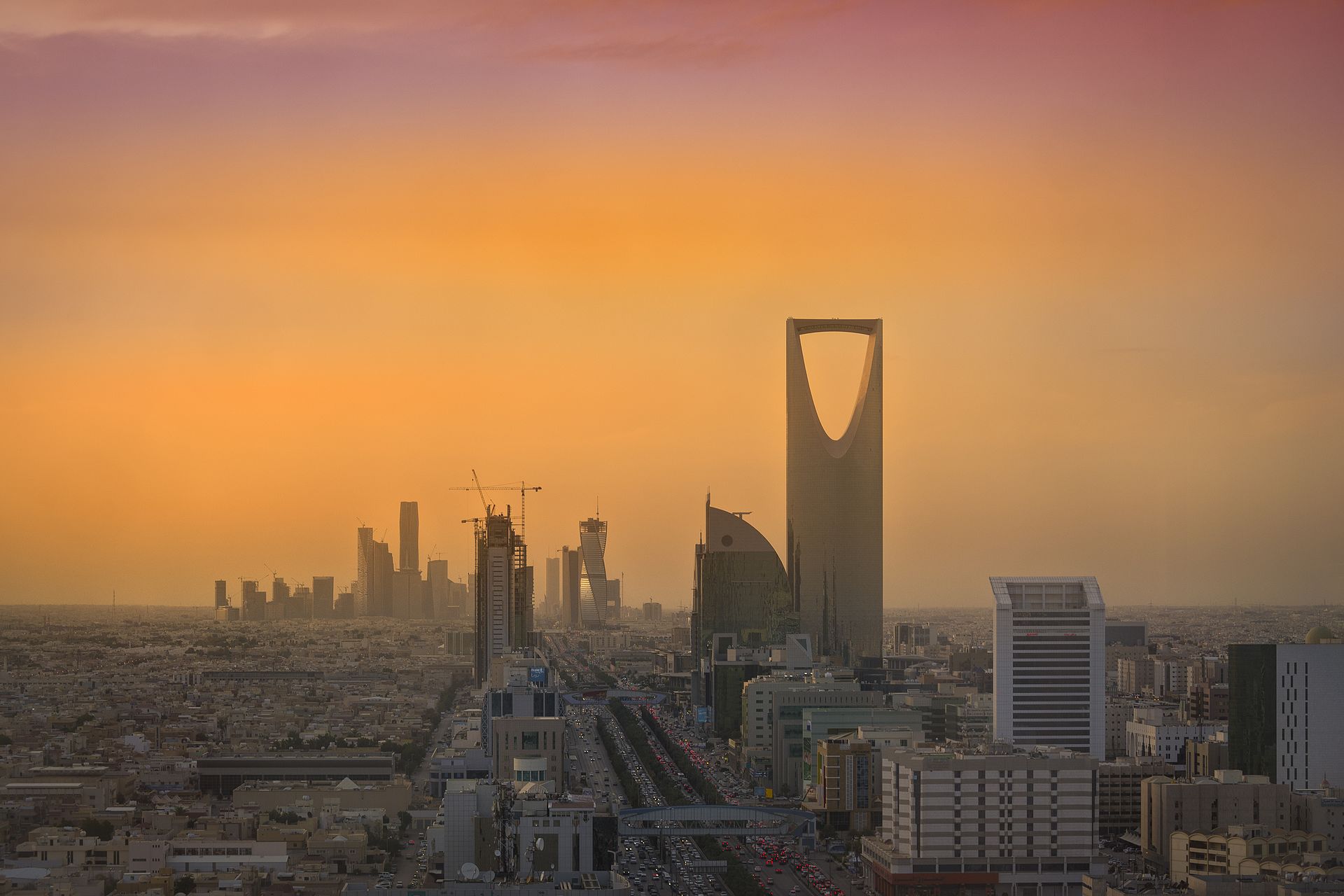
Start with Riyadh. The Riyadh travel guide covers the city in full, but highlights for Korean visitors include the Korea Zone at Boulevard World, part of the annual Riyadh Season. This dedicated zone features K-pop music, Korean street food (tteokbokki, hotteok, Korean fried chicken), hanbok photo booths, and live performances inspired by Seoul’s nightlife energy. Boulevard World itself spans 24 themed country zones with over 40 rides and 500 restaurants — entry costs SAR 30 on weekdays (approximately KRW 10,700).
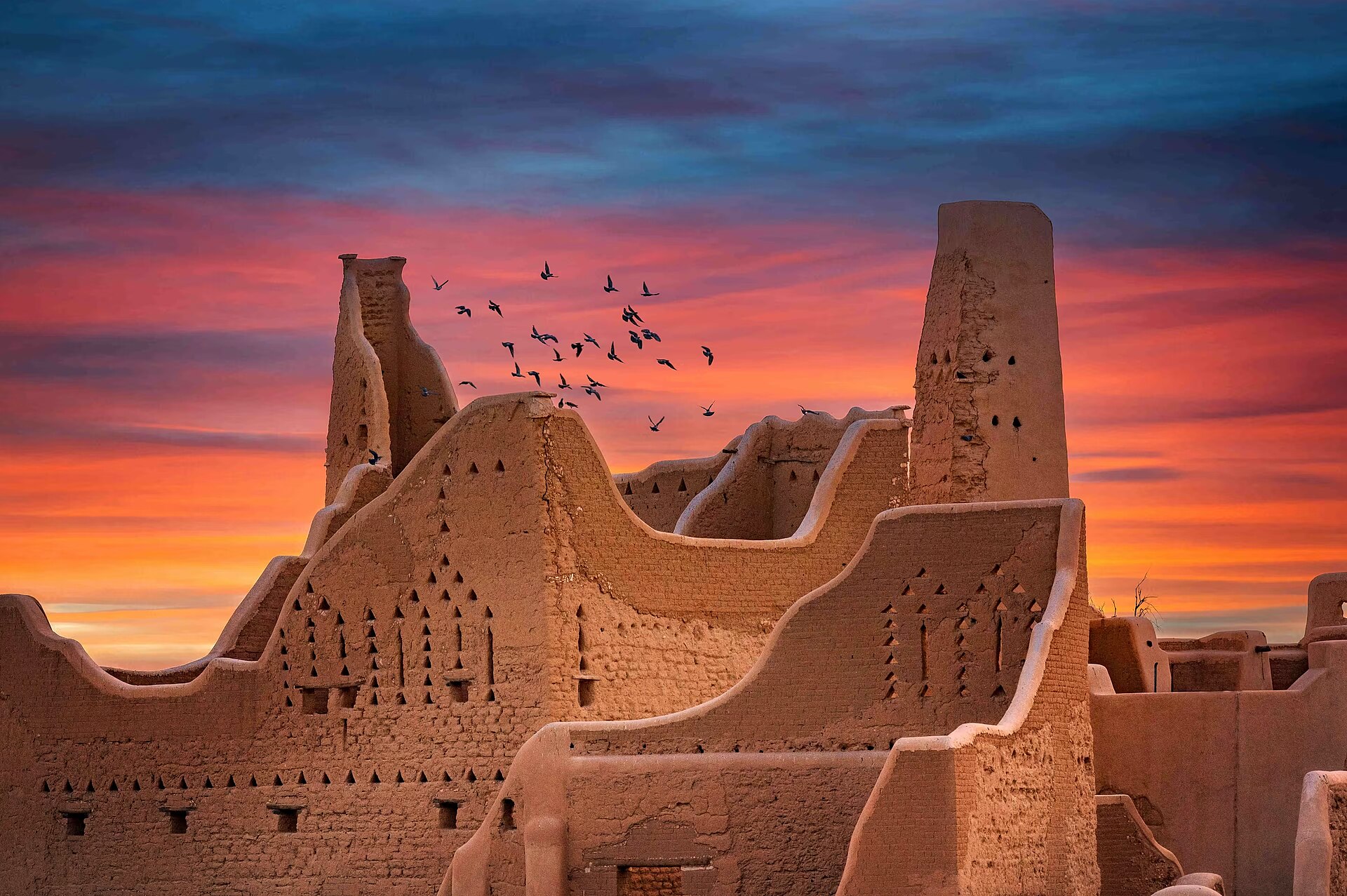
Beyond Boulevard, explore the UNESCO-listed At-Turaif District in Diriyah, the birthplace of the Saudi state and now a stunning heritage quarter with galleries, restaurants, and cultural programmes. The Kingdom Tower Sky Bridge offers panoramic views of the capital. For shopping, Riyadh Park Mall and the traditional souks of Al-Zal and Al-Thumairi offer everything from international brands to handcrafted Arabian perfumes and gold.
AlUla — Saudi Arabia’s Ancient Wonder
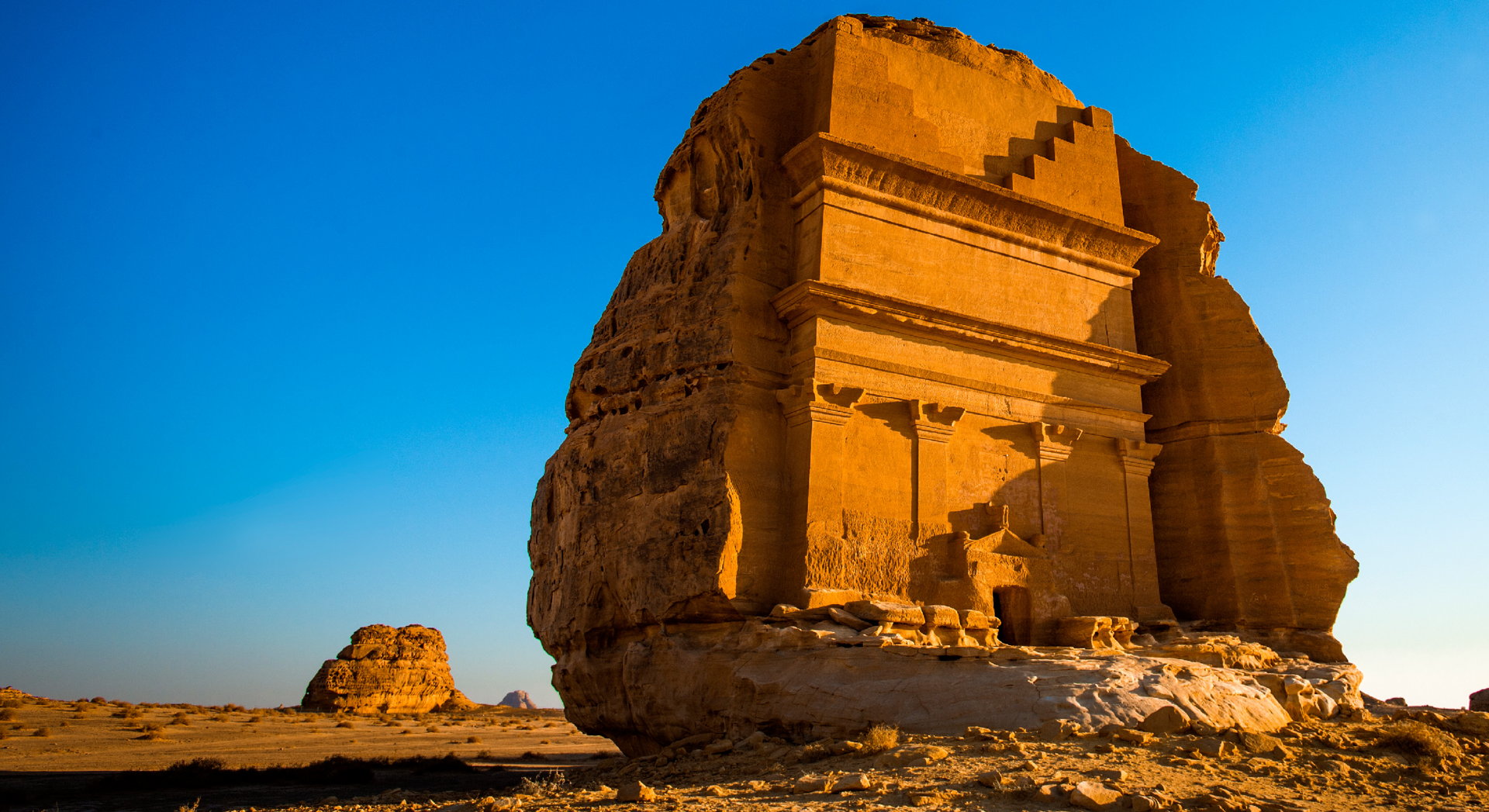
AlUla is Saudi Arabia’s most visually spectacular destination, and Korean travellers consistently rank it as their top highlight. The ancient Nabataean city of Hegra (Mada’in Salih), Saudi Arabia’s first UNESCO World Heritage Site, features over 100 monumental tombs carved into sandstone cliffs — built by the same civilisation that created Petra in Jordan, but far less crowded. Elephant Rock (Jabal AlFil) is another icon, a natural sandstone formation best photographed at sunset.
AlUla runs a winter season (October to March) with concerts, light installations, and outdoor dining experiences. The AlUla winter season guide has the full programme. Korean tourists should note that AlUla’s desert landscapes are increasingly popular with Korean travel content creators — it is one of the most photographed destinations in the Kingdom.
Jeddah — The Red Sea Gateway
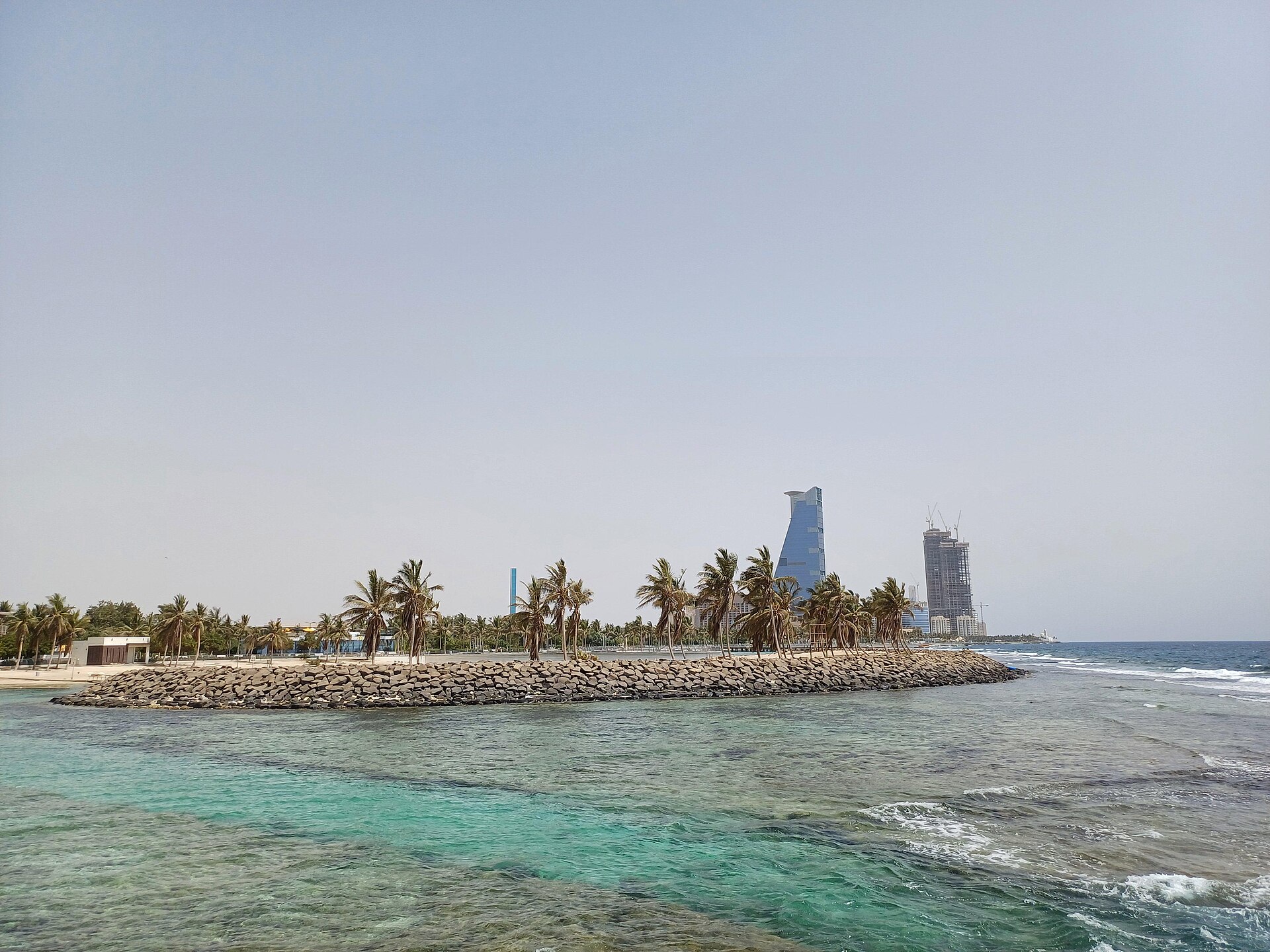
Jeddah is Saudi Arabia’s most cosmopolitan city and the gateway to the Red Sea coast. The historic Al-Balad quarter, a UNESCO World Heritage Site, features centuries-old coral-stone buildings with elaborately carved wooden balconies (rawashin). The Jeddah Corniche stretches for 30 kilometres along the waterfront, lined with sculptures, parks, and cafes. For motorsport fans, the Jeddah Corniche Circuit hosts the Saudi Arabian Grand Prix each spring.
Jeddah also has the best selection of Korean restaurants outside Riyadh. Koreana, open since 1978, is the oldest Korean restaurant in Jeddah and serves authentic banchan-style dishes. SURA (open since 2015) offers han-jeongsik full-course Korean feasts in a traditional setting with low seating and shoji-style screens. Hwaro in Ar Rawdah is a Korean barbecue house with built-in table grills.
The Eastern Province — Where Korean Expats Live
The Dammam and Al Khobar area on the Arabian Gulf coast is home to most of Saudi Arabia’s Korean expatriate community, thanks to Aramco and the petrochemical industry concentrated in Jubail and Dhahran. If you want to find Korean grocery stores, community gatherings, and the most authentic Korean food in the Kingdom, head east. The Half Moon Bay beach resort area and the seafood restaurants along Al Khobar’s Corniche are popular weekend destinations.
Korean Food in Saudi Arabia
Homesick for Korean food? Saudi Arabia’s Korean dining scene has grown significantly. Here are the top spots:
Riyadh
- Korean Palace Restaurant — The oldest Korean restaurant in Riyadh with authentic home-style cooking and a loyal expat following
- Namu by Akira Back — Celebrity chef Akira Back’s fine-dining Korean barbecue concept with coal-fired grills and premium cuts
- Meatin Grill’s — Self-service Korean barbecue where you cook beef, chicken, and seafood on a hot plate at your table
- OMO-OMO — Casual Korean comfort food: rabokki, japchae, gimbap, and tteokbokki
- Ramen KSA — Korean and Japanese ramen with authentic broth recipes
- Koreana (est. 1978) — Banchan-style dishes with decades of authentic flavour
- SURA — Traditional han-jeongsik full-course meals in a classic Korean interior
- Hwaro — Korean BBQ with built-in grills, the closest to a Seoul samgyeopsal experience
- Days 1–2: Riyadh — Diriyah At-Turaif, Kingdom Tower Sky Bridge, National Museum, Boulevard World Korea Zone (if visiting during Riyadh Season), traditional souks
- Day 3: AlUla — Fly to AlUla. Hegra archaeological site, Elephant Rock at sunset, Dadan ancient kingdom ruins
- Day 4: AlUla — Old Town heritage walk, Maraya concert hall (world’s largest mirrored building), stargazing in the desert
- Day 5: Jeddah — Fly to Jeddah. Al-Balad historic quarter, Corniche walk, Korean dinner at Koreana or SURA, depart
- Days 1–2: Riyadh — As above, plus Edge of the World day trip
- Days 3–4: AlUla — As above, plus Jabal Ikmah (open-air library of ancient inscriptions)
- Days 5–6: Jeddah — Al-Balad, Red Sea snorkelling or diving, Jeddah Waterfront, Art Promenade, Korean BBQ night
- Day 7: Day trip — Taif rose gardens (90 minutes from Jeddah) or Red Sea beach resort
- Days 1–3: Riyadh — In-depth exploration including Murabba Palace, Imam Turki bin Abdullah Grand Mosque, luxury hotel stay at one of the new KAFD properties
- Days 4–5: AlUla — Full heritage programme
- Day 6: Tabuk — Fly to Tabuk for the NEOM region and Red Sea coast
- Days 7–8: Jeddah — City exploration and Red Sea activities
- Days 9–10: Abha and Asir — Fly to Abha for mountain villages, cloud forests, and a dramatically different side of Saudi Arabia
- Arabian oud (perfume oil) — High-quality oud is a luxury gift. Shops in Riyadh’s Al-Thumairi souk and Jeddah’s Al-Balad sell authentic oud at various price points, from SAR 50 to SAR 5,000+
- Dates — Saudi Arabia produces the world’s finest dates. Bateel and Tamrah are premium brands available at malls and airports. Ajwa dates from Medina are particularly prized
- Saudi Arabic coffee (qahwa) sets — Ornate dallahs (coffee pots) and finjan cups make elegant gifts
- Gold jewellery — The Gold Souk in Riyadh and Jeddah sells gold by weight with minimal markup over spot price — significantly cheaper than Korean jewellery stores
- Handwoven textiles — Sadu weaving from the Bedouin tradition, available in souk stalls and heritage shops
- Visit Saudi (official tourism app) — attractions, events, maps, prayer times
- Uber / Careem — ride-hailing (download both before arrival)
- Google Maps — navigation works well across Saudi Arabia; download offline maps for desert areas
- Google Translate — Arabic camera translation for signs and menus
- Saudia / flynas — domestic flight booking
- Hungerstation / Jahez — food delivery (Saudi equivalents of Baemin/Yogiyo)
- Naver Map / KakaoMap — will not work in Saudi Arabia for navigation; use Google Maps instead
- Saudi Arabia Travel Guide 2026 — The complete guide to visiting the Kingdom
- Saudi Arabia Visa Guide — Every visa type explained, including the Korean e-visa
- Saudi Arabia for Japanese Tourists — Tips for travellers from a fellow East Asian nation
- First Time in Saudi Arabia — Everything you need to know on your maiden trip
- Riyadh Season Guide — Events, zones, and how to experience the Kingdom’s biggest entertainment season
- AlUla Travel Guide — Hegra, Elephant Rock, and Saudi Arabia’s ancient wonder
Jeddah
Note: All food in Saudi Arabia is halal by default. Korean restaurants in the Kingdom use halal-certified meat, so the taste may differ slightly from Seoul — particularly for pork-based dishes, which are replaced with beef or chicken alternatives. Soju and makgeolli are not available, as alcohol is prohibited throughout Saudi Arabia.
Cultural Tips for Korean Visitors
Korean and Saudi cultures share more common ground than you might expect — respect for elders, the centrality of hospitality, and the importance of face. But there are key differences to prepare for.
Dress Code
Saudi Arabia has relaxed its dress requirements significantly in recent years, but modest clothing is still expected in public. Men should wear long trousers and shirts with sleeves. Women are no longer required to wear an abaya (the traditional black cloak), but should cover shoulders and knees. In practice, Korean women travellers report that loose-fitting clothing similar to what you would wear in a Korean office is perfectly appropriate. At heritage sites and mosques, more conservative coverage may be required.
Prayer Times
Saudi daily life follows the five Islamic prayer times. Shops and some restaurants close for 20–30 minutes during each prayer call. This happens five times a day (Fajr at dawn, Dhuhr at midday, Asr in the afternoon, Maghrib at sunset, and Isha at night). Plan meals and shopping around these pauses — the Visit Saudi app shows exact prayer times by location. Major malls and tourist attractions generally remain open, though some shops within them may close briefly.
Weekend and Business Hours
Saudi Arabia’s weekend is Friday and Saturday (not Saturday and Sunday as in Korea). Friday is the main day of rest. Shopping malls, restaurants, and entertainment venues are busiest on Thursday and Friday evenings. Government offices and banks operate Sunday to Thursday.
Alcohol and Nightlife
Alcohol is completely prohibited in Saudi Arabia — there are no exceptions for tourists or hotel bars. Do not attempt to bring alcohol into the country or ask where to find it. Saudi nightlife centres on food, entertainment venues, cafes, and events like Riyadh Season. Coffee culture is enormous: try Saudi Arabic coffee (qahwa) served with dates, or visit the rapidly growing specialty cafe scene in Riyadh and Jeddah.
Language
Arabic is the official language, but English is widely spoken in hotels, malls, and tourist areas. Google Translate works well for Arabic, and basic Arabic greetings go a long way: Marhaba (hello), Shukran (thank you), Ma’a salama (goodbye). Many young Saudis speak some Korean phrases thanks to K-pop and K-drama culture.
Photography
Photography is generally welcome at tourist sites and public places, but avoid photographing government buildings, military installations, and people (especially women) without their explicit permission. At heritage sites like Hegra and Diriyah, photography is encouraged.
Tipping
Service charges (15% VAT) are included in restaurant bills, but a 10–15% tip for good service is appreciated. Tipping hotel staff SAR 10–20 is customary. Taxi drivers do not expect tips, but rounding up is common.
Money, SIM Cards, and Practical Essentials
Currency
The Saudi Riyal (SAR) is pegged to the US Dollar at 3.75 SAR = 1 USD. As of 2026, 1 SAR is approximately KRW 355. Cards (Visa and Mastercard) are accepted almost everywhere, including street vendors and taxis via contactless payment. Samsung Pay works widely. ATMs dispensing SAR are available at airports and malls.
SIM Cards and Internet
Purchase a local SIM card at the airport on arrival. STC (Saudi Telecom), Mobily, and Zain all offer tourist data packages. A 30-day plan with 20–30 GB of 5G data costs SAR 100–150 (approximately KRW 35,000–53,000). You will need your passport for registration. Saudi Arabia has excellent 5G coverage in major cities — comparable to Korean network speeds. KakaoTalk and Naver work without restriction.
Power Plugs
Saudi Arabia uses Type G plugs (the same as the UK — three rectangular pins). Korean travellers will need a plug adapter. Voltage is 220V/60Hz, similar to Korea’s 220V/60Hz, so your devices are compatible without a voltage converter.
Weather and Packing
October to March is peak tourist season with daytime temperatures of 20–30°C — comfortable for sightseeing. Summer (June–August) brings extreme heat exceeding 45°C in Riyadh and the desert. If you visit in summer, confine outdoor activities to early morning or evening and stay hydrated. Pack sunscreen (SPF 50+), a wide-brimmed hat, and a light scarf for sand and sun protection.
Getting Around Saudi Arabia
Domestic Flights
Saudi Arabia is vast — roughly four times the size of South Korea. Domestic flights connect major cities efficiently. Saudia and flynas operate frequent routes between Riyadh, Jeddah, Dammam, AlUla, Abha, and Tabuk. A Riyadh-to-AlUla flight takes about 90 minutes. Book on the Saudia or flynas apps for the best fares.
Car Rental and Driving
Renting a car offers the most flexibility, especially for road trips to AlUla or the Asir highlands. Korean driving licences are accepted for short visits (check with your rental company). Major international agencies (Hertz, Budget, Avis) operate at all airports. Roads are modern and well-signed in both Arabic and English. Petrol is extremely cheap by Korean standards — approximately SAR 2.33/litre (about KRW 830/litre, roughly one-third of Korean pump prices).
Ride-Hailing
Uber and the local app Careem (now owned by Uber) are the primary ride-hailing services. They work reliably in Riyadh, Jeddah, and Dammam. Fares are low by Korean standards — a 20-minute ride in Riyadh costs approximately SAR 15–25 (KRW 5,300–8,900).
Riyadh Metro
Riyadh’s six-line metro system has been rolling out in phases. Check current operational status before your trip, as some lines may still be in soft launch. When fully operational, the metro will connect the airport, central Riyadh, and major landmarks.
Suggested Itineraries for Korean Tourists
5-Day Greatest Hits
7-Day Culture and Coast
10-Day Deep Dive (for Repeat Visitors)
Shopping: What to Bring Home to Korea
Saudi Arabia offers unique souvenirs that you will not find elsewhere:
Customs note for Korean travellers: When returning to Korea, you may bring up to USD 800 worth of purchases duty-free. Declare amounts above this at Incheon customs. Perfume and dates are generally admitted without issue, but check Korean customs rules for any food import restrictions on dates (dried dates typically pass without problems).
Safety and Health
Saudi Arabia is generally very safe for tourists, with low crime rates in tourist areas and cities. Korean travellers consistently report feeling safe, including solo women. Standard travel precautions apply: keep valuables secure, use licensed taxis or ride-hailing apps, and stay hydrated in the heat.
No special vaccinations are required for South Korean tourists visiting Saudi Arabia for tourism (Hajj and Umrah pilgrimage have separate health requirements — see our Hajj 2026 guide). Travel health insurance is strongly recommended. Pharmacies are widely available and well-stocked, though medication names may differ from Korean brands. Bring any prescription medication in original packaging with a doctor’s note in English.
Useful Apps and Resources
The Korea-Saudi Connection: A Relationship Worth Knowing
When you visit Saudi Arabia as a Korean traveller, you are walking on ground that Korean engineers helped build. The Saudi-Korean Business Council coordinates ongoing commercial partnership. President Yoon Suk-yeol has publicly hailed the bilateral relationship in Saudi media, and Saudi Arabia sees Korea as a key technology partner for its post-oil future. This mutual respect creates a genuine warmth for Korean visitors that goes beyond tourism.
Whether you are exploring Hegra’s ancient tombs, cheering at a K-pop event during Riyadh Season, or tasting galbi at a Korean BBQ restaurant in Jeddah that has been open since 1978, you will find that Saudi Arabia and Korea share a connection that makes this one of the most rewarding destinations in the Middle East for Korean travellers.