
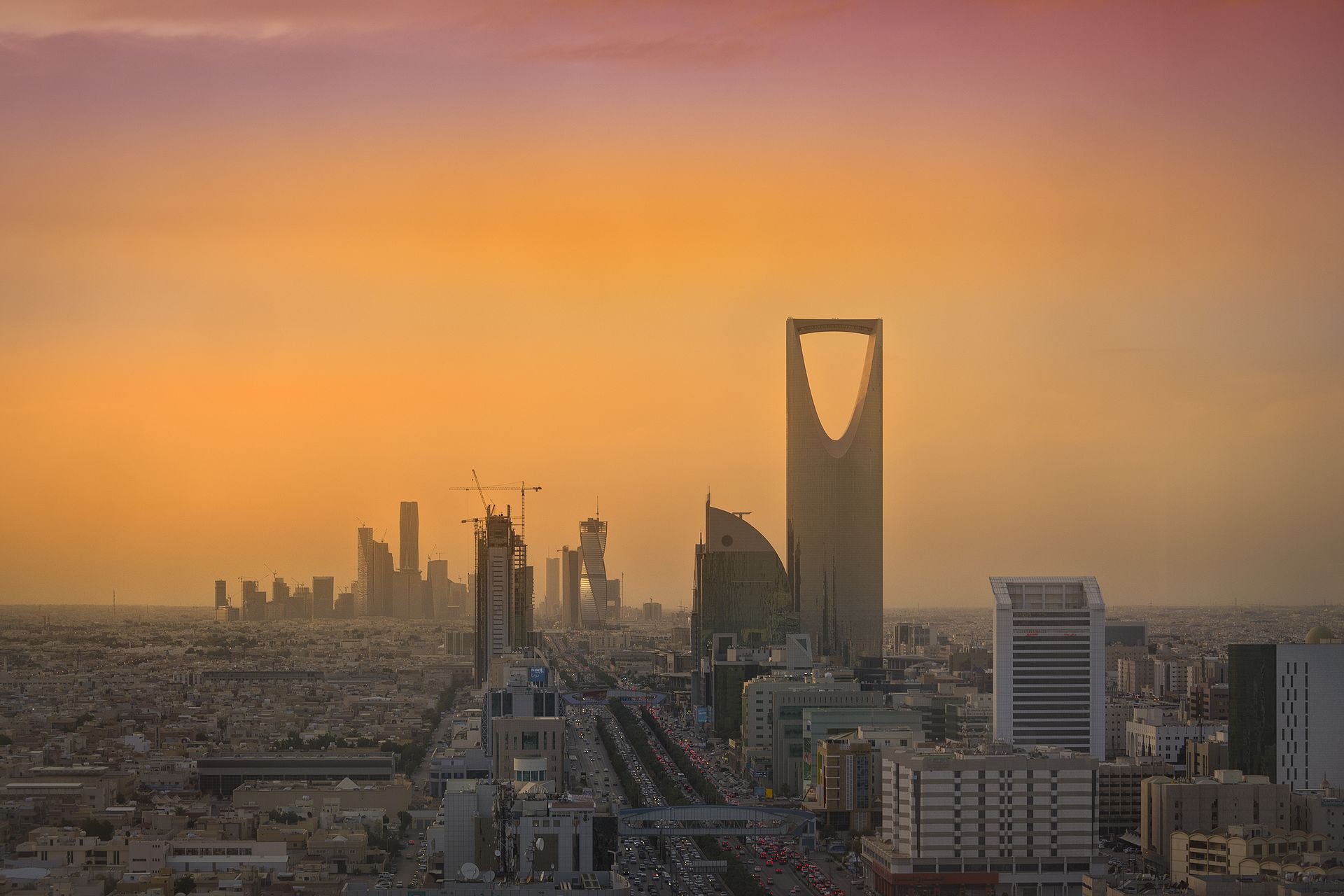
The National Aquarium of Saudi Arabia, housed within Riyadh’s gleaming King Abdullah Financial District (KAFD), is the Kingdom’s flagship marine attraction and one of the most ambitious aquarium projects in the Middle East. Spanning more than 13,600 square metres across six distinct ecosystems, the facility brings the underwater world of the Arabian Peninsula to the desert capital. Whether you are building a full Riyadh travel itinerary or simply looking for a single afternoon that will keep children fascinated for hours, the KAFD Aquarium delivers a genuinely world-class experience for families of all ages.
Best Time to Visit: October to March (cooler weather for combining with outdoor KAFD exploration)
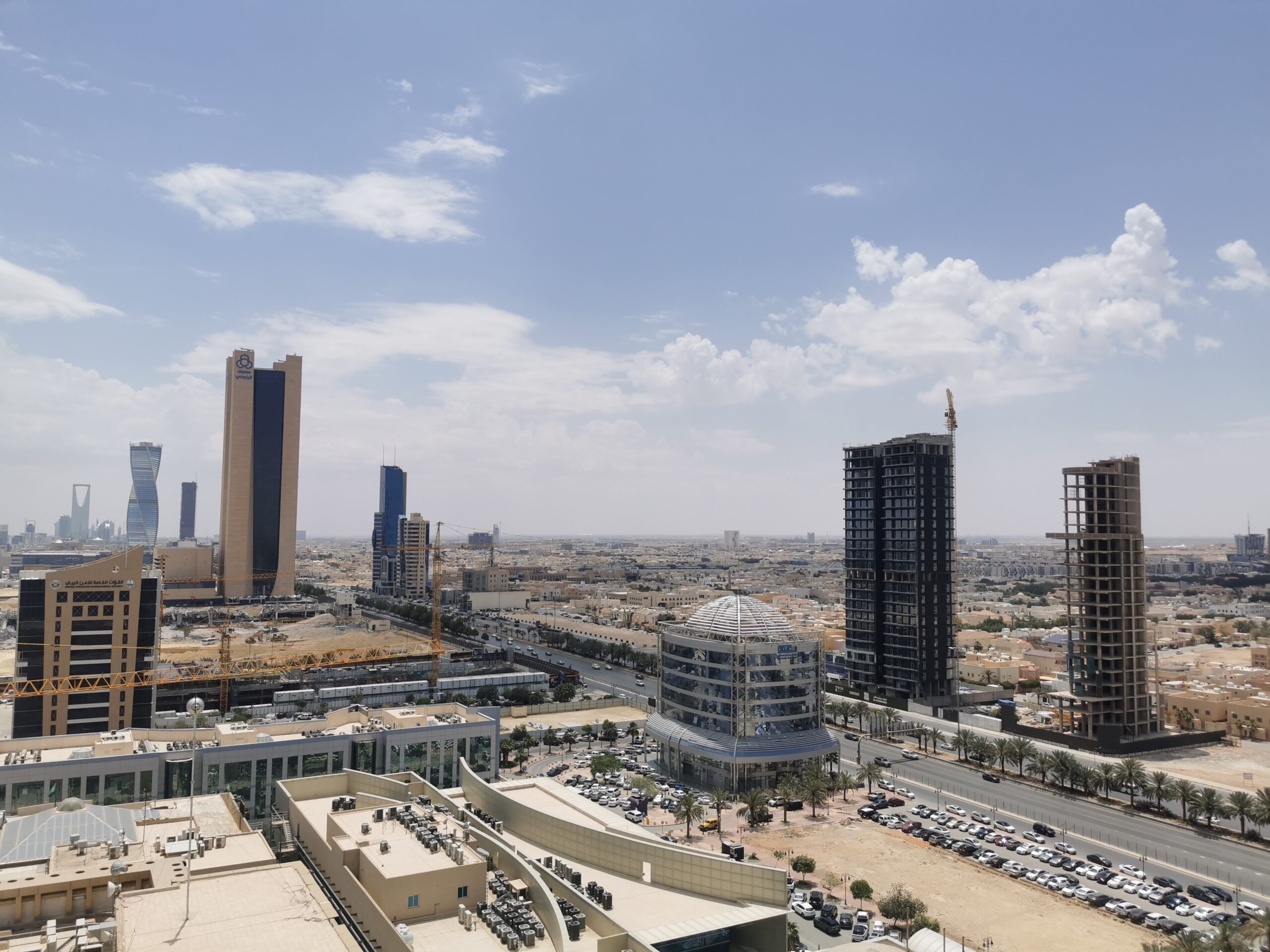
Getting There: KAFD district, northern Riyadh — accessible via Riyadh Metro (Yellow Line, KAFD station) or car
Visa Required: Yes — tourist e-visa
Budget: SAR 100–200 per person (~USD 27–53) including tickets and refreshments
Must-See: Million-gallon Red Sea Ocean Tank, six ecosystem zones, rooftop terrace
Avoid: Weekday mornings during school field-trip season — go early on weekends or late afternoons instead
Why the National Aquarium Matters for Families
Saudi Arabia’s entertainment landscape has transformed under Vision 2030, and the National Aquarium represents one of its marquee family attractions. Designed by Cambridge Seven Associates — the same firm behind the New England Aquarium in Boston and the National Aquarium in Baltimore — the KAFD facility was conceived as both a public amenity for Riyadh residents and a landmark destination for tourists visiting Saudi Arabia.
For families, the appeal is straightforward: this is a fully indoor, climate-controlled space in a city where summer temperatures routinely exceed 45°C. Children can spend three to four hours exploring marine habitats, touching sea creatures in interactive pools, and descending through progressively larger tanks — all without stepping into the heat. Combined with the dining, parks, and walkways of the surrounding KAFD district, a visit can easily fill an entire day.
The Six Ecosystems: What You Will See
The aquarium’s layout is built around six themed zones, each representing a distinct aquatic ecosystem. The design inverts the typical aquarium experience: visitors begin at the top of the building and circulate downward through ever-larger habitats, creating a sense of descending into the ocean.
The Red Sea Ocean Tank
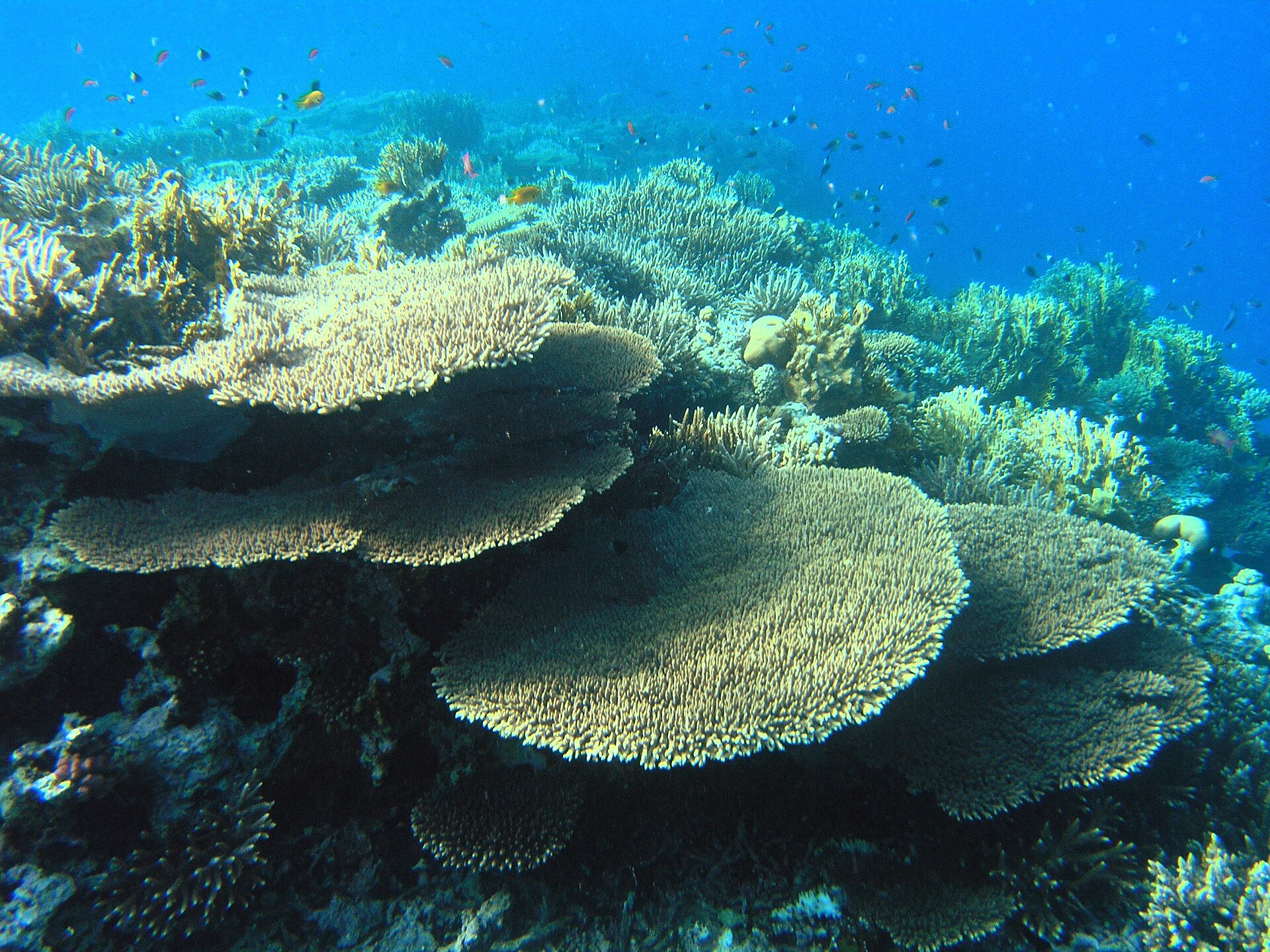
The centrepiece is a one-million-gallon Red Sea tank suspended above the lower entry lobby — one of the largest single-habitat tanks in the Gulf region. The Red Sea is one of the most biodiverse marine environments on Earth, home to more than 1,200 species of fish and 300 species of coral, roughly 10 percent of which are found nowhere else. Children will see groupers, reef sharks, moray eels, and vast coral formations that mirror the ecosystems off Saudi Arabia’s western coast. If your family is interested in learning more about the real Red Sea underwater world, the Saudi Arabia diving and snorkelling guide covers the best sites along the coast.
Arabian Gulf Habitats
A separate zone showcases the warmer, shallower waters of the Arabian Gulf — the body of water along Saudi Arabia’s eastern coast. Exhibits here highlight species adapted to extreme salinity and temperature, including pearl oysters (a nod to the Gulf’s historic pearl-diving industry), sea snakes, and the hawksbill turtles that nest along the Kingdom’s shores.
Freshwater and Mangrove Zones
Not all of Saudi Arabia’s aquatic life is marine. A freshwater zone explores the wadis and oases of the Arabian interior, while a mangrove habitat recreates the coastal ecosystems found along the Red Sea near Jeddah and in the Farasan Islands. These zones are particularly engaging for younger children, as the shallow displays and touch pools allow close-up encounters with smaller creatures.
Open Ocean and Deep Sea
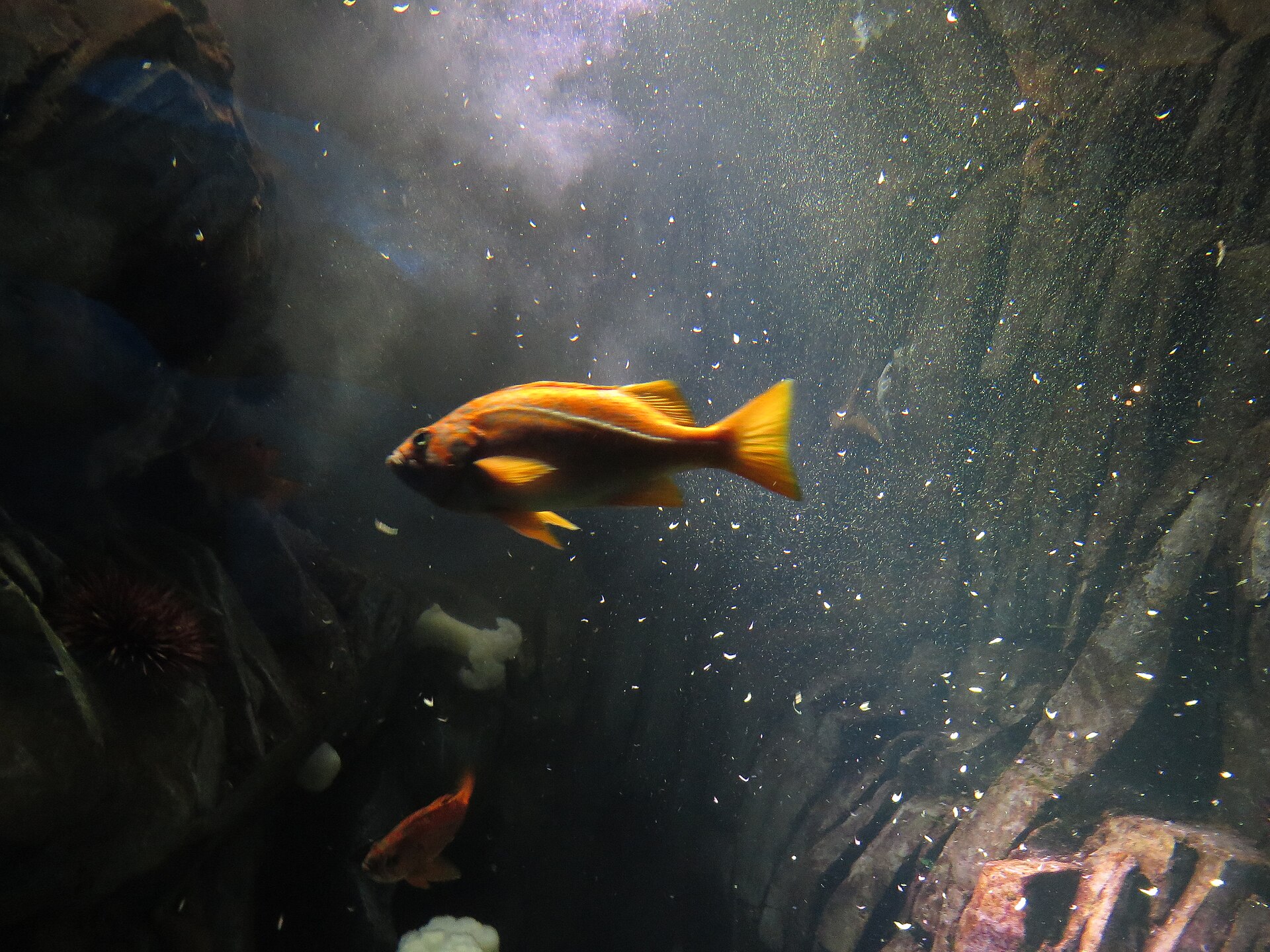
The deepest level of the descent takes visitors into open-ocean and deep-sea environments, with low-light tanks displaying bioluminescent species and larger pelagic fish. The transition from bright, shallow coral reefs to dark, mysterious deep-water habitats creates a dramatic experience that older children and teenagers find particularly compelling.
Visiting with Children: Age-by-Age Guide
Toddlers and Under-5s
The aquarium is pushchair-friendly throughout, with ramps connecting all levels. The mangrove and freshwater zones — with their eye-level shallow tanks and touch pools — work best for the youngest visitors. Expect to spend around 90 minutes before attention spans wear thin. The on-site cafe provides high chairs and child-friendly snacks. Nappy-changing facilities are available on every level.
Ages 5 to 10
This is the sweet spot. Children in this age range will want to see everything, ask questions at every exhibit, and linger at the Red Sea tank. Allow three to four hours. If the aquarium offers guided school-group-style programmes for families, these are worth booking for this age group — the interactive educational content adds depth to the visual experience.
Tweens and Teenagers
Older children respond to the architectural drama of the descending layout and the deep-sea zone’s darker, more atmospheric exhibits. If your teenagers are reluctant museum-goers, the aquarium’s design — which feels more like a cinematic experience than a traditional educational facility — often wins them over. The surrounding KAFD district offers cafes, restaurants, and walkable spaces for post-visit exploration.
The Building: Architecture Families Will Notice
Even if your children never think about architecture, the KAFD Aquarium building itself is striking enough to earn comments. Designed with a faceted exterior inspired by ocean currents, the structure features sweeping curved volumes around a central Grand Hall. Perforated stainless-steel screens wrap a glass curtain wall, creating patterns of light and shadow that shift throughout the day.
The central atrium runs through the building’s core, with glass-walled ramps guiding visitors downward through the exhibits. At the top, a terrace offers views across the KAFD district’s skyline — a useful spot for parents to rest while children peer down at the tanks below.
Getting There
By Metro
The Riyadh Metro Yellow Line serves KAFD directly, making it the easiest car-free option for families. The KAFD station connects to the district’s elevated skywalk system, which leads directly to the aquarium’s upper entrance. For families arriving from central Riyadh or King Khalid International Airport, the metro eliminates the need to navigate traffic and find parking. See our Riyadh Airport to city centre guide for detailed metro directions.
By Car or Taxi
KAFD is located in northern Riyadh along King Fahd Road, roughly 15 minutes from Olaya district and 30 minutes from the airport in normal traffic. Ride-hailing apps Uber and Careem operate throughout Riyadh and drop off directly at the plaza level. If driving, KAFD has multi-storey parking. On weekends and during Riyadh Season events, traffic around KAFD can be heavy — arrive early or use the metro.
Tip: Combine your aquarium visit with lunch or dinner at one of the KAFD district’s restaurants. The district is designed as a walkable precinct with landscaped plazas, making it easy to extend a half-day aquarium visit into a full family outing.
Practical Information for Families
Tickets and Pricing
Ticket prices for major Saudi attractions in this category typically range from SAR 75 to SAR 150 for adults, with reduced rates for children aged 3–12 and free entry for children under 3. Family packages (two adults plus two or three children) often offer savings of 15–20 percent. Check the official KAFD or aquarium website for current pricing, as rates may adjust for peak seasons and special exhibitions.
Opening Hours
Most major Saudi attractions operate Sunday to Thursday from approximately 10:00 AM to 10:00 PM, with extended hours on Fridays and Saturdays (often opening at noon and closing at midnight). During Ramadan, hours shift to accommodate evening activity — expect later opening and closing times. During peak tourism seasons, last entry is typically one to two hours before closing.
What to Bring
- Comfortable shoes — the descending ramp layout covers significant ground
- A light jacket — the interior is air-conditioned and can feel cool after outdoor heat
- A waterproof phone case — useful near touch pools and interactive exhibits
- Snacks and water — though food is available on-site, queues during peak times can be long
- Riyadh Travel Guide 2026 — The complete guide to Saudi Arabia’s capital city
- Best Theme Parks and Rides for Kids — Every major family entertainment venue in the Kingdom
- Jeddah with Kids — Family fun on the Red Sea coast, including Fakieh Aquarium
- Riyadh Season Calendar — Month-by-month guide to events and entertainment
- Saudi Arabia Travel Guide 2026 — The complete guide to visiting the Kingdom
- Saudi Arabia Visa Guide — Every visa type explained
Accessibility
The ramp-based circulation system means the aquarium is fully wheelchair and pushchair accessible. Lifts connect all levels. For visitors with specific accessibility needs, Saudi Arabia’s accessibility guide for disabled travellers covers broader travel planning across the Kingdom.
Nearby Family Attractions in Riyadh
The aquarium works well as the anchor of a broader Riyadh family day. Here are the best options to combine with your visit.
Riyadh Zoo
Located in the Al Malaz district roughly 20 minutes south of KAFD, Riyadh Zoo spans 55 hectares and houses more than 1,500 animals across 200 species. Entry is affordable (around SAR 10), and the grounds include dedicated children’s play areas, a train ride, and shaded picnic zones. It pairs well with a morning aquarium visit followed by an afternoon at the zoo.
King Abdullah Park
Formerly the Al Malaz horse-racing ground, this 32-hectare park features laser fountain shows in the evening, a large artificial lake, jogging paths, and open green spaces. It is one of the best free outdoor family spaces in Riyadh and operates from late afternoon through midnight.
Theme Parks and Indoor Entertainment
For families looking for more structured entertainment, Riyadh offers several options covered in our guide to the best theme parks and rides for kids in Saudi Arabia. Highlights include Sparky’s (one of the Kingdom’s largest indoor amusement centres) and the new Aquarabia water park at Qiddiya City, a massive entertainment development south of Riyadh.
The National Museum
Located within the King Abdulaziz Historical Centre, the National Museum of Saudi Arabia features eight thematic galleries spanning 28,000 square metres. For families with children interested in history and culture, it provides a strong counterpoint to the aquarium’s natural-science focus.
Where to Eat with Children Near KAFD
The KAFD district itself has a growing restaurant and cafe scene. For broader options, our Riyadh street food guide covers the best casual family-friendly eating spots across the city, while the Riyadh brunch guide is ideal for weekend family meals. For a quick coffee stop after the aquarium, the Riyadh cafe guide covers the city’s best third-wave coffee spots.
Planning Your Trip: Visa and Accommodation
International visitors to Saudi Arabia need a tourist e-visa, which can be obtained online in minutes for citizens of 49 eligible countries. The e-visa is valid for one year with multiple entries.
For accommodation near KAFD, northern Riyadh has a concentration of international hotels. Our guide to the best hotels in Riyadh covers options from budget to luxury, including properties within walking distance of the financial district. Families staying longer may prefer a serviced apartment in Riyadh for the extra space and kitchen access.
Family Tip: If you are visiting Riyadh with children and have a full week, consider adding a Saudi Arabia family road trip to your itinerary. The drive from Riyadh to the Edge of the World escarpment takes about 90 minutes and offers dramatic desert scenery that children love.
When to Visit
The aquarium is indoor and climate-controlled, so it works year-round. However, the best time to visit Riyadh for combining the aquarium with outdoor family activities is October through March, when daytime temperatures drop to a comfortable 20–30°C. During the Saudi summer months (June to September), indoor attractions like the aquarium become essential — but expect larger crowds as families seek refuge from the heat.
Fridays and Saturdays are the busiest days. For the shortest queues and most space to explore, visit on a Sunday or Monday morning.