The Ministry of Human Resources and Social Development has announced a significant milestone in the Kingdom’s ongoing labour market reform, with the Saudization rate in several specialized and technical professions officially reaching 70% by early 2026. This achievement is a key component of the Vision 2030 objective to create high-valued, sustainable employment for Saudi nationals and reduce the dependence on foreign labor in critical sectors of the economy. The success of the ‘Nitaqat’ program and other targeted initiatives has demonstrably transformed the Saudi workforce, providing a new generation of professionals with the opportunity to lead the nation’s growth.
At the heart of this success is a strategic focus on aligning education and training with the demands of the private sector. The government has partnered extensively with major industrial and technology firms to develop specialized vocational training programs that equip Saudis with the skills needed for high-tech roles. From aerospace engineering and cybersecurity to financial analysis and biotechnology, the Kingdom is seeing an influx of young, highly motivated Saudi talent. This shift towards a skills-first approach is essential for building a resilient and competitive national economy that can thrive in a post-oil era. Officials noted that the growth in Saudization is particularly strong among women, who are playing an increasingly vital role in various professional fields.
Crown Prince Mohammed bin Salman has consistently advocated for the empowerment of the Saudi youth, viewing them as the primary drivers of the national vision. The government’s proactive efforts to create an attractive and stable work environment for Saudis have yielded significant results. New labor laws that emphasize employee rights, fair compensation, and professional development have made the private sector a much more desirable destination for local talent. Furthermore, the support for SMEs and startups has fostered a vibrant entrepreneurial culture, allowing many young Saudis to create their own jobs and contribute to the nation’s economic diversification.
Beyond just the numbers, the ‘70% Saudization’ milestone reflects a fundamental change in the national mindset. There is a growing sense of pride and ownership among Saudi professionals as they take on increasingly complex and responsible roles within their respective industries. This cultural transformation is vital for the long-term success of Vision 2030, as it ensures that the benefits of economic growth are shared broadly across society. The Ministry has also highlighted that the focus on Saudization is not about excluding foreign talent, but about ensuring that the Kingdom has a self-reliant and highly capable local workforce that can work alongside international experts as equals.
As the program continues to expand, the Ministry is focusing on even higher targets for the coming years. New initiatives are being developed to further improve the matchmaking between job seekers and employers, utilizing AI-driven platforms to streamline the recruitment process. The focus is also shifting towards the long-term career progression of Saudi professionals, ensuring they have the support and training needed to move into senior leadership and management roles. The success of the Saudization program to date is a clear signal that the Kingdom’s labor market is evolving into a more modern, productive, and inclusive system.
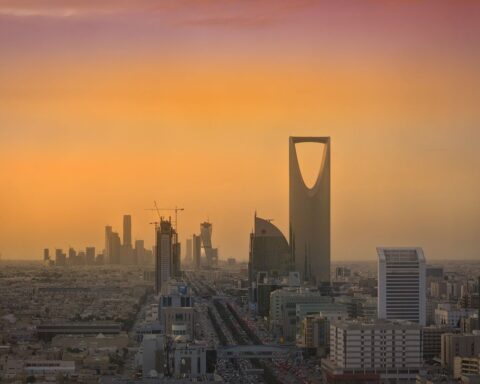
The impact of these milestones is already being felt across the Kingdom, from the offices of Riyadh to the industrial hubs of Jubail and Yanbu. The rise of a highly skilled Saudi professional class is the primary engine of the new economy. By investing in its people, Saudi Arabia is building a future that is not just prosperous, but sustainable and self-reliant. The achievement of a 70% rate in specialized professions is a major win for the Ministry of Human Resources, for the private sector, and most importantly, for the people of Saudi Arabia.
The Middle East briefing 3,000+ readers start their day with.
One email. Every weekday morning. Free.