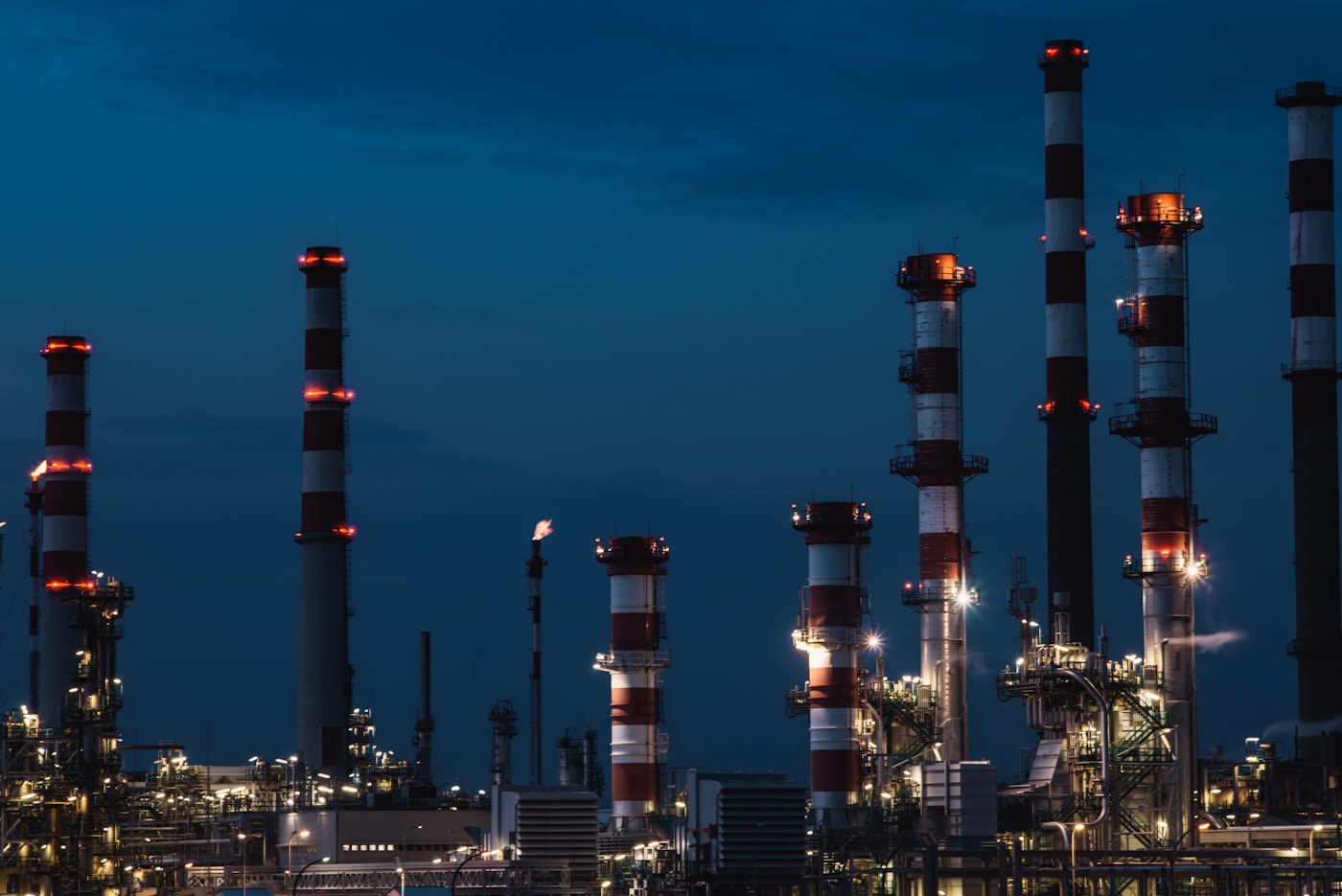

DHAHRAN — The world is watching Iran’s drones hit Saudi oil refineries and counting the cost in barrels. It is asking the wrong question. The real vulnerability — the one that could force the evacuation of Riyadh and leave 35 million people without drinking water — sits in a chain of coastal desalination plants stretching along the Persian Gulf, each one within easy range of the same Iranian drones that have already struck Ras Tanura twice in a single week. Saudi Arabia produces roughly 70 percent of its drinking water from desalination, imports more than 80 percent of its food by sea — a dependency that the emerging Gulf fertilizer crisis is making even more dangerous — and stores barely enough reserves to survive a week-long disruption. If Iran shifts its targeting from oil infrastructure to water infrastructure, the calculus of this war changes overnight — and not in Saudi Arabia’s favour.
Table of Contents
- What Makes Saudi Arabia’s Water Supply So Vulnerable?
- How Much of Saudi Arabia’s Water Comes From Desalination?
- The Energy-Water Nexus — When Power Plants Fall, Water Falls With Them
- Can Iran Actually Hit Saudi Desalination Plants?
- What Happened When Iran Hit Ras Tanura — and What Almost Hit Ras Al Khair
- The 72-Hour Clock — How Fast Would a Water Crisis Unfold?
- Why Is Nobody Talking About Saudi Arabia’s Food Supply?
- The Hormuz Chokepoint — Blocking Oil and Food at the Same Time
- The Water Vulnerability Matrix — Scoring Saudi Arabia’s Infrastructure Risk
- What Is Saudi Arabia Doing to Protect Its Water Infrastructure?
- The Contrarian Case — Why Water, Not Oil, Determines the War’s Outcome
- Frequently Asked Questions
What Makes Saudi Arabia’s Water Supply So Vulnerable?
Saudi Arabia is one of the most water-scarce nations on Earth. More than 90 percent of the country is desert. It has no permanent rivers, no natural freshwater lakes, and receives an average of just 50 millimetres of rainfall per year. Renewable water resources stand at only 84.8 cubic metres per inhabitant per year, according to Nature, compared to a global average of roughly 6,000 cubic metres. The World Bank classifies Saudi Arabia’s water stress level at approximately 974 percent — a figure that reflects the Kingdom’s extreme dependence on non-renewable groundwater mining and industrial desalination to sustain a population that has grown from 6 million in 1970 to more than 35 million today.
This is not merely an environmental challenge. It is a strategic one. A leaked 2008 United States diplomatic cable, published by WikiLeaks, contained a warning that reads differently now than it did 18 years ago: Riyadh “would have to evacuate within a week” if the Jubail desalination plant or its supply pipeline were destroyed. The cable went further, stating bluntly that “the current structure of the Saudi government could not exist without the Jubail Desalinization Plant.”
That warning was written before Iran possessed the drone capabilities it demonstrated in March 2026. It was written before Iranian-made Shahed-136 drones — costing as little as $15,000 each — punched through Saudi air defenses to strike the Ras Tanura refinery, located less than 80 kilometres from the Ras Al Khair desalination complex, the largest hybrid desalination plant on the planet. The question is no longer whether Iran can reach these facilities. The question is why it has not yet chosen to hit them.
Saudi Arabia’s per capita water consumption of 263 litres per day is nearly double the global average, ranking the Kingdom as the third-largest per-capita water consumer in the world behind only the United States and Canada. The Arab Gulf States Institute in Washington calculates that Gulf-wide consumption reaches 560 litres per day per person, more than three times the global average of 180 litres. If this rate persists, the region will need to increase water supply capacity by 77 percent by 2050.
How Much of Saudi Arabia’s Water Comes From Desalination?
Between 50 and 70 percent of Saudi drinking water comes from desalination, depending on the methodology and the source. The United States Trade Department estimates roughly 50 percent from desalination, 40 percent from non-renewable groundwater extraction, and 10 percent from surface water and treated wastewater. Other analysts, including the US-Saudi Business Council, put the desalination share closer to 70 percent for urban populations — and for cities like Riyadh, the dependency is near-total.
The Middle East briefing 3,000+ readers start their day with.
One email. Every weekday morning. Free.
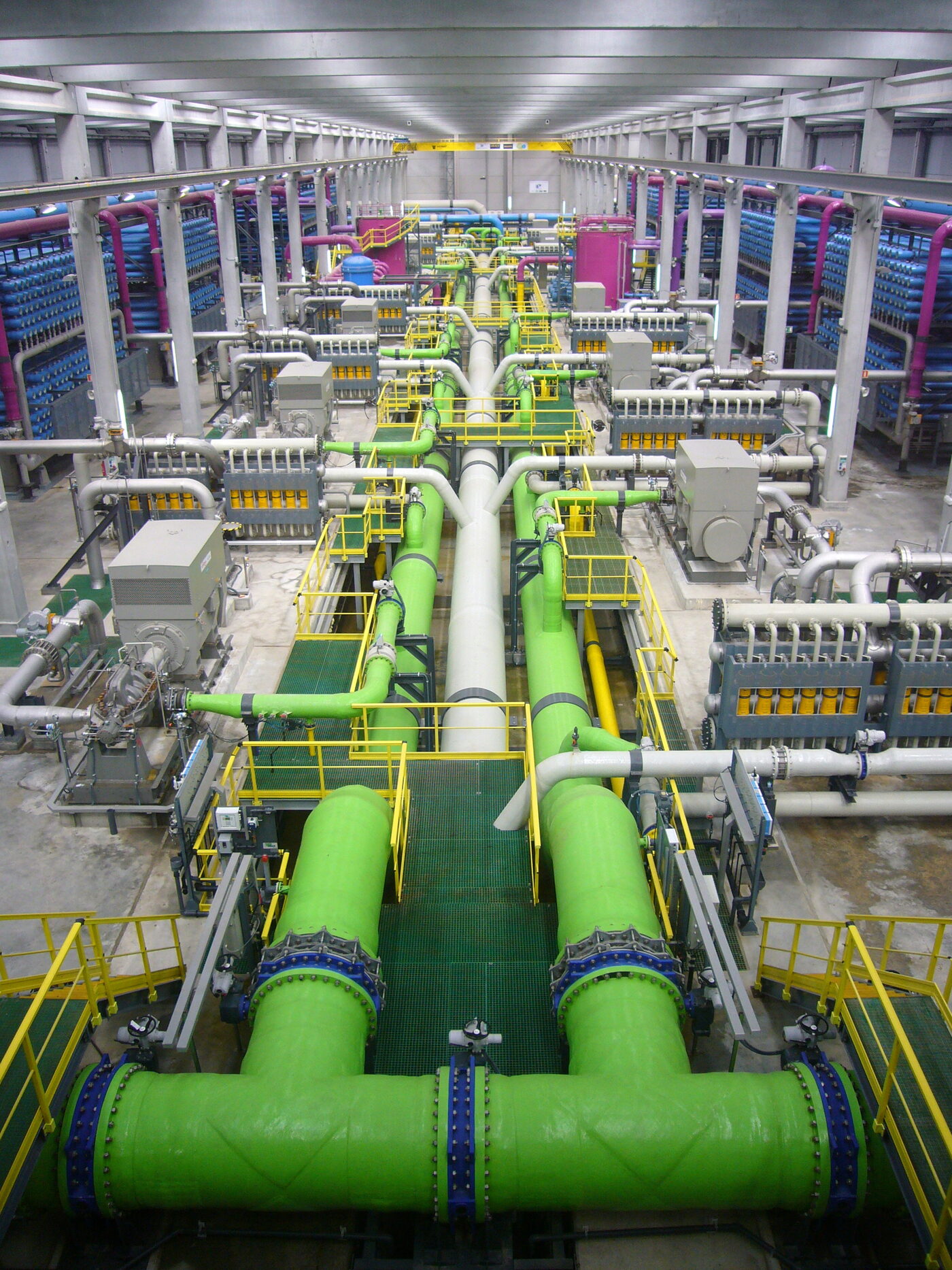
The Saline Water Conversion Corporation, now reorganised as the Saudi Water Authority, operates 30 desalination plants and 139 water purification facilities with a combined production capacity of 11.5 million cubic metres per day. This makes it the world’s largest producer of desalinated water. Saudi Arabia alone produces roughly 18 to 20 percent of the world’s total desalinated water, according to Arab News, and the Arabian Peninsula as a whole holds approximately 60 percent of global desalination capacity.
| Plant | Coast | Capacity (m³/day) | Cost | Supplies | Distance to Iran (km) |
|---|---|---|---|---|---|
| Ras Al Khair | Gulf | 2,998,000 | $7.2 billion | Riyadh, Hafr Al-Batin | ~250 |
| Jubail (JWAP) | Gulf | 800,000 | $3.5 billion | Riyadh (90%+ of supply) | ~260 |
| Shoaiba | Red Sea | 880,000 | $4.8 billion | Jeddah, Makkah | 1,500+ |
| Yanbu III | Red Sea | 550,000 | $2.1 billion | Medina, Yanbu | 1,400+ |
| Yanbu IV | Red Sea | 450,000 | $850 million | AR Rayis region | 1,400+ |
| Shuqaiq-3 | Red Sea | 450,000 | $600 million | Southern region | 1,600+ |
| Shuaibah 3 (New) | Red Sea | 600,000 | $900 million | Makkah, Jeddah, Taif | 1,500+ |
The geography tells a stark story. The two largest facilities supplying Saudi Arabia’s capital — Ras Al Khair and Jubail — sit on the Persian Gulf coast, roughly 250 kilometres from the Iranian shoreline. They are within trivial range of Iran’s entire arsenal, from ballistic missiles to the cheapest Shahed drones. The Jubail complex alone supplies more than 90 percent of Riyadh’s drinking water through a 500-kilometre pipeline. If that pipeline or that plant were damaged, the capital — home to more than 8 million people, the seat of government, and the headquarters of Aramco and virtually every major Saudi institution — would begin running dry within days.
The Red Sea coast facilities — Shoaiba, Yanbu, Shuqaiq — are safer from direct Iranian strike, sitting 1,400 to 1,600 kilometres from Iran. But they supply western Saudi Arabia, not the capital. And they face their own threat from Houthi forces in Yemen, whose drone and missile capabilities have expanded dramatically with Iranian support.
The Energy-Water Nexus — When Power Plants Fall, Water Falls With Them
The most insidious dimension of Saudi Arabia’s water vulnerability is the energy-water nexus. Most of the Kingdom’s large desalination plants are not standalone water facilities. They are co-located with power generation plants, sharing turbines, fuel supplies, and cooling systems in integrated complexes. Destroy the power plant, and the desalination capacity disappears with it.
Ras Al Khair generates 2,690 megawatts of electricity alongside its 3 million cubic metres of daily water output. Shoaiba produces 5,600 megawatts. Yanbu III delivers 3.1 gigawatts. These are not small generators attached to water purifiers. They are among the largest power plants in the Middle East, and they are essential to keeping the desalination membranes and thermal distillation units running.
The International Energy Agency noted that electricity consumption for desalination in the Middle East tripled between 2005 and 2020, reaching approximately 6 percent of Saudi Arabia’s total electricity consumption — roughly 17 terawatt-hours per year. Reverse osmosis plants consume 2.5 to 3 kilowatt-hours per cubic metre of water produced. Thermal desalination, which many older Saudi plants still use, consumes more than 5 kilowatt-hours per cubic metre. The Middle East accounts for approximately 90 percent of thermal energy used for desalination worldwide, according to the IEA, and Saudi Arabia and the UAE lead that consumption.
The precedent is already set. During the current conflict, Iranian strikes hit a power station in Fujairah in the UAE that supports one of the world’s largest desalination plants. Debris from a drone interception caused a fire at a desalination facility in Kuwait. Iranian strikes on Dubai’s Jebel Ali port landed approximately 20 kilometres from a massive complex housing 43 desalination units, according to Bloomberg. The targeting pattern is clear, even if the desalination plants have not yet been deliberately struck. Iran is hitting the power grid, the ports, the industrial corridors — and desalination plants sit in the middle of all three.
Roughly 100 million people in the Gulf region rely on desalination plants for their water. Without them, almost nobody would be able to live in Kuwait, Qatar, and the UAE — or much of Saudi Arabia, including its capital, Riyadh.
Matthew Currell, The Conversation, March 2026
Can Iran Actually Hit Saudi Desalination Plants?
Iran’s ability to strike Saudi desalination infrastructure is not a hypothetical. It is a demonstrated fact — pending only the decision to do so. The distance from the Iranian coast to Jubail and Ras Al Khair is approximately 150 to 300 kilometres across the Persian Gulf, a distance that falls comfortably within the range of Iran’s cheapest and most abundant weapon systems.
Since the conflict began on February 28, 2026, Iran has launched more than 500 ballistic missiles and over 2,000 drones, according to U.S. Central Command’s Admiral Brad Cooper, speaking on March 3, 2026. In the first two days alone, at least 390 ballistic missiles and 830 drones were fired at Gulf state targets, Al Jazeera reported. Iran’s Shahed-136 drone has a range of 2,500 kilometres and costs as little as $15,000 to $50,000 per unit. Its Fattah-2 hypersonic missile manoeuvres at Mach 15. Even the most basic Iranian cruise missiles reach 2,500 kilometres — more than eight times the distance required to reach Saudi Gulf coast infrastructure.
The Center for Strategic and International Studies identified Saudi desalination plants by name as vulnerable targets. Anthony Cordesman, then holding the Emeritus Chair in Strategy at CSIS, wrote that “electric power and desalination plants — the source of virtually all Arab Gulf drinking water” represent key areas of vulnerability. His analysis specified that “critical infrastructure sites such as the port of Ras Tanura, Ras Al-Khair power and desalination plant, and the Abqaiq processing and stabilization plant exist within range of Iran’s land-based ballistic missile force.”
The 2019 Abqaiq-Khurais attack provides the most relevant precedent. On September 14 of that year, drones struck Aramco’s Abqaiq processing facility and Khurais oil field, knocking out 5.7 million barrels per day of Saudi oil production — the largest single supply disruption in modern oil history. As the Atlantic Council noted afterwards, billions of dollars of Saudi air defenses, including Patriot batteries and Shahine surface-to-air missile systems, were bypassed by drones potentially costing as little as $15,000 each. If Iran could hit Abqaiq in 2019, it can hit Ras Al Khair in 2026. The question is not capability. It is intent.
| Weapon System | Range (km) | Unit Cost (est.) | Speed | Demonstrated in 2026 |
|---|---|---|---|---|
| Shahed-136 drone | 2,500 | $15,000-$50,000 | 180 kph | Yes — used at Ras Tanura, Riyadh |
| Fattah-2 hypersonic | 1,400 | $5-10 million | Mach 15 | Yes — launched March 1-2 |
| Soumar cruise missile | 2,500 | $1-2 million | 850 kph | Reported variants used |
| Shahab-3 ballistic | 2,000 | $2-5 million | Mach 7+ | Yes — multiple launches |
| Emad ballistic | 2,000 | $3-6 million | Mach 7+ | Reported used |
What Happened When Iran Hit Ras Tanura — and What Almost Hit Ras Al Khair
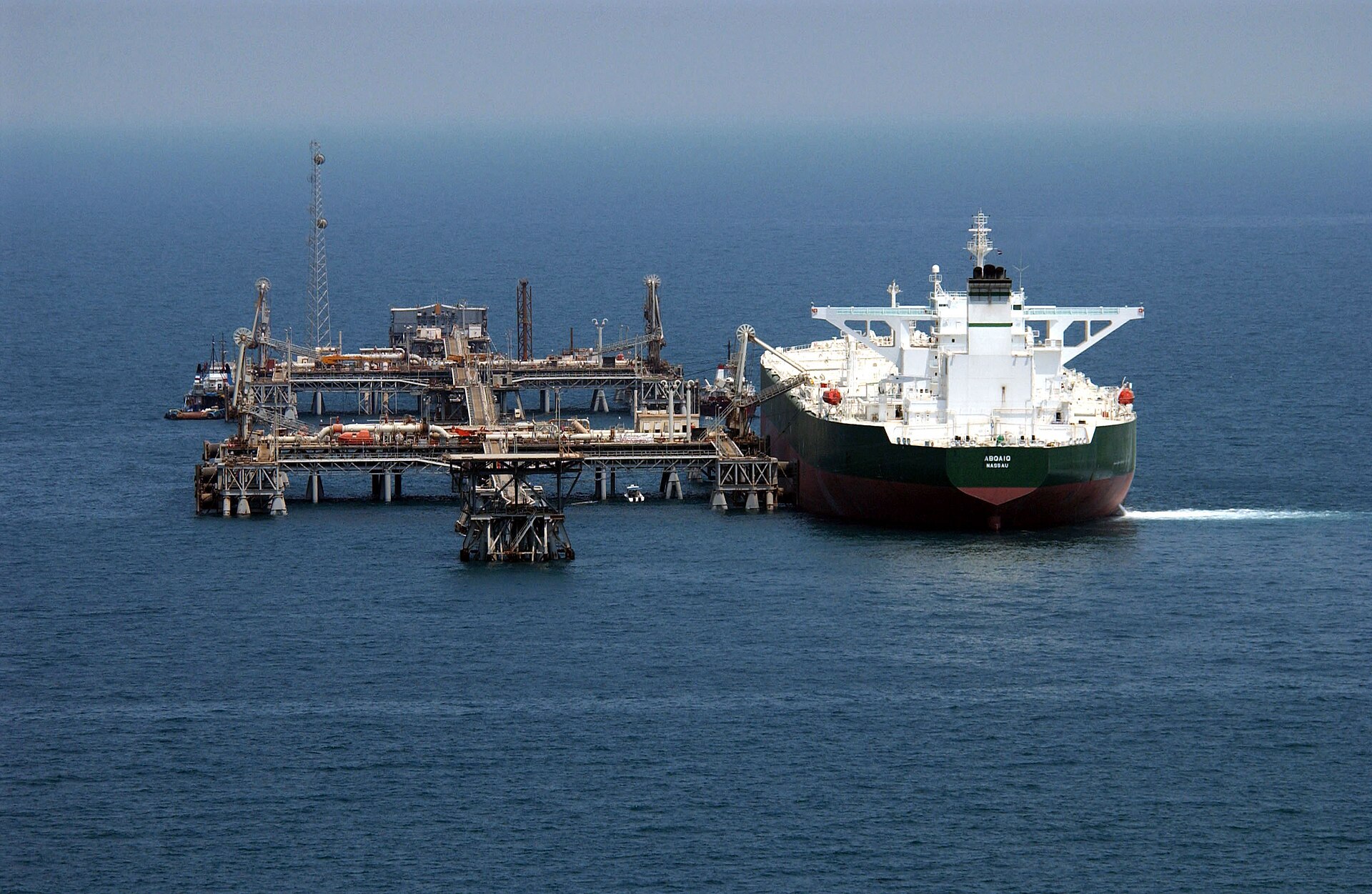
The geography of the March 2026 attacks illustrates how close Iran has already come to Saudi Arabia’s water supply. On March 2, Iranian drones targeted the Ras Tanura refinery, Saudi Arabia’s largest domestic oil refining facility with a capacity of 550,000 barrels per day. The Saudi Defence Ministry confirmed that two drones were intercepted en route, but debris from the interception caused a fire within the refinery complex. Aramco halted production and began rerouting exports through alternative facilities.
On March 4, Ras Tanura was hit again — a second strike on the same facility within 48 hours, according to the Jerusalem Post and Bloomberg. This pattern of repeated targeting suggests systematic Iranian intelligence on the facility’s location, defensive gaps, and operational status.
Ras Tanura sits approximately 80 kilometres southeast of Ras Al Khair, the world’s largest hybrid desalination plant. The two facilities share the same stretch of Saudi Arabian Gulf coastline. They face the same Iranian drone corridors. They are defended by the same air defense batteries. If a Shahed drone can reach Ras Tanura, it can reach Ras Al Khair. The flight time difference is measured in minutes.
Ras Al Khair was commissioned in 2014 at a cost of $7.2 billion. It combines 8 multi-stage flash (MSF) thermal desalination units with 17 reverse osmosis units, producing nearly 3 million cubic metres of drinking water daily alongside 2,690 megawatts of electrical power. It supplies water to Riyadh, Hafr Al-Batin, and surrounding regions. Damaging this single facility would affect the water supply to the Saudi capital and potentially trigger the evacuation scenario described in the 2008 U.S. diplomatic cable.
Macquarie analysts warned in early March 2026 that “the targeting of key infrastructure, such as water desalination plants, would mark important escalations of the conflict.” Bloomberg’s Liam Denning wrote on March 4 that “Arab nations surrounding the Persian Gulf can withstand price shocks and temporary energy disruption more easily than they can withstand a major breakdown in potable water supply.”
What Did the 2019 Abqaiq Attack Teach Saudi Arabia About Infrastructure Defense?
The September 2019 attack on Abqaiq and Khurais should have been Saudi Arabia’s wake-up call for infrastructure vulnerability. In some ways it was — and in others, the lessons went unlearned. The attack, attributed to Iranian-backed Houthi forces using drones and cruise missiles, knocked out 5.7 million barrels per day of oil production and 0.7 million barrels per day of natural gas liquids. Oil prices spiked 15 percent in a single day. The attack exposed catastrophic gaps in Saudi air defense coverage, particularly against low-flying drone swarms approaching from unexpected vectors.
In the aftermath, Saudi Arabia invested heavily in counter-unmanned aerial system technologies, including electronic warfare capabilities and kinetic interceptors designed for smaller, slower targets. The Kingdom expanded Patriot battery deployments and accelerated acquisition of THAAD systems. Defence spending, already among the highest per capita in the world, increased further. By the time Iran launched its retaliatory strikes in February 2026, Saudi Arabia possessed one of the densest air defense networks on the planet.
Yet the March 2026 attacks revealed that density alone does not equal effectiveness. Iranian drones still reached Ras Tanura. Debris from interceptions still caused fires. The sheer volume of incoming threats — 500 ballistic missiles and 2,000 drones in the first week — overwhelmed a system designed to defend against smaller, episodic attacks. The 2019 lesson was about vulnerability. The 2026 lesson is about scale.
More critically, the post-Abqaiq security upgrades focused almost exclusively on oil infrastructure. Aramco facilities received additional Patriot coverage, hardened perimeters, and redundant processing capacity. Desalination plants received no comparable upgrade. The assumption — reasonable in 2019, questionable in 2026 — was that Iran’s targeting calculus would remain focused on oil, the commodity that generates global headlines and market disruptions. Water infrastructure, less photogenic and less understood by international media, was treated as a secondary concern. That assumption is now being tested in real time.
The Atlantic Council’s post-Abqaiq analysis warned presciently that Gulf states’ critical infrastructure “remains inherently difficult to defend” against low-cost drone attacks. The organisation noted that the attack exposed a fundamental asymmetry: billions of dollars in air defense could be thwarted by weapons costing thousands. That asymmetry applies with even greater force to water infrastructure, which is more dispersed, less hardened, and defended by fewer dedicated assets than oil processing facilities.
The 72-Hour Clock — How Fast Would a Water Crisis Unfold?
A successful strike on Ras Al Khair and Jubail would set a clock running that Saudi Arabia’s infrastructure is not equipped to stop. The cascading failure would unfold in stages, each compounding the last.
Within the first 24 hours, Riyadh’s municipal water pressure would begin to drop. The capital receives more than 90 percent of its drinking water from the Jubail complex through a single 500-kilometre pipeline. Without new water entering the system, existing reservoir capacity in the capital would begin depleting. Residents would notice reduced pressure before they understood the cause.
By 48 hours, rationing would become unavoidable. The Saudi government would need to implement emergency water distribution through tanker trucks — a logistical operation of staggering complexity in a metropolitan area of more than 8 million people. Hospitals, which consume enormous quantities of water for sanitation and cooling, would face immediate operational challenges. Industrial processes across the Eastern Province would halt.
By 72 hours, the crisis would become existential. Qatar’s own contingency planning, documented after the 2017 Gulf blockade, estimated that the emirate could run out of potable water in just three days during a supply disruption. Qatar subsequently built 15 mega-reservoirs to extend its reserves from two to seven days. Saudi Arabia, with a population ten times larger, faces proportionally greater challenges. The National Water Strategy mandates continuous access to adequate quantities of safe water under normal and emergency conditions — but “emergency conditions” have never been tested against a sustained military attack on desalination infrastructure.
The secondary effects would compound the primary disruption. Saudi Arabia’s agricultural sector, which reached a record SAR 114 billion GDP contribution in 2024, depends on irrigation infrastructure that draws from the same water network. Dairy farms achieving 109 percent self-sufficiency, poultry operations at 60 percent domestic production, and egg production at 116 percent of demand — all require reliable water supply. A desalination shutdown would not only leave taps dry. It would threaten the domestic food production that represents one of the few bright spots in Saudi food security. The full scope of the Kingdom’s food supply chain vulnerability is examined in a dedicated analysis of Saudi Arabia’s food security crisis.
The 13 million foreign workers in Saudi Arabia would face particular risk. Expatriates lack the family networks, rural connections, and private reserves that Saudi nationals might access in an emergency. Construction workers in the Eastern Province, domestic workers in Riyadh, and service industry employees across the Kingdom would become the most vulnerable population in the most water-scarce region on Earth.
The 2008 U.S. diplomatic cable’s assessment — evacuation of Riyadh within a week — was not hyperbolic analysis from an alarmist diplomat. It was a sober calculation based on the city’s near-total dependence on a single supply chain that originates at a coastal facility within drone range of a hostile state. Eighteen years later, that supply chain has grown larger and more efficient. It has not grown more resilient.
Why Is Nobody Talking About Saudi Arabia’s Food Supply?
The water crisis is inseparable from a parallel vulnerability that has received even less attention: food security. Saudi Arabia imports approximately 80 percent of its food, according to the Carnegie Endowment for International Peace and the Borgen Project. The Gulf Cooperation Council as a whole imports roughly 85 percent of food needs, with more than 90 percent of cereals arriving from abroad.
The numbers are sobering. USDA data for the 2024-2025 marketing year shows Saudi Arabia importing an estimated 3.1 to 3.4 million metric tonnes of wheat, 4.5 million metric tonnes of corn, and 1.1 million metric tonnes of rice. Barley imports are projected to surge from 1.9 million to 4.2 million metric tonnes in 2025-2026, according to World Grain. Total wheat consumption in the Kingdom stands at approximately 4.75 million metric tonnes per year, with domestic production covering barely a third of demand at 1.5 million metric tonnes.
Saudi Arabia ended its domestic wheat production programme in 2016 after scaling it back from 2008 to conserve dwindling groundwater reserves. The Al-Ahsa aquifer in the Eastern Province has dropped an estimated 150 metres over the past 25 years, according to a study published in ScienceDirect. At current withdrawal rates, Saudi groundwater could be exhausted within approximately 50 years. The decision to import wheat rather than pump irreplaceable fossil water was rational in peacetime. In wartime, it has become a strategic liability.
The Kingdom’s food import partners read like a geography of supply chain risk. Wheat arrives primarily from Russia, Romania, Brazil, and Uruguay. General food supplies come from Germany, the United States, China, Italy, and the Netherlands. Every kilogramme arrives by sea, through ports that depend on shipping lanes now under threat.
| Commodity | Annual Import (MMT) | Self-Sufficiency (%) | Primary Suppliers | Import Route |
|---|---|---|---|---|
| Wheat | 3.1-3.4 | ~32% | Russia, Romania, Brazil | Gulf + Red Sea ports |
| Corn | 4.5 | <5% | Brazil, Argentina, USA | Gulf + Red Sea ports |
| Barley | 4.2 (projected) | <5% | Australia, EU, Black Sea | Gulf + Red Sea ports |
| Rice | 1.1 | <2% | India, Pakistan, Thailand | Primarily Gulf ports |
| Poultry | ~0.5 | ~60% | Brazil, USA, EU | Mixed routes |
| Dairy | Surplus | 109% | N/A (domestic surplus) | N/A |
The Saudi General Food Security Authority, formerly SAGO, operates strategic grain silos positioned near Jeddah Islamic Port, Yanbu Commercial Port, and Dammam’s King Abdulaziz Port. These reserves provide a buffer measured in months, not years — calibrated based on population size, consumption patterns, and global supply chain risk assessments. Reuters reported on March 5 that Gulf states face their “biggest food security challenge since the 2008 global food crisis,” with reserves designed to cushion normal supply fluctuations now being tested by what could become a sustained wartime disruption.
The Hormuz Chokepoint — Blocking Oil and Food at the Same Time
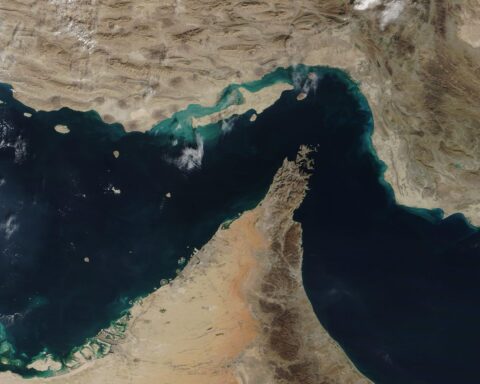
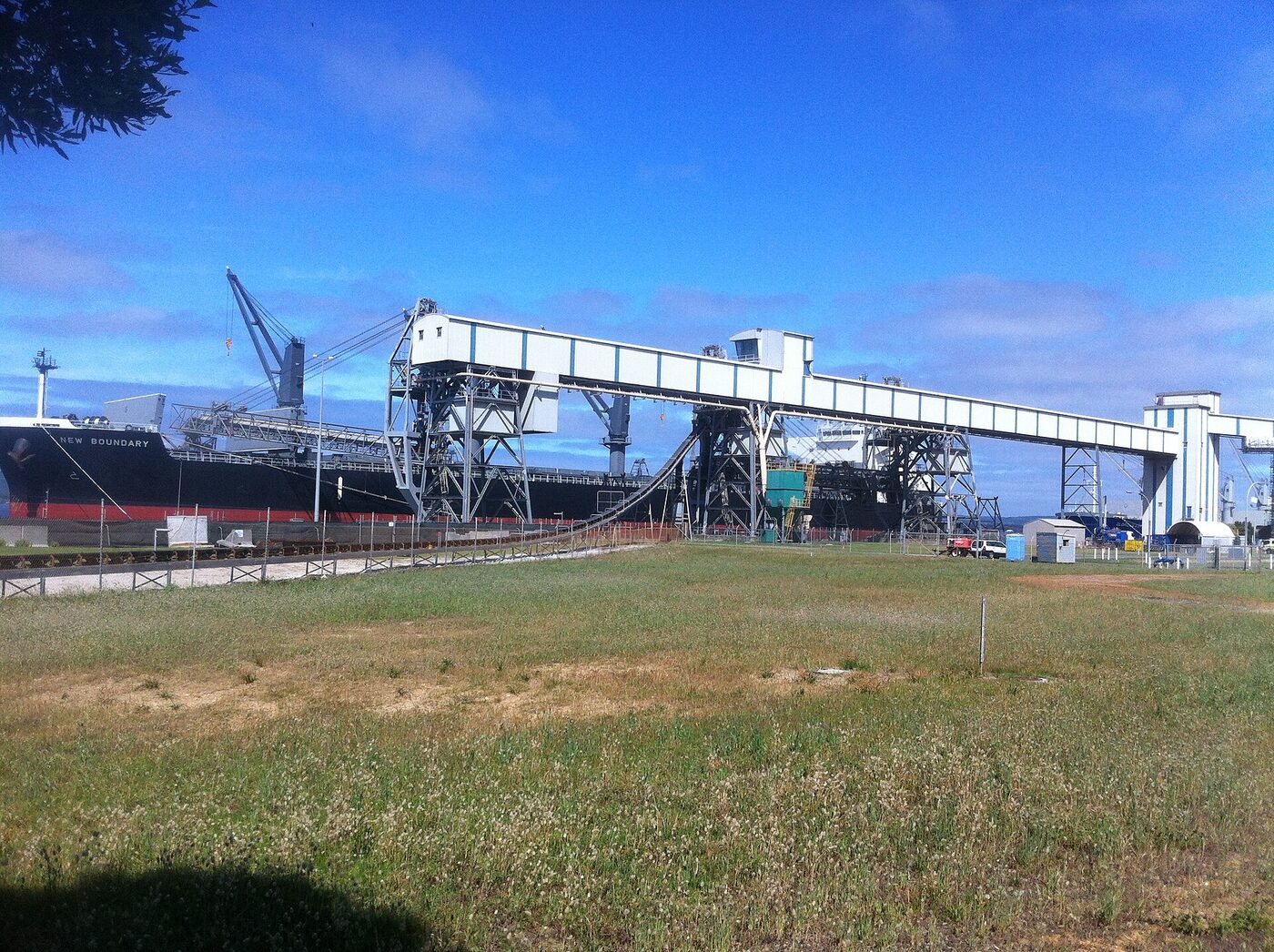
The Strait of Hormuz handles approximately 20 percent of global oil and LNG supply. That statistic is well known. Less discussed is that more than 70 percent of GCC foodstuffs also transit through the Strait, according to TRT World. When Iran’s actions effectively closed the waterway in the opening days of the March 2026 conflict, it did not just trap Saudi oil. It cut off the primary supply route for food imports feeding 60 million Gulf residents.
Ship traffic through the Strait slowed to a crawl following the February 28 outbreak of hostilities. CNBC reported that Qatar, Kuwait, Bahrain, and Iraq effectively became “landlocked,” dependent on overland routes through Saudi Arabia — creating additional strain on a logistics network already under pressure from direct military attacks. Iranian strikes hit Dubai’s Jebel Ali, the region’s largest container port, temporarily suspending operations.
The shipping insurance market collapsed in parallel. Pre-escalation war risk premiums for vessels transiting the Strait stood at 0.05 to 0.15 percent of hull value per transit, according to Stephenson Harwood. By late February 2026, they had surged to 0.3 to 0.7 percent or higher. For very large crude carriers, this translated to an increase of approximately $250,000 per transit. Several marine insurers cancelled war risk coverage entirely as the conflict intensified, S&P Global reported. Oil supertanker rates hit all-time highs.
The Red Sea offers no alternative. Houthi attacks throughout 2024 and 2025 forced most major shipping lines to reroute via the Cape of Good Hope, adding 10 to 14 days to Asia-Europe transit times. The Red Sea and Suez Canal carry approximately 15 percent of global maritime trade. Saudi Arabia’s grain reserves on the Red Sea coast and bulk-handling ports at Yanbu and Jeddah would continue operating outside the Hormuz chokepoint — but they cannot absorb the full volume of Gulf-coast imports overnight.
Saudi Aramco is already exploring routing more oil exports through Yanbu via the East-West Pipeline, a 1,200-kilometre conduit from Abqaiq to the Red Sea coast. The pipeline’s capacity has been upgraded from 5 to 7 million barrels per day for $250 million, Bloomberg reported. But pipelines carry oil, not grain. There is no equivalent bypass for food imports.
The theoretical alternatives — Cape of Good Hope routing, overland rail through the Kingdom, and the proposed India-Middle East-Europe Economic Corridor — cannot replace Hormuz capacity on any meaningful timeline. Control Risks assessed that a full Hormuz closure would remove approximately 17 million barrels per day of oil from the market and disrupt food supply chains serving over 60 million people across the Gulf. The simultaneous disruption of both the Hormuz and Red Sea corridors, which the current conflict threatens, would represent an unprecedented challenge to the global maritime trade system — affecting not only Gulf food imports but the 15 percent of global seaborne trade that passes through the Suez Canal.
The insurance market’s collapse reinforces the scale of disruption. When several marine insurers cancelled war risk coverage entirely, according to the Insurance Journal and S&P Global, the effect was not merely to raise costs but to make certain voyages commercially impossible. A vessel without war risk coverage cannot transit the Strait of Hormuz under any flag. The market signal is unambiguous: the global maritime industry has assessed the Strait as too dangerous for normal commerce. For Saudi Arabia, whose entire eastern coast depends on maritime access for food, industrial inputs, and consumer goods, this amounts to a commercial siege.
The Water Vulnerability Matrix — Scoring Saudi Arabia’s Infrastructure Risk
The interconnected nature of Saudi Arabia’s water, energy, and food systems creates a web of vulnerabilities that can be assessed systematically. Each category of infrastructure faces distinct risk profiles based on proximity to Iranian strike capability, defensive coverage, built-in redundancy, and the population served.
| Infrastructure Type | Iranian Strike Range | Defense Coverage | Redundancy | Population Exposed | Overall Risk |
|---|---|---|---|---|---|
| Gulf coast desalination (Ras Al Khair, Jubail) | 10/10 | 4/10 | 2/10 | 10/10 | Critical |
| Riyadh supply pipeline (500km from Jubail) | 6/10 | 2/10 | 1/10 | 10/10 | Critical |
| Co-located power generation | 10/10 | 4/10 | 3/10 | 8/10 | Critical |
| Gulf coast ports (food imports) | 9/10 | 5/10 | 4/10 | 7/10 | High |
| Red Sea desalination (Shoaiba, Yanbu) | 3/10 | 5/10 | 5/10 | 6/10 | Moderate |
| Strategic grain reserves (SAGO silos) | 5/10 | 3/10 | 6/10 | 8/10 | Moderate |
| Groundwater extraction infrastructure | 4/10 | 2/10 | 7/10 | 4/10 | Low-Moderate |
| Wastewater treatment and recycling | 5/10 | 2/10 | 3/10 | 5/10 | Moderate |
Three patterns emerge from the matrix. First, the highest-risk infrastructure is concentrated on the Gulf coast, within trivial range of Iranian weapons and serving the largest population centres. Second, redundancy is lowest where it matters most — Riyadh depends on a single pipeline from a single region, with no alternative supply route of comparable capacity. Third, defense coverage is weakest for the most critical assets. Saudi Arabia’s $80 billion air defense shield was designed primarily to protect oil infrastructure and military installations, not the sprawling network of desalination plants, power co-generation facilities, and water pipelines that together sustain civilian life.
The matrix also highlights a geographic concentration risk that no amount of military spending can fully mitigate. The Eastern Province coastline between Dammam and Jubail contains the densest cluster of strategically critical infrastructure in the Kingdom: the Ras Tanura refinery, the Ras Al Khair desalination complex, the Jubail desalination and power facility, the King Abdulaziz Port at Dammam, multiple Aramco processing facilities, and the origin point of the pipeline that feeds Riyadh. An adversary with limited strike assets could inflict maximum damage by concentrating attacks on this single 100-kilometre stretch of coastline. Every facility on that strip sits within 300 kilometres of the Iranian coast — closer to Tehran than Riyadh itself.
Groundwater, the only alternative to desalination, offers no real backup. The Al-Ahsa aquifer in the Eastern Province has dropped approximately 150 metres over the past 25 years. At current withdrawal rates, Saudi groundwater will be exhausted within approximately 50 years under normal peacetime consumption, according to ScienceDirect. Emergency wartime extraction — pumping at rates dramatically above sustainable levels — could provide temporary relief but would accelerate the depletion of a resource that took millennia to accumulate and cannot be replenished on any human timescale.
The matrix also reveals a dangerous asymmetry. Iran does not need to destroy a desalination plant to create a water crisis. It merely needs to damage the power supply, rupture the distribution pipeline, or contaminate the seawater intake — any of which would require far less firepower than a direct hit on the plant itself. The $35,000 drone versus the $4 million interceptor equation that already plagues Saudi air defenses applies with equal force to water infrastructure. A swarm of cheap drones targeting a 500-kilometre pipeline offers no single point for interception.
What Is Saudi Arabia Doing to Protect Its Water Infrastructure?
Saudi Arabia’s approach to water security has been evolving for years, but the Iran war has exposed gaps between planning and preparedness that peacetime policy papers never anticipated.
The Saudi Water Authority has been converting older multi-stage flash and multi-effect distillation plants to modern reverse osmosis technology, which is far more energy-efficient. SWCC holds the Guinness World Record for the lowest energy consumption in desalination at 2.27 kilowatt-hours per cubic metre, achieved at its mobile desalination plant. The shift to RO reduces — but does not eliminate — the energy dependency that makes desalination plants vulnerable to power grid disruptions.
On the conservation front, the government launched the Qatrah Programme, which aims to reduce per capita water consumption by 43 percent by 2030, from 263 litres per day to 150 litres. The government is also targeting 100 percent reuse of treated wastewater by 2025, up from roughly 17 percent in 2019. New wastewater treatment plants are under construction in Jeddah, Riyadh, Taif, Makkah, and Medina. These measures reduce long-term demand but do nothing to address the immediate vulnerability of existing supply infrastructure in wartime.
The food security response has been more strategic. The King Abdullah Initiative for Saudi Agricultural Investment Abroad established farming operations in Sudan, Ethiopia, Vietnam, the Philippines, and Mozambique. The government aims to localise 85 percent of food processing in 11 domestic “clusters” by 2030, according to New Zealand’s Ministry of Foreign Affairs. Saudi agricultural GDP reached approximately SAR 114 billion in 2024, a record, and domestic production has achieved self-sufficiency in dairy (109 percent of demand), eggs (116 percent), and growing self-sufficiency in poultry (60 percent, up from 40 percent in 2016).
But self-sufficiency in dairy and eggs does not replace the 3.4 million metric tonnes of wheat, 4.5 million tonnes of corn, and 4.2 million tonnes of barley that arrive by ship. And agricultural investment abroad depends on stable shipping routes to bring the harvest home — the same routes now disrupted by the Hormuz blockade and Houthi attacks.
Militarily, Defence Minister Khalid bin Salman has raised Saudi military readiness to full alert. Saudi Arabia’s air defense network includes Patriot PAC-3, THAAD, and Shahine systems, but these were designed to protect point targets — military bases, oil facilities, palaces — not the distributed network of desalination plants, pipelines, and power interconnections that sustain civilian water supply. The water infrastructure network is vastly more exposed.
The cancelled NEOM desalination project illustrates the scale of ambition that war has interrupted. NEOM planned a zero-liquid-discharge desalination plant powered entirely by renewable energy with 500,000 cubic metres per day capacity. The $1.5 billion project was terminated after the joint development agreement expired and was not renewed, according to MEED and Smart Water Magazine. A separate agreement between ENOWA, ITOCHU, and Veolia for a next-generation desalination facility remains in early development. These projects represented the future of Saudi water security — climate-resilient, energy-independent, technologically advanced. The war has frozen them alongside the broader NEOM construction programme, which has been suspended since September 2025.
The environmental dimension adds another layer of vulnerability. Saudi desalination plants discharge enormous quantities of heated, hypersaline brine back into the Persian Gulf. This brine, combined with the warm, shallow waters of the Gulf, creates one of the most environmentally stressed marine ecosystems on Earth. The Arab Center in Washington documented the environmental costs of brine discharge threatening marine ecosystems that Gulf populations depend on for food. A military strike that damaged a desalination plant could release stored chemicals — including anti-scalants, biocides, and cleaning agents — directly into coastal waters, contaminating the very seawater intake that feeds neighbouring plants. A single successful strike could create cascading contamination that takes multiple facilities offline simultaneously, even those not directly hit.
That contamination risk extends well beyond the immediate infrastructure. As the environmental toll on the Persian Gulf from the first ten days of war makes clear, the combination of burning oil facilities, sunken tankers, and chemical releases is already poisoning the Gulf’s marine ecosystem in ways that will outlast any ceasefire by generations. The war’s environmental catastrophe is not a secondary consequence — it is a strategic threat to the desalination intake water that Saudi Arabia depends on to survive.
The Contrarian Case — Why Water, Not Oil, Determines the War’s Outcome
The conventional narrative of the Iran-Saudi confrontation is denominated in barrels. Ras Tanura’s 550,000 barrels per day. The hundred-dollar barrel. Aramco’s stock price. OPEC+ production quotas. The financial press treats this war as an energy crisis with military characteristics.
That framing misses the deeper strategic reality. Oil disruptions are painful but survivable. Saudi Arabia has strategic petroleum reserves, alternative export routes through Yanbu, and a global market that — while shocked — will adjust through price signals, demand destruction, and alternative supply. The world survived the 1973 oil embargo, the 1990 invasion of Kuwait, and the 2019 Abqaiq attack. Oil shocks are acute but temporary.
Water disruptions are existential. A population cannot ration water the way it rations petrol. A city cannot switch to an alternative supplier of drinking water the way a refinery can switch crude grades. There is no strategic water reserve equivalent to the Strategic Petroleum Reserve. The 500-kilometre pipeline from Jubail to Riyadh has no parallel route. The desalination plants have no land-based backup of comparable capacity.
A declassified CIA assessment from the early 1980s, cited by Fortune, noted that “senior government officials in some of the countries perceive it [water] as more important than oil to the national well-being.” Forty years later, that assessment holds with greater force. Saudi Arabia has diversified its economy away from oil dependence through Vision 2030. It has not diversified its water supply away from Gulf coast desalination dependence.
Consider the comparison with oil recovery timelines. After the 2019 Abqaiq attack, Aramco restored 5.7 million barrels per day of production within approximately two weeks — a remarkable engineering achievement enabled by redundant processing capacity, pre-positioned spare parts, and thousands of skilled technicians. Desalination plants offer no equivalent recovery path. The reverse osmosis membranes that produce freshwater are precision-engineered components with lead times measured in months. Thermal distillation units are custom-built installations that cannot be replaced from inventory. A seriously damaged desalination plant would not return to operation in two weeks. It might not return for six months. And every day without water is a day without a functioning city.
The strategic implications extend beyond the current conflict. If this war demonstrates that Saudi Arabia’s water infrastructure can be held hostage by a regional adversary, the calculus for Crown Prince Mohammed bin Salman’s entire modernisation programme changes. Vision 2030’s megaprojects — NEOM, the Red Sea Development, Qiddiya, the Riyadh Expo 2030, the 2034 World Cup — all depend on reliable water and power supply in a country that manufactures both from seawater. Foreign investors calculating whether to commit billions to Saudi real estate and tourism will weigh the demonstrated vulnerability of the infrastructure that keeps those projects alive.
The IEA captured the structural challenge precisely: “The growing reliance on desalination in the Middle East underlines the importance of effective management of the water-energy nexus, with knock-on implications for energy and water security.” What the IEA framed as a management challenge, the Iran war has revealed as a military one. Managing the water-energy nexus is a peacetime luxury. Defending it is a wartime necessity — and one for which Saudi Arabia appears inadequately prepared.
Arab nations surrounding the Persian Gulf can withstand price shocks and temporary energy disruption more easily than they can withstand a major breakdown in potable water supply.
Liam Denning, Bloomberg Opinion, March 4, 2026
Iran’s strategic calculus may already reflect this understanding. The decision not to target desalination plants — at least so far — may not reflect ignorance of their importance. It may reflect an awareness that striking water infrastructure would cross a threshold that oil attacks do not. Hitting a refinery disrupts global markets. Hitting a desalination plant threatens civilian survival. The former provokes economic responses. The latter risks unified military escalation from the entire Gulf Cooperation Council, the United States, and potentially NATO partners who rely on Gulf energy stability. Iran may be holding water infrastructure in reserve as a deterrent — the unspoken threat that keeps Saudi Arabia calibrating its own response with caution.
This deterrent logic, if it holds, is inherently unstable. Deterrence works only when both sides understand the stakes and act rationally under pressure. In a conflict that has already seen drone strikes on a CIA station, attacks on civilian airports, and the largest missile barrage in Middle Eastern history, the assumption of rational restraint is increasingly fragile. A single miscalculation — a drone swarm that overshoots its intended oil target and strikes a desalination facility, or a commander who authorises water infrastructure targeting as the conflict escalates — could trigger the crisis that both sides have so far avoided.
The war’s ultimate weapon may not be the missile or the drone. It may be the tap that stops running — and the 35 million people who discover, too late, that the infrastructure keeping them alive was never designed to survive the threat it now faces.
Frequently Asked Questions
How much of Saudi Arabia’s water comes from desalination?
Between 50 and 70 percent of Saudi Arabia’s drinking water is produced by desalination plants, with the remainder coming from non-renewable groundwater extraction and a small percentage from surface water and treated wastewater. For major cities like Riyadh, the dependency on desalinated water exceeds 90 percent, delivered through a single 500-kilometre pipeline from the Jubail complex on the Persian Gulf coast.
Could Iran actually target Saudi desalination plants?
Yes. Saudi Arabia’s largest Gulf coast desalination plants — Ras Al Khair and Jubail — sit approximately 250 kilometres from the Iranian shoreline, well within range of Iran’s entire arsenal including Shahed-136 drones (2,500 km range), cruise missiles, and ballistic missiles. Iran has already struck the Ras Tanura refinery located 80 kilometres from Ras Al Khair, demonstrating both the capability and willingness to hit Saudi coastal infrastructure.
How long could Saudi Arabia survive without its desalination plants?
Saudi Arabia’s strategic water reserves are limited. A leaked 2008 U.S. diplomatic cable warned that Riyadh “would have to evacuate within a week” if the Jubail desalination plant were destroyed. Qatar’s own contingency planning estimated it could run out of potable water in three days during a crisis, prompting the construction of emergency reservoirs. Saudi Arabia’s larger population faces proportionally greater challenges with limited backup capacity.
What percentage of Saudi food is imported?
Approximately 80 percent of Saudi Arabia’s food is imported, with over 90 percent of cereals arriving from abroad. Annual imports include 3.4 million metric tonnes of wheat, 4.5 million tonnes of corn, and 4.2 million tonnes of barley. More than 70 percent of GCC food imports transit through the Strait of Hormuz, now effectively blocked by the Iran conflict.
What is the Water Vulnerability Matrix?
The Water Vulnerability Matrix is a risk assessment framework scoring Saudi Arabia’s water, energy, and food infrastructure across four dimensions: proximity to Iranian strike capability, defensive coverage, built-in redundancy, and population served. It identifies Gulf coast desalination plants and the Riyadh supply pipeline as the highest-risk infrastructure, with critical vulnerability ratings driven by their proximity to Iran, near-zero redundancy, and the millions of people who depend on them.
What would a desalination plant strike mean for global water security?
A successful military strike on a major desalination facility would send shockwaves far beyond Saudi Arabia. The Arabian Peninsula holds approximately 60 percent of global desalination capacity, and roughly 100 million people across the Gulf depend on these plants. A demonstrated vulnerability would force every nation investing in desalination — from Israel to Australia to Singapore — to reassess the security of water infrastructure that was previously considered civilian and therefore protected under international humanitarian law.
Beyond conventional military strikes, the threat of nuclear contamination from damaged Iranian facilities poses an even graver risk to Gulf desalination. The radiological fallout from Iran’s nuclear ruins could force the shutdown of every desalination plant drawing water from the Persian Gulf — a scenario that would affect over 60 million people across six countries.
Are Red Sea desalination plants also at risk?
Red Sea coast facilities at Shoaiba, Yanbu, and Shuqaiq sit 1,400 to 1,600 kilometres from Iran, beyond the range of most Iranian drone systems but not ballistic missiles. They face a separate threat from Houthi forces in Yemen, which have demonstrated expanding drone and missile capabilities. These plants serve western Saudi Arabia but cannot compensate for the loss of Gulf coast facilities that supply Riyadh and the Eastern Province.
What is Saudi Arabia doing to reduce water vulnerability?
Saudi Arabia is converting older thermal desalination plants to more energy-efficient reverse osmosis technology, implementing the Qatrah Programme to cut per capita water consumption by 43 percent by 2030, and targeting 100 percent reuse of treated wastewater. The Kingdom has also invested in overseas agricultural projects in Sudan, Ethiopia, and Vietnam to diversify food supply chains. Domestically, Saudi agricultural GDP reached a record SAR 114 billion in 2024, with self-sufficiency achieved in dairy and eggs. However, these long-term measures do not address the immediate wartime vulnerability of existing coastal desalination infrastructure that supplies the capital and the entire Eastern Province.