RIYADH — The Strait of Hormuz carries one-third of the world’s traded fertilizer, and two weeks of war have reduced that flow to near zero. While governments scramble to release oil reserves and insurers flee the Persian Gulf, a slower and potentially more devastating crisis is building in the fields of Sub-Saharan Africa, the rice paddies of South Asia, and the wheat belts of the developing world.
The disruption threatens not barrels but bushels. Approximately 16 million tonnes of seaborne fertilizer — urea, phosphates, ammonia, and sulfur — transit the Strait of Hormuz annually, according to the United Nations Conference on Trade and Development (UNCTAD). The Islamic Revolutionary Guard Corps’ de facto closure of that waterway has severed supply lines that connect Gulf petrochemical plants to farms on three continents. Fertilizer prices surged 6.5 percent in the first ten days of the conflict, with urea climbing 5 percent to $625 per tonne, according to market data tracked by the Fertilizer Institute. The spring planting window in the Northern Hemisphere is weeks away. India’s monsoon season — the agricultural cycle that feeds 1.45 billion people — follows shortly after. Neither will wait for a ceasefire.
Table of Contents
- What Fertilizer Transits the Strait of Hormuz?
- How Did the Iran War Shut Down the World’s Fertilizer Highway?
- Saudi Arabia’s Quiet Petrochemical Empire
- Qatar’s Urea Machine and the 14 Percent Problem
- The Fertilizer Vulnerability Index
- Why Is India’s Monsoon Season in Danger?
- Who Pays the Price When Fertilizer Ships Stop Moving?
- How Does This Compare to the Russia-Ukraine Fertilizer Shock?
- Oil Has Strategic Reserves. Fertilizer Does Not.
- What Are Governments Doing to Prevent a Planting Catastrophe?
- The Planting Window That Will Not Wait for Diplomacy
- Frequently Asked Questions
What Fertilizer Transits the Strait of Hormuz?
Around one-third of globally traded fertilizer — approximately 16 million tonnes per year — passes through the Strait of Hormuz, making it the world’s single most important chokepoint for agricultural inputs. The strait handles massive volumes of urea, ammonia, diammonium phosphate (DAP), monoammonium phosphate (MAP), phosphoric acid, and elemental sulfur produced in the Gulf states. The fertilizer disruption compounds an already acute crisis: the Hormuz closure has disrupted Saudi Arabia’s food import supply chain during Ramadan, when food consumption surges by as much as 66 percent.
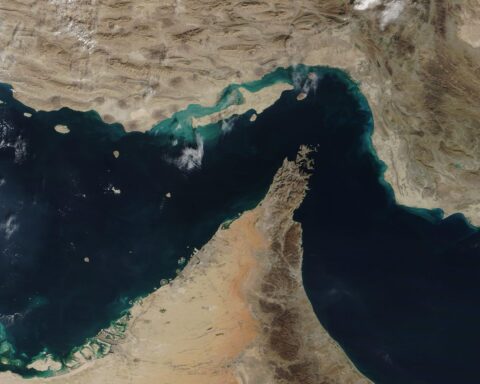
The concentration is staggering. The Persian Gulf region accounts for nearly 49 percent of global urea exports and approximately 30 percent of global ammonia exports, according to the Fertilizer Institute. Qatar, Saudi Arabia, Oman, and Iran together produce a substantial share of the world’s traded nitrogen and phosphate fertilizers, and virtually all of it must transit the 21-mile-wide passage between Iran and Oman before reaching open water.
| Country | Primary Products | Key Producers | Annual Capacity (MT) | Global Export Share |
|---|---|---|---|---|
| Qatar | Urea, Ammonia | QAFCO | 5.6M urea, 3.8M ammonia | ~14% global urea |
| Saudi Arabia | Phosphates, Urea, Ammonia | SABIC, Ma’aden | 9M+ phosphates (by 2027) | Top-3 phosphate globally |
| Oman | Urea, Ammonia | OMIFCO, Salalah Methanol | 1.8M urea | ~3% global urea |
| Iran | Urea, Ammonia, Phosphates | NPC, PIDMC | 6.5M+ urea | ~5% global urea |
The arithmetic is unforgiving. Remove this corridor from the global supply chain and nearly half the world’s traded urea disappears from the market in a matter of weeks. Ammonia — the building block of all nitrogen fertilizer — loses a third of its export capacity. Phosphates, critical for root development in every major grain crop, lose one of their three largest supply sources.
Sulfur, an often-overlooked component of the fertilizer supply chain, adds another layer of vulnerability. The Gulf states produce vast quantities of elemental sulfur as a byproduct of oil and gas processing. This sulfur is converted into sulfuric acid, which is essential for manufacturing phosphate fertilizers. Morocco’s OCP Group, the world’s largest phosphate producer, imports Gulf sulfur as a key input. When Hormuz closes, the disruption cascades: Gulf sulfur cannot reach North Africa, North African phosphate production slows, and global phosphate supply tightens from both directions simultaneously.
The Middle East briefing 3,000+ readers start their day with.
One email. Every weekday morning. Free.
Unlike crude oil, which has well-established strategic reserves in the United States, Europe, Japan, and China, fertilizer has no global stockpiling mechanism. Countries either have it in warehouses or they do not. When the ships stop, so does the supply — and the clock starts ticking toward the next planting season.
How Did the Iran War Shut Down the World’s Fertilizer Highway?
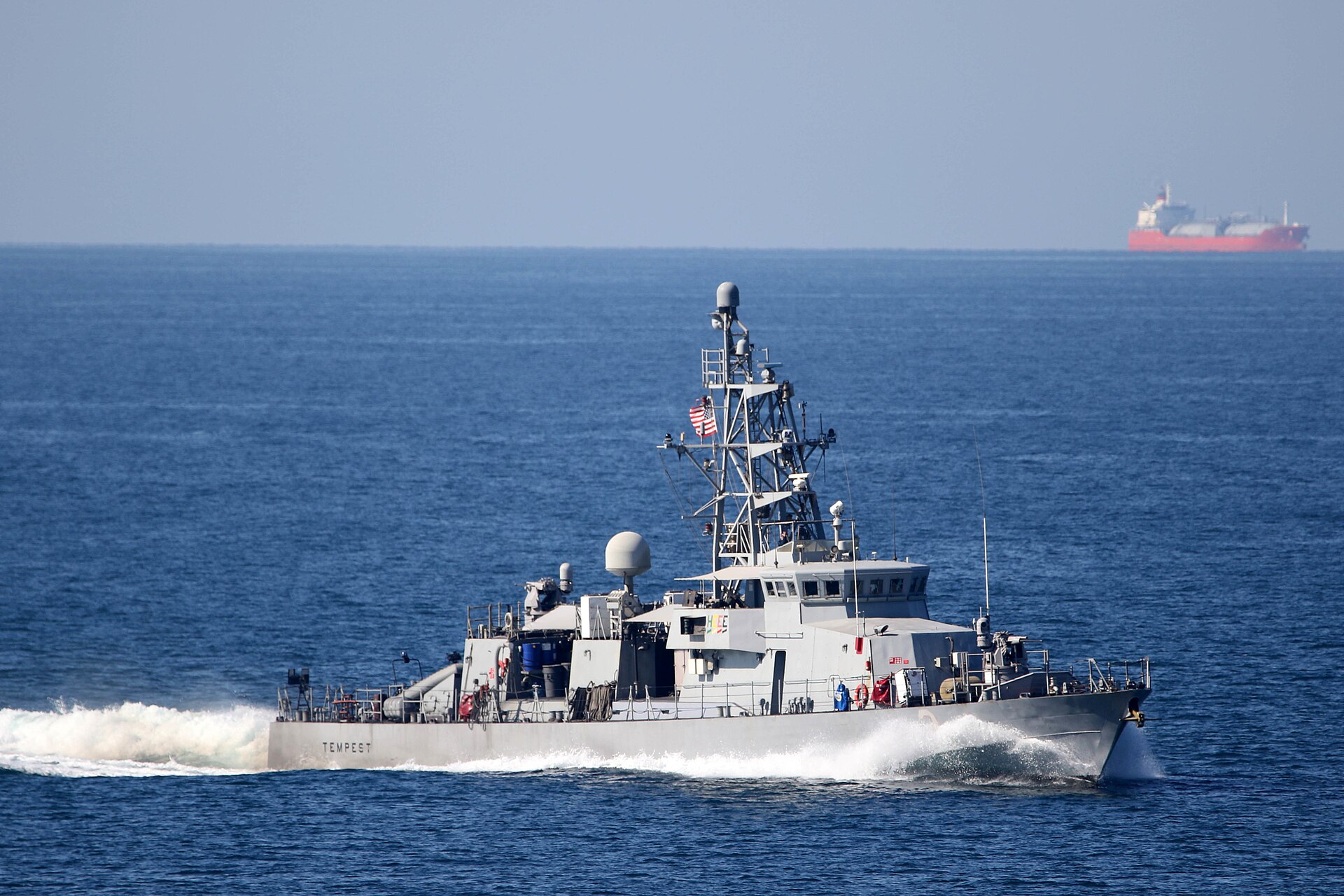
The Islamic Revolutionary Guard Corps’ decision to impose a de facto shipping blockade through the Strait of Hormuz after the launch of Operation Epic Fury on February 28 has created the fastest and most complete disruption to fertilizer trade routes in modern history. Within the first 72 hours, the IRGC issued warnings prohibiting vessel passage, and subsequent drone boat attacks and mine-laying operations transformed warnings into physical threats.
Tanker traffic through the strait dropped approximately 70 percent within the first week, according to maritime intelligence firm Windward. By March 9, only one outbound transit was recorded and zero inbound movements were observed, with all detected crossings involving Iranian-flagged vessels. Western-linked commercial shipping has effectively withdrawn from the waterway.
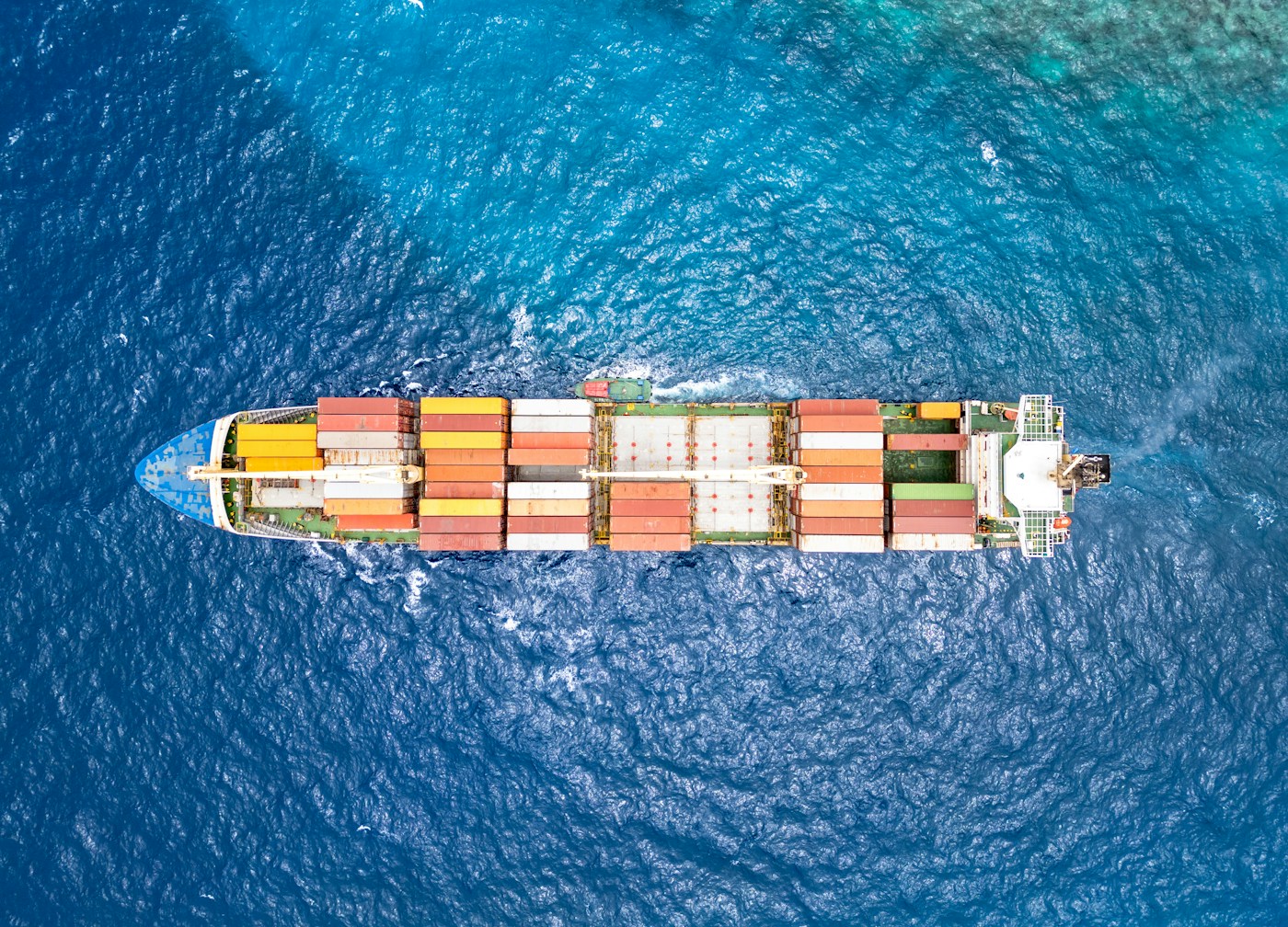
Major container shipping companies — Maersk, CMA CGM, and Hapag-Lloyd — suspended all transits through the strait and rerouted vessels around the Cape of Good Hope. Bulk carriers hauling fertilizer face the same calculus. War risk insurance premiums have become prohibitive, as the Persian Gulf’s insurance market has effectively collapsed.
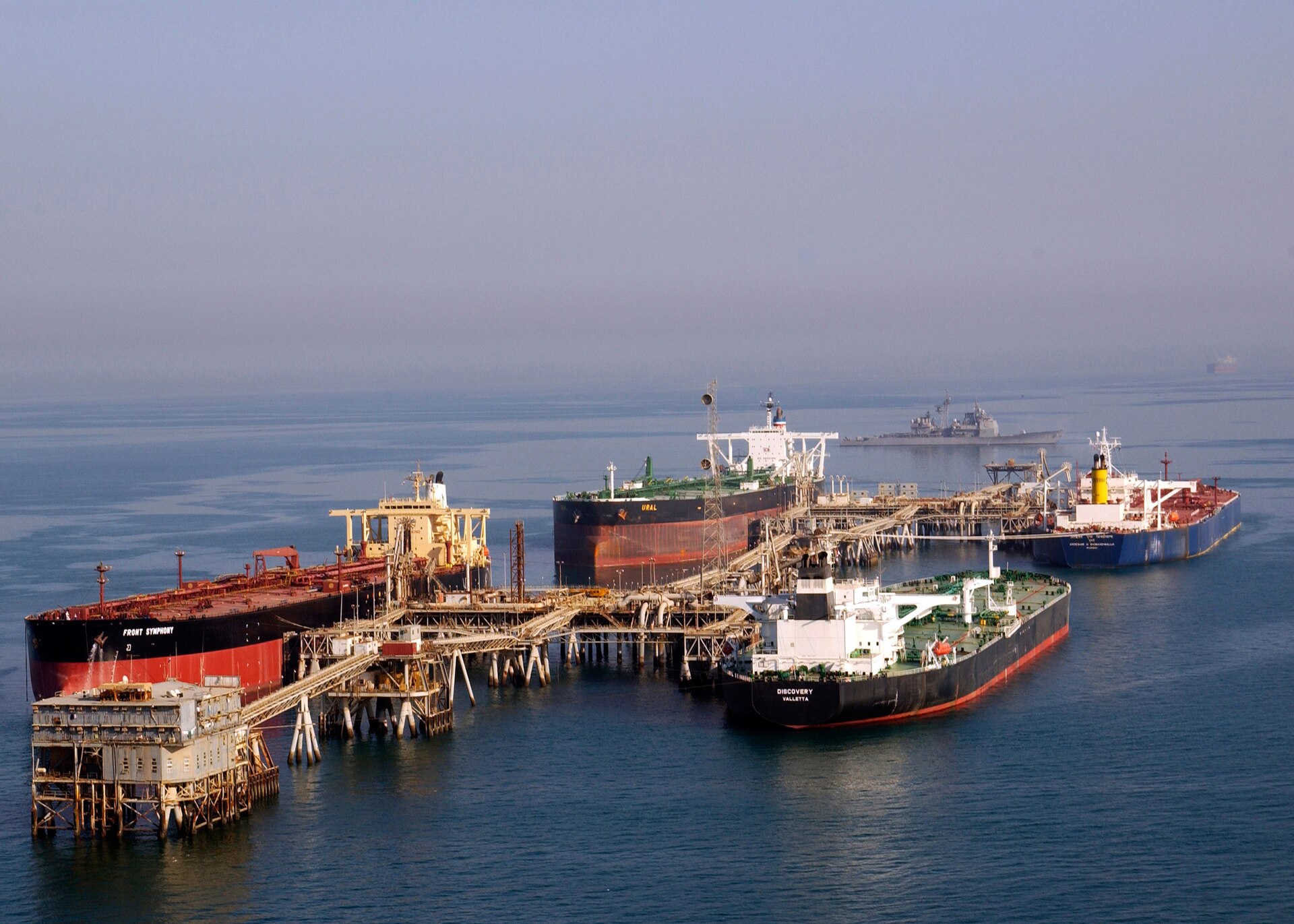
The result: fertilizer that was loaded at Jubail, Ras Laffan, or Sohar ten days ago sits at anchor outside the strait. Fertilizer that was supposed to be loaded this week remains in storage tanks. And fertilizer that farmers in Kenya, India, and Brazil needed for spring planting is simply not moving.
Saudi Arabia’s Quiet Petrochemical Empire
Saudi Arabia’s role in global agriculture extends far beyond the oil that powers farm machinery. The Kingdom has built one of the world’s largest petrochemical and fertilizer production complexes, centered on the industrial cities of Jubail on the Persian Gulf coast and Ras al-Khair in the north. The disruption to these supply chains may prove more consequential for global food security than the oil price spike that has dominated headlines.
SABIC Agri-Nutrients Company, a subsidiary of the Saudi Basic Industries Corporation, operates ammonia and urea production facilities that rank among the largest in the Middle East. SABIC Agri-Nutrients and Ma’aden Phosphate Company together control a dominant share of the Saudi market, and their exports reach every major agricultural economy from Brazil to India to Southeast Asia.
Ma’aden — the Saudi Arabian Mining Company, majority-owned by the Public Investment Fund — has been executing one of the most ambitious phosphate expansion programs in the world. In January 2025, Ma’aden was awarded $921 million in contracts for its third phosphate fertilizer plant, which will add 3 million metric tonnes of annual capacity. By 2027, Saudi phosphate output is projected to reach 9 million metric tonnes, placing the Kingdom among the world’s top three phosphate suppliers alongside Morocco and China.
The strategic logic behind this expansion was straightforward. Saudi Arabia possesses enormous phosphate reserves in the north, abundant natural gas to power ammonia synthesis, and deep-water port infrastructure on the Gulf coast. Vision 2030’s economic diversification agenda explicitly targeted petrochemicals and mining as pillars of the post-oil economy. Ma’aden’s phosphate complex at Wa’ad Al Shamal represents precisely the kind of value-added industrial development that Mohammed bin Salman has championed.
The war has turned that asset into a liability. Ma’aden’s phosphate complex produces DAP and MAP that cannot reach customers because the ships cannot leave. The war bill that Saudi Arabia is not counting now includes billions in stranded petrochemical exports — and a reputation as a reliable supplier that may take years to rebuild.
SABIC Agri-Nutrients reported strong revenue growth in 2025, driven by rising global demand for nitrogen-based fertilizers. The company’s ammonia production at Jubail feeds both domestic agricultural consumption and a significant export program that reaches markets from Southeast Asia to Latin America. Before the war, SABIC was negotiating long-term supply contracts with Indian procurement agencies and African agricultural development banks. Those negotiations are now frozen, and the counterparties are scrambling to find alternative suppliers in a market where alternatives barely exist.
The irony is bitter. Saudi Arabia invested heavily in petrochemical diversification precisely to reduce its dependence on crude oil revenue. Now the same conflict that has disrupted oil exports through the second tanker war in the Persian Gulf has simultaneously stranded the diversified exports that were supposed to provide economic resilience. The Gulf’s petrochemical corridor and its oil corridor share the same fatal geography: both must pass through the Strait of Hormuz.
Qatar’s Urea Machine and the 14 Percent Problem
Qatar Fertiliser Company (QAFCO), based at the Mesaieed Industrial City south of Doha, operates the single largest urea production site in the world. Six world-class plants produce 3.8 million metric tonnes of ammonia and 5.6 million metric tonnes of urea annually. QAFCO alone supplies approximately 14 percent of the global urea trade, according to company data.
That 14 percent figure deserves emphasis. When a single production site representing one-seventh of global traded urea is cut off from its customers, the market does not adjust gracefully. Urea is the world’s most widely used nitrogen fertilizer. It is applied to rice paddies in Bangladesh, maize fields in Nigeria, wheat farms in Pakistan, and sugarcane plantations in Brazil. Every one of those supply chains runs through the Strait of Hormuz.
Qatar’s predicament is particularly acute. Unlike Saudi Arabia, which has access to Red Sea ports through its East-West pipeline infrastructure and Yanbu terminals, Qatar has no alternative export route. Every tonne of Qatari urea must transit the strait. The emirate sits on a peninsula jutting into the Persian Gulf, with Iran’s coastline visible across the water. There is no overland bypass, no pipeline to the Red Sea, no rail connection to an alternative port.
QAFCO’s production has not stopped — the plants continue to synthesize urea from natural gas feedstock — but the output is accumulating in storage facilities that were designed for transit, not warehousing. Industry analysts estimate that Qatar’s urea storage capacity provides approximately four to six weeks of buffer before production must be curtailed. At current blockade conditions, that threshold approaches in mid-to-late March.
The Fertilizer Vulnerability Index
The impact of the Hormuz blockade on any given country depends on three intersecting factors: dependence on Gulf-sourced fertilizer imports, domestic agricultural storage and buffer capacity, and baseline food security. A composite assessment of these factors reveals a stark geography of vulnerability that extends from West Africa to South Asia.
| Country / Region | Gulf Fertilizer Import Share | Fertilizer Application Rate (kg/ha) | Food Import Dependency | Vulnerability Score (1-10) |
|---|---|---|---|---|
| India | ~66% of nitrogen imports | 175 | Low (net exporter of rice) | 8 |
| Bangladesh | ~50% of urea imports | 290 | High (rice, wheat) | 9 |
| Kenya | ~40% of total fertilizer | 35 | Very High (90% wheat imported) | 9 |
| Nigeria | ~35% of urea imports | 18 | High (wheat, rice) | 8 |
| Ethiopia | ~30% of nitrogen imports | 15 | Very High | 9 |
| Pakistan | ~25% of urea imports | 140 | Moderate | 7 |
| Brazil | ~20% of phosphate imports | 190 | Low (major exporter) | 5 |
| Southeast Asia (avg) | ~30% of urea imports | 130 | Moderate | 7 |
| Sub-Saharan Africa (avg) | ~35% of total imports | 22 | Very High | 10 |
The index reveals a troubling pattern. The countries least able to absorb a fertilizer price shock — those with the highest food import dependency and lowest agricultural productivity — are precisely those most exposed to Gulf supply disruptions. Sub-Saharan Africa, where 90 percent of consumed fertilizer is imported and application rates average just 22 kilograms per hectare (versus a global average of 146 kilograms), sits at the extreme end of vulnerability.
India occupies a different but equally dangerous position. The world’s most populous nation relies on the Gulf for up to two-thirds of its nitrogen fertilizer imports. India has substantial domestic production capacity, but it is insufficient to cover demand during the kharif (monsoon) planting season that begins in June. A prolonged Hormuz disruption would leave Indian farmers facing either sharply higher input costs or reduced fertilizer availability at the worst possible moment in the agricultural calendar.

Why Is India’s Monsoon Season in Danger?
India’s agricultural calendar revolves around the monsoon. The kharif season — when farmers plant rice, cotton, soybeans, and pulses — begins in June and accounts for roughly half of India’s annual food production. Fertilizer must be purchased, distributed to regional warehouses, and delivered to villages across the subcontinent well before the first rains arrive. That procurement cycle is already underway.
India imported approximately 11 million tonnes of fertilizer in the 2024-2025 fiscal year, according to Department of Fertilizers data. The Gulf states — primarily Qatar, Saudi Arabia, and Oman — supplied the majority of nitrogen-based imports. IFPRI estimates that India relies on the Gulf for up to two-thirds of its nitrogen fertilizer imports, a dependency that reflects both geography and economics. Gulf urea is cheaper to ship to Mumbai than Russian or Chinese product, and Indian procurement agencies have long-term supply agreements with QAFCO and SABIC.
The Indian government maintains a strategic fertilizer buffer, but analysts at the International Food Policy Research Institute (IFPRI) note that stocks are calibrated for normal supply conditions, not for the simultaneous shutdown of the world’s largest urea export corridor. A shortage of fertilizer during the monsoon planting season would force farmers to reduce application rates, resulting in lower yields for a harvest that feeds 1.45 billion people.
The Indian subsidy system compounds the risk. The central government subsidizes fertilizer to keep retail prices affordable for smallholder farmers. When international prices spike, the subsidy bill balloons — the 2022 Russia-Ukraine crisis pushed India’s fertilizer subsidy to a record $28 billion. A comparable price shock in 2026 would strain public finances at a moment when New Delhi is already managing the economic fallout of a global stagflation shock that has erased trillions from markets.
Who Pays the Price When Fertilizer Ships Stop Moving?
The most severe consequences of the Hormuz fertilizer disruption will fall on Sub-Saharan Africa — a region that had barely recovered from the last fertilizer crisis and has the least capacity to absorb another. Approximately 240 million people in the region already suffer from malnourishment, according to FAO data, and 1.3 million more are expected to experience hunger each year under current trends.
The vulnerability is structural. Sub-Saharan Africa consumes roughly 15 million metric tonnes of fertilizer annually but produces only a fraction domestically. More than 90 percent of consumed fertilizer is imported, mostly from outside the continent, according to University of Texas research cited by CNBC. The continent’s average fertilizer application rate of 22 kilograms per hectare is roughly one-seventh of the global average. African farmers already use less fertilizer than nearly anywhere else on earth. When prices rise, they use even less — and yields collapse.
Kenya illustrates the dynamic. Ninety percent of wheat consumed in Kenya is imported, much of it from Russia and Ukraine. Kenyan farmers who grow maize — the country’s staple crop — depend on imported urea and DAP to sustain even baseline yields. A 20 percent increase in fertilizer costs translates directly into either higher food prices or lower production. For households already spending 40 to 60 percent of income on food, the margin between subsistence and hunger is thin.
| Timeframe | Event | Affected Region | Impact Severity |
|---|---|---|---|
| Week 1-2 (Mar 1-14) | Shipping halts, prices spike 5-7% | Global markets | Moderate |
| Week 3-4 (Mar 15-28) | Storage depletion begins, spot shortages emerge | South Asia, East Africa | Significant |
| Month 2 (April) | Northern Hemisphere spring planting affected | India, Pakistan, North Africa | Severe |
| Month 3-4 (May-June) | India monsoon procurement crisis | South Asia (1.45B people) | Critical |
| Month 4-6 (Jun-Aug) | Yield reductions locked in, harvest shortfalls | Global | Severe |
| Month 6-12 | Food price inflation, potential famine conditions | Sub-Saharan Africa, South Asia | Critical |
Nigeria, the continent’s largest economy, faces parallel pressures. Nigerian urea consumption has grown rapidly as government programs incentivize fertilizer use, but domestic production covers barely a third of demand. A sustained Gulf supply disruption during the early rainy season (April to June) could reduce Nigerian maize yields by 15 to 25 percent, according to agricultural economists at the International Fertilizer Development Center.
How Does This Compare to the Russia-Ukraine Fertilizer Shock?
The 2022 Russia-Ukraine crisis offers both a preview and a warning. When Russia invaded Ukraine in February 2022, global fertilizer prices more than doubled within weeks. Natural gas prices — the primary feedstock for nitrogen fertilizer — surged, and Western sanctions disrupted Russian exports of potash, ammonia, and urea. The result: a food crisis that pushed an estimated 40 million additional people into acute hunger, according to the World Food Programme.
The 2026 Hormuz disruption is, by several measures, more severe. Russia remained the world’s largest fertilizer exporter throughout 2022, continuing to ship product even under sanctions — the supply reduction was partial and gradual. The Hormuz blockade, by contrast, is near-total and immediate. Ships cannot physically transit the strait under current conditions. There is no ambiguity about sanctions compliance or carve-outs. The supply is simply gone.
| Factor | 2022 Russia-Ukraine | 2026 Hormuz Blockade |
|---|---|---|
| Supply reduction | Partial (~15-20% of global exports) | Near-total for Gulf exports (~33% of global trade) |
| Speed of disruption | Gradual (weeks to months) | Immediate (days) |
| Primary products affected | Potash, ammonia, some urea | Urea, ammonia, phosphates, sulfur |
| Alternative supply available | Yes (other exporters ramped up) | Limited (Gulf dominates urea/phosphate) |
| Duration | Extended (18+ months elevated prices) | Unknown (war ongoing) |
| Urea price impact | +120% peak increase | +5% in first 10 days (accelerating) |
| Planting season overlap | Partial (Northern Hemisphere spring) | Full (both hemispheres, monsoon) |
The geographical concentration makes the Hormuz disruption uniquely dangerous. Russia’s fertilizer exports could be partially replaced by increased production in Canada (potash), the Middle East (ironically), and North Africa. When the Middle East itself is the disrupted source, the substitution options narrow sharply. China, the world’s largest urea producer, restricts exports to protect domestic supply. Russia faces ongoing sanctions complications. North African phosphate producers — primarily Morocco’s OCP Group — are already operating near capacity.
The lessons of 2022 are instructive. African countries experienced the worst impacts: fertilizer consumption dropped, crop yields fell, and food prices spiked. One estimate suggested that the reduction in fertilizer imports could cause a minimum one-third drop in food production across the African continent. The governments that responded fastest — by releasing strategic reserves, subsidizing imports, and negotiating bilateral supply agreements — fared better. Those lessons have not been systematically applied.
Oil Has Strategic Reserves. Fertilizer Does Not.
The asymmetry between oil and fertilizer crisis preparedness is the most underappreciated dimension of the Hormuz conflict. When the strait closed to commercial shipping, the International Energy Agency coordinated the release of a record 400 million barrels of crude oil from strategic petroleum reserves across IEA member states. The United States alone holds more than 700 million barrels in underground salt caverns along the Gulf of Mexico coast. Japan, South Korea, China, and the European Union maintain their own reserves. The global oil strategic reserve architecture, built after the 1973 Arab oil embargo, represents more than 50 years of institutional planning for precisely this scenario.
No equivalent system exists for fertilizer. There is no International Fertilizer Agency. There is no coordinated strategic fertilizer reserve among consuming nations. India maintains government-held buffer stocks, but they are calibrated for normal supply interruptions, not the shutdown of an entire trade corridor. Most African nations have no strategic fertilizer reserves whatsoever.
The absence of reserves means that the market is the only allocating mechanism — and markets allocate by price. When fertilizer becomes scarce, prices rise. Rich countries with deep capital markets and government subsidy programs can absorb the increase. Poor countries cannot. The United States, which produces most of its own nitrogen fertilizer from domestic natural gas, faces higher input costs but no physical shortage. Ethiopia, which imports virtually all of its fertilizer and whose farmers operate on margins of less than $200 per season, faces the prospect of fields going unfertilized.
The world spent 50 years building strategic oil reserves for exactly this scenario. It spent zero years building fertilizer reserves. That oversight is about to cost lives.
Agricultural Policy Analysis, March 2026
This disparity reflects a persistent blind spot in global security planning. Oil disruptions are modeled, war-gamed, and hedged against because they have immediate, visible economic consequences in wealthy nations — stock markets drop, petrol prices rise at pumps in London and Washington, and voters notice. Fertilizer disruptions produce consequences that are delayed, dispersed, and concentrated among populations with limited political leverage. The hunger does not arrive for months. The famines, if they come, arrive in countries that do not sit on the UN Security Council.
The concept of a global fertilizer reserve has been proposed multiple times, most recently after the 2022 Russia-Ukraine disruption. The African Development Bank called for a continental fertilizer stockpile. IFPRI researchers advocated for regional buffer stocks in South Asia. The G7 discussed — and shelved — a coordinated reserve mechanism at the 2023 Hiroshima summit. Every proposal foundered on the same obstacles: cost, logistics, and the absence of an institutional home. Unlike oil, which can be stored in underground caverns for decades, fertilizer has a limited shelf life and requires specialized storage to prevent degradation. Urea absorbs moisture and clumps. Ammonium nitrate is a regulated explosive. Phosphates are bulky and low-value relative to their weight. The economics of stockpiling work for oil but have never worked for fertilizer.
The result is a global food system that has optimized for efficiency at the expense of resilience — a system that delivers affordable fertilizer to farmers in normal times but collapses when a 21-mile waterway falls under the control of a belligerent navy.
What Are Governments Doing to Prevent a Planting Catastrophe?
The policy response to the emerging fertilizer crisis has been fragmented and slow. The UNCTAD released a detailed assessment on March 11 warning that Hormuz shipping disruptions “raise risks for energy, fertilizers and vulnerable economies,” but the report stopped short of recommending coordinated action. The FAO has flagged the issue in its monthly food outlook briefings. Neither organization has convened an emergency session.
The United States, which produces the majority of its nitrogen fertilizer domestically from abundant shale gas, faces elevated costs rather than physical shortages. American farmers are paying higher prices — U.S. retail fertilizer prices for March 2026 show mixed but broadly upward trends, according to Agrolatam — but they have access to product. The Farm Bureau has urged the administration to “take immediate steps to ensure fertilizer supply chains remain open” but has not proposed specific mechanisms.
India has activated its existing subsidy apparatus, increasing procurement authorizations and exploring alternative supply routes from North Africa and Russia. But rerouting established supply chains takes months, not weeks. Ships that would normally carry QAFCO urea from Ras Laffan to Mumbai in five days would require three to four weeks to deliver Russian urea from the Baltic ports via the Cape of Good Hope.
The African Union has issued statements but lacks the institutional capacity to coordinate fertilizer procurement across 54 member states. The African Development Bank’s African Fertilizer Financing Mechanism, established after the 2022 crisis, has begun releasing emergency funds but operates on a scale that addresses hundreds of thousands of tonnes, not the millions that have been removed from the market.
Bilateral arrangements are emerging. Morocco’s OCP Group, the world’s largest phosphate exporter, has signaled willingness to increase production — but OCP’s mines and processing plants are already running at high utilization rates. Indonesia, a significant urea producer, has relaxed export controls to allow additional shipments. These measures address the margins of the problem, not its center.
China, the world’s largest urea producer by a significant margin, holds the key to short-term supply relief. Beijing periodically restricts urea exports to protect domestic agricultural supply, and the current restrictions remain in place. Chinese authorities have given no public indication of relaxing export controls, despite private diplomatic appeals from Indian and Southeast Asian procurement officials. The geopolitical dynamics further complicate matters: Beijing has maintained a carefully ambiguous position on the Iran conflict, reluctant to be seen as either supporting or undermining the US-led military campaign. Releasing fertilizer exports to ease a crisis created by that campaign would carry political costs that Chinese policymakers appear unwilling to accept.
The European Union, which imports relatively less fertilizer from the Gulf due to its proximity to Russian and North African suppliers, has focused its response on managing the broader stagflation shock rather than addressing fertilizer supply specifically. European farmers face higher natural gas costs — the primary feedstock for nitrogen fertilizer production in Europe — but are not confronting the physical shortage that threatens South Asian and African agriculture.
The Planting Window That Will Not Wait for Diplomacy
Agriculture operates on biological time, not diplomatic time. The spring planting season in the Northern Hemisphere begins in March and April for temperate crops, and the monsoon planting in South and Southeast Asia begins in June. Fertilizer must be in position — warehoused, distributed, and available at the village level — weeks before planting begins. Every day that Gulf fertilizer sits stranded behind the Hormuz blockade reduces the probability that it will reach farms in time.
The cascading timeline is unforgiving. Initial ocean shipping disruptions take 10 to 14 days to manifest as supply gaps at destination ports, according to the Institute for Supply Management. The pressure then builds over two to five weeks as diverted containers arrive in clusters, terminal congestion rises, and distribution networks face simultaneous shortages and bottlenecks. By the time the disruption fully propagates to the farm level, two months have passed. If the Hormuz blockade persists through April, the spring planting window in the Northern Hemisphere will close with millions of hectares receiving inadequate fertilizer.
The consequences of that shortfall compound through the harvest cycle. A 10 percent reduction in nitrogen fertilizer application typically produces a 5 to 8 percent decline in grain yields, depending on soil conditions and crop variety. Across the hundreds of millions of hectares planted in the developing world, even a modest yield decline translates into millions of tonnes of foregone grain production — food that was supposed to feed people who are already on the edge of hunger.
Saudi Arabia’s diplomatic calculus in the Iran war now carries a dimension that extends far beyond oil revenue and regional power dynamics. The Kingdom’s petrochemical infrastructure — SABIC’s ammonia plants, Ma’aden’s phosphate complexes, the port facilities at Jubail — represents a critical node in the global food system. Every week that these facilities remain cut off from their export markets increases the probability that the 2026 conflict will be remembered not only as the war that disrupted oil but as the war that disrupted harvests.
The ceasefire negotiations that are underway through Saudi and Omani back channels are typically framed in terms of territorial integrity, nuclear programs, and regional power balances. The fertilizer dimension deserves a seat at that table. The 240 million malnourished people in Sub-Saharan Africa, the smallholder farmers in Bangladesh who cannot afford $625-per-tonne urea, and the Indian procurement officials racing to secure monsoon-season supplies are all, in their own way, casualties of the Strait of Hormuz.
Frequently Asked Questions
How much of the world’s fertilizer passes through the Strait of Hormuz?
Approximately one-third of globally traded fertilizer — about 16 million tonnes annually — transits the Strait of Hormuz. The Persian Gulf region accounts for nearly 49 percent of global urea exports and approximately 30 percent of global ammonia exports, according to UNCTAD and the Fertilizer Institute. This makes Hormuz the single most important chokepoint for agricultural inputs worldwide.
Which countries are most vulnerable to the Gulf fertilizer disruption?
Sub-Saharan African nations are most vulnerable, where over 90 percent of consumed fertilizer is imported and application rates average just 22 kilograms per hectare. India, which depends on the Gulf for up to two-thirds of its nitrogen fertilizer imports, faces severe risks ahead of the monsoon planting season. Bangladesh, Kenya, Nigeria, and Ethiopia are among the most exposed individual countries.
How does the 2026 fertilizer crisis compare to the 2022 Russia-Ukraine disruption?
The 2026 Hormuz disruption is more acute in several respects. The 2022 crisis reduced roughly 15 to 20 percent of global fertilizer exports gradually over months. The Hormuz blockade has removed approximately one-third of global seaborne fertilizer trade almost immediately. The speed, scale, and geographic concentration of affected production make substitution more difficult, though the ultimate severity depends on how long the blockade persists.
Why is there no global strategic fertilizer reserve like the Strategic Petroleum Reserve?
Unlike oil, which has had coordinated strategic reserves since the 1970s through the International Energy Agency framework, fertilizer has never been subject to equivalent international stockpiling agreements. This reflects the historically fragmented nature of fertilizer trade, lower price volatility compared to crude oil, and the political reality that fertilizer shortages primarily affect developing nations with limited influence over global policy architecture.
What is Saudi Arabia’s role in global fertilizer production?
Saudi Arabia is a major fertilizer producer through SABIC Agri-Nutrients (nitrogen fertilizers) and Ma’aden (phosphate fertilizers). Ma’aden’s expansion program will bring Saudi phosphate capacity to 9 million metric tonnes by 2027, making the Kingdom one of the world’s top three phosphate suppliers. Saudi fertilizer production was a central pillar of Vision 2030’s economic diversification strategy, and the Hormuz blockade has stranded these exports alongside crude oil.
When will the fertilizer disruption begin affecting food prices?
The initial price impact is already visible, with a 6.5 percent surge in global fertilizer prices in the first ten days of the conflict. Physical supply gaps at destination ports will emerge within three to four weeks. The effect on food prices follows the agricultural cycle: reduced fertilizer application leads to lower yields at harvest time, which means food price increases will be most acute six to twelve months after the planting disruption — potentially late 2026 through mid-2027.