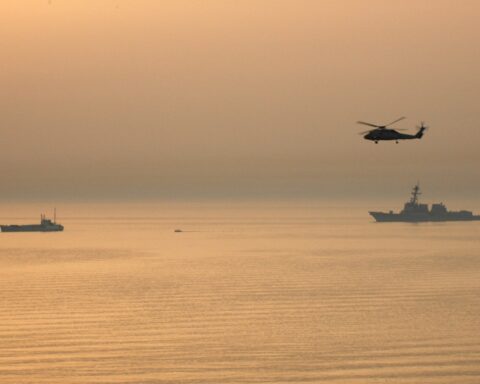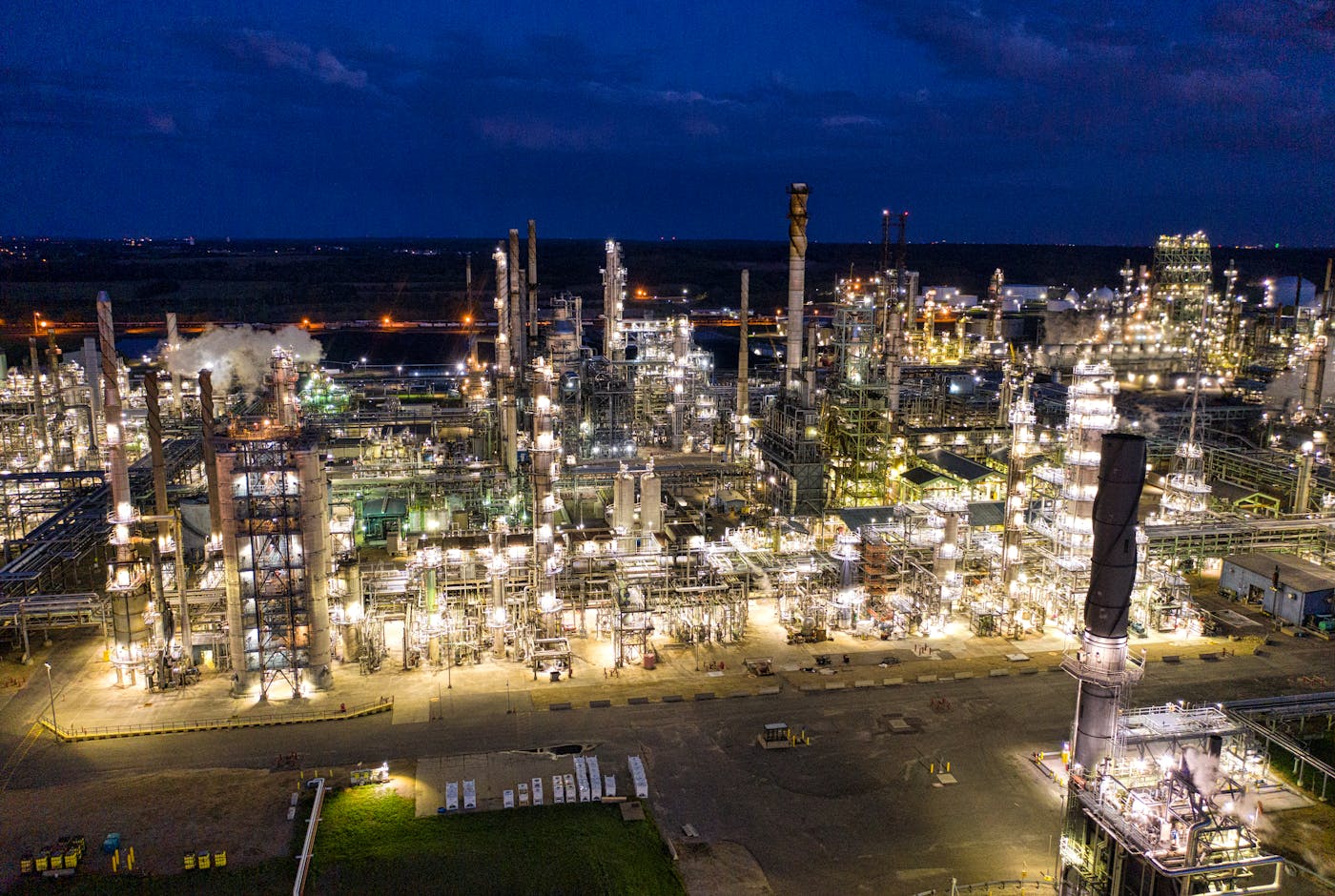

RIYADH — Iran’s Islamic Revolutionary Guard Corps warned on Wednesday that it would destroy oil and gas infrastructure across the Gulf if any attack targets Iran’s energy facilities, marking the most explicit threat yet to the region’s petroleum assets since the war began on 28 February. A spokesman for Khatam al-Anbiya, the IRGC’s central operational command, declared that “all the region’s oil and gas infrastructure in which the United States and its Western allies have a vested interest will be set on fire and destroyed” in the event of any strike on Iranian energy sites or ports.
The threat came as Brent crude surpassed $100 per barrel for the second time in a week, as at least 19 commercial ships have been damaged since the conflict began and the International Energy Agency warned that global oil supplies would plunge by 8 million barrels per day in March. With Aramco already shutting offshore fields and rerouting exports through the Red Sea, the IRGC statement represents a direct challenge to the $1.7 trillion Saudi oil empire and to every refinery, desalination plant, and LNG terminal dotting the coastlines of the six Gulf Cooperation Council states.
Table of Contents
- What Did the IRGC Threaten and Why Now?
- Which Gulf Oil Facilities Have Already Been Attacked?
- Saudi Arabia’s Energy Infrastructure at Risk
- IEA Warns of 8 Million Barrel Supply Plunge
- How Is Aramco Responding to the Threat?
- Why Are Insurers Abandoning the Persian Gulf?
- Washington Says It Is ‘Not Ready’ to Protect Gulf Shipping
- What Happens If Iran Strikes Gulf Refineries?
- Frequently Asked Questions
What Did the IRGC Threaten and Why Now?
The threat issued on 12 March by the Khatam al-Anbiya headquarters represents a calculated escalation in Tehran’s war strategy. Rather than targeting only military bases hosting American forces or Israeli diplomatic facilities, the IRGC is now explicitly warning that civilian energy infrastructure across the entire Gulf is a legitimate target. The spokesman stated: “We warn the aggressor government and all its allies that the slightest attack on our energy infrastructure and ports will be followed by our crushing and devastating response.”
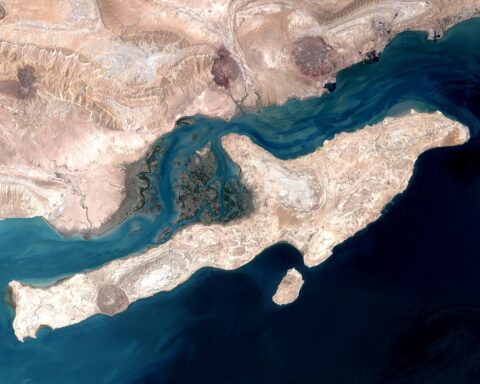
The timing was deliberate. Israeli warplanes had struck Iranian oil depots in Tehran and surrounding provinces during the preceding 48 hours, destroying storage tanks and disrupting domestic fuel distribution. Iran’s petroleum exports, already constrained by decades of sanctions, were suffering further from the destruction of port facilities at Bandar Abbas and Kharg Island. The IRGC statement amounted to a warning that any further degradation of Iran’s energy sector would trigger retaliatory strikes against the oil and gas facilities that underpin every Gulf economy from Riyadh to Muscat.
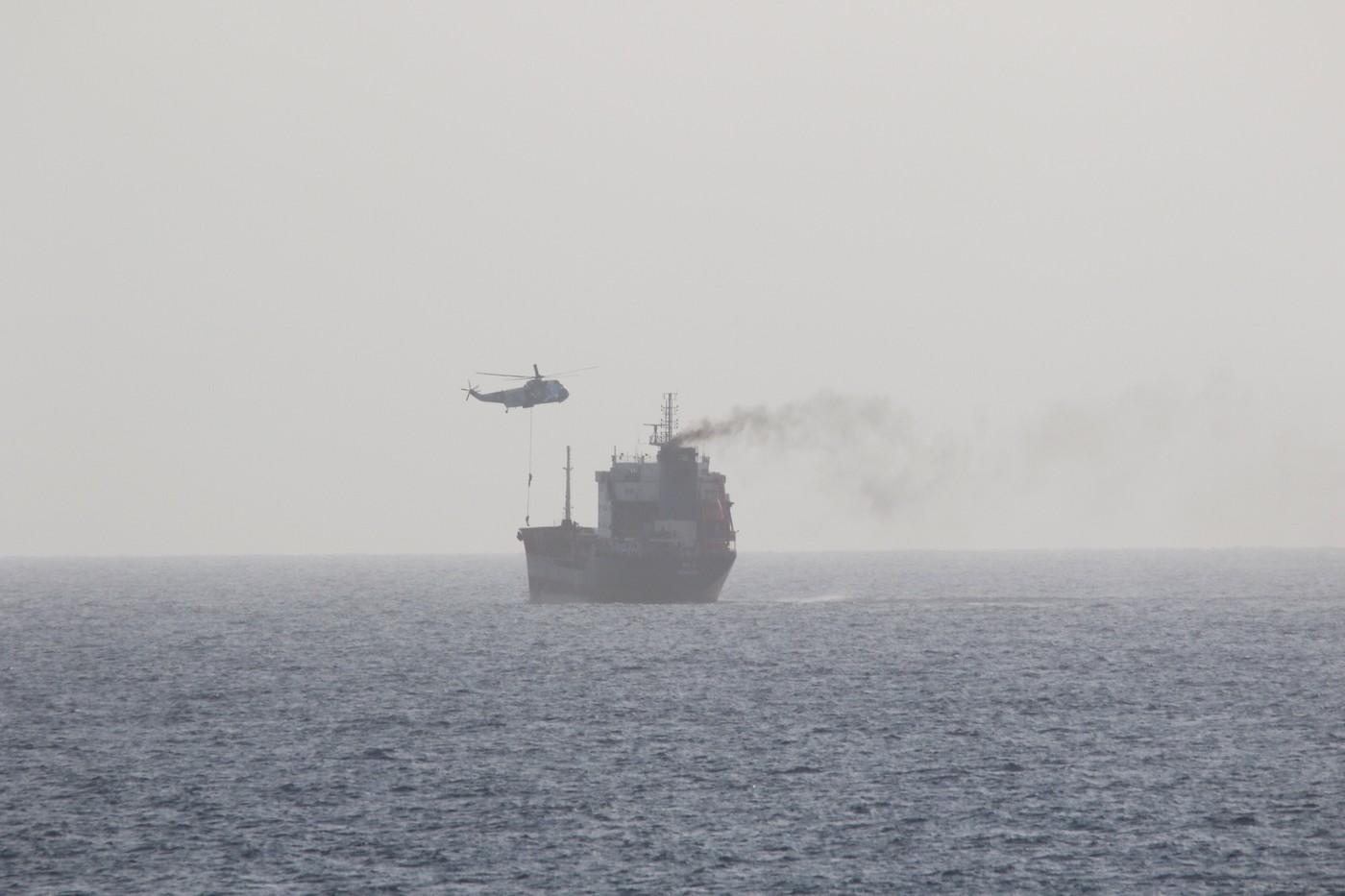
This was not an idle threat. Iran had already struck fuel storage facilities in Bahrain, attacked desalination infrastructure, targeted Aramco’s Ras Tanura refinery with drones, and launched multiple waves of unmanned aerial vehicles at the Shaybah oil field in Saudi Arabia’s Empty Quarter. The IRGC’s Khatam al-Anbiya command controls Iran’s integrated air defense and offensive missile systems, giving the statement institutional weight that distinguishes it from the rhetoric of political figures.
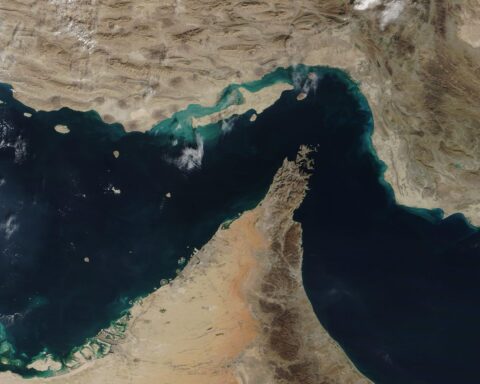
Mojtaba Khamenei, Iran’s newly installed supreme leader, had issued his own vow to keep the Strait of Hormuz closed the same day. The dual messaging from Iran’s political and military leadership signaled a unified escalation doctrine: the shipping blockade would continue, and now the physical infrastructure on shore was in the crosshairs.
The Middle East briefing 3,000+ readers start their day with.
One email. Every weekday morning. Free.
Which Gulf Oil Facilities Have Already Been Attacked?
Since the war began on 28 February 2026, Iranian drones and missiles have struck energy facilities across at least five GCC member states. The attacks have moved progressively from military targets toward civilian energy infrastructure, a pattern that the IRGC’s latest threat promises to accelerate.
| Country | Facility | Date | Weapon | Damage |
|---|---|---|---|---|
| Saudi Arabia | Ras Tanura refinery | 2 March | Drones (2) | Fire from intercepted debris; refinery shut for one week |
| Saudi Arabia | Ras Tanura refinery (second attack) | 4 March | Drone (1) | Intercepted; no additional damage |
| Saudi Arabia | Shaybah oil field (1 million bpd) | 10 March | Drones (21) | All intercepted in the Empty Quarter |
| Bahrain | BAPCO refinery | 9 March | Drones | Fire; force majeure declared on shipments |
| Bahrain | Fuel depot near Muharraq | 12 March | Missile/drone | Direct hit; fire at airport-adjacent facility |
| UAE | Mussafah Fuel Terminal, Abu Dhabi | 3 March | Drone | Fire from interception debris |
| UAE | Fujairah Oil Terminal | 4 March | Drone | Fire from interception debris |
| Oman | Port of Duqm (fuel tanks) | 8 March | Drones | Direct hit on storage tank; explosion |
| Oman | Port of Salalah | 11 March | Drones | Fuel and minerals storage damaged |
| Qatar | Ras Laffan LNG complex | 3 March | Missiles/drones | LNG production halted |
| Qatar | Mesaieed power plant water tank | 4 March | Drone | Water infrastructure damaged |
The pattern is unmistakable. Each wave of attacks has targeted progressively more critical and commercially significant facilities. The strike on Qatar’s Ras Laffan complex alone disrupted 81 million metric tonnes of annual LNG exports, according to QatarEnergy’s production data, with immediate consequences for buyers in Japan, South Korea, and India. The Bahrain refinery force majeure cut off the island kingdom’s only source of refined petroleum products.
Saudi Arabia’s Energy Infrastructure at Risk
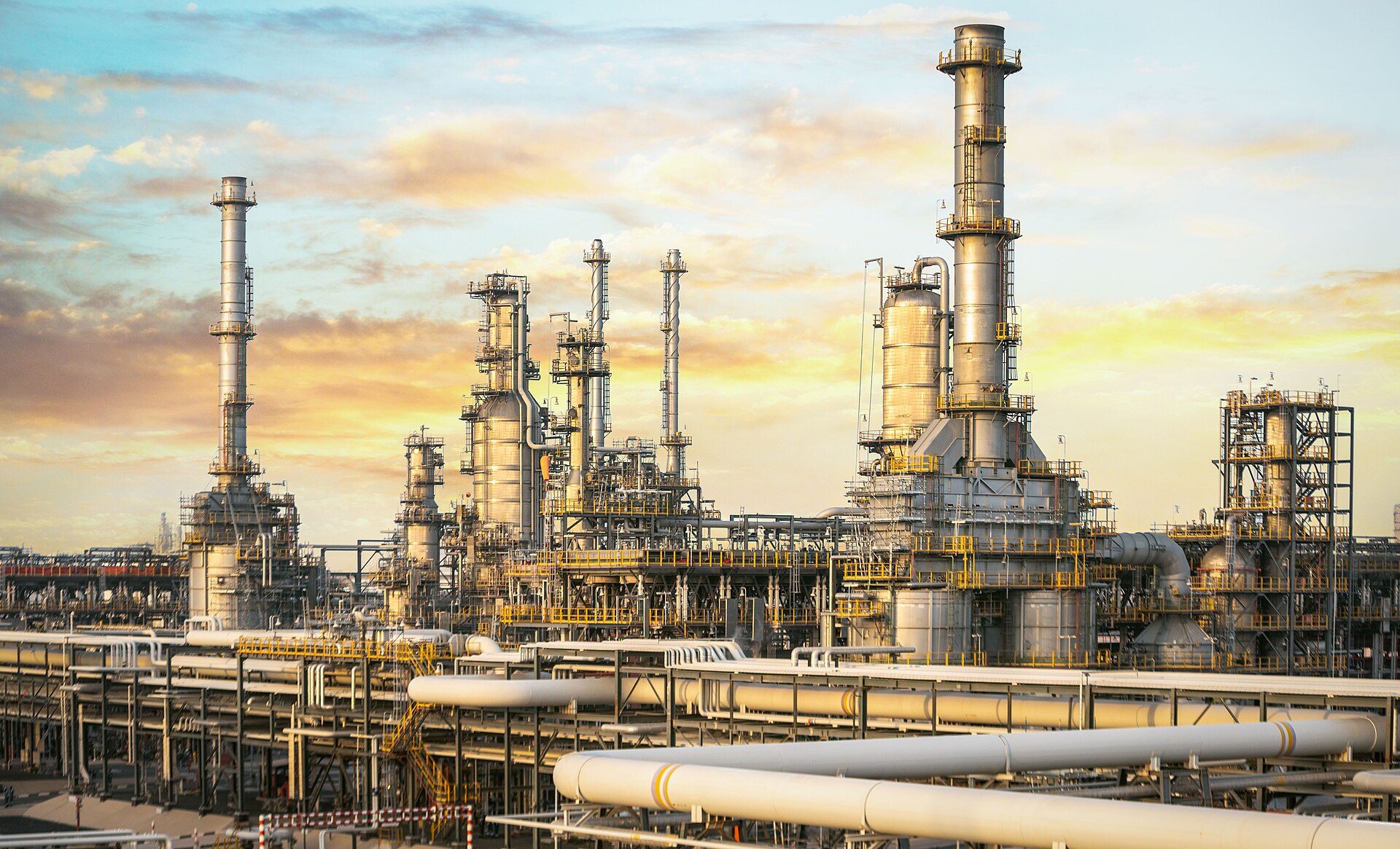
Saudi Arabia operates the most extensive oil and gas infrastructure network in the Gulf, and every major facility lies within range of Iran’s ballistic missiles and drone arsenal. Aramco controls more than 12 million barrels per day of production capacity, operates the world’s largest crude oil processing facility at Abqaiq, and manages a network of refineries, export terminals, and offshore platforms stretching from the Empty Quarter to the Red Sea coast.
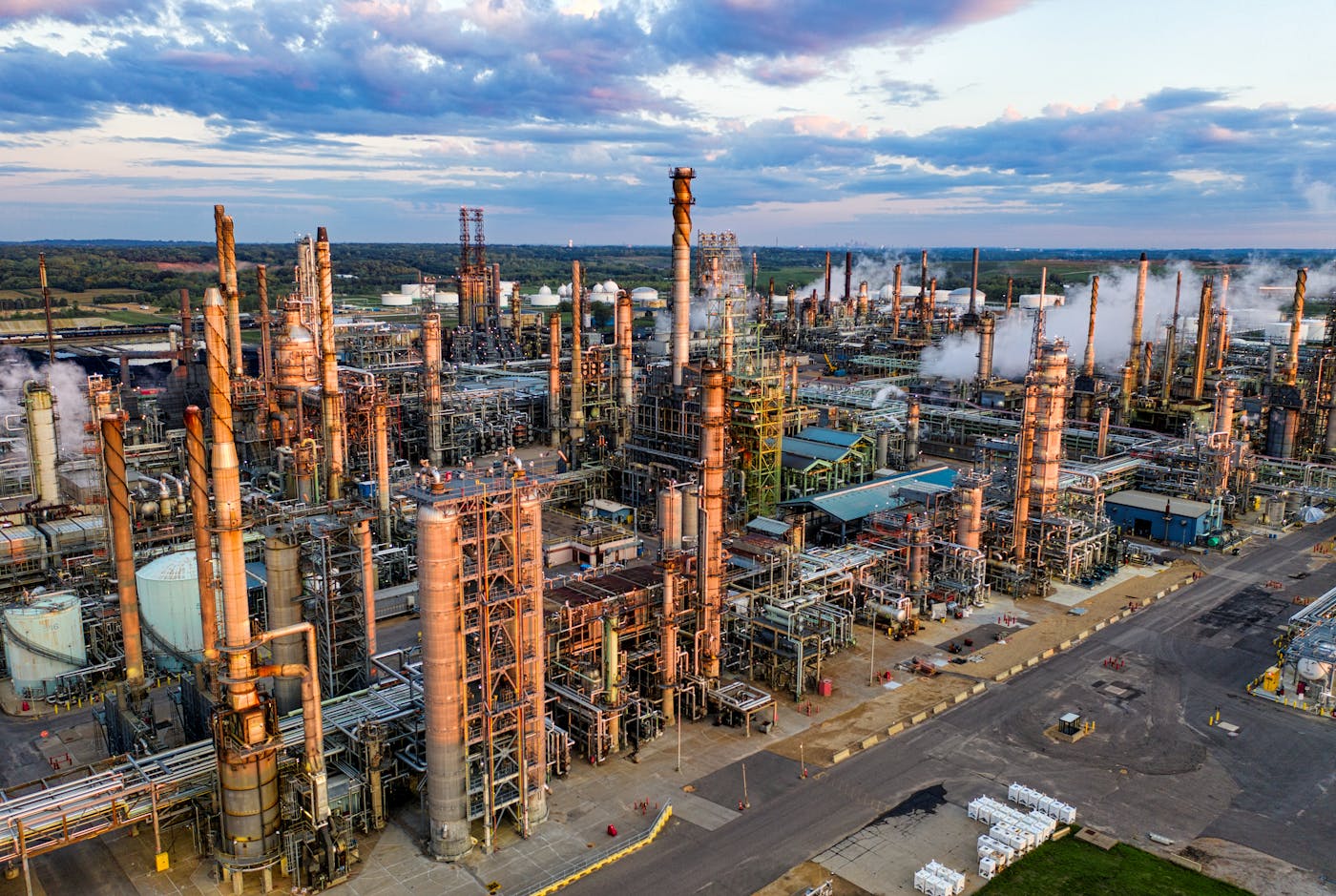
The Saudi Defence Ministry has already confirmed that Aramco shut its Safaniya, Marjan, Zuluf, and Abu Safa offshore fields in the days following the outbreak of hostilities, curtailing an estimated 2 to 2.5 million barrels per day of production, according to Argus Media. The closures were precautionary, driven by the vulnerability of offshore platforms to drone strikes in the shallow waters of the Persian Gulf. Those platforms cannot be moved, and their fire-suppression systems were never designed to absorb sustained military attack.
On land, the calculus is equally grim. The Abqaiq processing facility handles roughly 7 million barrels per day of crude stabilisation, making it the single most important node in the global oil supply chain. A successful attack on Abqaiq in September 2019 by Houthi-claimed drones temporarily halved Saudi production. The IRGC now possesses far more capable weapons than those used in 2019, including the Paveh cruise missile with a range exceeding 1,650 kilometres and the Shahab-3 ballistic missile capable of reaching any point in Saudi Arabia from Iranian launch sites.
Saudi Arabia’s Public Investment Fund, valued at more than $1 trillion, holds a direct stake in Aramco and underwrites much of the Kingdom’s economic future. An escalation that physically destroys refining or processing capacity would not merely disrupt exports temporarily; it would inflict structural damage on the asset base that finances the Kingdom’s entire post-war recovery strategy.
IEA Warns of 8 Million Barrel Supply Plunge
The International Energy Agency published its March monthly oil report on Wednesday, warning that global oil supplies would drop by 8 million barrels per day this month as a direct consequence of the conflict. The IEA described the flow of crude and oil products through the Strait of Hormuz as having slowed to “a trickle,” the most severe disruption to international energy markets since the 1973 Arab oil embargo.
The 8-million-barrel figure reflects not only the physical blockade of the Strait but also the precautionary shutdowns by Gulf producers. Saudi Arabia has cut output by 2 to 2.5 million bpd. Iraq has suspended all oil exports after drone strikes near Basra. Qatar declared force majeure on LNG shipments. Kuwait closed airspace and reduced production. The cumulative effect has been the largest single-month supply disruption in the history of the modern oil market.
Brent crude traded above $100 per barrel on 13 March, according to market data from Investing.com, after briefly touching $110 in the first week of the war. Goldman Sachs projected that if Hormuz flows remain disrupted for a full month, average prices during March and April could reach $110 per barrel. More than 30 countries have agreed to release 400 million barrels from strategic reserves, with the United States contributing 172 million barrels from the Strategic Petroleum Reserve, in what the IEA called an unprecedented coordinated response.
The IRGC’s threat to destroy Gulf energy infrastructure raised the prospect of an even more severe scenario: one in which not only the shipping lanes but the production and refining capacity itself is degraded, eliminating the possibility of a rapid supply recovery even after hostilities end.
How Is Aramco Responding to the Threat?
Saudi Aramco has activated its most aggressive contingency planning since the 2019 Abqaiq attack, rerouting crude exports from the Persian Gulf coast to the Red Sea via the 1,200-kilometre East-West Pipeline. Bloomberg reported on 9 March that Aramco had begun offering prompt crude supply through a series of rare spot-market tenders, a departure from its normal practice of selling under long-term contracts, as the closure of the Strait of Hormuz trapped contracted shipments and forced a rerouting of flows through the Yanbu terminal on the Red Sea.
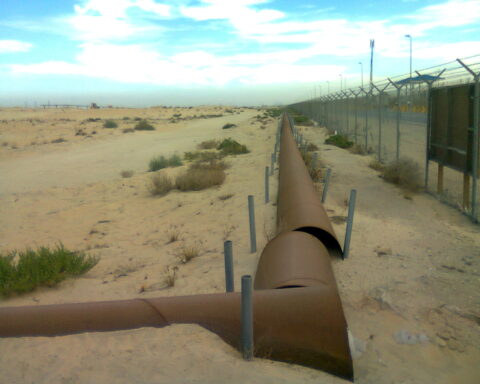
The East-West Pipeline, also known as Petroline, has a capacity of approximately 5 million barrels per day, providing a critical bypass for crude that would normally transit the Strait of Hormuz. Aramco has reportedly increased throughput on the pipeline to near maximum capacity, according to Reuters, though the company has not released official figures. The Yanbu terminal, located on the Red Sea coast roughly 1,000 kilometres from the nearest Iranian launch site, is considered significantly less vulnerable to attack than the eastern terminals at Ras Tanura and Jubail.
Aramco’s financial position provides some buffer. The company reported $104.7 billion in profit for 2025, according to its annual results, and its chief executive Amin Nasser projected 1.1 million barrels per day of global demand growth in 2026 prior to the war. The company’s cash reserves and borrowing capacity allow it to absorb short-term revenue losses, but physical destruction of processing capacity would require years and billions of dollars to rebuild.
Why Are Insurers Abandoning the Persian Gulf?
The IRGC’s threat accelerated a crisis that had been building since the first week of the war: the withdrawal of insurance coverage from Gulf shipping and energy assets. Marine insurance underwriters at Lloyd’s of London designated the Persian Gulf as a war-risk zone within 72 hours of the conflict’s outbreak, triggering automatic policy exclusions that left tanker owners facing uninsured voyages or prohibitive premiums.
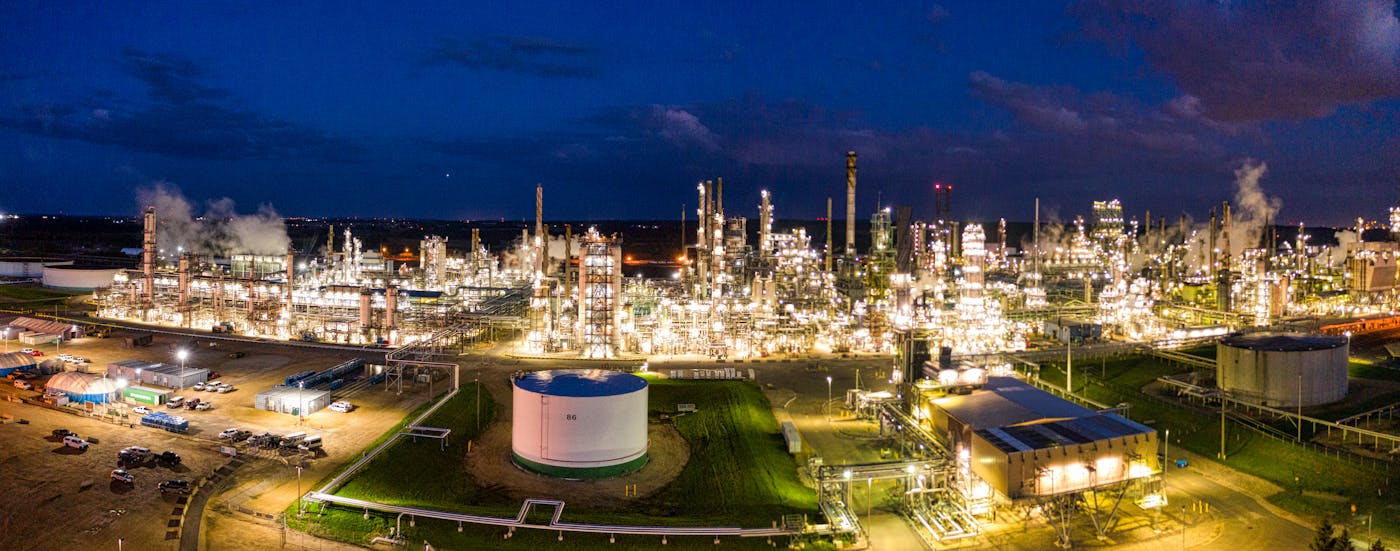
War-risk premiums for tankers transiting the Strait of Hormuz surged from roughly 0.1 per cent of hull value before the war to between 5 and 10 per cent by 10 March, according to S&P Global Platts, effectively pricing out all but the most desperate charterers. At least 150 freight ships, including dozens of laden oil tankers, were reported anchoring outside the Strait to avoid the risk zone, according to maritime tracking data compiled by Windward.
For Saudi Arabia, the insurance crisis compounds the physical threat. Even if Aramco’s onshore facilities survive intact, the inability to insure tankers carrying Saudi crude makes the oil nearly impossible to sell on international markets. Buyers in Asia, Europe, and the Americas require certificates of insurance before accepting delivery, and no underwriter will issue coverage for a voyage through waters where 19 ships have already been damaged and the IRGC has explicitly threatened to destroy energy assets.
Washington Says It Is ‘Not Ready’ to Protect Gulf Shipping
US Energy Secretary Chris Wright told reporters on 12 March that the American military is “not ready” to escort oil tankers through the Strait of Hormuz because all available naval assets are committed to the ongoing strike campaign against Iran, CNBC reported. The admission contradicted President Donald Trump’s earlier promise, made on 3 March, that the United States would offer insurance for Gulf shipping and provide armed escorts for tankers transiting the waterway.
The gap between Trump’s promise and Wright’s admission exposed the fundamental contradiction in Washington’s approach to the conflict. The US military is simultaneously conducting the largest air campaign in the Middle East since 2003, attempting to degrade Iran’s nuclear and military capabilities, while the Gulf states that host American bases are suffering the economic consequences of the war through lost oil revenue, damaged infrastructure, and collapsed shipping lanes. Reuters reported that Gulf sources expressed unease that the United States “pulled the trigger on the Iran war, but it is the oil-producing Gulf that will pay the price.”
The 1987-88 Operation Earnest Will, in which the US Navy escorted Kuwaiti tankers through the Persian Gulf during the Iran-Iraq “Tanker War,” required 30 warships and months of preparation. The current conflict involves far more capable Iranian weapons, including explosive drone boats, advanced sea mines, and anti-ship ballistic missiles. Establishing a convoy escort system in 2026 would demand a naval commitment that the Pentagon cannot currently spare.
What Happens If Iran Strikes Gulf Refineries?
A sustained IRGC campaign against Gulf refining and processing capacity would produce consequences that extend far beyond oil markets. Saudi Arabia’s eastern seaboard hosts not only Aramco’s oil facilities but also the Kingdom’s largest desalination plants, which supply drinking water to millions of residents. The Jubail desalination complex, the world’s largest, sits within kilometres of petrochemical and refining facilities. A strike on the industrial zone could simultaneously disrupt fuel supplies and potable water for the Eastern Province’s 5 million inhabitants.
The GCC states collectively produce more than 20 million barrels per day of crude oil and account for approximately one-quarter of global petroleum exports. Destroying even a fraction of this capacity would send oil prices well above the Goldman Sachs baseline of $110 per barrel. Energy analysts at S&P Global warned that a worst-case scenario involving sustained attacks on Gulf refining capacity could push Brent crude toward $150, levels that would trigger recessions in import-dependent economies across Asia and Europe.
For Mohammed bin Salman, the IRGC’s threat strikes at the heart of his post-war strategy. Saudi Arabia has positioned itself throughout the conflict as a non-combatant seeking diplomatic solutions, maintaining a backchannel to Tehran and refusing to allow its territory to be used as a launch pad for strikes against Iran. That restraint was intended to shield the Kingdom’s infrastructure from retaliation. The IRGC’s statement suggests that restraint may not be enough. Iran’s military leadership appears willing to target Gulf energy assets regardless of whether the facilities’ host nations are actively participating in the air campaign, treating all countries that permit American basing as legitimate targets.
Arab foreign ministers, meeting in an emergency GCC session, had already invoked the collective defence provisions of the GCC charter following Iranian strikes on eight member and partner states. The IRGC’s latest threat may force a recalculation of whether diplomatic restraint remains the optimal strategy for protecting Saudi Arabia’s most valuable assets, or whether a more assertive defensive posture, including the pre-emptive hardening of critical infrastructure and the deployment of additional air defence systems, is now required.
Frequently Asked Questions
What exactly did the IRGC threaten on 12 March 2026?
A spokesman for Khatam al-Anbiya, the IRGC’s central operational command, declared that all oil and gas infrastructure across the Gulf region “in which the United States and its Western allies have a vested interest” would be “set on fire and destroyed” if any attack targets Iran’s energy facilities or ports. The statement marked the first time Iran explicitly threatened the physical destruction of Gulf energy assets during the 2026 conflict.
Which Saudi Aramco facilities are most vulnerable?
The Abqaiq processing plant, which handles roughly 7 million barrels per day of crude stabilisation, is considered the single most critical and vulnerable node. The offshore fields in the Persian Gulf (Safaniya, Marjan, Zuluf, Abu Safa) have already been shut as a precaution. The Ras Tanura refinery and export terminal has been struck twice. The Yanbu terminal on the Red Sea coast is considered the least vulnerable due to its distance from Iranian launch sites.
How much oil supply has the war already removed from the market?
The International Energy Agency estimated in its March 2026 monthly report that global oil supplies would drop by 8 million barrels per day during March, driven by the Hormuz blockade, Saudi production cuts of 2 to 2.5 million bpd, Iraq’s suspension of all exports, and precautionary shutdowns across Qatar, Kuwait, and the UAE. This represents the largest single-month supply disruption in the history of the modern oil market.
Can Saudi Arabia export oil without the Strait of Hormuz?
Saudi Arabia can bypass the Strait through its East-West Pipeline (Petroline), which has a capacity of approximately 5 million barrels per day and connects the Eastern Province oil fields to the Yanbu export terminal on the Red Sea. Aramco has reportedly increased pipeline throughput to near maximum capacity and is selling crude through rare spot-market tenders from the Yanbu terminal.
What is the current price of oil?
Brent crude was trading above $100 per barrel as of 13 March 2026, according to market data. Prices briefly touched $110 during the first week of the war. Goldman Sachs projected that sustained Hormuz disruption could push average prices to $110 per barrel in March and April, with S&P Global warning that a worst-case scenario involving attacks on Gulf refining capacity could drive Brent toward $150.