
SANAA — Senior Houthi officials announced on March 14 that their movement has decided to align militarily with Iran and will soon declare what they described as “Hour Zero” for coordinated operations against the United States and Israel, according to Al Jazeera reporting on day 15 of the wider Iran war. The statement, widely interpreted as a signal that the Houthis intend to close the Bab al-Mandab Strait, threatens to shut Saudi Arabia’s last functioning maritime export corridor just as the Strait of Hormuz remains effectively blocked to most tanker traffic entering its third week.
The declaration marks a dramatic reversal from the group’s posture as recently as March 11, when Houthi leadership maintained a calculated silence even as Iranian missiles and drones struck seven countries across the Gulf. Abdul-Malik al-Houthi, the group’s leader, said in a recorded address on March 5 that his movement “stood with Iran” and was “prepared to take action if developments required it,” according to Axios. The shift from rhetorical solidarity to operational alignment raises the prospect of a two-front maritime siege that would trap Saudi oil exports between an Iranian-controlled Hormuz to the east and a Houthi-controlled Bab al-Mandab to the west.
The maritime siege represents one of at least five distinct theatres in the conflict, alongside Israel’s ground offensive in southern Lebanon that launched on March 16 against Hezbollah positions around Khiam.
Table of Contents
- What Did the Houthis Declare and Why Now?
- Why Does the Bab al-Mandab Matter for Saudi Arabia?
- What Weapons Can the Houthis Deploy Against Red Sea Shipping?
- Saudi Arabia’s Red Sea Bypass Under Threat
- How Would a Bab al-Mandab Closure Affect Global Trade?
- The Two-Strait Nightmare Scenario
- Washington’s Response Options
- Frequently Asked Questions
What Did the Houthis Declare and Why Now?
The Houthi announcement came on day 15 of the US-Israeli military campaign against Iran, which began with surprise airstrikes on February 28, 2026. Senior officials within the movement told journalists that Ansar Allah had “decided to align militarily with Iran” and would shortly declare “Hour Zero” for coordinated operations, according to Al Jazeera’s live coverage of the conflict on March 14. The statement hinted at the possible closure of another maritime chokepoint, widely interpreted as a reference to the Bab al-Mandab Strait linking the Red Sea with the Gulf of Aden.
The timing is significant. For the first two weeks of the war, the Houthis conspicuously refrained from joining the fight despite their status as one of Iran’s most capable proxy forces. Foreign Policy reported on March 11 that the Houthis were “holding fire,” with internal debate dividing the movement between those who wanted to honor Iran’s call for solidarity and those who feared provoking a devastating American response against Yemen.
That calculus appears to have shifted. The Stimson Center noted in a March analysis that the Houthis faced an impossible choice: join Iran’s war and risk American bombardment, or abandon their patron and lose access to the weapons pipeline that sustains their military power. The “Hour Zero” declaration suggests the faction favoring action has prevailed.
The Middle East briefing 3,000+ readers start their day with.
One email. Every weekday morning. Free.
The Houthis had effectively paused large-scale maritime attacks in mid-November 2025, following a regional de-escalation linked to a Gaza ceasefire. From approximately November 11, 2025, until late February 2026, there were no sustained, confirmed missile or drone attacks against merchant vessels attributable to the group, according to gCaptain. The “Hour Zero” statement therefore marks the end of roughly three and a half months of relative calm in one of the world’s most critical trade corridors.
Iran’s new supreme leader, Mojtaba Khamenei, publicly thanked Hezbollah in Lebanon, pro-Iranian militias in Iraq, and the Houthis in Yemen for their support in a March 8 address, according to NPR. That acknowledgement — coupled with Israel’s sustained bombardment of Iran and the US strike on Kharg Island — may have tipped the balance within the Houthi leadership toward direct military action.
Why Does the Bab al-Mandab Matter for Saudi Arabia?
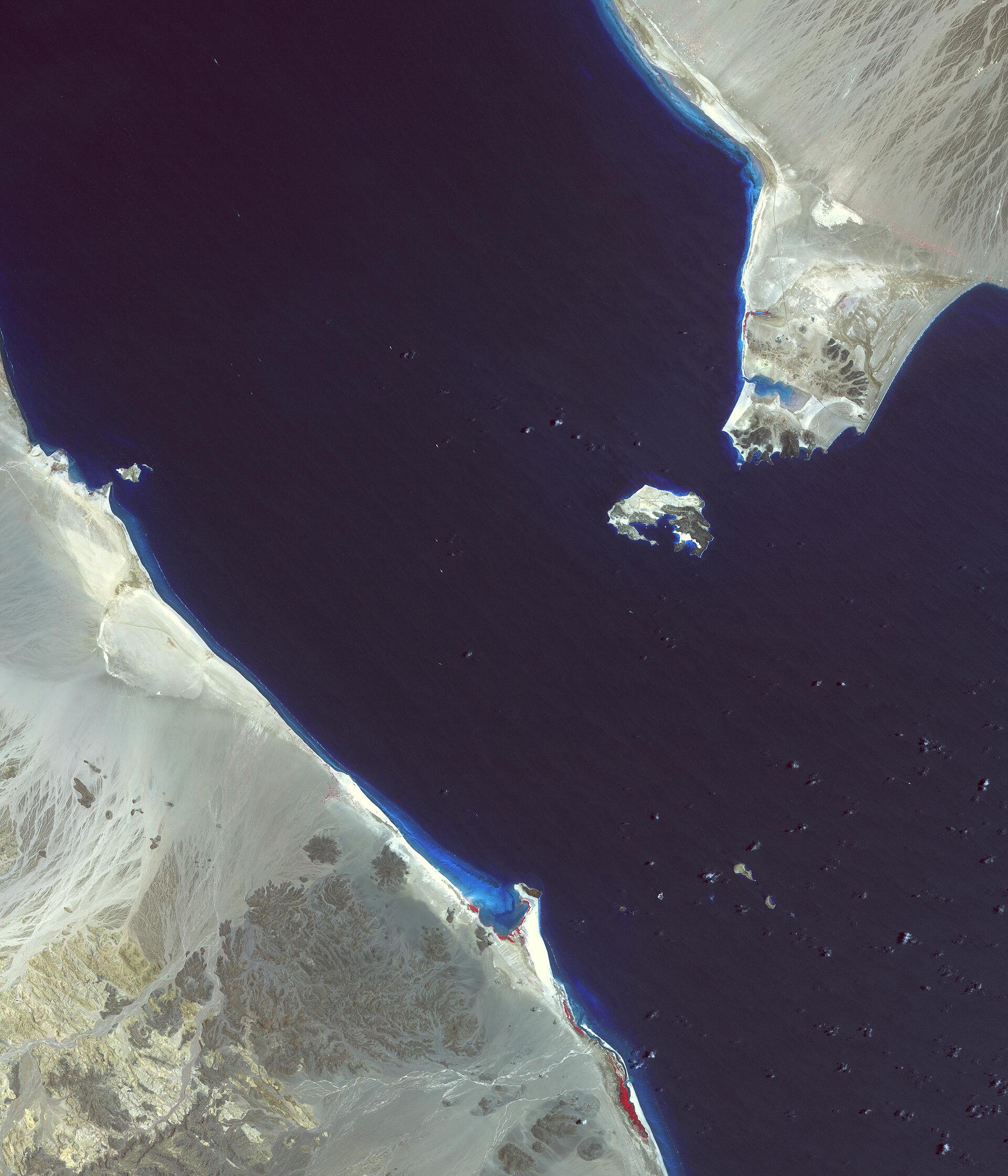
The Bab al-Mandab Strait is a 26-kilometre-wide chokepoint between Yemen’s western coast and Djibouti on the Horn of Africa. Roughly 6.2 million barrels of oil per day transited the waterway in 2023, according to the US Energy Information Administration, making it the fourth-busiest oil chokepoint in the world after the Strait of Hormuz, the Strait of Malacca, and the Suez Canal.
For Saudi Arabia, the Bab al-Mandab has taken on existential importance since the Strait of Hormuz was effectively closed on March 5, when Iran’s Islamic Revolutionary Guard Corps Navy announced it would block passage to ships from the United States, Israel, and their Western allies, according to CNBC. With tanker traffic through Hormuz down approximately 90 percent from pre-war levels, according to MarineTraffic, the Kingdom’s Red Sea export infrastructure centred on Yanbu has become the primary outlet for Saudi crude.
Saudi Aramco’s East-West Pipeline, also known as the Petroline, runs 1,200 kilometres from the oil-rich Eastern Province to Yanbu on the Red Sea coast. The pipeline has a capacity of approximately 5 million barrels per day, according to Aramco’s filings, and represents Saudi Arabia’s only viable alternative to exporting through the Persian Gulf when Hormuz is blocked.
Every barrel that exits Yanbu must then transit southward through the Red Sea and pass through the Bab al-Mandab before reaching the Gulf of Aden, the Indian Ocean, and global markets. If the Houthis close or substantially disrupt this corridor, Saudi Arabia would lose both of its maritime export routes simultaneously — a scenario without precedent in the history of the modern oil market.
What Weapons Can the Houthis Deploy Against Red Sea Shipping?
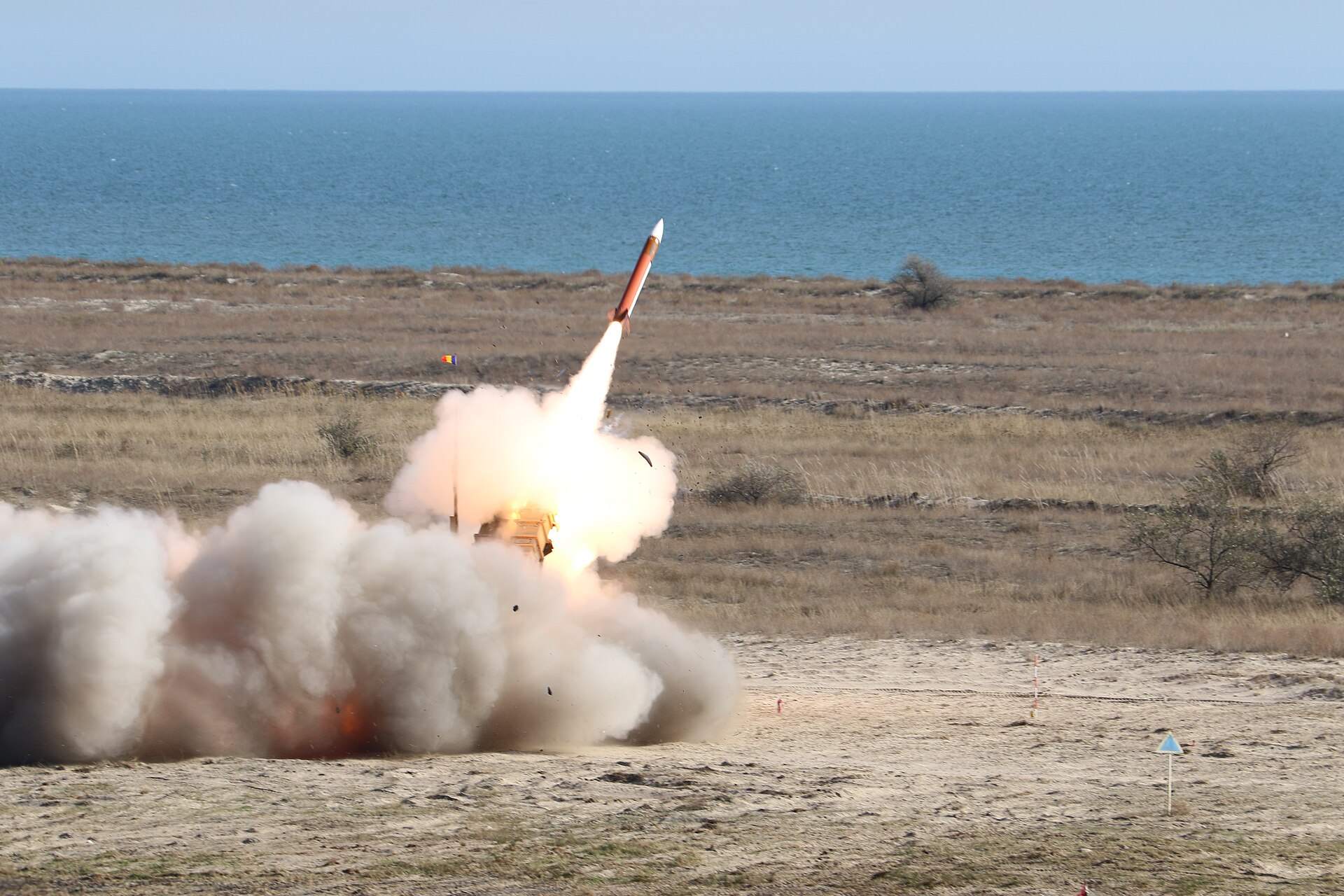
The Houthi arsenal, built over a decade of Iranian weapons transfers, includes anti-ship missiles, ballistic missiles, cruise missiles, and unmanned systems capable of striking commercial and military vessels across a wide area of the Red Sea and Gulf of Aden.
Fabian Hinz of the International Institute for Strategic Studies assessed that the Houthi anti-ship missile arsenal “is not only comparable but superior to probably most state actors,” according to Newsweek. The movement demonstrated these capabilities during 2024, when it launched more than 100 attacks against commercial shipping in the Red Sea following the outbreak of the Gaza war, forcing major shipping lines to reroute around the Cape of Good Hope.
| System | Type | Range | Warhead | Guidance |
|---|---|---|---|---|
| Asef ASBM | Anti-ship ballistic missile | 400 km | 500 kg | Electro-optical seeker |
| Al-Mandeb 2 | Anti-ship cruise missile | 120 km | 165 kg | Active radar homing |
| Samad-3 | Loitering munition / UAV | 1,500 km | 40 kg | GPS / INS |
| Toofan | Explosive drone boat | 500+ km | 250+ kg | Remote control / autonomous |
| Quds-series cruise missile | Land-attack cruise missile | 700-1,350 km | Varies | GPS / terrain matching |
The Asef anti-ship ballistic missile, based on the Iranian Khalij Fars system, represents the most sophisticated weapon in the Houthi inventory, according to Armament Research Services. The missile’s electro-optical terminal seeker allows it to target specific vessels, a capability that proved difficult for Western naval defences to counter consistently during the 2024 campaign.
Beyond conventional missiles, the Houthis operate a fleet of explosive unmanned surface vessels — drone boats — that can be deployed in swarms against both military warships and commercial tankers. Iran’s IRGC Navy has separately demonstrated this capability in the Persian Gulf, where similar drone boats have been used against shipping since the war began on February 28.
The RUSI noted in a detailed assessment that countering Houthi maritime capabilities requires sustained naval presence that the US Fifth Fleet, already stretched thin defending Gulf shipping lanes, may not be able to provide simultaneously in the Red Sea. The 2024 experience showed that even a determined American naval campaign — Operation Prosperity Guardian — could not fully eliminate the threat, with attacks continuing for over a year.
Saudi Arabia’s Red Sea Bypass Under Threat
Saudi Arabia has been routing an increasing share of its oil exports through Yanbu since the Strait of Hormuz was effectively closed in early March. The port, located on the Red Sea coast roughly 350 kilometres north of Jeddah, is connected to the Eastern Province oil fields via the 1,200-kilometre East-West Pipeline, which Aramco expanded to approximately 5 million barrels per day of capacity.
Yanbu’s strategic importance has been a subject of Saudi planning for decades. The pipeline was originally built in the 1980s during the Iran-Iraq War precisely to provide an alternative to Hormuz-dependent exports. Aramco subsequently developed Yanbu’s King Fahd Industrial Port into one of the largest petrochemical and refining complexes on the Red Sea coast.
The problem is geography. Tankers departing Yanbu must sail south through the full length of the Red Sea, a journey of approximately 1,500 kilometres, before passing through the Bab al-Mandab and into the Gulf of Aden. Yemen’s western coastline runs along the entire eastern shore of the southern Red Sea, giving the Houthis extensive coverage of the shipping lanes from launch sites well inland.
During the 2024 Red Sea crisis, the Houthis demonstrated the ability to strike vessels as far north as the central Red Sea, hundreds of kilometres from their launch sites, using the Samad-3 drone with its 1,500-kilometre range, according to the Washington Institute for Near East Policy. The group attacked more than 80 commercial vessels between November 2023 and the November 2025 ceasefire, according to data compiled by ACLED.
Saudi Arabia has opened Red Sea cargo corridors for food and essential goods since the Hormuz closure, but these rely on the continued safe passage of vessels through the Bab al-Mandab. A Houthi campaign targeting these corridors would simultaneously threaten the Kingdom’s oil export revenue and its ability to import the food that feeds 35 million people, roughly 80 percent of which arrives by sea.
How Would a Bab al-Mandab Closure Affect Global Trade?
The economic consequences of a Houthi-imposed disruption to the Bab al-Mandab, coming on top of the existing Hormuz crisis, would be severe. The Suez Canal — the northern end of the Red Sea corridor — has already seen container shipping lines suspend transit, according to Xeneta, with Maersk and CMA CGM rerouting all vessels via the Cape of Good Hope around southern Africa, adding 10 to 15 additional days in transit.
| Chokepoint | Status | Oil Flow (pre-war) | Current Flow | Controlling Threat |
|---|---|---|---|---|
| Strait of Hormuz | Effectively closed to Western-flagged vessels | 21 million bpd | ~2 million bpd | Iran IRGC Navy |
| Bab al-Mandab | Threatened — Houthi “Hour Zero” pending | 6.2 million bpd | ~6 million bpd | Houthis (Ansar Allah) |
| Suez Canal | Suspended by major carriers | 5.5 million bpd | Reduced | Proximity to Houthi range |
If the Bab al-Mandab is closed, approximately 12 percent of global seaborne trade would be cut off from its normal routing, according to CNBC’s analysis of the Hormuz crisis. Combined with the Hormuz closure, which handles roughly 20 percent of global oil supply, the two-strait shutdown would affect a combined 27 million barrels per day of oil flow — more than a quarter of the world’s daily consumption of approximately 103 million barrels per day, according to IEA figures.
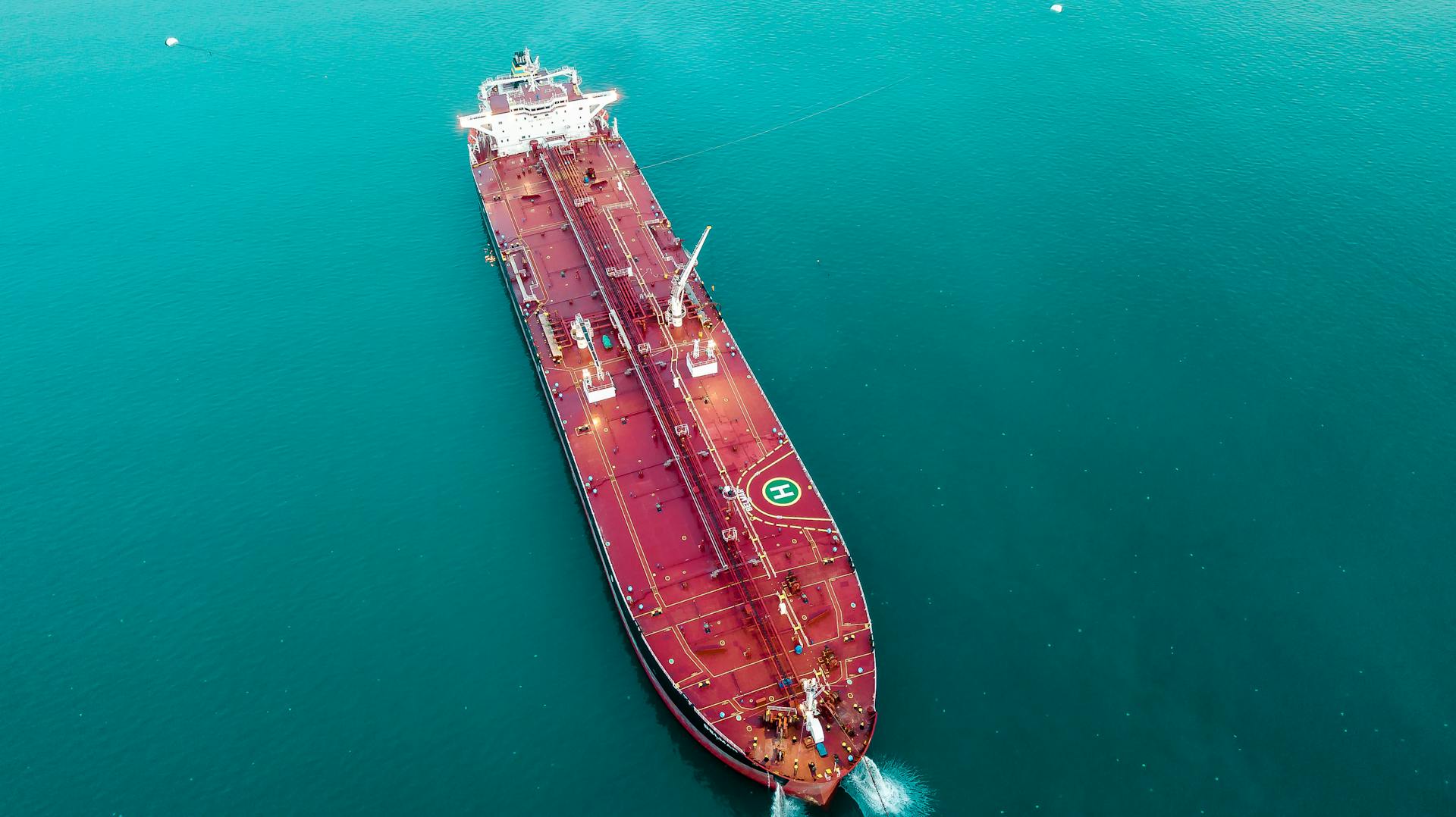
War risk insurance premiums, already elevated due to the Hormuz crisis, would spike further. During the 2024 Houthi campaign, additional war risk premiums for Red Sea transits rose to between 0.5 and 1.0 percent of hull value, adding hundreds of thousands of dollars to individual voyages, according to Lloyd’s List. A renewed campaign during an active Iran war would likely push premiums higher still, potentially making Red Sea transit commercially unviable for all but the most critical cargoes.
Brent crude oil, which rose from an average of $71 per barrel on February 27 to $94 on March 9, according to the EIA, has been approaching $100 per barrel as the war intensifies. A credible Houthi threat to the Bab al-Mandab would likely push prices past $100 and potentially toward $120, according to Goldman Sachs estimates from the early days of the conflict.
The Two-Strait Nightmare Scenario
Saudi strategic planners have long treated the Hormuz and Bab al-Mandab vulnerabilities as separate contingencies. The East-West Pipeline exists to bypass Hormuz. The Red Sea Fleet and coastal defences exist to protect Red Sea shipping. The nightmare scenario — both chokepoints simultaneously threatened — was considered unlikely enough that no single contingency plan addressed it.
That scenario is now materialising. Iran controls Hormuz directly through IRGC Navy operations that have reduced tanker traffic by 90 percent. The Houthis, supplied and trained by Iran, are signalling they will exercise equivalent control over the Bab al-Mandab. The Houthis’ track record during 2024 demonstrates they have both the capability and the willingness to sustain a maritime campaign for months or longer.
The strategic implications for Saudi Arabia are severe. The Kingdom exported approximately 7.5 million barrels per day in February 2026, according to OPEC data. With Hormuz blocked, only the Red Sea route via Yanbu — handling roughly 5 million barrels per day at capacity — remains. If the Houthis close the Bab al-Mandab, Saudi Arabia would effectively lose the ability to export oil by sea entirely.
The Kingdom does maintain limited pipeline export capacity through the Trans-Arabian Pipeline (Tapline) system and cross-border connections, but these carry a fraction of seaborne volumes. Saudi Arabia has never faced a scenario in which both of its maritime export routes are simultaneously compromised.
Crown Prince Mohammed bin Salman conveyed messages to the leaders of Bahrain, Kuwait, Qatar, and the UAE in the first days of the war, urging Gulf states to “avoid taking any direct action that could elicit an angry response from Tehran,” according to Middle East Eye. That message of restraint extends to the Houthi front: Riyadh has avoided any military action against Yemen since the war began, calculating that provocation would trigger precisely the Bab al-Mandab scenario now unfolding.
Washington’s Response Options
The US military’s ability to defend both the Strait of Hormuz and the Bab al-Mandab simultaneously is uncertain. The US Fifth Fleet, headquartered in Bahrain, is already committed to Operation Maritime Shield in the Persian Gulf, where it has been attempting to reopen Hormuz to commercial traffic with limited success.
President Trump said on March 14 that he hoped “China, France, Japan, South Korea, the UK, and others” would deploy warships to the Strait of Hormuz, according to CNN’s day 15 coverage. The appeal underscored the strain on American naval resources: the US cannot patrol both chokepoints in force while simultaneously conducting air operations against Iran.
During the 2024 Red Sea crisis, the US-led Operation Prosperity Guardian deployed a multinational naval task force to defend commercial shipping from Houthi attacks. The operation required multiple carrier strike groups, guided-missile destroyers, and cruisers operating continuously for more than a year. Despite this commitment, the Houthis continued launching attacks at a rate that outpaced the coalition’s ability to intercept every threat, according to RUSI’s assessment.
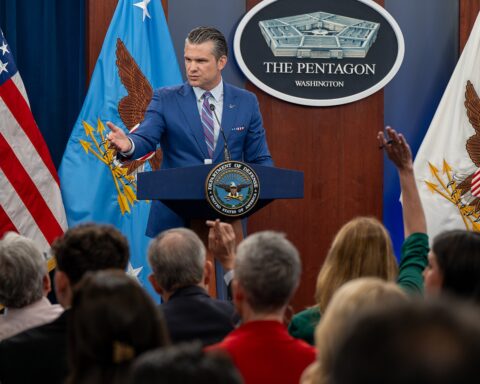
A renewed Houthi maritime campaign in 2026 would face a US military simultaneously engaged in three theatres: airstrikes against Iran, naval operations in the Persian Gulf and Hormuz, and now potentially a revived Red Sea defence mission. Defense Secretary Pete Hegseth told reporters on March 13 not to “worry” about the Strait of Hormuz, according to CNBC, but analysts at the Atlantic Council and the Stimson Center have questioned whether the Pentagon can sustain operations across all three fronts without drawing forces from other global commitments, including the Pacific theatre.
The Pentagon has already pulled Marines and F-35s from Japan for the Iran war, a redeployment that has raised concerns in Tokyo about the US security commitment in the Indo-Pacific, according to multiple reports.
Frequently Asked Questions
What is the Houthi “Hour Zero” declaration?
Senior Houthi officials announced on March 14, 2026, that their movement has decided to align militarily with Iran in the ongoing US-Israeli war against Tehran. They signalled that “Hour Zero” — a coordinated campaign of military operations — would be declared soon. The statement is widely interpreted as a threat to close the Bab al-Mandab Strait to commercial shipping, mirroring Iran’s effective blockade of the Strait of Hormuz.
Why were the Houthis silent for the first two weeks of the war?
Despite being Iran’s most capable proxy force, the Houthis held back from joining the conflict due to internal debate. Some leaders feared that entering the war would provoke devastating American airstrikes against Yemen, while others argued that failing to support Iran would damage the alliance. The faction favouring action appears to have won the argument by day 15 of the conflict, according to analysis from the Stimson Center and Foreign Policy.
Can the Houthis actually close the Bab al-Mandab?
The Houthis demonstrated in 2024 that they can sustain a maritime campaign for more than a year, launching over 100 attacks on commercial shipping despite continuous US military operations against their positions. Their arsenal includes anti-ship ballistic missiles with 400-kilometre range, cruise missiles, long-range drones, and explosive drone boats, according to the International Institute for Strategic Studies. While they cannot physically seal the strait, they can raise the risk and insurance costs to a level that forces most commercial shipping to avoid the route.
What happens to Saudi oil if both Hormuz and Bab al-Mandab are blocked?
Saudi Arabia would effectively lose the ability to export oil by sea. The Strait of Hormuz handles the Kingdom’s Eastern Province exports, while the Bab al-Mandab is the gateway for Red Sea exports via Yanbu. Limited pipeline capacity to neighbouring countries would remain, but these carry only a fraction of the approximately 7.5 million barrels per day that Saudi Arabia typically exports. The scenario would trigger the most severe supply disruption in the history of the global oil market.
How is the US military responding to the Houthi threat?
The US military is already stretched across three simultaneous missions: airstrikes against Iran, naval operations to reopen the Strait of Hormuz, and the wider Gulf defence mission. President Trump has called on six allied nations to contribute warships. The Pentagon would likely need to reconstitute a Red Sea task force similar to the 2024 Operation Prosperity Guardian, but doing so while sustaining operations against Iran represents an unprecedented strain on American naval resources.