
WASHINGTON — President Donald Trump told NBC News on Saturday that Iran “wants to make a deal” to end the war launched by the United States and Israel on February 28, but declared he would not negotiate because “the terms aren’t good enough yet.” Hours later, Iran’s Foreign Minister Abbas Araghchi delivered an equally categorical rejection on CBS News, stating: “No, we never asked for a ceasefire, and we have never asked even for negotiation. We are ready to defend ourselves as long as it takes.” The simultaneous refusals, reported by Reuters, NBC News, and NPR across the weekend, have effectively closed every known diplomatic channel as the conflict enters its third week — leaving Saudi Arabia and the Gulf states absorbing hundreds of Iranian drones and missiles with no prospect of relief.
The deepening uncertainty over whether Iran’s supreme leader Mojtaba Khamenei is alive has further complicated ceasefire prospects, as only the supreme leader holds constitutional authority to end hostilities.
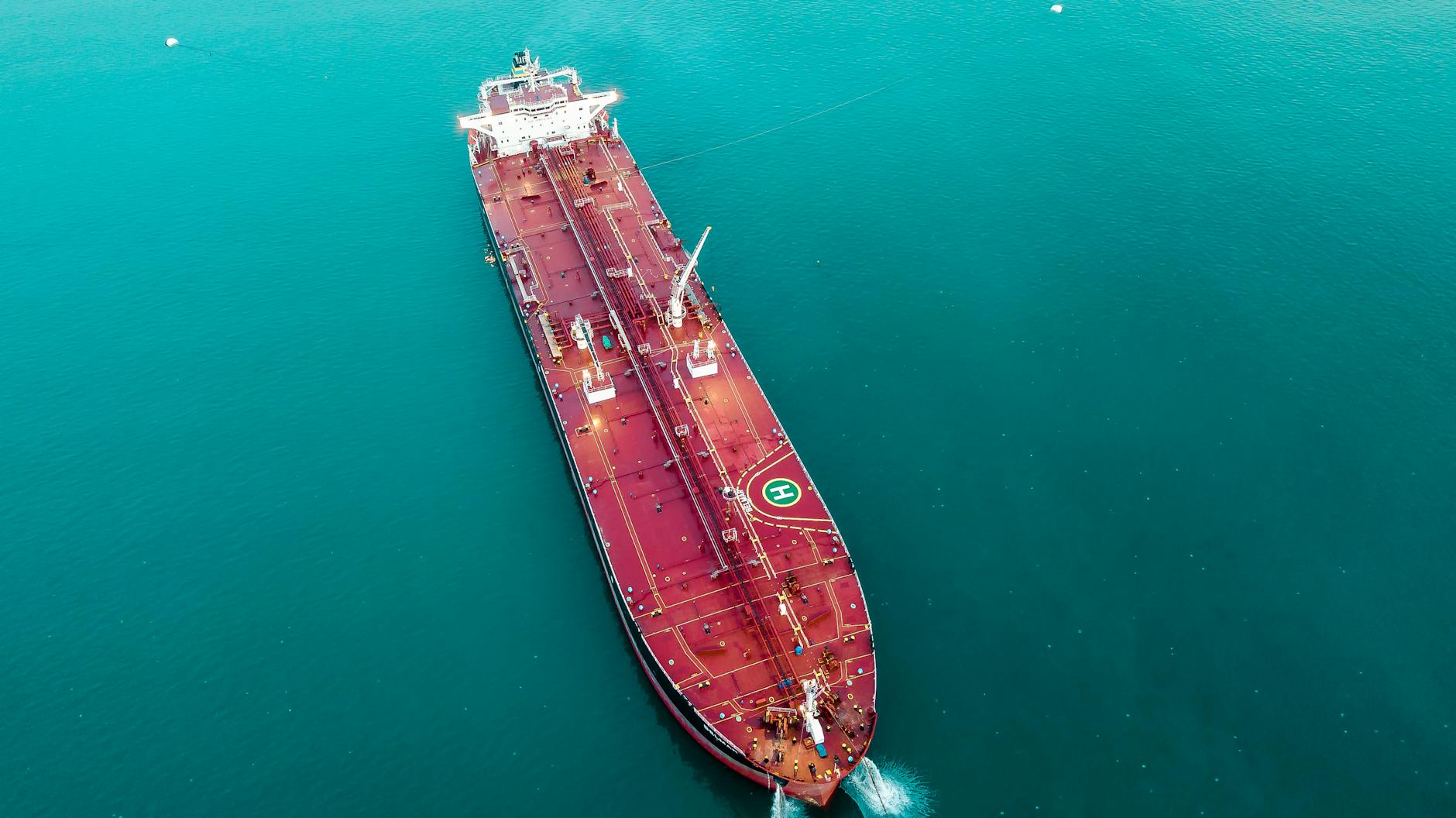
The diplomatic collapse arrives as the war’s toll reaches grim milestones. More than 1,400 people have died since the opening strikes, according to Al Jazeera’s casualty tracker, at least 10,000 residential homes in Tehran have been damaged or destroyed, and 13 American service members have been killed — six of them in a KC-135 refueling aircraft crash over western Iraq on March 12, the U.S. Department of Defense confirmed. Meanwhile, tanker traffic through the Strait of Hormuz has dropped by approximately 90 percent, Reuters reported, removing roughly 20 percent of the world’s daily oil supply from global markets and pushing Brent crude past $100 per barrel.
Table of Contents
- What Did Trump Say About the Ceasefire
- Why Does Iran Say It Never Asked for a Ceasefire
- Oman, Egypt, and the Mediation Efforts That Failed
- How Is Saudi Arabia Responding to the Diplomatic Collapse
- Day 16 on the Battlefield
- The IRGC’s Hormuz Veto and Its Economic Fallout
- American Public Turns Against the War
- What Happens if No Ceasefire Comes
- Frequently Asked Questions
What Did Trump Say About the Ceasefire?
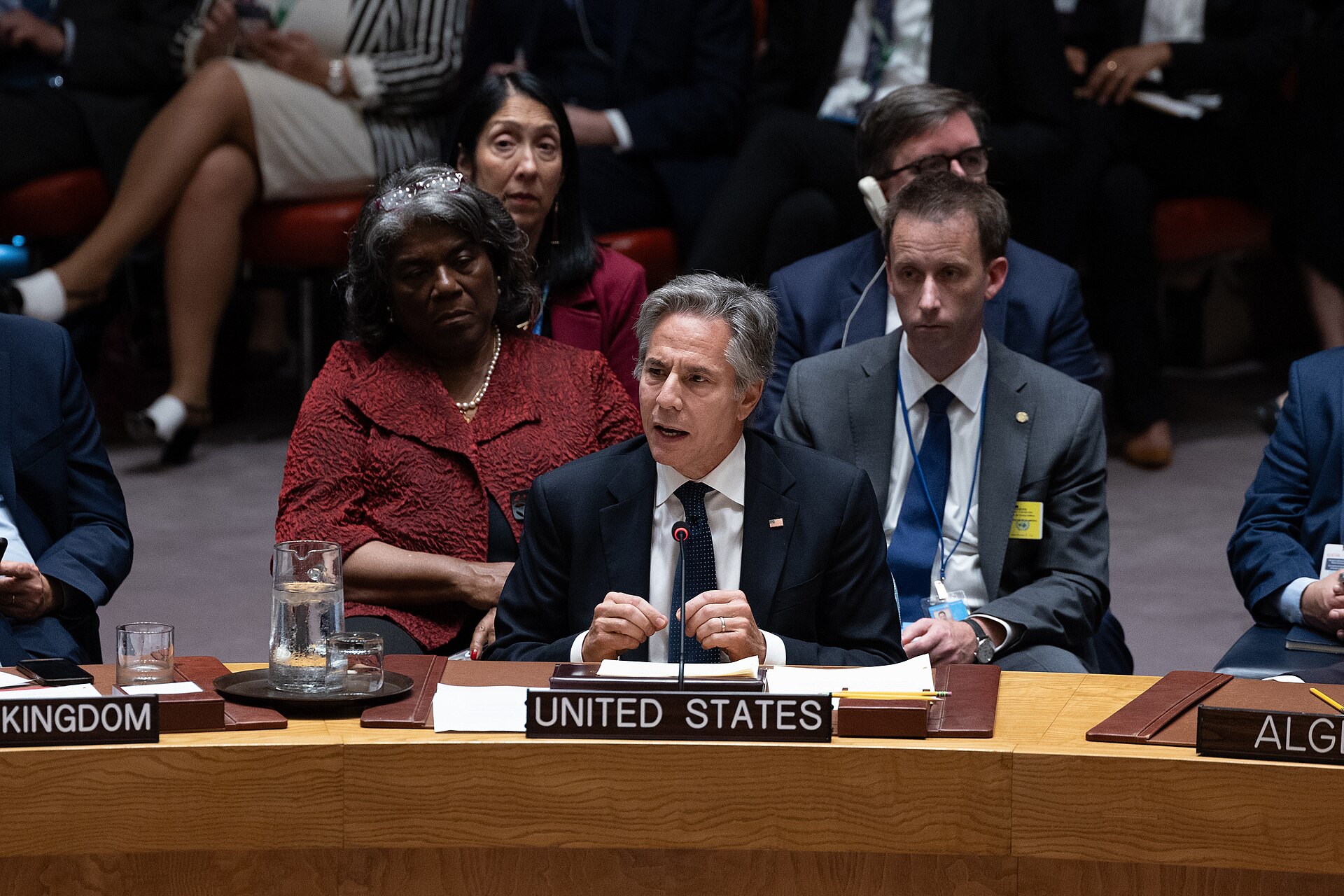
Trump’s refusal to engage in ceasefire negotiations represents a hardening of the White House’s position since the war began on February 28. In an interview with NBC News broadcast on Saturday, March 15, the president acknowledged Iran’s willingness to negotiate but dismissed the overture as premature. “Iran wants to make a deal, and I don’t want to make it because the terms aren’t good enough yet,” Trump said. When pressed on what specific terms he required, he declined to elaborate: “I don’t want to say that to you.”
Administration officials have indicated that any agreement would need to include what one senior White House official described as “complete abandonment of Iran’s nuclear program.” A separate White House source told Reuters that Trump “is not interested in that right now, and we’re going to continue with the mission unabated.”
The president had telegraphed his stance earlier in the week. On March 13, Trump posted on Truth Social that Iran’s leadership was “so battered” by American and Israeli strikes that they wanted to talk, but added: “Too Late!” The statement came the same day the Israeli military told CNN it was planning at least three more weeks of operations with “thousands of targets” remaining inside Iran.
The Middle East briefing 3,000+ readers start their day with.
One email. Every weekday morning. Free.
The contradiction between Trump’s claim that Iran wants to negotiate and his refusal to do so has drawn criticism from congressional Democrats and from regional allies who have quietly urged Washington to explore diplomatic off-ramps. Reuters reported on March 14 that the Trump administration had formally rejected efforts by Middle Eastern allies to advance ceasefire negotiations — a report confirmed by multiple outlets, including the Manila Times and the Times of Israel.
Why Does Iran Say It Never Asked for a Ceasefire?
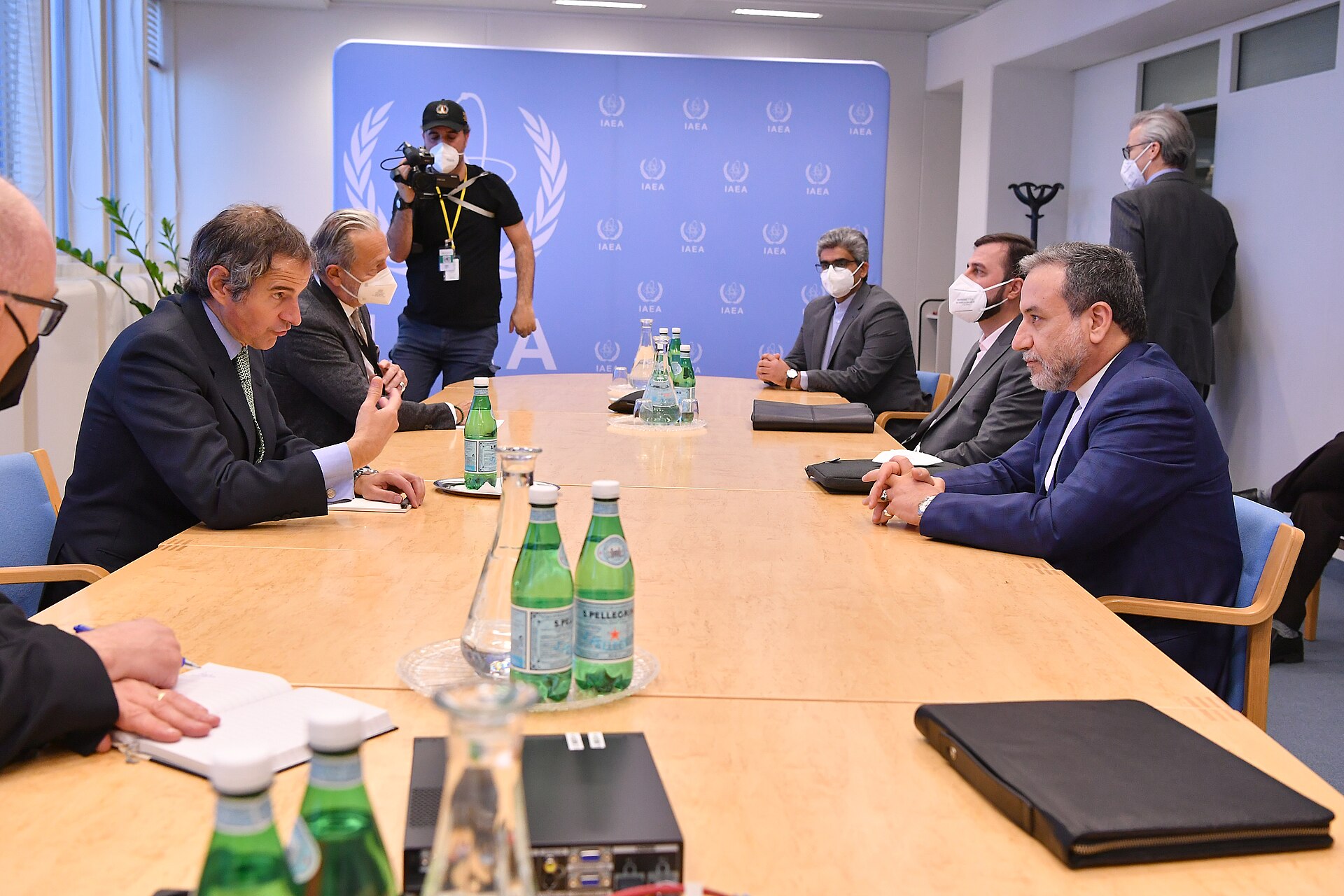
Iran’s position is as unequivocal as Washington’s, though it rests on fundamentally different logic. Foreign Minister Araghchi’s appearance on CBS News’ Face the Nation on Sunday, March 16, directly contradicted Trump’s assertion that Tehran was seeking a deal. “No, we never asked for a ceasefire, and we have never asked even for negotiation,” Araghchi said. “We are ready to defend ourselves as long as it takes.”
In a separate interview with NBC News, Araghchi went further, projecting confidence in Iran’s ability to withstand even a ground invasion. “No, we are waiting for them,” he said when asked about the prospect of U.S. troops entering Iranian territory. “Because we are confident that we can confront them, and that would be a big disaster for them.”
Araghchi framed Iran’s refusal to negotiate as a lesson drawn from bitter experience. “The fact is that we don’t have any positive experience of negotiating with the United States,” he said, pointing to what Tehran views as American bad faith during the Geneva nuclear talks that collapsed when U.S. strikes began on February 28 — while Iranian negotiators were still at the table. “We didn’t ask for a ceasefire even last time,” Araghchi added. “In previous time, it was Israel who asked for a ceasefire.”
Behind Araghchi’s public defiance lies a power struggle within Tehran. A senior Iranian source told Reuters that “the Guards will not accept any ceasefire, ceasefire talks, or diplomatic efforts” — a reference to the Islamic Revolutionary Guard Corps, which has assumed primary operational control of Iran’s retaliatory campaign against U.S. bases and Gulf state infrastructure since the war began. Ali Larijani, Iran’s top security official, told the Times of Israel that the war “won’t end before enemies are made sorry for their grave miscalculation.”
The IRGC’s 50th wave of operations, announced on March 15, targeted U.S. military facilities in the UAE, Bahrain, and Kuwait, according to Al Jazeera, underscoring Tehran’s determination to sustain its campaign regardless of diplomatic overtures.
Oman, Egypt, and the Mediation Efforts That Failed
The collapse of ceasefire prospects did not happen suddenly. Multiple regional powers have attempted mediation since the first week of the war, only to be rebuffed by both Washington and Tehran in succession.
Oman, which served as the primary mediator in pre-war negotiations between the United States and Iran, led the earliest and most sustained effort. According to Reuters, Iran’s top security official Ali Larijani and Foreign Minister Araghchi sought to use Muscat as a conduit for ceasefire discussions that would have involved U.S. Vice President J.D. Vance. Those discussions never materialized. The White House made clear, through multiple channels, that it was not interested in Oman’s mediation offer, two sources with knowledge of the communications told Reuters.
Egypt also attempted to reopen communications channels, having been involved in pre-war diplomatic contacts, Reuters reported. Cairo’s efforts met the same result. An unnamed senior Iranian source told the news agency that “whatever was communicated previously through the diplomatic channels is irrelevant now” — a statement that effectively closed the door on prior diplomatic architecture.
Beijing dispatched a peace envoy to Riyadh during the war’s second week, and Saudi Foreign Minister Prince Faisal bin Farhan has held calls with counterparts in Tehran, Washington, Moscow, and Beijing, according to Bloomberg. None of these contacts have produced a framework for talks. The Carnegie Endowment for International Peace published an assessment on March 14 noting that Gulf rulers “discovered that spending power cannot reshape White House priorities, particularly when policies align with Israeli interests.”
The failure of mediation leaves no known active diplomatic channel between Washington and Tehran. The last confirmed contact between the two sides occurred during the Geneva nuclear talks on February 28, which ended when U.S. missiles struck Iranian territory while Iranian negotiators were still in Switzerland.
How Is Saudi Arabia Responding to the Diplomatic Collapse?
Saudi Arabia occupies the most precarious position of any party to the conflict. The Kingdom has absorbed more than 200 Iranian drones and missiles since February 28 without firing a single offensive shot at Tehran, according to the Saudi Ministry of Defense. Crown Prince Mohammed bin Salman’s decision to absorb punishment rather than retaliate has been described by Bloomberg as one of the most consequential strategic choices in modern Middle Eastern history.
On March 15 alone, Saudi air defenses intercepted and destroyed 17 drones in the Riyadh and Eastern Province regions, Al Arabiya reported. At least two people have been killed and 12 injured by Iranian attacks on Saudi soil since the war began, according to Al Jazeera’s Day 16 update. Six ballistic missiles targeting Prince Sultan Air Base were also intercepted and destroyed during the first two weeks of hostilities, the Qatar News Agency reported.
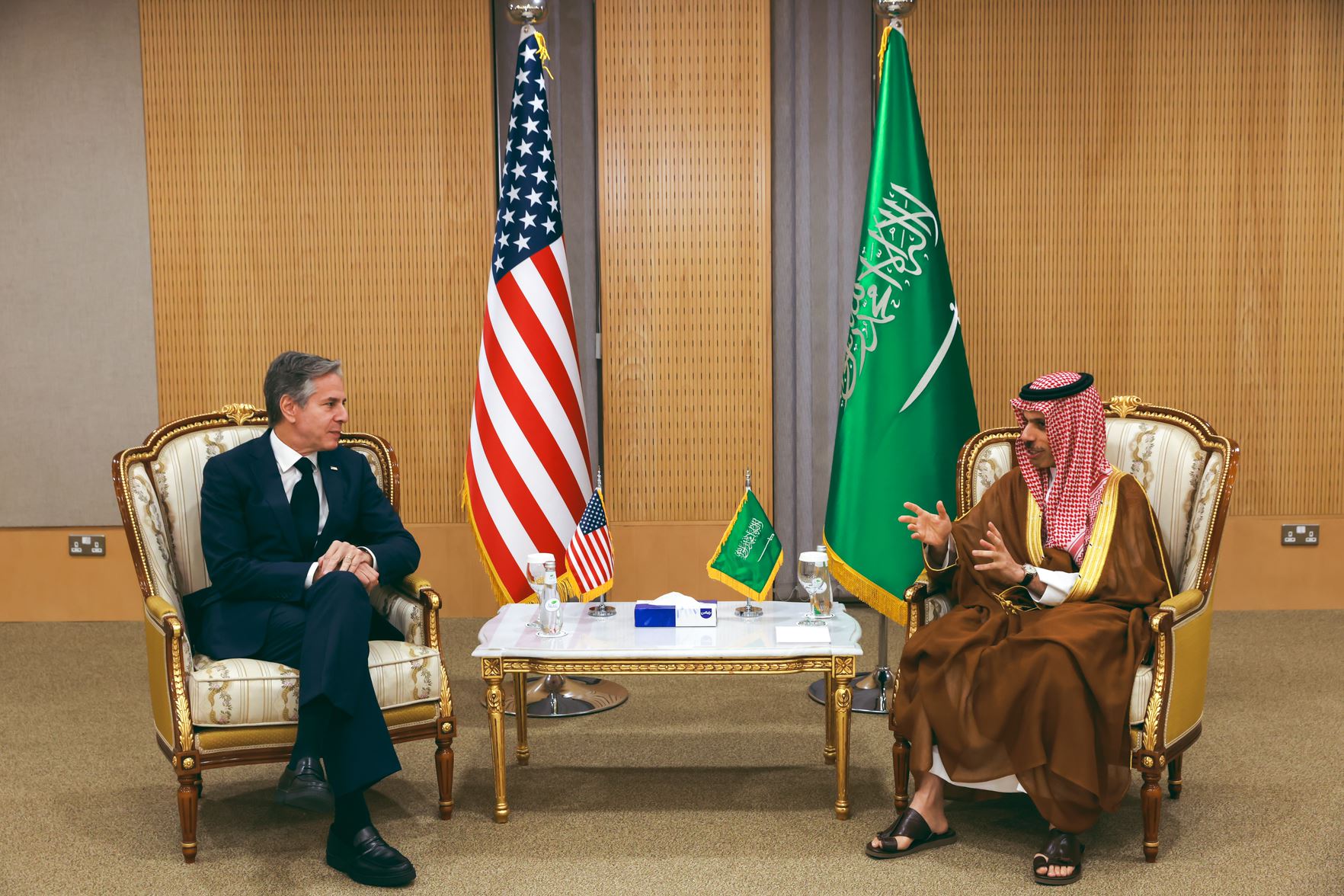
Saudi Arabia’s diplomatic approach has been to urge restraint across the Gulf while maintaining direct communication with Tehran. Bloomberg reported on March 6 that Riyadh had “intensified its direct line to Iran to defuse the war,” with Prince Faisal bin Farhan placing calls to Araghchi alongside conversations with U.S. Secretary of State Marco Rubio and Chinese Foreign Minister Wang Yi. The Kingdom has explicitly told Gulf allies to “avoid any steps that could inflame tensions with Iran,” a directive that has shaped the GCC’s collective restraint despite sustained missile and drone attacks across six member states. Iran’s ambassador to Saudi Arabia, Alireza Enayati, has since denied that Tehran is responsible for attacks on Saudi oil infrastructure, calling for a “serious review” of Gulf relations.
The gap between American war aims and Saudi survival interests now represents what the Carnegie Endowment described as “the most consequential strategic divergence in the 80-year history of the US-Saudi alliance.” Washington demands what amounts to unconditional surrender from Iran. Riyadh wants the missiles to stop falling on its desalination plants, airports, and oil infrastructure.
Day 16 on the Battlefield
The diplomatic stalemate coincides with intensifying military operations on both sides. On Day 16 of the conflict, March 15, U.S. and Israeli forces launched strikes on the industrial city of Isfahan, killing at least 15 people, Al Jazeera reported. The Israeli military claimed it struck more than 200 targets over the preceding 24 hours, focusing on what it described as Iran’s ballistic missile capabilities and air defense systems in western and central Iran.
Iran confirmed the death of Brigadier-General Abdullah Jalali Nasab in an Israeli attack, the most senior Iranian military figure killed since the war’s opening hours when Supreme Leader Ayatollah Ali Khamenei was killed in a U.S. strike on February 28. New Supreme Leader Mojtaba Khamenei, Khamenei’s son, has not been seen publicly in more than a week, and Trump himself questioned in his NBC interview whether the successor was “even alive.”
The war’s humanitarian toll continues to mount. Tehran’s governor reported that at least 10,000 residential homes in the capital have been “damaged or completely destroyed” by U.S. and Israeli strikes, according to CNN. Iran’s cultural heritage ministry said 56 museums, historic buildings, and cultural sites have sustained damage. Araghchi attributed responsibility for a strike on an elementary school that killed 171 children to U.S. and Israeli forces, dismissing any distinction between the two militaries.
On the Gulf front, the IRGC announced its 50th wave of retaliatory operations, targeting U.S. bases in the UAE, Bahrain, and Kuwait. Saudi Arabia’s Ministry of Defense reported intercepting four drones in the Riyadh area and additional waves over the Eastern Province throughout March 15. The U.S. Embassy in Riyadh issued its latest shelter-in-place order, directing all American government employees and recommending all U.S. citizens to shelter until further notice.
| Metric | Figure | Source |
|---|---|---|
| Total deaths | 1,400+ | Al Jazeera casualty tracker |
| U.S. service members killed | 13 | U.S. Department of Defense |
| Homes destroyed in Tehran | 10,000+ | Tehran governor |
| Cultural sites damaged in Iran | 56 | Iran cultural heritage ministry |
| IRGC operational waves launched | 50 | IRGC statement |
| Saudi drones intercepted (March 15) | 17 | Saudi Ministry of Defense |
| Brent crude price | $100+/barrel | Reuters |
| Hormuz tanker traffic decline | ~90% | Reuters |
The IRGC’s Hormuz Veto and Its Economic Fallout
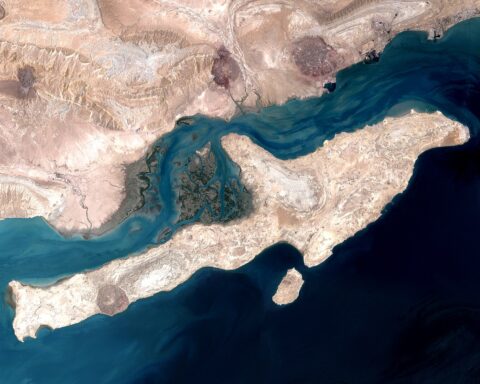
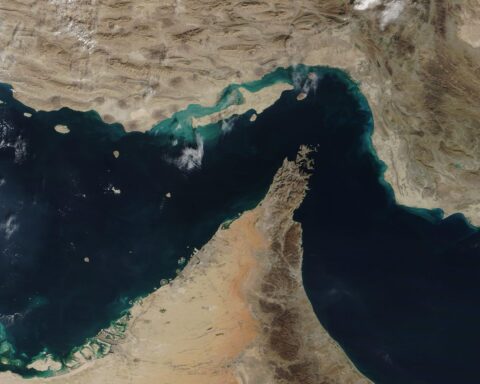
The ceasefire deadlock has particular significance for global energy markets because the Strait of Hormuz remains effectively closed to most commercial traffic. Iran’s navy commander, Rear Admiral Alireza Tangsiri, stated on March 15 that the strait is “only being controlled,” not formally closed — a distinction that allows selective passage while maintaining maximum leverage over global oil flows.
The IRGC has permitted some vessels to transit. Two Indian-flagged LPG carriers crossed the strait on March 14 after Tehran granted explicit permission, Al Jazeera reported. An Iranian supertanker carrying oil bound for China also pushed through the waterway on March 15, Fortune reported. But for the vast majority of commercial shipping, the risk calculation has turned prohibitive. NBC News reported that shipping through the strait has “slowed to a crawl,” with more than 3,000 vessels and 20,000 sailors trapped in the Persian Gulf.
The economic consequences are cascading. CNBC reported that supertanker rates hit all-time highs as insurers dropped war risk protection in the Middle East. The disruption affects approximately 20 percent of the world’s daily oil supply and significant volumes of liquefied natural gas. OPEC+ announced it would add 206,000 barrels per day in April, led by Saudi Arabia and Russia, but analysts told Bloomberg that spare capacity “is really only sitting in Saudi Arabia at this stage, with the rest of the producers effectively maxed out.”
Saudi Arabia itself ramped production to 10.882 million barrels per day in February, up from 10.1 million in January, Bloomberg reported, citing OPEC data — a significant increase that preceded the war. But with the Kingdom’s primary export route through the Persian Gulf and Hormuz effectively severed, Red Sea alternatives face their own threats from Houthi forces now aligned with Tehran’s military campaign.
American Public Turns Against the War
The domestic political landscape in the United States has shifted since the war began, adding an additional dimension to Trump’s refusal to negotiate. According to polling data cited in Al Jazeera’s Day 16 update, 53 percent of American voters now oppose the attacks on Iran, while three-quarters oppose any deployment of ground troops.
The six American service members killed in the March 12 KC-135 crash over Iraq brought the total U.S. military death toll to 13, including seven killed by enemy action. The Defense Department on Saturday released the names of the six deceased crew members — three from MacDill Air Force Base in Florida and three from Rickenbacker Air National Guard Base in Ohio. Major John A. Klinner, 33, Captain Ariana G. Savino, 31, and Technical Sergeant Ashley B. Pruitt, 34, were assigned to MacDill. Captain Seth R. Koval, 38, Captain Curtis J. Angst, 30, and Technical Sergeant Tyler H. Simmons, 28, served at Rickenbacker.
Congressional pressure for diplomatic engagement has intensified. Senate Democrats have called for the administration to present a clear timeline for military operations and to explain why ceasefire talks are being blocked. Trump’s contradictory statements — claiming Iran wants to negotiate while refusing to do so — have provided ammunition to critics who argue the war lacks clearly defined objectives.
What Happens if No Ceasefire Comes?
The absence of any diplomatic path forward raises the prospect of a prolonged conflict with escalating consequences for Saudi Arabia and the broader Gulf region. The Israeli military told CNN on March 15 that it is planning “at least three more weeks” of operations inside Iran, suggesting the air campaign alone could extend into mid-April at minimum.
For Saudi Arabia, the calculus is stark. Each day without a ceasefire brings additional drone and missile attacks on critical infrastructure, continued disruption to oil exports and shipping, and mounting pressure on the Kingdom’s social contract with its citizens. The U.S. Embassy shelter-in-place order — now in its 13th consecutive day across Riyadh, Jeddah, and Dhahran — signals that American officials see no near-term improvement in the security environment.
The IRGC’s ability to sustain operations remains a central question. Iran’s retaliatory campaign has reached 50 operational waves in 16 days, demonstrating a deeper arsenal than many Western intelligence assessments predicted. A comprehensive audit of Iran’s defense establishment published earlier this month concluded that Tehran retains significant ballistic and cruise missile stocks despite heavy attrition from U.S. and Israeli strikes.
The Carnegie Endowment’s Andrew Leber framed the Gulf states’ predicament in stark terms: they remain “trapped between Iran’s willingness to impose severe costs and a U.S. administration seemingly indifferent to regional consequences.” With both Washington and Tehran now publicly committed to continuing the fight, the Gulf states — Saudi Arabia chief among them — face the prospect of bearing the war’s heaviest economic and security costs while having the least influence over its duration or resolution.
Frequently Asked Questions
Has Trump offered any conditions for ceasefire talks with Iran?
Trump told NBC News on March 15 that he would not negotiate with Iran because “the terms aren’t good enough yet.” Administration officials have indicated that complete abandonment of Iran’s nuclear program would be a baseline requirement. Trump declined to specify additional conditions publicly, saying “I don’t want to say that to you.” A senior White House official told Reuters the president is “not interested” in talks and will “continue with the mission unabated.”
What exactly did Iran’s foreign minister say about a ceasefire?
Foreign Minister Abbas Araghchi told CBS News’ Face the Nation on March 16: “No, we never asked for a ceasefire, and we have never asked even for negotiation. We are ready to defend ourselves as long as it takes.” He also told NBC News that Iran is “confident” it could counter a U.S. ground invasion and that Tehran has “no positive experience of negotiating with the United States.”
Which countries have tried to mediate the Iran war?
Oman led the most sustained mediation effort, attempting to use its role as pre-war intermediary to establish a ceasefire channel involving U.S. Vice President J.D. Vance, according to Reuters. Egypt also tried to reopen communications. China sent a peace envoy to Riyadh during the war’s second week. Saudi Arabia’s Prince Faisal bin Farhan has held calls with counterparts in Tehran, Washington, Moscow, and Beijing. None of these efforts have produced a framework for negotiations.
How many people have died in the Iran war so far?
More than 1,400 people have been killed since the war began on February 28, according to Al Jazeera’s casualty tracker. The majority of deaths have occurred in Iran. Thirteen American service members have died, including seven killed by enemy action and six in a KC-135 aircraft crash over Iraq on March 12. At least two people have been killed in Saudi Arabia from Iranian drone and missile attacks. In Lebanon, 826 people have been killed and more than 800,000 displaced since February 28.
Is the Strait of Hormuz fully closed?
Iran’s navy commander stated on March 15 that the strait is “only being controlled,” not formally closed. In practice, tanker traffic has dropped by approximately 90 percent, according to Reuters, and more than 3,000 vessels are stranded in the Persian Gulf. Iran has selectively permitted some ships to pass — including Indian-flagged LPG carriers and an Iranian supertanker carrying oil to China — but most commercial shipping considers the risk prohibitive.