
{“content”: “
RIYADH u2014 Iran’s Islamic Revolutionary Guard Corps issued a direct threat on March 16 ordering the evacuation of all American-linked industrial facilities across the Gulf region, warning that strikes on commercial and technology sites would follow “in the coming hours.” The statement, released through Iran’s Tasnim News Agency and the Khatam al-Anbiya Central Headquarters, marked a significant escalation in Tehran’s targeting strategy, extending its crosshairs from military installations and oil infrastructure to the sprawling network of American corporate operations embedded in the economies of Saudi Arabia, the United Arab Emirates, and neighbouring Gulf states.
The warning named technology firms including Amazon, Google, Microsoft, and Nvidia by sector, and called on civilian workers to leave the vicinity of any facility with American ownership or partnership. It represents the clearest signal yet that Iran intends to wage an economic war against the United States by threatening the commercial architecture that underpins Washington’s strategic partnerships across the Gulf. For Saudi Arabia, where American corporations operate everything from cloud data centres and defence maintenance facilities to petrochemical joint ventures and aviation supply chains, the implications run into hundreds of billions of dollars of investment now sitting inside a declared target zone.
Two days later, Iran escalated even further. After Israel struck the South Pars gas field on March 18, the IRGC named individual facilities for the first time, including Saudi Arabia’s Samref refinery and the Jubail Petrochemical Complex, ordering immediate civilian evacuations.
Table of Contents
- n
- What Did the IRGC Statement Say?
- The American Industrial Footprint Across the Gulf
- How Exposed Are US Defence Contractors in Saudi Arabia?
- The $10 Billion Data Centre Gamble
- From Oil to Airports to Factories
- How Has Saudi Arabia Responded?
- What Does This Mean for Gulf Economies?
- Frequently Asked Questions
The Middle East briefing 3,000+ readers start their day with.
One email. Every weekday morning. Free.
- n
n
n
What Did the IRGC Statement Say?
The IRGC’s statement, distributed through Iran’s semi-official Fars and Tasnim news agencies on March 16, contained language that went further than any previous Iranian threat during the 17-day-old conflict. “We warn the defeated American regime to evacuate all American industries in the region,” the statement read, “and we ask the people living around industries where Americans hold shares to leave these areas so that they aren’t harmed.”
The statement continued with a direct timeline: “In the coming hours, these industries will be targeted and hit.”
Separately, IRGC spokesman Ebrahim Zolfaghari specified that Iran reserved what it called the “legitimate right, in defence of its national sovereignty and territory, to strike and target the points from which enemy American missiles are launched — in shipping ports, docks, and hideouts of US forces sheltered within some UAE cities.” Zolfaghari called on residents of the UAE to evacuate ports, docks, and areas with potential American military presence.
No specific geographic locations or individual corporate campuses were formally named as targets. The statement was circulated exclusively through Iranian state-aligned media, and none of the companies implicitly threatened — Amazon, Google, Microsoft, or Nvidia — had publicly responded as of March 17, according to Business Upturn.
The IRGC’s targeting declaration arrived on the same day that a drone attack ignited a fuel tank at Dubai International Airport, temporarily shutting down all operations, and as an Iranian drone strike set Abu Dhabi’s Shah gas field ablaze. The coordinated timing suggested an intentional signal that Tehran was prepared to strike civilian and commercial infrastructure across the entire Gulf, not only the military installations and oil facilities that had dominated its target list during the war’s first two weeks. The human cost of this expanded targeting was laid bare in a subsequent Human Rights Watch report that documented eleven civilian deaths across six Gulf states, including fatalities at hotels, airports, and private residences struck by Iranian drones and missiles.
The American Industrial Footprint Across the Gulf
The scale of American commercial presence in the Gulf states that the IRGC has now declared a legitimate target zone is difficult to overstate. More than 1,000 American companies maintain operations across Saudi Arabia, the UAE, Qatar, Bahrain, and Kuwait, according to the U.S.-Saudi Arabian Business Council. Their collective investments exceed $100 billion, spanning defence manufacturing, oil and gas services, cloud computing, financial services, aviation, healthcare, and construction.
In Saudi Arabia alone, American firms have committed some of the largest single foreign investments in the Kingdom’s history. Amazon Web Services announced a $5.3 billion data centre investment in 2024, with facilities scheduled to come online in 2026. Microsoft pledged $2.1 billion for cloud infrastructure. Google Cloud launched a joint venture with Saudi Aramco, opening its Riyadh data centre in 2024. These investments were the centrepieces of Saudi Arabia’s 2026 Year of Artificial Intelligence programme and the broader Vision 2030 digital transformation.
Beyond technology, American industrial involvement runs through the Kingdom’s energy sector. ExxonMobil, Chevron, Halliburton, Baker Hughes, and Schlumberger all maintain significant operations. Bechtel, the largest American construction company, has been involved in Saudi infrastructure projects for decades, including the Jubail Industrial City expansion that turned Saudi Arabia’s Eastern Province into one of the world’s largest petrochemical manufacturing hubs.
| Company | Sector | Investment Value | Facility Type |
|---|---|---|---|
| Amazon Web Services | Cloud/Data | $5.3 billion | Three data centre availability zones |
| Microsoft | Cloud/AI | $2.1 billion | Super-scaler cloud region |
| Google Cloud | Cloud/Data | Undisclosed (JV with Aramco) | Riyadh data centre |
| Boeing | Defence/Aviation | $29.4 billion (F-15 contract) | Maintenance JV with SAMI |
| Lockheed Martin | Defence | $29 billion (helicopter LOI) | Joint venture with SAMI, 60-year presence |
| RTX (Raytheon) | Defence | $1.7 billion (Patriot upgrade) | Missile system maintenance |
| General Dynamics | Defence | $1.15 billion (vehicles) | Armoured vehicle production |
The UAE hosts an even denser concentration of American corporate headquarters. Dubai International Financial Centre and Abu Dhabi Global Market together house regional offices for dozens of Fortune 500 companies. Jebel Ali Port, which the IRGC specifically mentioned in its targeting statement, serves as the logistics hub for American goods entering the entire Gulf market. An Iranian missile already struck a berth at Jebel Ali on March 1, causing structural damage, Reuters reported.
How Exposed Are US Defence Contractors in Saudi Arabia?
The defence industrial relationship between the United States and Saudi Arabia represents the single largest bilateral arms partnership in the world. Over the past decade, the U.S. Defence Security Cooperation Agency approved sales of equipment and services worth up to $139 billion to the Kingdom, according to Congressional Research Service data. The contractors who fulfil these contracts do not simply ship hardware and leave. They embed teams of engineers, technicians, and programme managers inside Saudi military installations to maintain, upgrade, and train local personnel on the systems they sold.
Boeing’s presence in Saudi Arabia extends across multiple programmes. The company signed a $29.4 billion contract in 2011 for 84 F-15SA fighters, the advanced variant of the Eagle that forms the backbone of the Royal Saudi Air Force under Defence Minister Khalid bin Salman. Boeing also holds a $5.5 billion contract for Apache attack helicopters and operates an aircraft maintenance joint venture with Saudi Arabian Military Industries, covering sustainment, manufacturing, training, engineering, and research and development.
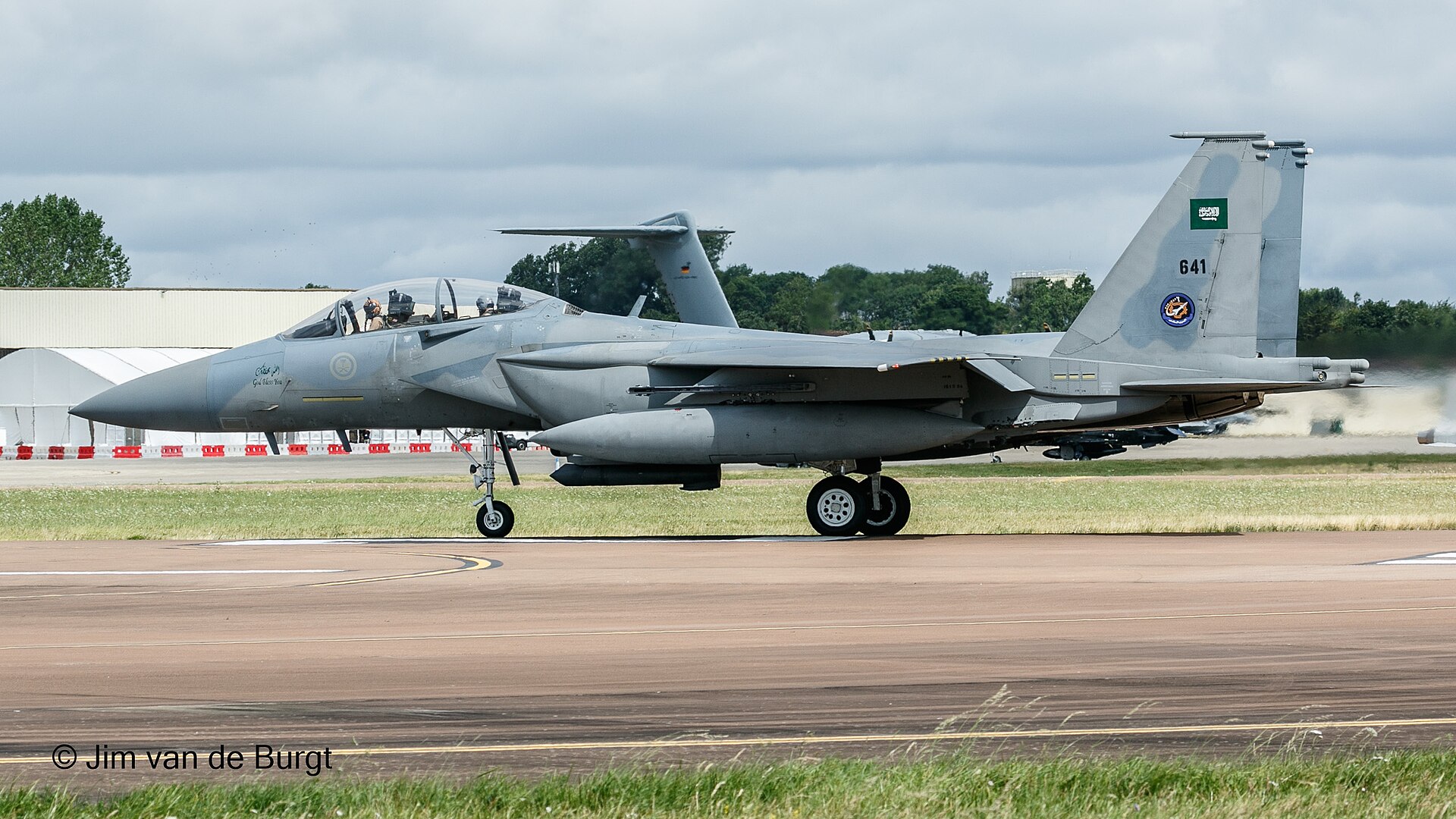
Lockheed Martin has maintained operations in Saudi Arabia for nearly 60 years. The company signed a letter of intent in 2017 valued at up to $29 billion for 150 Black Hawk helicopters and agreed to a joint venture with SAMI in 2021 to localise defence production. Lockheed operates a dedicated regional office in the Kingdom, separate from its broader Middle East headquarters in the UAE.
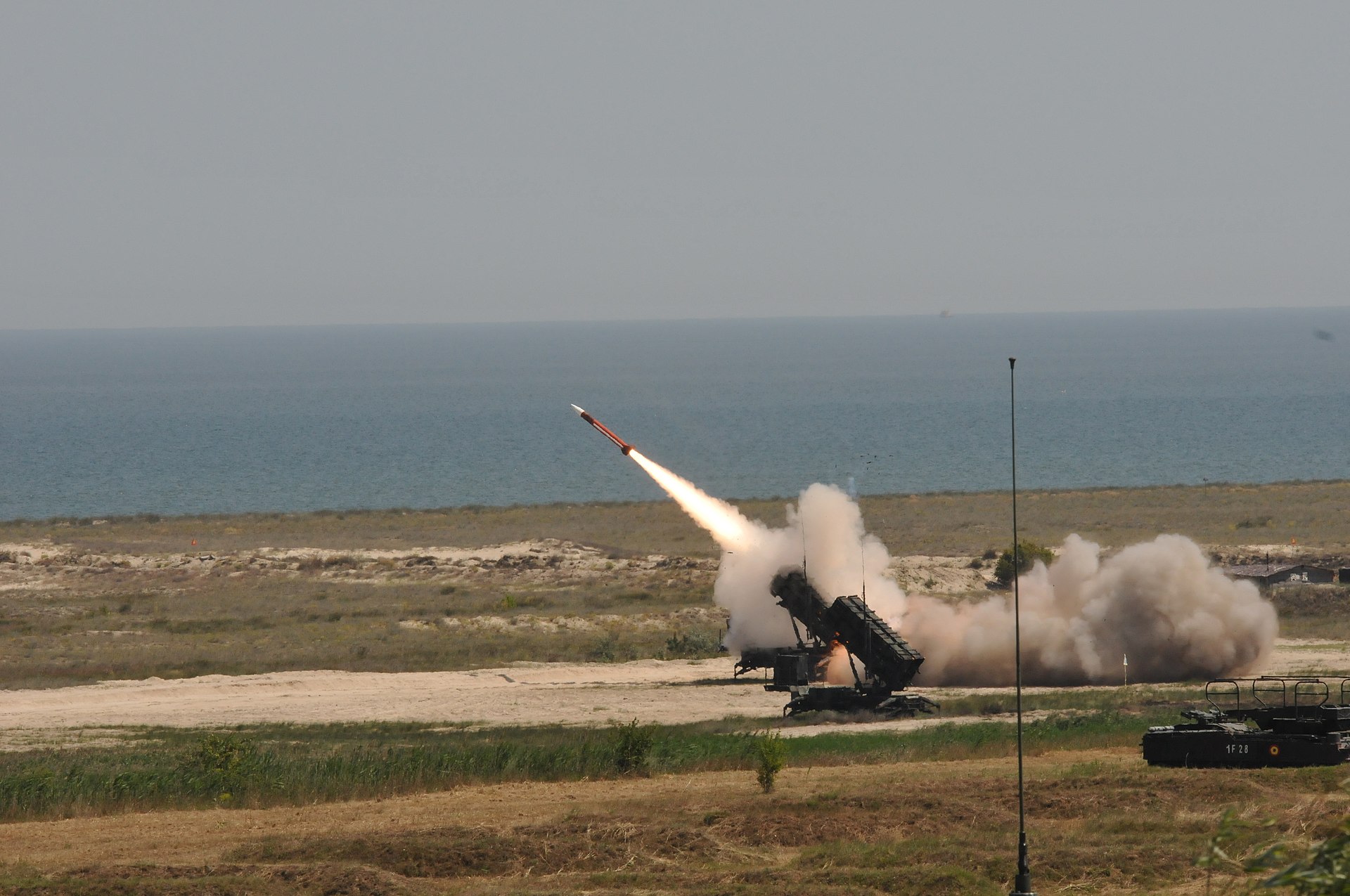
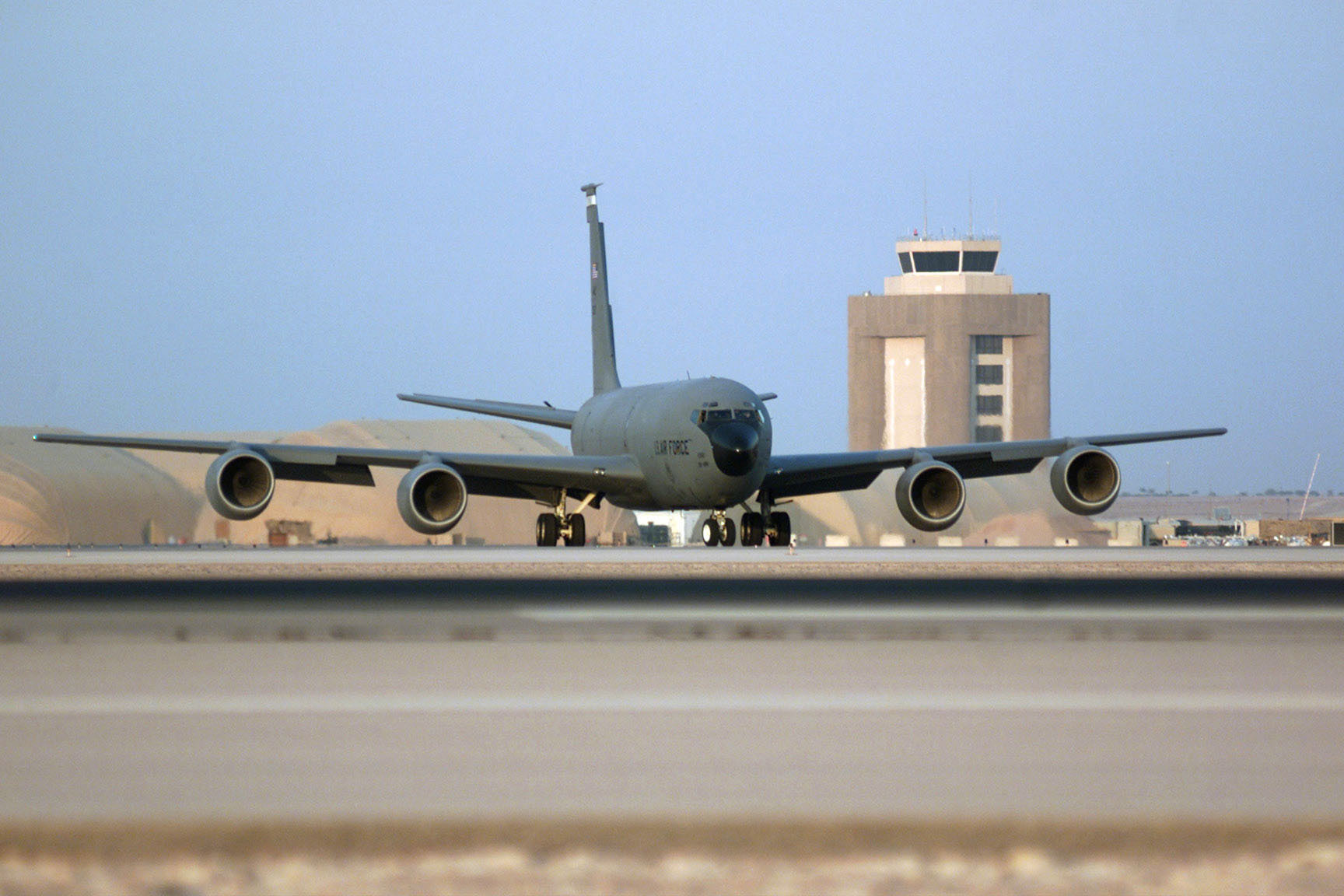
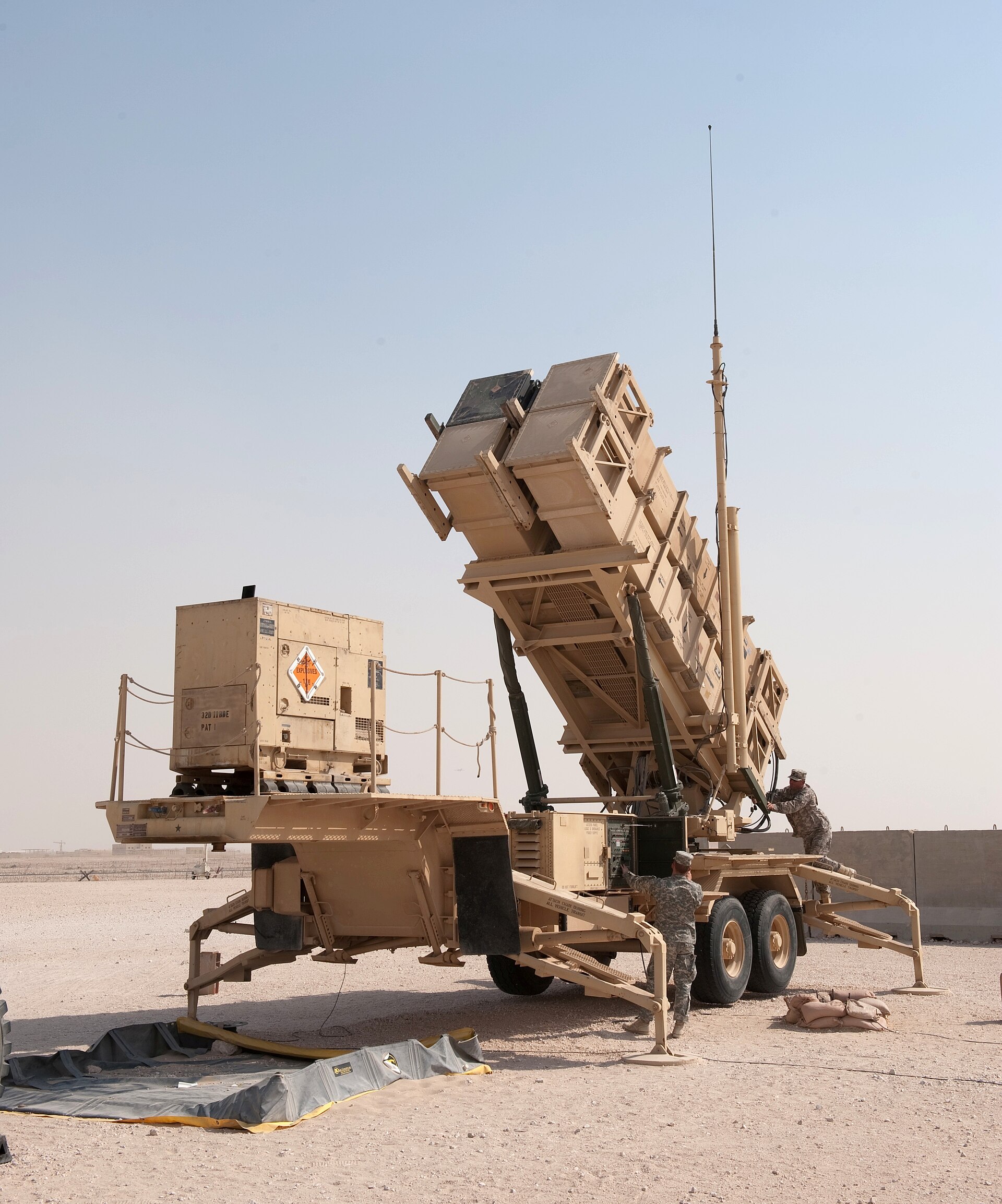
RTX Corporation, the parent company of Raytheon, holds contracts for the Patriot missile systems that have been at the centre of Saudi Arabia’s air defence since the war began on February 28. American technicians support the operation and maintenance of these systems. The Patriot batteries deployed at Prince Sultan Air Base, which has already been struck by Iranian missiles multiple times — including the March 14 attack that damaged five KC-135 tanker aircraft — are serviced in part by Raytheon contractors.
These personnel cannot simply be withdrawn without consequence. Removing American defence contractors from Saudi Arabia would cripple the Kingdom’s ability to maintain its most sophisticated weapons systems during an active conflict. The F-15SA fleet requires Boeing support for its advanced electronic warfare suite. The Patriot batteries need RTX technicians for complex software updates and component replacements. Saudi Arabia has invested heavily in localising defence maintenance through SAMI, but the transition remains incomplete — and the timing of the war has exposed this dependency.
The $10 Billion Data Centre Gamble
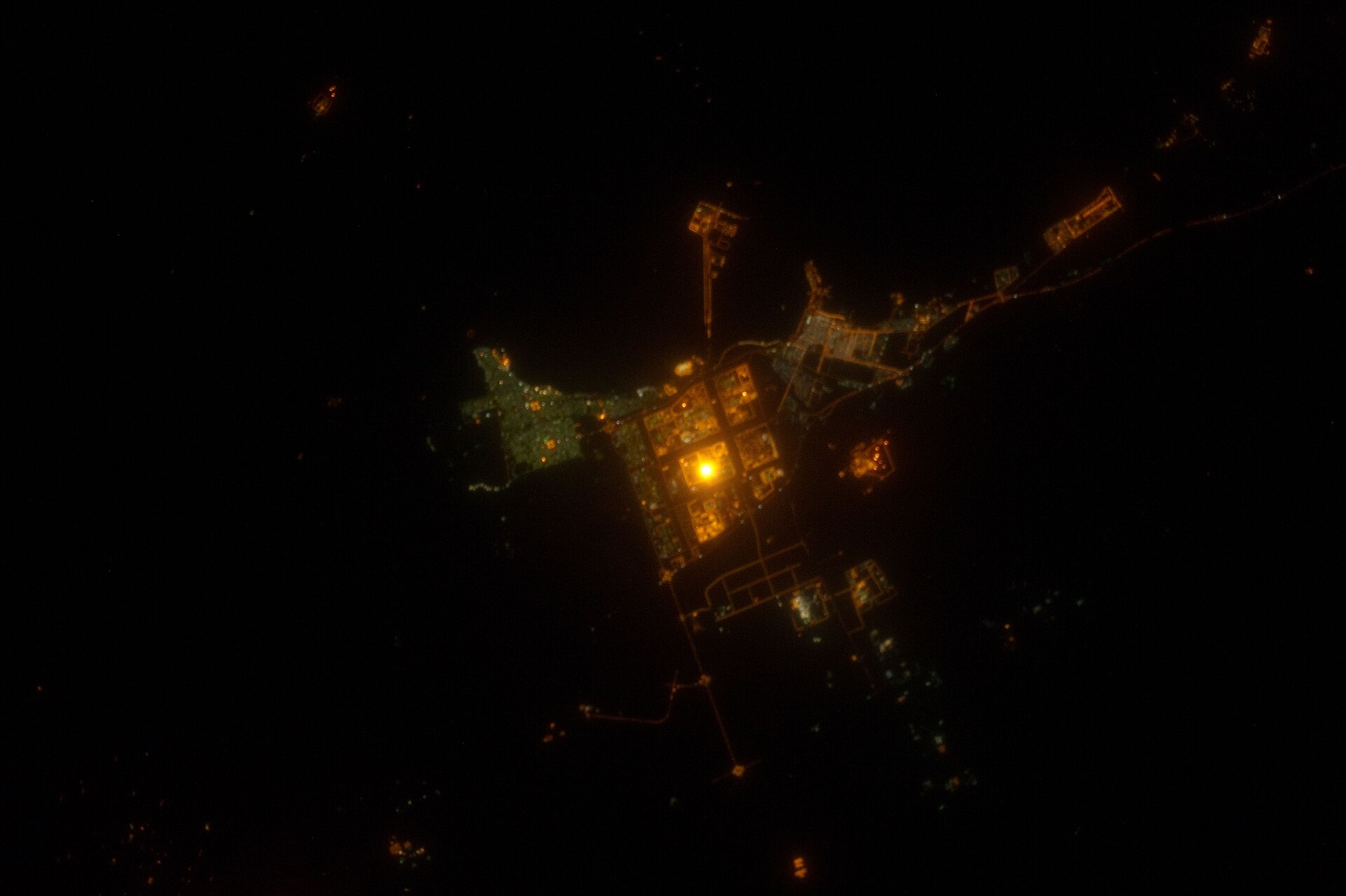
The IRGC’s explicit mention of technology firms highlighted a vulnerability that few analysts had considered before the war: the Gulf’s rapidly expanding cloud computing infrastructure. Saudi Arabia, the UAE, and Qatar collectively attracted more than $15 billion in data centre investment commitments from American hyperscalers between 2023 and 2026, according to S&P Global.
Amazon Web Services committed $5.3 billion to build three availability zones in Saudi Arabia, with the AWS Region scheduled to launch in 2026. The infrastructure includes not just server farms but supporting power generation, cooling systems, and fibre-optic networks. Microsoft announced a $2.1 billion investment in what it called Saudi Arabia’s “trusted cloud,” designed to keep data within the Kingdom’s borders to comply with local data sovereignty requirements. Google Cloud entered through a strategic joint venture with Aramco Digital, the technology subsidiary of Saudi Arabia’s state oil company.
These facilities are not military targets in any conventional sense. They house government ministry databases, banking transaction systems, hospital records, e-commerce platforms, and the digital infrastructure that runs Saudi Arabia’s increasingly connected economy. A strike on a major data centre could disrupt financial markets, government services, healthcare systems, and private-sector operations across the Kingdom.
The UAE faces similar exposure. Microsoft operates a data centre region in the Emirates, and AWS has availability zones in Bahrain that serve clients across the Gulf. The concentration of digital infrastructure in a small geographic area within range of Iranian drones and missiles creates what cybersecurity analysts describe as a “single point of failure” for the region’s digital economy.
Nvidia, the chipmaker whose graphics processing units power the artificial intelligence revolution, does not operate data centres directly but supplies the hardware that makes them function. The company’s inclusion in the IRGC’s implicit target list suggested that Tehran views the entire AI supply chain as an extension of American strategic power in the Gulf.
From Oil to Airports to Factories
The IRGC’s threat against American-linked industrial sites follows a clear pattern of escalation in Iran’s targeting strategy since the war began on February 28. In the first phase, Tehran concentrated its retaliation on military targets: U.S. bases in Bahrain, Kuwait, Qatar, and Saudi Arabia received the initial missile and drone barrages. Prince Sultan Air Base in al-Kharj, south of Riyadh, has been struck in more than 50 separate attack waves, according to the Alma Research and Education Center.
The second phase broadened to energy infrastructure. Iranian drones and missiles hit the Aramco facility at Ras Tanura, the Shaybah oil field in the Empty Quarter, and the BAPCO refinery in Bahrain. On March 14, Iran struck the Fujairah Oil Industry Zone in the UAE and threatened three additional Emirati ports. The attacks on energy targets were designed to drive oil prices higher and impose economic pain on Western consumers — a strategy that has pushed Brent crude past $106 per barrel, according to Bloomberg.
The third phase, which the March 16 statement appears to inaugurate, extends targeting to all American commercial interests regardless of their connection to the military or energy sectors. The Euronews analysis described this as Iran’s shift to “all-out economic war,” a strategy designed to make the cost of American presence in the Gulf prohibitively high for corporations, insurers, and the governments that host them. Tehran has since widened its threat even further, with its top military spokesperson warning that parks and tourist sites worldwide are no longer safe. On March 29, the IRGC extended the pattern to a new category entirely, declaring American university campuses across the Gulf legitimate targets with a Monday noon deadline.
The previous day, the IRGC had already demanded that Gulf nations expel American military forces from their territory. Iran’s Foreign Minister Abbas Araghchi warned that any country from which American strikes were launched would bear the consequences. The industrial facilities threat effectively extended this logic to the private sector: any Gulf nation hosting American businesses could see those businesses become targets.
How Has Saudi Arabia Responded?
Saudi Arabia’s Ministry of Defence has not issued a specific public response to the IRGC’s threat against American-linked industrial facilities. The Kingdom’s official posture has focused on its air defence operations, with the Ministry announcing the interception and destruction of 60 drones over Saudi territory on March 16 alone, including barrages targeting Riyadh and the Eastern Province.
Behind the public statements, Riyadh faces a dilemma with no clean resolution. Asking American companies to evacuate would undermine the war effort by removing the technical personnel who keep Saudi Arabia’s most advanced weapons systems operational. It would also send a devastating signal to international investors that the Kingdom cannot protect foreign business interests during a regional conflict — precisely the message that threatens to undo years of Vision 2030 investment recruitment.
Keeping American personnel in place, however, means accepting the risk that IRGC drones or missiles could strike a data centre, a defence contractor office, or an industrial facility, potentially killing American civilians. Such an incident could fundamentally alter the political dynamics of the conflict in Washington, where the Biden-era memory of the 2019 Houthi attack on Aramco’s Abqaiq facility — which drew no American military response — still shapes congressional attitudes toward Gulf security commitments.
Saudi Arabia has deployed additional Patriot and THAAD batteries to protect critical infrastructure, including Aramco facilities and military installations. The Kingdom has also accepted Pakistani air defence units and explored emergency procurement of drone defence systems from South Korea and Ukraine. Whether these measures can extend to protect the hundreds of American commercial sites scattered across the Kingdom’s cities and industrial zones remains an open question.
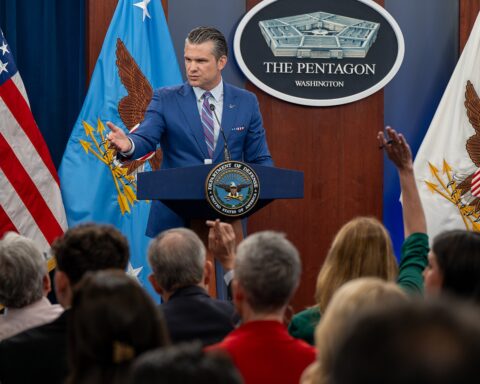
The U.S. State Department has not ordered the evacuation of American private-sector employees from the Gulf, though it directed the departure of non-emergency government personnel from Saudi Arabia on March 8 and recommended all Americans shelter in place. The Pentagon has not publicly commented on the IRGC’s industrial targeting threat.
What Does This Mean for Gulf Economies?
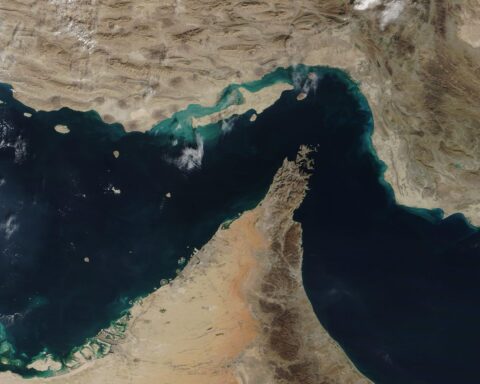
The IRGC’s declaration transforms the insurance calculus for every American company operating in the Gulf. War risk premiums on commercial shipping through the Strait of Hormuz have already surged 300 percent since February 28, according to Lloyd’s of London. Extending those premiums to cover fixed industrial assets — data centres, manufacturing plants, office towers — could render some operations commercially unviable.
Goldman Sachs and HSBC have already relocated some staff from Dubai and Qatar, respectively, according to a Financial Times report that Saudi Arabia’s stock market analysts have tracked closely. If major technology companies begin contingency planning for potential evacuations of Gulf operations, the signal to broader markets could trigger capital flight from the region.
Saudi Arabia’s Public Investment Fund has invested heavily in attracting precisely the kind of American technology and industrial partnerships that the IRGC now threatens. Crown Prince Mohammed bin Salman’s pledge of $1 trillion in trade and investment with the United States, announced during President Trump’s visit, included commitments from Boeing, Lockheed Martin, and the technology firms now named in Iran’s target list. The credibility of those commitments depends on the assumption that Saudi Arabia can provide a secure operating environment for foreign business.
| Phase | Dates | Primary Targets | Examples |
|---|---|---|---|
| Phase 1 | Feb 28 – Mar 5 | Military installations | Prince Sultan Air Base, Al Udeid (Qatar), Camp Arifjan (Kuwait) |
| Phase 2 | Mar 5 – Mar 14 | Energy infrastructure | Aramco Ras Tanura, Shaybah, BAPCO Bahrain, Fujairah terminal |
| Phase 3 | Mar 14 – present | Civilian and commercial infrastructure | Dubai Airport, Abu Dhabi Shah gas field, Gulf ports |
| Phase 4 (declared) | Mar 16 – | All US-linked industrial and commercial facilities | Data centres, tech offices, defence contractor sites, factories |
The timing matters. Saudi Arabia had positioned 2026 as a breakout year for foreign direct investment, with the Year of AI programme, the expansion of NEOM construction, and a push to attract financial services firms relocating from Dubai. The IRGC’s threat does not need to result in actual strikes on corporate facilities to achieve its strategic objective. The threat alone may be sufficient to slow investment decisions, delay construction timelines, and raise the cost of doing business in the Gulf to levels that divert capital to safer markets in Singapore, Mumbai, or London.
For the 35 million foreign workers across the Gulf states — many of whom work in the very industrial facilities Iran has threatened — the announcement added another layer of anxiety to an already dangerous situation with no comprehensive evacuation plan. The IRGC’s call for civilians to evacuate areas near American-linked facilities effectively acknowledged that strikes could cause collateral civilian casualties, while placing the moral responsibility on the workers themselves for remaining in a declared target zone.
Frequently Asked Questions
Which US companies are threatened by the IRGC statement?
The IRGC’s statement broadly targeted all “American industries in the region,” with reporting identifying technology firms Amazon, Google, Microsoft, and Nvidia by sector. Defence contractors including Boeing, Lockheed Martin, RTX (Raytheon), and General Dynamics maintain large operations in Saudi Arabia and the UAE. Energy services companies and financial institutions with American ownership also fall within the scope of the threat, though no specific corporate campuses were named.
Has Iran actually struck any US commercial facilities in the Gulf?
Iran has not yet struck facilities explicitly identified as American commercial properties. However, Iranian missiles and drones have hit infrastructure with American connections, including Prince Sultan Air Base where U.S. Air Force tankers were damaged on March 14, and Jebel Ali Port in Dubai where a missile struck a berth on March 1. The March 16 drone attack on Dubai International Airport, while not targeting an American company, demonstrated Iran’s willingness to strike civilian commercial infrastructure.
What happens to Saudi air defence if US contractors leave?
Saudi Arabia’s most advanced weapons systems — including the F-15SA fleet, Patriot missile batteries, and THAAD interceptors — rely on American contractor support for maintenance, software updates, and complex repairs. A withdrawal of these personnel would degrade the Kingdom’s air defence capability within weeks, according to defence analysts at the International Institute for Strategic Studies. Saudi Arabian Military Industries has been working to localise maintenance, but the transition remains years from completion.
Could Iran actually hit data centres in Saudi Arabia?
Iran has demonstrated the ability to strike targets across Saudi Arabia with both ballistic missiles and long-range drones during the current conflict. Data centres, unlike military bases, are not hardened against missile strikes and typically lack dedicated air defence coverage. However, the precise locations of major cloud computing facilities in Saudi Arabia are not publicly disclosed, and Iran would need specific targeting intelligence to hit them. The greater risk may be to above-ground power and cooling infrastructure that data centres depend on to operate.
Are American workers being evacuated from the Gulf?
The U.S. State Department ordered non-emergency government personnel to leave Saudi Arabia on March 8 and recommended all American citizens shelter in place. It has not ordered private-sector evacuations. Individual companies are making their own decisions about staff safety, with some financial firms reportedly relocating personnel from the most exposed Gulf locations. The Pentagon has not publicly addressed the IRGC’s threat to commercial facilities.
n”}