
RIYADH — Saudi Arabia has agreed to open King Fahd Air Base in Taif to American military forces for operations against Iran, according to multiple US and Western officials cited by Middle East Eye on Friday. The decision marks the first time Riyadh has granted Washington access to a major western Saudi military installation since the war began on February 28, and signals a significant shift in the Kingdom’s posture from cautious restraint to active military facilitation as Iranian drone and missile strikes on Saudi territory approach 600 since the conflict erupted.
The move comes as Prince Sultan Air Base near Al Kharj — the primary American military facility in Saudi Arabia — faces sustained Iranian bombardment that has damaged five US Air Force tanker aircraft, killed one American soldier, and forced operational adjustments across the base. Taif, located approximately 150 kilometres southeast of Jeddah in the Hejaz mountains, lies considerably farther from Iranian drone and missile launch sites than the Eastern Province installations that have absorbed the majority of Tehran’s strikes.
Table of Contents
- What Is King Fahd Air Base and Why Does It Matter?
- Why Did Saudi Arabia Choose Taif Over Other Bases?
- Prince Sultan Air Base Under Sustained Attack
- How Does This Change the US Military Posture in Saudi Arabia?
- Jeddah Emerges as a Wartime Logistics Hub
- United Kingdom Opens Bases in Parallel Move
- What Does This Mean for Saudi Arabia’s Neutrality?
- The Gulf Military Base Network at War
- Frequently Asked Questions
What Is King Fahd Air Base and Why Does It Matter?
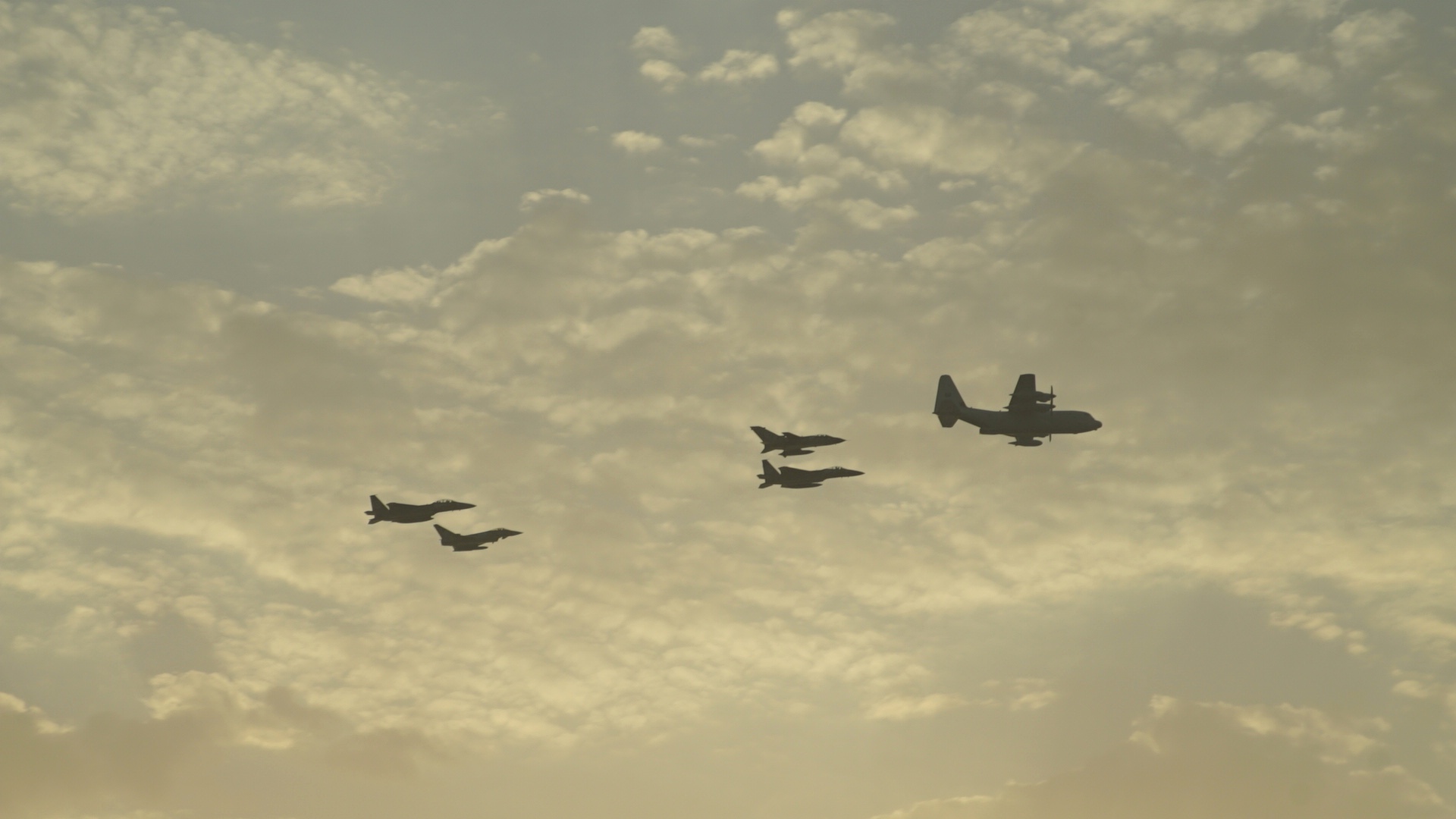
King Fahd Air Base is a major Royal Saudi Air Force installation located in Taif, Mecca Province, at an elevation of 4,848 feet in the central foothills of the Hejaz mountain range. The base houses three RSAF wings and represents one of the Kingdom’s most capable air combat facilities, operating advanced Western-manufactured fighter aircraft that form the backbone of Saudi Arabia’s air defense and strike capabilities.
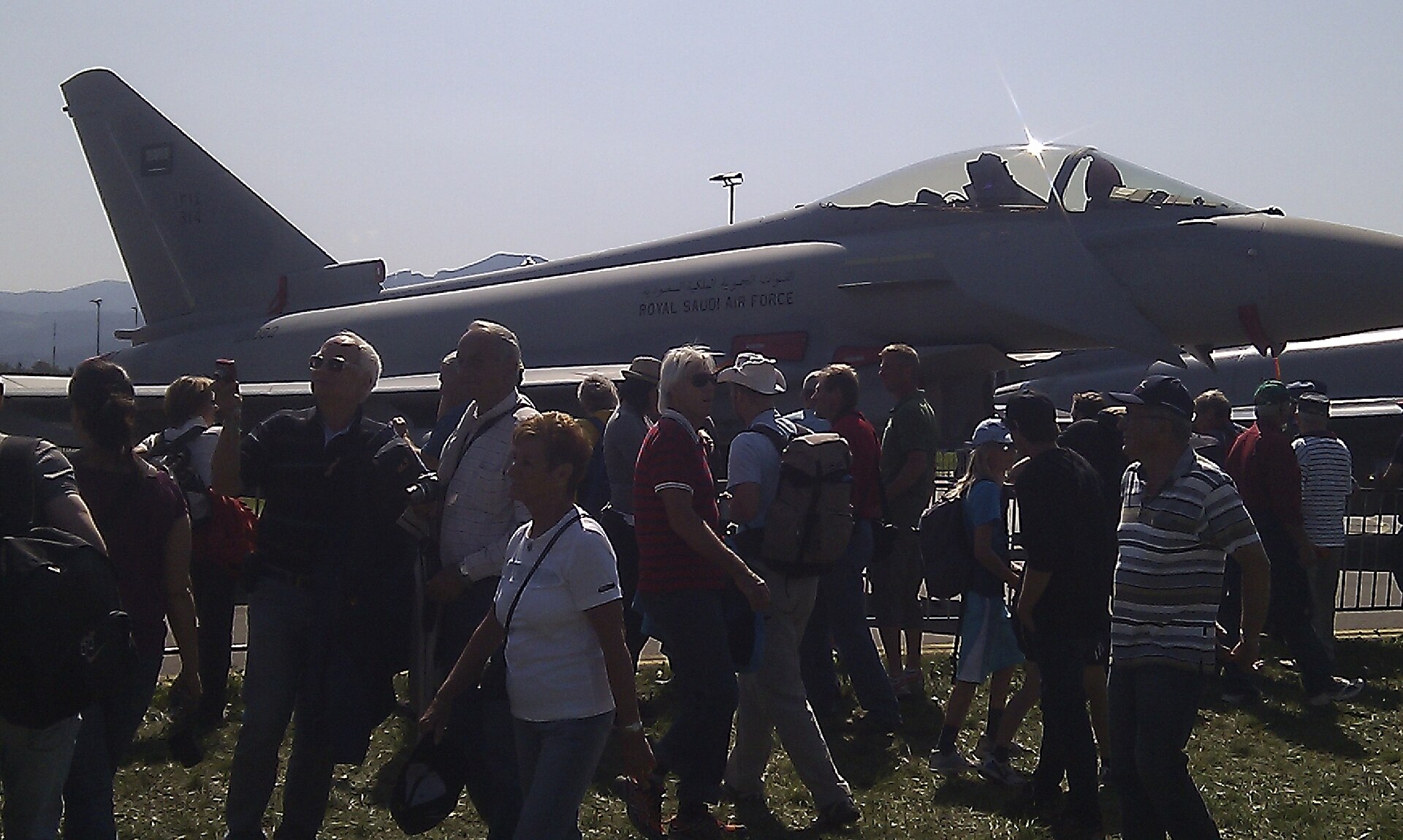
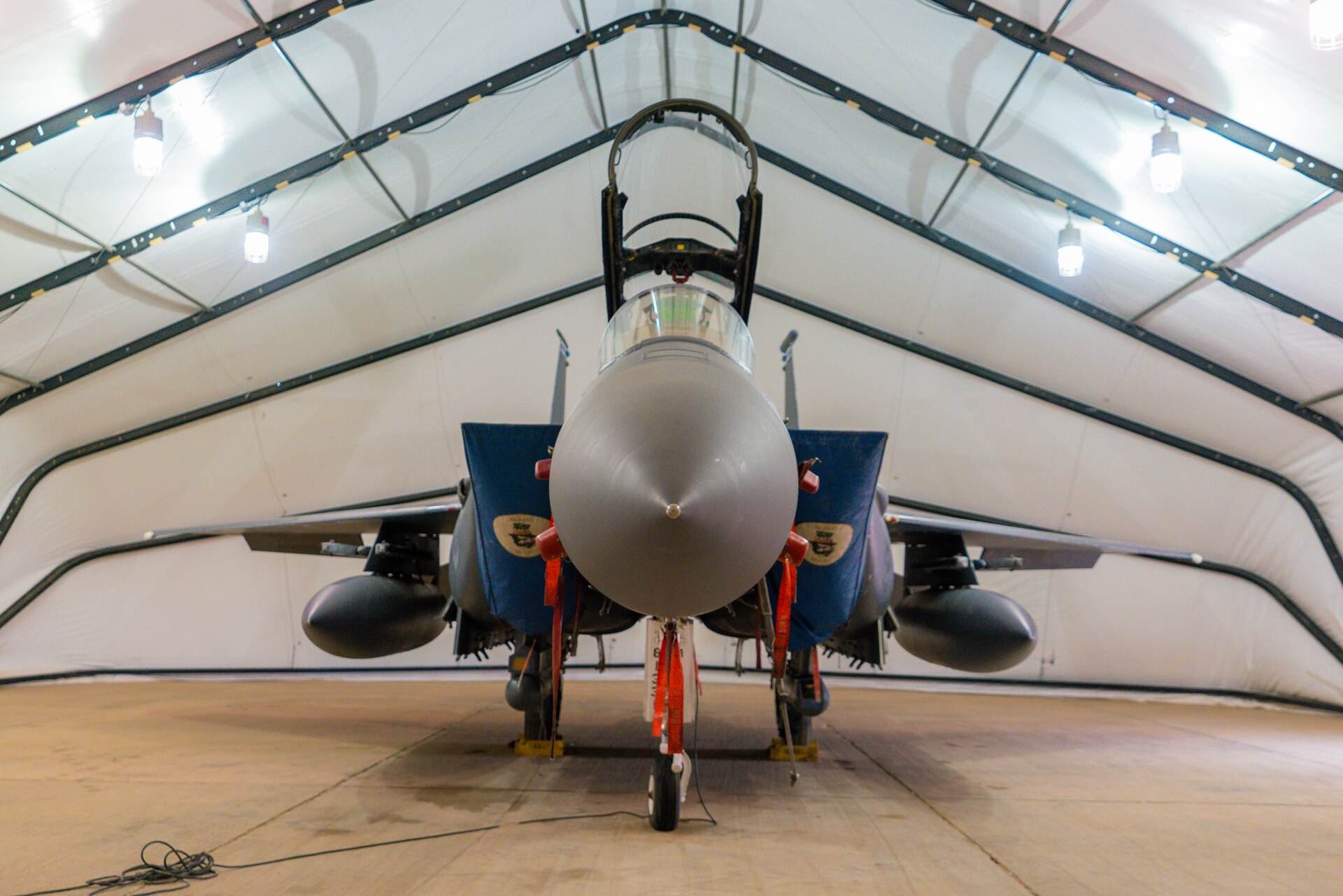
RSAF 2 Wing operates Eurofighter Typhoon F2 and T3 aircraft across No. 3, No. 10, and No. 80 Squadrons from the installation. RSAF 10 Wing flies F-15C, F-15D, and the advanced F-15SA variant through No. 5, No. 34, and No. 94 Squadrons. RSAF 9 Wing provides rotary-wing support with AB412EP and Bell 412EP helicopters.
Construction on the base began in the early 1970s under the US Foreign Military Sales Peace Hawk programme, with initial infrastructure designed to support Northrop F-5 fighter operations. A Letter of Offer and Acceptance was signed on April 4, 1972, according to US government records. The base was named after King Fahd bin Abdulaziz Al Saud, who reigned from 1982 to 2005.
The facility played a supporting role in Operation Southern Watch, the enforcement of no-fly zones over southern Iraq from 1992 to 2003. Since the Yemen conflict began in 2015, Eurofighter Typhoons from the 2nd Wing have conducted sorties against Houthi targets from Taif due to its proximity to the border. The base has never before hosted American forces for direct combat operations against a regional state adversary.
The Middle East briefing 3,000+ readers start their day with.
One email. Every weekday morning. Free.
King Fahd Air Base is distinct from the similarly named King Fahd International Airport in Dammam, which serves as a civilian facility in the Eastern Province. The Taif installation is a restricted military facility with hardened shelters, weapons storage, and a runway capable of supporting heavy military transport aircraft — infrastructure that makes it immediately suitable for US Air Force operations without significant construction.
Why Did Saudi Arabia Choose Taif Over Other Bases?
Taif was selected specifically because it lies farther from Iranian drone and missile threats than any other major Saudi military installation hosting or capable of hosting US forces. The decision reflects a geographic calculus forced by Iran’s demonstrated ability to reach Saudi Arabia’s Eastern Province and central interior with both ballistic missiles and one-way attack drones.
Prince Sultan Air Base near Al Kharj, approximately 90 kilometres southeast of Riyadh, has served as the primary American military facility in the Kingdom since US forces relocated there from Dhahran in 2003. But Al Kharj sits roughly 900 kilometres from Iranian launch positions across the Persian Gulf — well within range of Iran’s Shahed-136 drones and Fateh-110 ballistic missiles, both of which have struck the base since March 1.
King Fahd Air Base in Taif, by contrast, sits approximately 1,400 kilometres from the nearest Iranian launch positions. The Hejaz mountains provide additional terrain screening against low-altitude drone approaches from the east. Drones launched from Iran’s southwestern provinces would need to traverse the full breadth of Saudi Arabia’s interior to reach the facility — a flight path that exposes them to detection and interception by Saudi air defenses across multiple provinces.
The base’s elevation at nearly 5,000 feet also complicates Iranian targeting. Shahed-series drones navigate using GPS waypoints at relatively low altitudes, and the mountainous terrain around Taif creates radar shadows and approach challenges that flat Eastern Province terrain does not.
Prince Sultan Air Base Under Sustained Attack
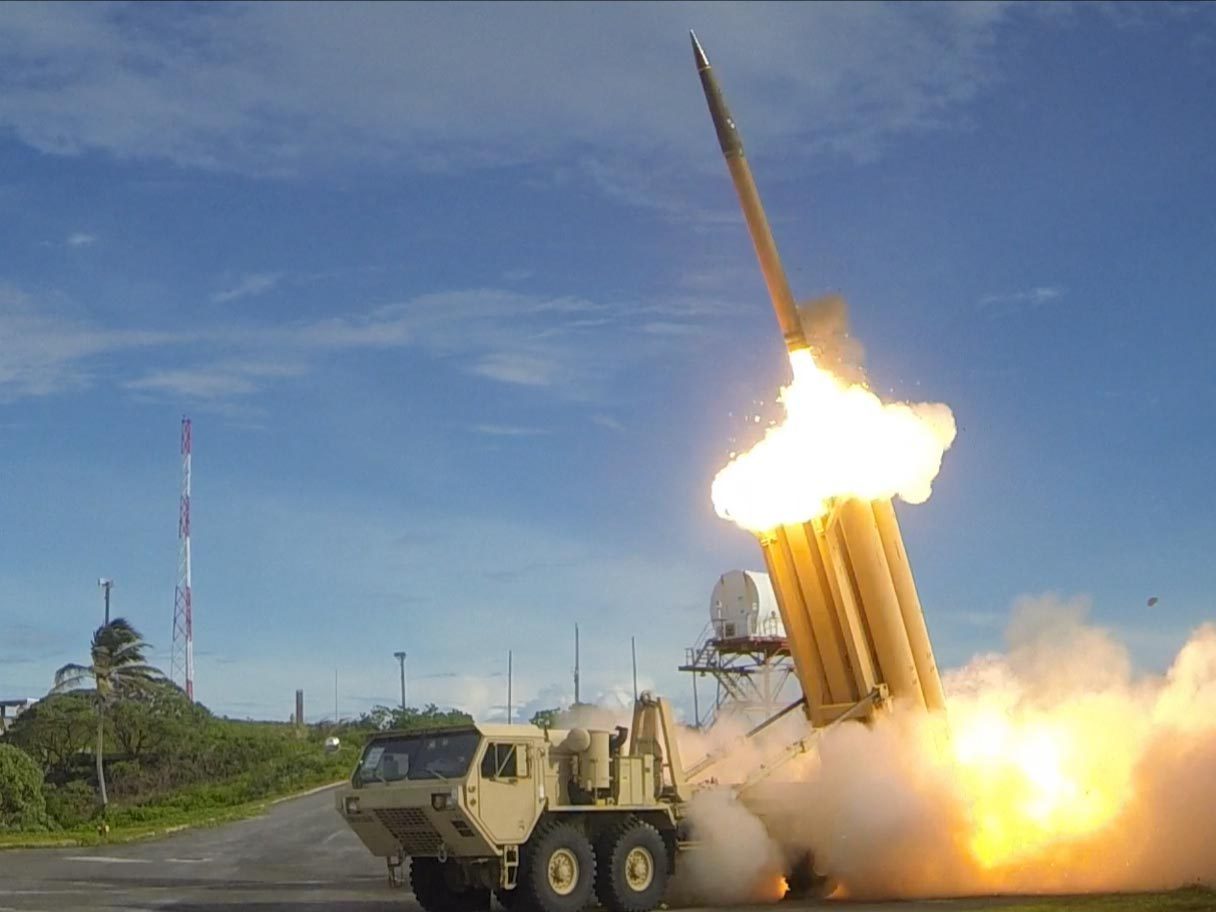
The urgency behind the Taif decision becomes clear when examining the sustained bombardment that Prince Sultan Air Base has absorbed since the war began. At least 15 ballistic missiles have been launched at Prince Sultan Air Base between February 28 and March 12, according to tracking data compiled by the Foundation for Defense of Democracies’ Long War Journal. THAAD and Patriot batteries deployed at the base have intercepted the majority, but Iranian strikes have still managed to inflict significant damage.
Five US Air Force KC-135 Stratotanker refuelling aircraft were struck and damaged by Iranian missiles at Prince Sultan Air Base in recent days, US officials told The Wall Street Journal and The Aviationist confirmed on March 14. The tanker fleet is critical to sustaining US air operations over the Persian Gulf and across the region, and the loss of five aircraft from a single base represents a meaningful reduction in aerial refuelling capacity at a moment when demand is surging.
Army Sergeant Benjamin Pennington, 26, of Glendale, Kentucky, died on March 8 from wounds sustained during an Iranian ballistic missile strike on Prince Sultan Air Base one week earlier, according to the Pentagon. Pennington became the seventh American service member killed in what Washington has designated Operation Epic Fury and the first to die on Saudi soil.
The cumulative toll on Saudi territory has been severe. Saudi air defenses have intercepted 42 ballistic missiles and seven cruise missiles since February 28, according to the Saudi Ministry of Defense. The total number of drone strikes targeting the Kingdom has reached at least 575 over the same period, with a single-day record of nearly 100 drones launched on March 17, according to Bloomberg.
How Does This Change the US Military Posture in Saudi Arabia?
The opening of King Fahd Air Base to American forces represents a dispersal strategy designed to reduce the concentration of US military assets at a single, targeted installation. US Central Command has been operating from a network of Gulf bases since Operation Epic Fury began, but Prince Sultan Air Base has carried a disproportionate share of the operational burden inside Saudi Arabia.
Thousands of additional US ground troops are currently en route to the Gulf region from East Asia, according to Turkiye Today, citing Western military officials. The deployment follows President Trump’s earlier decision to deploy additional Marines to the Gulf even as he publicly discussed “winding down” the conflict — a contradiction that has puzzled analysts but aligns with a military posture prioritising force protection and operational flexibility.
The US military presence in Saudi Arabia before the war consisted primarily of air defense personnel, fighter aircraft rotations, and support staff at Prince Sultan Air Base. The Pentagon requested a $200 billion supplemental funding package for the Iran campaign on March 19, with a significant portion earmarked for base hardening and air defense deployments across Gulf installations, according to Congressional reporting.
The addition of Taif as an operational hub effectively doubles the number of major Saudi air bases available to American forces and provides a fallback position beyond the effective range of Iran’s most commonly deployed weapons systems. Military planners describe the approach as “distributed operations” — spreading aircraft, personnel, and logistics across multiple locations to prevent a single Iranian strike from achieving decisive damage against US capabilities in the theatre.
Other US military installations across the Gulf have also faced Iranian attacks. Camp Arifjan in Kuwait, Al Udeid in Qatar — which hosts US Central Command’s forward headquarters — and Al-Dhafra in the UAE have all absorbed varying degrees of bombardment. The UAE alone has intercepted 338 ballistic missiles and 1,740 drones since February 28, according to UAE military figures cited by Turkiye Today.
Jeddah Emerges as a Wartime Logistics Hub
The opening of King Fahd Air Base at Taif is part of a broader westward shift in military logistics that has elevated Jeddah, Saudi Arabia’s largest Red Sea port city, into a critical wartime role. Jeddah lies approximately 150 kilometres northwest of Taif and has emerged as a key logistics hub following disruptions linked to Iran’s de facto control of the Strait of Hormuz.
With the near-total halt of commercial traffic through the Strait — through which approximately 20 percent of the world’s oil and liquefied natural gas typically passes — supply chains that once flowed through the Persian Gulf have been rerouted. Military equipment, ammunition, spare parts, and personnel that would normally transit through Gulf ports and airfields are increasingly being channelled through Jeddah’s Red Sea-facing infrastructure.
The Red Sea corridor has not been entirely free of threat. Iranian drones struck the Yanbu refinery on March 20, demonstrating Tehran’s willingness to extend its reach beyond the Gulf. But the western Saudi coastline remains significantly safer than the Eastern Province, and Jeddah’s port facilities, international airport, and proximity to Taif make it a natural anchor for the dispersed military posture Riyadh and Washington are now constructing.
United Kingdom Opens Bases in Parallel Move
Saudi Arabia’s decision to expand US base access came on the same day that the United Kingdom confirmed it would allow the United States to use British military bases for strikes against Iranian missile sites and other military targets threatening shipping in the Strait of Hormuz.
The UK had initially offered only “defensive” operational clearance on March 1, according to Al Jazeera. Friday’s announcement expanded that authorization to include offensive operations — a significant escalation that Foreign Secretary David Lammy described as necessary to “protect freedom of navigation and the lives of merchant sailors.” London stressed, however, that UK forces would not directly engage in the conflict beyond protecting shipping lanes.
The parallel decisions by Riyadh and London suggest a coordinated effort among US allies to distribute the military burden of the Iran campaign across a wider geographic footprint. The UK’s RAF Akrotiri in Cyprus and Diego Garcia in the Indian Ocean are both believed to be included in the expanded access agreement, though the Ministry of Defence has not specified which installations are covered.
Iran responded to the UK announcement by firing two intermediate-range ballistic missiles at the joint US-UK military base at Diego Garcia on March 21, a strike that doubled Iran’s known operational missile range to approximately 2,370 miles. Neither missile struck the base, according to US officials, but the attack demonstrated Tehran’s willingness to target facilities far beyond the immediate theatre of war.
What Does This Mean for Saudi Arabia’s Neutrality?
The Taif decision accelerates a gradual erosion of Saudi Arabia’s carefully maintained posture of non-belligerency in the Iran war. When Operation Epic Fury began on February 28, Crown Prince Mohammed bin Salman moved quickly to position the Kingdom as a victim of Iranian aggression rather than an active participant in the US-Israeli campaign against Tehran.
That positioning held for the first week. Saudi Arabia condemned Iranian strikes on its territory, called for de-escalation through diplomatic channels, and notably refrained from authorising the use of its military bases for offensive operations against Iran. Bloomberg reported on March 6 that Riyadh had “intensified” a direct diplomatic backchannel to Tehran aimed at preventing further escalation.
But three weeks of sustained bombardment, the loss of civilian life, and damage to energy infrastructure have shifted the calculus. Saudi Foreign Minister Prince Faisal bin Farhan characterised Iranian attacks as “heinous” and stated that the Kingdom “reserved the right to take military action,” according to statements reported by Turkiye Today. The opening of King Fahd Air Base represents the most concrete step yet toward acting on that reservation.
Western officials told Middle East Eye that Riyadh’s position has shifted toward supporting US war efforts as a direct response to Iranian strikes — a notable policy change from the Kingdom’s earlier neutral stance. The shift mirrors the restraint dilemma that analysts identified early in the conflict: Saudi Arabia’s effort to avoid being drawn into the war was undercut by Iran’s decision to treat Saudi territory as a legitimate target regardless of Riyadh’s posture.
The war’s third week proved decisive in ending Saudi neutrality, as five converging crises — from interceptor failures to Trump’s contradictory signals — closed the strategic middle ground that MBS had maintained since February 28.
MBS has been speaking regularly with President Trump throughout the conflict, and multiple reports, including from The New York Times and The Jerusalem Post, indicate the Crown Prince has urged Trump to “keep hitting the Iranians hard” — a private position that stands in some tension with Riyadh’s public calls for restraint and diplomacy.
The foreign ministers of Arab and Islamic countries issued a joint statement from Riyadh on March 21 condemning and denouncing what they termed “deliberate Iranian attacks” on civilian infrastructure across the Gulf. The statement, which carried the weight of a multilateral declaration rather than a unilateral Saudi position, provided diplomatic cover for Riyadh’s simultaneous decision to open Taif to American forces. By embedding the base decision within a framework of collective Arab condemnation, Saudi Arabia framed the move as defensive rather than provocative — a distinction that may matter less to Tehran than it does to Riyadh’s own domestic and regional audience.
The Gulf Military Base Network at War
King Fahd Air Base is now part of a sprawling network of US military installations across the Gulf that have been pressed into active service since February 28. The multinational military coalition defending the region draws on bases in six countries, each serving distinct operational functions.
| Base | Country | Primary Role | Status |
|---|---|---|---|
| Prince Sultan Air Base (Al Kharj) | Saudi Arabia | Fighter ops, air defense | Under sustained attack |
| King Fahd Air Base (Taif) | Saudi Arabia | Dispersal / ops (NEW) | Newly opened to US |
| Al Udeid Air Base | Qatar | CENTCOM HQ, air ops | Struck by Iran |
| Camp Arifjan | Kuwait | Logistics hub | Active |
| Al-Dhafra Air Base | UAE | F-22, ISR, air ops | Active, under attack |
| NSA Bahrain | Bahrain | US Fifth Fleet HQ | Active, under attack |
| Port of Duqm | Oman | Long-range logistics | Active |
Pakistan has also entered the picture. An estimated 1,500 to 2,000 Pakistani troops are stationed in Saudi Arabia under a mutual defence pact signed in September 2025, according to Al Jazeera. Their deployment predates the current conflict but has taken on new significance as Saudi Arabia’s air defense network operates at sustained wartime tempo.
The UAE has signalled readiness for a prolonged conflict. UAE officials indicated the country is “prepared for the war to last up to nine months,” according to Western officials cited by Turkiye Today — a timeline that suggests Gulf governments are planning for a campaign that extends well beyond the initial US and Israeli strikes that triggered it.
The UK Maritime Trade Operations has classified the threat level across the Gulf, the Strait of Hormuz, and the Gulf of Oman as “critical,” noting 21 confirmed attacks on commercial vessels and offshore infrastructure since March 1. Brent crude closed at $112.19 per barrel, according to market data, as the disruption to Gulf shipping continued to ripple through global energy markets.
The base access decision proved prescient. Four days later, Washington ordered the 82nd Airborne Division to deploy to the Gulf, with King Fahd Air Base among the facilities positioned to receive the approximately 2,000 paratroopers heading for the region.
The opening of King Fahd Air Base has implications beyond the immediate military calculus. By providing basing rights for US forces conducting strikes on Iran, Saudi Arabia has deepened its integration into a regional security architecture that connects it to Israel through CENTCOM command channels, radar feeds, and shared intelligence — a partnership that operates without diplomatic relations.
Frequently Asked Questions
Where is King Fahd Air Base located?
King Fahd Air Base is located in Taif, Mecca Province, in western Saudi Arabia. The facility sits at 4,848 feet elevation in the Hejaz mountains, approximately 150 kilometres southeast of Jeddah. It houses three Royal Saudi Air Force wings operating Eurofighter Typhoons, F-15 Eagles, F-15SA Strike Eagles, and helicopters.
Why is Saudi Arabia opening the Taif base to US forces now?
Prince Sultan Air Base near Al Kharj, the primary US facility in Saudi Arabia, has absorbed sustained Iranian bombardment since February 28, including at least 15 ballistic missiles. Five US tanker aircraft were damaged and one American soldier was killed. Taif lies approximately 500 kilometres farther from Iranian launch positions than Al Kharj, making it a safer operational alternative.
Has Saudi Arabia officially joined the war against Iran?
Saudi Arabia has not formally declared war on Iran or committed its military forces to offensive operations. Opening King Fahd Air Base to US forces represents military facilitation rather than direct combat participation. However, Foreign Minister Prince Faisal bin Farhan has stated that the Kingdom “reserves the right to take military action” in response to Iranian strikes on Saudi territory. The distinction between facilitation and combat participation may narrow further as the Pentagon prepares for potential ground troops in Iran, with Saudi bases serving as the primary staging platform. A separate analysis examines why Saudi Arabia has every military capability to strike Iran yet continues to choose restraint, mapping the five-dimensional calculus behind MBS’s decision.
What aircraft does King Fahd Air Base host?
The base hosts three RSAF wings. The 2nd Wing operates Eurofighter Typhoon F2 and T3 fighters. The 10th Wing operates F-15C, F-15D, and F-15SA Strike Eagle aircraft. The 9th Wing provides helicopter support with AB412EP and Bell 412EP rotorcraft. US aircraft types that may deploy to Taif have not been disclosed.
How many Iranian strikes has Saudi Arabia faced since the war began?
Saudi air defenses have intercepted 42 ballistic missiles and seven cruise missiles since February 28, according to the Saudi Ministry of Defense. The total number of drone strikes targeting the Kingdom has reached at least 575, with a single-day record of nearly 100 drones on March 17, according to Bloomberg. The Eastern Province has absorbed the majority of strikes.