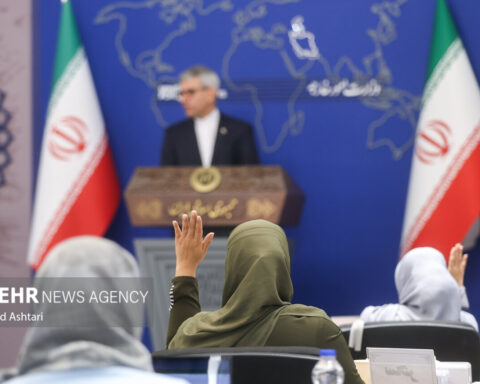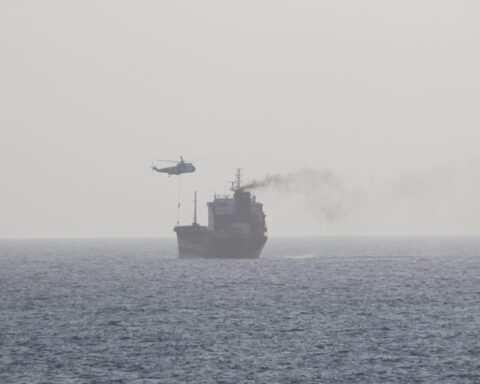

RIYADH — Iran’s diplomatic network across the Middle East has collapsed in twenty-six days. The UAE closed its embassy in Tehran on March 1. Qatar expelled military and security attachés on March 19. Saudi Arabia gave five Iranian diplomats twenty-four hours to leave the Kingdom on March 21. Lebanon declared Tehran’s ambassador-designate persona non grata on March 24. Kuwait has summoned Iran’s envoy three times without expelling him, but the trajectory points in one direction. The 2023 China-brokered rapprochement between Riyadh and Tehran, once hailed as the most significant diplomatic breakthrough in a generation, is dead. And the channels that might have ended this war are closing faster than the missiles are flying.
The cascading expulsions represent more than bilateral grievances. They mark the systematic dismantling of Iran’s regional diplomatic infrastructure at the precise moment Tehran needs it most. With ceasefire talks struggling and US-Iran negotiations moving to Islamabad, the question is no longer whether Iran’s diplomats can prevent war. The question is whether anyone can negotiate peace without them.
Table of Contents
- How Did Iran Lose Its Entire Gulf Diplomatic Network in Twenty-Six Days?
- The First Domino — Why Did the UAE Close Its Embassy in Tehran?
- What Made Qatar’s Expulsion the Most Damaging?
- Saudi Arabia’s Twenty-Four-Hour Ultimatum Destroyed the Beijing Agreement
- Why Did Lebanon Turn Against Its Most Powerful Ally?
- Who Still Talks to Tehran?
- The Diplomatic Connectivity Matrix
- Can Iran Make Peace Without Embassies?
- The Isolation Paradox — Cutting Diplomats Makes War Longer
- What Happens to the China-Brokered Agreement?
- When Diplomats Leave, Capital Follows
- Frequently Asked Questions
How Did Iran Lose Its Entire Gulf Diplomatic Network in Twenty-Six Days?
Iran maintained diplomatic relations with every Gulf Cooperation Council member except Bahrain at the start of 2026. By the end of March, functional diplomatic ties existed with only two — Oman and Kuwait — and Kuwait’s patience was visibly fraying after Iranian drones burned fuel tanks at Kuwait International Airport on March 25. The speed of the collapse is historically unusual. Even during the 1980-1988 Iran-Iraq War, most Gulf states maintained some form of diplomatic contact with Tehran.
The cascade followed a pattern. Each expulsion came within days of a specific Iranian attack on the expelling country’s critical infrastructure. The UAE severed ties after strikes on its territory at the war’s outset. Qatar acted after Iranian missiles damaged Ras Laffan, the world’s largest liquefied natural gas production complex. Saudi Arabia expelled military attachés after a drone struck the SAMREF refinery in Yanbu, threatening the Kingdom’s primary Red Sea oil export route. Lebanon moved after evidence surfaced that Iran’s incoming ambassador had been providing diplomatic cover for IRGC operatives directing Hezbollah.
The pattern reveals something that purely military analysis misses. Iran’s diplomatic expulsions were not coordinated by a single orchestrating power. They were triggered by Iran’s own escalatory decisions. Every Gulf capital that closed its doors did so in direct response to an Iranian attack on its sovereign territory or vital infrastructure. Tehran, in effect, expelled itself.
| Date | Country | Action Taken | Triggering Event | Personnel Affected |
|---|---|---|---|---|
| March 1 | UAE | Embassy closed, ambassador withdrawn | Iranian missile strikes on Emirati territory | Entire diplomatic mission |
| March 19 | Qatar | Military/security attachés declared persona non grata | Missiles damage Ras Laffan LNG facility | Military attaché, security attaché, staff |
| March 21 | Saudi Arabia | Military attaché and 4 staff expelled | Drone strike on SAMREF refinery, Yanbu | 5 diplomatic personnel |
| March 24 | Lebanon | Ambassador-designate declared persona non grata | IRGC direction of Hezbollah, diplomatic cover abuse | Ambassador-designate Mohammad Reza Sheibani |
| Ongoing | Kuwait | Ambassador summoned 3 times; no expulsion yet | Airport fuel tank fire, soldier deaths | None expelled (as of March 26) |
The First Domino — Why Did the UAE Close Its Embassy in Tehran?
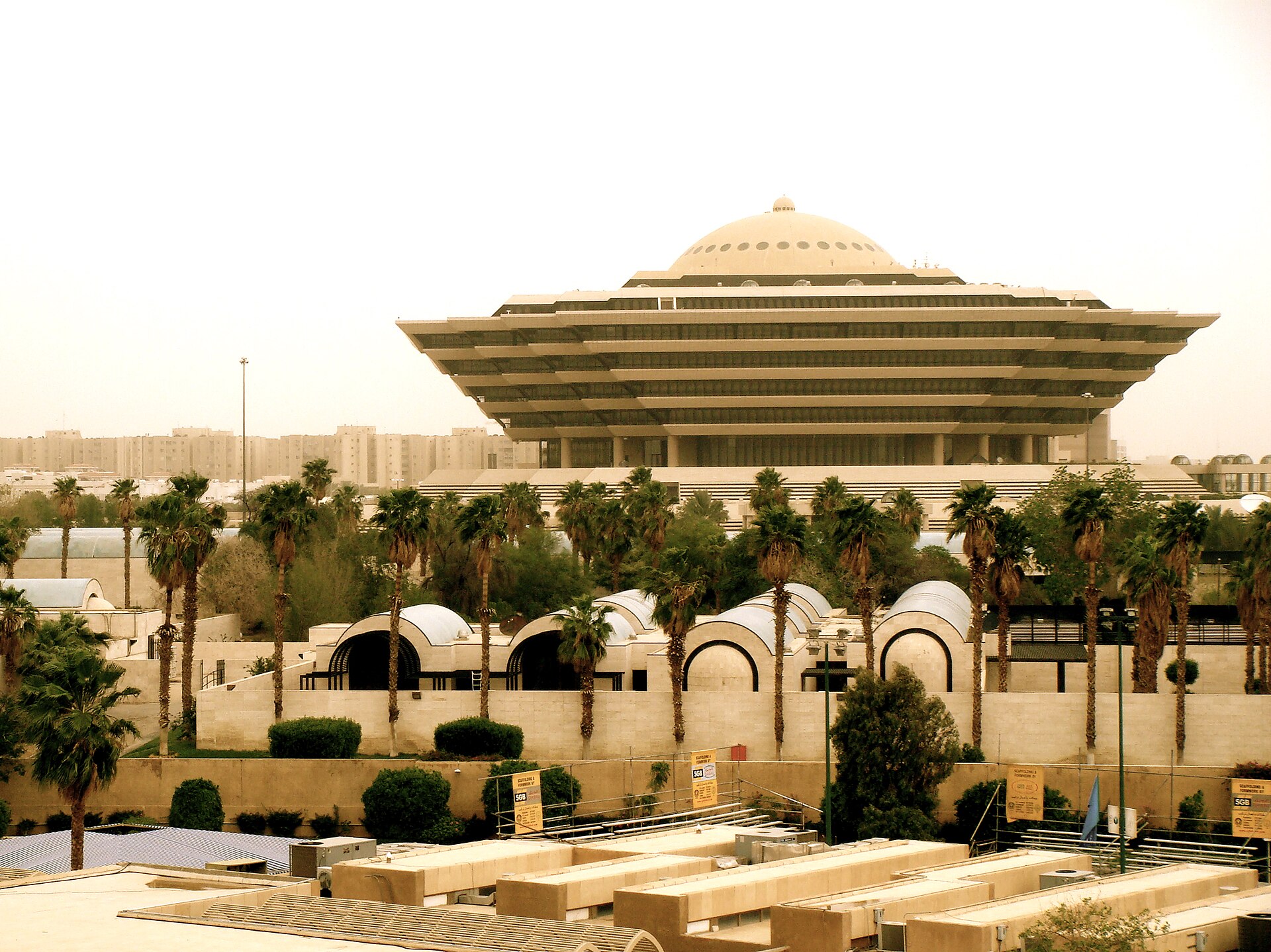
The United Arab Emirates was the first Gulf state to sever diplomatic ties, and its decision on March 1 set the template for everything that followed. The UAE’s Ministry of Foreign Affairs announced the closure of its embassy in Tehran and the withdrawal of its ambassador along with all members of its diplomatic mission, citing “blatant Iranian missile attacks that targeted the UAE’s territory.”
The Middle East briefing 3,000+ readers start their day with.
One email. Every weekday morning. Free.
The UAE’s response was significant for three reasons. First, Abu Dhabi had maintained diplomatic relations with Tehran continuously since 1972, through the Iran-Iraq War, through the 2016 Saudi-Iran rupture, and through years of disputes over the occupied islands of Abu Musa and the Greater and Lesser Tunbs. The relationship survived fifty-four years of tension. It did not survive twenty-four hours of missiles.
Second, the UAE was Iran’s most important economic partner in the Gulf. Dubai served as Tehran’s financial gateway to the global economy, hosting Iranian-owned businesses, banks, currency exchanges, and trading companies that collectively handled billions of dollars in transactions. The economic relationship gave both sides powerful incentives to maintain diplomatic ties even when political relations were strained.
Third, and most consequentially, the embassy closure was accompanied by a financial threat that carried far more weight than any diplomatic note. Emirati authorities began examining targeted asset freezes of UAE-based shell companies and a sweeping crackdown on local currency exchanges that sit at the centre of Iran’s financial infrastructure, according to the Wall Street Journal. Accounts linked to the Islamic Revolutionary Guard Corps were identified as a potential key target. The UAE also closed an Iranian-owned hospital and club, early signals of a broader economic decoupling.
The financial dimension of the UAE’s response deserves emphasis. Iran moves an estimated $10-15 billion annually through Dubai-based intermediaries, according to the Foundation for Defense of Democracies. Freezing those channels would inflict damage on Iran’s war economy that no military strike could match. The diplomatic expulsion opened the door to economic warfare — one that compounds an Iranian economic collapse already driven by 62 percent inflation, a rial at 1.57 million to the dollar, and the near-total cessation of oil exports.
What Made Qatar’s Expulsion the Most Damaging?
Qatar’s decision to expel Iranian military and security attachés on March 19 was, in diplomatic terms, the most consequential of the four. Qatar had been Iran’s closest interlocutor among the Gulf Arab states. Doha maintained a functioning back channel to Tehran throughout the 2017-2021 blockade by Saudi Arabia, the UAE, Bahrain, and Egypt. Qatar’s Al Jazeera network gave sustained coverage to Iranian perspectives. Qatari mediators had facilitated prisoner swaps and hostage negotiations between Iran and Western governments.
The expulsion followed an Iranian missile strike that caused extensive damage to Ras Laffan Industrial City, the world’s largest liquefied natural gas production complex. QatarEnergy declared force majeure on all LNG exports. The facility processes approximately 77 million tonnes of LNG annually, representing roughly 25 percent of global supply, according to the International Gas Union. An attack on Ras Laffan was an attack on Qatar’s entire economic model.
Qatar’s Foreign Ministry delivered an official note to the Iranian embassy through Director of Protocol Ibrahim Yousif Fakhro, declaring the military and security attachés persona non grata and demanding departure within twenty-four hours. The ministry stated the decision was “a direct response to repeated Iranian targeting that violated Qatar’s sovereignty and security,” adding that Iran was “pushing the region toward the brink.”
The language was remarkable for its bluntness. Qatar, which had historically positioned itself as a neutral mediator between Iran and the Gulf states, abandoned neutrality in a single statement. The country that had resisted pressure from Riyadh and Abu Dhabi for years to downgrade Iranian ties ultimately did so not because of Gulf solidarity but because Iran struck the one facility Qatar cannot survive without.
The strategic implications extend beyond the bilateral relationship. Qatar shared the South Pars-North Dome gas field with Iran, the world’s largest natural gas reserve. Managing that shared resource requires active diplomatic engagement. Without functioning diplomatic channels, technical coordination on the gas field becomes exponentially more difficult, according to energy analysts at the Oxford Institute for Energy Studies.
Saudi Arabia’s Twenty-Four-Hour Ultimatum Destroyed the Beijing Agreement
When Saudi Arabia’s Ministry of Foreign Affairs declared Iran’s military attaché, assistant military attaché, and three mission staff members personae non gratae on March 21, the Kingdom was not merely responding to a drone strike. Riyadh was formally terminating the diplomatic architecture that China had spent eighteen months constructing.
The March 2023 Beijing Agreement, brokered by Chinese President Xi Jinping, had restored diplomatic relations between Saudi Arabia and Iran after a seven-year rupture. Iran reopened its embassy in Riyadh in June 2023. Saudi Arabia resumed operations in Tehran two months later. Both sides appointed ambassadors. The agreement was celebrated as proof that Beijing could serve as a credible mediator in the Middle East, a role previously monopolised by Washington.
The agreement contained security provisions that were supposed to prevent precisely this outcome. Both sides committed to non-interference in each other’s internal affairs, respect for sovereignty, and the resumption of bilateral security cooperation. Iranian strikes on Saudi energy infrastructure violated every clause.
Saudi Arabia’s Foreign Ministry warned that continued attacks would have “significant consequences” for current and future relations, language that defence officials interpreted as a threshold statement for potential Saudi military involvement in the conflict. The expulsion of military attachés specifically — rather than civilian diplomats — signalled that Riyadh was dismantling the security dimension of the bilateral relationship while leaving a minimal civilian diplomatic channel open.
The distinction matters. Iran’s civilian embassy in Riyadh remains technically open as of March 26, though with reduced staff and severely circumscribed functions. Saudi Arabia has not formally severed all diplomatic ties, preserving a theoretical channel for future de-escalation. But the military attachés served as the primary point of contact for deconfliction, intelligence-sharing on proxy groups, and crisis communication. Their expulsion removed the mechanism designed to prevent exactly this kind of spiral.
Why Did Lebanon Turn Against Its Most Powerful Ally?
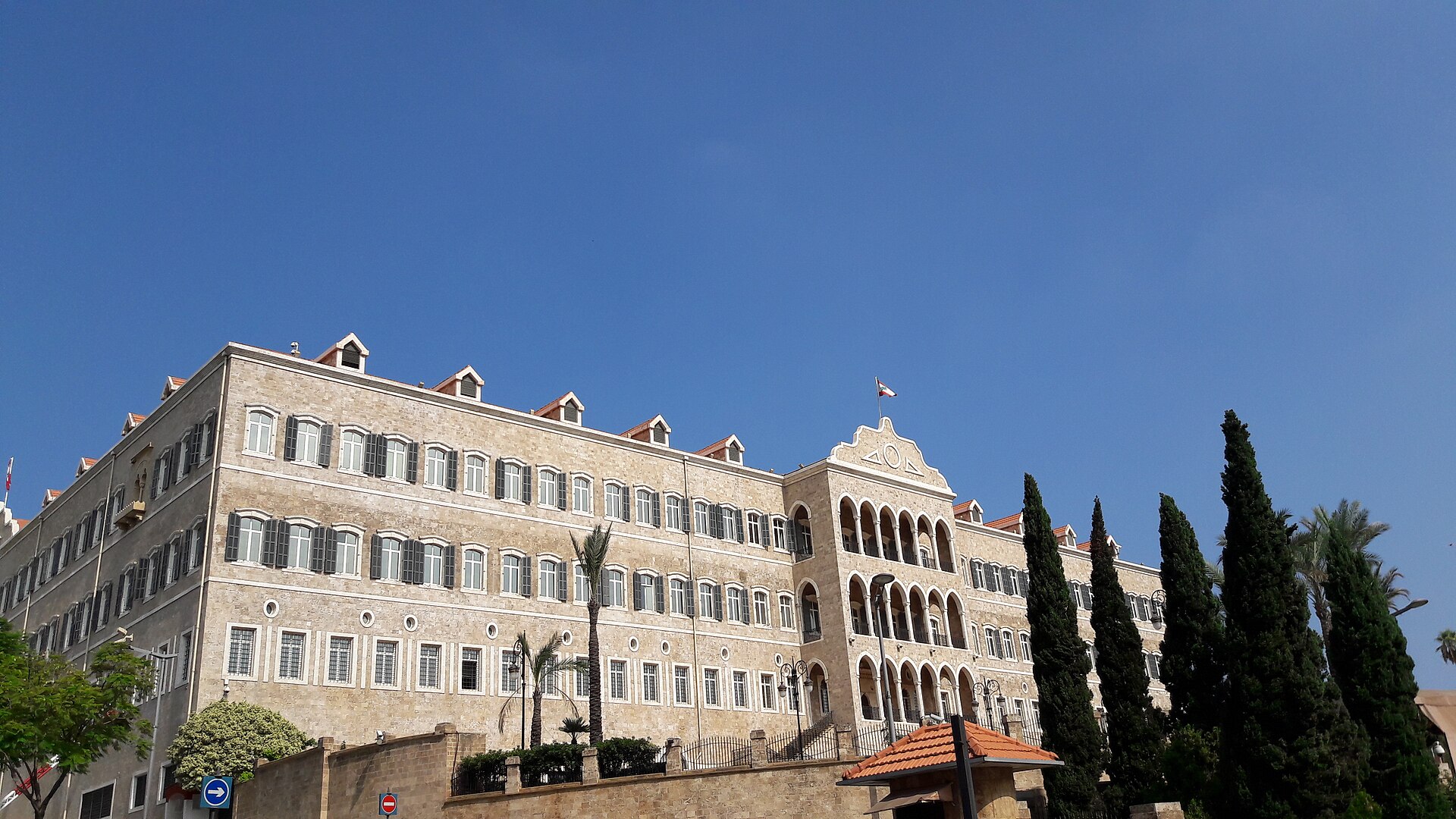
Lebanon’s expulsion of Iran’s ambassador-designate Mohammad Reza Sheibani on March 24 was the single most symbolically devastating blow to Tehran’s regional standing. Lebanon was not merely a diplomatic partner. It was the centrepiece of Iran’s entire regional strategy, the host country for Hezbollah, and the only Arab state where Iranian influence was structurally embedded in the political system through the Shia party’s parliamentary representation and military wing.
Sheibani had been appointed as Iran’s new ambassador to Lebanon in February 2026 but had not yet presented his credentials when the Lebanese Foreign Ministry declared him persona non grata. The ministry cited three specific charges, according to the Foundation for Defense of Democracies: his possible involvement in claiming protected diplomatic status for IRGC personnel operating in Lebanon, the IRGC’s claims of joint operations with Hezbollah during the Israeli ground offensive, and unapproved contacts with Hezbollah’s military leadership that bypassed Lebanese government channels.
The charges revealed something that had long been suspected but never officially acknowledged by a Lebanese government — that Iran’s embassy in Beirut functioned partly as a command centre for Hezbollah’s military operations. By declaring Sheibani persona non grata, the Lebanese government effectively admitted that Iran had been using diplomatic immunity as cover for military coordination, a violation of the Vienna Convention on Diplomatic Relations that no government can publicly tolerate.
Lebanon also recalled its own ambassador from Tehran for consultations, a step that typically precedes either the restoration of normal relations or a formal severance. The deadline for Sheibani’s departure was set for March 29. The move came as Israeli forces continued ground operations in southern Lebanon, creating a situation where Lebanon was simultaneously under attack by Israel and expelling the ambassador of the country that had armed its most powerful militia.
For decades, Iran’s relationship with Lebanon served three strategic purposes: projecting power to the Mediterranean, maintaining a credible military threat on Israel’s northern border, and demonstrating that Shia political movements could achieve legitimate political power within Arab state structures. The ambassador expulsion does not end Iran’s influence in Lebanon — Hezbollah remains too deeply embedded for that — but it removes the official diplomatic channel through which that influence was legitimised.
Who Still Talks to Tehran?
As of March 26, Iran’s functioning diplomatic relationships in the Middle East have been reduced to a handful of countries, each with significant limitations on their ability or willingness to serve as mediators.
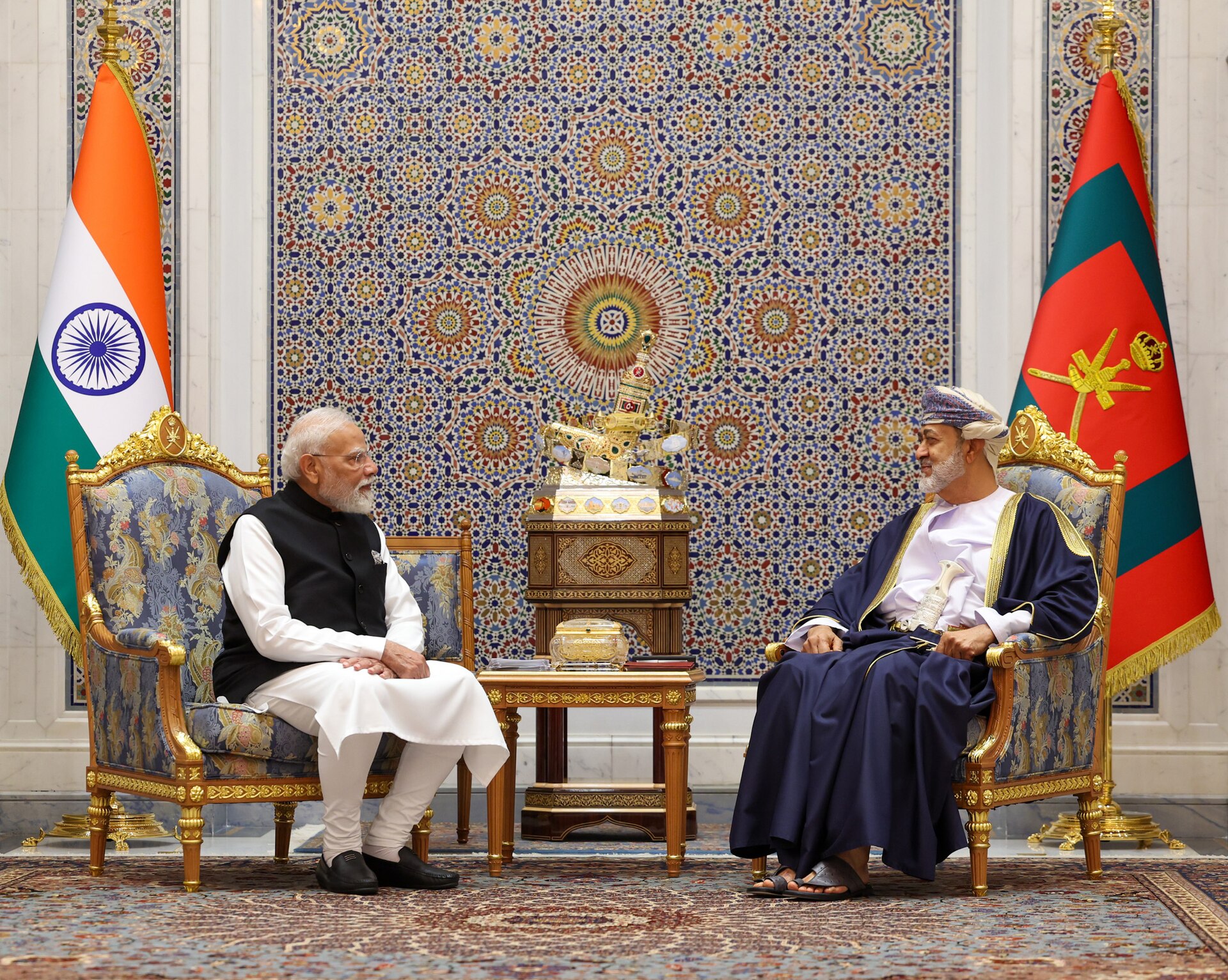
Oman remains Tehran’s most reliable interlocutor. Muscat hosted the first round of indirect US-Iran nuclear negotiations in February 2026, with Omani mediators physically carrying messages between American and Iranian delegations seated in separate rooms. Foreign Minister Badr al-Busaidi called publicly for an immediate ceasefire and said “off-ramps are available” in a statement on social media on March 3. Oman’s neutrality is credible because it has consistently refused to take sides in Gulf disputes, maintaining relations with Iran even during the most hostile periods. Yet that neutrality is under escalating strain: Oman’s wartime neutrality has survived 14 drone-strike deaths and GCC pressure, but the corridor it provides may be the Gulf’s most fragile strategic asset.
Iraq presents a more complicated picture. Baghdad maintains full diplomatic relations with Tehran, but Iran-backed militias operating on Iraqi soil have struck US bases twenty-one times in a twenty-four-hour period, according to reports from March 22. The Iraqi government declared force majeure on all foreign-operated oil fields, a decision driven partly by the security situation and partly by economic pressure from falling production. Iraq cannot function as a neutral mediator when its territory is being used as a staging ground for proxy attacks.
Pakistan has emerged as a venue for direct negotiations. Islamabad is preparing to host the first face-to-face US-Iran talks since the war began, with Vice President JD Vance expected in the Pakistani capital. Pakistan maintains the Strategic Mutual Defence Agreement with Saudi Arabia signed in September 2025, while simultaneously sharing a 959-kilometre border with Iran and maintaining functioning diplomatic ties with Tehran. Prime Minister Shehbaz Sharif told Crown Prince Mohammed bin Salman on March 25 that Pakistan “stands firmly with Saudi Arabia,” while his foreign ministry maintained contact with Iranian Foreign Minister Abbas Araghchi.
Egypt does not maintain a formal embassy in Tehran — diplomatic ties were severed in 1979 after Cairo signed the Camp David Accords with Israel — but Foreign Minister Badr Abdelatty has been in direct contact with Araghchi to mediate between Iran and the United States. Egypt’s lack of formal diplomatic relations paradoxically makes it a credible interlocutor: it has no bilateral interests to protect and no assets that Iran can threaten.
Syria remains nominally allied with Iran, but its government is consumed by internal reconstruction after years of civil war and lacks the diplomatic weight to influence negotiations. Turkey, under Foreign Minister Hakan Fidan, has attempted shuttle diplomacy between Gulf capitals, but Ankara’s own experience of receiving Iranian missiles — three struck Turkish territory without provoking a formal severance of ties — complicates its position.
The Diplomatic Connectivity Matrix
Mapping Iran’s remaining diplomatic channels against the requirements for a ceasefire reveals the scale of the problem. A functional peace process requires at minimum three types of diplomatic connectivity: direct channels to belligerents, back channels for sensitive pre-negotiation, and institutional frameworks for verification and enforcement. Iran’s position on each has deteriorated dramatically.
| Country | Embassy Status | Military Channel | Economic Leverage | Mediation Capacity | Overall Rating |
|---|---|---|---|---|---|
| UAE | Closed | Severed | Freezing (threatened) | None | 0/4 |
| Bahrain | Closed (since 2016) | Severed | Minimal | None | 0/4 |
| Qatar | Open (reduced) | Expelled | Gas field shared | Suspended | 1/4 |
| Saudi Arabia | Open (reduced) | Expelled | Trade frozen | Suspended | 1/4 |
| Lebanon | Expulsion pending | IRGC-linked | Limited | None | 0.5/4 |
| Kuwait | Open (strained) | Summoned 3x | Active | Limited | 2/4 |
| Oman | Open (functional) | Open | Active | Active | 4/4 |
| Iraq | Open (complex) | Proxy-compromised | Active | Compromised | 2/4 |
| Pakistan | Open (functional) | Open | Active | Hosting talks | 4/4 |
| Turkey | Open (strained) | Open | Active | Active (limited) | 3/4 |
The matrix reveals that Iran retains fully functional diplomatic connectivity with only two countries in the region — Oman and Pakistan — neither of which is a Gulf Arab state. Among the six GCC members, Oman alone maintains all four diplomatic functions. This represents a collapse from near-complete regional connectivity in January 2026 to near-total isolation by late March.
The connectivity score also reveals which diplomatic channels are most vulnerable to further erosion. Kuwait, rated at 2/4, has summoned Iran’s ambassador three times in three weeks. A fourth major attack on Kuwaiti territory — particularly one that causes civilian casualties beyond the four soldiers and four civilians already killed — would likely trigger a full expulsion. If Kuwait follows the pattern established by its neighbours, Iran’s diplomatic presence in the GCC would be reduced to a single embassy in Muscat.
Historical analysis of diplomatic crises suggests that states operating below a connectivity threshold of 2/4 across regional partners lose the ability to influence negotiations about their own fate, according to research by the International Crisis Group. Iran crossed that threshold in the Gulf on March 21, when Saudi Arabia’s expulsion brought average GCC connectivity to 1.25 out of 4.
Can Iran Make Peace Without Embassies?
Every modern conflict resolution has required diplomatic infrastructure. The 1979 Camp David Accords relied on Egyptian and Israeli embassies functioning in Washington. The 1995 Dayton Agreement required all parties to maintain diplomatic presence in the United States. The 2015 Iran nuclear deal was negotiated through embassies in Vienna, Muscat, and Bern. The 2020 Abraham Accords used Emirati and Israeli diplomatic channels in Washington.
Iran now faces the prospect of negotiating the end of a major war with virtually no functioning embassies in the countries most affected by that war. The practical consequences are severe.
Deconfliction — the process of preventing accidental escalation through real-time communication — requires military attachés with secure communications equipment and pre-established protocols. Iran has lost military attachés in every Gulf capital except Muscat. Without deconfliction channels, every Iranian drone that strays off course, every missile that malfunctions, every intelligence failure about targeting becomes a potential trigger for catastrophic escalation.
Prisoner-of-war negotiations, humanitarian corridor establishment, civilian evacuation coordination, and ceasefire monitoring all require diplomatic personnel on the ground. The International Committee of the Red Cross can substitute for some of these functions, but ICRC access depends on both sides cooperating, and cooperation requires communication channels that are now severed.
The ceasefire arithmetic was already unfavourable before the diplomatic collapses. The United States has presented Tehran with fifteen conditions for ending hostilities. Iran has counter-demanded sovereignty over the Strait of Hormuz and the withdrawal of all American forces from the Gulf. The gap between those positions requires weeks of sustained negotiation through multiple intermediaries. Each expelled embassy removes one intermediary from the process.
The Isolation Paradox — Cutting Diplomats Makes War Longer
Conventional wisdom holds that diplomatic isolation punishes the aggressor and hastens capitulation. Gulf governments have framed their expulsions in precisely these terms — as consequences for Iranian aggression, designed to impose costs and deter further attacks. Saudi Arabia’s Foreign Ministry explicitly warned of “significant consequences” for continued strikes. Qatar called Iran’s attacks a “dangerous escalation” that violated its sovereignty. The language in each case presented expulsion as a proportionate response that would help restore order.
The historical evidence tells a different story. Diplomatic isolation in active conflicts has consistently extended wars rather than shortened them. The mechanism is straightforward: isolation removes the communication channels through which compromises are proposed, tested, and refined. Without those channels, both sides default to military solutions because no diplomatic alternative exists.
When the international community severed diplomatic ties with Saddam Hussein’s Iraq after the 1990 invasion of Kuwait, Iraq fought for seven months before a military coalition physically expelled its forces. No diplomatic pressure contributed to the outcome because no diplomatic channels existed to deliver the pressure.
When the Arab League suspended Syria’s membership in 2011 and most Arab states withdrew their ambassadors from Damascus, the Syrian civil war intensified rather than de-escalated. The conflict lasted more than a decade. Isolation removed the tools that might have facilitated an earlier political solution.
Russia’s diplomatic isolation after the 2022 invasion of Ukraine similarly failed to alter Moscow’s strategic calculus. The war continued long after most Western embassies in Moscow closed and Russian diplomats were expelled from European capitals. The only negotiations that made progress — grain export agreements, prisoner exchanges — required the diplomatic infrastructure that Turkey and the UN maintained precisely because they had not severed ties.
The pattern suggests a paradox that applies directly to the current crisis. The Gulf states that expelled Iranian diplomats were expressing legitimate outrage at attacks on their sovereignty. The expulsions served domestic political purposes, demonstrated resolve, and imposed a real cost on Tehran. But each expulsion also removed a channel through which ceasefire terms could be communicated, compliance could be verified, and de-escalation could be managed.
Riyadh’s decision to expel military attachés while keeping the civilian embassy technically open suggests that Saudi policymakers understand this paradox. The partial expulsion attempts to balance punishment with preservation of minimal diplomatic functionality. Whether that balance can hold under the pressure of continued Iranian attacks remains uncertain.
The distinction between military and civilian diplomatic expulsion has practical significance. Military attachés serve as deconfliction officers, maintaining secure communication lines that prevent miscalculation during combat operations. Their removal increases the risk that a routine military incident — a drone that veers off course, a missile that malfunctions, a targeting error that strikes a civilian facility — escalates into a crisis for which no communication channel exists. During the Cold War, the hotline between Washington and Moscow was maintained even at the lowest points of US-Soviet relations precisely because both sides recognised that communication was most essential when conflict was most likely.
The GCC states face a version of this dilemma now. Every expelled attaché was a potential escalation risk while present, but also a potential circuit-breaker during crises. Iran has lost the ability to communicate directly with Saudi military commanders about where its remaining forces are positioned, what its red lines are, and what concessions might open a path to de-escalation. That information now must travel through Muscat, Islamabad, or Ankara — a process that takes hours or days instead of minutes.
Oman reaffirms its call for an immediate ceasefire and a return to responsible regional diplomacy. There are off-ramps available. Let us use them.
Badr al-Busaidi, Omani Foreign Minister, March 3, 2026
What Happens to the China-Brokered Agreement?
The March 2023 Beijing Agreement between Saudi Arabia and Iran was the most significant Chinese diplomatic achievement in the Middle East. Brokered personally by President Xi Jinping, it demonstrated that Beijing could serve as a credible mediator in a region traditionally dominated by American diplomacy. The agreement’s collapse represents a strategic setback for China of a magnitude that extends well beyond the bilateral Saudi-Iranian relationship.
The agreement contained three pillars: the resumption of diplomatic relations, the reactivation of a 2001 security cooperation agreement, and the implementation of a 1998 general agreement on trade and investment. All three pillars have now been undermined. Diplomatic relations, while not formally severed, have been reduced to minimal civilian staffing. The security cooperation agreement is functionally dead after the expulsion of military attachés. Trade and investment have been frozen by sanctions, shipping disruption, and the general chaos of wartime.
China’s response has been notably restrained. Beijing has called for dialogue and offered to mediate, but China’s diplomatic leverage is limited by its inability to influence Iran’s military decision-making. The IRGC does not take orders from the Chinese Foreign Ministry. Tehran’s attacks on Gulf infrastructure continued despite Chinese concerns about energy supply disruption — China imports approximately 1.5 million barrels of Iranian oil daily and depends on Gulf LNG imports for a growing share of its energy needs.
The agreement’s failure carries broader implications for China’s diplomatic ambitions. If Beijing cannot enforce the terms of its own signature diplomatic achievement, other potential parties — including Israel and the Palestinians, India and Pakistan, or North and South Korea — will question whether Chinese mediation carries meaningful guarantees. The agreement was supposed to demonstrate that China could be a responsible great power. Instead, it demonstrated the limits of diplomatic agreements that lack enforcement mechanisms.
For Saudi Arabia specifically, the agreement’s collapse removes a constraint on future policy. Crown Prince Mohammed bin Salman agreed to the Beijing deal partly to manage Iran risk while Vision 2030 investments matured. With the agreement dead and Iran actively attacking Saudi infrastructure, the strategic rationale for restraint has evaporated. The Kingdom’s steps toward joining the war are partly a consequence of the diplomatic framework’s failure to prevent precisely the scenario it was designed to avoid.
When Diplomats Leave, Capital Follows
Diplomatic expulsions trigger economic consequences that compound the military damage. The pattern is well-established: when ambassadors are withdrawn, commercial attachés leave too, trade facilitation mechanisms freeze, visa processing stops, banking correspondent relationships come under review, and bilateral investment becomes legally complex.
The UAE’s case illustrates the mechanism. Dubai served as Iran’s primary financial gateway, handling an estimated $10-15 billion in annual transactions through Iranian-owned businesses, currency exchanges, and trading companies. The embassy closure has been accompanied by regulatory scrutiny of these entities. Emirati authorities have identified IRGC-linked accounts as targets for potential asset freezes. Even without a formal freeze, the threat alone has caused Iranian businesses in Dubai to begin moving capital to more permissive jurisdictions, according to Reuters reporting.
Qatar’s expulsion carries its own economic weight. The shared South Pars-North Dome gas field requires ongoing technical coordination between QatarEnergy and the National Iranian Oil Company. While the gas field itself sits in international waters and production can continue without diplomatic engagement, revenue-sharing agreements, maintenance coordination, and development planning all depend on functioning bilateral institutions. The expulsion of military and security attachés does not formally affect commercial ties, but it signals a broader deterioration that makes commercial cooperation politically difficult.
| Country | Iran Trade Volume (est. 2025) | Key Economic Link | Assets at Risk |
|---|---|---|---|
| UAE | $10-15 billion/yr | Financial gateway, trade hub | Billions in Iranian deposits, shell companies |
| Qatar | Shared gas field | South Pars-North Dome coordination | Revenue-sharing agreements, LNG infrastructure |
| Saudi Arabia | $500 million/yr | Hajj pilgrim services, limited trade | Iranian pilgrim deposits, frozen trade credits |
| Lebanon | $1-2 billion/yr | Hezbollah funding channels, banking | Iranian bank branches, charity networks |
| Kuwait | $200-400 million/yr | Re-export trade, labour | Iranian community assets, trade agreements |
The cumulative economic impact of diplomatic isolation extends beyond bilateral trade. Iran’s ability to access international financial markets depends partly on the diplomatic relationships that underpin correspondent banking. As more countries sever or downgrade ties, fewer banks are willing to process Iranian transactions, fewer insurers will cover Iranian cargo, and fewer shipping companies will accept Iranian documentation. The economic cost of the war compounds with each diplomatic channel that closes.
The financial isolation also constrains Iran’s ability to fund post-war reconstruction. When the conflict eventually ends, Tehran will need access to exactly the financial channels it is currently losing. Every frozen account, every terminated banking relationship, every shuttered business represents a reconstruction bottleneck that will outlast the military conflict by years.
The insurance market provides a telling indicator. Lloyd’s of London and major reinsurers have suspended coverage for Iranian-origin cargo across the Gulf since March 4, according to industry data. Without insurance, ships cannot load, banks cannot issue letters of credit, and trade grinds to a halt. The diplomatic expulsions have reinforced the insurance market’s risk assessment: if governments are severing ties, the underlying risk is too high to underwrite. This creates a feedback loop where diplomatic isolation and commercial isolation reinforce each other, deepening Iran’s economic crisis in ways that neither mechanism could achieve alone.
For Saudi Arabia, the financial consequences of diplomatic rupture are manageable. The Kingdom’s trade with Iran was modest — estimated at $500 million annually before the war, compared to over $200 billion with China and $40 billion with the United States. The Hajj pilgrimage, which brought approximately 40,000 Iranian visitors to Saudi Arabia annually before the 2016 rupture and had been partially restored under the Beijing Agreement, has been suspended again. The economic cost of the diplomatic breakdown falls overwhelmingly on Iran, a calculation that Riyadh’s policymakers appear to have made deliberately.
Frequently Asked Questions
Has Iran been completely expelled from all Gulf countries?
Not completely. As of March 26, 2026, Iran maintains open embassies in Oman, Kuwait, Qatar, and Saudi Arabia, though the latter three have expelled military and security personnel or summoned ambassadors for formal protests. Only the UAE and Bahrain have fully closed their embassies. Oman maintains fully functional diplomatic relations and has actively mediated between Iran and the United States.
What was the China-brokered agreement between Saudi Arabia and Iran?
The March 2023 Beijing Agreement, facilitated by Chinese President Xi Jinping, restored diplomatic relations between Saudi Arabia and Iran after a seven-year rupture. It included provisions for reopening embassies, security cooperation, and trade. The agreement is now functionally dead after Saudi Arabia expelled Iranian military attachés in response to drone strikes on its territory, though civilian diplomatic channels remain technically open.
Can the war end without functioning Iranian embassies in the Gulf?
History suggests it will be significantly more difficult. Ceasefire negotiations, prisoner exchanges, humanitarian corridors, and compliance monitoring all require diplomatic infrastructure. However, third-party mediation through countries like Oman, Pakistan, and Turkey can partially substitute for direct bilateral channels. The 2026 US-Iran talks in Islamabad demonstrate that negotiations can proceed through intermediaries, though at a slower pace and with higher risk of miscommunication.
Why has Kuwait not expelled Iran’s ambassador despite being attacked?
Kuwait has summoned Iran’s ambassador three times since the war began but has stopped short of a full expulsion. Kuwait’s restraint likely reflects its historical experience: during the 1990 Iraqi invasion, Kuwait relied on international diplomatic support that required maintaining broad relationships. Kuwait may also calculate that preserving a diplomatic channel with Tehran gives it leverage in ceasefire negotiations and protects its approximately 100,000 Iranian-origin residents from retaliation.
What role does Oman play in mediating the Iran conflict?
Oman serves as the primary neutral mediator in the conflict. Muscat hosted indirect US-Iran nuclear negotiations in February 2026, with Omani officials physically relaying messages between American and Iranian delegations. Foreign Minister Badr al-Busaidi has publicly called for an immediate ceasefire and maintains active communication with both Tehran and Washington. Oman’s mediation role is credible because Muscat has consistently refused to take sides in Gulf disputes, maintaining relations with Iran even when other Gulf states severed theirs.