
RIYADH — Twenty-seven days into the deadliest Middle East conflict since 1973, a paradox has emerged that no government will acknowledge publicly: the countries most active in calling for peace are the same countries whose treasuries swell with every additional day of fighting. Russia, China, India, Turkey, Brazil, Algeria, and a constellation of smaller states have turned the Iran war into the most profitable neutrality play in modern geopolitical history, collecting tens of billions of dollars in redirected energy revenue, displaced trade flows, and defence contracts while the Gulf states absorb Iranian missiles and the world’s shipping lanes choke on abandoned tankers.
Table of Contents
- The Neutrality Dividend
- How Much Is Russia Earning From the War It Helped Cause?
- Beijing’s Long Game in the Gulf
- Why Is India Deploying Warships but Refusing to Fight?
- Ankara’s Transit Windfall and Mediation Theatre
- The Second-Tier Profiteers
- Who Sells the Weapons the Gulf Now Desperately Needs?
- The Neutrality Calculus
- What Has Saudi Arabia Lost While Others Gain?
- Do Neutral Countries Have an Incentive to Prolong the War?
- The Post-War Land Grab Has Already Begun
- Frequently Asked Questions
The Neutrality Dividend
The concept is simple but its implications are vast. Every barrel of oil that cannot leave the Persian Gulf through the Strait of Hormuz — roughly 20 million barrels per day before the war, according to the blockade that Iran built — is a barrel that must be sourced from somewhere else. The countries that hold those alternative barrels are collecting a premium that did not exist four weeks ago. Brent crude, which traded near $75 per barrel in January 2026, surged past $126 at its peak in early March before settling around $98 as of March 25, according to Fortune and CNBC market data. That $23-per-barrel premium above pre-war levels, multiplied across millions of daily barrels, translates into billions of dollars per month flowing to producers who face zero risk of Iranian drone strikes.
The Atlantic Council described this dynamic bluntly in a March 2026 analysis: the Strait of Hormuz crisis “will ripple across plastics and food supply chains, helping Beijing and Moscow, hurting Americans.” The winners and losers of this war do not map neatly onto combatants and non-combatants. They map onto those who hold alternative supply and those who do not.
The Dallas Federal Reserve estimated that the near-total disruption of Hormuz transit would lower global real GDP growth by an annualised 2.9 percentage points in the second quarter of 2026. But that contraction is not evenly distributed. Energy exporters outside the Gulf are experiencing a boom. Energy importers dependent on the Gulf are experiencing a crisis. And the neutral countries that straddle both categories — buying cheap from the desperate, selling dear to the panicked — are extracting value from both ends of the chain.
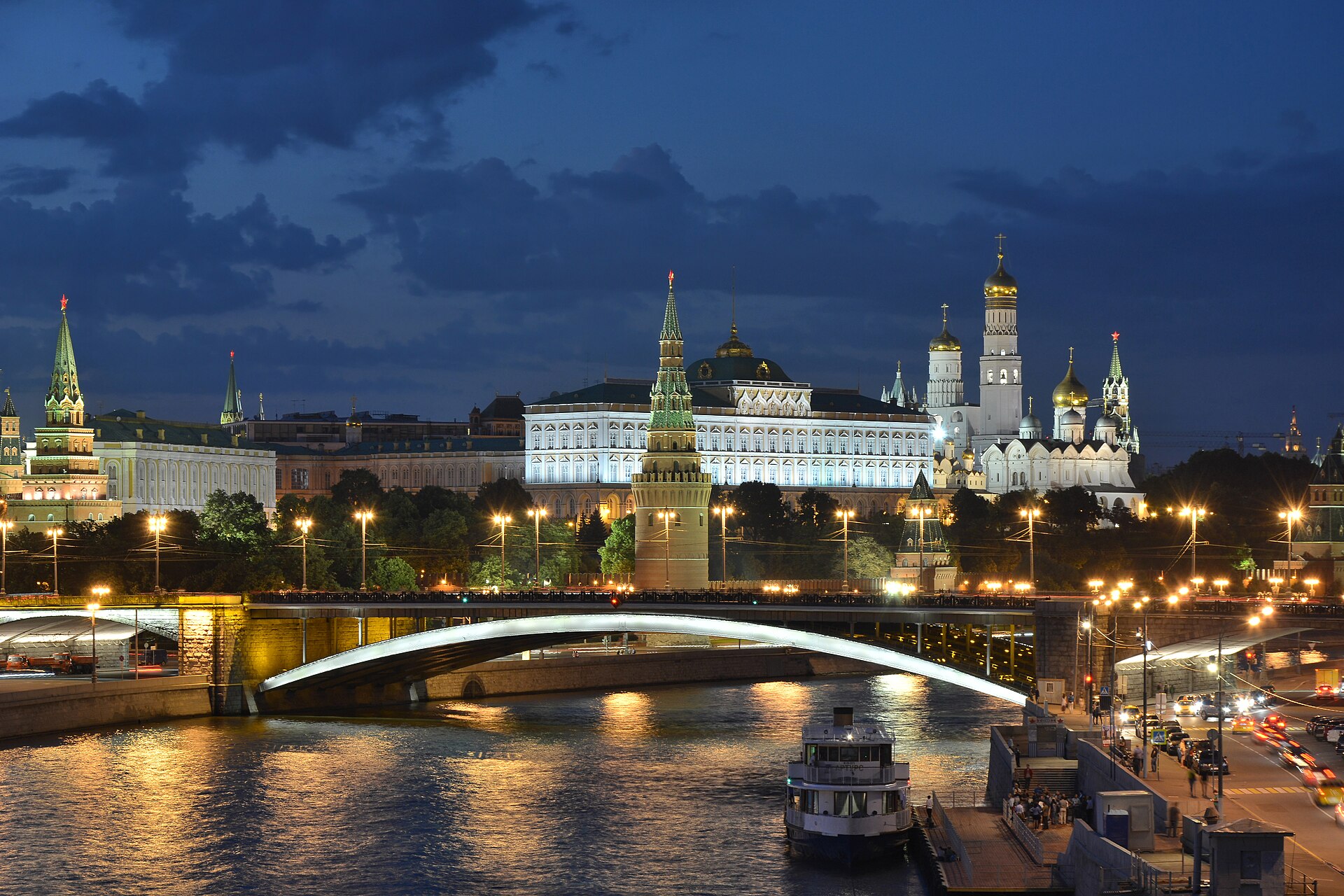
How Much Is Russia Earning From the War It Helped Cause?
Moscow’s relationship with the Iran war is the most layered of any neutral power. Russia sells weapons to Iran, maintains a strategic partnership with Tehran, and simultaneously profits from the destruction those weapons enable when they strike Saudi infrastructure. The Financial Times reported in March 2026 that Russian federal oil and gas revenues jumped significantly as global buyers scrambled for non-Gulf supply, with European and Asian refiners increasing purchases of Russian crude despite Western sanctions designed to cap its price.
The arithmetic is straightforward. Russia produces approximately 9.5 million barrels of oil per day, according to OPEC’s March 2026 Monthly Oil Market Report. At the pre-war Brent benchmark of roughly $75, Russia’s daily gross oil revenue was approximately $712 million. At the wartime premium of $98-100, that figure rises to approximately $950 million — an additional $238 million per day, or roughly $7 billion per month, flowing into Russian coffers purely because Iran is bombing Saudi oil facilities.
The Middle East briefing 3,000+ readers start their day with.
One email. Every weekday morning. Free.
The windfall extends beyond crude. Russia is the world’s largest natural gas exporter by pipeline and the second-largest by LNG. With Qatar’s LNG exports disrupted by Hormuz — Qatar ships roughly 77 million tonnes of LNG annually, much of it through the strait — Asian and European buyers have turned to Russian pipeline gas and Yamal LNG as substitutes. Gazprom’s spot gas sales to China via the Power of Siberia pipeline have reportedly increased by 15-20 percent since the war began, according to energy analytics firm Kpler.
Russia’s diplomatic position has also strengthened. Moscow offered early mediation — a proposal that went nowhere but cost nothing and bought goodwill with Tehran while positioning Russia as a responsible stakeholder. Putin’s government has consistently called for a ceasefire in public while private Russian diplomats, according to Reuters, have told Gulf interlocutors that Moscow “cannot control” Iranian behaviour. The implication is clear: Russia benefits from a conflict it is too entangled with Iran to stop and too profitable a bystander to want to.
The Russian defence industry has also found opportunity. While Western arms shipments to the Gulf have accelerated, Russia has quietly expanded its arms exports to countries bypassing Western supply chains. Turkey’s purchase of additional S-400 components, India’s expedited delivery of BrahMos cruise missiles, and Algeria’s order for Su-57 fighter jets all represent deals enabled by the wartime environment, where buyers value speed and political flexibility over long-term alignment with Washington.
The full extent of Russia’s military support for Iran came into sharper focus on March 26, when EU High Representative Kaja Kallas publicly accused Moscow of providing satellite intelligence to help Iran target and kill Americans at Gulf bases — an accusation that reframed Russia’s “neutrality” as active belligerency.
Beijing’s Long Game in the Gulf
China’s approach to the Iran war is the most strategically patient of any major power. Beijing condemned “all violence against civilians,” called for an “immediate ceasefire,” and then quietly proceeded to extract maximum commercial advantage from the chaos. Three data points illustrate the strategy.
First, Chinese refineries have increased their imports of Iranian crude, purchasing oil at discounts of $15-20 per barrel below Brent benchmark, according to S&P Global Commodity Insights. With Iran desperate for revenue and its traditional European customers cut off by sanctions and war-risk insurance, Beijing has become Tehran’s dominant buyer. China imported an estimated 1.5-1.8 million barrels per day of Iranian crude in March 2026 — more than double pre-war levels, according to vessel-tracking data compiled by Kpler. At the discounted price of roughly $78-83 per barrel while global buyers pay $98-100, Chinese refiners save approximately $25-30 million per day on Iranian crude alone.
Second, China signed a $5 billion deal with Saudi Arabia to build a Wing Loong-3 drone assembly line in Jeddah, announced in early March 2026. The agreement, between the Aviation Industry Corporation of China and Saudi Arabia’s General Authority for Military Industries, calls for a production capacity of 48 armed drones per year with a 10,000-kilometre range and 40-hour endurance. The deal represents the most significant Chinese defence-industrial investment in the Middle East, and it was concluded precisely because the war demonstrated that Washington’s arms pipeline alone is insufficient for Saudi security needs. China sold Saudi Arabia the weapons of the future while America sold the weapons of the present — and Beijing did so without firing a single shot in the Gulf’s defence.
Third, Chinese construction and engineering firms have positioned themselves as the default contractors for Gulf post-war reconstruction. Beijing’s Belt and Road Initiative already has a $20 billion infrastructure portfolio across the GCC states. Yet a closer examination of Beijing’s actual wartime leverage reveals that China’s apparent gains mask deeper structural losses. With Western firms pulling staff out of Saudi Arabia — more than 5,000 American employees have departed since the war began, according to AGBI — Chinese companies face less competition for contracts. The China Communications Construction Company and China State Construction Engineering Corporation have both reportedly maintained full operations in Riyadh and Jeddah throughout the conflict, signalling to Saudi planners that Chinese firms will stay when American ones leave.
Why Is India Deploying Warships but Refusing to Fight?
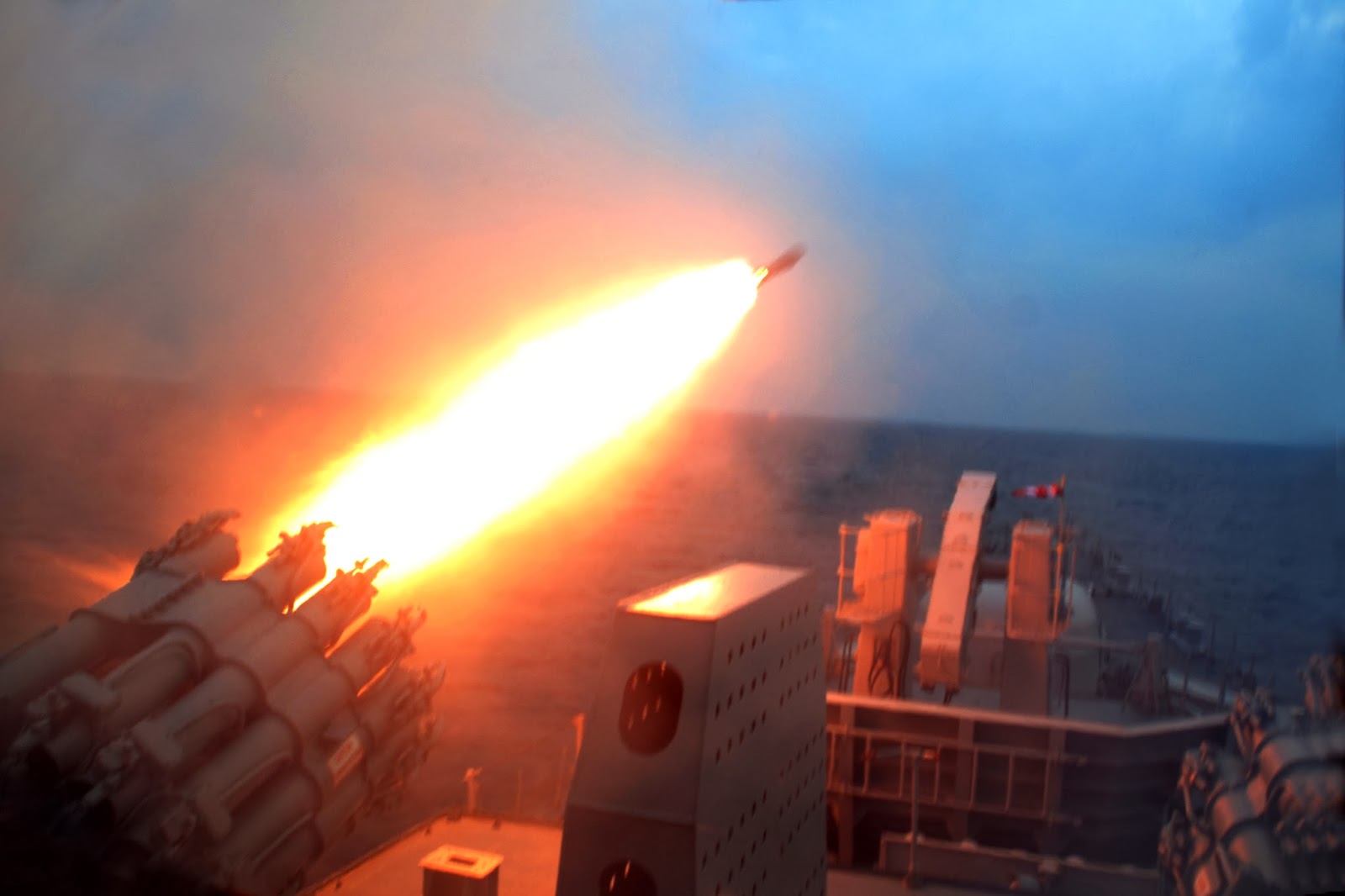
India’s position in the Iran war is perhaps the most transparently self-interested of any major power, and New Delhi has shown no interest in pretending otherwise. Operation Urja Suraksha — Hindi for “Energy Security” — is a naval mission to escort Indian-flagged crude oil, LPG, and LNG carriers through the Strait of Hormuz. More than five frontline warships, including Visakhapatnam-class destroyers and advanced frigates, patrol the Gulf of Oman under this operation, according to the Indian Ministry of Defence.
The mission has delivered results. LPG carriers Pine Gas and Jag Vasant successfully transited the strait under Indian naval escort, and India’s strategic petroleum reserves — which dropped to an alarming nine days of coverage — have stabilised. But Operation Urja Suraksha is emphatically not a contribution to the war effort. Indian Navy vessels do not engage Iranian assets. They do not share intelligence with the US Fifth Fleet. They escort Indian ships, protect Indian energy supplies, and return to port.
India’s financial gain from this posture is substantial. New Delhi has continued purchasing Russian crude at discounts of $10-15 per barrel below Brent, refining it at Indian facilities, and re-exporting refined petroleum products to Europe and Southeast Asia at global market prices. India’s Reliance Industries, which operates the world’s largest refining complex at Jamnagar, Gujarat, reported record refining margins in early March 2026, according to Bloomberg. The “crack spread” — the difference between crude input costs and refined product output prices — widened to $18-22 per barrel, compared to a pre-war average of $8-12. Indian refiners are, in effect, buying the war’s inputs cheap and selling its outputs dear.
India has also used the crisis to strengthen bilateral ties with both sides. Prime Minister Modi spoke with Saudi Crown Prince Mohammed bin Salman and Iranian Acting President Ali Bagheri within the same week in early March, offering “humanitarian assistance” to both while committing military resources to neither. By late March, Modi’s second wartime call with MBS revealed the full extent of India’s tightrope — threading between Iran’s Hormuz free-passage privilege and Saudi oil dependency with 2.7 million Indian citizens in the Kingdom. The gesture cost India nothing and positioned New Delhi as a potential post-war mediator — a role that would grant India significant diplomatic leverage over Gulf energy supplies for decades to come.
Ankara’s Transit Windfall and Mediation Theatre
Turkey occupies a unique position among the war’s neutral beneficiaries: it has actually been hit by Iranian missiles. Three Iranian projectiles struck Turkish territory in early March, causing minor damage and no casualties. Ankara condemned the strikes, demanded compensation, and then pointedly refused to invoke NATO’s Article 5 collective defence clause. The restraint was not accidental. Turkey’s economy is benefiting from the war in at least four measurable ways.
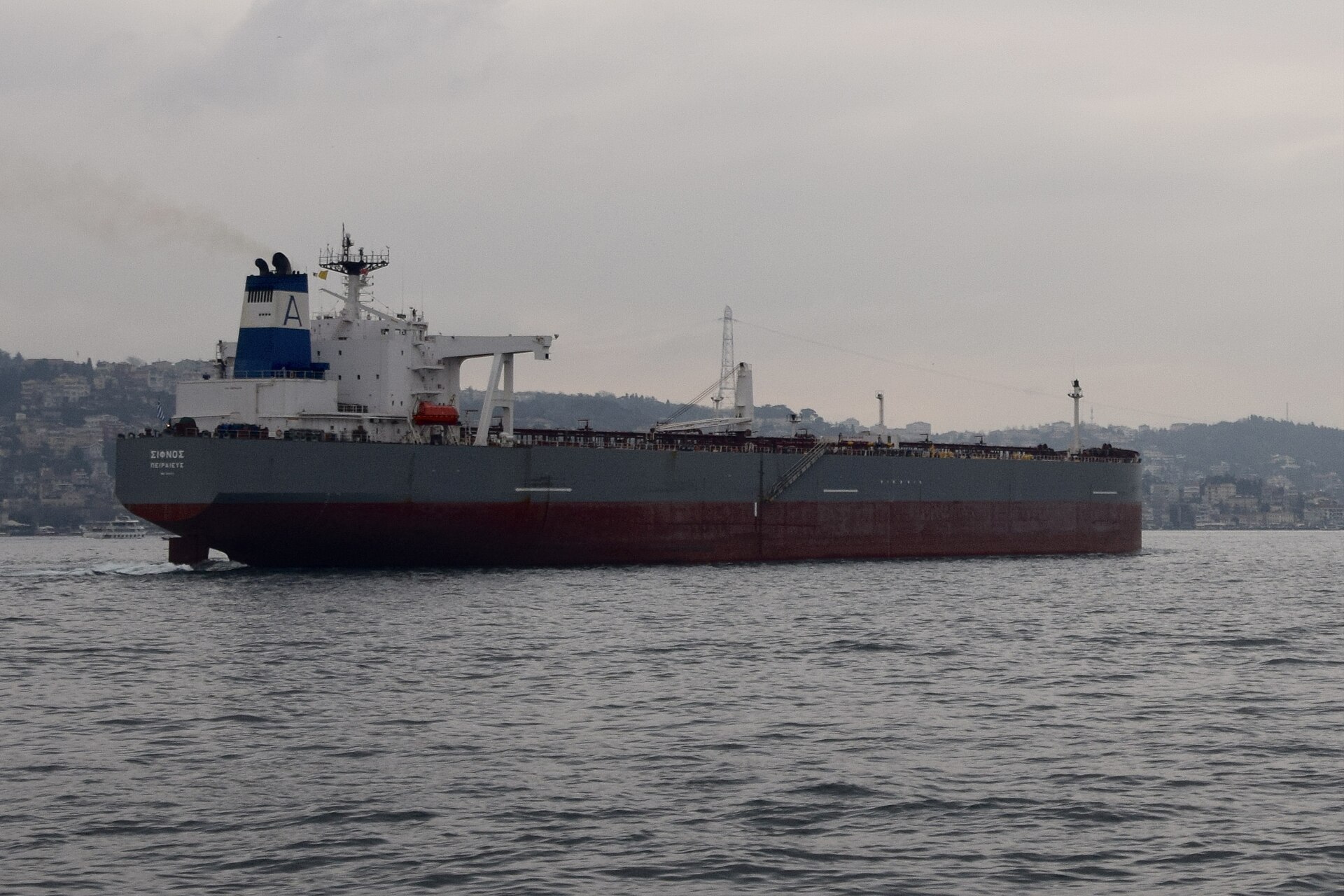
The Bosporus Strait, which Turkey controls, has seen a surge in tanker traffic as Russian oil exports to Asia and European energy imports from non-Gulf sources transit through Turkey’s waterway. Turkish maritime authorities reported a 22 percent increase in Bosporus transit requests in March compared to February, according to the Directorate General of Coastal Safety. Each transit generates revenue through pilotage fees, tugboat services, and port dues. More importantly, the Istanbul Ceyhan pipeline — which carries Azerbaijani and Iraqi Kurdish crude to the Mediterranean — has become a critical alternative supply route, with throughput reportedly reaching near-capacity levels of 1.1 million barrels per day.
Turkish exports to Gulf states have also surged. With European and American supply chains disrupted by elevated shipping insurance, flight cancellations, and staff departures, Turkey has stepped into the gap. Turkish food exports to Saudi Arabia, the UAE, and Qatar rose by an estimated 35 percent in the first three weeks of March, according to the Turkish Exporters’ Assembly. Turkish construction materials, consumer electronics, and pharmaceuticals are filling shelves that Western brands vacated.
President Erdogan’s shuttle diplomacy has been the most visible — and arguably the least sincere — of any neutral power’s mediation efforts. Turkish Foreign Minister Hakan Fidan visited Tehran, Riyadh, and Washington in a single week, earning headlines but producing no ceasefire. The mediation burnishes Turkey’s international standing and gives Ankara a seat at whatever post-war negotiating table emerges, but sceptics in both Riyadh and Washington have noted that Turkey’s mediation efforts intensify whenever its own economic interests in the conflict are threatened and subside when they are not.
Turkey’s defence industry has found a captive market as well. Baykar, the manufacturer of the Bayraktar TB2 and Akinci drones, has reportedly received inquiries from multiple Gulf states seeking rapid drone procurement outside the traditional American supply chain. Turkey’s defence exports totalled $5.5 billion in 2025, according to the Turkish Defence and Aerospace Industry Exporters’ Association. The Iran war has created conditions in which that figure could increase by 20-30 percent in 2026.
The Second-Tier Profiteers
Below the major neutral powers sits a second tier of countries whose smaller economies magnify the relative impact of the war windfall.
Algeria, Africa’s largest natural gas exporter, has seen European buyers accelerate purchases of Algerian pipeline gas and LNG to compensate for disrupted Qatari supplies. Sonatrach, Algeria’s state energy company, reported in March 2026 that European contract volumes increased by 18 percent, according to Middle East Eye. With natural gas prices in Europe elevated by 40-60 percent above January levels, Algeria’s additional revenue could reach $3-5 billion in 2026.
Brazil, which exports roughly 3.5 million barrels of crude oil per day — making it the world’s seventh-largest producer — has seen Petrobras shares surge 12 percent since the war began, according to Bloomberg market data. Brazilian crude, which previously competed at a discount to Middle Eastern grades, now sells at parity or a premium to buyers desperate for non-Gulf supply. Brazilian agricultural exports have also benefited, as disrupted Gulf-based food supply chains redirect import demand toward Latin American producers.
Malaysia and Singapore have emerged as alternative trading and refining hubs for oil that previously transited through Gulf infrastructure. Singapore’s refining margins, already among the world’s highest, widened further as demand for non-Hormuz-routed refined products surged. The Monetary Authority of Singapore noted in a March 2026 advisory that the city-state’s trade surplus was on track to exceed expectations by 8-12 percent, driven largely by energy and commodity trading volumes.
Nigeria and Angola, sub-Saharan Africa’s two largest oil producers, have also captured market share. Nigerian Bonny Light crude, a high-quality benchmark, traded at its largest premium to Brent in over a decade as European refiners sought West African crude to replace Gulf supplies. Nigeria’s Petroleum Industry Authority confirmed that March 2026 export volumes exceeded February by approximately 200,000 barrels per day.
| Country | Primary Gain | Estimated Windfall | Mechanism |
|---|---|---|---|
| Algeria | Natural gas exports | $3-5B (2026) | European gas contract increases |
| Brazil | Crude oil + agriculture | $4-6B (2026) | Premium pricing on Petrobras exports |
| Singapore | Refining + trading hub | $2-3B (2026) | Widened refining margins, trade volumes |
| Nigeria | Crude oil exports | $2-4B (2026) | Premium on Bonny Light crude |
| Malaysia | Refining + palm oil | $1-2B (2026) | Alternative refining capacity demand |
| Angola | Crude oil exports | $1-3B (2026) | Market share from disrupted Gulf supply |
Who Sells the Weapons the Gulf Now Desperately Needs?
The Iran war has triggered the largest arms procurement surge since the end of the Cold War, and the primary beneficiaries are defence manufacturers in countries that are not fighting. Germany’s Rheinmetall, which produces armoured vehicles, ammunition, and air defence components, projected sales growth of 40-45 percent for 2026, with an order backlog expected to more than double to €135 billion, according to the company’s March 2026 earnings call reported by CNBC. Italy’s Leonardo expects to double profits by 2030, a target accelerated by wartime demand for radar systems and guided munitions.
The pattern extends across NATO’s industrial base, whose governments have refused to join offensive operations while their defence contractors profit from the conflict. France’s Thales, Britain’s BAE Systems, Germany’s Hensoldt, and Sweden’s Saab have all reported order intake surges correlated with the Iran war’s onset. Average revenue for these six European defence firms grew 57 percent between 2021 and 2025, according to CNBC analysis, and the Iran war has accelerated that trajectory further. Rheinmetall’s CEO Armin Papperger told investors the company was in a “prime position” to arm the United States, signalling that European defence firms are not merely supplying the Gulf directly but backfilling American stockpiles depleted by Patriot interceptor transfers to Saudi Arabia and other Gulf allies.
South Korea’s Hanwha Defense and LIG Nex1 have also entered the Gulf market aggressively. Seoul, which already sells the K9 Thunder self-propelled howitzer to Saudi Arabia, has offered Cheongung II medium-range air defence systems as a complement to the US-supplied Patriot and THAAD batteries. Deliveries could begin within 18 months, far faster than any comparable American or European system, according to defence industry sources cited by Janes.
The arms bonanza is not limited to hardware. Private military and security companies — predominantly British, South African, and American firms operating outside government contracts — have seen demand for protective services in Saudi Arabia and the UAE surge by an estimated 300 percent since the war began, according to industry association ISOA. Contract rates for executive protection details in Riyadh have tripled from pre-war levels of $2,000-3,000 per day to $8,000-10,000.
The Neutrality Calculus
Mapping the war’s neutral beneficiaries reveals a pattern that challenges the conventional assumption that neutrality is a principled stance. For most countries profiting from the Iran war, neutrality is a financial strategy — one that generates returns precisely proportional to the conflict’s duration and intensity. The longer the war lasts, the more oil Russia sells at a premium. The more Iranian drones Saudi Arabia intercepts, the more Patriot reload rounds Rheinmetall manufactures. The more Western firms flee the Gulf, the more contracts Chinese construction companies inherit.
An analysis of seven major neutral beneficiaries reveals the scale of this dynamic.
| Country | Monthly Revenue Gain | Diplomatic Leverage Gained | Risk Exposure | Incentive to Prolong |
|---|---|---|---|---|
| Russia | $7B+ | Mediator credibility + arms sales | Low (Iran ally, not a target) | Very High |
| China | $3-4B | Post-war reconstruction + BRI | Low (neutral, no bases in Gulf) | High |
| India | $2-3B | Mediator positioning + naval presence | Medium (energy dependency) | Moderate |
| Turkey | $1-2B | NATO leverage + mediation role | Medium (missile strikes on territory) | Moderate |
| Brazil | $0.5-1B | BRICS solidarity + commodity pricing | Very Low (geographic distance) | Low-Moderate |
| Algeria | $0.3-0.5B | European energy partnerships | Very Low | Moderate |
| South Korea | $0.2-0.4B | Arms export market expansion | High (energy import dependency) | Low |
The combined monthly revenue gain for neutral countries from the Iran war exceeds $14 billion. Over the war’s 27 days so far, the cumulative transfer of wealth from combatant and affected nations to neutral profiteers likely surpasses $12-15 billion. This figure does not include secondary effects — the contracts signed, the diplomatic leverage accumulated, the market share captured — that will generate returns long after the last missile falls.
The countries calling loudest for peace are the ones whose bank accounts grow with every day of war. Neutrality in this conflict is not a moral position — it is the most profitable trade on the geopolitical market.
Analysis based on Dallas Federal Reserve, Atlantic Council, and CNBC market data, March 2026
What Has Saudi Arabia Lost While Others Gain?
The contrast between neutral profiteers and the Kingdom’s losses is stark. Saudi Arabia entered the Iran war as the world’s most ambitious emerging economy. Twenty-seven days later, its economic transformation programme faces the most serious challenge in its history.
Foreign direct investment inflows are expected to decline by 60-70 percent in the first quarter of 2026 compared to the same period in 2025, according to investment bank estimates cited by AGBI. More than 5,000 American employees have left or are preparing to depart the Kingdom. European and American investment funds have halted new capital deployment into Saudi projects. The Middle East Insider estimated that $840 billion in Vision 2030 investments are at risk.
Tourism revenue losses compound the damage. Luxury hotel bookings dropped 45 percent in the first two weeks of March, according to industry data cited by Euronews. The war threatens $15-30 billion in tourism revenue over two to three years. The Trojena Winter Games, a centrepiece of NEOM’s international marketing strategy, were postponed indefinitely even before the war — the conflict has eliminated any prospect of rescheduling major international events in 2026.
Saudi Arabia’s oil revenue, while elevated by higher prices, is constrained by production and export disruptions. Aramco’s eastern facilities near Ras Tanura have been repeatedly targeted by Iranian drones, forcing temporary shutdowns. The East-West Pipeline, which diverts crude to the Red Sea terminal at Yanbu, is operating near its 7-million-barrel-per-day capacity, according to Aramco CEO Amin Nasser — but Yanbu itself was struck by Iranian missiles on March 20, underscoring that no export route is fully secure. Saudi oil revenue is rising on price but falling on volume, a dynamic that benefits every other producer without such constraints.
The diplomatic frustration is palpable. Saudi officials have privately expressed dismay that countries like India and Turkey — recipients of billions in Saudi investment, development aid, and energy subsidies over decades — have refused to contribute meaningfully to the Kingdom’s defence. Saudi Arabia’s real allies, it turns out, are not the ones Crown Prince Mohammed bin Salman cultivated through Vision 2030 partnerships and sovereign wealth fund investments. They are the ones who showed up with Patriot batteries and fighter jets: the United States, Britain, France, and Greece.
Do Neutral Countries Have an Incentive to Prolong the War?
The question is uncomfortable but unavoidable. If Russia earns an additional $7 billion per month from the war, does Moscow genuinely want it to end? If Chinese refiners save $25-30 million per day on discounted Iranian crude, does Beijing have a financial interest in an immediate ceasefire? If Turkish exporters are capturing 35 percent more Gulf market share, does Ankara’s mediation serve peace or profit?
The conventional analysis treats neutral mediation as sincere. Turkey’s shuttle diplomacy is reported as genuine peacemaking. India’s calls for restraint are taken at face value. China’s ceasefire statements are cited as evidence of responsible global citizenship. But the financial data suggests a more cynical interpretation: these countries are managing the conflict’s externalities, not trying to end it. Their mediation is calibrated to maintain access and influence with both sides — ensuring they remain welcome in Tehran and Riyadh — while doing nothing that would actually stop the fighting.
Consider Russia’s behaviour. Moscow has repeatedly offered to host peace talks in a neutral venue. It has called for “de-escalation” and “dialogue.” It has refused to condemn either side explicitly. But Russia has also continued selling weapons components to Iran, maintained intelligence-sharing arrangements with Tehran, and refused to use its considerable influence over Iranian decision-making to pressure Supreme Leader Mojtaba Khamenei’s government toward concessions. The mediation is real. The intent behind it is questionable.
Turkey’s pattern is similar. Erdogan’s government has positioned itself as a bridge between NATO and the Middle East. But Ankara has not reduced its imports of discounted Iranian gas, has not offered Turkish bases for coalition operations, and has not contributed a single combat aircraft to Gulf air defence despite possessing one of NATO’s largest air forces. Turkey took three Iranian missiles and responded not with force but with an invoice for damages — a transaction, not an alliance commitment.
India’s Operation Urja Suraksha is the most transparent example. The name itself — “Energy Security” — announces that India’s naval deployment is about protecting Indian supplies, not defending the international order. Indian warships escort Indian tankers. They do not escort Saudi, Emirati, or Kuwaiti vessels. They do not participate in the US-led coalition’s Hormuz clearance operations. India has carved out a bilateral security bubble within a multilateral war zone, extracting the benefits of naval presence without any of the costs of combat.
The Post-War Land Grab Has Already Begun
The most consequential profiteering may not be measured in barrels or billions but in the post-war architecture that neutral countries are building while the combatants are distracted. The speed of this transformation becomes visible in a comprehensive assessment of how twenty-eight days of war redrew the Middle East map.
China’s $5 billion drone factory in Jeddah is the clearest example. The deal was signed during wartime, when Saudi Arabia’s negotiating leverage was minimal and its need for non-American weapons technology was maximal. Under normal circumstances, Washington would have blocked or complicated such a transfer. In wartime, the deal was concluded in days. China secured a 30-year industrial footprint in the Kingdom’s defence sector — a strategic beachhead that will generate returns long after the Iran war becomes a chapter in history textbooks.
Russia is positioning for post-war energy market restructuring. The war has demonstrated that Gulf oil supply is vulnerable to disruption on a scale previously considered theoretical. Energy importers in Asia and Europe will emerge from the conflict determined to diversify away from Gulf dependency. Russia, with its pipeline infrastructure connecting directly to China, India, and Europe, is the natural beneficiary of that diversification. Every post-war energy security strategy that reduces reliance on Hormuz-routed oil inherently increases reliance on Russian-routed alternatives.
Turkey is building a permanent role as the Gulf’s logistics backdoor. With Hormuz disrupted and the Suez Canal facing elevated insurance premiums due to Houthi threats in the Red Sea, overland trade routes through Turkey have gained strategic importance. Turkish logistics companies are signing long-term contracts with Gulf importers, and the planned Turkey-Iraq-Qatar railway project has received renewed political support as a permanent Hormuz bypass for goods if not for oil.
India is using the crisis to assert itself as a naval power in the Indian Ocean and Arabian Sea. Operation Urja Suraksha has demonstrated that the Indian Navy can project power into the Gulf approaches — a capability that gives New Delhi permanent leverage over energy transit. Post-war, India will argue that its naval contribution to Gulf stability entitles it to preferential energy agreements and investment partnerships with Saudi Arabia and the UAE.
The cumulative cost of the war for affected nations grows daily. But so does the cumulative positioning advantage for neutral countries. When the fighting ends, the peace table will be dominated not by the countries that bled but by the countries that profited — and they will extract a price for their “support” that Saudi Arabia and its allies may find harder to pay than the war itself.
| Country | Wartime Move | Post-War Strategic Gain | Cost to Saudi Arabia |
|---|---|---|---|
| China | $5B drone factory in Jeddah | 30-year defence industrial footprint | Reduced US arms leverage |
| Russia | Pipeline diversification marketing | Permanent Gulf oil market share loss | Lower post-war oil prices |
| Turkey | Overland logistics contracts | Permanent Gulf trade corridor | Transit dependency on Ankara |
| India | Operation Urja Suraksha | Arabian Sea naval presence claim | Energy deal concessions |
| Brazil | Premium crude exports | Permanent Asian refinery relationships | Aramco market share erosion |
Frequently Asked Questions
Which country is profiting the most from the 2026 Iran war?
Russia is the largest financial beneficiary, earning an estimated $7 billion per month in additional energy revenue from elevated oil and gas prices caused by the disruption of Gulf oil supplies through the Strait of Hormuz. China is the second-largest beneficiary through discounted Iranian crude purchases and defence contracts worth $5 billion signed during the conflict.
Why is India not fighting in the Iran war despite deploying warships?
India launched Operation Urja Suraksha specifically to escort Indian-flagged energy vessels through the Strait of Hormuz without joining the US-led coalition. India’s priority is protecting its own crude oil, LPG, and LNG imports rather than contributing to the broader military campaign. New Delhi maintains diplomatic relationships with both Iran and Saudi Arabia and views neutrality as more beneficial than alignment with either side.
How much has Saudi Arabia lost because of the Iran war?
Saudi Arabia faces estimated losses including a 60-70 percent decline in foreign direct investment, a 45 percent drop in luxury hotel bookings, $15-30 billion in tourism revenue losses over two to three years, and risk to $840 billion in Vision 2030 investments. More than 5,000 American employees have departed the Kingdom, and major megaproject timelines have been disrupted.
Are neutral countries deliberately prolonging the Iran war?
While no government has stated an interest in prolonging the conflict, the financial incentives are significant. Russia, China, India, Turkey, and other neutral powers collectively gain an estimated $14 billion or more per month from the war’s economic disruptions. Their mediation efforts, while diplomatically visible, have not included the kind of coercive pressure — sanctions threats, arms embargoes, or military commitments — that might compel either side toward a ceasefire.
What happens to neutral countries’ profits when the war ends?
Most neutral beneficiaries are positioning for post-war advantages that will outlast the conflict itself. China’s drone factory in Jeddah, Russia’s pipeline diversification, Turkey’s logistics contracts, and India’s naval presence claims are all designed to generate returns for decades. The wartime windfall is temporary, but the strategic positioning it enables is permanent, ensuring neutral countries continue to extract value from the Gulf’s security environment regardless of whether peace is restored.
The profiteers are not the only ones looking beyond the conflict. The war has triggered more than $480 billion in emergency clean energy investment worldwide, an acceleration of the energy transition that may prove more consequential than the war itself.