
PARIS — The European Union’s top diplomat accused Russia on Thursday of providing Iran with satellite intelligence and drone technology to target and kill American troops stationed across the Gulf, an explosive charge that publicly linked Moscow’s military apparatus to Iranian missile strikes on Saudi Arabia, the UAE, and other Gulf states. Kaja Kallas, the EU High Representative for Foreign Affairs, made the accusation at a G7 foreign ministers’ meeting outside Paris, calling on Washington to increase pressure on the Kremlin if it wants Tehran’s attacks to stop.
The accusation, first reported by Bloomberg and confirmed by Al Arabiya, CBS News, and Euronews, represents the most senior European statement yet connecting Russia’s intelligence infrastructure to the targeting of US forces in the Middle East. According to Kallas, Russia has supplied Iran with both the satellite imagery needed to locate American warships, aircraft, and base installations, and the drone components needed to strike them — a two-pronged form of military assistance that has directly contributed to attacks on at least five Gulf states since the war began on February 28.
Table of Contents
- What Did Kaja Kallas Say About Russia and Iran?
- How Is Russia Providing Satellite Intelligence to Iran?
- What Drone Technology Has Russia Transferred to Iran?
- US Forces in Saudi Arabia Under Fire
- Russia Rejects the Accusations
- Why the EU Links the Ukraine and Iran Wars
- What Has the White House Said?
- Frequently Asked Questions
What Did Kaja Kallas Say About Russia and Iran?
Kaja Kallas, the EU’s High Representative for Foreign Affairs and Security Policy, made the accusation at a G7 foreign ministers’ meeting held at the Abbaye des Vaux de Cernay, a historic abbey southwest of Paris, on March 26, 2026. Speaking to reporters after the session, Kallas stated that “Russia is helping Iran with intelligence to target Americans, to kill Americans, and Russia is also supporting Iran now with the drones so that they can attack neighbouring countries and also US military bases,” according to Bloomberg.
The statement marked the first time a senior European official has publicly and unambiguously accused Moscow of providing lethal targeting support against American forces in the current conflict. Previous reports, including a March 6 investigation by The Washington Post and a March 17 Wall Street Journal report citing European intelligence officials, had detailed Russian intelligence sharing with Iran. Kallas’s remarks elevated those press reports to the level of official European policy.
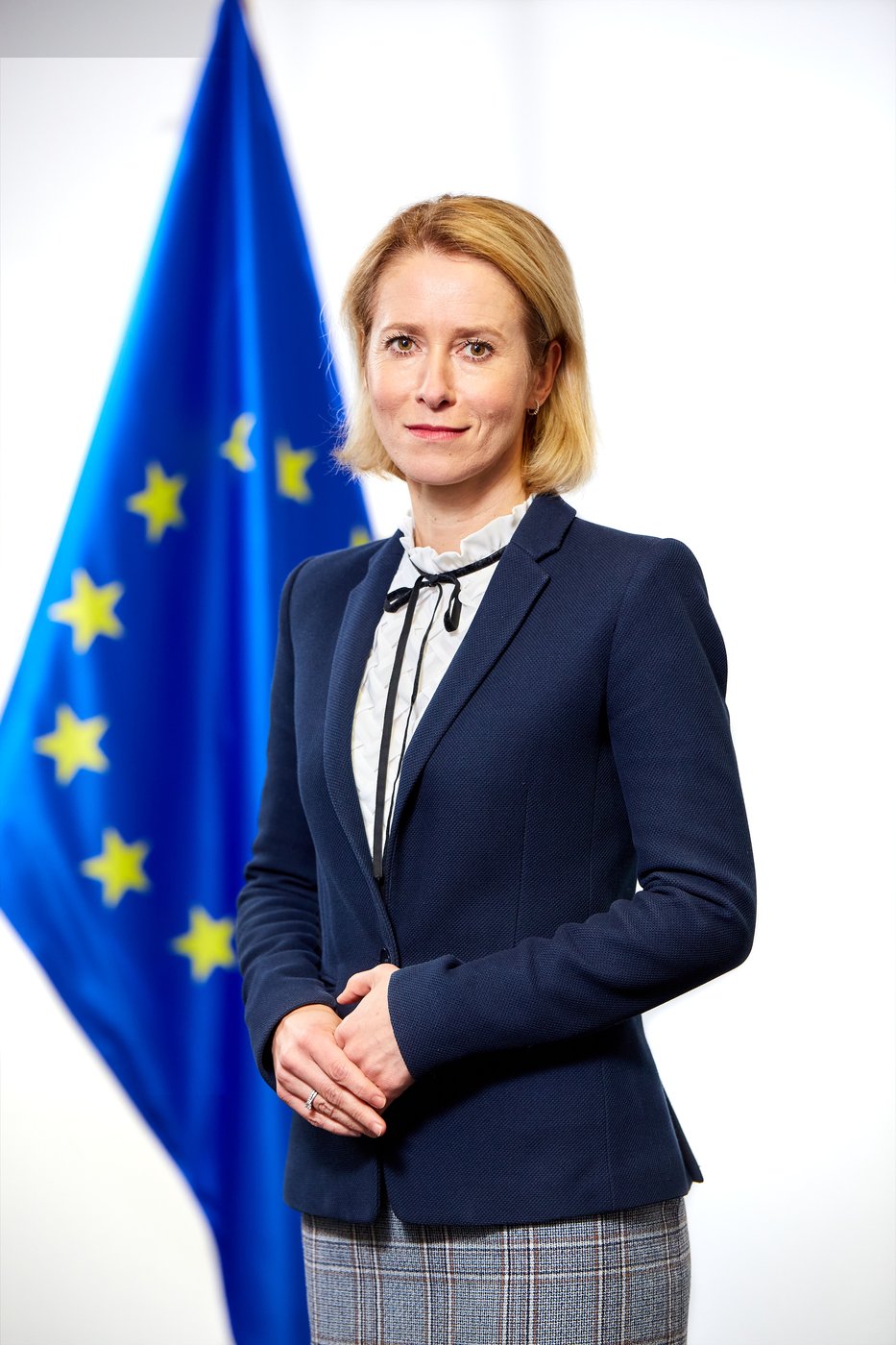
Kallas went further than merely identifying the problem. She explicitly linked the Iran war to Russia’s ongoing invasion of Ukraine, arguing that the two conflicts are “very much interlinked” through Moscow’s role as a military supplier to Tehran. “If America wants the war in the Middle East to stop and Iran to stop attacking them, they should put pressure on Russia so that they are not able to help Iran,” she told reporters, according to Euronews.
The accusation came against the backdrop of a G7 ministerial session focused almost entirely on the Iran war, now in its 27th day. France, which hosted the meeting, had signalled beforehand that the session would address both Iran’s attacks on Gulf states and the question of third-country support for Tehran’s war effort. A French diplomatic source told France 24 that Paris was “ready to confront the issue of external enablers head-on.”
The Middle East briefing 3,000+ readers start their day with.
One email. Every weekday morning. Free.
How Is Russia Providing Satellite Intelligence to Iran?
Russia has been supplying Iran with detailed satellite imagery from its military constellation of reconnaissance satellites, according to multiple Western intelligence officials cited by NBC News and The Washington Post. The imagery provides Iran with the precise locations and movements of American troops, warships, and aircraft across the Middle East — information that has been used to plan and execute missile and drone strikes against US bases in Saudi Arabia and other Gulf states.
The intelligence comes from a fleet of satellites managed by the Russian Aerospace Forces, a branch of the Russian military that operates both optical and radar reconnaissance spacecraft. According to The Wall Street Journal, the satellite data includes high-resolution imagery capable of identifying individual aircraft parked on flight lines, the positions of naval vessels in port and at sea, and the locations of air defense batteries protecting US installations.
A senior European intelligence officer told The Wall Street Journal on March 17 that Russia’s satellite imagery has been particularly valuable because Iran’s own space-based reconnaissance capabilities remain limited. Iran operates a small number of military satellites, but their resolution and revisit rates fall far short of what Russia’s constellation can provide. The result, the officer said, is that Iran now has access to near-real-time surveillance of American military movements that it could not achieve independently.
The practical consequence has been demonstrated in several strikes. When Iranian ballistic missiles struck Prince Sultan Air Base in al-Kharj, Saudi Arabia, they damaged five US Air Force KC-135 Stratotanker refuelling aircraft parked on the flight line, according to The Aviationist and Military Times. The precision of the strike — hitting a specific cluster of aircraft at a base covering more than 100 square kilometres — suggested the attackers had access to detailed, current imagery of the base layout and aircraft dispersal patterns.
What Drone Technology Has Russia Transferred to Iran?
Beyond satellite intelligence, Russia has been providing Iran with components to modify its Shahed-series one-way attack drones, according to CNN. The modifications include improved communications systems, enhanced navigation equipment, and more precise targeting capabilities — upgrades that have made the drones harder to intercept and more accurate when they reach their targets.
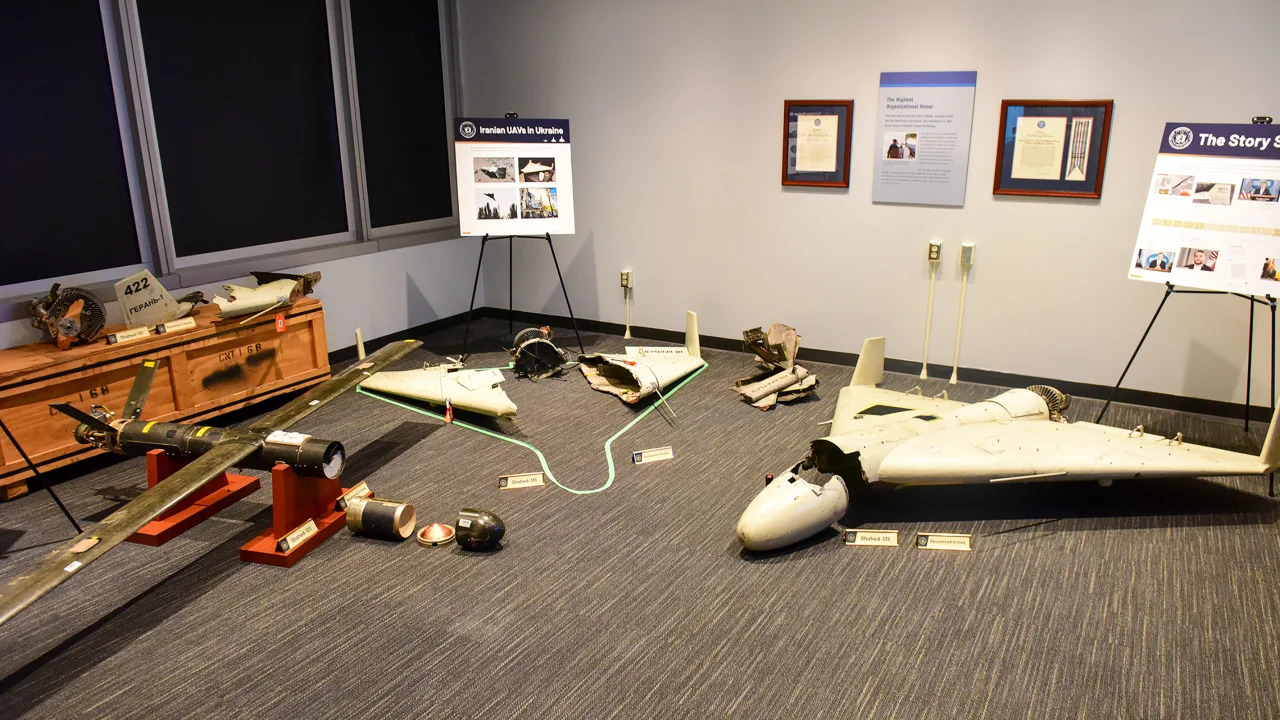
The technology transfer builds on a relationship that dates to 2022, when Iran began shipping Shahed-136 drones to Russia for use against Ukraine. In February 2023, Russia established a drone production facility at the Alabuga Special Economic Zone in Tatarstan, supported by Iranian technology and expertise. Iran transferred 600 disassembled Shahed-136 drones, components for an additional 1,300 units, and extensive training and technical support, according to the Atlantic Council.
The flow of expertise has now reversed. Russia, which has spent more than two years deploying Iranian-designed drones against Ukrainian air defences, has accumulated extensive operational data on drone tactics, electronic warfare countermeasures, and swarm attack methodologies. CNN reported on March 11, citing a Western intelligence source, that Russia has been sharing “advanced drone tactics” with Iran, including advice on optimal launch patterns and how to coordinate drone and ballistic missile attacks to overwhelm air defence systems.
The implications for Gulf states are significant. Saudi Arabia’s air defence network, built around American-supplied Patriot and THAAD systems, was designed primarily to intercept ballistic missiles and high-altitude threats. The growing sophistication of Iran’s drone arsenal, enhanced by Russian technology and operational expertise, has forced Gulf air defences to engage a far higher volume of lower-altitude, slower-moving targets that consume expensive interceptor missiles at an unsustainable rate.
US Forces in Saudi Arabia Under Fire
The Russian intelligence-sharing has direct consequences for Saudi Arabia, which hosts the largest concentration of American military assets in the Gulf. Prince Sultan Air Base, located approximately 100 kilometres south of Riyadh near al-Kharj, serves as the primary hub for US Central Command air operations in the region and houses fighter jets, refuelling tankers, surveillance aircraft, and air defence batteries.
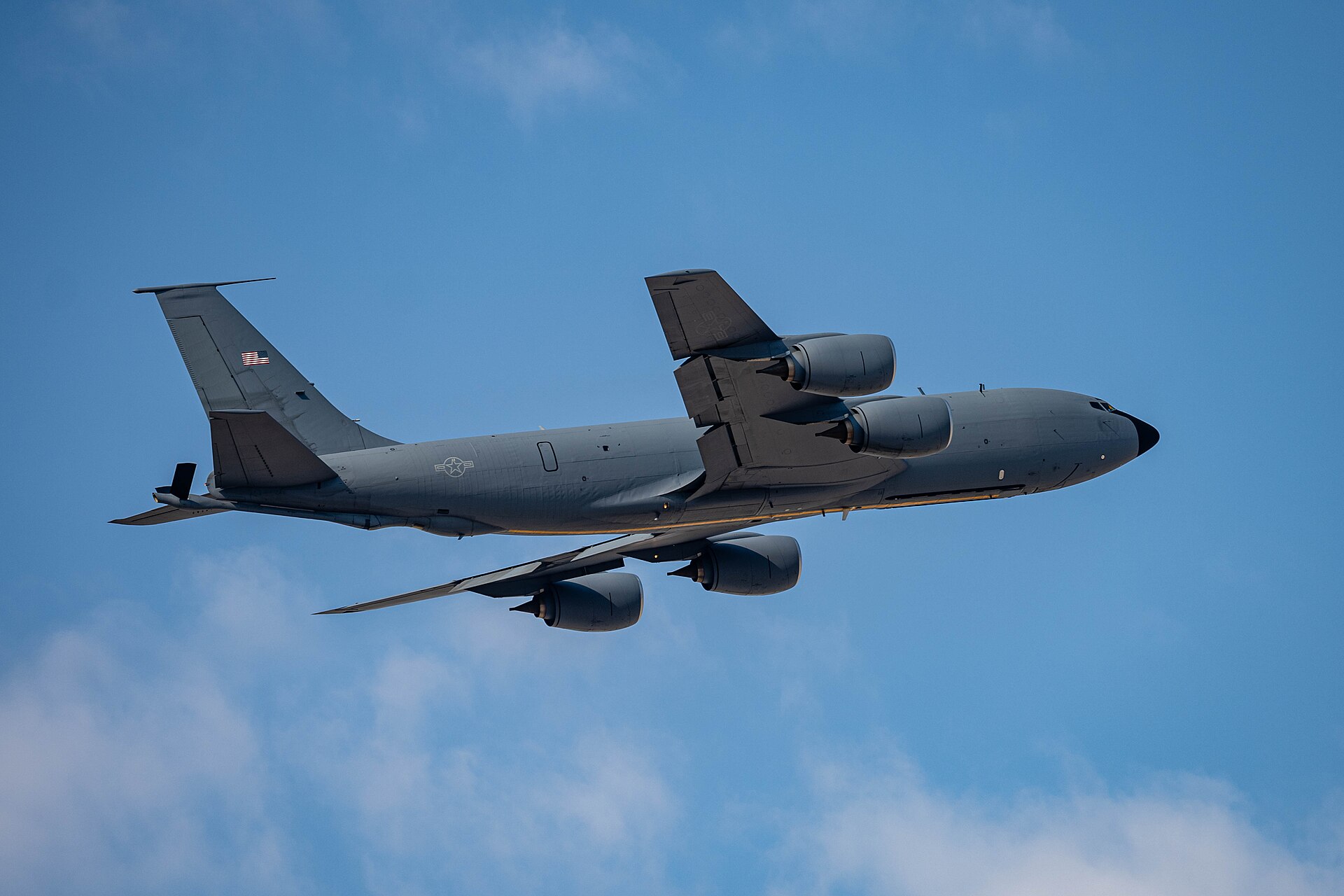
The base has been struck multiple times since the Iran war began. Saudi Arabia’s Ministry of Defence reported intercepting three ballistic missiles targeting Prince Sultan Air Base on one occasion and two ballistic missiles on another. Despite the interceptions, the Iranian strike that damaged five KC-135 tankers demonstrated that some projectiles are getting through. President Donald Trump characterised the damage as “virtually no” damage, according to The Jerusalem Post, but The Aviationist and Military Times reported that the aircraft were struck and sustained damage while parked on the flight line.
Saudi Arabia has also allowed the US to use King Fahd Air Base in Taif for operations against Iran, a policy shift that has expanded Saudi Arabia’s exposure to Iranian retaliation. As of March 26, the Saudi Defence Ministry announced the interception and destruction of drones in the Eastern Province, home to the majority of the Kingdom’s oil facilities and a frequent target of Iranian attacks.
The US Embassy in Riyadh issued its latest security alert on March 26, directing all US government employees to shelter in place and recommending that all Americans in Saudi Arabia do the same “until further notice.” The embassy and consulates have suspended routine consular services. The State Department has upgraded Saudi Arabia to Level 3 — “reconsider travel” — reflecting the sustained threat from Iranian missile and drone attacks on locations where American forces and civilians are present.
An estimated 40,000 to 50,000 American military personnel are now deployed across the Gulf region, according to the Pentagon, spread across bases in Saudi Arabia, the UAE, Bahrain, Kuwait, and Qatar. Each of these installations has been targeted by Iranian strikes since the war began, and the Russian satellite data — which provides real-time tracking of force movements and dispositions — gives Tehran a targeting advantage that Gulf air defence systems were not designed to counter. The challenge is not intercepting the incoming projectiles, but preventing the adversary from knowing precisely where to aim them.
Russia Rejects the Accusations
The Kremlin has dismissed the allegations as fabricated. When asked about the EU’s accusations, a Kremlin spokesman described the reports as part of “many lies” surrounding the Iran war, according to News9Live. Moscow has neither confirmed nor denied the existence of an intelligence-sharing arrangement with Tehran, instead characterising the allegations as Western disinformation designed to justify further sanctions against Russia.
Russia’s Foreign Ministry issued a separate statement calling the EU’s claims “unsubstantiated and politically motivated,” according to TASS. The ministry accused Brussels of using the Iran war to advance a “Russophobic agenda” and said Moscow’s relationship with Tehran is based on “legitimate bilateral cooperation” that does not violate any international agreements.
The denials echo a pattern established during the Ukraine war, where Russia initially denied supplying Iran with military technology before evidence of drone component transfers became overwhelming. Iran’s Fars News Agency and the Islamic Revolutionary Guard Corps have separately claimed responsibility for targeting Prince Sultan Air Base and other Gulf installations, but neither has addressed the question of Russian targeting assistance.
The Russian position is complicated by the broader geopolitical context. Moscow has publicly maintained a stance of diplomatic engagement with both sides of the Iran war, hosting contacts with Iranian officials while also maintaining communication channels with Washington. Russia has sought to position itself as a potential mediator, a role that Kallas’s accusations undermine by characterising Moscow as an active belligerent supporting Iran’s targeting of American personnel.
Analysts at the Royal United Services Institute (RUSI) in London noted that Russia’s intelligence-sharing with Iran mirrors its pattern of providing targeting data to its own forces in Ukraine. “The satellite-to-strike pipeline that Russia developed for its own military operations is now being exported to Iran,” a RUSI researcher told Reuters in early March. “The question is no longer whether Russia is helping Iran target US forces, but how much damage that help has actually caused.”
Why the EU Links the Ukraine and Iran Wars
Kallas’s accusation served a dual purpose: condemning Russian support for Iran while simultaneously arguing for increased Western pressure on Moscow over Ukraine. By framing the two conflicts as “very much interlinked,” the EU’s top diplomat sought to bridge a gap that has widened since the Iran war began — the perception that Washington’s focus on the Middle East has come at the expense of support for Ukraine.
The linkage is not merely diplomatic rhetoric. The same drone technology that Iran shipped to Russia for use against Ukraine is now being refined and sent back to Iran with Russian modifications for use against Gulf targets. The arrival of Ukrainian President Volodymyr Zelenskyy in Saudi Arabia on March 26 to offer drone defence expertise underscored the point: Ukraine, which has spent years developing countermeasures against the same Shahed drones now threatening Saudi Arabia, is positioning itself as the Gulf’s most experienced partner in the very air defence challenge that Russian technology has made worse. The full scope of this convergence between the Ukraine and Iran wars extends across seven dimensions, from shared weapons systems to shared intelligence networks.
Kallas’s message was also directed at a Washington that has shown declining interest in the Ukraine conflict since the Iran war began. Rising oil prices, driven by the Hormuz blockade, have benefited Russia’s economy even as sanctions have sought to constrain it. According to Capital Economics, Russia’s oil revenues have increased by an estimated 15-20 percent since the Iran war began, as global crude prices surged above $100 per barrel. “Russia is benefiting from the war premium that the Iran conflict has created,” Kallas told reporters, according to Euronews. “They have every financial incentive to keep this going.”
Germany’s foreign minister echoed the concern, calling for a unified NATO position on both conflicts before any talks with Tehran. The G7 communique issued after the meeting condemned “third-party military assistance to Iran” without naming Russia directly, but Kallas’s on-the-record statements left no ambiguity about the target of the accusation. The broader G7 joint statement issued the following day exposed a deep transatlantic rift over the Iran war as Rubio faced skeptical allies who refused to join offensive operations.
What Has the White House Said?
The White House has acknowledged the intelligence reports but sought to downplay their operational impact. White House spokesperson Olivia Wales stated that “nothing provided to Iran by any other country is affecting our operational success,” according to NBC News. The statement suggested that while the administration accepts that Russia is sharing intelligence with Iran, it does not believe that assistance has materially changed the outcome of military operations.
The response reflects a delicate balancing act for the Trump administration. Publicly accusing Russia of helping Iran target American forces would complicate any remaining diplomatic channels between Washington and Moscow, including those that might be needed for managing the broader regional escalation. At the same time, ignoring the intelligence would expose the administration to criticism that it is failing to protect American troops.
Trump himself has not directly addressed the Russian intelligence-sharing allegations, instead focusing his public statements on Iran’s rejection of his 15-point ceasefire plan and his claim that military operations are “extremely ahead of schedule.” The president has criticised NATO allies for doing “absolutely nothing” to assist with the Iran war, a charge that sits uncomfortably alongside the EU’s argument that Russia — not NATO inaction — is the primary enabler of Iran’s attacks.
Congressional reaction has been more pointed. The Senate Armed Services Committee has requested a classified briefing on the extent of Russian intelligence support to Iran, and several senators have called for expanding sanctions to target Russian satellite and reconnaissance organisations directly involved in the intelligence-sharing pipeline.
The disconnect between European alarm and American restraint reflects different strategic calculations. For the EU, linking Russia to Iran’s attacks strengthens the case for maintaining or expanding Ukraine-related sanctions. For Washington, confronting Moscow over Iran risks complicating a war effort already stretched across multiple fronts. The result is a situation where the EU has publicly named the threat that Washington prefers to manage quietly — a dynamic that Kallas appeared to exploit deliberately at the G7 meeting. The same summit produced a G7 pledge for a post-war Hormuz naval escort force that France and Germany split on, with Paris conditioning any deployment on Iranian agreement — a further illustration of European divisions that benefit neither Riyadh nor Washington.
Frequently Asked Questions
What intelligence is Russia sharing with Iran?
Russia is providing Iran with satellite imagery from its military reconnaissance constellation, showing the precise locations of American warships, aircraft, and base installations across the Middle East. This includes high-resolution imagery capable of identifying individual aircraft on flight lines and the positions of air defence batteries, according to The Wall Street Journal, The Washington Post, and NBC News.
Has Russian intelligence led to specific attacks on Saudi Arabia?
European intelligence officials cited by The Wall Street Journal believe Russian satellite data contributed to the precision of Iranian strikes on Prince Sultan Air Base, where five US Air Force KC-135 Stratotanker refuelling aircraft were damaged. Saudi Arabia has also intercepted multiple ballistic missiles and drones targeting the base and the Eastern Province, where critical oil infrastructure is concentrated.
What drone technology has Russia provided to Iran?
Russia has supplied Iran with components to modify Shahed-series attack drones, improving their communications, navigation, and targeting capabilities, according to CNN. Moscow has also shared operational experience from deploying Iranian-designed drones in Ukraine, including advice on swarm tactics and coordinated drone-missile attacks designed to overwhelm air defences.
What has Russia said in response to the accusations?
The Kremlin has dismissed the allegations as “many lies,” neither confirming nor denying specific intelligence-sharing arrangements with Tehran. Russia has maintained a public stance of diplomatic engagement with both sides of the conflict while privately expanding its military cooperation with Iran.
Why did Kallas link the Iran and Ukraine wars?
EU High Representative Kaja Kallas argued the conflicts are “very much interlinked” because the same drone technology Iran sent to Russia for use against Ukraine is now being returned with Russian modifications for use against Gulf states. She called on Washington to pressure Moscow as a means of reducing Iran’s capability to strike American forces and Gulf infrastructure.