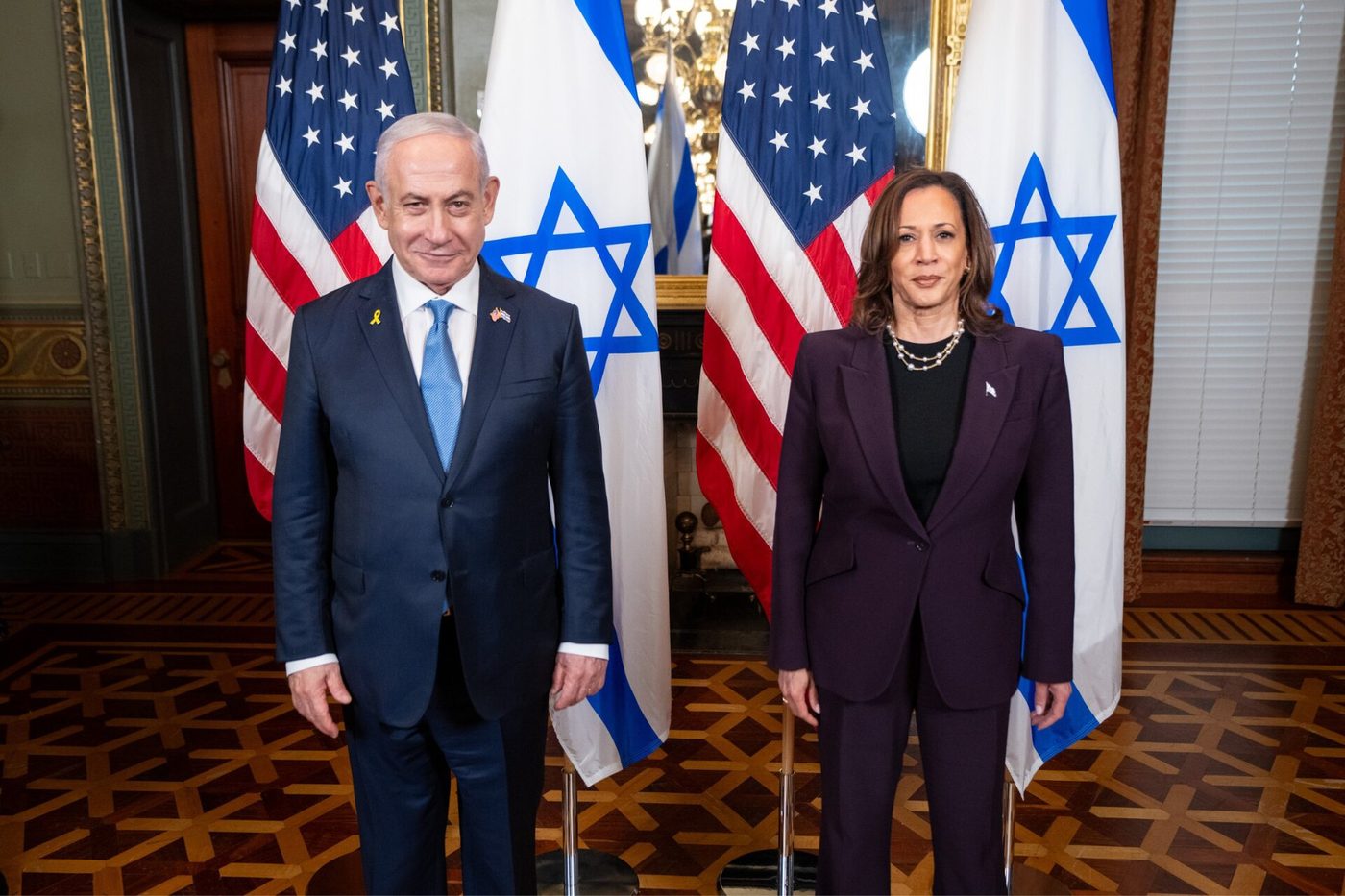

WASHINGTON — Vice President JD Vance confronted Israeli Prime Minister Benjamin Netanyahu in a tense phone call earlier this week, accusing the Israeli leader of making overly optimistic predictions about the Iran war and overselling the likelihood of regime change in Tehran, according to Axios and multiple US and Israeli officials. The rebuke marks the most significant public fracture between Washington and Jerusalem since the conflict began on February 28, and it carries direct consequences for Saudi Arabia and the Gulf states that are absorbing Iranian missile and drone strikes while urging the United States to finish what it started.
The confrontation comes as the war enters its twenty-eighth day with more than 1,900 people killed in Iran, 25 in Gulf countries, and 13 US service members dead. President Donald Trump has extended his deadline for striking Iranian energy infrastructure to April 6, and Special Envoy Steve Witkoff has circulated a 15-point peace proposal through Pakistani intermediaries. Gulf leaders, who initially opposed the conflict, now fear a premature settlement that leaves Iran capable of threatening their oil infrastructure, desalination plants, and the economic transformation programs that underpin their post-oil futures.
Table of Contents
- What Did Vance Tell Netanyahu About the Iran War?
- Who Is JD Vance in the Iran War Peace Process?
- Why Does the US-Israel Rift Matter for Saudi Arabia and the Gulf?
- Gulf States Wanted No Part of This War. Now They Fear Peace More.
- What Are the 15 Points in Trump’s Peace Proposal?
- The Alleged Israeli Smear Campaign Against Vance
- Saudi Arabia Between Two Allies and One War
- Day 28 of the Iran War — Where the Conflict Stands
- Frequently Asked Questions
What Did Vance Tell Netanyahu About the Iran War?
Vance told Netanyahu that several of his predictions about the war had proved far too optimistic, particularly regarding the prospects of a popular uprising inside Iran that would topple the Islamic Republic, according to Axios, citing US officials familiar with the conversation. The call, which took place earlier this week, was described by sources as “difficult” and exposed a widening gap between American and Israeli assessments of how the conflict is unfolding.
“Before the war, Bibi really sold it to the president as being easy, as regime change being a lot likelier than it was. And the VP was clear-eyed about some of those statements,” a US source told Axios. The vice president specifically challenged Netanyahu’s pre-war assertion that the Iranian regime would “fall swiftly” once military operations began and that a “popular uprising leading to regime change in Tehran” would follow the initial strikes.
Twenty-eight days into the conflict, no such uprising has materialized. Iran’s Islamic Revolutionary Guard Corps continues to launch missiles and drones at Gulf states, the Strait of Hormuz remains partially closed, and the regime in Tehran shows no signs of collapse. More than 24,800 Iranians have been injured, including some 4,000 women and 1,621 children, according to Al Jazeera’s live tracker, but the anticipated regime fracture has not occurred.
Trump himself had previously rebuffed Netanyahu’s suggestion to publicly call for an Iranian uprising. “They’ll get mowed down,” Trump told Netanyahu in an earlier call, according to Axios reporting from March 25, reflecting a sober assessment from the president that the Iranian security apparatus remains intact enough to suppress domestic dissent despite weeks of bombardment.
The Middle East briefing 3,000+ readers start their day with.
One email. Every weekday morning. Free.
Who Is JD Vance in the Iran War Peace Process?
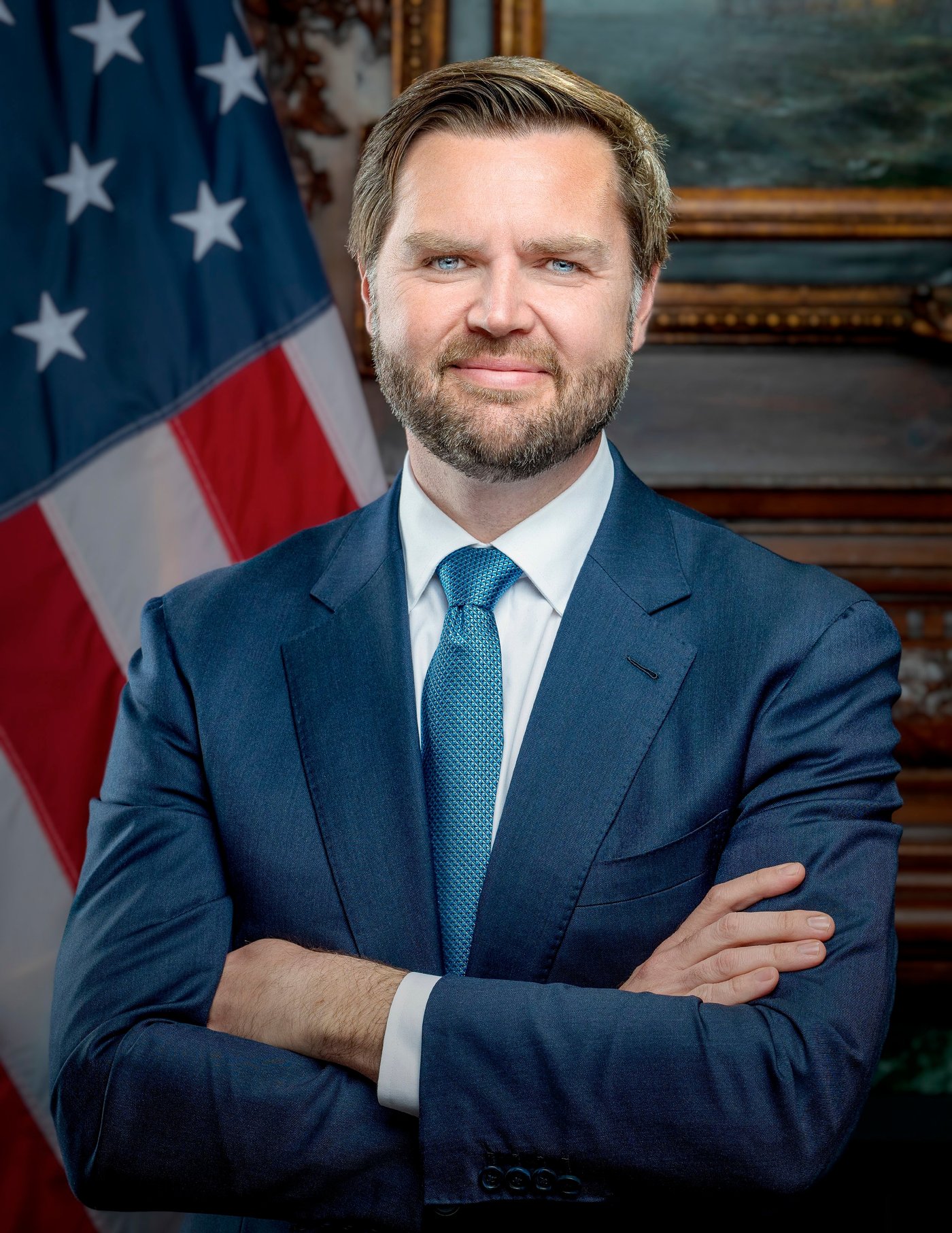
Vance has emerged as the most consequential figure in the Trump administration’s effort to negotiate an end to the Iran conflict, a role that places him at the center of competing demands from Israel, the Gulf states, and Iran itself. He has held multiple calls with Netanyahu, met Gulf allies about the war, and been involved in indirect communications with the Iranians through Pakistani intermediaries, according to Axios.
The vice president’s involvement reflects a deliberate choice by Trump to hand the diplomatic track to someone who was skeptical of the war’s scope from the outset. Vance was “highly skeptical of Israel’s rosy prewar assessment of how the war would unfold,” according to reporting, and currently expects the conflict to continue for at least several more weeks before any settlement is possible.
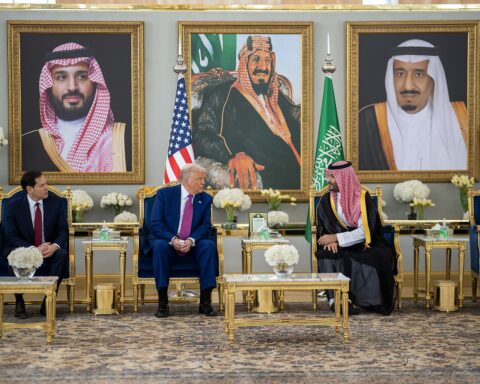
That skepticism puts Vance at odds not only with Netanyahu but also with Gulf leaders who want the United States to press its military advantage until Iran is permanently weakened. For Crown Prince Mohammed bin Salman, who has been speaking regularly with Trump and urging harsh action against Iran according to the New York Times, the question of who leads the American negotiating effort is not academic. A deal shaped by Vance’s more cautious instincts could leave the Gulf exposed to the very threats that prompted the conflict.
Vance’s approach to the peace process is expected to prioritize achievable outcomes over maximalist demands. While Netanyahu has called for nothing less than regime change, and Gulf states want a guarantee that Iran can never again threaten their infrastructure, Vance appears inclined toward a narrower agreement focused on Iran’s nuclear program and the reopening of the Strait of Hormuz.
Why Does the US-Israel Rift Matter for Saudi Arabia and the Gulf?
The fracture between Vance and Netanyahu is not a personal disagreement. It reflects a structural tension in the coalition prosecuting the Iran war, and that tension has direct implications for every country in the Persian Gulf that has spent the past month absorbing Iranian retaliation. If the United States and Israel cannot agree on what victory looks like, the Gulf states risk being left with the worst possible outcome: a war that inflicted massive damage on their infrastructure but failed to remove the threat that caused it.
Saudi Arabia has intercepted hundreds of drones and dozens of missiles since February 28. On March 27 alone, the Saudi Defence Ministry reported intercepting six ballistic missiles aimed at Riyadh and destroying seventeen drones over the Eastern Province, where the Kingdom’s most critical oil infrastructure sits. At least six missiles were fired toward the capital in a single barrage, according to the Saudi Defence Ministry, with two intercepted and four falling into the Arabian Gulf or uninhabited areas.
The damage extends beyond Saudi borders. Kuwait’s Shuwaikh Port, the country’s main commercial hub, was struck by drones on March 27, with material damage reported by the Kuwait Ports Authority. Mubarak Al Kabeer Port was hit by a combined drone and cruise missile attack the same day. The UAE has suffered at least two deaths from Iranian strikes, and Bahrain has intercepted 385 Iranian projectiles since the war began, according to reporting by the National.
For these nations, the US-Israel rift raises a specific fear: that Washington will cut a deal with Tehran that addresses American priorities — the nuclear program, the Strait of Hormuz — while leaving the Gulf’s own security concerns unresolved. An Iran that retains its drone production capability, its ballistic missile stockpile, and its network of proxy forces across Iraq, Lebanon, and Yemen remains an existential threat to the economic transformation programs that Saudi Arabia’s royal family and its Gulf neighbours have staked their futures on.
The deeper risk for Riyadh is not diplomatic betrayal but democratic gravity: American public opinion is turning against the war, and no alliance survives indefinitely when the electorate paying for it sees no return.
Gulf States Wanted No Part of This War. Now They Fear Peace More.
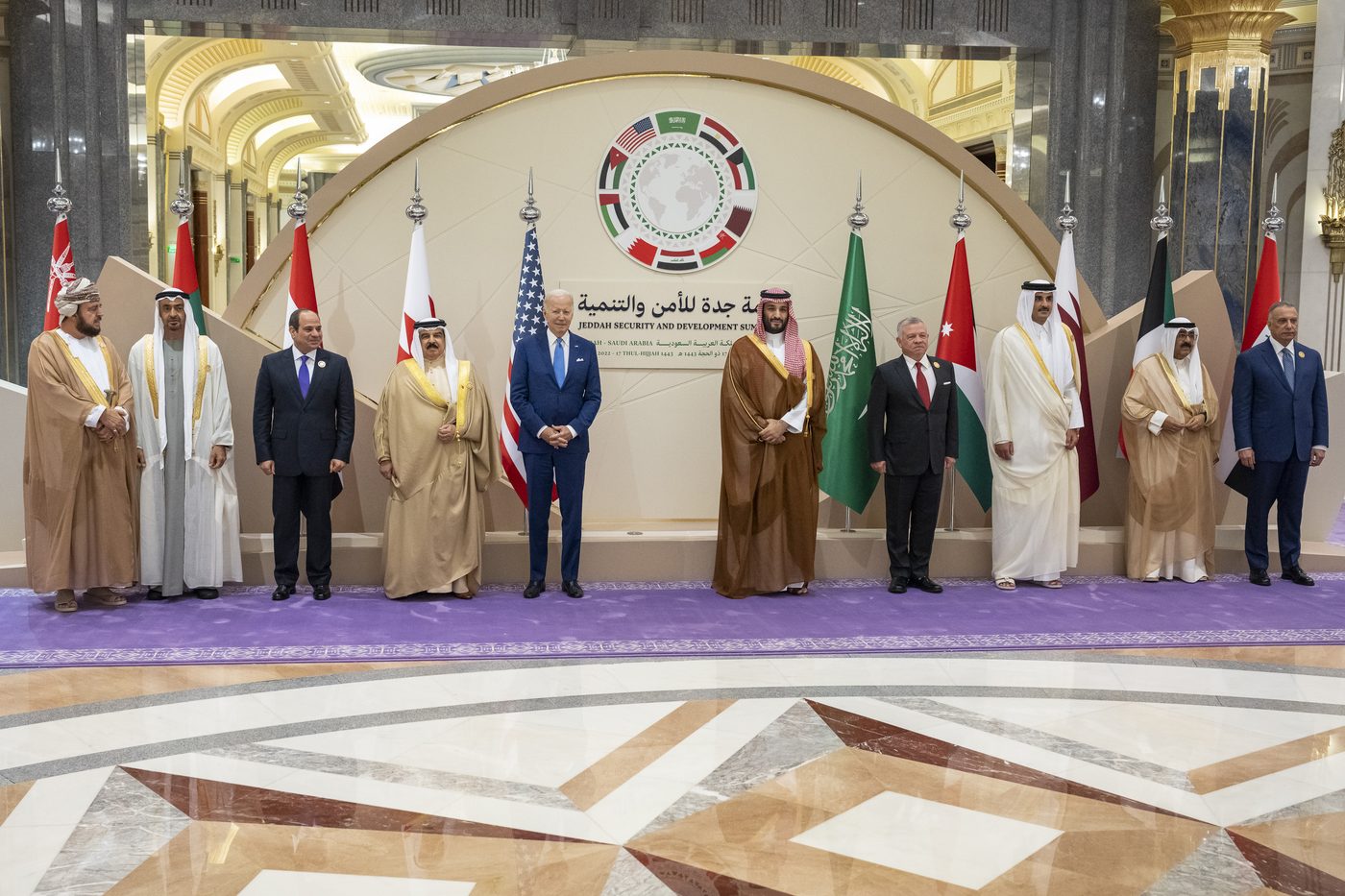
The Gulf states’ position has undergone a remarkable transformation since the war began. In the first days of the conflict, Riyadh, Abu Dhabi, and Doha scrambled to distance themselves from the US-Israeli strikes on Iran, insisting their territory could not be used for offensive operations. Four weeks later, that neutrality has collapsed under the weight of Iranian retaliation, and the same governments that initially resisted the war are now urging Washington not to stop fighting too soon.
Gulf countries want Trump to end the Iran war, but not yet, the Washington Post reported on March 26, citing US allies in the Persian Gulf who have “become fearful of a hasty settlement that leaves the region less stable than it was a month ago.” The Council on Foreign Relations published a parallel analysis noting that Gulf leaders “did not initiate this conflict but now view completing it as existential.”
The logic is straightforward. An Iranian regime left intact after this war, with control of the Strait of Hormuz and an emboldened IRGC capable of striking energy facilities at will, represents the Gulf states’ worst-case scenario. Hundreds of billions of dollars have been invested in economic transformation initiatives across the region — from Saudi Arabia’s Vision 2030 to the UAE’s tourism and technology hubs — that depend on regional stability to attract foreign investors, multinational workers, and technology companies.
“The Gulf countries want to come out of this war with guarantees that Iran cannot threaten them, that the Strait of Hormuz will be open and secure,” according to reporting by CNN, which noted that Gulf allies are counseling against a premature US military cessation and seeking American and Israeli commitment to fully neutralizing Iranian threat capability.
Saudi Arabia’s specific concerns are particularly acute. The Kingdom opened King Fahd Air Base in Taif to US forces on March 20, an apparent reversal of its earlier refusal to allow its bases to be used for strikes on Iran, according to the Wall Street Journal. MBS has been pushing Trump to continue the campaign, the New York Times reported, though Saudi officials publicly deny that the Crown Prince wants the war to continue.
| Country | Initial Position (Feb 28) | Current Position (Mar 27) | Key Concern |
|---|---|---|---|
| Saudi Arabia | Bases not for offensive use | Opened King Fahd Air Base to US | Eastern Province oil infrastructure |
| UAE | Called for restraint | Preparing for months-long war (WSJ) | At least 2 killed, infrastructure damage |
| Kuwait | Sought diplomatic solution | Airport and ports hit; seeks UN action | Shuwaikh and Mubarak ports attacked |
| Bahrain | Supported US position | Intercepted 385 projectiles; asked UN for force | Small territory, limited defense depth |
| Qatar | Offered mediation | Ras Laffan targeted; expelled Iranian staff | LNG exports, Al Udeid Air Base |
What Are the 15 Points in Trump’s Peace Proposal?
Special Envoy Steve Witkoff circulated a 15-point action plan to Iran through Pakistani intermediaries that forms the framework for any peace agreement, according to CBS News and NPR. While the full text has not been publicly released, several key demands have emerged from officials briefed on the document.
The nuclear conditions are the most stringent. The US demands “no chance” of Iran weaponizing its nuclear program, the decommissioning of the Fordow underground enrichment facility, a complete ban on uranium enrichment, a prohibition on stockpiling nuclear material, and the handover of all enriched uranium to the United States, according to Witkoff’s public statements and reporting by Fox News and Time magazine.
The plan also demands a significant cutback in Iran’s ballistic missile inventory and range capability, which directly addresses the Gulf states’ primary security concern. In exchange, the United States offered sanctions relief, though the specific scope of that relief has not been disclosed.
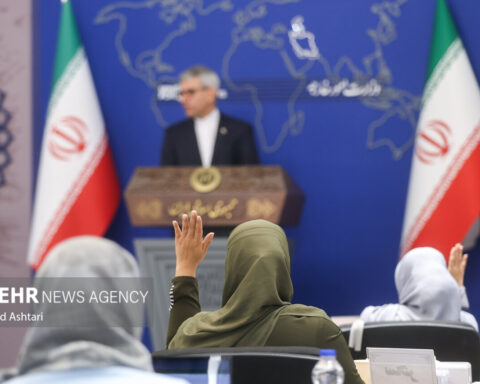
Iran countered with five conditions of its own: an immediate end to all attacks and assassinations, guarantees that the conflict will not be repeated, compensation for war-related damages, and rights over the Strait of Hormuz. Tehran has publicly rejected the broader framework while continuing what US officials describe as indirect communications through Pakistan.
Trump extended the deadline for strikes on Iranian energy infrastructure to April 6 after Iran asked for seven days and the president granted ten. “I’m pausing the period of Energy Plant destruction by 10 Days to Monday, April 6, 2026, at 8 PM, Eastern Time,” Trump wrote on Truth Social on March 26, claiming that talks were going “very well” despite Iran’s public denials of any formal negotiations.
For Gulf states, the 15-point plan contains significant gaps. It focuses heavily on nuclear and missile issues — American priorities — while saying little about Iran’s drone production capability, its proxy network, or the kind of sustained security guarantees that Riyadh and Abu Dhabi consider essential. The fear in Gulf capitals is that Witkoff’s framework was designed to address Washington’s red lines, not the region’s.
The Alleged Israeli Smear Campaign Against Vance
The day after the tense Vance-Netanyahu phone call, a right-wing Israeli newspaper owned by Republican mega-donor Miriam Adelson published a report claiming that Vance had “yelled at Netanyahu” during the call — not about the war, but about settler violence against Palestinians in the West Bank. Multiple US and Israeli sources told Axios the story was erroneous, and Vance advisers suspected it was deliberately leaked by the Israeli side to undermine the vice president’s credibility.
The alleged smear attempt reflects a deeper Israeli anxiety. Netanyahu’s government has built its war strategy around the assumption of unconditional American support, and a vice president who openly questions the war’s foundational premises threatens that dynamic. If Vance shapes the peace deal, Israel may face a settlement that falls short of the regime change Netanyahu publicly demanded.
A US official accused Israel of “attempting to undermine Vance” through selective leaks, according to the Times of Israel. Israel denied the allegation. The incident illustrates the fragility of the US-Israel partnership at a moment when both countries’ strategic interests are beginning to diverge: Washington wants an exit, Jerusalem wants escalation, and the Gulf states want guarantees that neither ally is fully prepared to provide.
The Raw Story reported that Vance’s team believes Israel is waging a broader smear campaign to draw him into supporting an expanded war — one that would include the ground invasion of Iranian islands and a commitment to regime change that Vance considers neither achievable nor in America’s interest.
Saudi Arabia Between Two Allies and One War
Saudi Arabia occupies perhaps the most uncomfortable position of any country in the Iran war. It is absorbing Iranian strikes on a daily basis. It has opened its air bases to the American military. Its crown prince has privately urged the US president to intensify the campaign. Yet it has not formally declared war on Iran, and the Crown Prince faces the political awkwardness of fighting alongside Israel — a country with which Saudi Arabia has no formal diplomatic relations — against a Muslim-majority nation.
The Vance-Netanyahu rift adds a new variable to MBS’s calculation. If Washington’s lead negotiator is skeptical of the maximalist war aims that both Israel and Saudi Arabia favour, the Kingdom may need to pursue its own security guarantees outside the US-Israel framework. The defence cooperation agreement with Ukraine signed on March 27 in Jeddah, which focuses on drone interception technology and deploys more than 200 Ukrainian experts to the Gulf, suggests Riyadh is already hedging.
The Kingdom’s defence minister, Prince Khalid bin Salman, met with France’s armed forces minister Catherine Vautrin in Riyadh earlier this week to discuss deepening defence ties, according to the Saudi Gazette. Britain has deployed air defence missiles to Saudi Arabia, Kuwait, and Bahrain. These bilateral arrangements suggest that the Gulf states are building a security architecture that does not depend entirely on the US-Israel coalition — a pragmatic response to the possibility that the coalition’s internal disagreements may leave the region’s concerns unaddressed.
The financial stakes are enormous. Saudi Arabia has invested hundreds of billions in Vision 2030, NEOM, and a diversified economy that requires regional stability to function. Foreign investors, multinational corporations, and the millions of expatriate workers who keep the Saudi economy running all need assurance that Iranian missiles will not target the Kingdom’s cities, ports, and industrial zones. A peace deal that fails to provide that assurance would undermine the economic transformation that MBS has staked his domestic legitimacy on.
Day 28 of the Iran War — Where the Conflict Stands
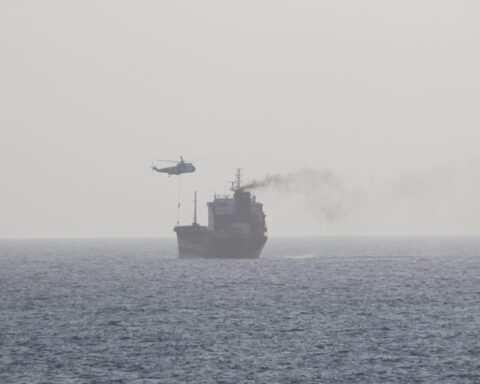
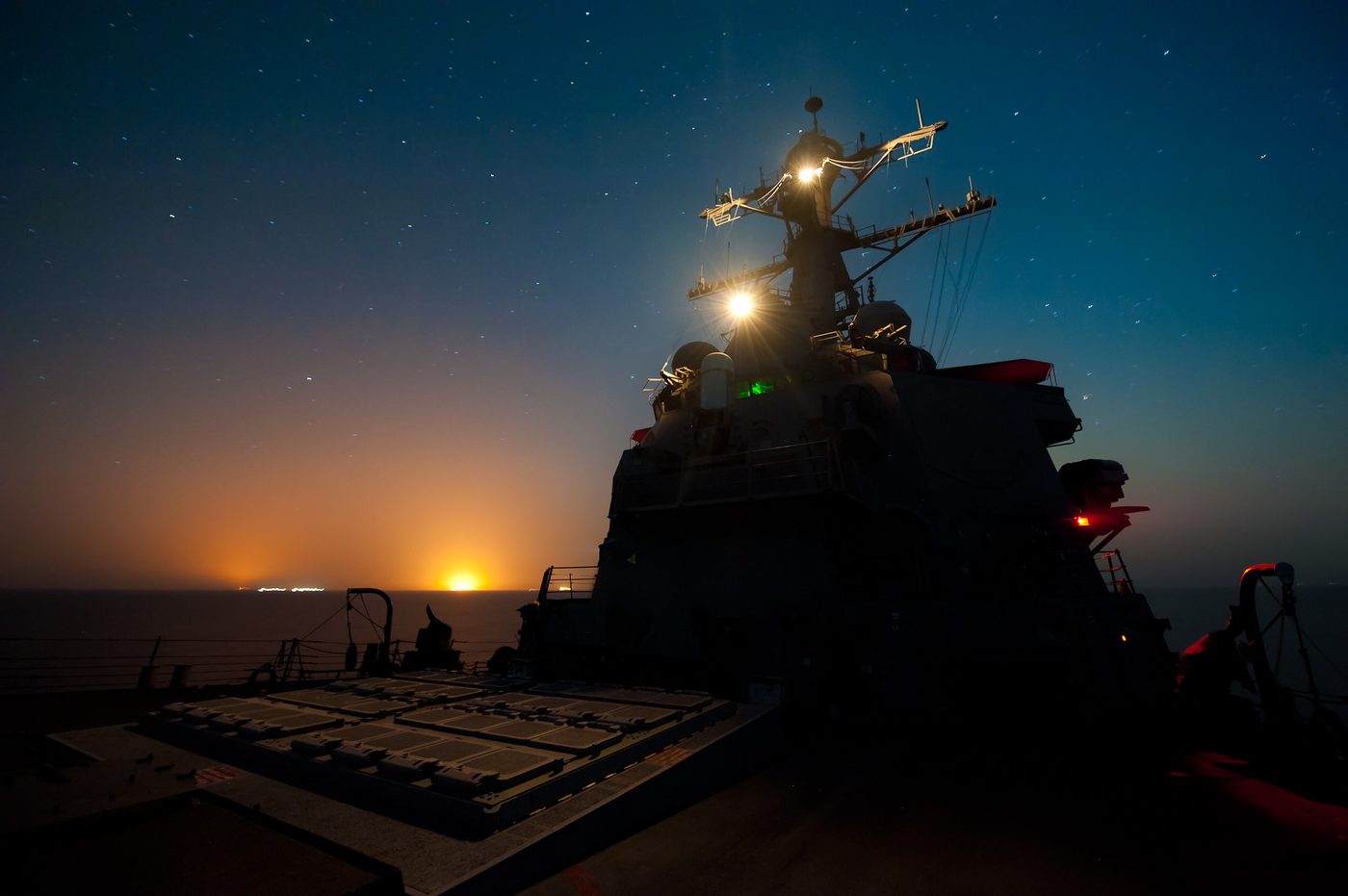
The war that began with coordinated US-Israeli strikes on Iran on February 28 has settled into a pattern of sustained attrition. Iran cannot stop the bombardment of its military infrastructure, but it retains the ability to inflict significant damage on Gulf states through its drone and missile arsenal. The United States and Israel control the skies over Iran, but the Strait of Hormuz remains partially obstructed, global oil markets continue to experience severe disruption, and the humanitarian toll is mounting.
| Metric | Figure | Source |
|---|---|---|
| Killed in Iran | 1,900+ | Al Jazeera live tracker |
| Injured in Iran | 24,800+ | Al Jazeera live tracker |
| Killed in Gulf states | 25 | Multiple sources |
| US service members killed | 13 | Pentagon |
| US service members wounded | 303 | Pentagon |
| Killed in Israel | 19 | Israeli government |
| Killed in Lebanon | 1,116 | Lebanese health ministry |
| Iranian projectiles intercepted by Bahrain | 385 | Bahrain government |
| Trump deadline for energy strikes | April 6 | Truth Social / White House |
On the diplomatic front, the Witkoff 15-point plan remains the only formal framework for negotiations, though Iran has publicly rejected it while maintaining indirect contacts through Pakistan. Trump told reporters at the White House on March 26 that the United States has “very substantial talks going on with respect to Iran,” though Tehran disputes this characterization.
Israel’s Defence Minister Israel Katz vowed on March 27 not to relent in attacks on Iran despite the American push for negotiations, according to Al Jazeera. Hours later, Israeli jets struck two of Iran’s nuclear facilities, hitting the Arak heavy water reactor and the Ardakan yellowcake plant in what Tehran called a direct contradiction of Trump’s diplomatic pause. Netanyahu is reported to have asked the White House whether secret talks with Iran are taking place, according to Axios, suggesting a level of distrust between the two allies that was unthinkable when the war began.
On the military front, the Pentagon disclosed that 303 American service members have been wounded as of Friday, up from approximately 290 reported earlier in the week. The Pentagon is also preparing four potential scenarios for what officials are calling a “final blow,” including the possible seizure of Kharg Island (Iran’s main oil export hub), Larak Island (which controls access to the Strait of Hormuz), and Abu Musa Island, according to Axios reporting on March 26. Trump has not decided to implement any of these options.
The war’s economic toll continues to ripple outward. Brent crude fell below $100 on March 26 for the first time since the conflict began, dropping 6.1 percent to $98.03 per barrel as markets priced in the possibility of a diplomatic breakthrough, according to financial reporting. The decline erased the “war premium” that had kept energy costs elevated for months, but analysts warned the drop could prove temporary if talks collapse and the April 6 deadline passes without progress.
Frequently Asked Questions
What did JD Vance say to Netanyahu about the Iran war?
Vance told Netanyahu that his predictions about the war had proved too optimistic, specifically challenging claims that the Iranian regime would collapse quickly and that a popular uprising would lead to regime change. A US source told Axios that Netanyahu had “sold it to the president as being easy” before the war began, and Vance was “clear-eyed” about the gap between those promises and reality.
Why are Gulf states afraid of an Iran peace deal?
Gulf countries fear a premature settlement that addresses American priorities — such as Iran’s nuclear program and the Strait of Hormuz — while leaving the Gulf’s own security concerns unresolved. An Iran that retains its drone production, ballistic missiles, and proxy network remains an existential threat to the hundreds of billions invested in economic diversification across the region, according to the Washington Post and the Council on Foreign Relations.
What is in the Witkoff 15-point peace plan?
The plan demands that Iran abandon nuclear weaponization, decommission the Fordow facility, halt all uranium enrichment, surrender enriched uranium to the United States, and reduce its ballistic missile arsenal. In exchange, the US offered sanctions relief. Iran countered with five conditions including war reparations, rights over the Strait of Hormuz, and guarantees the conflict will not recur.
Has Saudi Arabia formally entered the Iran war?
Saudi Arabia has not declared war on Iran as of March 27, 2026. However, the Kingdom has opened King Fahd Air Base in Taif to US forces, intercepted hundreds of Iranian drones and missiles, expelled Iran’s military attache and embassy staff, and signed a defence cooperation deal with Ukraine focused on drone countermeasures. Crown Prince Mohammed bin Salman has privately urged Trump to continue the campaign, according to the New York Times.
When is Trump’s next deadline for Iran?
Trump extended the deadline for strikes on Iranian energy infrastructure to April 6, 2026, at 8 PM Eastern Time, after Iran asked for seven days and the president granted ten. If Iran does not meet US conditions by that date, Trump has threatened to destroy Iranian power plants and energy facilities, though he has already extended previous deadlines without following through on the threat.