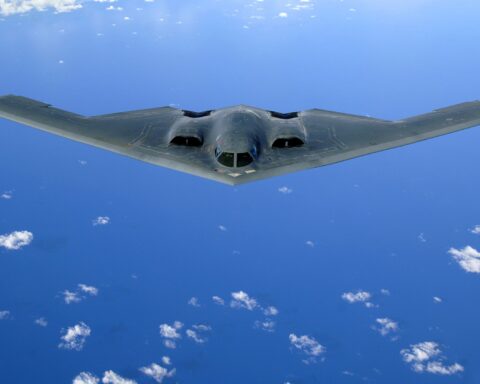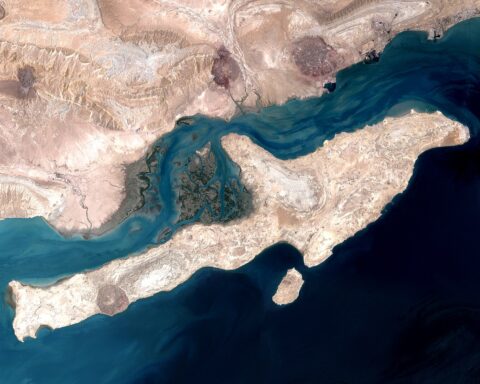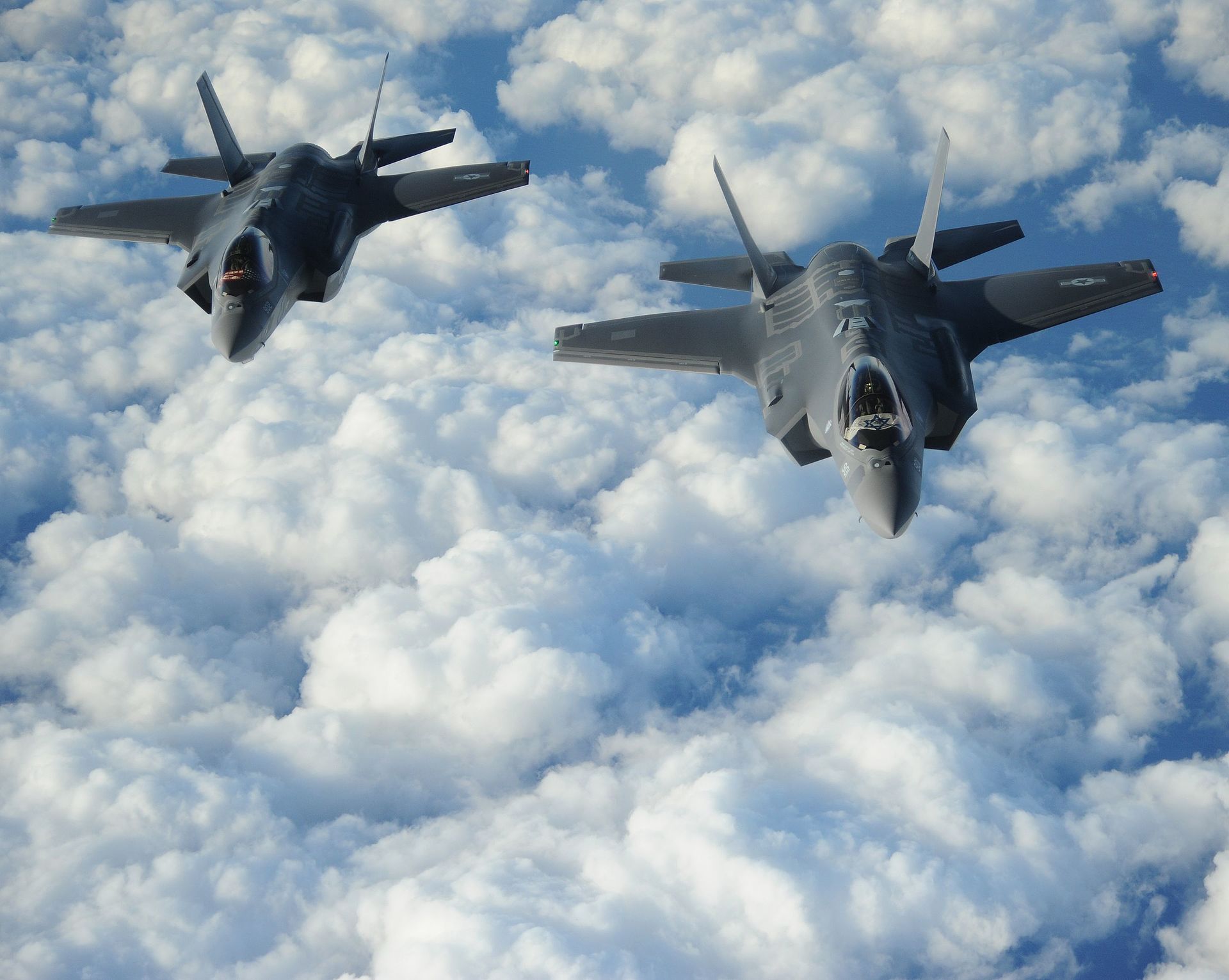

RIYADH — Israel struck two of Iran’s nuclear facilities on Friday, hitting the Arak heavy water reactor complex and the Ardakan yellowcake production plant in what marked the war’s first major assault on Tehran’s atomic infrastructure since the initial wave of attacks on 28 February. The strikes, which Iran’s Atomic Energy Organization confirmed caused damage but no radiation leak, drew an immediate vow from Iranian Foreign Minister Abbas Araghchi that Tehran’s retaliation “will no longer be eye for an eye.” For Saudi Arabia and its Gulf neighbours — already absorbing hundreds of Iranian missiles and drones over 28 days of conflict — the escalation threatens to trigger a fresh wave of retaliatory strikes against energy infrastructure, desalination plants, and military installations across the Arabian Peninsula.
The attacks came barely 24 hours after President Donald Trump extended his pause on striking Iranian energy facilities to 6 April, a move Gulf capitals had interpreted as a fragile opening for diplomacy. Araghchi called the Israeli strikes a direct contradiction of Washington’s diplomatic window, raising the stakes for Riyadh and the broader Gulf Cooperation Council at a moment when the war’s economic toll has already shuttered four of Aramco’s supergiant offshore oil fields and pushed global crude prices above $98 per barrel.
Table of Contents
- What Nuclear Facilities Did Israel Strike?
- How Has Iran Responded to the Nuclear Strikes?
- Trump’s April 6 Deadline and the Israeli Contradiction
- What Does This Mean for Saudi Arabia and the Gulf?
- Gulf Air Defense After 28 Days of War
- Where Does Diplomacy Stand After the Nuclear Strikes?
- Day 28 Timeline of Key Events
- Frequently Asked Questions
What Nuclear Facilities Did Israel Strike?
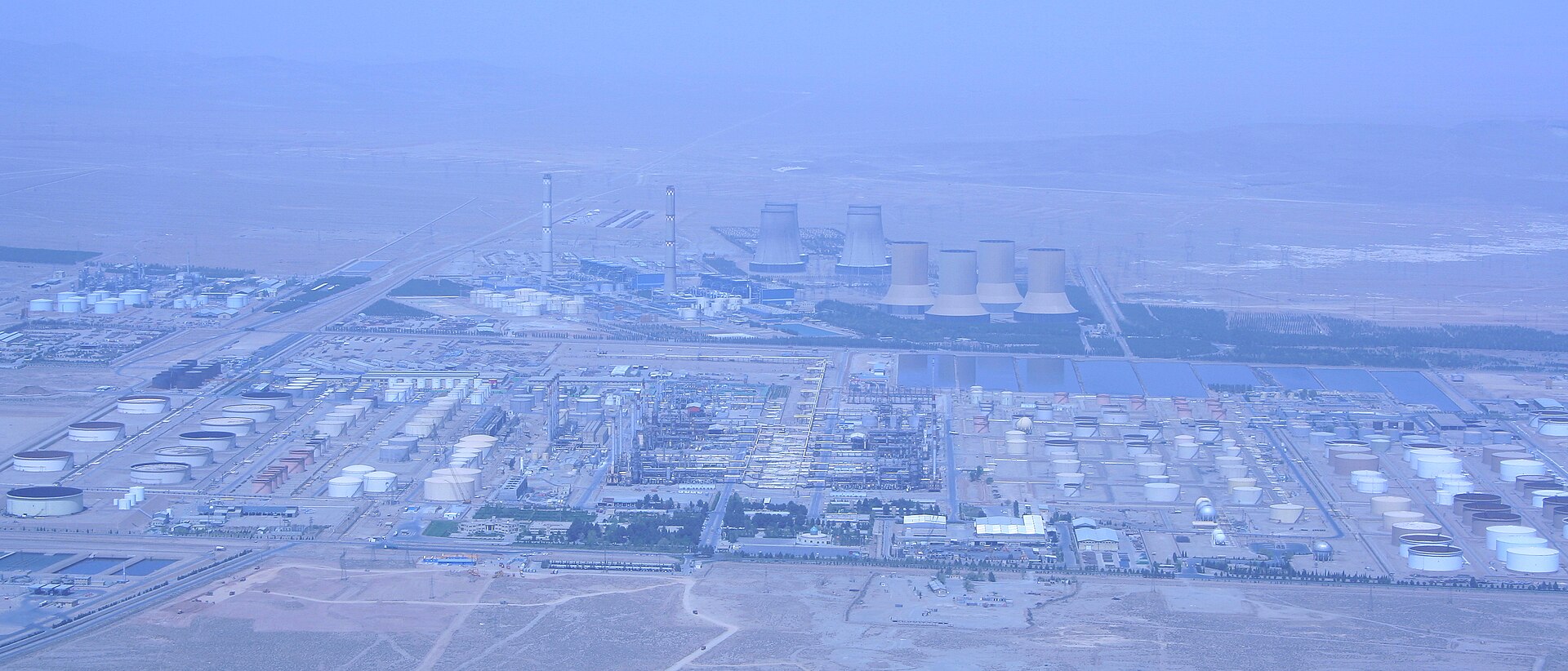
The Israeli Air Force carried out coordinated strikes against two distinct nuclear sites on Friday morning, according to statements from both the Israeli Defense Forces and Iran’s Atomic Energy Organization. The first target was the Shahid Khondab Heavy Water Complex near the city of Arak, approximately 250 kilometres southwest of Tehran. The second was the Ardakan yellowcake production plant in Yazd Province, a facility that processes uranium ore mined at the nearby Saghand mine into yellowcake powder — an intermediate stage in the uranium enrichment process.
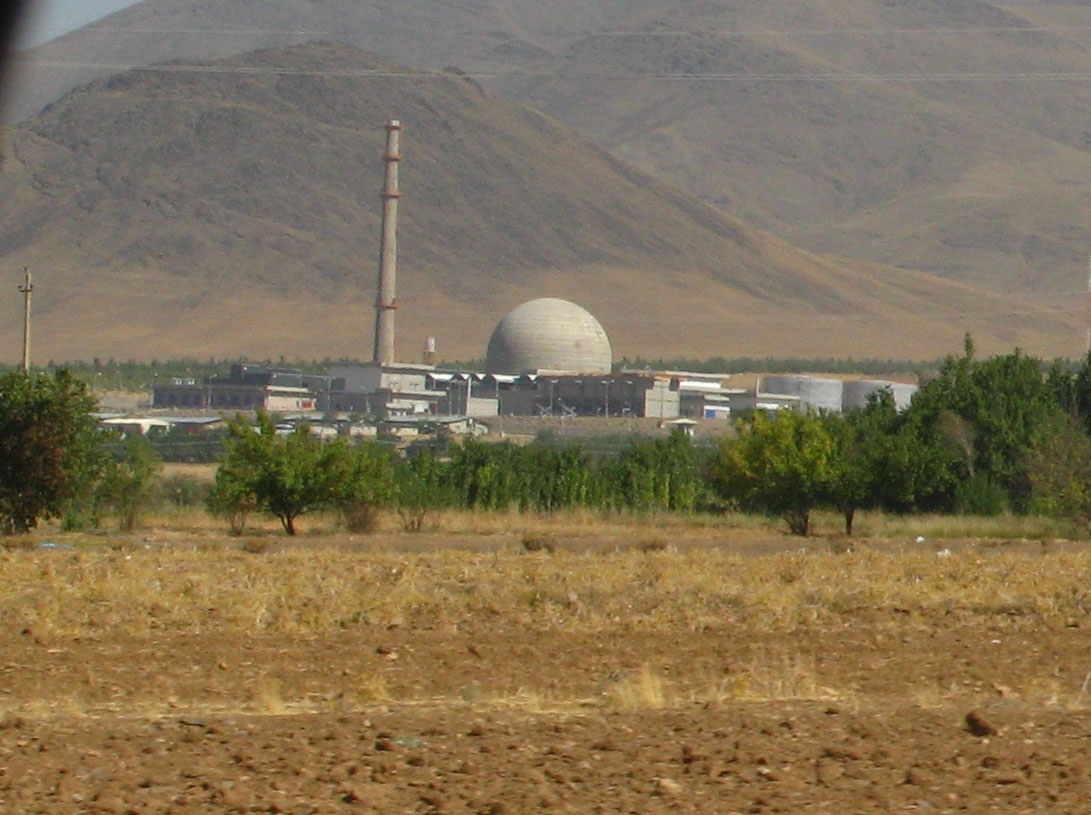
The IDF described the Arak site as a “key plutonium production site for nuclear weapons,” a characterisation Iran has consistently rejected. The heavy water reactor at Arak, known as the IR-40, had been a focal point of international concern for over a decade because of its potential to produce plutonium of a grade sufficient for nuclear weapons. Under the 2015 Joint Comprehensive Plan of Action, Iran agreed to redesign the reactor to limit its plutonium output, but that agreement collapsed after the United States withdrew in 2018.
Israeli strikes had previously damaged the Arak facility during the June 2025 “12-Day War,” and experts from the Institute for Science and International Security assessed at the time that the reactor had been rendered non-operational. Friday’s strikes appeared to target supporting infrastructure and production units adjacent to the main reactor building. Hassan Qamari, a local official in Arak, told Iranian state media that a “production unit nearby was hit several times.”
The Ardakan facility plays a different but equally significant role in Iran’s nuclear supply chain. The plant converts uranium ore into yellowcake, a concentrated uranium powder that serves as feedstock for the gas centrifuges that enrich uranium to various grades. By targeting both the front end (yellowcake production) and the reactor stage (heavy water for plutonium) of Iran’s nuclear infrastructure, Israel struck at two separate pathways to weapons-grade fissile material.
The Middle East briefing 3,000+ readers start their day with.
One email. Every weekday morning. Free.
Iran’s Atomic Energy Organization stated that the attacks caused no casualties, no structural collapse, and no release of radioactive material. Independent verification of these claims remained impossible as international inspectors from the International Atomic Energy Agency had limited access to Iranian facilities since the war began on 28 February.
Israel also struck two steel plants linked to the Islamic Revolutionary Guard Corps during the same wave of attacks, according to the Times of Israel, widening the target set beyond nuclear facilities to include military-industrial infrastructure.
How Has Iran Responded to the Nuclear Strikes?
Iran’s response was swift and threatening. Foreign Minister Abbas Araghchi posted on X within hours of the strikes, calling them a “war crime” and stating that Israel “will pay heavy, increasing prices.” Araghchi explicitly warned that Iran’s retaliation would “no longer be eye for an eye,” language that analysts at the International Institute for Strategic Studies interpreted as signalling a potential shift from proportional responses to asymmetric escalation.
Israeli Defence Minister Israel Katz responded by doubling down on the campaign, stating that “attacks in Iran will escalate and expand to additional targets and areas that assist the regime in building and operating weapons against Israeli citizens.” The exchange of threats marked a significant hardening of rhetoric on both sides even as diplomatic intermediaries worked behind the scenes to arrange talks.
The “no longer eye for an eye” formulation from Araghchi carried particular weight for Gulf capitals. Iran’s retaliatory calculus since the war began has followed a rough pattern: strikes on Israeli and American targets draw counter-strikes on Iranian military infrastructure, which Iran then offsets by hitting Gulf Arab energy facilities and civilian infrastructure. If Tehran abandons proportionality in favour of escalatory retaliation, Saudi Arabia, Qatar, the UAE, Bahrain, and Kuwait face the prospect of attacks on targets that have so far been spared — including critical water desalination infrastructure and civilian power grids.
Since 28 February, Iranian strikes have killed at least two people in Saudi Arabia, three in Bahrain, four soldiers and four civilians in Kuwait, and three in Oman, according to data compiled by the Armed Conflict Location and Event Data Project. The Kingdom’s SAMREF refinery at the Red Sea port of Yanbu has been hit, and Aramco has shuttered four supergiant offshore oil fields in the Eastern Province due to the persistent threat.
Trump’s April 6 Deadline and the Israeli Contradiction
The nuclear strikes landed less than 24 hours after Trump announced his second extension of a deadline threatening Iran’s energy infrastructure. On Thursday, Trump wrote on Truth Social that he was “pausing the period of Energy Plant destruction by 10 Days to Monday, April 6, 2026, at 8 P.M., Eastern Time,” citing what he described as ongoing talks that were “going very well.”
Araghchi seized on the timing, writing on X that the Israeli strikes “contradict POTUS extended deadline for diplomacy.” The accusation placed Washington in an uncomfortable position: Trump’s envoy Steve Witkoff had reportedly presented Iran with a 15-point peace proposal through Pakistani intermediaries, and the extended deadline was meant to give Tehran space to respond. Israeli strikes on nuclear facilities — which the IDF said were conducted “in co-ordination with the US” — appeared to undercut that diplomatic space. That deadline — now set for April 6 — carries consequences far beyond Israel’s nuclear campaign, as a scenario analysis of the April 6 ultimatum reveals four paths forward for Saudi Arabia, none of them reassuring.
The contradiction was not lost on Gulf allies. Saudi Arabia, which has been quietly frustrated by what officials in Riyadh view as Israel’s tendency to escalate without regard for Gulf consequences, now faces a scenario in which its own territory absorbs Iranian retaliation for strikes it did not request, approve, or participate in. MBS has been speaking regularly with Trump, according to reports in the New York Times, urging harsh action against Iran while simultaneously pressing for diplomatic off-ramps — a balancing act that becomes harder to maintain with each Israeli escalation.
The 15-point American peace proposal, according to CBS News, demands that Iran dismantle its nuclear programme, reopen the Strait of Hormuz to all maritime traffic, and curtail its ballistic missile capabilities. Iran has rejected these terms as “maximalist and unreasonable,” according to Al Jazeera, and has countered with its own five-point proposal that includes reparations, guarantees against future military action, and formal recognition of Iranian sovereignty over the Strait of Hormuz.
Trump’s deadline extension to 6 April gave both sides roughly 10 days to bridge what remains an enormous gap. The Israeli nuclear strikes narrowed that window by giving Iran’s hardliners fresh ammunition to argue that diplomacy is a facade for continued military destruction.
What Does This Mean for Saudi Arabia and the Gulf?
For Saudi Arabia, the nuclear strikes amplify a threat that has already forced the Kingdom into its most significant military posture since the 1991 Gulf War. The pattern established over four weeks of conflict is clear: every major Israeli escalation against Iranian strategic assets triggers a wave of retaliatory strikes against Gulf energy and military infrastructure.
When Israel struck Iran’s South Pars gas field on 18 March — a direct hit on Tehran’s most valuable energy asset — Iran responded within hours by attacking Qatar’s Ras Laffan LNG facility, causing damage that Bloomberg estimated would take three to five years to repair and sideline 12.8 million tonnes per year of LNG capacity, equivalent to roughly 17 per cent of Qatar’s total output.
If the nuclear strikes provoke a similar escalatory response, potential Saudi targets include the Eastern Province oil infrastructure that Iran has repeatedly probed, the Yanbu port complex on the Red Sea that serves as Saudi Arabia’s primary oil export alternative to Gulf-facing terminals, and the increasingly stressed air defense network that has intercepted hundreds of drones and missiles since the war began.
Saudi Arabia’s Defence Ministry announced on Friday that it had intercepted and destroyed two drones targeting Riyadh, the second aerial assault on the capital within a single hour. Major General Turki Al-Malki confirmed that 17 additional drones were intercepted over the Eastern Region, bringing the day’s total to at least 19 interceptions — a figure that may rise if Iran follows through on Araghchi’s threat of disproportionate retaliation.
The economic toll is already severe. Brent crude tumbled 6.1 per cent to $98.03 per barrel on 25 March following reports of a potential diplomatic breakthrough, only to reverse course as the nuclear strikes signalled further escalation. The war premium that had kept oil prices elevated for a month briefly evaporated before roaring back, according to Bloomberg, leaving energy markets whipsawed and OPEC+ scrambling to balance a projected global liquids surplus of over three million barrels per day against the geopolitical risk premium.
For Vision 2030, the implications are equally stark. The Public Investment Fund has already cut NEOM allocations and redirected funds toward grain procurement, according to earlier reports. Each week of continued conflict forces Riyadh to choose between its long-term economic transformation and the immediate fiscal demands of a wartime economy — a trade-off that the uncertain duration of American security commitments makes increasingly fraught.
Gulf Air Defense After 28 Days of War
Twenty-eight days into the conflict, the Gulf’s air defense architecture has been tested as never before. Saudi Arabia has intercepted the vast majority of hundreds of Iranian missiles and drones, a performance that Major General Al-Malki has called a vindication of the Kingdom’s $80 billion investment in defense infrastructure. Anadolu Agency reported that Saudi systems intercepted 35 drones in the Eastern Region in a single 24-hour period on 24 March, while 21 additional drones were destroyed the following day.
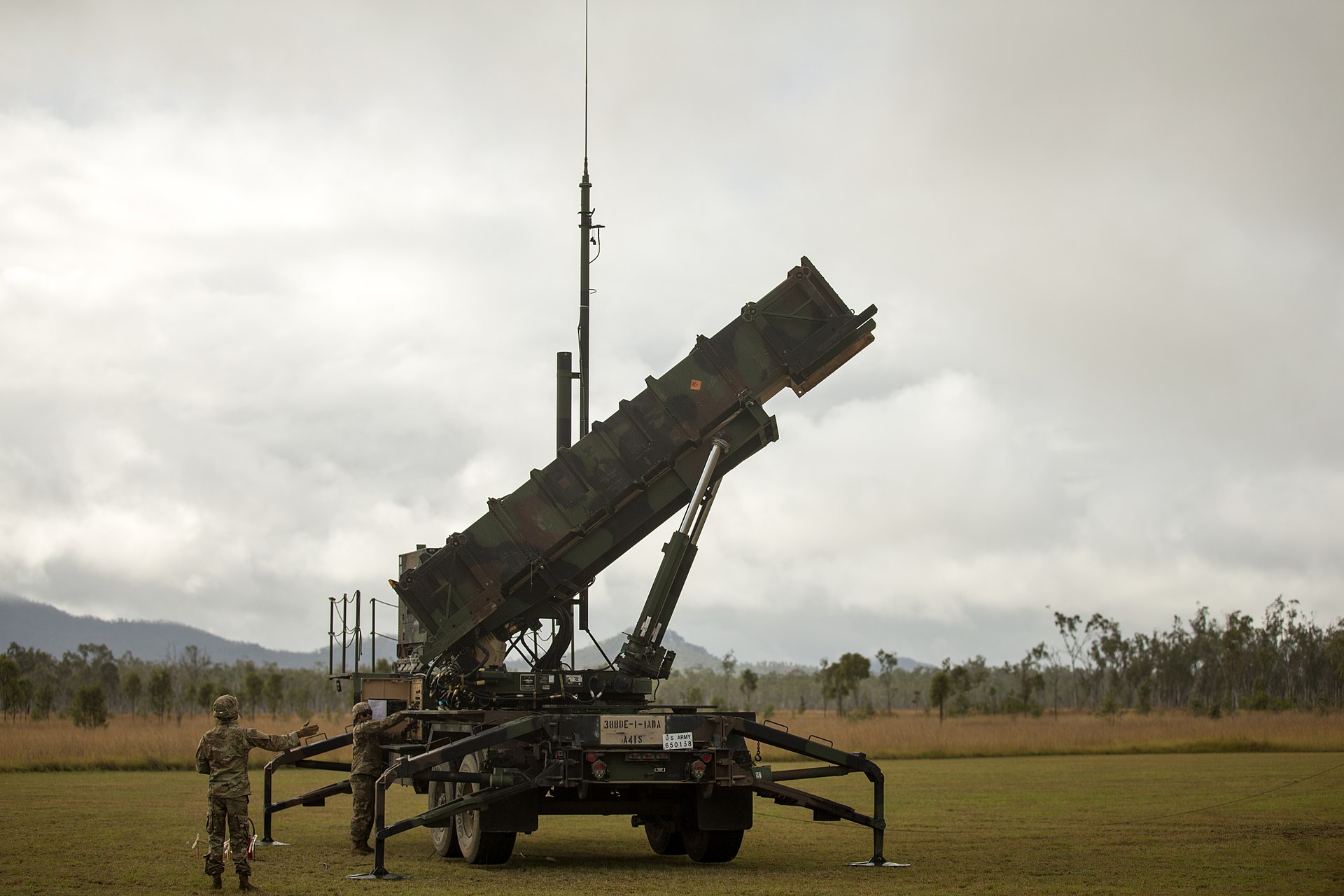
The interception rates, while impressive, mask a sustainability problem. Patriot interceptors cost between $2 million and $6 million per missile, while the Iranian Shahed-136 drones they destroy cost an estimated $20,000 to $50,000 each, according to estimates from the Royal United Services Institute. The cost asymmetry is staggering: Saudi Arabia may be spending 100 times more to defend than Iran spends to attack.
The defence cooperation agreement signed with Ukraine on Friday — the same day as the nuclear strikes — underscored the urgency. Kyiv, which has spent three years developing expertise in countering Iranian-made Shahed drones over its own skies, has dispatched more than 200 counter-drone specialists to Saudi Arabia, the UAE, and Qatar. The memorandum of understanding signed during President Zelenskyy’s surprise visit to Jeddah covers technological collaboration, defence contracts, and long-term strategic investment in counter-drone systems.
Britain has also stepped up. London deployed Patriot-equivalent air defense missiles to Saudi Arabia, Kuwait, and Bahrain on 24 March, adding a layer of NATO-standard protection to the Gulf’s existing American-supplied shield. France and Saudi Arabia agreed to deepen defence ties the same week, reflecting a broader Western recognition that the Gulf’s air defence challenge requires multinational support.
The question for Riyadh is whether these systems can sustain the tempo. If Iran shifts from the intermittent drone and missile salvos of the past four weeks to the kind of saturation attacks Araghchi’s rhetoric suggests, even the most advanced air defense network faces the risk of interceptor exhaustion — a scenario Pentagon planners have quietly raised, according to a report on the possibility of diverting Ukraine-bound air defenses to Gulf states.
Where Does Diplomacy Stand After the Nuclear Strikes?
The diplomatic picture entering the weekend was bleak. Iran has consistently denied that it is engaged in any direct negotiations with Washington, despite Trump’s claims that talks are “going very well.” Iranian officials told intermediaries that any ceasefire deal must include guarantees against future military action, compensation for losses, formal control of the Strait of Hormuz, and the inclusion of Lebanon in negotiations, according to CNBC.
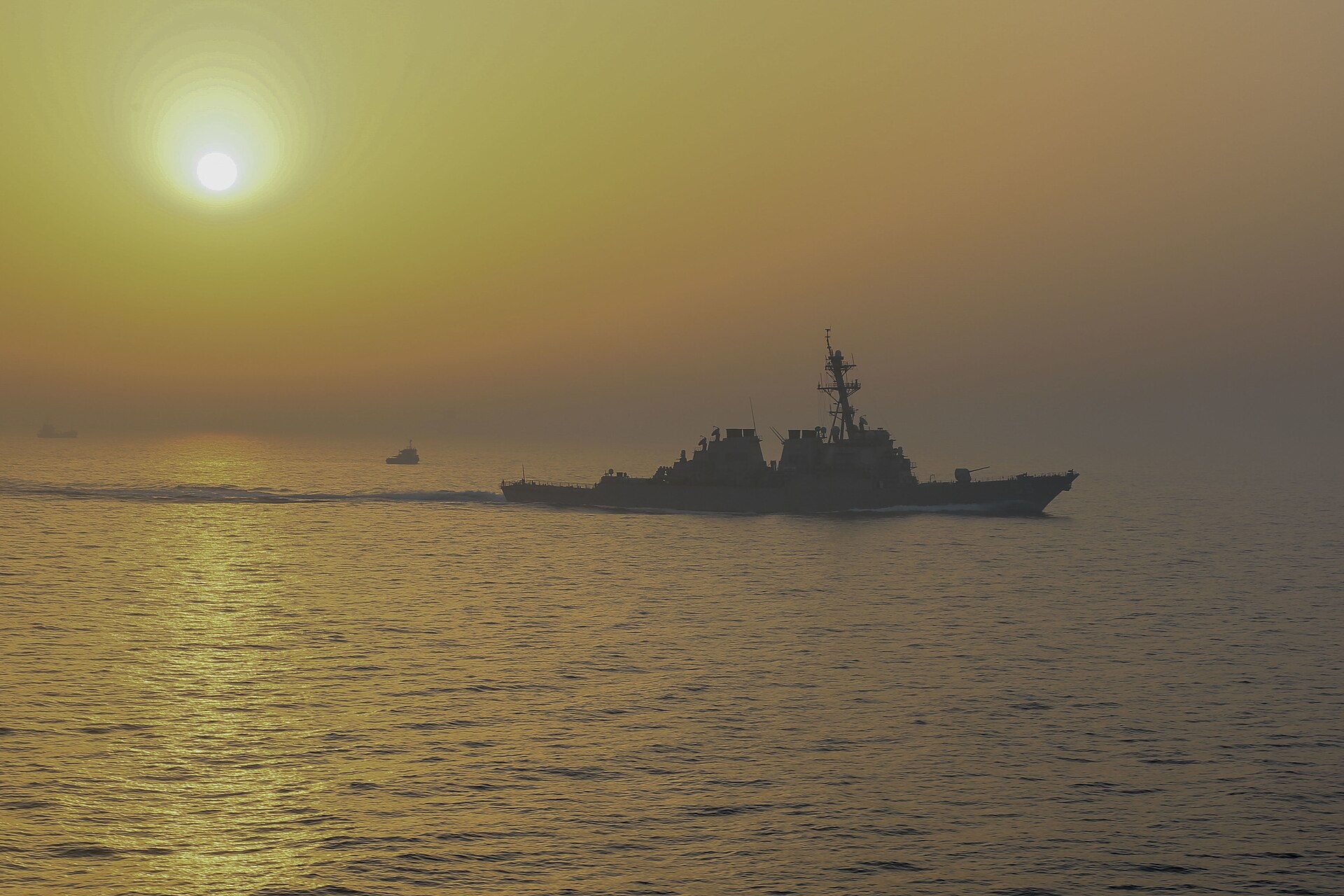
Pakistan has emerged as the primary intermediary, hosting what diplomats hope will become the first face-to-face meeting between American and Iranian envoys since the war began. Egypt’s Foreign Ministry confirmed on Friday that Foreign Minister Badr Abdelatty spoke by phone with his Turkish and Pakistani counterparts as part of “intensive efforts” to organise the talks. The trio of Muslim-majority middle powers — none of which have taken sides in the conflict — represents the most credible mediation channel currently available.
Saudi Arabia’s own diplomatic position has hardened since the war began. The Kingdom expelled Iran’s military attache, assistant military attache, and three embassy staff members on 21 March, giving them 24 hours to leave the country. Foreign Minister Prince Faisal bin Farhan Al Saud said that trust in Iran had been “shattered” and warned that while the war would eventually end, restoring relations would take time. The Beijing-brokered rapprochement that had briefly normalised Saudi-Iranian ties in 2023 now appears to be a diplomatic artefact from a different era.
At the United Nations, a resolution brought by GCC states and Jordan condemned Tehran’s attacks and demanded Iran immediately “cease all unprovoked attacks” and reopen the Strait of Hormuz. The resolution passed, but Iran dismissed it as biased and unenforceable. The Strait itself remains effectively closed to non-Chinese commercial traffic, with Iran reportedly turning back even Chinese vessels attempting to transit as of late this week.
The gap between American demands and Iranian counter-demands remains enormous. Washington’s 15-point proposal asks Iran to dismantle its nuclear programme, hand over control of the Strait, and curtail its missile arsenal. Tehran’s five-point counter asks for reparations, sovereignty guarantees, and Hormuz recognition. With Israel now striking nuclear facilities in apparent coordination with the United States while Trump simultaneously extends diplomatic deadlines, both sides have reason to question whether Washington is negotiating in good faith — a perception that makes a near-term ceasefire increasingly unlikely.
Day 28 Timeline of Key Events
| Time (UTC) | Event | Source |
|---|---|---|
| Early morning | Israeli Air Force strikes Arak heavy water complex (Khondab) and Ardakan yellowcake plant (Yazd Province) | IDF, Iran Atomic Energy Organization |
| Early morning | Israel also bombs two IRGC-linked steel plants | Times of Israel |
| Morning | Iran confirms strikes on nuclear sites; says no radiation leak or casualties | IRNA |
| Morning | Araghchi posts on X: strikes “contradict POTUS extended deadline for diplomacy”; vows retaliation “will no longer be eye for an eye” | The National, Euronews |
| Morning | Israeli Defence Minister Katz says attacks “will escalate and expand” | Fortune |
| Afternoon | Saudi Arabia intercepts 2 drones over Riyadh; 17 more over Eastern Province | ANI, Saudi Defence Ministry |
| Afternoon | MBS meets Ukrainian President Zelenskyy in Jeddah; defence cooperation agreement signed | Al Arabiya, CNBC |
| Afternoon | Egypt, Turkey, and Pakistan hold trilateral call to organise US-Iran face-to-face talks | Egypt Foreign Ministry |
| Evening | Iran says it will “facilitate and expedite” humanitarian aid through Strait of Hormuz | Euronews |
| Evening | Saudi Arabia defeats Egypt 0-4 in international football friendly in Jeddah | VAVEL |
Frequently Asked Questions
What nuclear facilities did Israel strike in Iran on 27 March?
Israel struck two nuclear sites: the Shahid Khondab Heavy Water Complex near Arak, which contains the IR-40 reactor capable of producing weapons-grade plutonium, and the Ardakan yellowcake production plant in Yazd Province, which converts uranium ore into concentrated yellowcake powder used as feedstock for enrichment centrifuges. Iran said neither strike caused a radiation leak.
Why do the strikes matter for Saudi Arabia?
Every major Israeli escalation against Iran’s strategic assets has triggered retaliatory strikes against Gulf energy infrastructure. When Israel hit Iran’s South Pars gas field on 18 March, Iran responded by attacking Qatar’s Ras Laffan LNG facility. Saudi Arabia, which has already absorbed hundreds of Iranian drone and missile attacks, faces heightened retaliation risk following the nuclear strikes, particularly against its Eastern Province oil infrastructure and Red Sea port at Yanbu.
Does Trump’s April 6 deadline still hold?
Trump extended his pause on striking Iranian energy plants to 6 April, 8 p.m. Eastern Time, citing ongoing talks. However, Iranian Foreign Minister Araghchi said the Israeli nuclear strikes — reportedly coordinated with the United States — contradict the diplomatic window. Iran denies any direct negotiations with Washington are taking place, casting doubt on whether the deadline framework retains any diplomatic utility.
How effective has Saudi Arabia’s air defense been?
Saudi Arabia has intercepted the vast majority of hundreds of Iranian missiles and drones over 28 days. On 27 March alone, Saudi forces destroyed at least 19 drones over Riyadh and the Eastern Province. However, the cost asymmetry is severe — Patriot interceptors cost $2 million to $6 million each, while Iranian Shahed drones cost an estimated $20,000 to $50,000, raising concerns about long-term sustainability.
What is the status of ceasefire negotiations?
Ceasefire prospects remain dim. The United States presented a 15-point peace proposal demanding Iran dismantle its nuclear programme, reopen the Strait of Hormuz, and curtail its missiles. Iran rejected these terms as “maximalist and unreasonable” and countered with demands for reparations and Hormuz sovereignty. Pakistan, Egypt, and Turkey are working to arrange the first direct US-Iran meeting since the war began, but no date has been set.