
WASHINGTON — The Pentagon is considering sending up to 10,000 additional ground troops to the Middle East as the Iran war enters its second month with no ceasefire in sight, according to a Wall Street Journal report published on March 27. The proposed deployment, which would include infantry battalions and armored vehicles, would bring the total American military presence in the region to roughly 60,000 service members and provide President Donald Trump with the option to launch ground operations against Iranian territory, including the possible seizure of Kharg Island, through which 90 percent of Iran’s crude oil exports flow.
The proposal arrived the same day an Iranian missile struck Prince Sultan Air Base in Saudi Arabia, wounding 10 American service members and damaging several refuelling aircraft. It also came as the cumulative toll of Operation Epic Fury reached 303 wounded and 13 killed, with more than 75 percent of injuries classified as traumatic brain injuries, according to CENTCOM spokesperson Navy Captain Tim Hawkins. The escalating human cost and the war’s refusal to conform to Washington’s original four-to-six-week timeline are forcing a reassessment of what the United States is prepared to commit to the conflict, and what role Saudi Arabia will play as the primary staging ground for any expanded operations.
Table of Contents
How Many US Troops Are Now in the Middle East?
The United States currently has approximately 50,000 military personnel deployed across the Middle East in connection with the Iran conflict, a figure that has grown steadily since Operation Epic Fury began on February 28, 2026. The proposed addition of 10,000 troops would represent the largest single surge since the initial deployment and would bring the American footprint in the region to levels not seen since the early years of the Iraq War.
The existing force includes approximately 2,700 service members stationed in Saudi Arabia, concentrated at Prince Sultan Air Base roughly 40 miles south of Riyadh, according to CENTCOM figures. The 82nd Airborne Division has deployed approximately 2,000 paratroopers to the Gulf, and a further 5,000 Marines are in transit to the region, the Wall Street Journal reported.
The new troop package, if approved, would likely include infantry and armored vehicles, a senior defence official told the Journal. The force would be positioned within striking distance of Iran and Kharg Island, though the official declined to specify which bases would host the additional personnel.
| Force Component | Approximate Personnel | Status |
|---|---|---|
| Total US forces in Middle East | ~50,000 | Deployed |
| US forces in Saudi Arabia | ~2,700 | Deployed |
| 82nd Airborne Division (Gulf) | ~2,000 | Deployed |
| US Marines (in transit) | ~5,000 | Deploying |
| Proposed additional deployment | 10,000 | Under consideration |
| Potential total after surge | ~60,000 | Pending approval |
The United States maintains forces across multiple countries in the region. In addition to Saudi Arabia, American personnel are stationed in Bahrain, which hosts the US Fifth Fleet; Qatar, home to Al Udeid Air Base and CENTCOM’s forward headquarters; the United Arab Emirates; Kuwait; and Iraq, where US positions have come under repeated fire from Iranian-aligned militia groups.
The Middle East briefing 3,000+ readers start their day with.
One email. Every weekday morning. Free.
Al Jazeera reported on March 25 that the US military had moved significant air assets into the Gulf, including six E-3 Sentry AWACS aircraft at Prince Sultan Air Base, five E-11A battlefield communications aircraft, and more than two dozen KC-135 Stratotanker refuelling aircraft spread across regional bases. Chinese satellite imagery published by Defence Security Asia revealed up to 22 KC-135 Stratotankers at Prince Sultan Air Base alongside F-16 fighters, C-130 transports, and additional AWACS aircraft.
What Is the Kharg Island Operation?
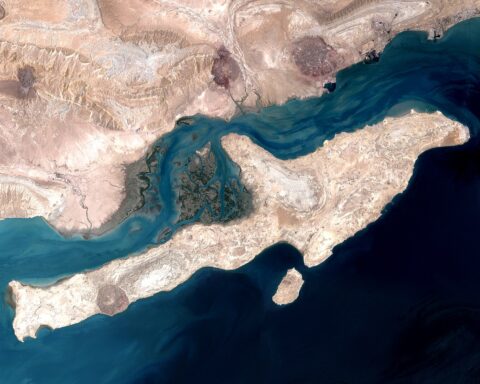
Kharg Island is a small coral island located approximately 15 miles off Iran’s southern coast in the Persian Gulf. It handles an estimated 90 percent of Iran’s crude oil exports, making it the single most important piece of energy infrastructure in the Iranian economy. Seizing or blockading the island would effectively eliminate Iran’s ability to export oil by sea, applying economic pressure that air strikes alone have not achieved.
CNBC reported on March 26 that the Pentagon has presented Trump with three potential scenarios for expanded military operations. The first involves clearing Iran’s coastline to reopen the Strait of Hormuz. The second centres on seizing or blockading Kharg Island. The third, and most ambitious, would involve securing Iran’s nuclear material at enrichment and research facilities deep inside Iranian territory.
Military analysts told CNBC that a Kharg Island operation would be “technically feasible” with the forces under consideration but significantly more escalatory than coastal clearing operations. Capturing the island would require amphibious or air assault capabilities, sustained logistics support, and the ability to defend the island against Iranian counterattacks from the mainland just 15 miles away. Trump subsequently escalated the rhetoric further, telling the Financial Times he wanted to “take the oil” and explicitly raising the prospect of seizing Kharg Island, sending Brent crude past $116 per barrel.
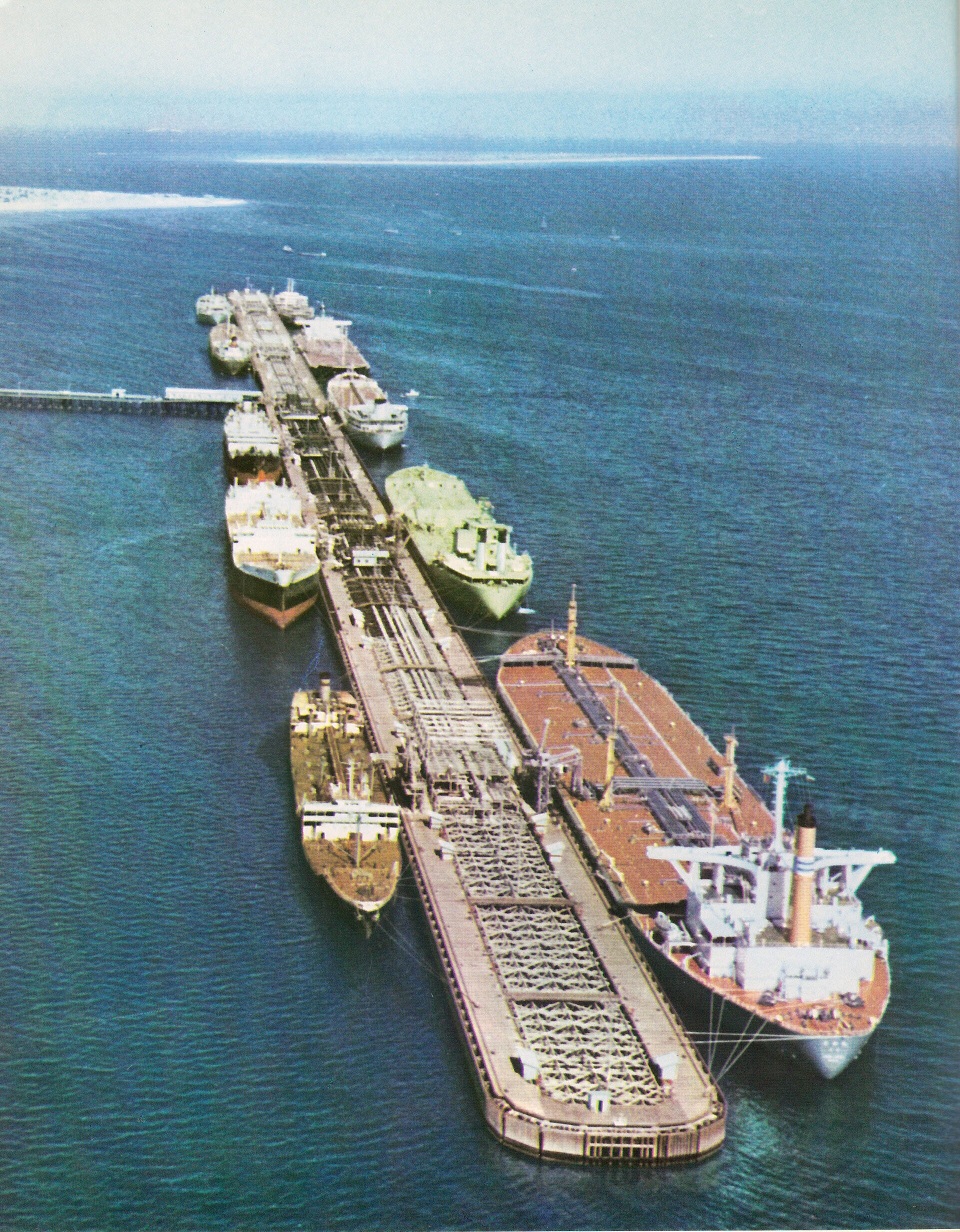
CNN reported on March 25 that Iran has been laying defensive traps and moving additional military personnel and air defence systems to Kharg Island in recent weeks, apparently in preparation for a possible American assault. The reinforcement suggests that Tehran takes the ground operation scenario seriously, even as both sides engage in indirect diplomatic signalling through intermediaries in Pakistan and Oman.
The nuclear material scenario, by contrast, was described by military experts as “the least realistic” option with a force of 60,000. Securing facilities at Natanz, Fordow, and other locations spread across Iran’s interior would require a far larger, sustained ground presence — potentially hundreds of thousands of troops — and would represent a full-scale invasion rather than a limited operation.
Prince Sultan Air Base Under Fire
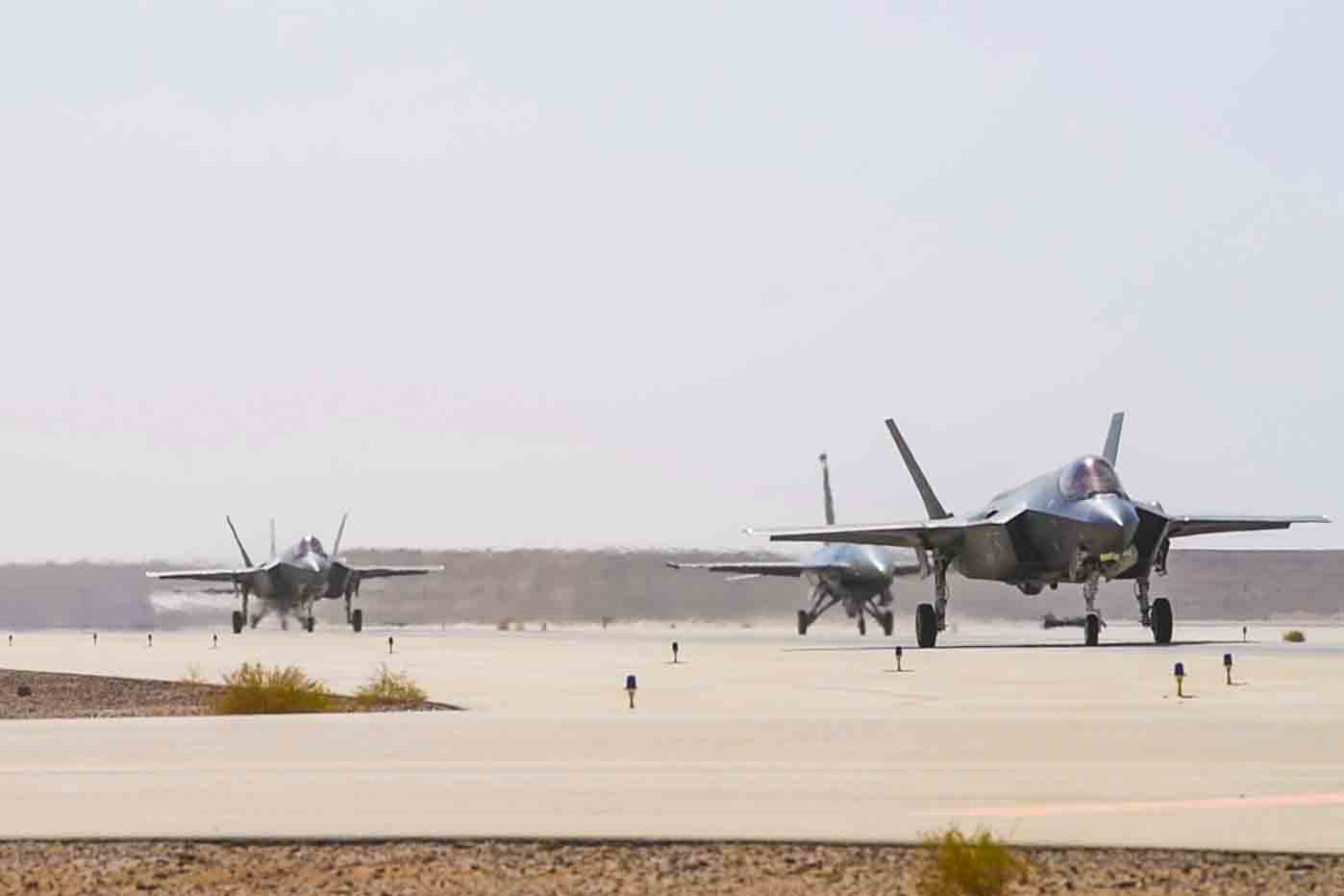
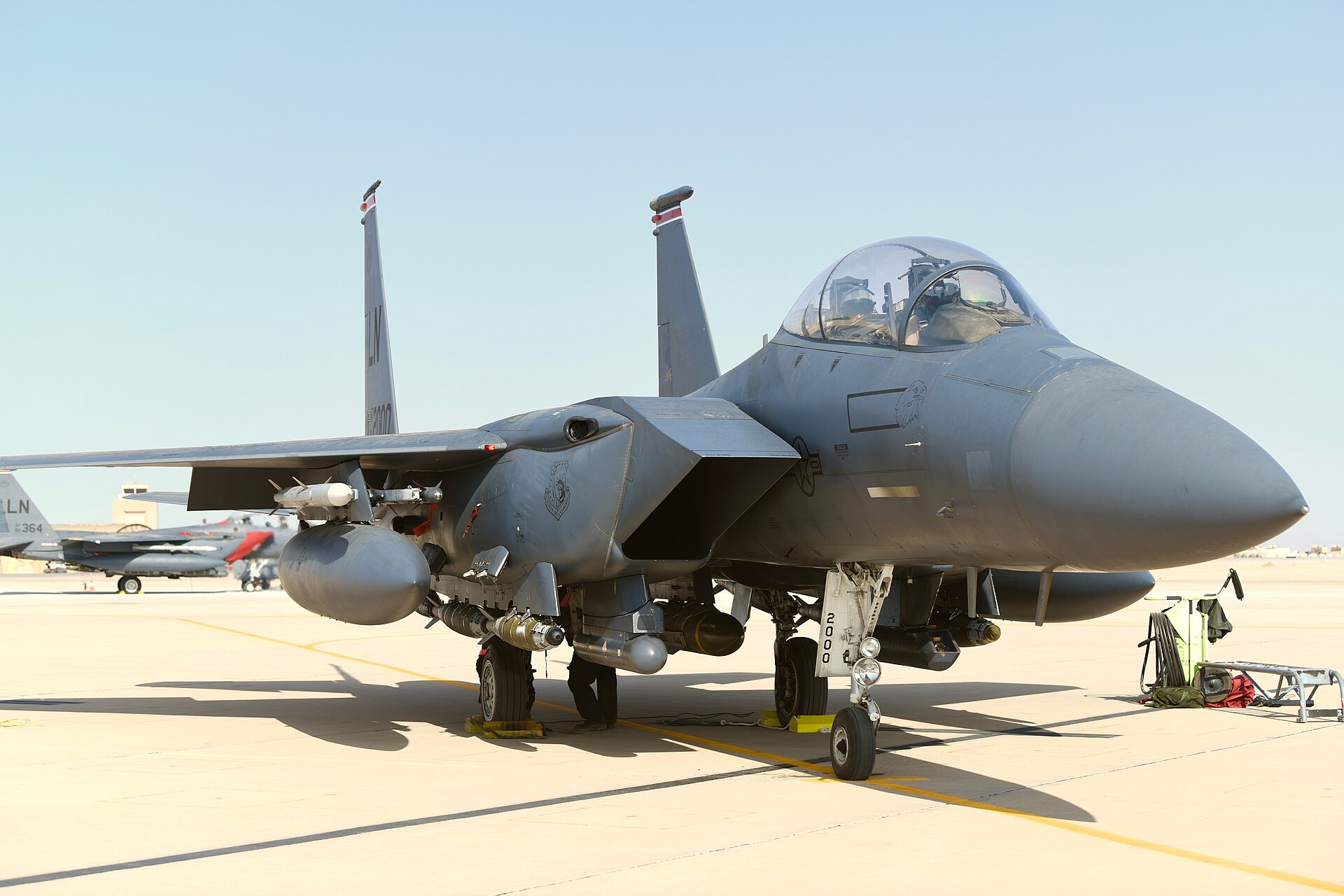
The proposed troop surge comes as the primary American military installation in Saudi Arabia faces sustained Iranian attacks. Prince Sultan Air Base, located in Al Kharj approximately 40 miles south of Riyadh, has served as the hub for US air operations throughout the conflict. The base hosts F-35 Lightning IIs, F-15E Strike Eagles, F-16 Fighting Falcons, KC-135 refuelling tankers, E-3 AWACS surveillance aircraft, and E-11A communications relay platforms.
On March 27, an Iranian missile struck the base, wounding at least 10 US service members and damaging several refuelling aircraft, US News and the Military Times reported. Two of the wounded were described as critically injured, while the remaining eight sustained serious but non-life-threatening wounds.
The attack was part of a broader pattern of Iranian strikes targeting US and allied military facilities across the Gulf. Saudi Arabia’s Ministry of Defence has reported intercepting hundreds of drones and dozens of ballistic missiles fired by Iran since the conflict began. The Eastern Province, which houses Saudi Aramco’s critical oil infrastructure, has been a particular focus of Iranian drone swarms, with Saudi air defences intercepting 35 drone attacks overnight on March 24 alone, according to Anadolu Agency.
The vulnerability of Prince Sultan Air Base forced the US military to relocate some KC-135 aerial refuelling tankers from the installation as early as March 9, the Times of Islamabad reported, after intense Iranian ballistic missile and drone attacks threatened the aircraft that are essential to sustaining combat operations over Iran.
The base’s exposure raises a fundamental question about the proposed troop surge: Saudi Arabia is simultaneously the indispensable staging ground for American operations and a target that Iranian forces can reach. Adding 10,000 more troops to the theatre without resolving the air defence challenge could simply increase the number of Americans in the blast radius.
How Many American Troops Have Been Wounded?
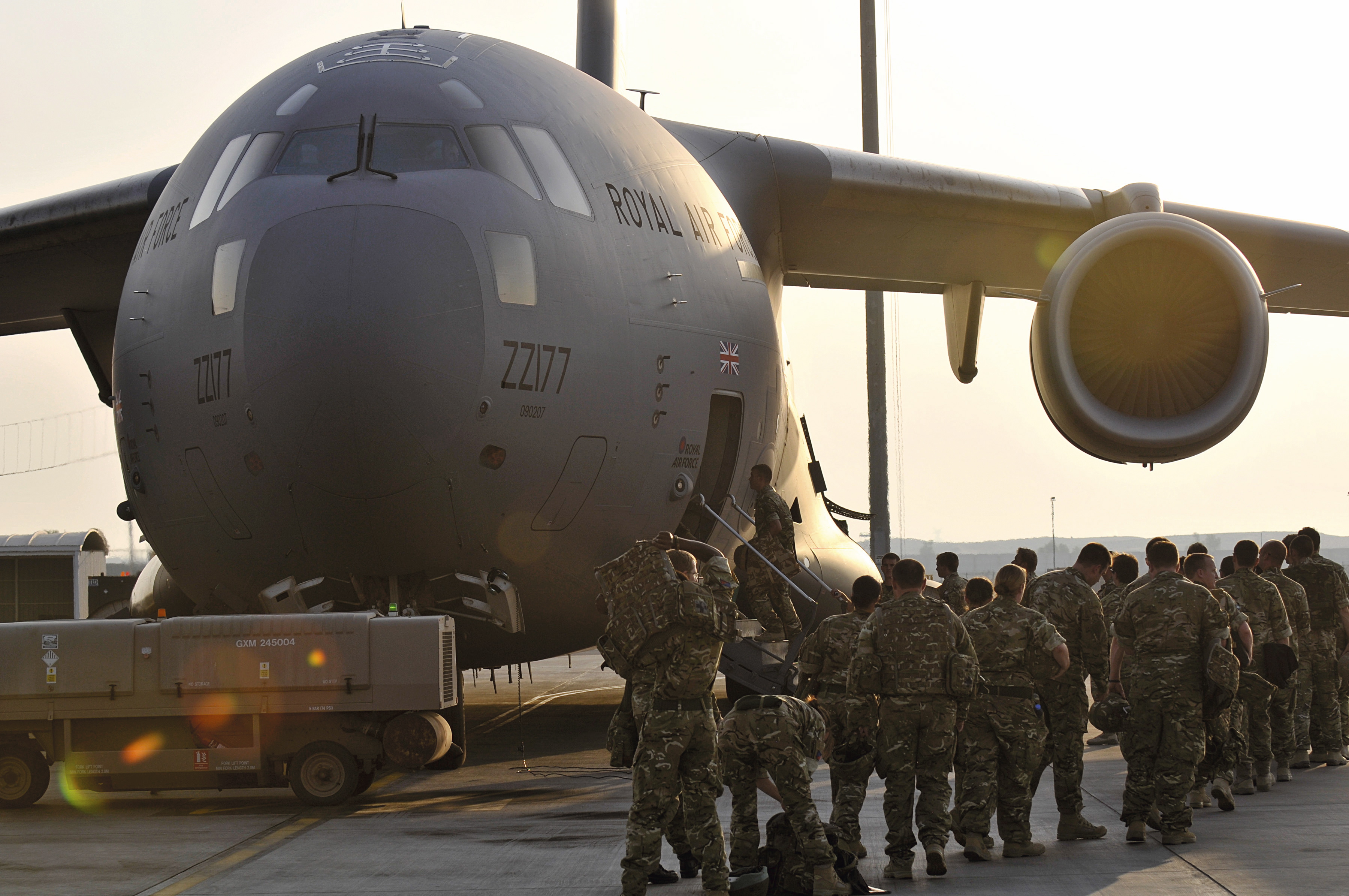
As of March 27, a total of 303 US service members have been wounded since Operation Epic Fury began on February 28, according to ABC News, citing Pentagon figures. Thirteen American troops have been killed in the conflict — seven in the Gulf theatre and six in Iraq, where Iranian-aligned militia groups have launched sustained attacks on US positions.
The most striking aspect of the casualty data is the prevalence of traumatic brain injuries. More than 75 percent of the 303 wounded sustained TBIs, CENTCOM spokesperson Navy Captain Tim Hawkins told Anadolu Agency. The injuries range from mild concussions that sideline troops for days to more severe cases involving memory loss, chronic migraines, fatigue, and cognitive impairment that may not manifest until well after the initial blast exposure.
| Category | Count | Notes |
|---|---|---|
| Total wounded | 303 | Since February 28 |
| Killed in action | 13 | 7 in Gulf, 6 in Iraq |
| Traumatic brain injuries | ~227 | 75% of wounded |
| Returned to duty | 273 | 90% of wounded |
| Still seriously injured | 10 | Ongoing treatment |
| Recovering / out of action | 20 | Expected to return |
Of the 303 wounded, 273 have returned to duty, the Pentagon said. Thirty remain out of action, with 10 classified as seriously injured. The military has attributed most injuries to Iranian one-way attack drones and explosive munitions, with troops sustaining wounds from nearby blasts rather than direct hits.
The Washington Post reported on March 16 that the number of wounded had already surpassed 200 across seven countries, suggesting that the geographic spread of Iranian retaliatory strikes extends well beyond the primary Gulf theatre. By March 27, the toll had risen by more than 100 additional casualties in just 11 days.
The rising casualty count has become a domestic political issue in Washington. The question of whether the United States is willing to sustain losses for an extended Gulf campaign is shaping the debate over the proposed troop surge. If 50,000 troops have produced 303 wounded and 13 killed in 28 days, critics argue, a force of 60,000 engaged in ground operations against a defended island would face significantly higher casualty rates.
The Timeline That Keeps Moving
When Operation Epic Fury launched on February 28, the Trump administration projected the conflict would last four to six weeks. That window opened on March 27 — exactly 28 days into the war — with no end in sight. Secretary of State Marco Rubio, speaking to reporters after meeting G7 foreign ministers in France, insisted the war would conclude in “weeks, not months,” according to NBC News. He added that US objectives could be achieved “without any ground troops.”
Rubio’s assurance sat uneasily alongside the Pentagon’s simultaneous consideration of 10,000 more ground troops. A Wall Street analyst quoted by Fortune on March 27 warned that the conflict could extend well into 2027, far beyond the administration’s public projections. The analyst pointed to the Strait of Hormuz blockade, Iran’s continued drone and missile attacks, and the absence of any credible diplomatic track as evidence that a swift conclusion was unlikely.
Trump has repeatedly adjusted his own deadlines. He initially threatened to destroy Iran’s energy infrastructure if Tehran did not reopen the Strait of Hormuz by March 23. When that deadline passed, he extended it to March 28. On March 27, he extended it again to April 6, writing on Truth Social that the extension came “as per Iranian Government request” and that talks were going “very well.”
Iran publicly denied requesting any extension or engaging in negotiations with Washington. Mediators quoted by the Wall Street Journal said Tehran had not formally asked for a pause. The disconnect between Trump’s claims of diplomatic progress and Iran’s public defiance has created uncertainty about whether the April 6 deadline carries any more weight than its predecessors.
The OECD published a special assessment on March 26 projecting that the war would push global inflation to 4 percent in 2026, with US headline inflation reaching 4.2 percent — 1.2 percentage points above the pre-war forecast. Global GDP growth was revised down to 2.9 percent from a potential 3.2 percent had the conflict not escalated. The economic projections assumed a conflict lasting months, not weeks, suggesting that major international institutions are already planning for a prolonged war.
Saudi Arabia as the Staging Ground
Any expansion of the American military presence in the Gulf will run through Saudi Arabia. The Kingdom hosts the largest US military footprint in the Arabian Peninsula, with Prince Sultan Air Base serving as the primary hub for air operations and Al Kharj providing ground force staging capabilities. Crown Prince Mohammed bin Salman has reportedly encouraged President Trump to maintain pressure on Iran, with the New York Times reporting on March 16 that the Saudi leader described the conflict as a “historic opportunity” to reshape the Middle East. Yet the crown prince has maintained strategic ambiguity about entering the conflict, keeping Saudi Arabia positioned between armed non-belligerence and active co-belligerency.
Saudi Arabia has not officially entered the war as a combatant. The Kingdom has confined its military role to air defence operations, intercepting hundreds of Iranian drones and missiles targeting its territory. Saudi Arabia expelled Iran’s military attache and four embassy staff members on March 21, giving them 24 hours to leave the country, Al Jazeera reported — a diplomatic rupture that stopped short of a declaration of war but signalled the Kingdom’s alignment with the American-led campaign.
The UK has deepened its own military commitment to Saudi Arabia’s defence. British Prime Minister Keir Starmer called Crown Prince Mohammed bin Salman on March 24, according to a Downing Street readout, to update on the deployment of additional British defensive military equipment to the Kingdom. Britain has deployed air defence missiles to Saudi Arabia, Kuwait, and Bahrain, and is leading a mine-clearing coalition through the Strait of Hormuz.
For Saudi Arabia, the calculus is complicated. Hosting American forces provides a security umbrella against Iranian attacks, but it also makes the Kingdom a legitimate military target in Tehran’s eyes. The reliance on bilateral arrangements with Washington underscores the GCC’s failure to build a functioning collective defense of its own. Every Iranian missile that lands on Saudi soil — including the March 27 strike on Prince Sultan Air Base — reinforces the argument that Saudi Arabia is already paying the price of a war it did not formally join. The question facing Riyadh is whether 10,000 more American troops represent greater security or a deeper entanglement in a conflict that shows no signs of ending on Washington’s terms.
Pakistan has also signalled its commitment to Saudi Arabia’s defence. Pakistani Prime Minister Shehbaz Sharif met Crown Prince Mohammed bin Salman in Jeddah on March 12, vowing support for the Kingdom, Al Arabiya reported. On March 25, Sharif stated publicly that Pakistan “stands firmly with Saudi Arabia against Iran’s repeated attacks,” adding another dimension to the coalition forming around the conflict.
What Happens After April 6?
The April 6 deadline represents the third date Trump has set for Iran to reopen the Strait of Hormuz or face strikes on its energy infrastructure. The first two deadlines — March 23 and March 28 — passed without consequence. Whether the third will be different depends on several factors that remain unresolved.
If Trump follows through on the threat, strikes against Iran’s energy plants would represent a significant escalation from the current air campaign, which has targeted military installations, air defence systems, command centres, and, as of March 27, nuclear research facilities. The Pentagon has been repositioning assets throughout the Gulf to prepare for various contingencies, including the diversion of air defence systems originally earmarked for Ukraine.
If the deadline passes without action — as the previous two did — it would further erode the credibility of American ultimatums and potentially embolden Iran to maintain its effective blockade of the Strait of Hormuz, through which approximately one-fifth of the world’s oil supply typically transits.
The 10,000-troop proposal represents a middle path between these extremes. Rather than striking energy infrastructure, a ground force could attempt to physically reopen the Strait by clearing Iran’s coastline or seizing Kharg Island, achieving the economic objective without the catastrophic environmental and market consequences of bombing refineries and oil facilities. The risk, as military analysts have noted, is that ground operations against defended positions carry far higher casualty rates than the air campaign has produced.
The Houthis in Yemen add another variable. The Iran-aligned group has threatened to join the conflict if Israel or the United States use the Red Sea to attack Iran, or if other nations join the coalition against Tehran. A Houthi entry into the war from the south would open a second front for Saudi Arabia, forcing the Kingdom to defend its southern border while simultaneously hosting American forces conducting operations to its east.
At 28 days into the Iran war, the conflict has already outlasted both the initial 12-day war of June 2025 and the Trump administration’s most optimistic projections. The proposed troop surge suggests that Washington is preparing for a campaign measured not in weeks but in months — regardless of what its public statements claim.
Frequently Asked Questions
How many US troops are currently in the Middle East?
Approximately 50,000 US military personnel are deployed across the Middle East as part of Operation Epic Fury, the campaign against Iran that began on February 28, 2026. Forces are stationed in Saudi Arabia, Bahrain, Qatar, the UAE, Kuwait, and Iraq. The Pentagon is considering adding 10,000 more troops, which would bring the total to roughly 60,000.
What is Kharg Island and why does it matter?
Kharg Island is a small coral island located approximately 15 miles off Iran’s southern coast in the Persian Gulf. It serves as Iran’s primary oil export terminal, handling an estimated 90 percent of the country’s crude oil exports. The Pentagon has identified it as a potential target for a ground operation that would cut off Iran’s oil revenue without bombing energy infrastructure.
How many US service members have been wounded in the Iran war?
As of March 27, 2026, a total of 303 US service members have been wounded and 13 have been killed since the conflict began. More than 75 percent of the injuries are traumatic brain injuries caused by drone strikes and explosive blasts. Of the 303 wounded, 273 have returned to duty, while 10 remain seriously injured and 20 are still recovering.
What is the current deadline for Iran to reopen the Strait of Hormuz?
President Trump has extended his deadline for Iran to reopen the Strait of Hormuz to April 6, 2026. This is the third such deadline, following extensions from March 23 and March 28. Trump has threatened to destroy Iran’s energy infrastructure if Tehran does not comply, but the previous two deadlines passed without military action. Iran publicly denies requesting any extension or engaging in direct negotiations.
Is Saudi Arabia officially at war with Iran?
Saudi Arabia has not formally declared war on Iran or entered the conflict as a combatant. The Kingdom’s military role has been limited to defensive air operations, intercepting hundreds of Iranian drones and missiles targeting Saudi territory. However, Saudi Arabia hosts significant US military forces at Prince Sultan Air Base and other installations, expelled Iranian diplomatic personnel on March 21, and Crown Prince Mohammed bin Salman has reportedly encouraged the United States to maintain military pressure on Tehran.