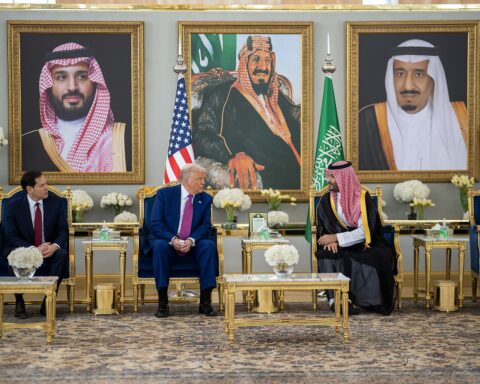
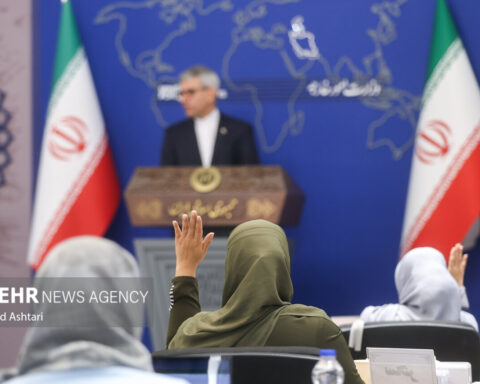
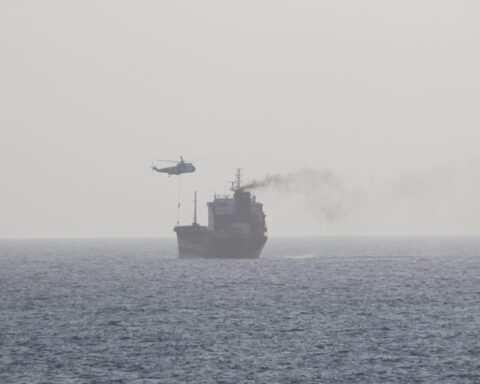
ISLAMABAD — Pakistan will host the foreign ministers of Saudi Arabia, Turkey, and Egypt for two days of talks beginning March 30, establishing the first structured multilateral initiative by Muslim-majority states to build a de-escalation mechanism for the Iran war without either Washington or Tehran at the table.
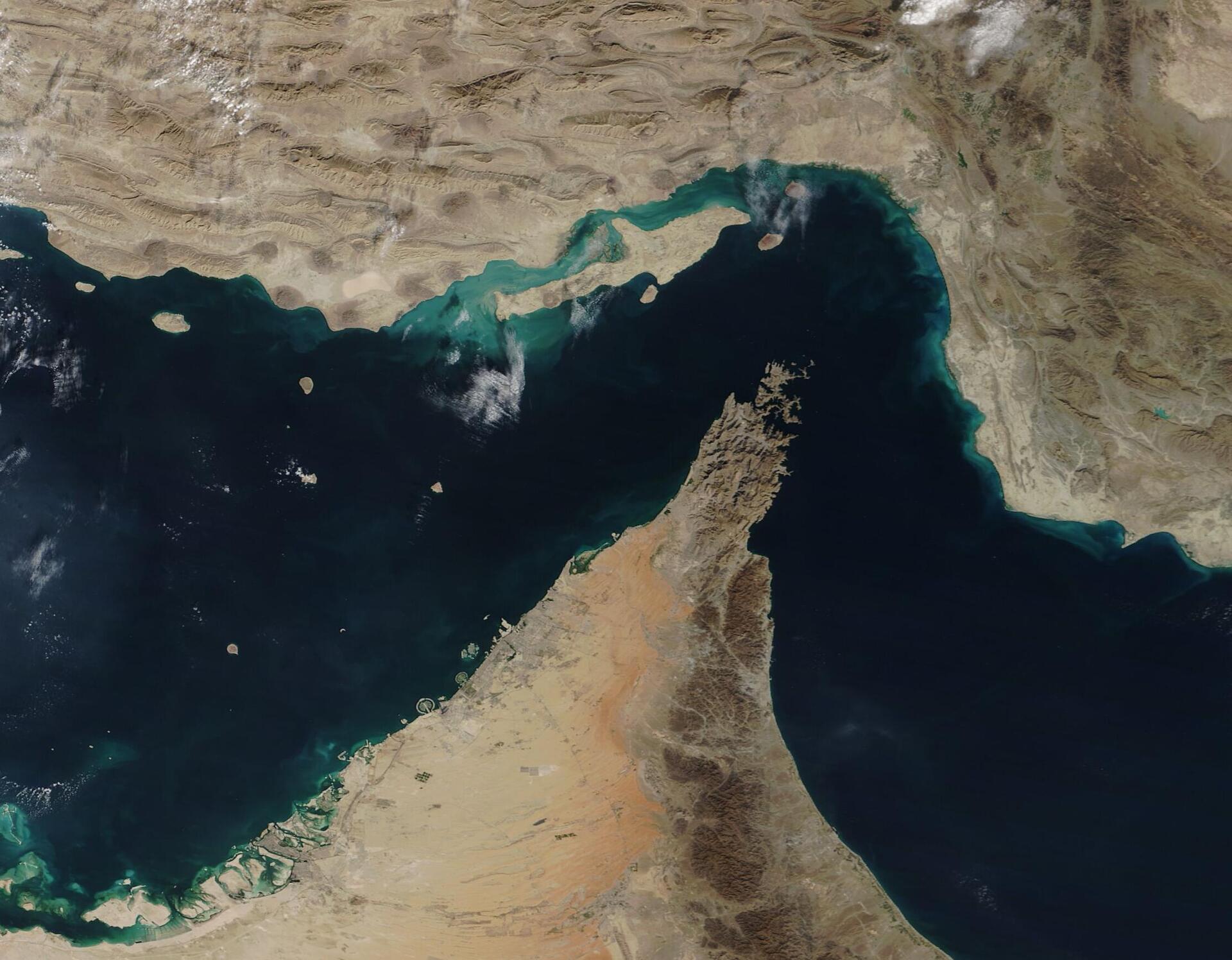
The meeting, organized by Pakistani Foreign Minister Ishaq Dar, comes 48 hours after Secretary of State Marco Rubio failed to rally skeptical G7 allies behind the American war strategy at a summit outside Paris, and just one week before President Trump’s April 6 deadline for Iran to reopen the Strait of Hormuz or face strikes on its energy infrastructure. Four nations that collectively border Iran, operate the Suez Canal, sit inside NATO, and have absorbed more than 600 missile strikes are now attempting to construct a diplomatic off-ramp independent of both belligerents.

Table of Contents
- Who Is Meeting in Islamabad and Why Now?
- What Each Country Brings to the Table
- The American Track That Prompted a Parallel One
- How Does Iran View Talks Led by Countries It Has Attacked?
- Can This Track Produce Results Before April 6?
- The Houthi Factor and Egypt’s Red Sea Stake
- Frequently Asked Questions
Who Is Meeting in Islamabad and Why Now?
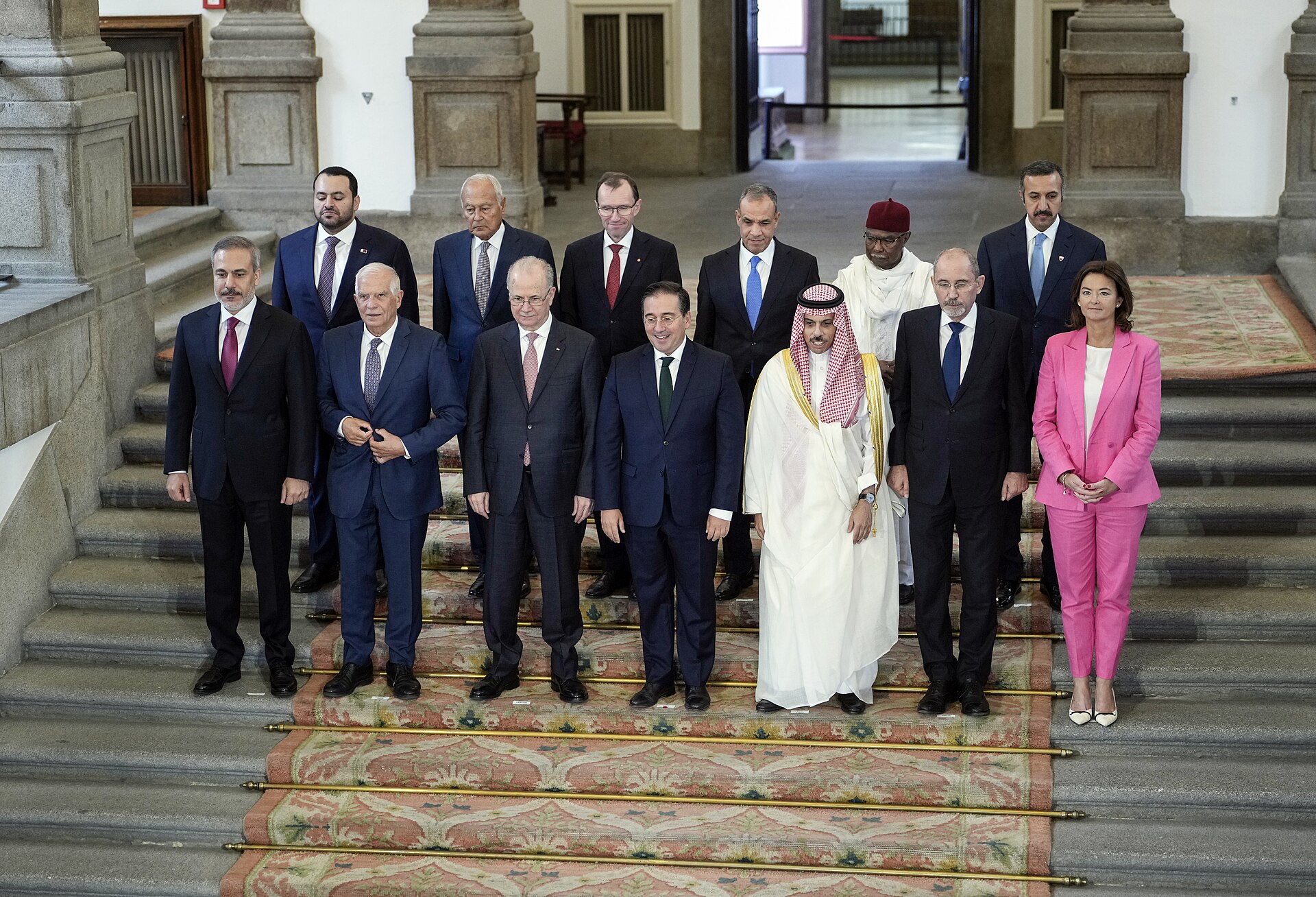
The foreign ministers of four Muslim-majority states will convene in the Pakistani capital on Sunday and Monday for what Turkish Foreign Minister Hakan Fidan described as talks aimed at establishing “a mechanism aimed at de-escalation,” according to The National. The participants are Dar of Pakistan, Saudi Foreign Minister Prince Faisal bin Farhan, Fidan of Turkey, and Egyptian Foreign Minister Badr Abdelatty. The visiting ministers will also meet Pakistani Prime Minister Shehbaz Sharif, according to Pakistan’s foreign ministry.
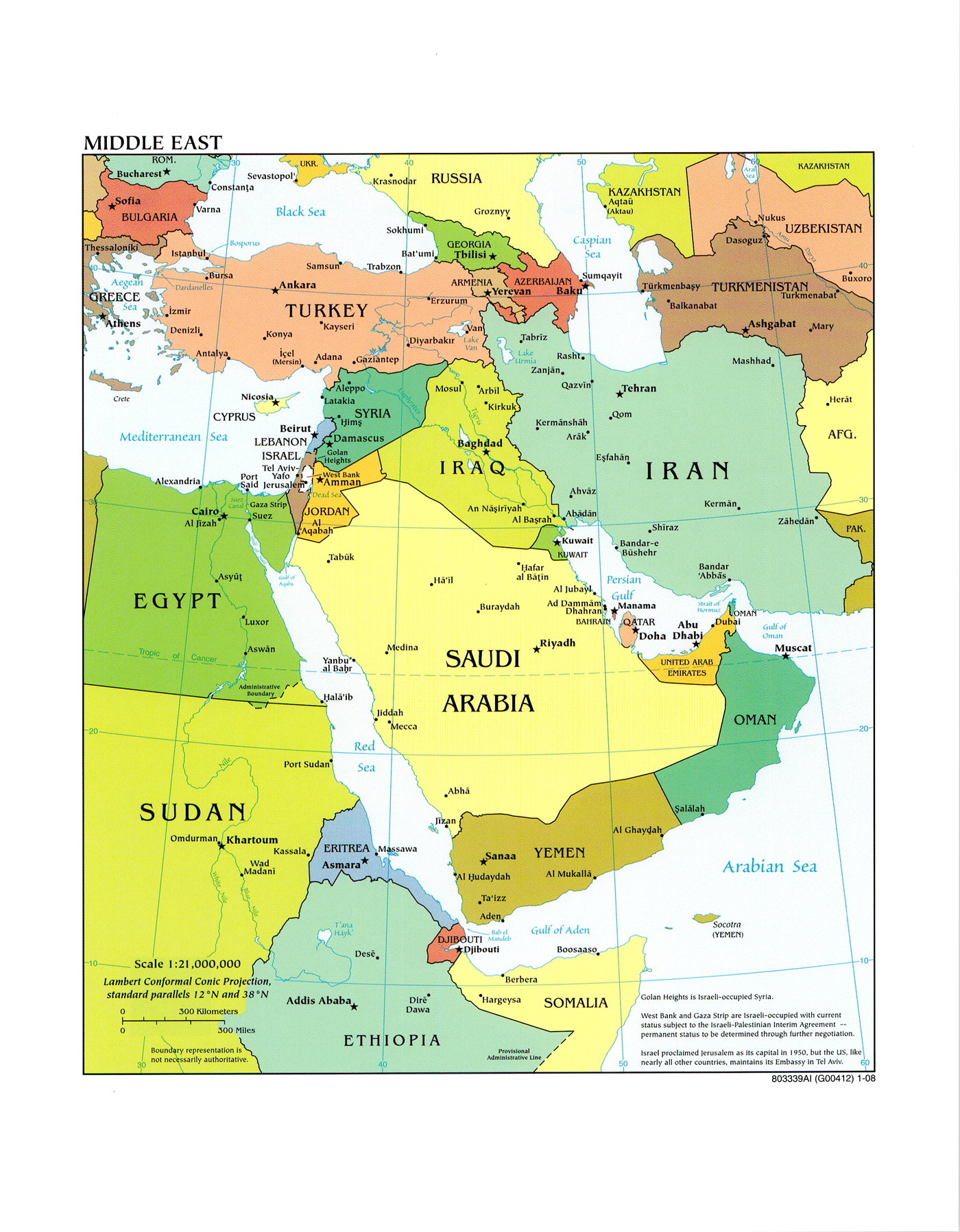
The talks were initially planned for Turkey but relocated to Islamabad because Dar needed to remain in-country, the Daily Pakistan reported. That logistical detail matters: it places the meeting in the one capital that shares a 900-kilometer border with Iran and has served as the primary back-channel conduit between Washington and Tehran throughout the one-month-old conflict.
The timing is not accidental. On March 26, Trump extended his pause on strikes against Iranian energy infrastructure to April 6, writing on Truth Social that he was “pausing the period of Energy Plant destruction by 10 Days to Monday, April 6, 2026, at 8 P.M., Eastern Time,” according to NPR. That gives negotiators exactly one week. The day before the Islamabad meeting was announced, G7 foreign ministers meeting at a 12th-century abbey in Vaux-de-Cernay, outside Paris, called for the “immediate cessation” of attacks on civilian populations but offered no military commitments beyond a pledged Hormuz naval force that remains uncrewed, according to the Associated Press.
The Middle East briefing 3,000+ readers start their day with.
One email. Every weekday morning. Free.
The Islamabad track is structurally different from everything else on the table. It excludes both belligerents. It is organized by countries with direct operational stakes in the outcome, not by distant Western capitals issuing communiques. And it is explicitly designed to produce a standing mechanism, not a one-off statement.
What Each Country Brings to the Table
The four participants were not selected at random. Each occupies a specific position in the war’s architecture that gives it a form of influence the others lack.
Pakistan: The Back Channel
Pakistan is the only Muslim-majority nuclear-armed state and does not host U.S. military bases. Dar confirmed on March 26 that “US-Iran indirect talks are taking place through messages being relayed by Pakistan,” adding that Turkey and Egypt were also supporting the initiative, according to Al Arabiya. Islamabad delivered the American 15-point peace framework to Tehran and received Iran’s five-condition counterproposal in return. Prime Minister Sharif held a one-hour phone call with Iranian President Masoud Pezeshkian amid the back-channel exchanges, according to Geo TV. Pakistan’s army chief, Field Marshal Asim Munir, maintains institutional relationships with both the Pentagon and Iran’s security establishment, a dual access no other mediator possesses.
Saudi Arabia: The Target With Weight
The Kingdom has absorbed more than 600 Iranian strikes since February 28, making it the most heavily attacked Gulf state in the conflict. Prince Faisal bin Farhan said on March 19 that trust with Iran is “completely shattered” and that Saudi Arabia would use “every lever it has — political, economic, diplomatic and otherwise” to stop the attacks, according to The National. Riyadh expelled Iran’s military attache and four embassy staff on March 21, according to Al Jazeera. Yet Saudi Arabia simultaneously sits at the center of multiple active mediation tracks, including the Ukraine-Russia talks. The Kingdom’s presence in Islamabad signals that it views a Muslim-majority diplomatic mechanism as complementary to, not a replacement for, direct engagement with Washington.
Turkey: The NATO Bridge
Turkey is the only NATO member at the table, which gives the initiative a transatlantic dimension no other regional grouping can offer. Fidan conducted a three-day shuttle diplomacy tour of Gulf capitals from March 18 to 20, visiting Riyadh, Doha, and Abu Dhabi, according to Pravda Turkey. Turkey has been conveying messages between Iran and the United States alongside Pakistan, a ruling AKP party official confirmed to Al Arabiya on March 25. Ankara has also urged Gulf Arab states not to join the war against Iran, Bloomberg reported on March 25. Fidan’s stated goal is to build a broader regional framework encompassing Iran, Gulf states, Turkey, Pakistan, and Egypt that could generate economic, political, and security benefits if the war ends.
Egypt: The Canal Operator
Egypt controls the Suez Canal, through which roughly 10 percent of global maritime trade passes, including 40 percent of container ship traffic, according to Fortune. Houthi attacks on Red Sea shipping have already cost Egypt more than $9 billion in lost canal revenue and caused a 60 percent drop in transiting vessels. Foreign Minister Abdelatty told reporters he is in direct contact with his Iranian counterpart Abbas Araghchi “to mediate between Iran and the US and help find an end to the war,” according to The National. Egypt’s inclusion signals that the Red Sea and Houthi dimension will be on the agenda — a front that the U.S. 15-point plan and Iran’s five-condition response have largely left unaddressed.
| Participant | Foreign Minister | Primary Asset | Direct Stake in Conflict |
|---|---|---|---|
| Pakistan | Ishaq Dar | Back-channel access to both Washington and Tehran | 900 km border with Iran; nuclear-armed state |
| Saudi Arabia | Prince Faisal bin Farhan | Economic weight; war victim with moral authority | 600+ Iranian strikes absorbed since Feb. 28 |
| Turkey | Hakan Fidan | NATO membership; maintained ties with Iran | Shuttle diplomacy across Gulf; message conduit |
| Egypt | Badr Abdelatty | Suez Canal; Arab League co-chair; direct line to Araghchi | $9B+ in lost canal revenue from Houthi attacks |
The American Track That Prompted a Parallel One
The Islamabad initiative did not materialize in a vacuum. It follows a week in which the U.S.-led diplomatic track visibly stalled.
On March 25, U.S. envoy Steve Witkoff confirmed that Washington had presented a “15-point action list that forms the framework for a peace deal” to Iran via Pakistani intermediaries, according to Bloomberg. The demands included zero uranium enrichment, decommissioning of the Fordow nuclear facility, a ban on stockpiling nuclear material, surrender of existing enriched uranium to the United States, cutbacks in Iran’s ballistic missile inventory and range, and effective international control of the Strait of Hormuz, as reported by Time and the Washington Post. On March 29, Trump claimed Iran had agreed to “most of” these points — a characterization Iran’s five-point counter-proposal directly contradicts, demanding Hormuz sovereignty and protection for its proxy network instead.
Iran rejected the proposal within 48 hours and issued its own five-condition counterproposal: a complete halt to “aggression and assassinations,” guarantees the war will not recur, payment of war reparations, resolution of the conflict across all fronts including proxy forces, and international recognition of Iran’s sovereignty over the Strait of Hormuz, according to NPR. An Iranian official dismissed the American plan as “one-sided and unfair.”
At the G7 on March 27, Rubio tried to sell the war strategy to allies who were, in the Associated Press’s description, “skeptical” and “insulted by Trump.” France’s Armed Forces Minister Catherine Vautrin stated bluntly that the war “is not ours,” according to PBS. The G7 adopted a joint declaration calling for a civilian ceasefire and Hormuz reopening but pledged no ships, no troops, and no enforcement mechanism. Foreign Policy reported that Rubio told G7 ministers the war could last “another 2 to 4 weeks.”
The gap between Washington’s maximalist demands and Iran’s maximalist counter-demands is wide enough that the Islamabad participants appear to be calculating they need a separate track entirely — one focused on partial, achievable steps rather than a comprehensive settlement.
How Does Iran View Talks Led by Countries It Has Attacked?
Iran’s position on the Islamabad meeting is deliberately ambiguous. Tehran has categorically denied conducting any negotiations with the United States while simultaneously passing detailed counterproposals through the very intermediaries it says it is not negotiating with.
Foreign Minister Araghchi told Press TV on March 25 that “no negotiations are taking place between Tehran and Washington,” but acknowledged the U.S. was “sending messages through different mediators, which does not mean negotiations.” That distinction — messages, not negotiations — gives Tehran diplomatic cover to engage with the Islamabad track without formally legitimizing it.
Iran’s five conditions, delivered through Pakistan, reveal a government that wants an off-ramp but refuses to accept one on American terms. The demand for war reparations and recognition of Hormuz sovereignty are non-starters for Washington, but the demand for guarantees against future war and a comprehensive settlement suggests Tehran is thinking about endgame architecture, not just tactical pauses.
The presence of Saudi Arabia at the table is the most sensitive variable. Prince Faisal declared on March 19 that Iran “doesn’t believe in talking to its neighbours” after missiles struck near Riyadh while diplomats were meeting, according to The National. Yet Tehran maintained contact with Riyadh through back channels even after Saudi Arabia expelled Iranian diplomatic staff. Iran’s calculus appears to be that a de-escalation mechanism endorsed by four Muslim-majority states, including one it borders and one it has been attacking, is harder to dismiss as a Western proxy initiative than anything coming out of the G7. The tension in that positioning became explicit when Saudi Arabia co-signed the Islamabad peace statement while privately lobbying Washington to keep fighting — a triple contradiction that collapsed the distance between Riyadh’s public and private tracks into a single weekend.
US-Iran indirect talks are taking place through messages being relayed by Pakistan. Turkey and Egypt are also extending their support to this initiative.
Ishaq Dar, Pakistani Foreign Minister, March 26, 2026 (via Al Arabiya)
Can This Track Produce Results Before April 6?
The honest answer is: probably not a comprehensive ceasefire, but possibly something narrower. The April 6 deadline, when Trump’s pause on strikes against Iranian energy infrastructure expires at 8 P.M. Eastern Time, is the hard constraint. Trump stated he gave Iran 10 days instead of the seven they requested because Tehran allowed several oil tankers through the Strait of Hormuz “as a show of good faith,” according to Al Jazeera.
A full ceasefire requires bridging the gap between the two sides’ maximalist positions outlined above. That gap will not close in seven days. But the Islamabad participants may not be aiming for a full ceasefire.
Three deliverables appear realistic within the timeframe:
- A humanitarian corridor framework — agreement on protected shipping lanes or humanitarian exemptions that could reduce civilian impact without requiring either side to make strategic concessions.
- A standing consultation mechanism — Fidan’s stated goal is an institutional structure, not a one-off meeting. Establishing a formal four-nation diplomatic channel that meets regularly would give both Washington and Tehran an alternative conduit for proposals.
- A partial maritime de-escalation — Egypt’s Suez Canal losses and Saudi Arabia’s halted crude exports (roughly 8 million barrels per day from Saudi Arabia, UAE, and Iraq combined, according to industry data) give the four nations a direct incentive to address the Hormuz chokepoint specifically. Nearly 2,000 ships remain stranded outside the strait.
The risk is that an April 6 resumption of American strikes on Iranian power plants would make any parallel track irrelevant. If Trump follows through, the war escalates beyond what any four-nation mechanism can contain. The Islamabad participants are essentially betting that Trump will extend the deadline again — a bet supported by his pattern of doing exactly that.
The Houthi Factor and Egypt’s Red Sea Stake
On March 28, hours before the Islamabad talks were confirmed, Iran-backed Houthi rebels claimed their first missile launch against Israel since the war began, according to the Associated Press. The strike raised immediate fears that Houthi forces would expand attacks on commercial shipping in the Red Sea, threatening traffic through the Bab el-Mandeb strait and, by extension, the Suez Canal.
Egypt’s inclusion in the Islamabad talks takes on sharper significance in this context. The canal revenue losses detailed above represent a direct fiscal threat to Cairo, not an abstract geopolitical concern.
Neither the U.S. 15-point plan nor Iran’s five-condition counterproposal directly addresses the Houthi front. Iran’s fourth condition — that the war must end “across all fronts and for all resistance groups involved throughout the region” — gestures at the proxy dimension but does not spell out how a Houthi ceasefire would be enforced. The Islamabad format, with Egypt at the table, may be the first diplomatic setting where the Red Sea dimension receives dedicated attention from parties with operational capacity to influence it.
Oil markets reflected the mounting uncertainty. Brent crude stood at $112.57 per barrel on March 28, up 4.22 percent, according to market data. Iran has been collecting approximately $20 million per day in “toll” fees from nations granted exemptions to transit the strait, creating a perverse incentive structure in which Tehran profits from the crisis it created.
The war’s human cost continues to mount. The death toll across 12 countries reached over 2,698 by March 25, according to Al Jazeera’s tracker. Iran’s HRANA documented 3,114 deaths within Iran alone by March 17 — 1,354 civilians, 1,138 military, and 622 unclassified — according to the Washington Post. Fifteen U.S. service members were wounded at Prince Sultan Air Base in the latest Iranian strike on March 28. Israel struck two Iranian nuclear sites on March 27, further escalating a conflict that now spans from the Mediterranean to the Arabian Sea.
Whether four foreign ministers in Islamabad can bend the trajectory of a war this large is uncertain. What is clear is that the existing tracks — American maximalism, Iranian counter-maximalism, G7 hand-wringing — have produced nothing. The Islamabad initiative is the first attempt by regional powers with direct skin in the outcome to build something separate from the failing superpower-led process. That alone makes it worth watching.
Frequently Asked Questions
Why was Qatar excluded from the Islamabad talks?
Qatar, which has historically served as a mediator between Iran and Western powers and hosted the Taliban-U.S. negotiations, was not invited to the March 30 talks. Turkey’s Fidan visited Doha during his March 18-20 Gulf tour, suggesting coordination with Qatar occurred beforehand. Doha’s absence may reflect a deliberate decision to keep the group small enough to produce actionable outcomes rather than consensus statements, or Qatar may be held in reserve for a separate U.S.-Iran direct negotiation track where its established credibility with Tehran would be more effective.
What is Pakistan’s strategic incentive beyond regional stability?
Pakistan signed a strategic defense pact with Saudi Arabia in September 2025, reinforcing a bilateral relationship dating to 1947. Islamabad also hosts the world’s second-largest Shia Muslim population, making the sectarian dimensions of an Iran war domestically explosive. A prolonged conflict risks border instability along Pakistan’s 900-kilometer frontier with Iran, refugee flows, and disruption to the Iran-Pakistan gas pipeline project. Successful mediation would also strengthen Pakistan’s standing with the Trump administration at a time when Islamabad is seeking economic support from the IMF and bilateral partners.
Has Iran acknowledged the Islamabad talks publicly?
As of March 28, Iran has not issued a formal public statement specifically addressing the four-nation Islamabad meeting. Tehran’s pattern throughout the conflict has been to deny formal negotiations while engaging substantively through intermediaries. Foreign Minister Araghchi maintained direct phone contact with Egypt’s Abdelatty and has communicated with Turkey’s Fidan, suggesting Tehran is aware of and tacitly cooperating with the diplomatic efforts these nations are pursuing, even without a seat at the Islamabad table.
What happens if the April 6 deadline passes without a deal?
Trump has threatened to resume strikes on Iranian power plants and energy infrastructure if Tehran does not reopen the Strait of Hormuz by April 6 at 8 P.M. Eastern Time. Targeting Iran’s electrical grid would affect 85 million civilians and could trigger a humanitarian crisis exceeding the current military conflict. However, Trump has already extended this deadline twice, and several analysts note that destroying Iranian power infrastructure would complicate any future negotiated settlement by deepening Iranian public hostility toward the United States, making it harder for any Iranian government to justify concessions.
Could this four-nation format expand to include other countries?
Fidan’s stated vision encompasses a broader regional framework including Iran and additional Gulf states. Indonesia, the world’s largest Muslim-majority nation and current G20 member, has called for an emergency OIC session on the war. Malaysia and Jordan have also expressed interest in mediation roles. The Islamabad format could serve as a nucleus for a wider “Muslim-majority contact group” if the initial meeting produces a credible mechanism, though expansion risks diluting the operational focus that makes the current four-nation format potentially effective.
The talks did produce results — by March 30, Crown Prince Mohammed bin Salman had convened a separate heads-of-state trilateral in Jeddah with Qatar and Jordan running in parallel with the Islamabad ministerial, establishing a two-tier coalition architecture that separated the political coordination track from the mediation track.