YANBU — Saudi Aramco’s East-West Pipeline reached its designed maximum throughput of 7 million barrels per day on Friday, Bloomberg reported, the first time the Cold War-era artery has operated at full capacity since its construction during the Iran-Iraq War in 1981.
The milestone transforms the 1,200-kilometer pipeline from a strategic insurance policy into the single most important energy corridor on earth. But hours after Bloomberg confirmed the record throughput, Yemen’s Houthi rebels fired ballistic missiles at Israel for the first time since the war began, according to Al Jazeera, raising an immediate question: Saudi Arabia has traded dependence on one narrow strait for dependence on another.
Table of Contents
The Pipeline Hits Full Capacity
Aramco CEO Amin Nasser confirmed on March 10 that the pipeline would reach maximum capacity “within a matter of days,” according to S&P Global. The pipeline achieved its 7 million bpd target on March 28, Bloomberg confirmed, after a rapid ramp-up that began when the Strait of Hormuz became effectively impassable to non-Iranian commercial vessels following Iran’s blockade declaration on March 2.
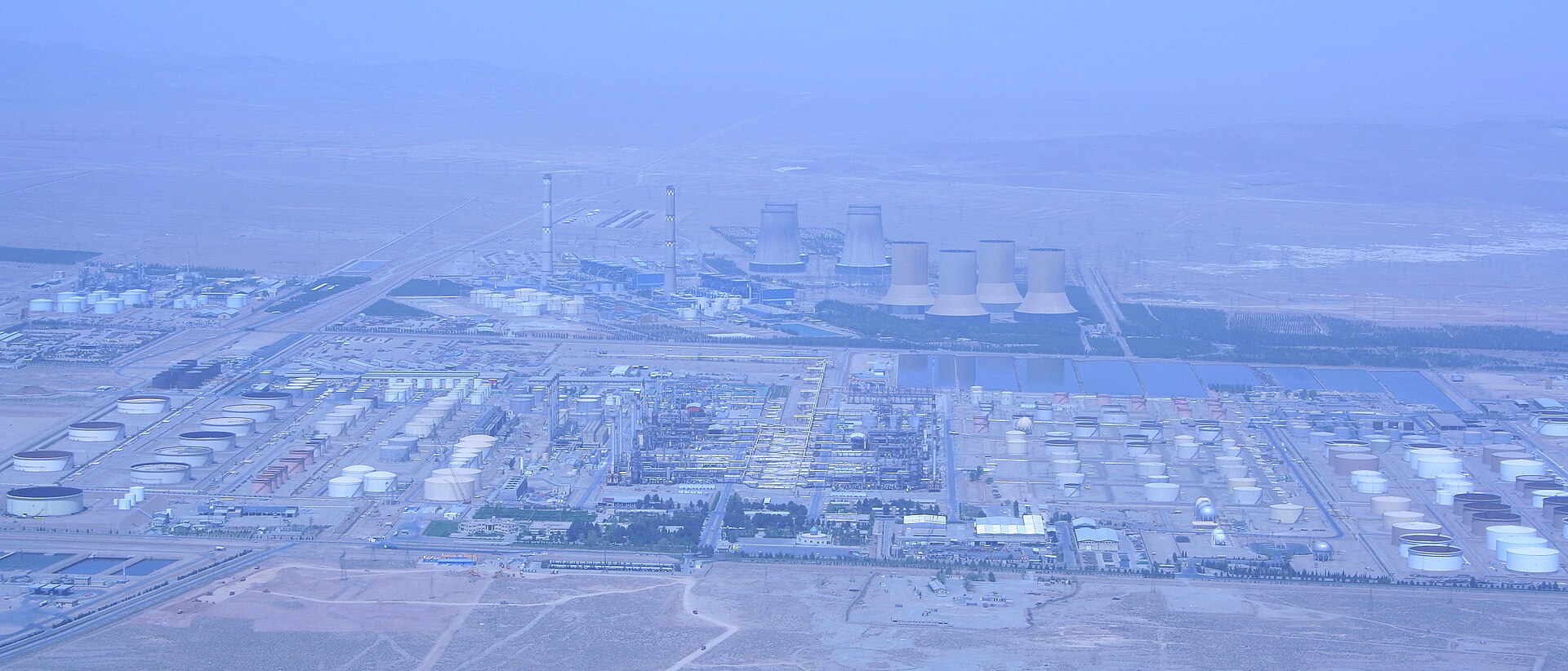
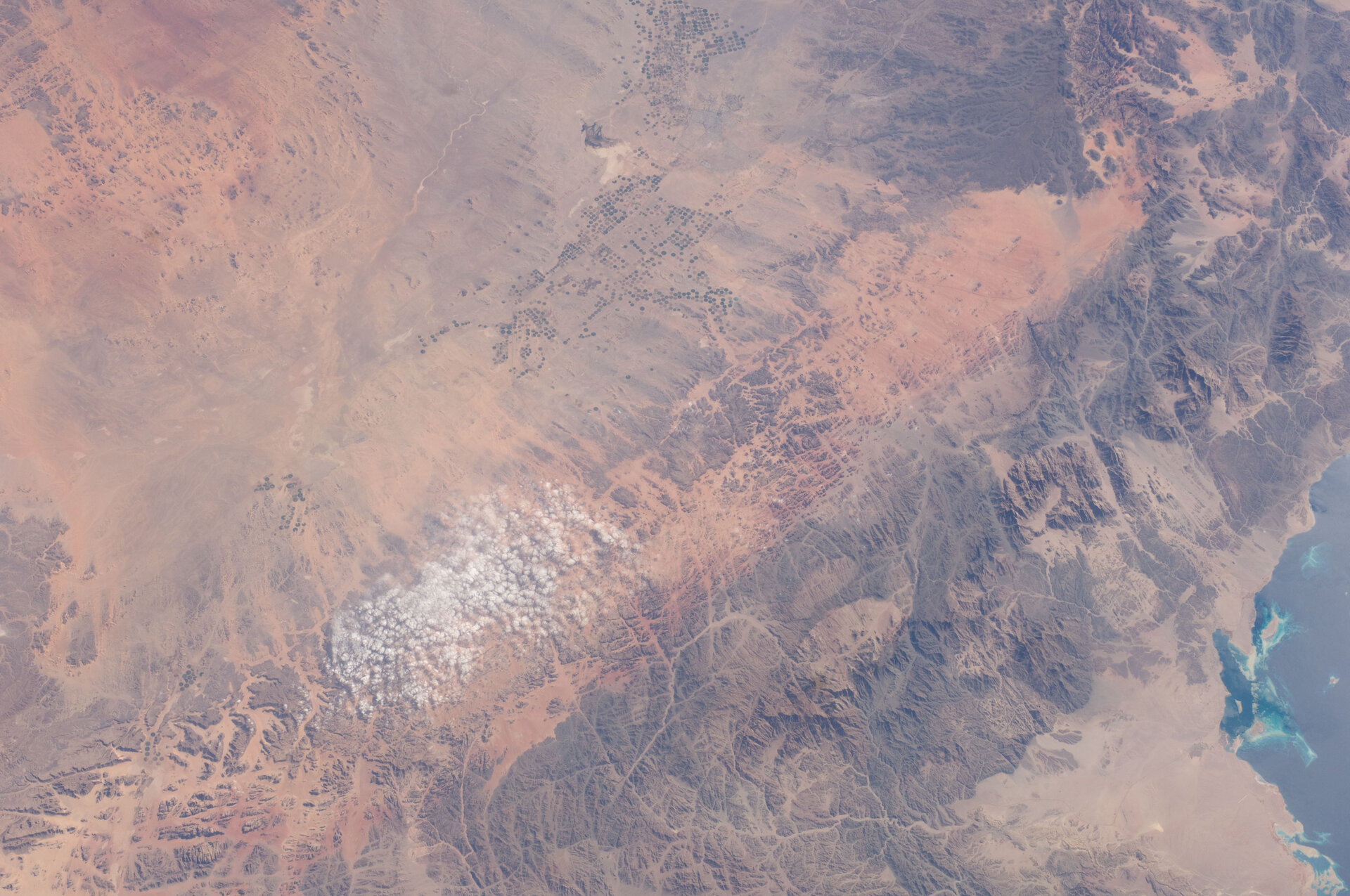
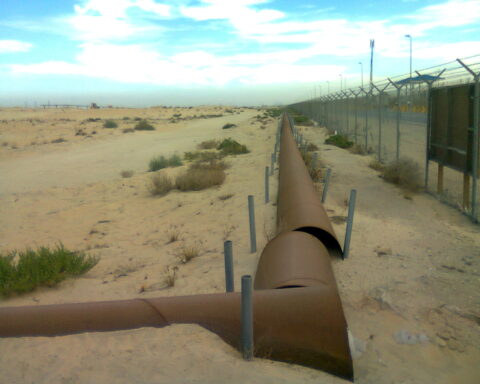
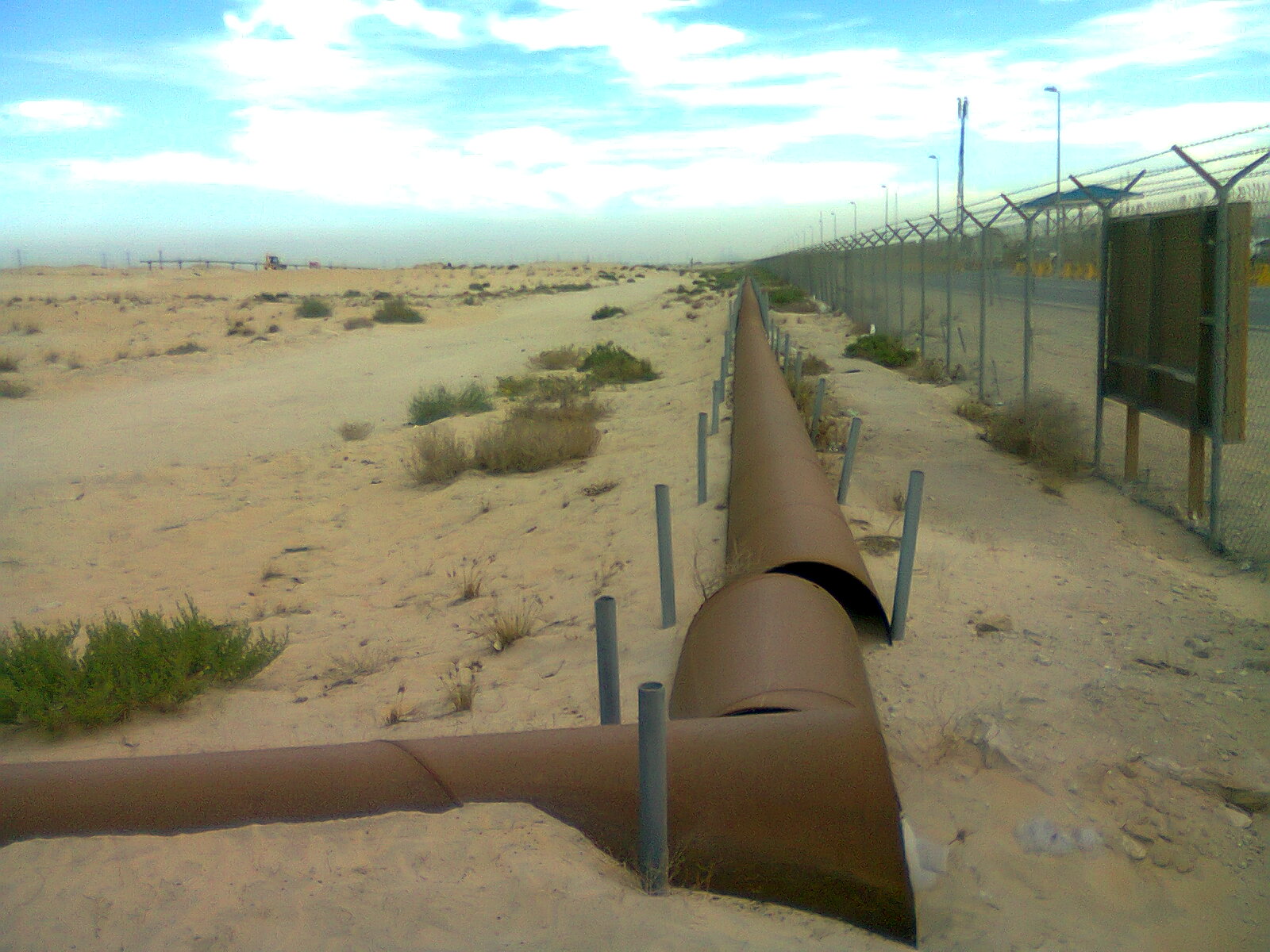
The East-West Pipeline, also known as the Petroline, runs 1,200 kilometers from the Abqaiq oil processing complex in the Eastern Province to the Yanbu export terminal on the Red Sea coast. The system uses dual lines — a 48-inch and a 56-inch pipe — buried across open desert, according to the Pipeline Technology Journal.
Of the 7 million bpd flowing through the pipeline, approximately 5 million bpd is available for crude export through Yanbu, with the remainder allocated to domestic refineries in the western province, Asharq Al-Awsat reported. The pipeline handles mainly Arab Light crude grade.
The Middle East briefing 3,000+ readers start their day with.
One email. Every weekday morning. Free.
Why Does a 45-Year-Old Pipeline Matter More Than Ever?
The pipeline was built specifically for this scenario. Saudi Arabia commissioned the Petroline in 1981, during the Iran-Iraq War, after Riyadh confronted the vulnerability of routing the bulk of its exports through the Strait of Hormuz, according to the Oxford Business Group. During the “Tanker War” phase of that conflict, from 1984 to 1988, Iraq and Iran attacked 451 commercial vessels in the Persian Gulf, killing 430 civilian sailors, according to Britannica.
For 45 years the pipeline sat well below capacity — a $5 billion insurance policy that never needed to pay out. Before the current war, Aramco typically pushed 2-3 million bpd through the system, routing the bulk of its 7-8 million bpd exports through the Gulf terminals at Ras Tanura and Ju’aymah.
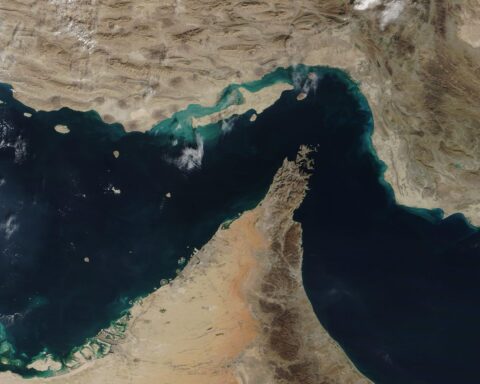
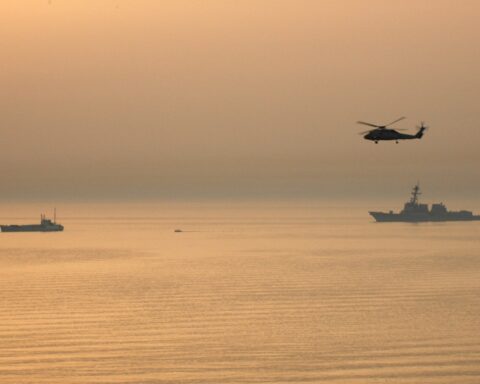
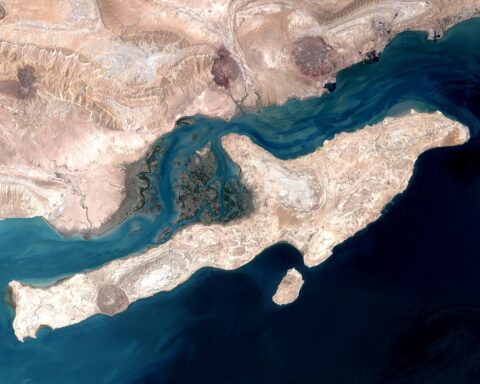
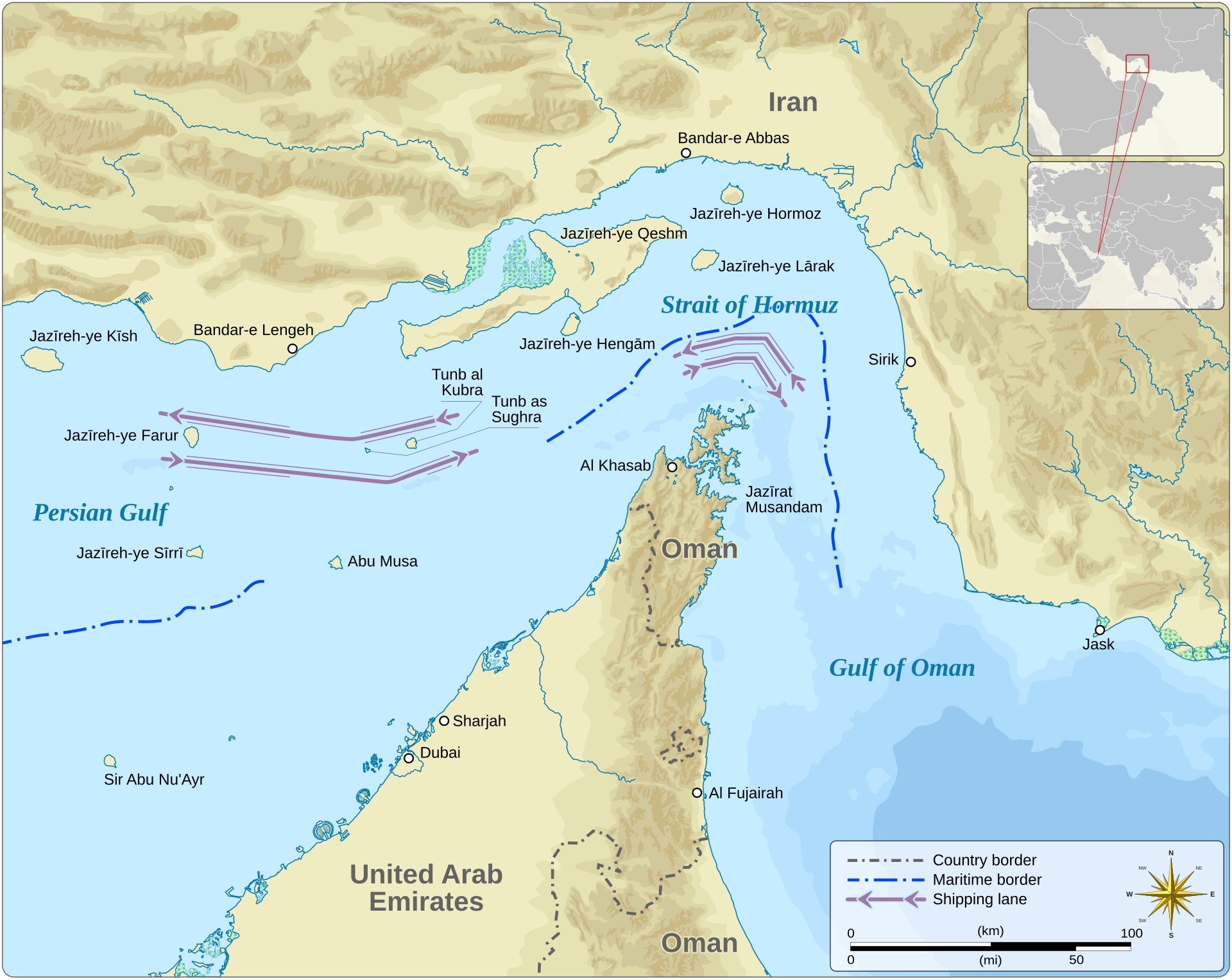
That changed on February 28, 2026, when U.S. and Israeli strikes killed Supreme Leader Ali Khamenei and triggered an Iranian blockade of Hormuz. Tanker traffic through the strait has dropped by approximately 70%, with just 21 tankers transiting the route since the war began compared with more than 100 ships daily before the conflict, CNBC reported on March 18. Iran has demanded a $2 million per-ship transit fee for Hormuz passage, Al Jazeera reported.
Aramco has shut four supergiant offshore fields — Safaniya, Marjan, Zuluf, and Abu Safa — representing 2-2.5 million bpd of lost production capacity.
In 2019, following Houthi drone strikes on Aramco’s Abqaiq processing facility, the company converted parallel natural gas liquids lines to carry crude oil, raising the system’s emergency capacity from 5 million bpd to 7 million bpd, according to European Business Magazine. That conversion has never been tested at sustained maximum flows until now.
| Metric | Before War (Jan 2026) | Current (Mar 28) |
|---|---|---|
| East-West Pipeline throughput | ~2.5 million bpd | 7 million bpd |
| Yanbu crude loadings | 1.3 million bpd | ~5 million bpd |
| Hormuz daily tanker transits | 100+ vessels | ~6 vessels (Mar 24) |
| Brent crude price | ~$75/barrel | $112.57/barrel |
| Ras Tanura refinery | 550,000+ bpd operational | Shut down (Mar 2 drone attack) |
Houthis Enter the War and Create a Second Chokepoint
Hours after Bloomberg confirmed the pipeline’s record throughput, Yemen’s Houthi rebels launched ballistic missiles at Israel, their first attack since the war began on February 28. Houthi military spokesman Brig. Gen. Yahya Saree announced the strikes on Al Masirah television, saying the attacks would continue “until aggression against all fronts of resistance ceases,” Al Jazeera reported.
The Houthi entry into the conflict threatens to turn Saudi Arabia’s Hormuz bypass into a trap. Every barrel that flows through the East-West Pipeline exits via the Red Sea, where tankers must pass through the Bab al-Mandab strait — a 32-kilometer-wide chokepoint between Yemen and Djibouti. The Strait of Hormuz, which Saudi Arabia has spent 45 years and billions of dollars to avoid, is 39 kilometers wide. Bab al-Mandab is narrower.
Approximately 30 tankers sit near Yanbu at any given time within Houthi strike range, according to shipping data cited by The Maritime Executive. From late 2023 through October 2025, the Houthis carried out over 100 attacks on merchant ships, affecting vessels from more than 60 nations, according to the U.S. Maritime Administration (MARAD).
“All of maritime security is now at risk,” Ahmed Nagi, a Yemen analyst at the International Crisis Group, told reporters on March 28.
Saudi Arabia built the East-West Pipeline to escape one 39-kilometer chokepoint. Now its entire export volume must pass through a 32-kilometer chokepoint controlled by Iran’s most capable proxy.
Strategic analysis, based on geographic data from MARAD and Al Jazeera reporting
The U.S. warned on March 26 that Iran-backed Houthi militants could begin firing on vessels in the Bab al-Mandab strait after Tehran raised the possibility of extending barriers to global shipping, Bloomberg reported. Mohammed al-Bukhaiti, a member of the Houthi political bureau, said that any closure would target ships linked to countries engaged in hostilities against Iran, Lebanon, Palestine, or Iraq, according to CGTN.
What Can the Pipeline Not Carry?
Even at full capacity, the East-West Pipeline cannot replace the volume or product diversity that once moved through Hormuz. Before the war, the strait carried approximately 20 million bpd of crude and petroleum products, according to the U.S. Energy Information Administration. The pipeline’s 5 million bpd of export-grade crude covers roughly a quarter of pre-war Hormuz flows.
The pipeline carries Arab Light crude only, OilPrice.com reported. Heavier sour crudes, condensates, liquefied natural gas, liquefied petroleum gases, refined diesel, jet fuel, naphtha, and petrochemical feedstocks cannot move through the system. Those products remain stranded on the Gulf coast. The Engineering News-Record noted that all existing bypass infrastructure was “sized for a short disruption” and designed around crude oil rather than the full slate of hydrocarbons that transited Hormuz.
Kuwait, the UAE (for most of its production), Iraq, and Qatar have no access to the East-West Pipeline. Their exports remain hostage to Hormuz or, in the UAE’s case, the smaller Habshan-Fujairah pipeline. Qatar’s entire LNG fleet — the world’s largest — has no bypass option at all.
Is Yanbu Port Becoming a Bottleneck?
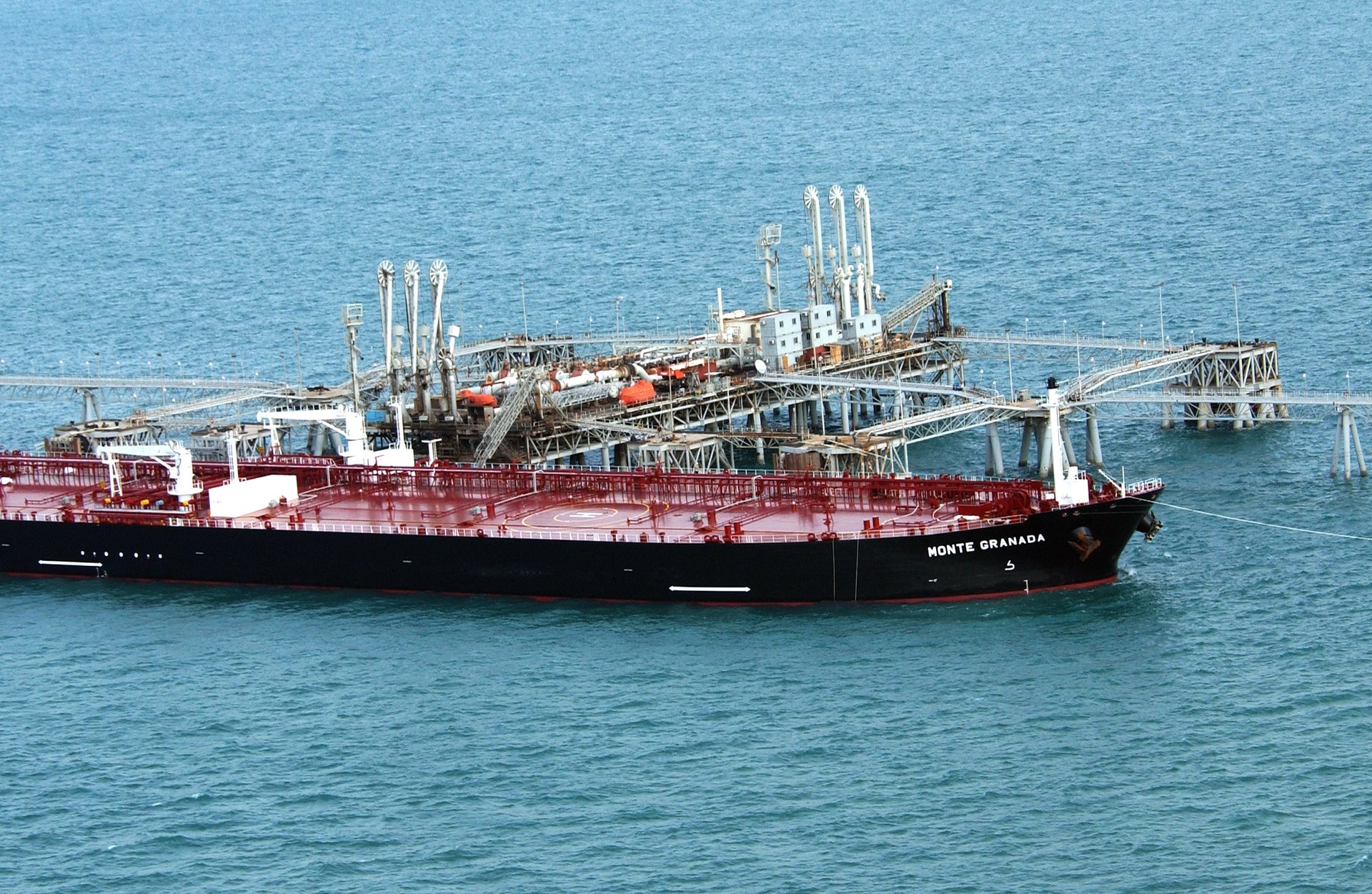
Yanbu’s nominal loading capacity is approximately 4.5 million bpd across two terminals: 1.5 million bpd at Yanbu North and 3 million bpd at Yanbu South, which was commissioned in 2018, according to Argus Media. Market sources put effective capacity closer to 4 million bpd, although this figure had never been tested before the current crisis.
Average crude loadings at Yanbu increased from 1.3 million bpd in January 2026 to 2.6 million bpd in March, with projections targeting 3.8 million bpd by the end of the month, Argus reported. Those figures still fall short of the 5 million bpd of export-grade crude now flowing through the pipeline, creating a potential mismatch between pipeline throughput and port throughput.
The physical pipeline can deliver 7 million bpd, but if Yanbu’s terminals cannot load tankers fast enough, crude backs up into storage. The Red Sea pivot that analysts have described as a generational infrastructure shift may be constrained less by the pipeline itself and more by the port at the end of it.
The pipeline itself presents a separate vulnerability. Its route runs through open desert as an above-ground and shallow-buried installation with no redundant path. If the pipeline were struck — by missiles, drones, or sabotage — Saudi Arabia’s entire Red Sea export capacity would go offline. CSIS has estimated that 70% of Iranian ordnance fired since February 28 has been aimed at the Eastern Province and oil facilities, according to its air campaign assessment.
Regional Alternatives and Their Limits
Saudi Arabia’s East-West Pipeline is not the only Hormuz bypass in the region, but the alternatives are far smaller and equally constrained.
The UAE’s Habshan-Fujairah pipeline carries approximately 1.5 million bpd from Abu Dhabi’s onshore fields to the port of Fujairah on the Gulf of Oman, bypassing Hormuz entirely. Oil exports from Fujairah averaged 1.62 million bpd in March, up from 1.17 million bpd in February, according to CNBC. The pipeline was built by the China Petroleum Engineering and Construction Corporation at a cost of $4.2 billion and became operational in June 2012.
The IPSA pipeline, built by Iraq in the 1980s to export oil across Saudi Arabia to the Red Sea port of Mu’ajjiz, has been mothballed since 1990 following the Iraqi invasion of Kuwait. A Saudi Aramco official told Al Jazeera that the pipeline is “not in a stage to be utilised.” Its revival would take years, not weeks.
| Pipeline | Route | Capacity (bpd) | Status (Mar 2026) |
|---|---|---|---|
| East-West / Petroline | Abqaiq to Yanbu (Saudi Arabia) | 7 million | Full capacity |
| Habshan-Fujairah / ADCOP | Abu Dhabi to Fujairah (UAE) | 1.5 million | ~1.62 million bpd (Mar avg) |
| IPSA | Basra (Iraq) to Mu’ajjiz (Saudi Arabia) | 1.65 million (design) | Mothballed since 1990 |
Combined, the two operational pipelines can bypass approximately 8.5 million bpd — less than half of pre-war Hormuz flows. Neither pipeline handles LNG, refined products, or petrochemicals. And both now discharge into waters that face their own security threats: Yanbu into the Houthi-threatened Red Sea, Fujairah into a Gulf of Oman where Iranian naval forces have operated aggressively since the war began.
Brent crude closed above $112 per barrel on March 28, with WTI briefly touching $100.04 intraday, according to Trading Economics. Goldman Sachs estimated a $14-18 per barrel geopolitical risk premium baked into current prices.
The IMF has warned that every 10% rise in oil prices adds 0.4 percentage points to global inflation and subtracts 0.15 percentage points from global GDP. Barclays estimated that sustained prices above $100 per barrel would shave 0.2 percentage points off global GDP and add 0.7 percentage points to inflation.
President Trump has extended his deadline for Iran to reopen Hormuz to April 6, the second extension since the war began. The pipeline’s record throughput provides Saudi Arabia with a partial workaround — but with Houthi missiles now targeting Israel and regional diplomacy scrambling to keep pace, the question is no longer whether the bypass works. The question is whether the bypass is safe.
Frequently Asked Questions
How long would it take to repair the East-West Pipeline if it were attacked?
Pipeline security analysts cited by the Atlantic Council estimate that a targeted strike on one of the pipeline’s desert pump stations could take 2-4 weeks to repair, depending on the severity of damage and availability of specialized equipment. During the September 2019 Abqaiq attack, Aramco restored the processing facility to pre-attack capacity within approximately 11 days, but the pipeline’s remote desert routing complicates emergency logistics compared with the Abqaiq complex, which sits near major urban centers in the Eastern Province.
Can other Gulf states build their own Hormuz bypass pipelines?
Kuwait and Qatar lack the geographic width for a cross-country bypass — both are small peninsular states whose territory faces the Gulf. Iraq has theoretically viable overland routes to Turkey (the Kirkuk-Ceyhan pipeline carries approximately 450,000 bpd) and could revive a route to Jordan’s Aqaba port on the Red Sea. A proposed Iraq-Jordan pipeline was under discussion as recently as 2024 but has not progressed beyond feasibility studies, according to Energy Intelligence.
What happens to Asian buyers who depended on heavier Gulf crudes?
Refineries in South Korea, Japan, and India that were configured for heavier sour crudes from Safaniya and other Gulf fields face a mismatch problem. Arab Light from Yanbu does not substitute directly for Arab Heavy or Arab Medium grades without refinery reconfiguration. Several Asian refiners have turned to alternative heavy crude suppliers, including Russia’s ESPO blend and Latin American grades from Colombia and Brazil, according to Argus Media reporting in mid-March.
Has Iran threatened the East-West Pipeline directly?
Iran has not publicly threatened the pipeline by name, but IRGC-affiliated media outlets in early March described Saudi oil infrastructure as a legitimate target if the kingdom facilitated American military operations. The pipeline’s route is partially visible on satellite imagery and runs through sparsely populated terrain with limited air defense coverage compared with the heavily protected Abqaiq and Ras Tanura complexes in the Eastern Province.
Could Saudi Arabia build additional bypass capacity?
Aramco has discussed with the Saudi government the possibility of a second Red Sea pipeline or a dedicated products line to Yanbu, according to Reuters reporting from March 15. Any new pipeline would take 3-5 years to build under normal conditions. The more immediate option is expanding Yanbu’s port loading infrastructure, which Aramco has prioritized since early March with emergency contracts for additional berthing capacity and floating storage, according to The Maritime Executive.