Brent Crude Swings $12 as Trump Calls CENTCOM Strikes a ‘Love Tap’
DHAHRAN — Brent crude whipped through a $12 intraday range on May 8, surging to $108.80 after CENTCOM strikes on Iranian naval and surveillance infrastructure at Qeshm Island, Bandar Abbas, and Bandar Kargan, then collapsing to $96.80 after President Donald Trump told ABC News the operation was “just a love tap” — before settling near $101 at close. West Texas Intermediate finished the session at approximately $95.93.
The close at $101 leaves Brent below Saudi Arabia’s fiscal breakeven of $108–111 per barrel and $7 beneath Aramco’s June Official Selling Price for Arab Light to Asia, set five days ago at +$15.50 above the Oman/Dubai average. Those prices were locked before CENTCOM destroyed the intelligence, surveillance, and reconnaissance nodes that Iran’s newly launched Persian Gulf Shipping Authority requires to process vessel clearances — the bureaucratic architecture Tehran has built around any managed reopening of the Strait of Hormuz.
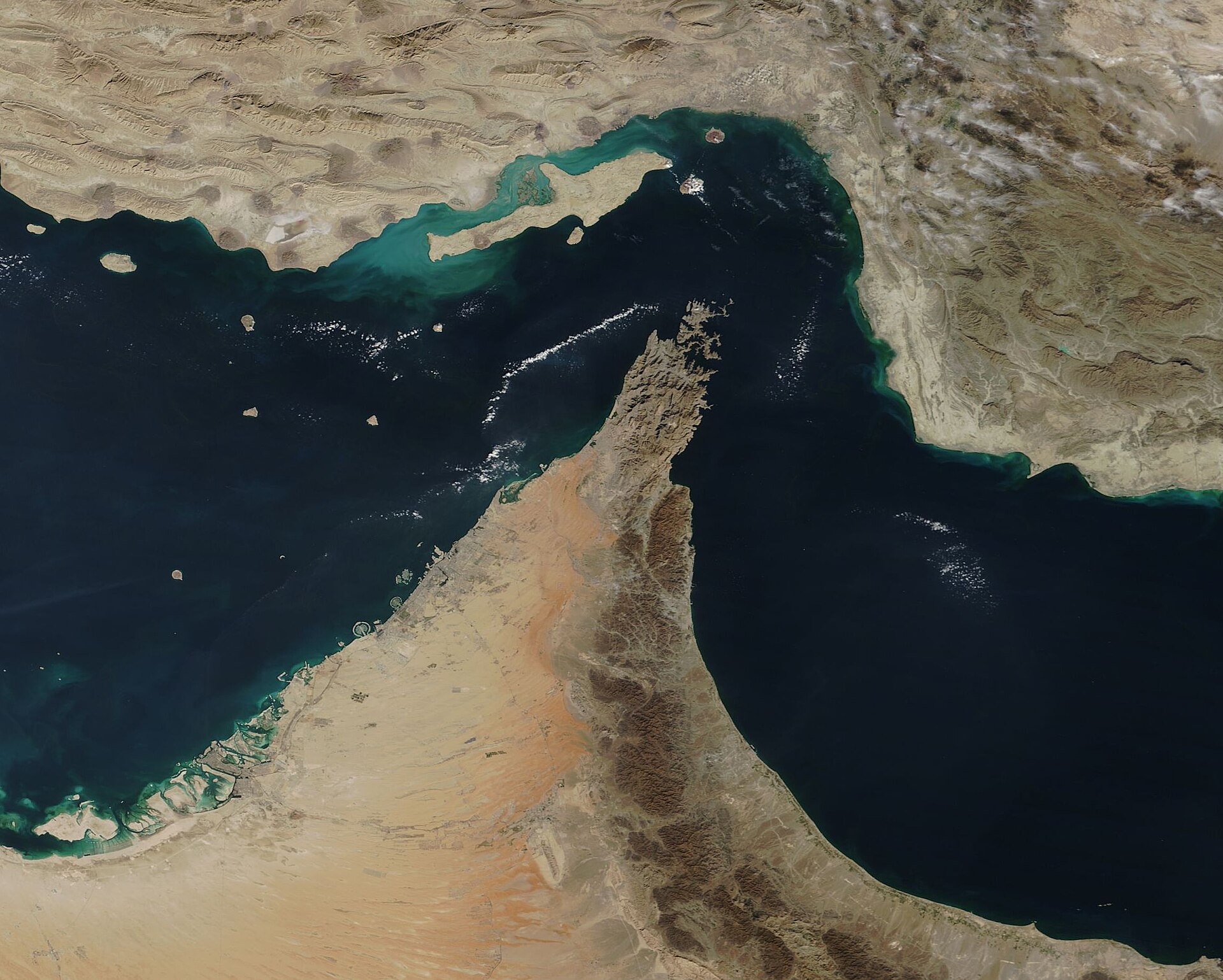
Table of Contents
What Did CENTCOM Strike — and Why Does It Matter for Hormuz?
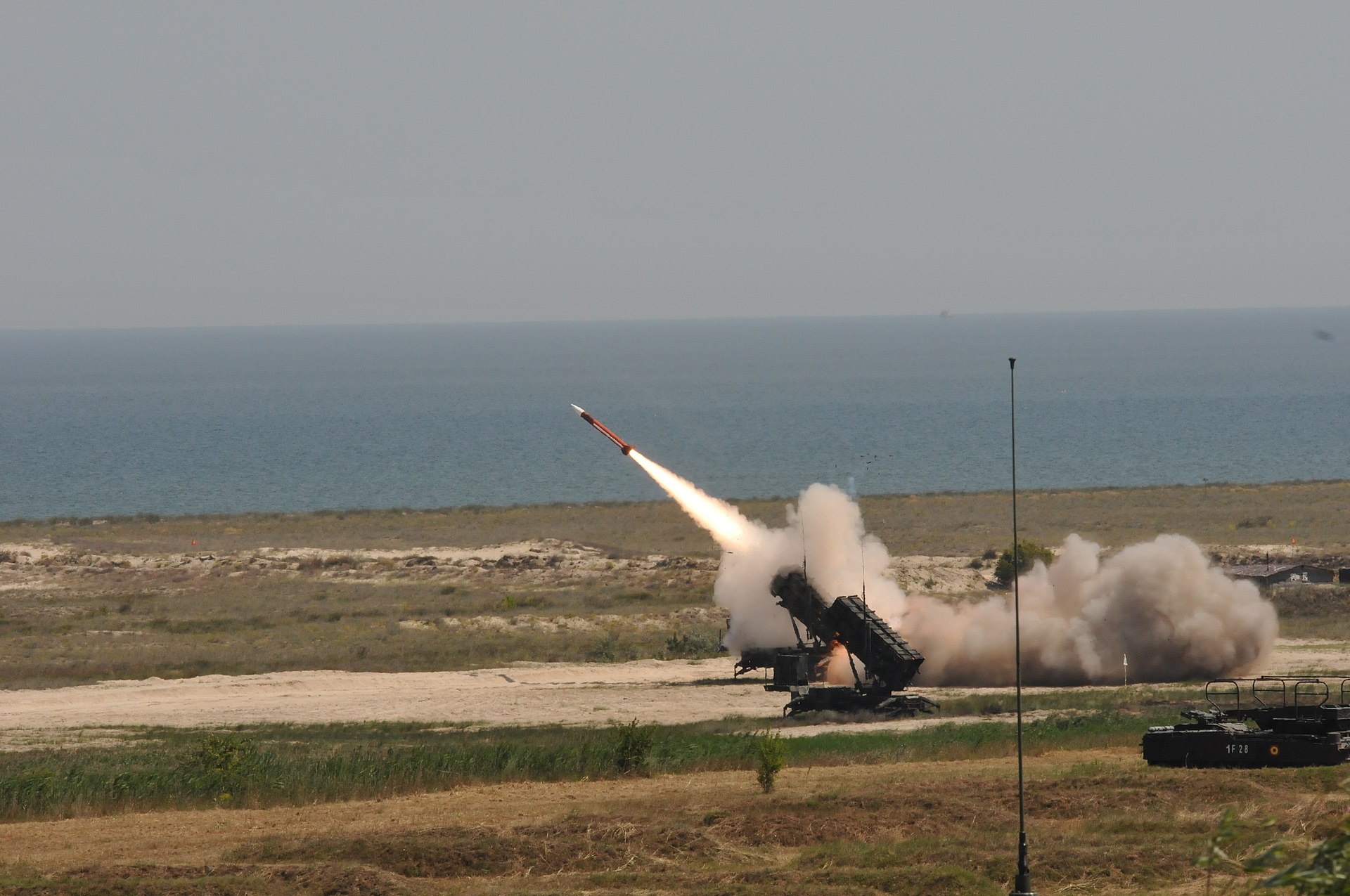
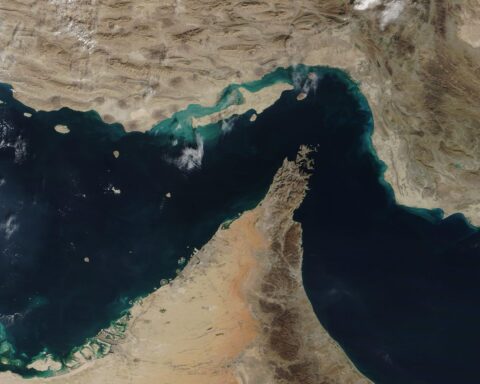
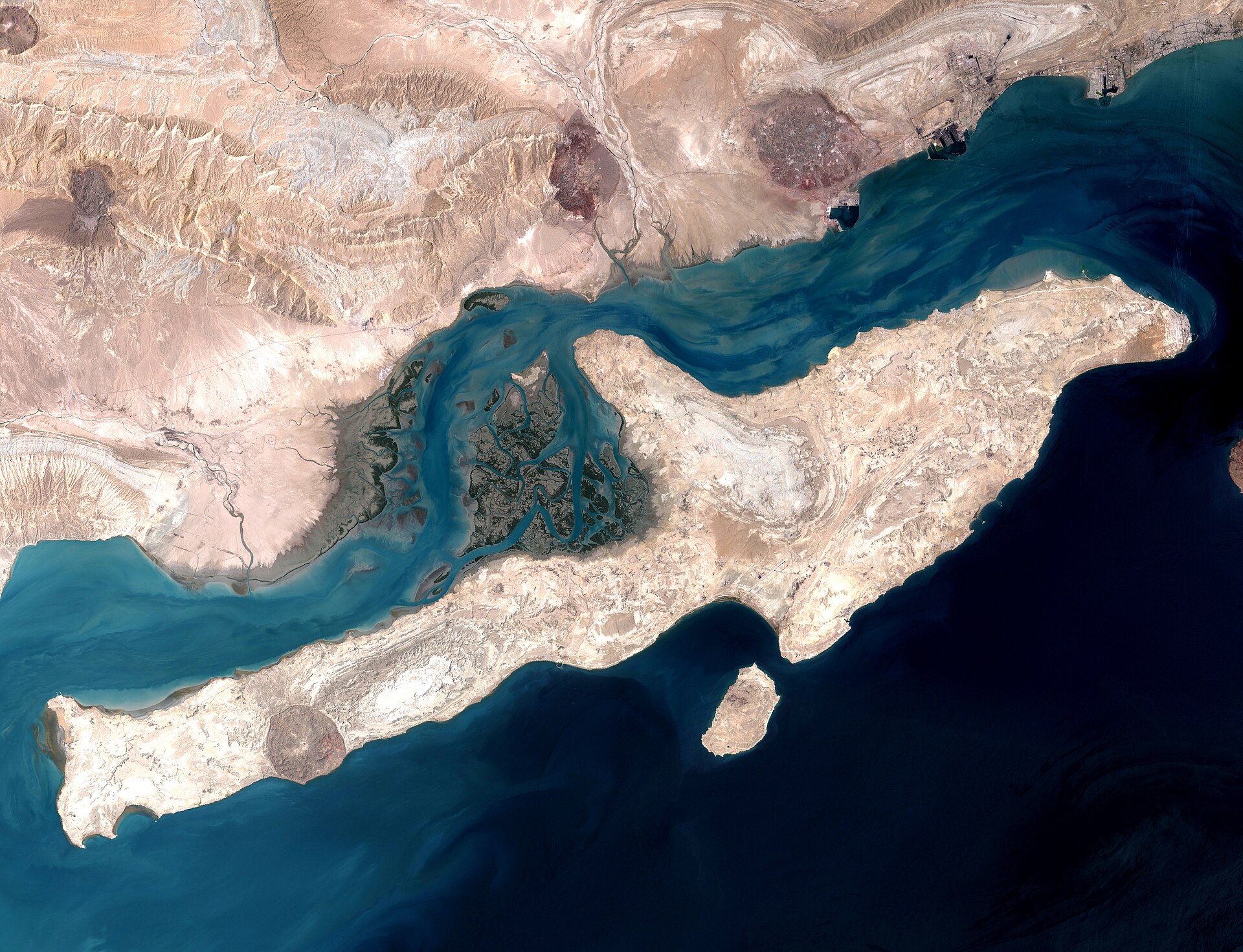
CENTCOM confirmed strikes on three categories of targets: missile and drone launch sites, command and control locations, and ISR nodes. The sites hit included Bahman Port on Qeshm Island, an unidentified facility in Bandar Abbas, and the Bandar Kargan naval checkpoint in Minab, Hormozgan province, according to NBC News and Fox News citing senior US officials.
Iran’s armed forces spokesperson said US airstrikes hit civilian areas along the coasts of Qeshm Island, Bandar Khamir, and Sirik. Iranian state media reported damage to commercial facilities at Bahman Pier on Qeshm Island, which PressTV described as “Iran’s vital Qeshm Island pier.”
Three US destroyers carried out the strikes: USS Truxtun (DDG-103), USS Rafael Peralta (DDG-115), and USS Mason (DDG-87), according to CENTCOM and CBS News. Iranian forces responded with ballistic missiles, anti-ship cruise missiles, and drones targeting the three destroyers. CENTCOM confirmed no US assets were struck.
A US official told NBC News the strikes “were defensive and do not constitute a resumption of major combat operations against Iran.” The IRGC framed its response differently, stating its forces used “various types of ballistic and anti-ship cruise missiles and destructive drones with high-explosive warheads” in response to US violations of the truce.
The Middle East briefing 3,000+ readers start their day with.
One email. Every weekday morning. Free.
Bandar Abbas is the epicenter of Iranian naval operations around the Strait of Hormuz and was struck repeatedly during Operation Epic Fury, the US-Israel campaign that began February 28, according to Air and Space Forces Magazine. The UAE defense ministry confirmed on May 8 that its air defenses engaged two ballistic missiles and three drones launched from Iran, according to CNBC.
The ‘Love Tap’ That Moved $12
Brent rose as much as 7.5 percent during the session as markets digested the CENTCOM operation and Iran’s retaliatory missile fire, according to CNBC. Then Trump spoke.
In an interview with ABC News’ Rachel Scott, the president described the strikes as “just a love tap” and asserted that “the ceasefire is going.” Brent dropped from its session high of $108.80 to $96.80 within hours — a $12 collapse driven by a single phrase from a single source.
“Just a love tap.”— President Donald Trump, ABC News interview, May 8, 2026, describing CENTCOM strikes on Iranian military infrastructure
The New York Times had reported, hours before the strikes, that Washington and Tehran “are discussing a one-page plan for both sides to reopen the Strait of Hormuz and end hostilities for 30 days while they try to reach a comprehensive deal.” The strikes landed while that plan was reportedly under discussion. Trump’s framing of the operation as trivial — a love tap — gave traders a reason to sell the spike, but it did not change anything about the physical oil market underneath the price.
Iran’s Foreign Ministry, via PressTV, said Washington is “trapped in a self-created quagmire.” Iran’s military warned it “could resume” operations “if American forces enter the Persian Gulf again.”
Aramco’s June OSP: Priced for a World That No Longer Exists
Aramco set its June Official Selling Price for Arab Light crude to Asia at +$15.50 per barrel above the Oman/Dubai average, according to Zawya and MarketScreener. That was a $4.00 cut from May’s war-premium of +$19.50 — a price that was itself set during a period of extreme volatility and proved impossible to sustain as Brent crashed $25 in April.
The June OSP was finalized on May 5–6, two days before CENTCOM destroyed the ISR infrastructure at Qeshm and Bandar Abbas. Saudi barrels priced at +$15.50 above benchmark now face a spot market where Brent closed at $101 — $7 to $10 below the kingdom’s fiscal breakeven of $108–111 per barrel, calculated using Bloomberg’s PIF-inclusive methodology.
Goldman Sachs has pushed its Hormuz normalization timeline to no earlier than end-June, back from a prior mid-May estimate. The bank’s war-adjusted Saudi deficit projection stands at 6.6 percent of GDP, double the official 3.3 percent figure. The EIA’s Q2 2026 Brent peak forecast of $115 per barrel now sits $14 above the May 8 close.
Saudi Arabia’s Public Investment Fund raised $7 billion in a May 2026 bond offering — upgraded from an initial $5 billion target — drawing $21.6 billion in demand, according to AGBI and Zawya. The oversubscription suggests credit markets are pricing Saudi sovereign risk more favorably than the crude market is pricing Saudi revenue.
Can PGSA Function Without the Nodes CENTCOM Destroyed?
Iran’s Persian Gulf Shipping Authority launched on May 5 with a mandatory vessel registration system: a 40-plus-question form emailed to [email protected], required before any vessel may transit the strait, according to CNN and PressTV. No evidence of approved post-strike transits has emerged.
CENTCOM’s stated targeting categories — missile and drone launch sites, command and control, and ISR nodes — overlap directly with the infrastructure PGSA requires to function as a managed transit authority: surveillance capability, communication nodes, and maritime domain awareness.
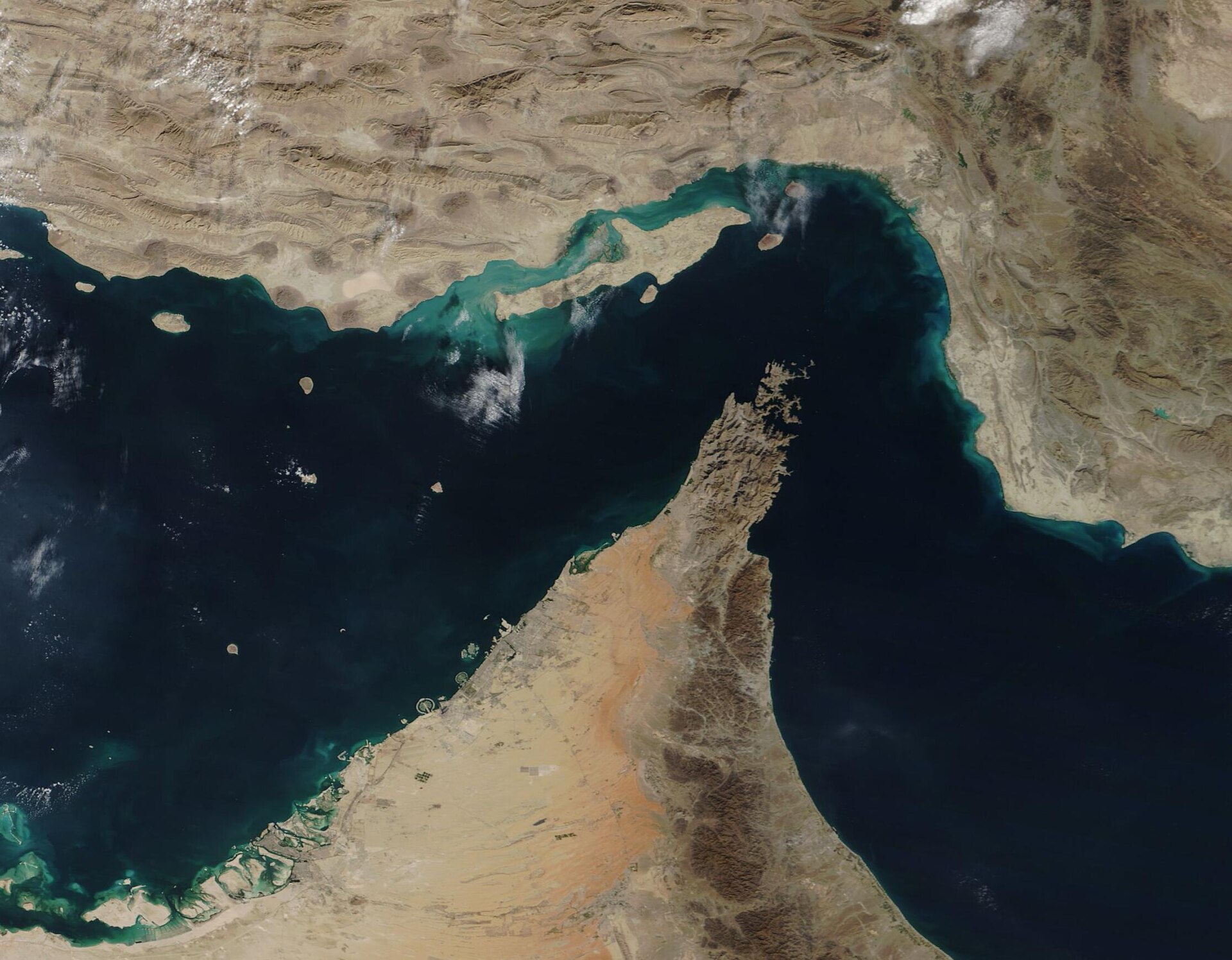
Only 191 vessels transited Hormuz in all of April 2026, compared with approximately 3,000 per month before the war, according to Kpler and Lloyd’s List Intelligence. In the week ending May 3, roughly 40 ships made the passage. CNN reported approximately 1,550 ships awaiting Tehran’s clearance.
On the same day as the price swing, Iran’s Navy seized the oil tanker Ocean Koi in the Sea of Oman under a Supreme National Security Council resolution and judicial order, according to Bloomberg and Tasnim. The vessel is a rebranded shadow-fleet ship previously sanctioned by the US Treasury in February 2026. Tasnim framed the seizure as law enforcement under PGSA authority rather than a military operation; the 22,500 mariners currently trapped in the Gulf remain unable to depart regardless of the legal framing.
IEA Director Fatih Birol has called Gulf oil exports offline “the biggest energy security threat in history.”
NACHO: Wall Street Prices In a Closed Strait
A new acronym is circulating on trading desks: NACHO — “Not A Chance Hormuz Opens.” Zavier Wong, a market analyst at eToro, introduced the term on CNBC on May 8.
“It’s essentially the market losing hope in the chance of a quick fix.”— Zavier Wong, market analyst, eToro, CNBC, May 8, 2026
The NACHO positioning reflects a structural bet against reopening rather than a directional crude trade. War risk insurance stands at 2.5 percent of hull value per voyage, up from 0.1 percent before the war, according to CNBC and Lloyd’s List. For a $100 million VLCC, that is $2.5 million per transit. Lloyd’s of London is in discussions with the US International Development Finance Corp about political risk insurance guarantees to facilitate passage, according to the Maritime Executive.
VLCC daily earnings hover near $100,000 per day, and crude export volumes carried by VLCCs have fallen 36 percent compared with pre-war levels, according to Lloyd’s List. OilPrice.com concluded in a May analysis: “No reversal of this dynamic has been witnessed even during brief reopenings. Tankers turn back. Shipping lines refuse bookings. Insurance markets remain restrictive.”
OPEC+ agreed on May 3 to a 188,000 barrels-per-day output increase for June — the first since the war began, described as “symbolic” by Al Jazeera. The barrels cannot physically flow through Hormuz, and Saudi Arabia’s bypass via the East-West Pipeline to Yanbu operates at a ceiling well below pre-war Hormuz throughput.
The $12 intraday range on May 8 was not driven by supply data, inventory draws, or OPEC decisions. CENTCOM struck Iranian ISR nodes in the morning; Trump called the strikes a love tap in the afternoon. Between those two events, the price of Brent moved further than most trading models allow for in a week.
Background
The Iran–US conflict escalated into open hostilities on February 28, 2026, when Operation Epic Fury launched simultaneous strikes on Iranian military infrastructure. Bandar Abbas has been struck multiple times since, degrading Iran’s ability to project naval power into the strait. The IRGC declared “full authority to manage the Strait” in April, but the command has operated without a named Navy commander since Rear Admiral Alireza Tangsiri was killed on March 30.
The ceasefire nominally in effect since April 8 has not stopped kinetic exchanges. Iran struck UAE targets on the MOU deadline day. CENTCOM struck Qeshm and Bandar Abbas on May 7–8. Trump’s insistence that the ceasefire is “going” sits alongside a one-page reopening plan reported by the New York Times — a plan whose stated requirement — managed Iranian maritime surveillance — was struck by CENTCOM in the same reported 24-hour window.
Saudi Arabia’s June OSP commitments were priced before CENTCOM altered the operating environment that made them calculable.
FAQ
What is the NACHO trade?
NACHO — “Not A Chance Hormuz Opens” — is a term coined by eToro market analyst Zavier Wong on CNBC on May 8, 2026, to describe the growing structural bet against Hormuz reopening. It reflects bets that Hormuz will remain functionally closed regardless of diplomatic signals, driven by the structural barriers to reopening: destroyed infrastructure, insurance costs at 25 times pre-war levels, and the absence of a credible enforcement mechanism for any transit deal.
How does the June OSP compare to current spot prices?
Aramco’s June OSP for Arab Light to Asia was set at +$15.50/bbl above the Oman/Dubai average on May 5–6. With Brent at $101, the OSP embeds a war premium calculated when the market expected prices to remain near $106–108. Buyers locked into June lifting contracts are paying a differential that assumed conditions — including at least partial Hormuz functionality — that the May 7–8 strikes have further undermined. May’s +$19.50 OSP was itself repriced downward after the April price crash.
What did CENTCOM specifically target at Qeshm Island?
CENTCOM confirmed strikes on Bahman Port on Qeshm Island, targeting missile and drone launch sites, command and control locations, and ISR nodes. Iran’s state media reported damage to commercial facilities at Bahman Pier. Air and Space Forces Magazine notes Qeshm’s Bahman Port has served as a forward staging area for IRGC Navy fast-attack craft and drone operations, making it both a military target and a node in any future PGSA-managed transit regime.
Why did the PIF bond succeed despite oil market stress?
The $7 billion PIF bond (upgraded from $5 billion) attracted $21.6 billion in demand — a 3:1 oversubscription ratio. Credit investors are pricing Saudi Arabia’s diversified revenue base and the assumption that oil prices will eventually normalize. The bond market is making a different bet than the crude market: that Saudi Arabia can service debt even if Brent stays below fiscal breakeven for several quarters.
How many ships are currently waiting to transit Hormuz?
CNN reported approximately 1,550 vessels awaiting Tehran’s clearance as of early May 2026. Only about 40 ships transited in the week ending May 3, and the full month of April saw 191 transits versus approximately 3,000 per month pre-war, according to Kpler and Lloyd’s List Intelligence. The PGSA registration system launched May 5 requires completion of a 40-plus-question form before any vessel may proceed — a bureaucratic gate now backed by degraded surveillance infrastructure. The broader corporate earnings consequence of this supply gridlock — how Aramco’s record Q1 profit was built on war-premium OSPs now already being cut — is analyzed in Aramco Q1 2026 Earnings: The War Quarter That Won’t Repeat.