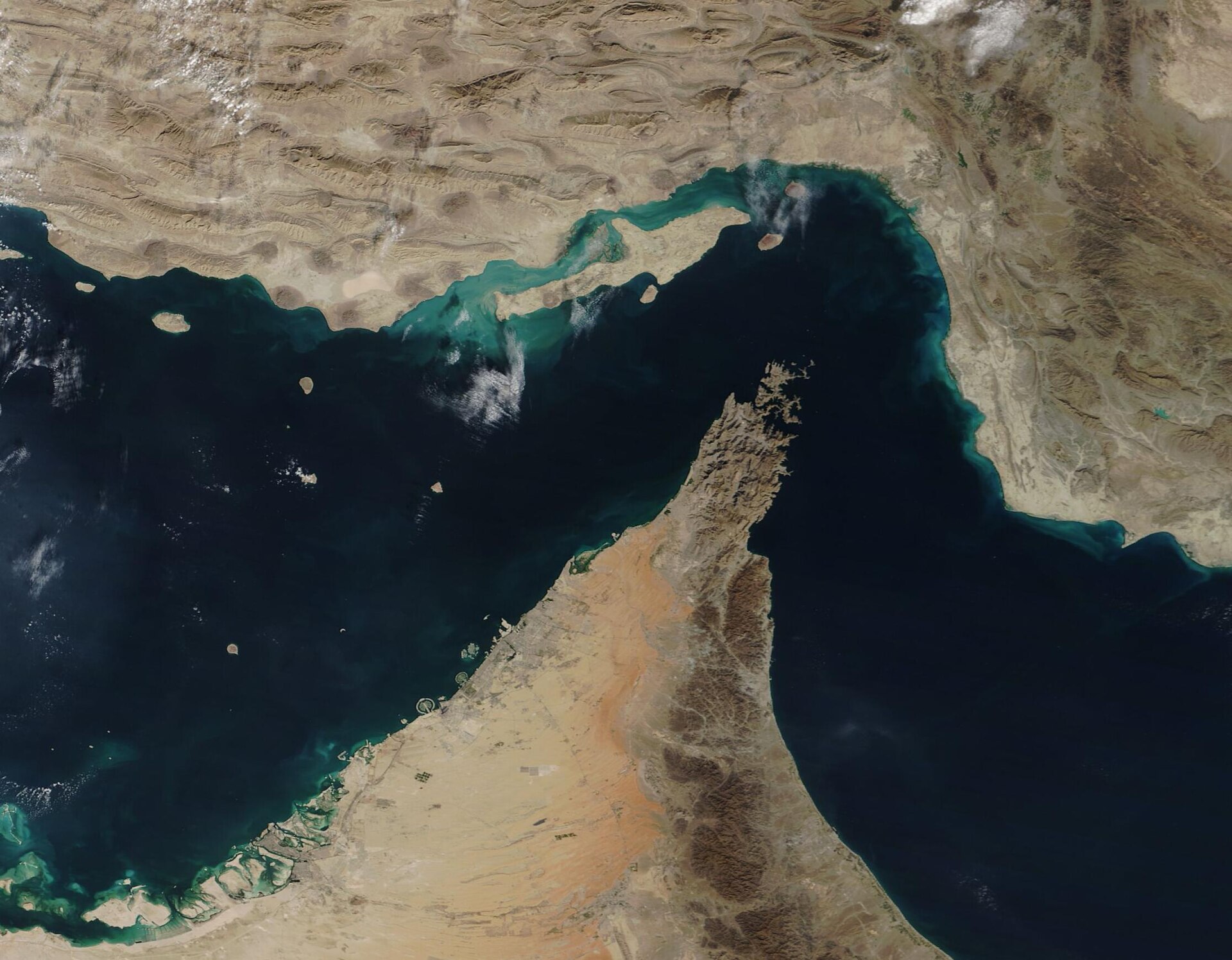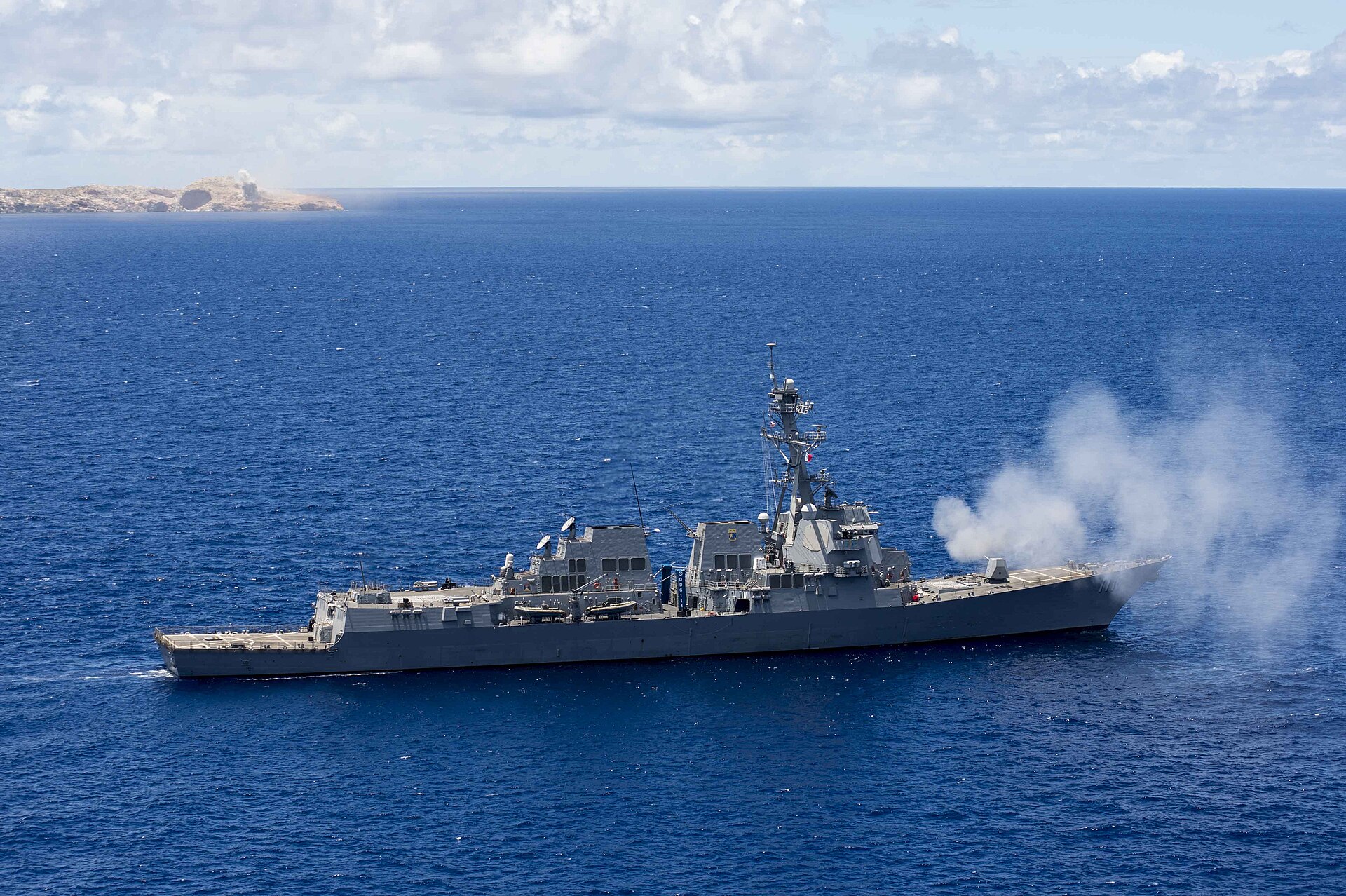

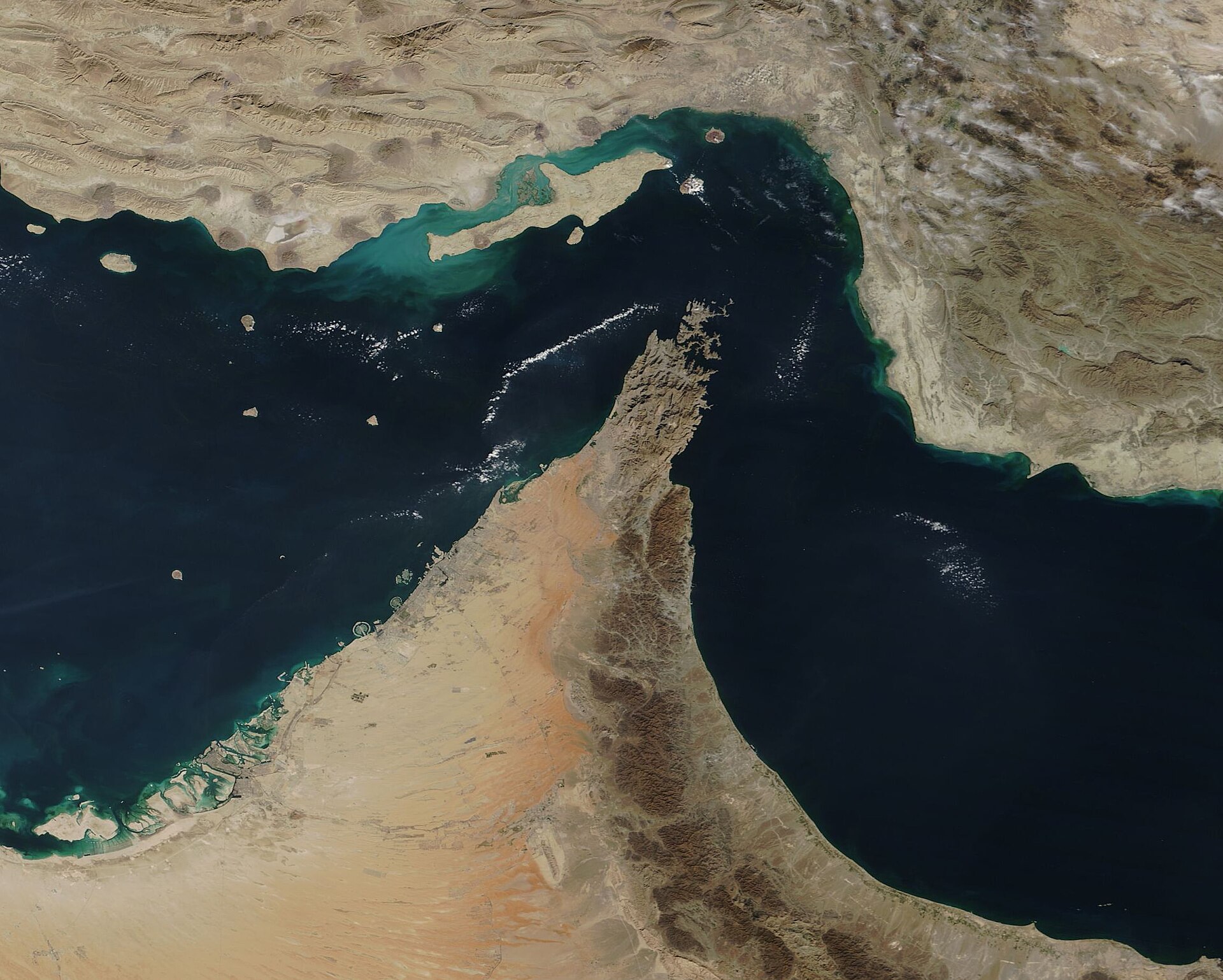
WASHINGTON — The USS Spruance put several rounds from its 5-inch gun into the engine room of a 295-metre Iranian container ship on April 20 after six hours of warnings went unanswered. Within 72 hours, the single act of disabling the M/V Touska had collapsed ceasefire negotiations, provoked Iran’s first retaliatory ship seizures of the war, and forced Beijing into its most explicit public demand on the Strait of Hormuz since the conflict began on February 28. The boarding — US Marines from the 31st Marine Expeditionary Unit rappelling from helicopters launched off USS Tripoli — was the first forcible seizure under the American blockade declared on April 13, and the vessel’s documented voyage through Chinese ports may have made the operation as much a message to Beijing as to Tehran.
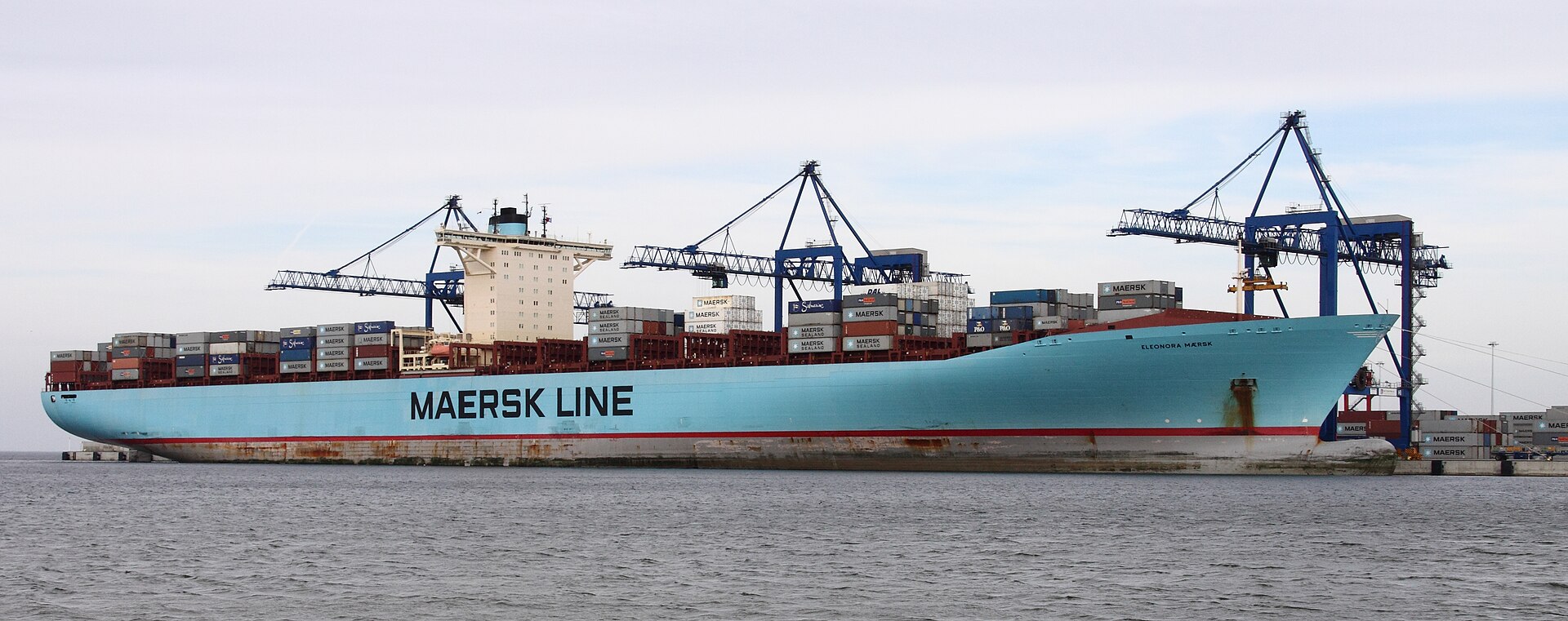
The Touska, a 66,432-tonne Panamax container ship owned by Islamic Republic of Iran Shipping Lines and on the US OFAC sanctions list since 2019, had spent 11 days in Chinese waters, loaded containers at Gaolan port near Zhuhai — a location the Washington Post had previously identified as a key hub where Iran secures precursors for rocket fuel used in its ballistic missiles — and disabled its AIS transponder for two and a half days. By April 22, the IRGC had seized two foreign commercial vessels in retaliation, Xi Jinping had called MBS to demand Hormuz stay open, and Pakistan’s mediation effort was scrambling to prevent the blockade from killing the ceasefire entirely.
Table of Contents
The Touska’s Route Through Chinese Ports
The Touska (IMO 9328900), built in 2008 with a capacity of 4,795 TEU containers, departed Iran’s Shahid Rajaee port on February 22 and made its way through the Strait of Malacca in early March before arriving at Zhuhai port in southern China on March 9, according to tracking data published by Newsweek. From Zhuhai the vessel moved to Chinese waters off Shanghai, where it remained for 11 days before docking at Taicang port north of Shanghai on March 25 and then returning south to Gaolan port on March 29-30 to load containers.
The Zhuhai stop is where the voyage acquires a second dimension beyond routine Iranian trade. The Washington Post had previously identified Zhuhai as a key location where Iran secures precursors for rocket fuel used in its ballistic missiles, and a Jamestown Institute report from April 2026 found that Iran’s March drone campaign “was powered by thousands of Chinese-made components.” The Touska’s extended stay in Chinese waters — multiple ports over three weeks, including the same port flagged for missile precursor procurement — places the vessel squarely inside the supply chain that the US Treasury’s Operation Economic Fury was designed to disrupt, an operation that had already sent formal letters to two Chinese banks warning of secondary sanctions for facilitating Iranian funds.
After loading at Gaolan, the Touska sailed to Port Klang anchorage in Malaysia, arriving April 11-12. Ray Powell, director of SeaLight at Stanford’s Gordian Knot Center for National Security Innovation, noted to Fox News that Port Klang is “infamous for ship-to-ship transfers” due to weak enforcement — a regular waypoint in Iran’s documented transshipment networks. The vessel then set course for Bandar Abbas, directly into the teeth of the American blockade that had been declared the previous day.
How Did the US Board an Iranian Vessel Under Blockade?
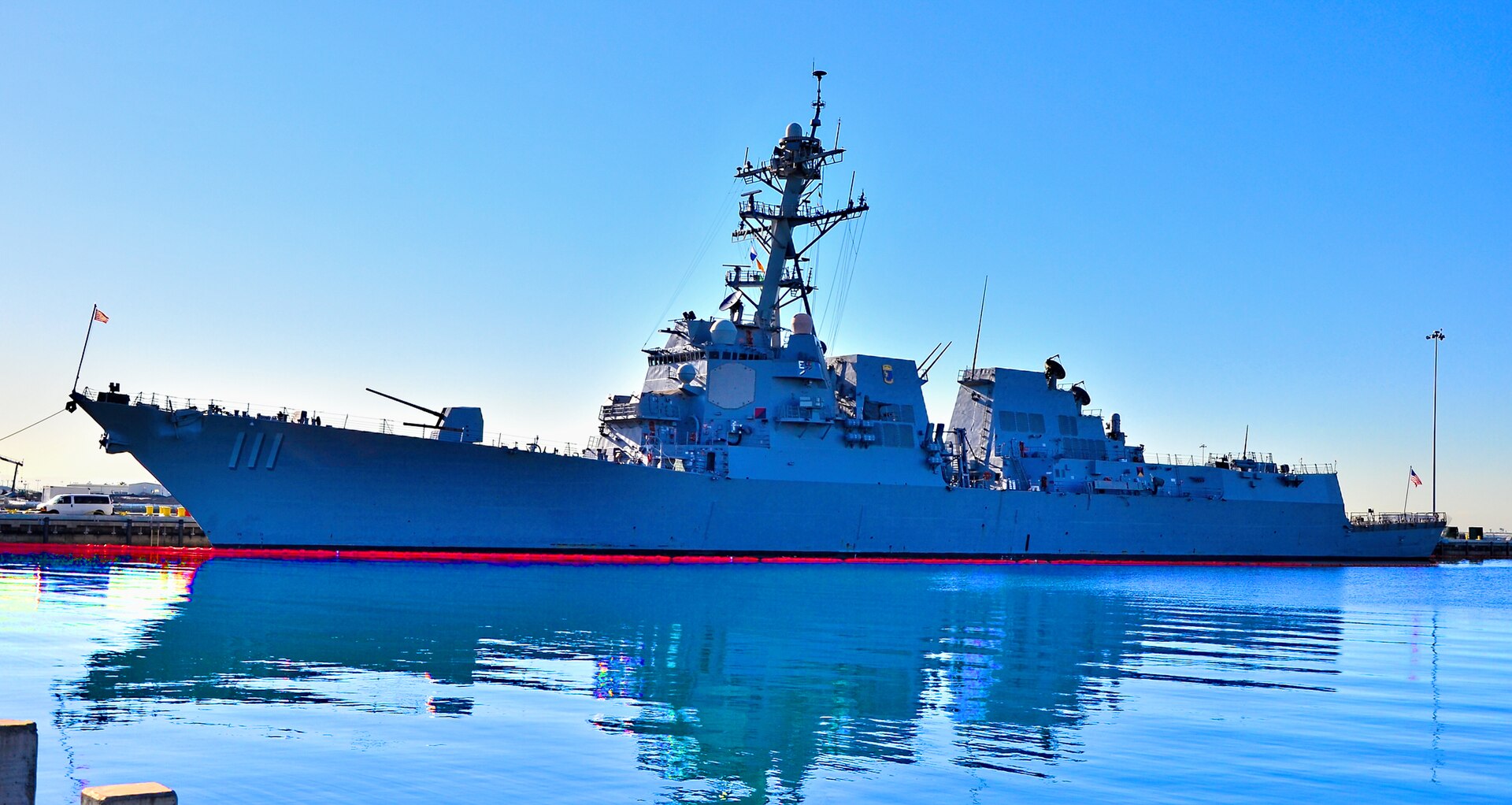
CENTCOM stated on April 20 that the Touska “failed to comply with repeated warnings over a six-hour period” and that the vessel was subject to Treasury sanctions “because of previous illegal activity,” per reporting by ABC News and Business Standard. After the warning period elapsed without compliance, USS Spruance (DDG-111) fired several rounds from its 5-inch/54-caliber Mark 45 gun into the Touska’s engine room — a disabling shot, not a sinking — before Marines from the 31st MEU boarded from USS Tripoli via helicopter rope descent. The cargo contents remain officially undisclosed, though maritime security sources told Reuters they assessed the vessel was “likely carrying dual-use items” after a voyage from Asia, and CENTCOM’s contraband list for the blockade includes military-use equipment, petroleum products, and fissile material.
The Middle East briefing 3,000+ readers start their day with.
One email. Every weekday morning. Free.
The Touska was the blockade’s first forcible seizure, though 31 other vessels had been turned back after complying with warnings. The Touska ran the blockade, transforming a sanctions-enforcement action into a potential prize-of-war case. CNN reported the vessel “could become ‘spoils of war,’” and legal analysts noted this would be the first prize-of-war case since the Falklands War in 1982 if the US invokes belligerent rights under the law of armed conflict.
The vessel had also gone dark — disabling its Automatic Identification System transponder for two and a half days, a practice Newsweek described as “in breach of international law” based on maritime analyst assessments. Running dark while heading toward a declared blockade on a sanctioned vessel does not leave much ambiguity about why CENTCOM chose this vessel, out of all the traffic approaching the perimeter, to make an example of.
Why Does the China Connection Matter?
Former US Ambassador to the UN Nikki Haley framed the Touska’s voyage explicitly as a China problem, telling Newsweek the vessel was “headed from China to Iran and is linked to chemical shipments for missiles” and calling it “another reminder that China is helping prop up Iran’s regime.” Beijing’s response was swift and dismissive — Foreign Ministry spokesperson Guo Jiakun described the Touska as merely “a foreign-flagged container ship” and said “China opposes any malicious association and hyping up the issue.”
The deflection is instructive because the facts are specific enough to resist it. The Touska spent three weeks in Chinese waters, called at multiple ports including one previously flagged by the Washington Post for ballistic missile precursor transfers, and loaded containers at Gaolan before heading back to Iran through a transshipment anchorage that US maritime analysts call a sanctions-evasion hub. The Jamestown Institute’s supply-chain findings on Iran’s drone campaign — documented in the vessel’s routing section above — are what make the Touska’s voyage pattern legible as something more than ordinary commerce.
The seizure also lands directly on top of Operation Economic Fury, Treasury Secretary Scott Bessent’s campaign targeting financial networks that facilitate Iranian procurement through Asian intermediaries. The Touska’s port calls — Zhuhai, Shanghai, Taicang, Gaolan — trace a line through the exact geography that Economic Fury was designed to constrict, which raises a question that Beijing’s dismissive press statements did not address and that the timing of Xi Jinping’s phone call to Riyadh may have answered.
Xi Called MBS, Not Pezeshkian
On April 20 — the same day the Touska boarding became public — Xi Jinping called Crown Prince Mohammed bin Salman and, per Xinhua’s readout carried by Bloomberg and CGTN, called for “normal passage through the Strait of Hormuz” and “an immediate and comprehensive ceasefire,” insisting that “disputes be resolved through political and diplomatic means.” It was the first time Xi had publicly named Hormuz by name in a call with Riyadh, and the choice of interlocutor was itself a message — Xi called the leader of the Gulf state most affected by Hormuz disruption, not the president of the country whose vessel had just been seized.
Jonathan Fulton, a nonresident senior fellow at the Atlantic Council’s Middle East Programs, assessed that the call may demonstrate “China’s commitment to the Arab side of the Gulf” given that there has been “no direct communication between Xi and Iranian President Pezeshkian since the war broke out” on February 28. The alternative reading, Fulton noted, is that the call represents “an attempt to signal a balanced approach to the region” — but the timing, hours after the Touska’s China connections became international news, makes pure coincidence a difficult argument to sustain.
Beijing’s positioning throughout the Hormuz crisis has been to cast itself as a responsible global energy-security actor without publicly defending Iran’s actions or endorsing American enforcement, a posture that requires careful choreography. Calling MBS rather than Pezeshkian on the day that a vessel loaded at Chinese ports was seized by American Marines achieves two things simultaneously — it signals to Washington that Beijing takes Hormuz freedom of navigation seriously enough to engage at the head-of-state level, and it signals to Riyadh that China’s energy interests are aligned with Saudi Arabia’s need for open shipping lanes, not with Iran’s strategy of using Hormuz as a coercive instrument.
The IRGC’s 72-Hour Retaliation Seizures
Two days after the Touska boarding, on April 22, the IRGC Navy seized two foreign commercial vessels — the Panama-flagged MSC Francesca and the Liberian-flagged Epaminondas, a vessel managed by Greece-based Technomar that had been en route from Jebel Ali to Mundra Port in Gujarat, India. The IRGC stated it seized both vessels for “tampering with navigation systems and jeopardising maritime security,” and specifically labelled the MSC Francesca as “linked to the Zionist regime,” per the IRGC Naval Command statement carried by Business Standard and Euronews. The seizures were the first time the IRGC had actually taken foreign commercial vessels since the war began — prior Hormuz enforcement had been limited to toll demands, channel restrictions, navigation warnings, and the turning back of individual ships.
The IRGC’s stated justification collapsed almost immediately. UKMTO reporting described both vessels as having been fired upon without warning, directly contradicting the claim that the Epaminondas was seized for navigation violations, and The Week India and The Loadstar reported that the Epaminondas had been explicitly told it had permission to transit the strait before being attacked. The seizures were retaliation — Iran’s military command had promised as much on April 20 when Khatam al-Anbiya, the IRGC’s central command, warned that “the armed forces of the Islamic Republic of Iran will soon respond and retaliate against this armed piracy by the U.S. military.”
The White House response created a new architecture for what constitutes a ceasefire violation. Press secretary Karoline Leavitt stated that Trump “does not view Iran’s IRGC’s assertion that it seized two ships in the Strait of Hormuz as a violation of the ceasefire” because the ships were “international ships, not American or Israeli.” The formulation — international ships, not American or Israeli — effectively established a two-tier system in which attacks on third-country commercial vessels transiting Hormuz do not trigger the ceasefire’s enforcement mechanisms, a framework that neither MSC nor Technomar’s insurers are likely to find reassuring. The following day, Iran escalated the information campaign further: the IRGC released professionally edited footage of the MSC Francesca boarding and fired on a third vessel, the M/V Euphoria, in what analysts described as a shift from seizure operations to deliberate maritime information warfare.
What Legal Framework Covers the Touska Seizure?
The legal terrain around the Touska is genuinely contested, and the competing frameworks matter because they determine whether the seizure is sanctions enforcement, a lawful act of belligerency, or — as Iran insists — piracy. Jason Chuah, professor of maritime law at City University of London, told Al Jazeera that “piracy requires private gain, not government vessels enforcing sanctions or a blockade in times of armed conflict,” adding with characteristic academic understatement that “if the US keeps flexing its maritime muscle at the edges of conventional legal frameworks, some might say the only thing missing is an eye patch and a parrot.”
Mark Chadwick, principal lecturer at Nottingham Law School, took a more cautious line with Newsweek, questioning “the lawful basis of the vessel’s capture under international law” — a framing that does not endorse Iran’s piracy claim but does not dismiss it either. The prize-of-war framework, if invoked, would make the Touska the first such case since British forces seized Argentine vessels during the Falklands War in 1982, and would require the US to demonstrate that the vessel was carrying contraband as defined under the law of armed conflict, not merely that it was owned by a sanctioned entity.
“This attack involved coercion, intimidation, and reckless endangerment of the lives of the ship’s crew and their families… Such conduct amounts to maritime piracy and represents a dangerous escalation that severely threatens the safety and security of vital shipping routes.”
— Amir Saeed Iravani, Iran’s UN Ambassador, in a letter to the UN Secretary-General, April 21, 2026
Iran’s formal position, articulated in Ambassador Iravani’s letter to the UN Secretary-General and in Foreign Minister Araghchi’s public statements, describes the seizure as “a blatant violation of fundamental principles of international law, including the peremptory norm prohibiting aggression.” Araghchi was more direct with Al Jazeera: “Striking a commercial vessel and taking its crew hostage is an even greater violation of the ceasefire.” The framing is consistent — Iran treats the blockade itself as an act of war (“Blockading Iranian ports is an act of war,” Araghchi told NPR and CNN on April 22) and the Touska seizure as armed piracy, positioning the IRGC’s retaliatory seizures not as ceasefire violations but as proportional enforcement mirroring the American action.
Pakistan Mediation and Ceasefire Fallout
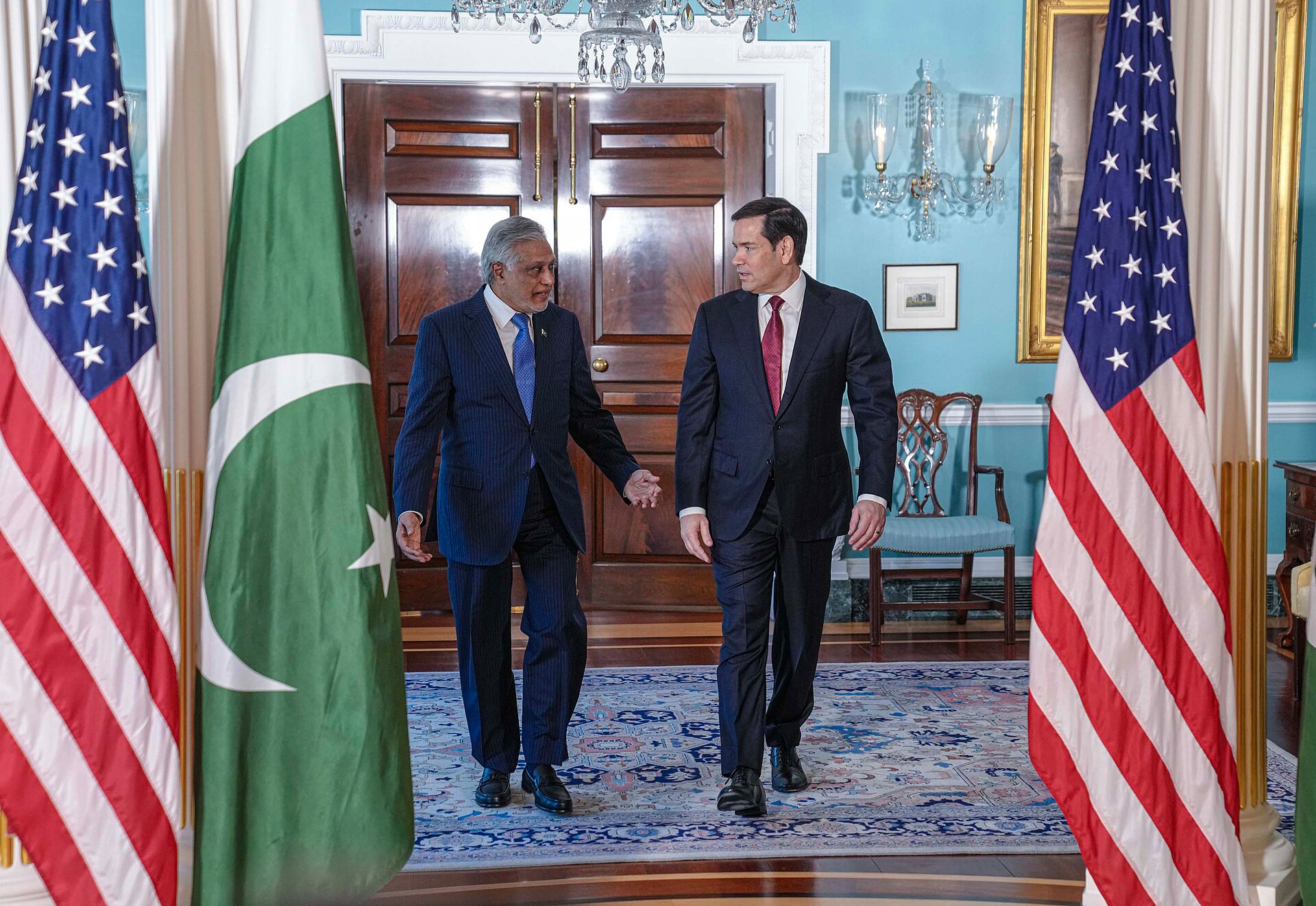
The Touska seizure killed ceasefire negotiations before the IRGC retaliations added a second crisis on top of the first. Iran canceled planned Islamabad negotiations immediately after the boarding became public, with Araghchi telling Al Jazeera that “there are indications from the American side that there is no seriousness on the side of the US to walk down the path of diplomacy” — a statement that effectively suspended the mediation track that Pakistan had been building since the Vance-Ghalibaf face-to-face earlier in April. By April 21-22, Al Jazeera reported that Pakistan was continuing efforts to persuade the US to lift its naval blockade and release the Touska and its crew as part of broader mediation, but the ask had escalated from facilitating talks to resolving a bilateral maritime confrontation.
The timing compressed three simultaneous downstream crises into a window of 72 hours — the Touska seizure on April 19-20, the Xi-MBS call on April 20, Trump’s indefinite ceasefire extension on April 21, and the IRGC retaliatory seizures on April 22. Each event fed the next. The seizure provoked Beijing’s most explicit Hormuz intervention and killed Iran’s willingness to negotiate. The ceasefire extension, announced as the diplomatic track was disintegrating, created a framework that Iran immediately tested with the MSC Francesca and Epaminondas seizures. And the White House’s decision to classify those seizures as non-violations created a permissive environment for future IRGC enforcement actions against third-country commercial traffic, the very traffic that Gulf economies and Asian importers depend on.
The non-obvious question embedded in the 72-hour sequence is whether the Touska seizure was simultaneously directed at Tehran and Beijing — whether the decision to board a vessel loaded at Chinese ports, on a route through Chinese waters, owned by a sanctioned Iranian entity, was designed to force Beijing into a public position on Hormuz that it had been carefully avoiding. If so, Xi’s call to MBS was not coincidence but counter-move, and the crisis has acquired a third axis that neither Pakistan’s mediation nor Trump’s ceasefire extension was designed to address.
FAQ
What happened to the Touska’s crew after the boarding?
CENTCOM has not disclosed the crew’s status or location as of April 23. Iran’s Foreign Ministry demanded “immediate release of the Iranian vessel, its sailors, crew and their families,” suggesting the crew remains in US custody. The reference to “families” in Iran’s demand indicates that some crew members may have had family aboard, though this has not been independently confirmed.
Has the US declared a formal war with Iran that would justify prize-of-war status?
The US has not issued a formal declaration of war against Iran, and the conflict operates under existing Authorization for Use of Military Force provisions and executive authority. Prize-of-war seizures under the law of armed conflict do not technically require a formal declaration — belligerent rights can apply during armed conflicts below the threshold of declared war — but the absence of a formal declaration gives Iran’s piracy framing additional diplomatic traction in multilateral forums.
Were the MSC Francesca and Epaminondas carrying cargo linked to Israel?
The IRGC’s “Zionist regime” designation against MSC Francesca appears to reference corporate relationships rather than the specific cargo aboard. MSC — Mediterranean Shipping Company — is a Swiss-Italian firm operating one of the world’s two largest container fleets, with no Israeli ownership. Neither vessel’s cargo manifests have been publicly released by Iran or the vessels’ operators, leaving the legal basis for the “tampering with navigation systems” charge unsubstantiated.
Could China face secondary sanctions over the Touska’s port calls?
The Touska’s visits to Zhuhai, Shanghai-area waters, Taicang, and Gaolan place Chinese port authorities and any entities that serviced or loaded the vessel within the scope of OFAC secondary sanctions enforcement. Treasury Secretary Bessent’s Operation Economic Fury had already sent formal warning letters to two Chinese banks, and the Touska seizure gives the Treasury Department a documented case — with AIS tracking data, port records, and physical cargo — to pursue enforcement actions against Chinese entities that facilitated the voyage.
What happens to the Touska’s cargo under prize-of-war proceedings?
Under the law of armed conflict, a prize vessel and its cargo are typically brought before a national prize court to determine whether seizure was lawful and whether the cargo constitutes contraband. The US has not convened a prize court since the Second World War. If the US pursues this route, it would need to establish that the Touska’s cargo met the definition of contraband under modern law of armed conflict doctrine — a threshold that sanctions violations alone do not satisfy. Iran would have standing to contest the proceedings in multilateral forums regardless.
Two days after the Touska, the US conducted a second open-ocean interdiction in the same corridor: the Majestic X, stopped 2,000 miles from Hormuz while carrying two million barrels of Iranian crude bound for Zhoushan, establishing the Sri Lanka–Indonesia passage as a second enforcement perimeter beyond the Hormuz blockade.